04 September 2026 • 7 min read
Graciosa covers 62 square kilometers and can be driven across in under 30 minutes. That makes it one of the most manageable islands in the Azores for visitors with limited time. Most of the sights are reachable by car, the distances between them are short, and two days is enough to see everything on this list without rushing. The geological and historical highlights are concentrated: Furna do Enxofre and the Caldeira in the center, the northwest coast lighthouses and islets, and the south coast villages and thermal baths.
Total places: 15 | Time needed: 2 days | Base: Santa Cruz da Graciosa
1. Furna do Enxofre
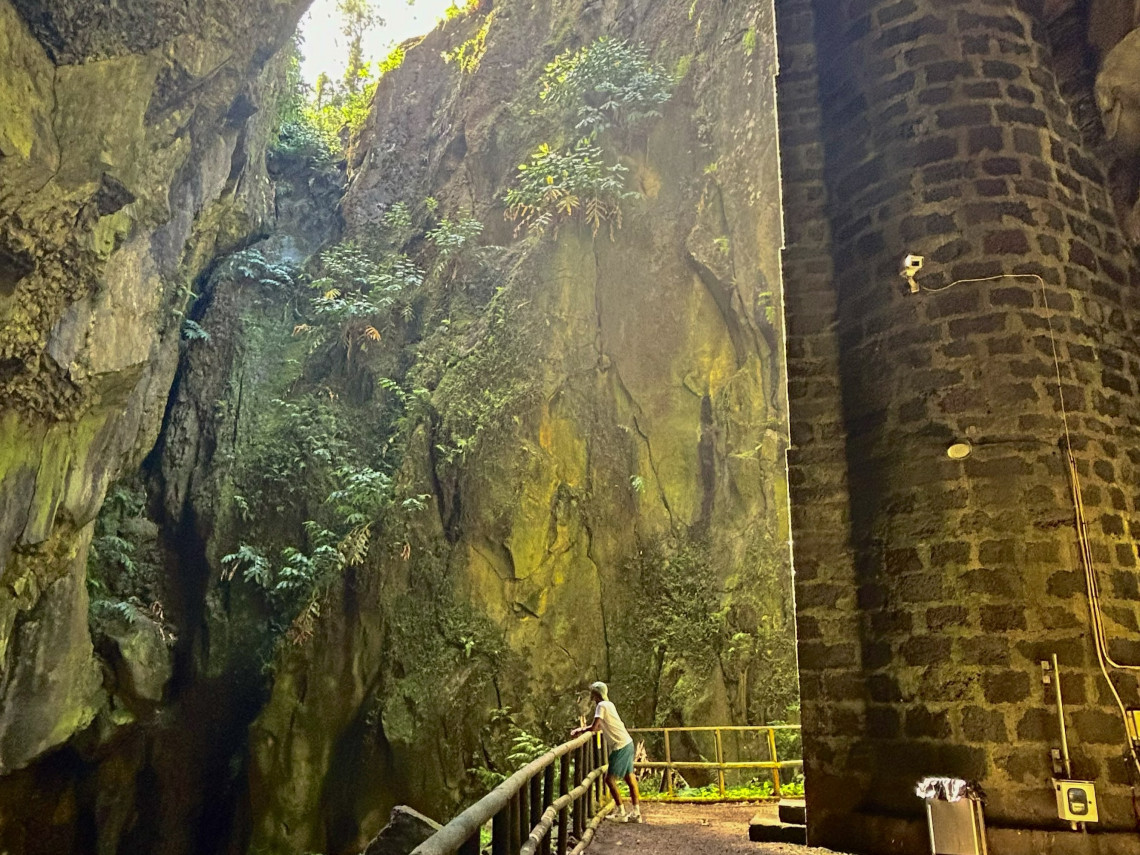
The most important natural site on Graciosa and one of the most unusual geological features in the entire Azores. Furna do Enxofre is an ancient lava cave inside the volcanic Caldeira, reached by a 200-meter tunnel bored through the crater wall and a spiral staircase of 183 steps. The cave floor has a subterranean lake of sulphurous water; the ceiling is a dome of lava prisms formed during an eruption; and a natural skylight in the roof lets in a column of light around midday on clear days.
Entry is ticketed and guided. The visit takes about 1 hour. Book in advance in July and August when slots fill.
2. Caldeira da Graciosa
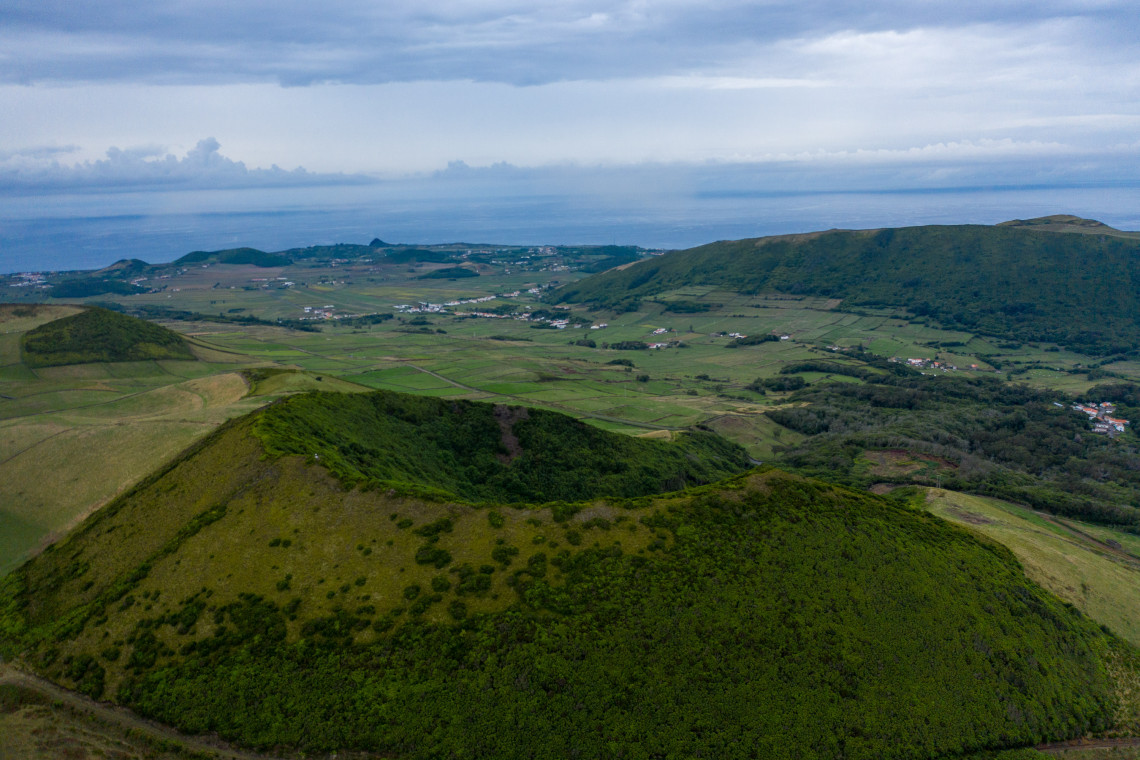
The volcanic crater that contains Furna do Enxofre is worth exploring as a site in its own right. At 405 meters altitude, the Caldeira has a rim trail with views across the whole island and, on clear days, to Terceira, São Jorge, and Pico. The interior walls are covered in native laurisilva forest. Unlike the caldeiras of Faial or São Miguel, it holds no lake, but the scale of the depression and the geological context make it one of the most atmospheric places on the island.
The rim trail takes 1 to 2 hours to walk and is accessible without a guide.
3. Furna da Maria Encantada
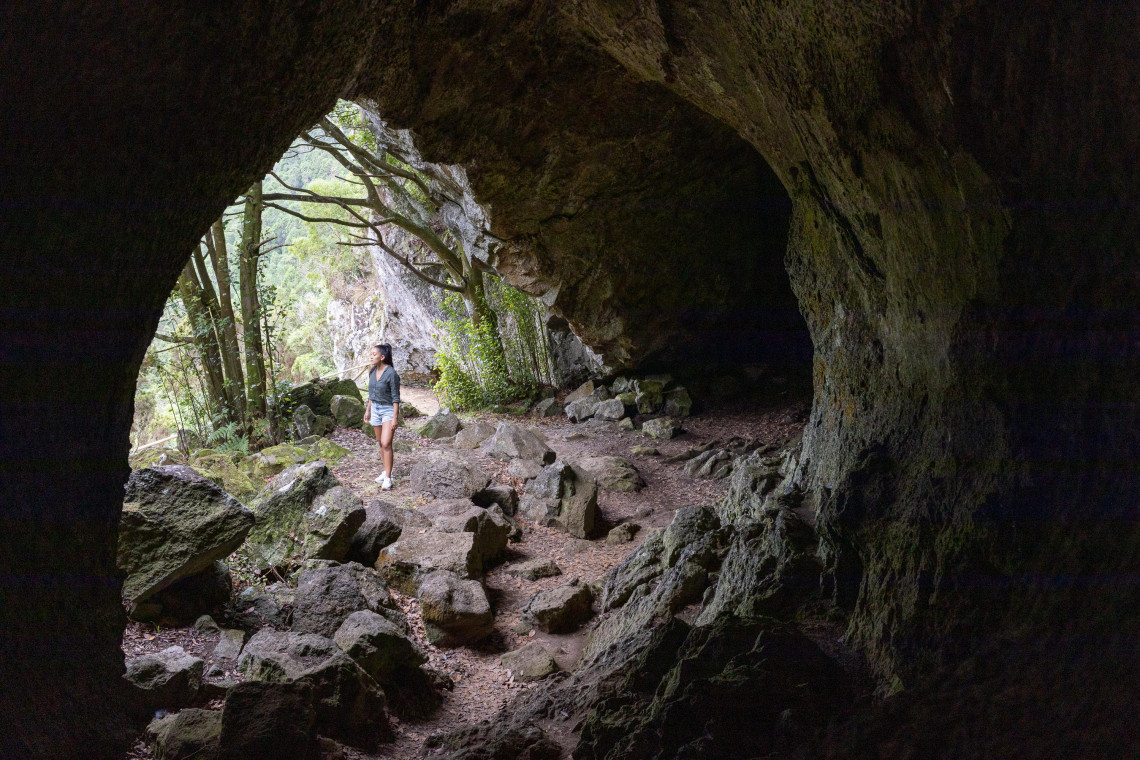
A cave on the Caldeira hiking trail with a naturally formed opening that frames the crater and the sky behind it. The interior receives afternoon light in a way that gives it a cathedral quality, and the views of the Caldeira from inside the cave's mouth are one of the more photogenic spots on the island. It is a natural stop on any Caldeira circuit walk and adds no significant detour to the route.
GUIDED ISLAND TOURS
Guided tours of Graciosa cover Furna do Enxofre, the Caldeira, the lighthouse at Ponta da Barca, windmill stops, and the south coast viewpoints. A practical way to cover the whole island in a single day with local context.
Browse Graciosa Tours →4. Ponta da Barca Lighthouse
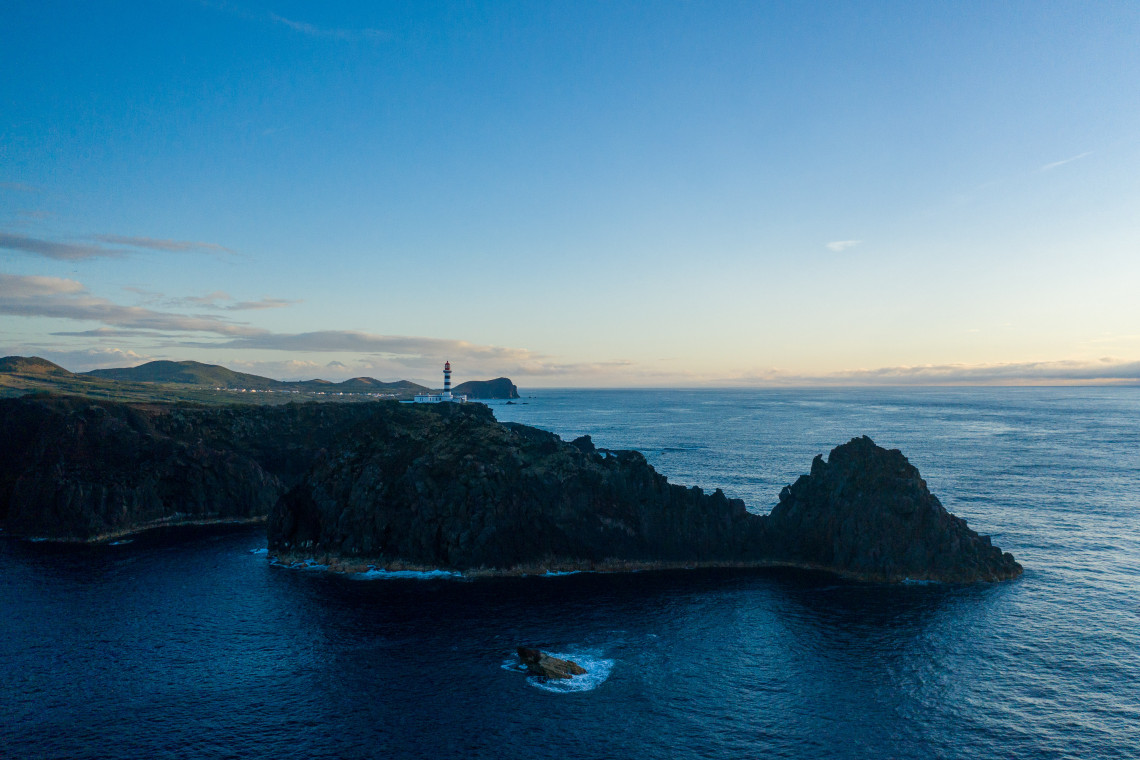
The northwest tip of Graciosa terminates at Ponta da Barca, where a lighthouse built in 1930 stands on a basalt promontory 71 meters above the sea. The tower is 23 meters high. The view from the promontory is open Atlantic to the north and west, with nothing between you and North America. It is one of the best places on the island to watch a sunset, and the light conditions in late afternoon give the volcanic rock a reddish quality that is distinct from the island's paler interior.
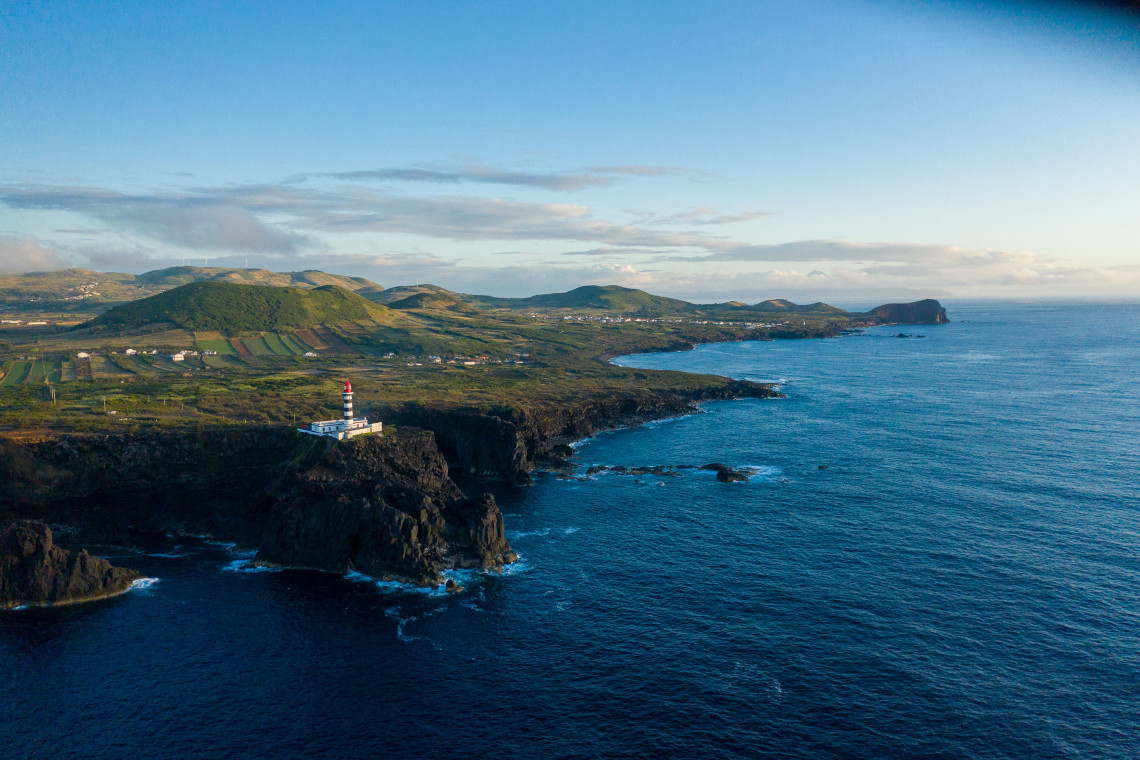
5. Baleia Islets
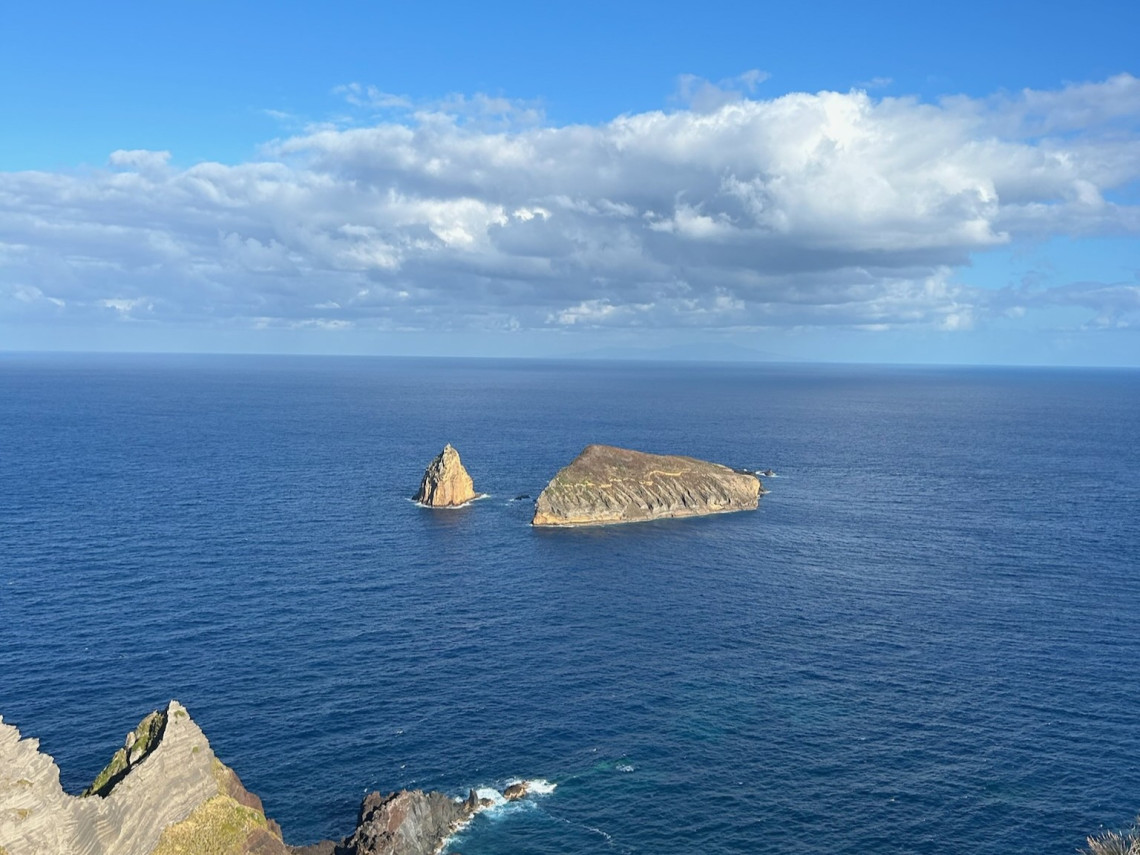
A few hundred meters from Ponta da Barca, the Baleia Islets (Ilhéus da Baleia, named for their whale silhouette) rise from the ocean. They are a protected landscape and a nesting site for seabirds. The best view is from the promontory at Ponta da Barca, which frames both the lighthouse and the islets in a single composition. The islets are not accessible by boat in normal circumstances.
6. Porto Afonso
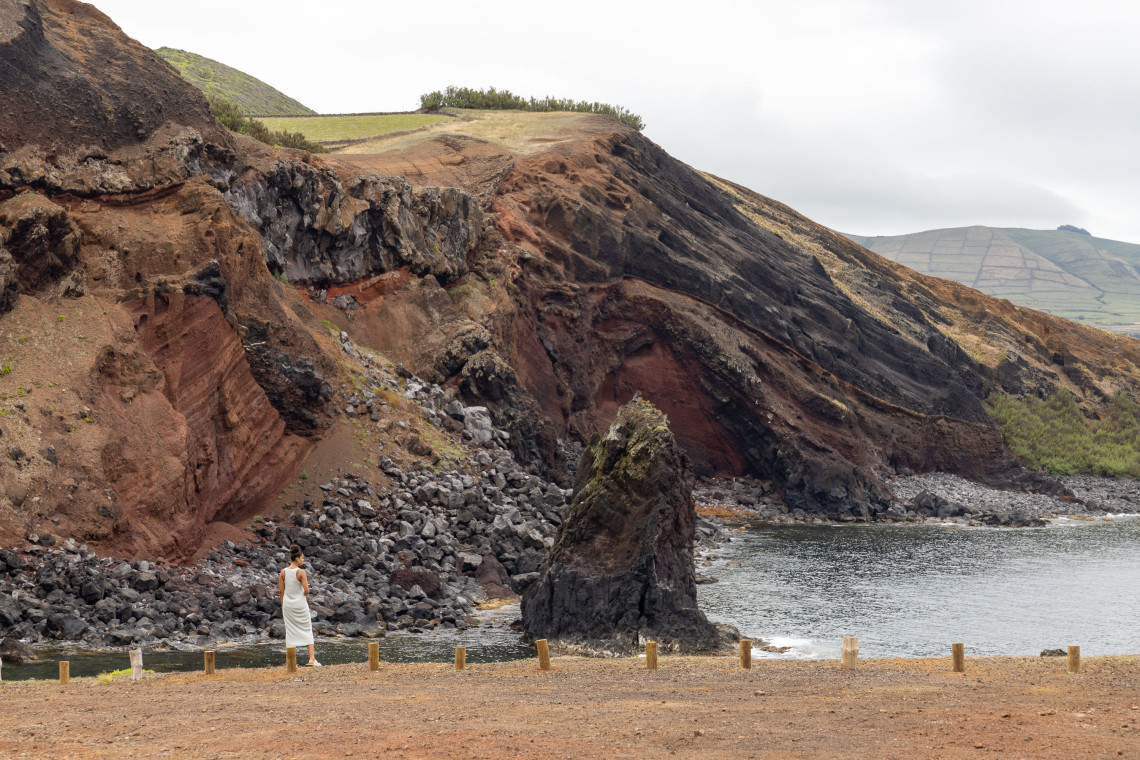
The fishing harbor on Graciosa's west coast was originally the site of a fort built to protect the island from pirate raids, a genuine concern during the centuries when the Atlantic was an active trade route. The fort no longer stands, but the harbor retains its original character: local fishermen bring in their catch here, and the shoreline has volcanic rock formations that residents have shaped over generations to protect moored boats from Atlantic swells. The result is a harbor wall that looks both functional and ancient. Porto Afonso also has swimming access in summer from the rock shelf.
7. Santa Cruz da Graciosa
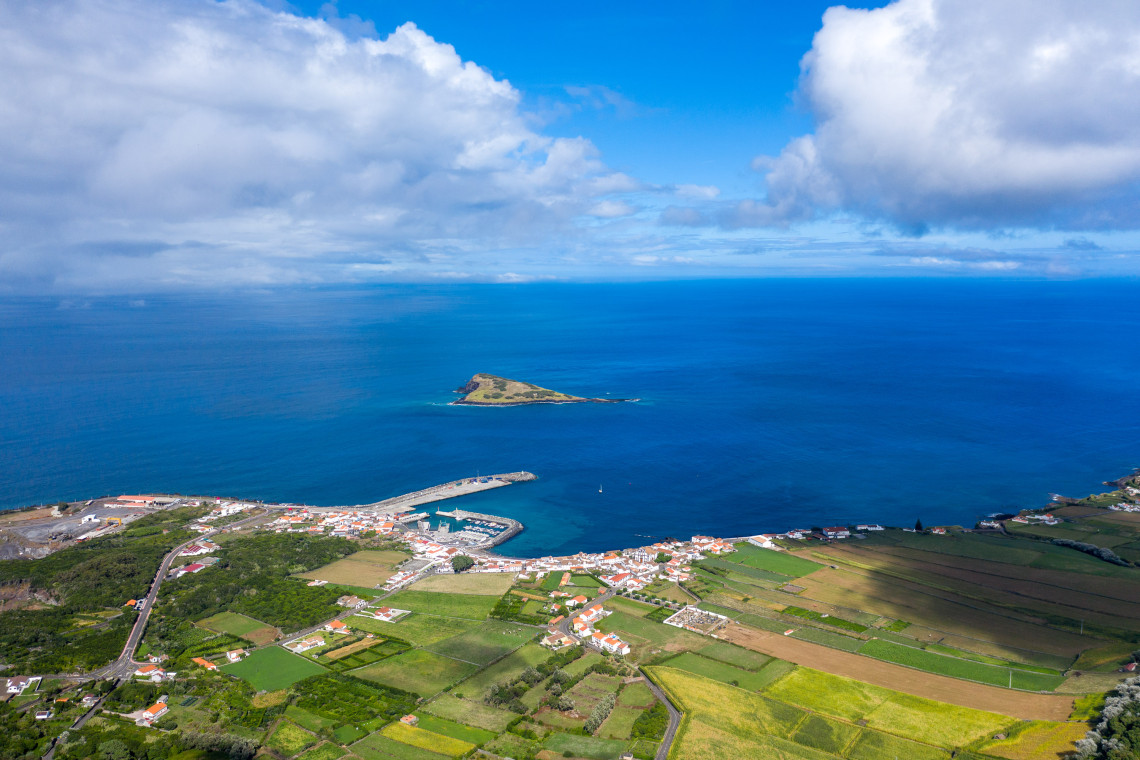
The island capital and the natural starting point for any visit. Santa Cruz has the highest concentration of restaurants, the main pharmacy, and the island museum. The town is walkable in under an hour: the tiled streets, the church of Santa Cruz, and the central plaza merit a slow morning circuit. The waterfront area below the town gives views east along the north coast.
8. Museu da Graciosa
The island museum is housed in a restored traditional building in Santa Cruz and covers Graciosa's geological formation, maritime history, and everyday life across the centuries. The collection is specific to the island rather than to the Azores as a whole, which makes it more useful for understanding what you are about to see outside. Entry is inexpensive and the visit takes 30 to 45 minutes.
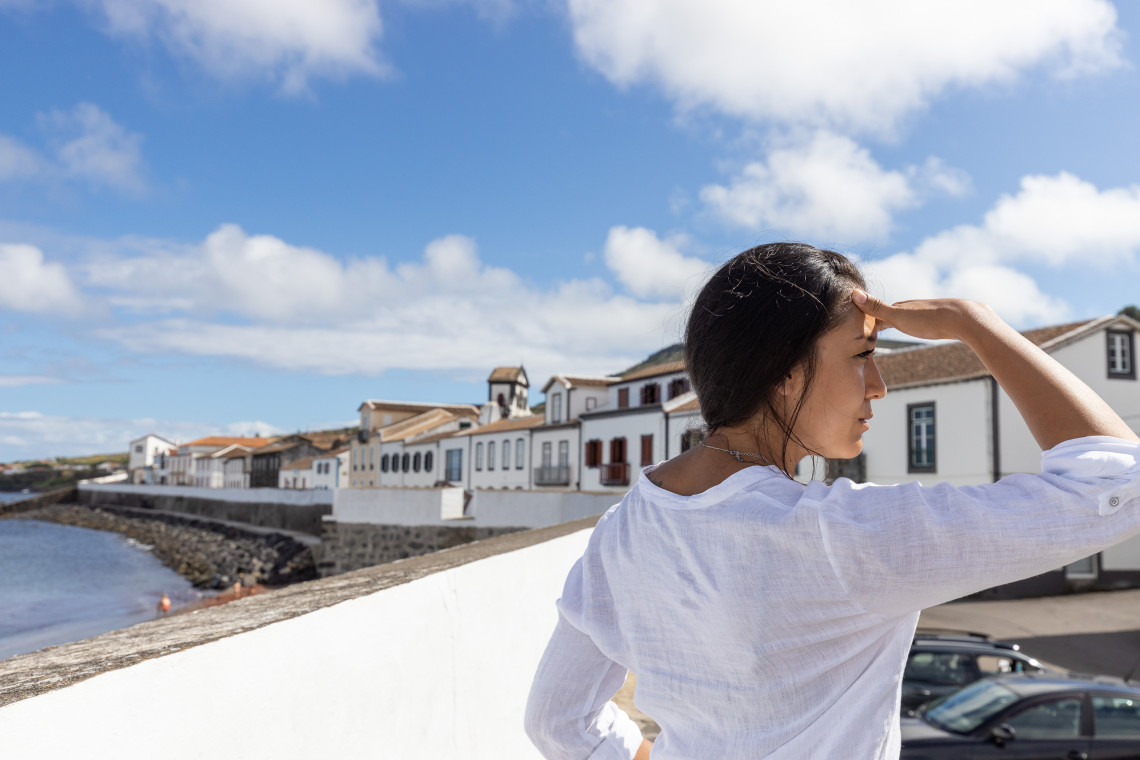
9. Windmills of Vila da Praia
The concentration of Flemish-influenced windmills around Vila da Praia on the south coast is the most distinctive visual element of Graciosa's landscape. The design features conical stone towers and red lattice sails unlike anything found on the other Azores islands. Several windmills have been converted into rental accommodation. The best overview is from the road above Vila da Praia, where multiple windmills appear together against the sea and the Praia Islet offshore.
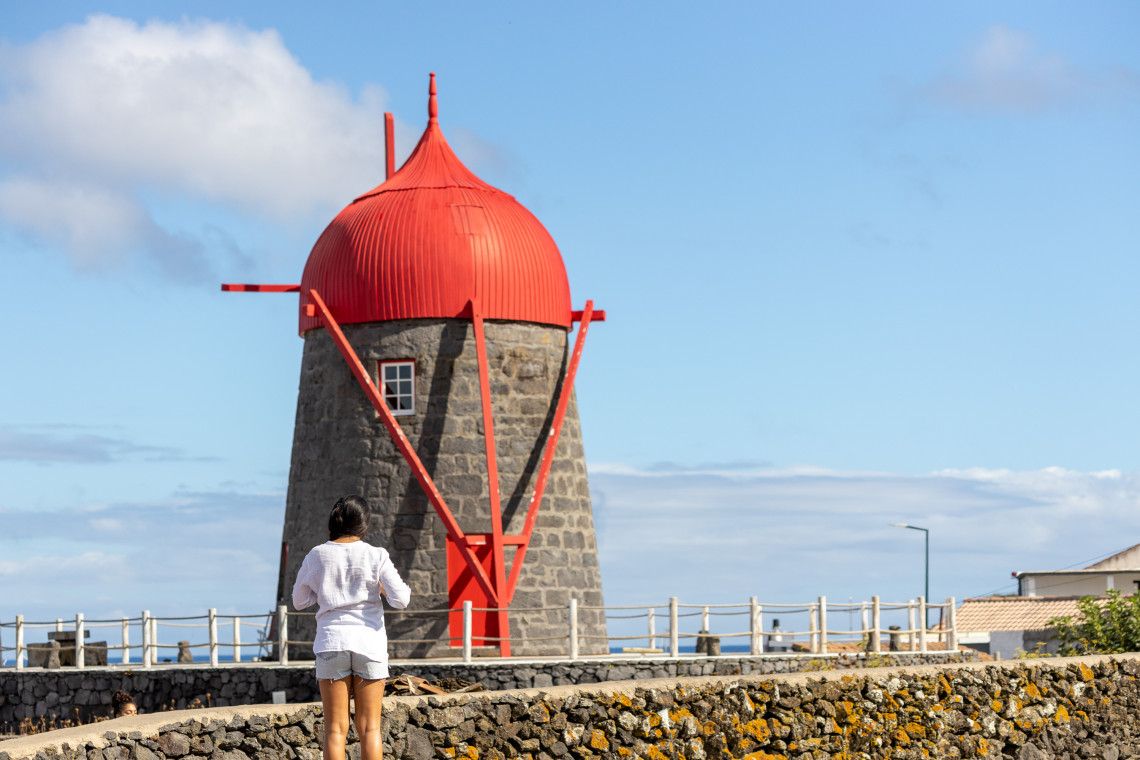
10. Fábrica das Queijadas da Graciosa
The factory where Graciosa's famous star-shaped pastries are produced is in Vila da Praia, a short walk from the windmills. The shop sells queijadas fresh and packaged. Tours of the production process are available. The factory visit pairs naturally with a walk to the nearby windmills and the beach at Praia de São Mateus. If you can time it for when a batch has just come out of the oven, the difference from a packaged queijada is significant.

11. Ilhéu da Praia (Praia Islet)
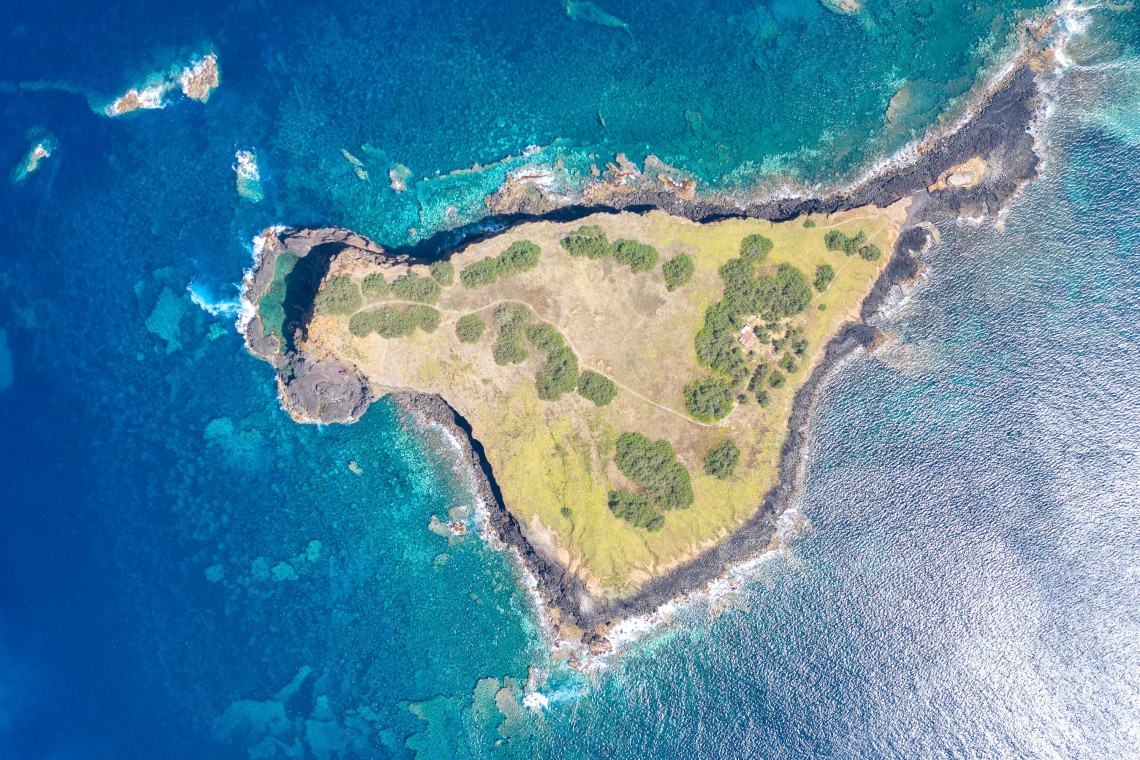
Visible from Vila da Praia and from the rental windmills, Praia Islet sits 1.5 km offshore and is one of the important seabird nesting sites in the central Azores. It is not accessible to visitors, but from the shore or from the windmills above the village, it provides a visual anchor to the south coast panorama. The islet's presence explains why some of the windmill accommodations facing it are booked well in advance.
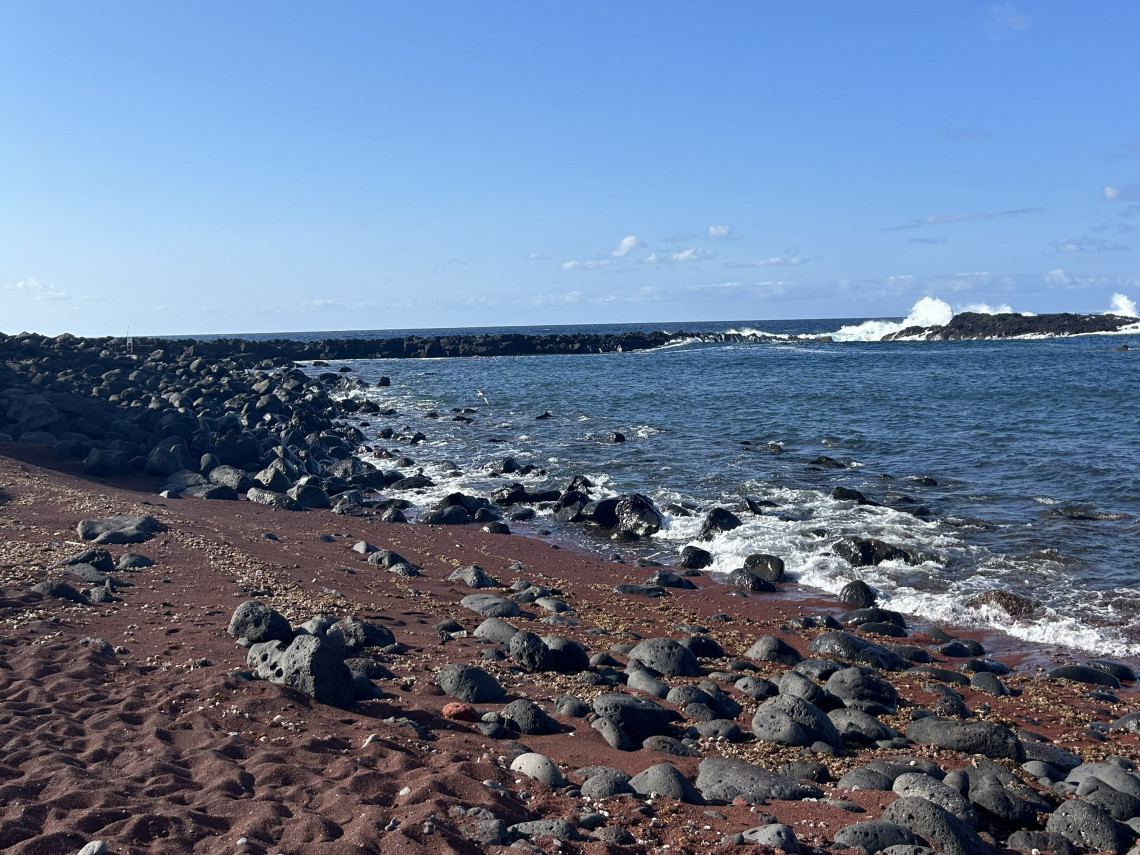
12. Praia de São Mateus and Praia do Barro Vermelho
Two sandy beaches near Vila da Praia, unusual in the central Azores group where most islands rely on natural rock pools. Praia do Barro Vermelho (Red Clay Beach) is named for the reddish volcanic earth above it. Both beaches are quiet even in July and August. The sea temperature reaches 22 to 24°C (72 to 75°F) in late summer, and the water clarity is consistently good.
13. Termas do Carapacho
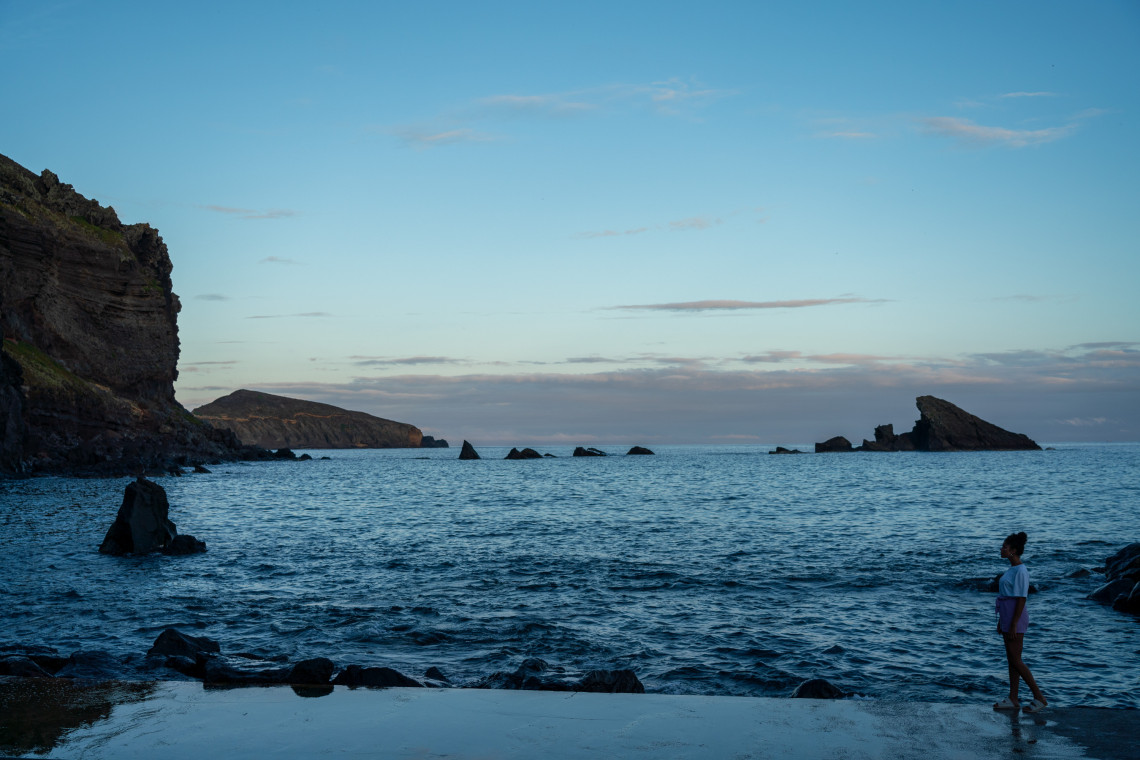
The thermal spa complex on the south coast has been in operation since 1750. The facility sits above the ocean, overlooking the Baixo Islets and the natural rock pools below. The geothermal waters are mineral-rich; the complex has both indoor therapeutic pools and outdoor natural seawater pools. A session here makes a natural end to a day of driving the island. The combination of hot mineral water and open ocean air with very few people around it is one of Graciosa's quieter pleasures.
14. Carapacho Viewpoint
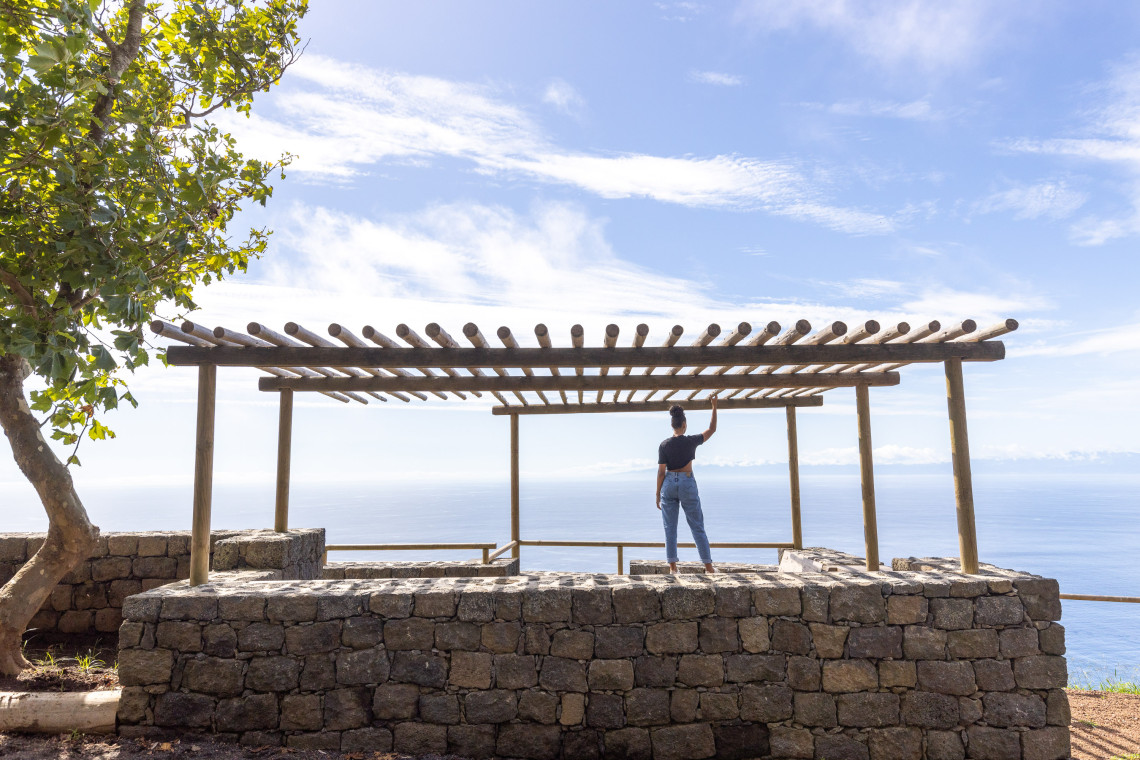
On the road descending toward the Termas do Carapacho, a viewpoint gives a wide-angle view over the southern coastline, the Baixo Islets, and the ocean extending south toward São Jorge and Pico. It is an easy stop on the way to or from the thermal baths and takes 10 minutes. The view is better in the afternoon when the light falls from the west.
15. Ponta da Restinga
The southeastern point of Graciosa, where the island's coastline makes a sharp turn and the views extend along the full length of the south coast. The rocky formations here have a different character from the lighter soils of the island's interior. It is one of the less-visited viewpoints on the island, which is worth factoring in if you want somewhere with no other visitors.
Graciosa Island Vacation Packages
Flights, accommodation, and rental car arranged together. Graciosa pairs naturally with São Miguel, or as part of the central islands circuit with São Miguel and Terceira.
Keep reading
Frequently Asked Questions
What is the most visited site on Graciosa Island?
Furna do Enxofre is the most visited site and the primary reason most travelers choose Graciosa. The lava cave's subterranean lake, domed ceiling of lava prisms, and natural skylight have no equivalent in the Azores. Entry is ticketed and guided; slots fill in peak season.
How long does it take to see Graciosa Island?
Two full days cover all 15 sights on this list at a relaxed pace. Day 1 works well for the Caldeira zone: Furna do Enxofre, the Caldeira rim trail, Furna da Maria Encantada, and the Ponta da Barca lighthouse. Day 2 covers the south coast: Vila da Praia windmills, the queijadas factory, Porto Afonso, the beaches, the Carapacho viewpoint, and the Termas. A third day allows for slower revisits or hiking.
What are the windmills of Graciosa?
Flemish-influenced stone windmills with red lattice sails, concentrated around Vila da Praia on the south coast. Their design is distinct from windmills found on the other Azores islands and reflects the Dutch and Flemish settlers who arrived in the island's early history. Several have been converted into rental accommodation. The best view of multiple windmills together is from the road above Vila da Praia.
Can you visit Furna do Enxofre without a guide?
No. Entry to Furna do Enxofre is via organized visit only. You access the cave through a managed route: a 200-meter tunnel followed by a 183-step spiral staircase. A guide accompanies each group and provides context on the geology, the formation of the lava prisms, and the sulphurous lake. The visit is ticketed and entry is controlled to protect the cave environment.
Is Graciosa good for a day trip from Terceira?
Possible, but tight. Graciosa is about 30 minutes by inter-island flight from Terceira, and a day gives enough time to visit Furna do Enxofre, drive the Caldeira, see the Ponta da Barca lighthouse, and stop at the windmills. It does not leave time for the beaches, the Termas, or a slow meal. Two nights on the island gives a much more complete experience and is worth the extra day.
What is the best viewpoint on Graciosa Island?
Ponta da Barca, at the northwest tip, gives the widest open-ocean panorama and the most dramatic setting. The Caldeira rim is the highest point accessible by trail and offers the only internal island view. The Carapacho viewpoint on the south coast is the best angle for the coastal geology and the Baixo Islets. Ponta da Restinga, at the southeastern tip, is the quietest and least visited of the four.
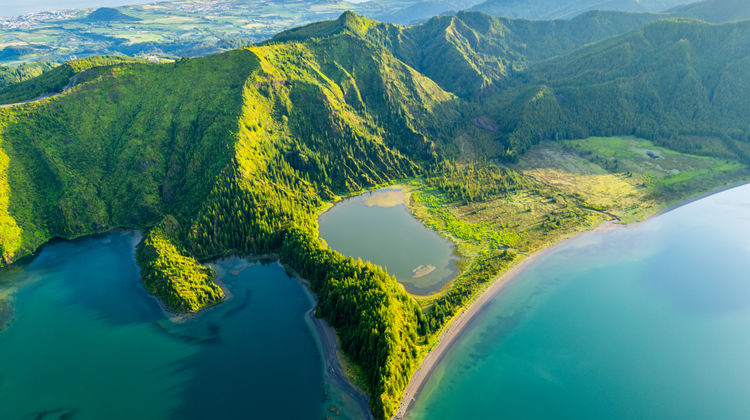
.jpg "Sete Cidades Caldera Lakes in São Miguel Island, Azores")
.jpg "Jeep tour through Cumeeiras, Sete Cidades, São Miguel Island")
.jpg "Scenic View of Tea Plantations in São Miguel, Azores")

.jpg "Pico Island’s Longitudinal Road (IS1) – Scenic Drive Through the Heart of the Island")