September 2026 • 7 min read
The Azores were the first archipelago in the world certified as a sustainable tourism destination by EarthCheck, in December 2019, and reached EarthCheck Gold in 2024. Four islands are UNESCO Biosphere Reserves, 30% of Azorean waters became Europe's largest marine protected area network in 2024, and around a third of the electricity already comes from geothermal, hydro and wind.
For a traveller, sustainable travel here comes down to a few choices: stay in certified or locally owned accommodation, book small-group tours with licensed operators, stay on marked trails, and spend money where it stays on the islands. This guide covers each one.
Why the Azores Count as a Sustainable Destination
Sustainability claims are cheap in tourism, so it helps to know what sits behind this one. In December 2019 the Azores became the first archipelago certified under the EarthCheck Sustainable Destinations programme, which audits destinations against the criteria of the Global Sustainable Tourism Council. The certification is renewed through an annual external audit, and the region moved from Silver to Gold in 2024 and to Gold Level II in 2025. EarthCheck's tiers are based on years of continuous certification, so Gold means five or more years of audited progress rather than a one-off award.
The regional government also runs a Sustainability Charter that applies the UN Sustainable Development Goals across public services, and a growing group of local tourism companies, 33 at the last count, hold their own EarthCheck certification.
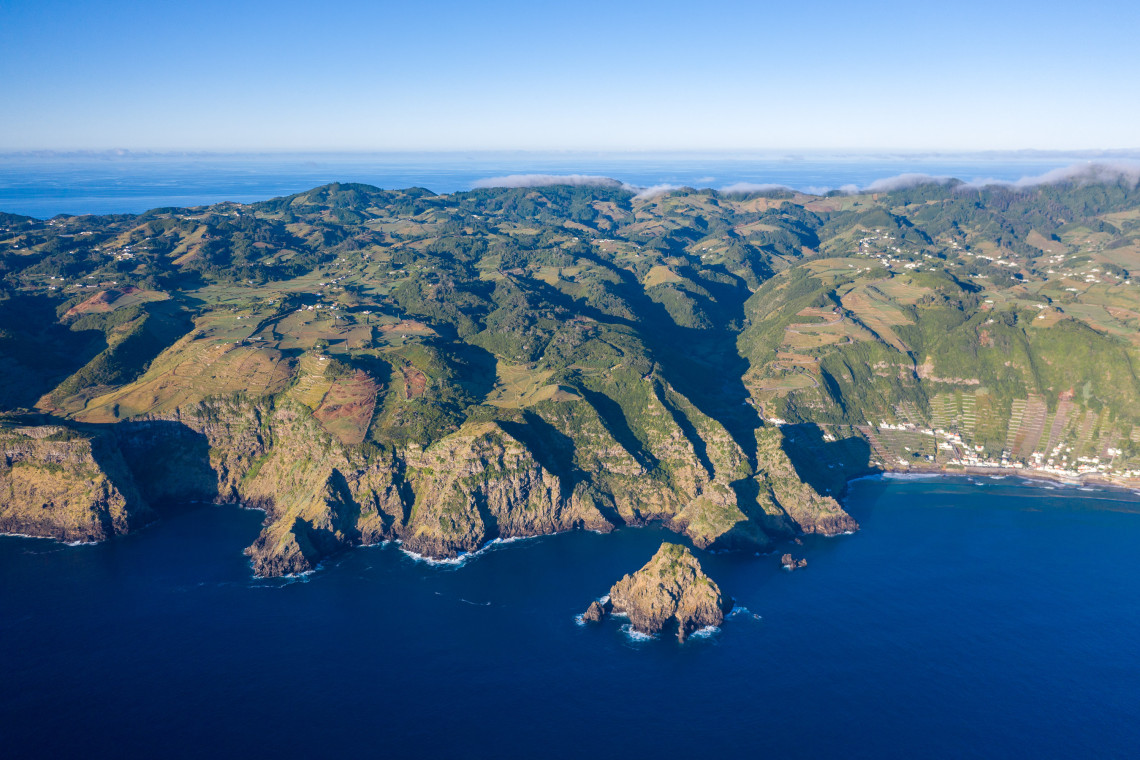
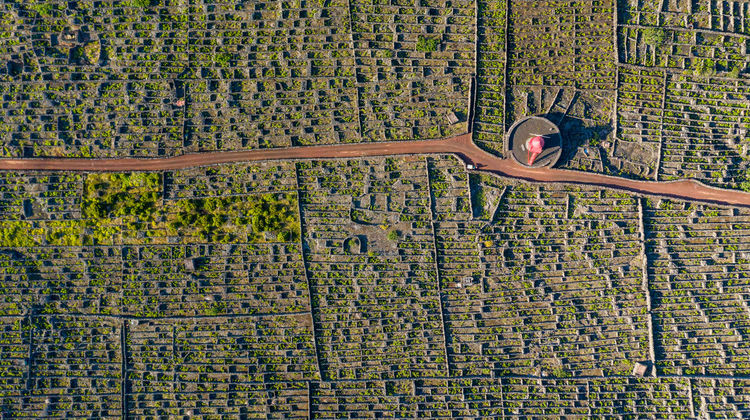
The numbers that matter most to a visitor: nine islands with a built-up area of only around 5% of the territory, four UNESCO Biosphere Reserves (Corvo and Graciosa since 2007, Flores since 2009, and the Fajãs de São Jorge since 2016), two UNESCO World Heritage Sites (the historic centre of Angra do Heroísmo and the vineyard landscape of Pico) and a UNESCO Global Geopark covering the whole archipelago.
The Ocean: Europe's Largest Marine Protected Area
In October 2024 the Azores parliament approved a marine protected area network covering 30% of the region's waters, roughly 287,000 km², the largest in Europe. Half of that area is fully protected, with no fishing, mining or other extraction, and the other half is highly protected with tightly limited use. Azorean waters make up more than half of Portugal's sea and about 15% of Europe's, so the decision matters well beyond the islands.
For visitors, the practical effect is on whale and dolphin watching, which the Azores regulate through licensed operators, approach distances and time limits around animals. Choose a licensed boat, keep to the rules your skipper explains, and expect the animals to set the agenda rather than the itinerary.
LICENSED WHALE WATCHING
Half-day whale and dolphin watching from Ponta Delgada with a licensed operator and onboard biologist, following the regional approach rules.
Book whale watching →Energy, Water and Waste on the Islands
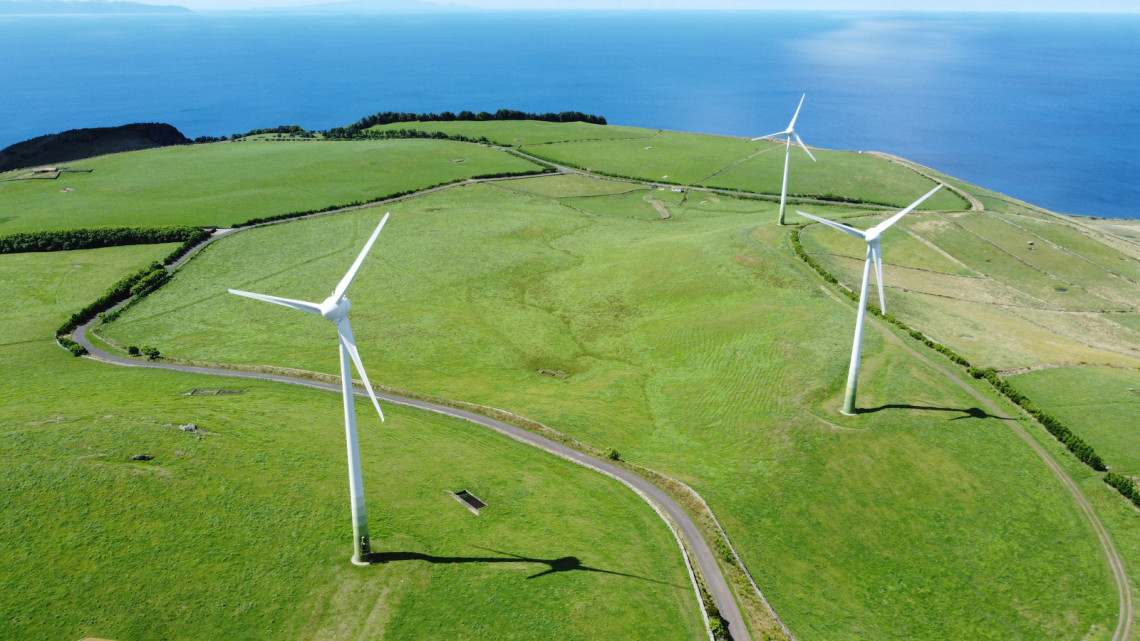
The Azores produce about a third of their electricity from renewable sources, up from 28% in 2010, and geothermal alone covers around a fifth of regional demand. São Miguel, the only island with geothermal plants at scale, is heading for roughly 60% renewable electricity by the end of 2026 as the Ribeira Grande plant is refitted, and Terceira has its own geothermal station at Pico Alto. Wind farms on Santa Maria, São Jorge and Flores are being upgraded, and Graciosa runs a battery-backed wind and solar system, the Graciólica project, that lets the island switch off its diesel generators for long stretches. The stated regional goal is to pass 70% renewable electricity and reach carbon neutrality by 2050.
Tap water is drinkable across the islands (99% of supplied water meets the human consumption standard), so a refillable bottle is all you need. Around 55% of municipal waste is recovered, and seven of the nine islands recycle over 80% of it, which is why you will see separated bins in every village.
Where to Stay: Eco Hotels and Rural Tourism
The most sustainable bed in the Azores is usually a small one. Rural tourism houses (turismo rural), family-run guesthouses and restored quintas keep money inside the community, and many were built from the volcanic stone that was already on the plot. Look for properties with recognised certification, such as EarthCheck, Green Key or Biosphere, or ask directly about water heating, waste and where the breakfast comes from; owners who have done the work are happy to tell you.
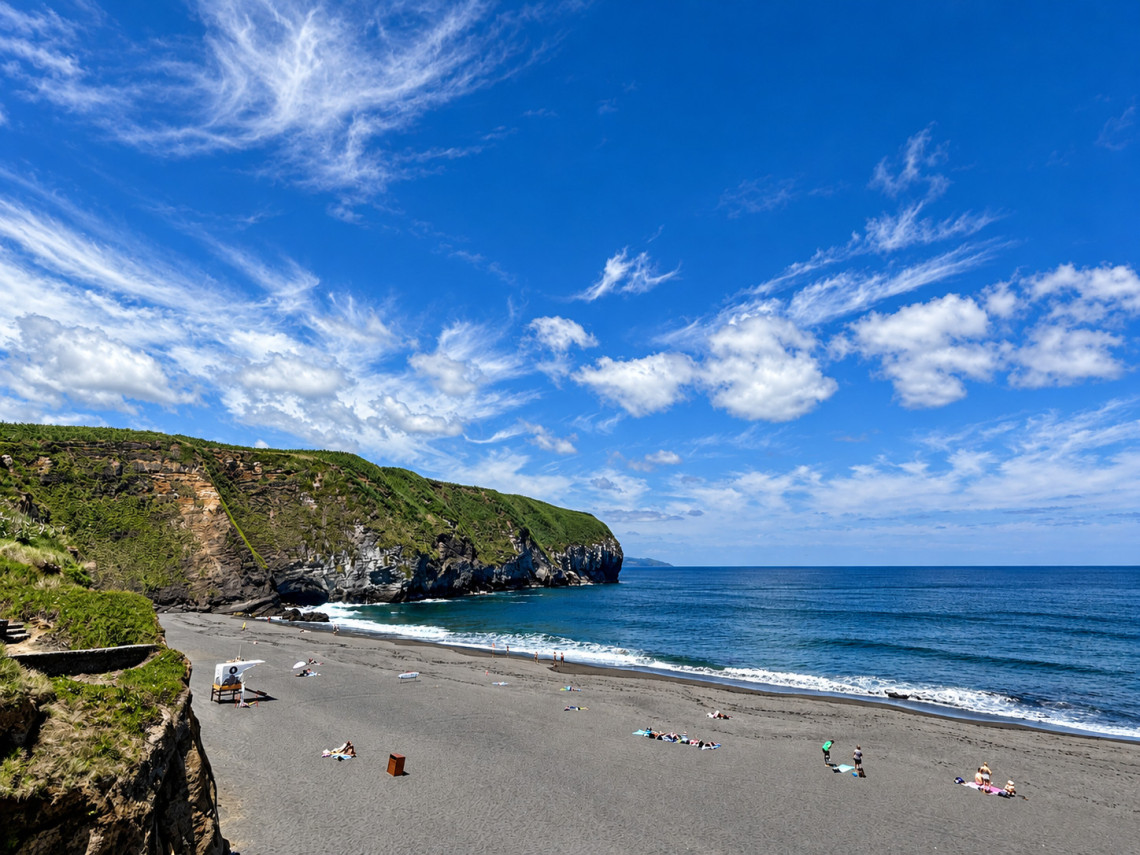
On our own site we group a selection of these under eco-friendly accommodation, including Aqua Pópulo Eco Village and Santa Bárbara Eco-Beach Resort on São Miguel's coast, Caparica Azores Ecolodge, Quinta dos Peixes Falantes and the Azul Singular rural camping park. If you prefer a conventional hotel, choosing one in a town you can walk around, such as Ponta Delgada, Angra do Heroísmo or Horta, cuts the driving on days you do not need the car.
ECO-FRIENDLY STAYS IN THE AZORES
Browse hotels, eco lodges and rural houses across the nine islands and filter by island and dates.
See accommodation →Low-Impact Tours and Experiences
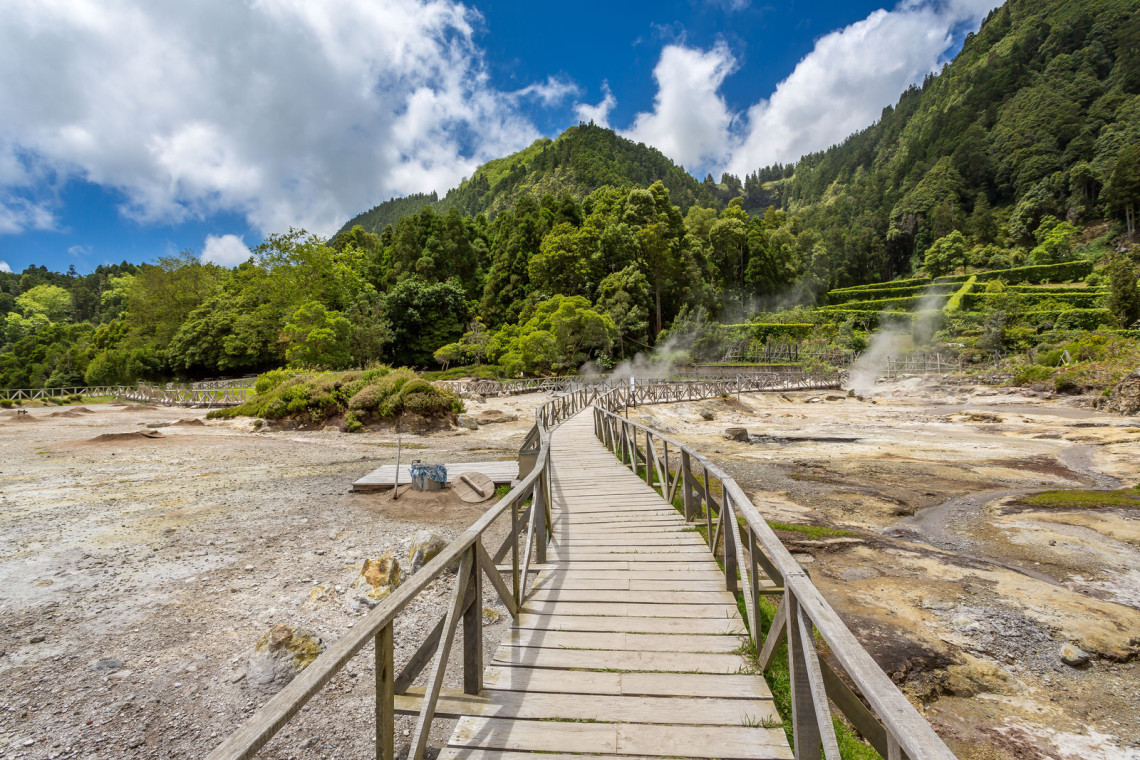
The islands reward slow travel. Walking is the obvious one: the Azores have a network of official marked trails (look for the PR and GR codes on the yellow and red signs), and staying on them protects the endemic vegetation that makes the laurel forests and crater rims worth seeing. Guided hikes add local knowledge and keep groups small.
Food is the second lever. Azorean beef, cheese from São Jorge and Pico, pineapples grown in glasshouses, Gorreana tea, and cozido cooked in the volcanic ground at Furnas are all produced on the islands, so eating them supports farms instead of imports. Cooking experiences and food tours run by locals are a good way to spend money that stays local.
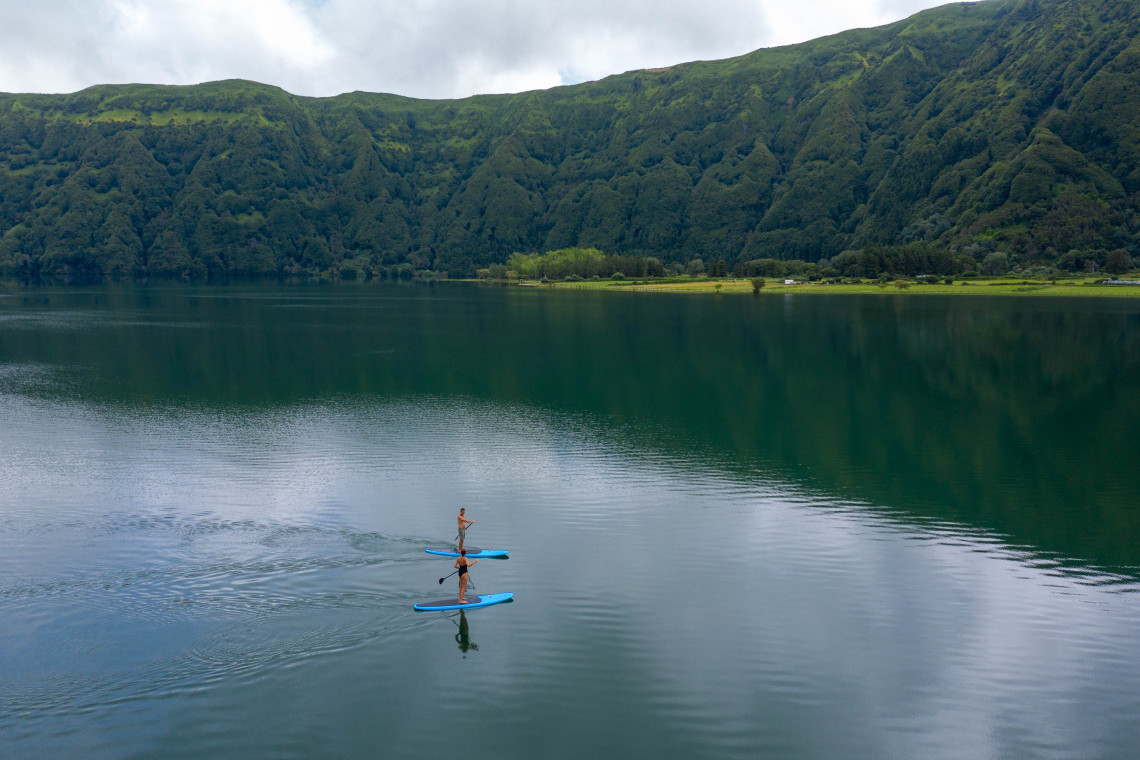
Then there is the sea without an engine: kayaking on Sete Cidades, stand-up paddle in Ponta Delgada harbour, snorkelling and diving with licensed centres. Whale watching, canyoning and jeep tours are fine choices too, provided you book licensed operators; the regulation is what keeps them sustainable.
EAT WHAT THE ISLAND GROWS
Cozido das Furnas cooked underground in the caldeiras, with a local guide explaining how the volcano does the work.
Book the cozido experience →Getting Around With a Lighter Footprint
Most visitors rent a car, and on São Miguel or Terceira it is hard to avoid if you want the viewpoints. You can still shrink the impact: pick the smallest car that fits your group, ask for a hybrid or electric model where available (charging points exist in the main towns and at some hotels), and plan days by region so you are not crossing the island twice. In Ponta Delgada, Angra and Horta you can walk or use the local buses, and on Faial, Pico and São Jorge the ferry replaces a flight for the short hops.
Inter-island flights are the unavoidable part of a multi-island trip. Combining islands that are connected by ferry, and staying three or four nights on each rather than one or two, reduces the number of legs and gives each island a fairer share of your time and money.
ECO-FRIENDLY AZORES PACKAGES
Packages built around eco lodges, rural houses and low-impact activities, with flights and car included, put together by our local team.
See eco-friendly packages →Eight Practical Rules for Visitors
Stay on marked trails and do not pick plants or take stones; the endemic species are protected. Do not touch or feed wildlife, in the water or on land. Use reef-safe sunscreen at natural pools and in the sea. Refill a bottle rather than buying water. Keep to approach rules on the water and let licensed skippers make the calls. Respect quiet hours in villages and ask before photographing people. Separate your waste as the islanders do. Buy from producers, cooperatives and markets, and tip in cash where you can.
None of this is hard, and most of it makes the trip better. The point of certification is that the islands are doing their part; the trip you plan decides the rest.
Plan it your way
Custom Your Trip
Tell our local travel advisors which islands, dates and experiences you want and we build the itinerary around you.
Start your custom trip →Limited time
Azores Packages On Sale
Flights, hotels and rental car bundled at reduced prices. See every package currently on sale and book while it lasts.
Book now →Sustainable Travel in the Azores: FAQ
Are the Azores really a certified sustainable destination?
Yes. The Azores have been certified under the EarthCheck Sustainable Destinations programme since December 2019, the first archipelago in the world to achieve it, and hold EarthCheck Gold as of 2024. Certification is checked by an external audit every year.
What percentage of the Azores' energy is renewable?
About a third of electricity across the region comes from geothermal, hydro, wind and solar, with geothermal alone covering around 21% of demand. São Miguel is expected to reach roughly 60% renewable electricity by the end of 2026, and the regional target is to exceed 70%.
Which Azores islands are UNESCO Biosphere Reserves?
Corvo and Graciosa (both since 2007), Flores (2009) and the Fajãs de São Jorge (2016). The whole archipelago is also a UNESCO Global Geopark, and Angra do Heroísmo and the Pico vineyards are World Heritage Sites.
Is whale watching in the Azores sustainable?
It is regulated. Operators are licensed and must follow approach distances and time limits around animals. Booking a licensed boat, ideally one with a biologist on board, is the sustainable choice.
Can I drink the tap water in the Azores?
Yes. The region reports that 99% of supplied water meets the standard for human consumption, so bring a refillable bottle.
Are there eco hotels in the Azores?
Yes, from certified eco resorts and ecolodges to family-run rural tourism houses. Look for EarthCheck, Green Key or Biosphere certification, or ask the owner about energy, water and sourcing.
Do I need a car to travel sustainably in the Azores?
On most islands a car is the practical option for reaching viewpoints and trailheads. You can reduce the impact by choosing a small or hybrid car, planning by region, and walking or using buses in the main towns.
What is the Azores marine protected area?
A network approved in 2024 that covers 30% of Azorean waters, the largest in Europe, with half of it fully closed to fishing and mining and the rest highly protected.
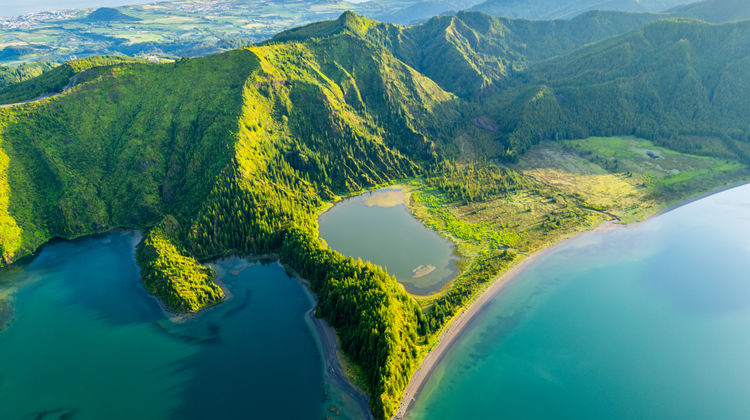
.jpg "Sete Cidades Caldera Lakes in São Miguel Island, Azores")
.jpg "Jeep tour through Cumeeiras, Sete Cidades, São Miguel Island")
.jpg "Scenic View of Tea Plantations in São Miguel, Azores")


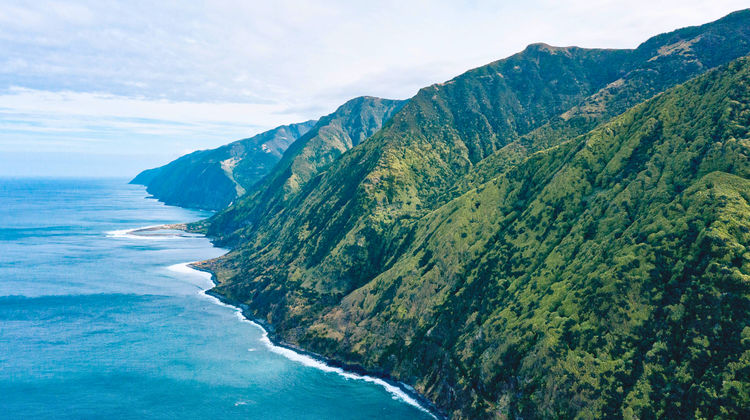
.jpg "Pico Island’s Longitudinal Road (IS1) – Scenic Drive Through the Heart of the Island")