by Azores Getaways Team
June 03, 2026 • 7 min read
Everything You Need to Know About Surfing in the Azores
Have you ever heard of the Azores? It's fast becoming one of the hottest island vacation destinations in the world and for good reason. A stunning archipelago nestled amid the Atlantic Ocean just off the coast of mainland Portugal, the Azores is one of those unique dream locales where you can feel like you are on a whole other planet and an entire world away from it all, yet still be able to get to and from it without a whole travel ordeal.
Europe’s Hawaii: A Surfer's Paradise
The best part about the Azores is that whether you are looking for a solo Azores retreat or are on the market to bring your entire kids and crew for a truly memorable Azores family vacation, this unique archipelago has a bit of something for everyone. And among that “everyone” — at the top of the list — are surfers (and bodyboarders!).
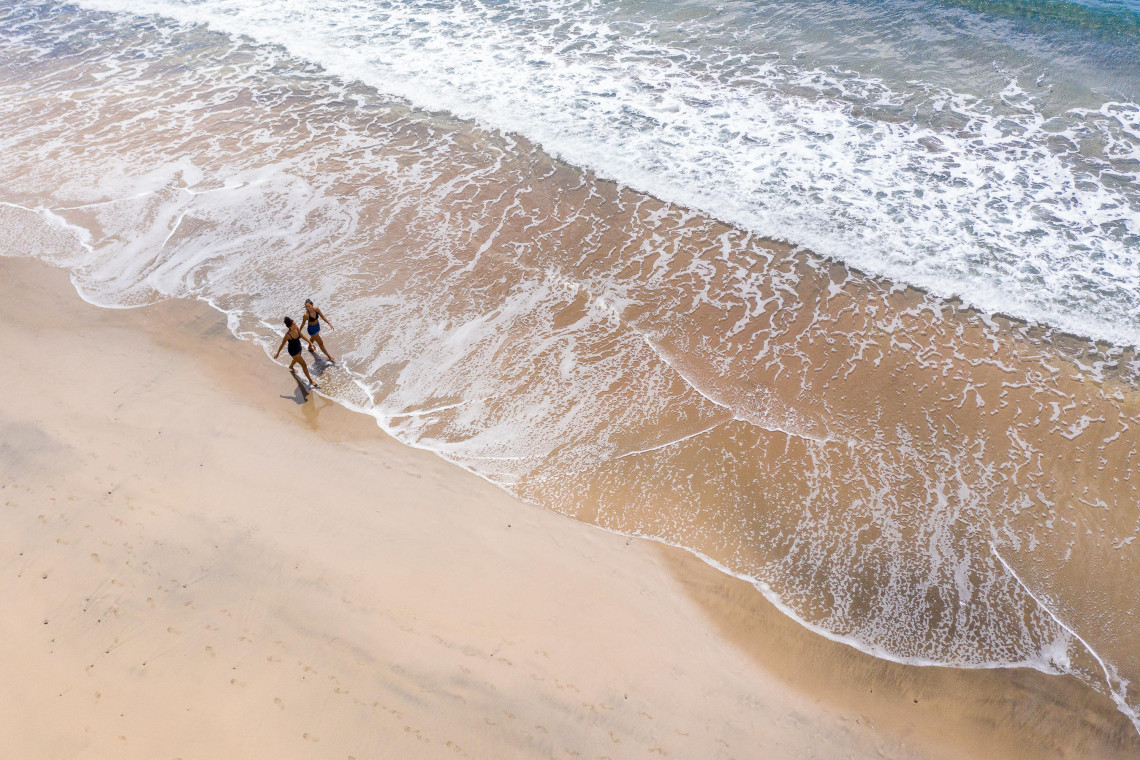
It's true, often compared to the Hawaii of Europe, the Azores Islands are a surfer's paradise, with the group of nine islands being the recipients of frequent North Atlantic swells that make for some epic and magical waves. Imagine pristine beach breaks, world-class reef breaks, and idyllic, long point breaks, and you will have described the Azores rides you can expect to find in a nutshell.
Is the Azores Good for Surfing?
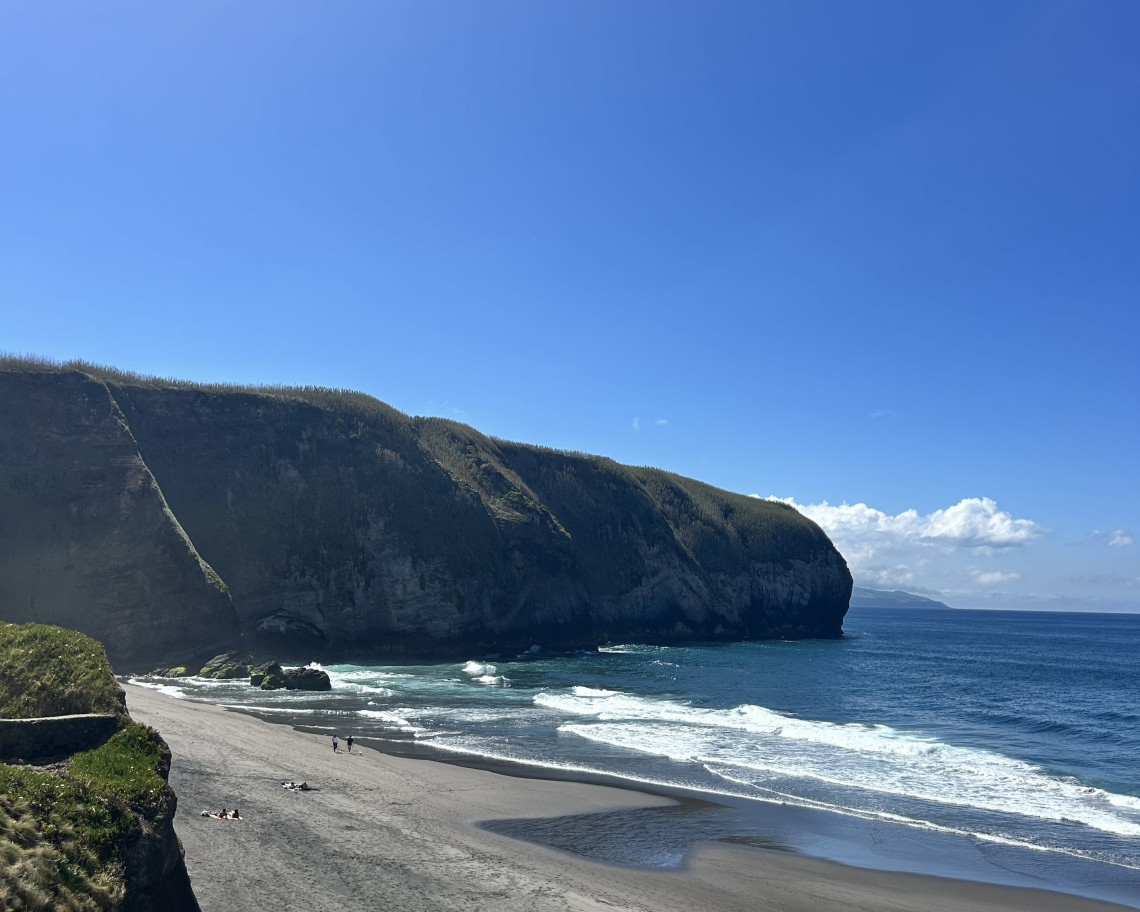
Yes — and significantly underrated. The archipelago sits at roughly 38°N in the Atlantic, which puts it in the direct path of swells generated by North Atlantic low-pressure systems. Unlike surf destinations that go flat in summer, the Azores receives rideable surf almost every week of the year. Water temperatures range from 17°C (63°F) in winter to 23°C (73°F) in late summer, and the islands' varied coastlines produce every break type: beach breaks, reef breaks, and point breaks.
The Azores also hosted the Azores Airlines Pro, a CT-level WSL event held on São Miguel Island, which put the archipelago firmly on the global surf map.
Azores Weather Is Wondrous for Surf Riding Year-Round
Even more, reasons why the Azores are the best surfing vacation destination around include the fact that the popular ocean sport can be enjoyed 365 days a year. Because this Portuguese archipelago has mild temperatures and a moderate climate throughout every season, you can ride some waves — and enjoy the ride — any time of the year, from summer to winter!
The weather isn’t the only benefit for surfers, as due to the Azores' unique location, the azure waters that surround the archipelago deliver consistent waves all year round - which means consistent stoke for avid surfers! That’s right, unlike other surf destinations, where certain seasons experience flat spells, the Azores is always pumpin'! And surfing beginners need not be too concerned, as you can always find Azores surf spots with small swells to test out the waters, too.
Best Time to Surf in the Azores
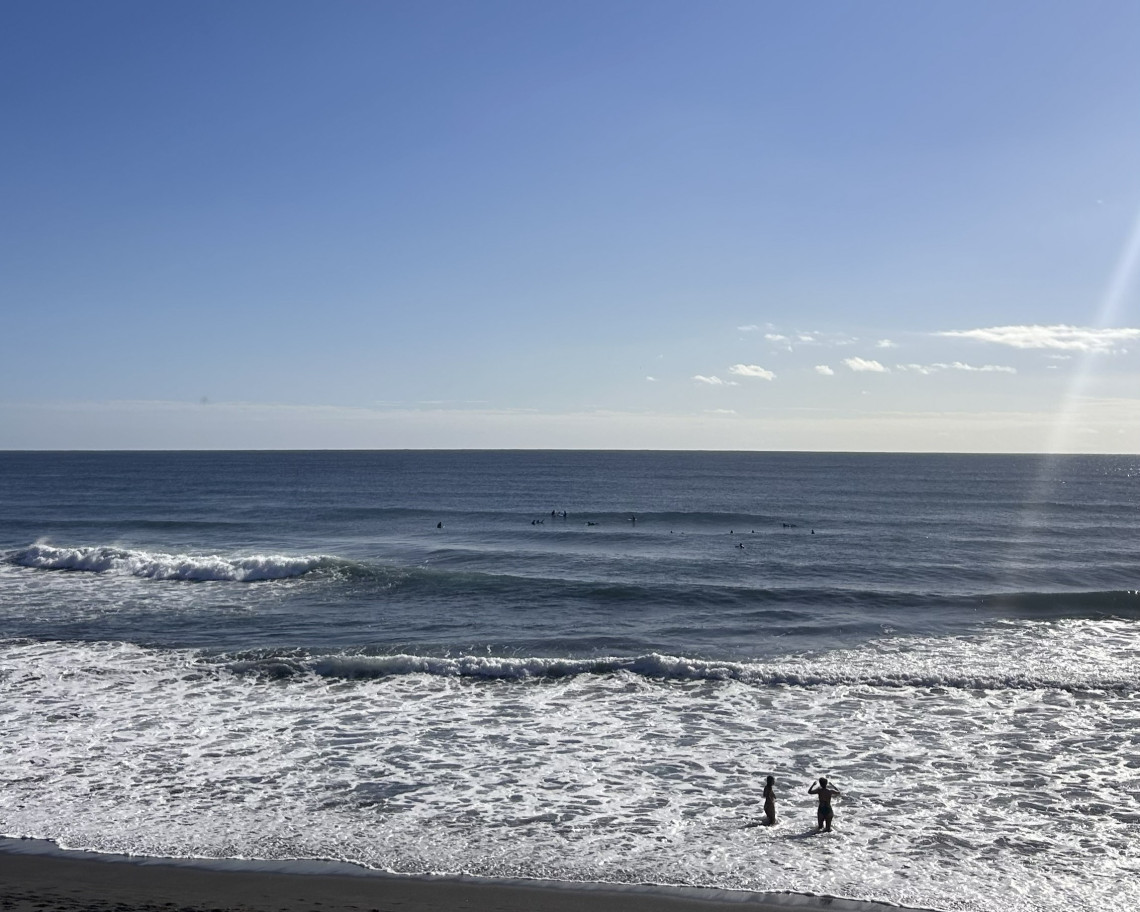
October to March is peak season for experienced surfers. North Atlantic storms generate powerful, long-period swells — expect 2–4m faces regularly, with bigger days during major storm events. This is when the exposed reef breaks and point breaks truly shine.
April to September offers more manageable conditions, smaller swells (0.5–1.5m), and warmer water. This is the ideal window for beginners and intermediate surfers, as well as families who want a mix of surfing and other activities.
There is no flat season. Even in summer, groundswells find their way to the outer islands.
Are you already in love with the Azores? Take a look at our stress-free packages that allow you to book your ultimate island adventure. All our packages are carefully curated by our team of local Azorean Experts so that you don’t need to worry about any details – just enjoy your trip!

Azores' Activities Beyond Surfing
In other exciting news, the Azores is far from being a one-trick pony, as it offers much more than surfing opportunities. So when you are taking a break from riding the waves, you can rest assured that there are plenty of other equally exciting and thrilling activities to inspire the adventurer within, including hiking, bird and whale watching, canoeing and kayaking, golfing, biking, fishing, paragliding, and much more.
Now that we have teased you and whet your appetite for experiencing a real Azores’ surfing adventure, you will naturally want more Azores information so you can dream and plan your ideal surf vacation to the Islands. We’re glad to help, and will use the remainder of this article to give you some details about the best surf spots on each of the islands!
Top Azores Surf Spots
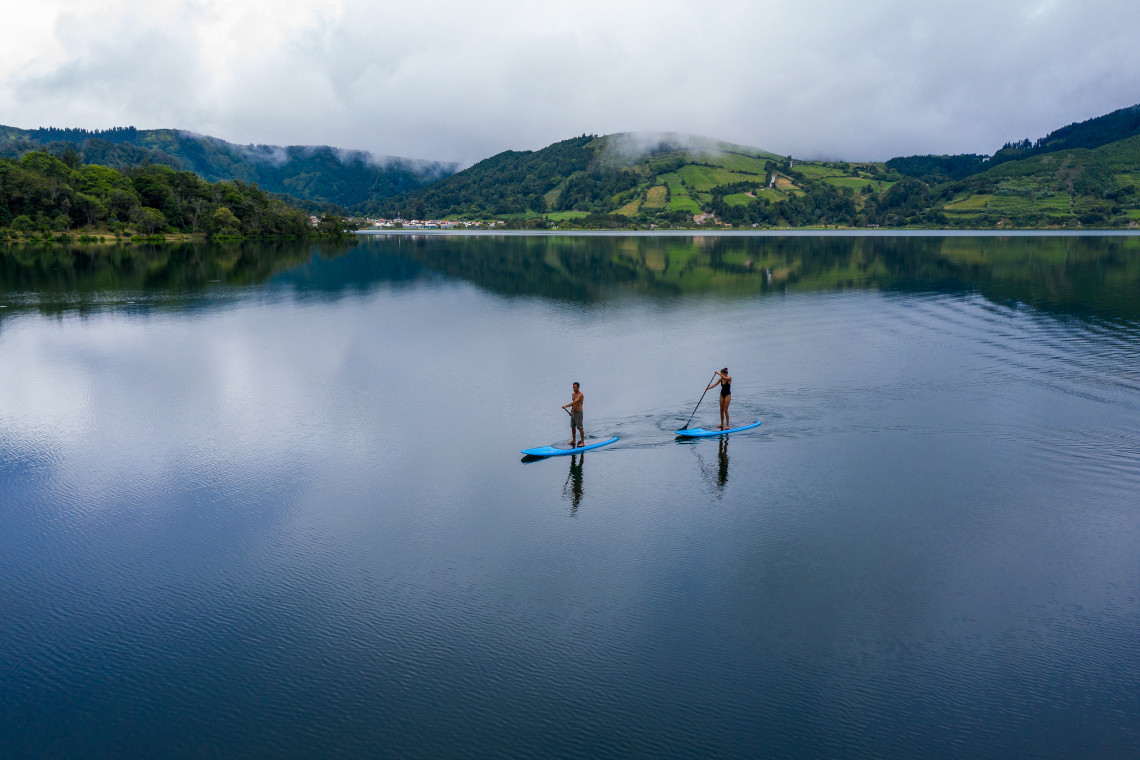
With water temperatures ranging from 62-72°F (17-22°C), some may find themselves a bit more comfortable checking out Azores surf spots in a wetsuit, but regardless, every day of the year is an enjoyable day to bodyboard Azores or catch a wave.
Here is a quick rundown of some of the top surf spots on each island.
1. Surfing Spots in São Miguel Island
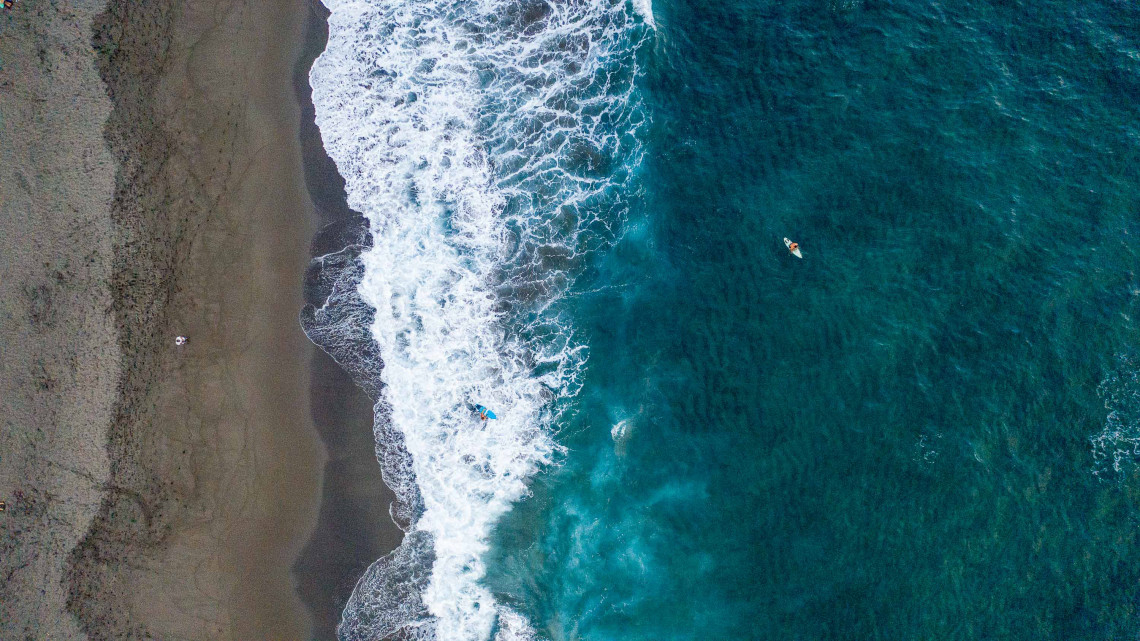
The largest and most populated island, São Miguel Surf does not disappoint. Among the primary places for surfing in São Miguel include Mosteiros Beach, Calhetas, Rabo de Peixe, Santa Bárbara, Monte Verde, Santa Iria, and Maia. You can also surf Ribeira Grande, Água d’Alto, Milícias and Praia de São Roque — just to name a few! The great thing is that whether you are a novice or a pro, you can find a local Azores surf guide among many vendors and tourism outfits to take you out and help you, as well as show you some of the secret spots.
There are even some surf camps and surf hostels here worth checking out, and of course, numerous surf shops (Azores Atlantic Surfers and Azores Surf Co. particularly bring the stoke).
Surfing is becoming such a big deal in this largest island of the Azores archipelago especially, that it is on the fast track to being a dream destination for an Azores Island vacation strategically for surfing alone. Imagine that! It's happening, so you will not want to wait until the word gets out!
Surf schools and camps: Azores Atlantic Surfers and Azores Surf Co. both operate on São Miguel and offer lessons, equipment rental, and multi-day surf camps. Several surf hostels cater specifically to travelling surfers in Ribeira Grande.
2. Surfing Spots in Terceira Island
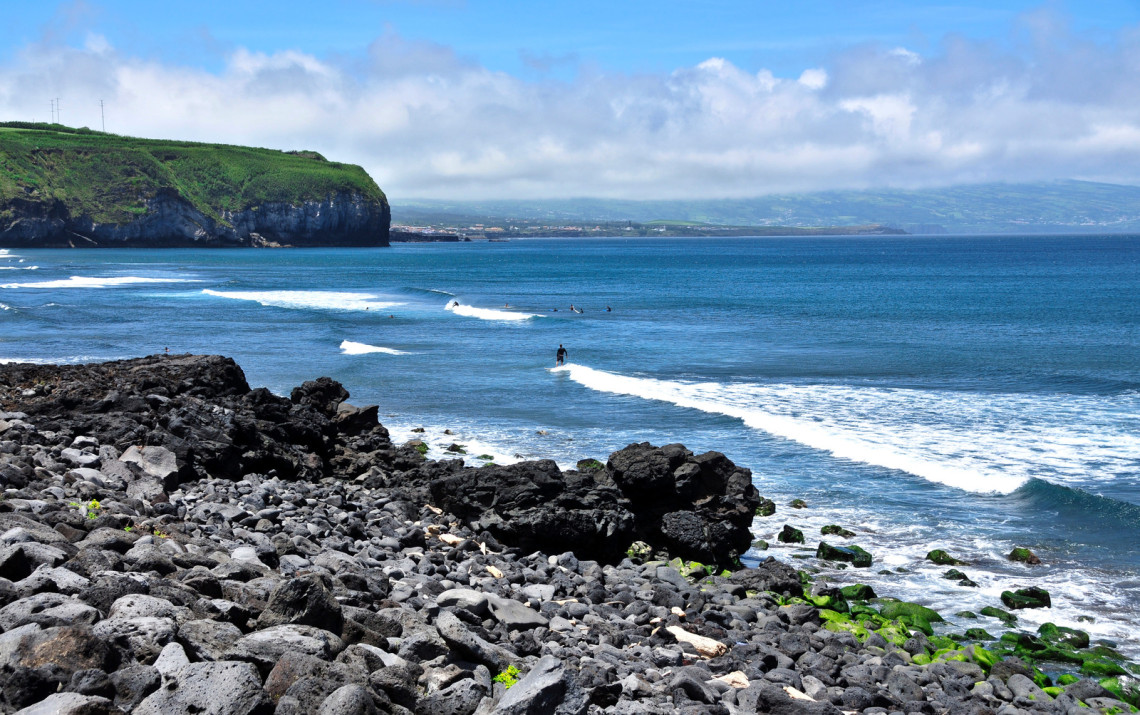
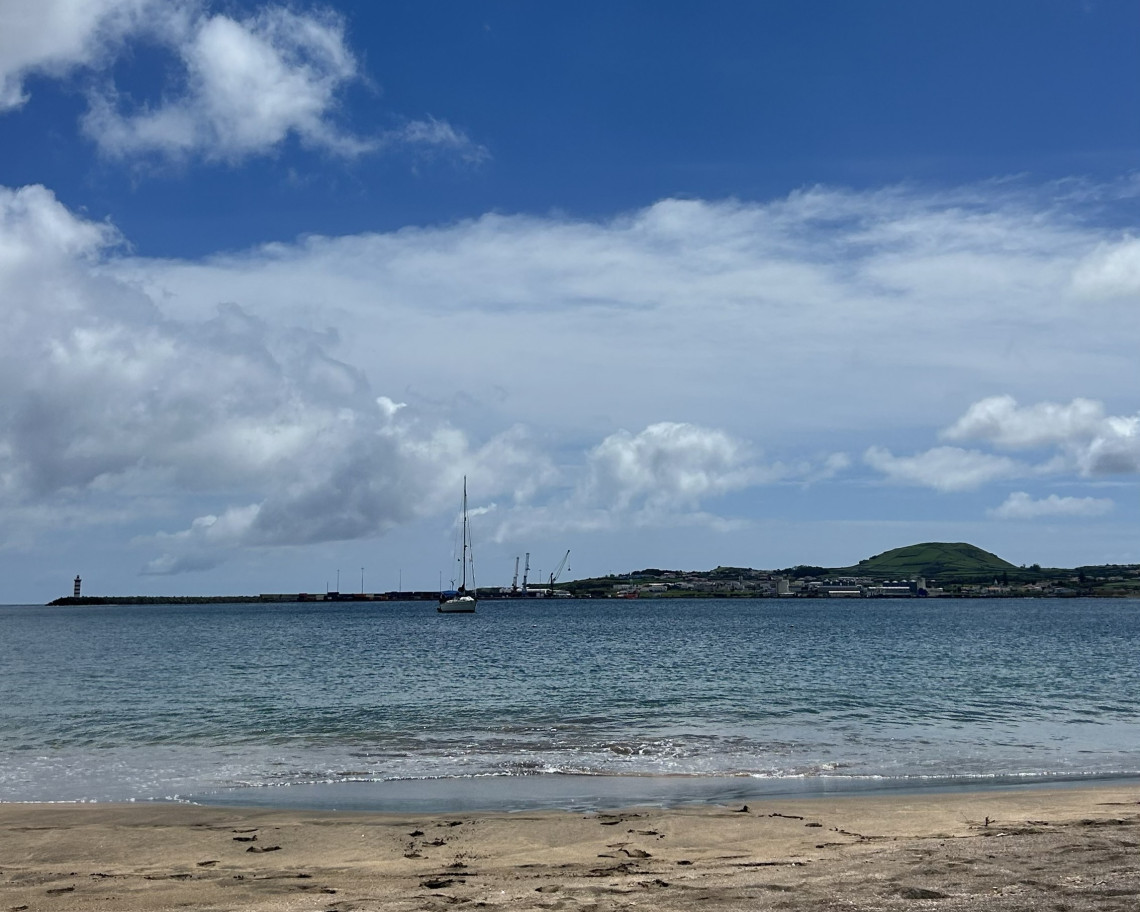
Wave riders traveling to Terceira will want to check out the Azores surf spots of Quatro Ribeiras, Praia da Vitória, Santa Catarina, Porto Martins, Contendas and São Mateus. Those wave worshippers heading to Graciosa should hit up Calhau Miúdo, Baía da Barra, Alagoa, and Ilhéu da Praia.
Of the epic surf spots mentioned above, Santa Catarina is perhaps the most popular and beloved — by locals and visiting wave riders alike. Among the reasons surfers flock to this Terceira spot is to experience the consistent surf that its reasonably exposed reef break affords.
3. Surf Spots on São Jorge Island, the Azores
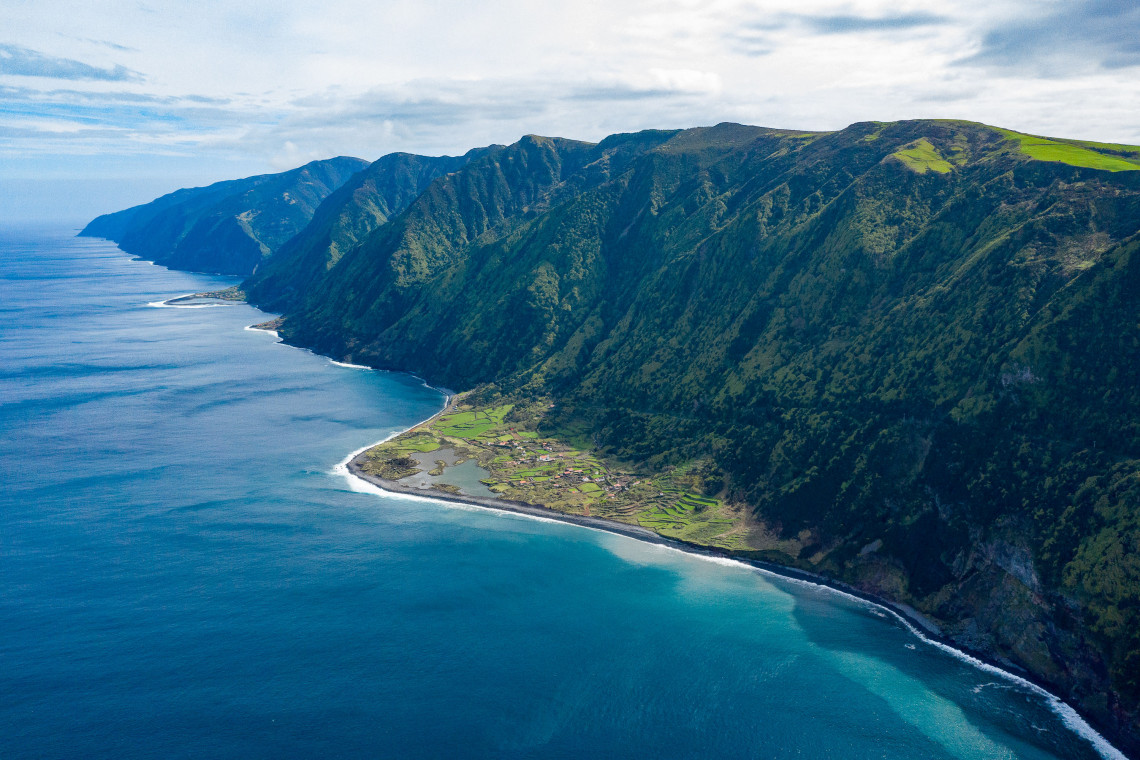
And if your heart leads you to surf São Jorge, Azores, can't miss hot spots include: Cubres, Fajã do Belo, Feiticeiras, and Vimes. Finally, does your itinerary have surf Pico Azores on it? If so, get your surf or boogie board waxed and ready to check out Baía do Poço, Baía da Barca, Areia Larga, and Lajes.
Just a fair warning, you may be a little shocked – but a pleasant type of surprise – at just how high the caliber of surfing spots are on São Jorge Island. Particularly, the Caldeira de Santo Cristo Faja is a proverbial haven for those seeking to hang ten in a heavenly setting. In truth, São Jorge is truly a tucked-away paradise. There are so many more surfing and bodyboarding Azores options besides those we mentioned in our Azores surf guide. But this gives you a good start and surely will have tempted you to take the leap and come discover what the Azores is all about with your own eyes — and boards.
4. Pico Island
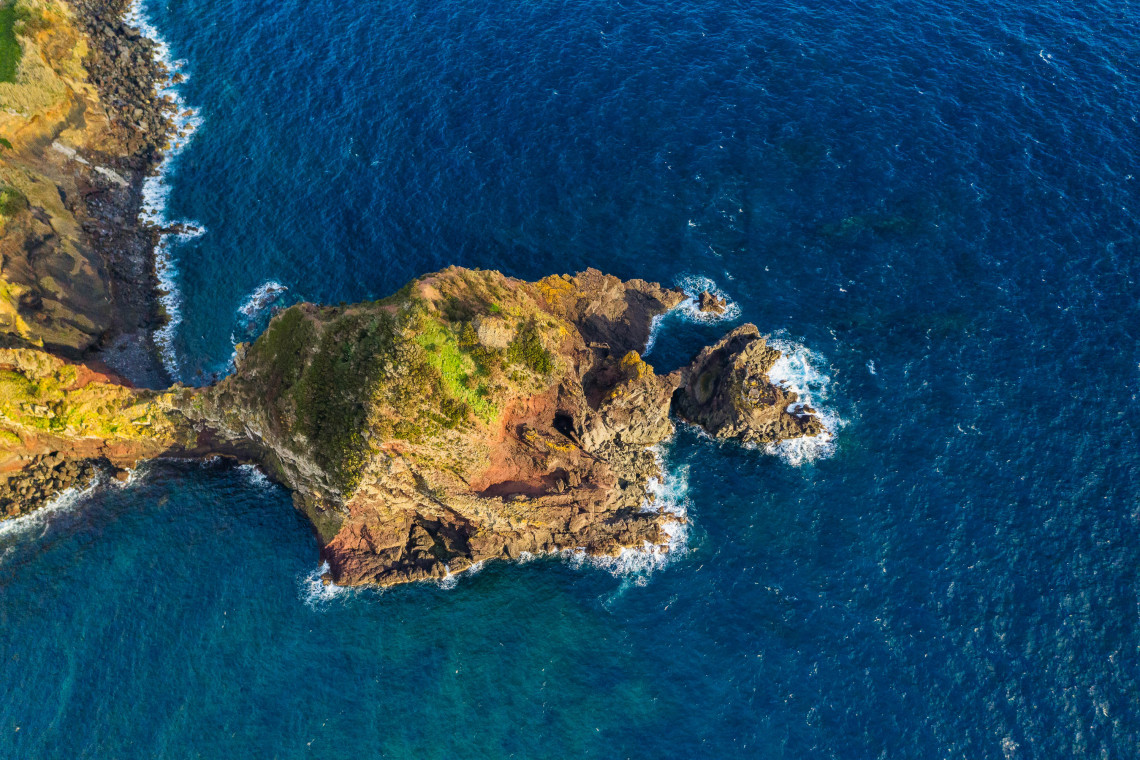
Pico's surf is raw and exposed, sitting in the shadow of the Azores' highest peak. Skill level: Intermediate to advanced.
Baía do Poço — The most accessible surf spot on Pico, with beach and rock setups that work in multiple swell directions.
Baía da Barca, Areia Larga, Lajes — Rocky reef breaks that can produce excellent waves on the right swell. Not well-documented, which is part of the appeal.
5. Faial Island
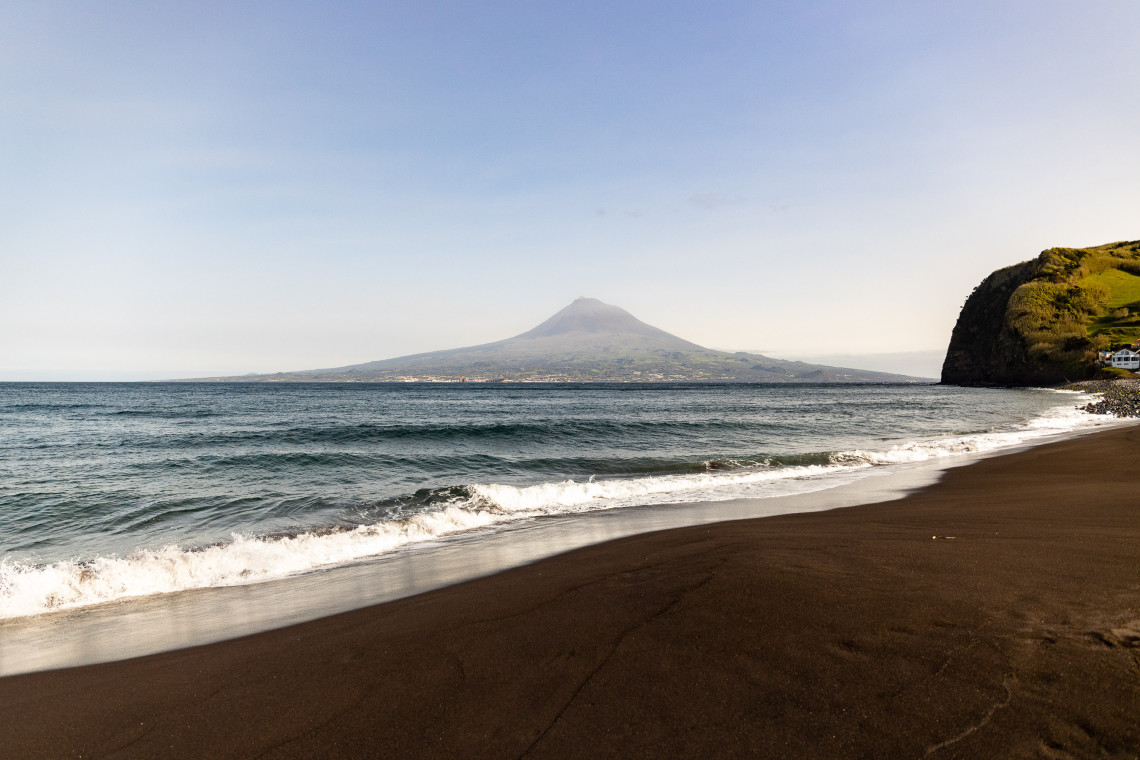
Faial is better known as a sailing hub but has legitimate surf around its exposed coastlines. Skill level: Intermediate.
Praia do Almoxarife — The main surf beach on Faial, a dark-sand bay that picks up northwest swells. Consistent and suitable for intermediate surfers.
Norte Pequeno / Caldeira Rim spots — More exposed points around the northwest coast that activate on larger swells.
6. Santa Maria Island
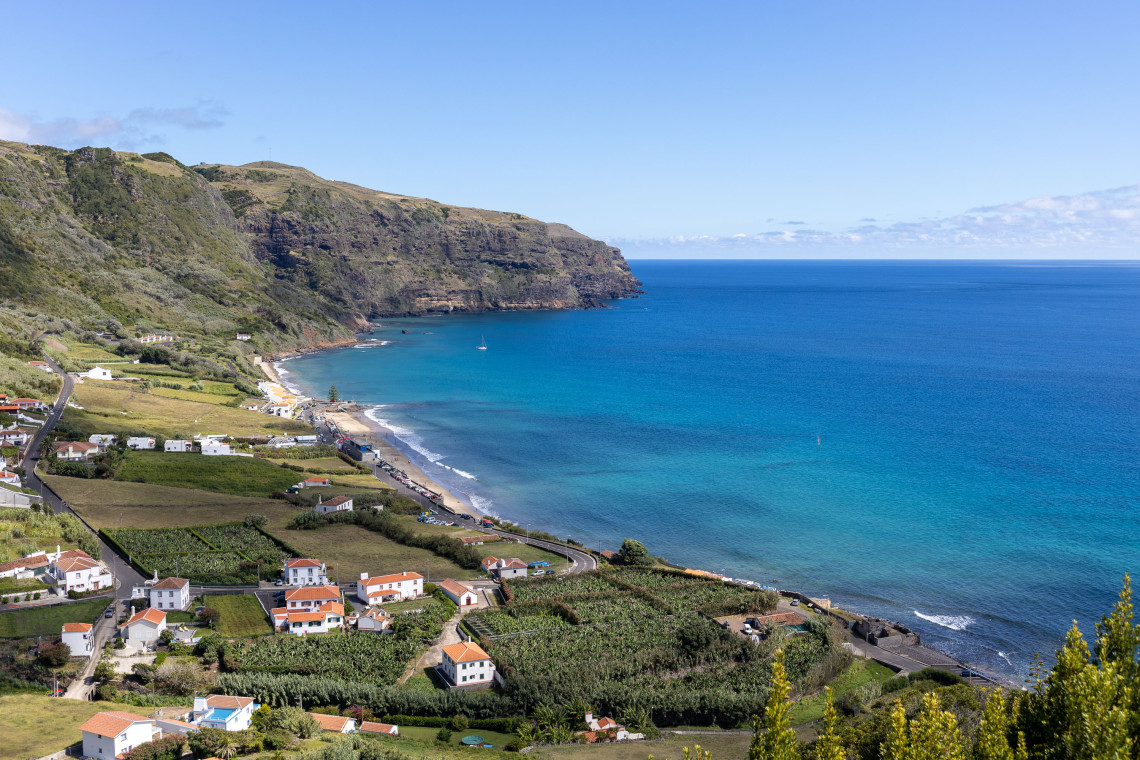
Santa Maria is the southernmost island and has the warmest, clearest water in the archipelago. The surf is generally smaller and more sheltered — ideal for beginners and longboarders. Skill level: Beginner to intermediate.
Praia Formosa — The main beach and the most accessible surf spot. A sandy beach break with mellow, rolling waves on most days. One of the best places in the Azores to learn to surf.
Maia — A small village on the north coast with a reef setup that picks up more swell than Praia Formosa.
7. Graciosa Island
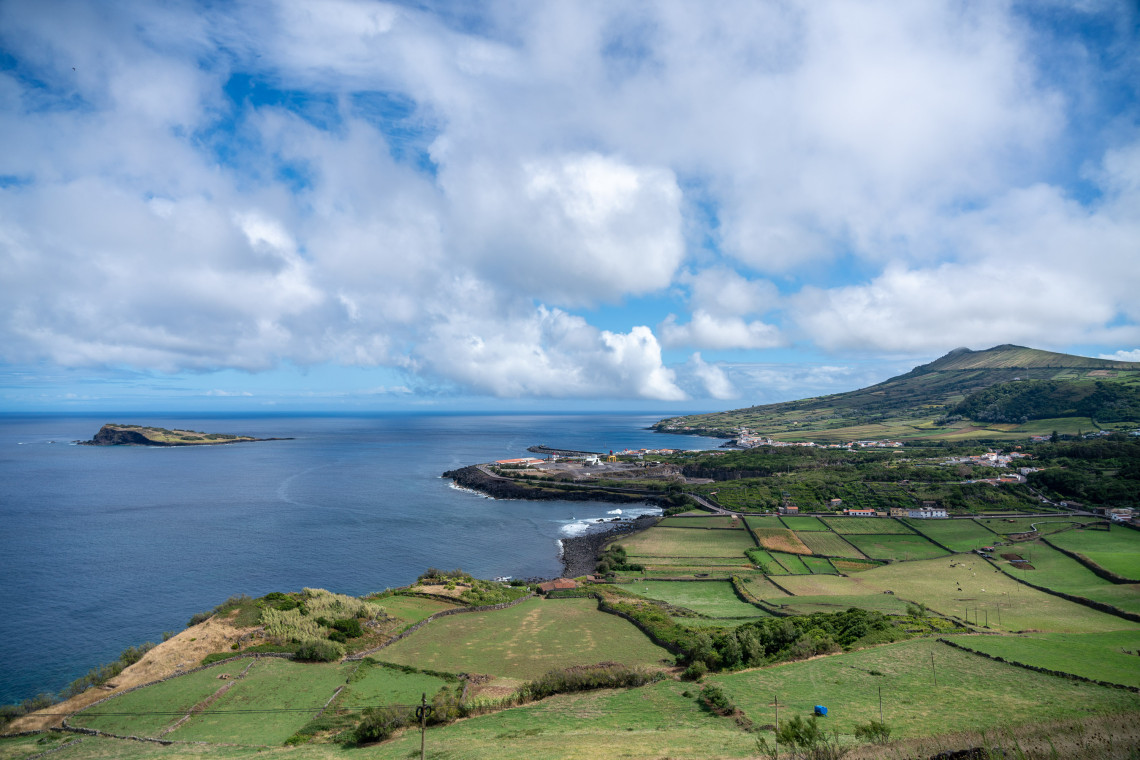
Graciosa is the smallest and flattest of the central islands, which limits surf exposure — but the right swell still finds its way in. Skill level: Beginner to intermediate.
Calhau Miúdo, Baía da Barra, Alagoa, Ilhéu da Praia — The main spots. Conditions tend to be small but clean, making this a peaceful alternative for surfers who also want to explore the island's thermal features and whitewashed villages.
8. Flores Island
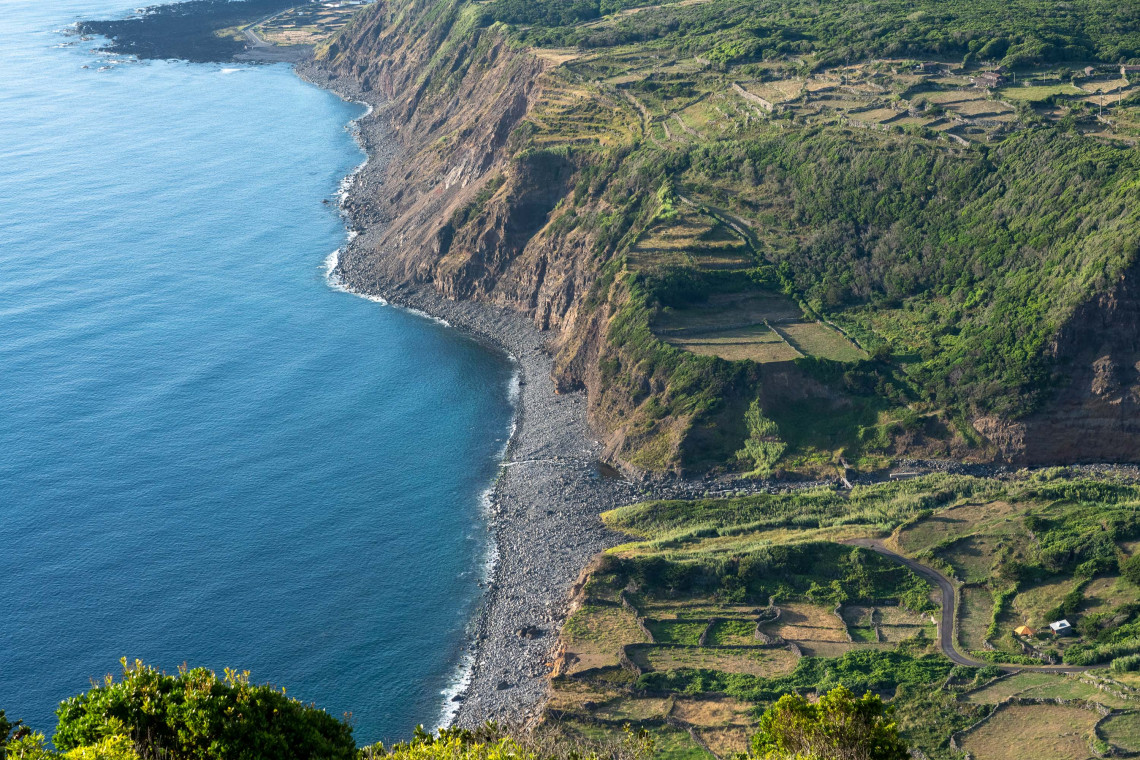
Flores is the most westerly island in the Azores and, geographically, in all of Europe. Its position means it catches raw, unfiltered Atlantic swell with very little crowd. Skill level: Intermediate to advanced.
The surf here is barely documented in mainstream guides — which is precisely the point. The island's west-facing cliffs and boulder bays produce powerful, hollow waves that reward exploratory surfers.
9. Corvo Island
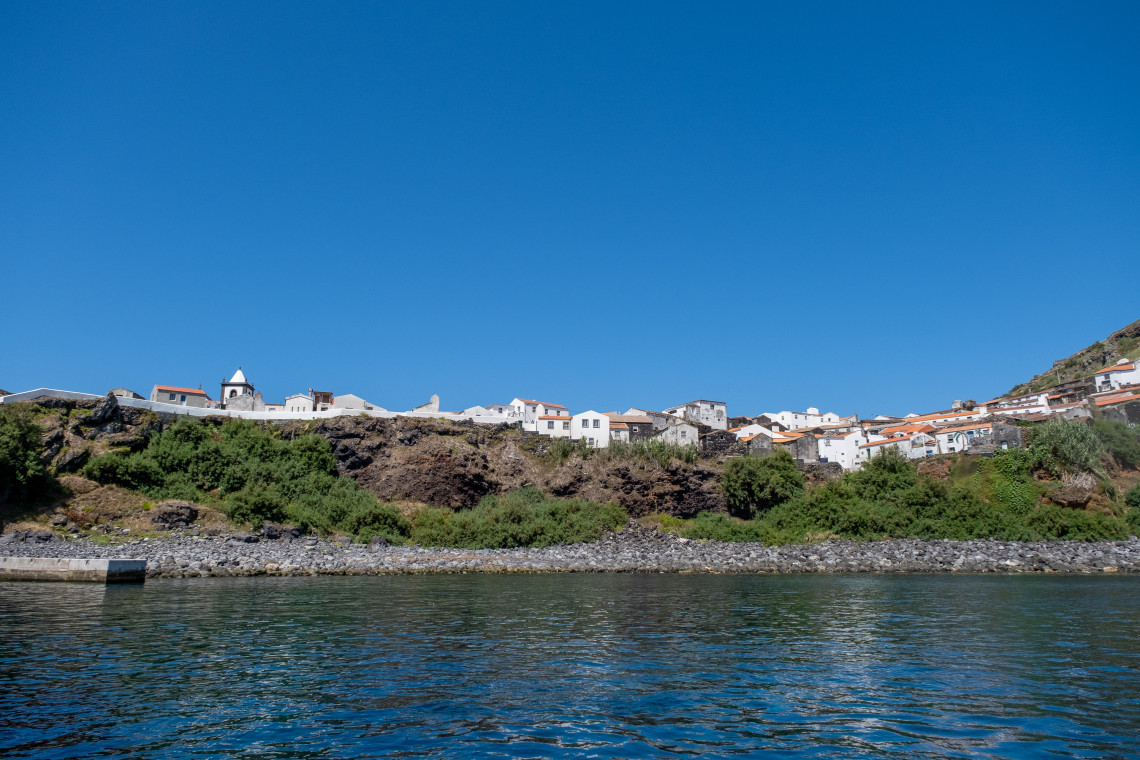
The smallest and most remote island in the Azores. Corvo has no established surf scene, but the few surfers who visit report finding empty waves in a stunning volcanic setting. Skill level: Experienced surfers comfortable with remote conditions.
Surfing in the Azores for Beginners
The Azores is a viable destination for beginner surfers, particularly from April to September. The best islands to learn are São Miguel (Santa Bárbara on small days) and Santa Maria (Praia Formosa). Both have surf schools offering lessons in English.
What to expect: Atlantic waves are generally more powerful than Mediterranean or tropical beginner breaks. Even on small days, waves have punch. Starting with a qualified instructor is strongly recommended if you've never surfed before.
Practical Information
Getting there: Direct flights from the US, Canada, and UK operate to Ponta Delgada (São Miguel), with inter-island connections via SATA Air Azores. Terceira also has transatlantic connections.
Board rental: Available on São Miguel, Terceira, and Faial. On smaller islands, bring your own or arrange rental through your accommodation in advance.
Surf conditions app: Magic Seaweed and Windguru are the most commonly used among local surfers for Azores forecasts.
Car rental: Recommended on every island. Many surf spots require a car to reach.
Ready to Start Planning?
With travel getting back into full swing, the Azores' prices have never been better! And with excellent new and affordable direct flight offerings from the U.S., Canada, and UK, there is simply no better time to book your Azores surf season adventure than right now. We are here to help you with any planning and logistics configuring you need to make your Azores Island surfing vacation getaway the trip of a lifetime.
FAQ: Surfing in the Azores
Is the Azores a good surf destination for beginners?
Yes, particularly Santa Maria and São Miguel in summer. Waves are manageable from April to September and several surf schools offer English-language lessons.
What is the best time of year to surf in the Azores?
October to March for experienced surfers seeking powerful swell. April to September for beginners and intermediates wanting cleaner, smaller conditions.
Do I need a wetsuit to surf in the Azores?
Yes. Even in summer, water temperatures (21–23°C) make a shorty or spring suit comfortable. In winter (17–18°C), a 4/3mm suit with boots is recommended.
Which island has the best surf in the Azores?
São Miguel has the most consistent surf and best infrastructure. São Jorge (Fajã de Santo Cristo) is considered by many surfers the most spectacular wave in the archipelago.
Can I rent surf equipment in the Azores?
Yes, on São Miguel, Terceira, and Faial. On more remote islands, bring your own gear or arrange rental through local surf schools ahead of time.
Are there surf camps in the Azores?
Yes. Several surf camps and hostels operate in Ribeira Grande, São Miguel, offering multi-day packages including accommodation, lessons, and guided sessions.
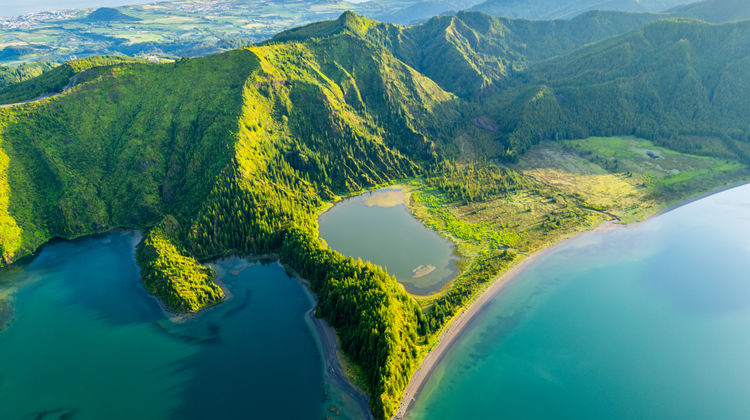
.jpg "Sete Cidades Caldera Lakes in São Miguel Island, Azores")
.jpg "Jeep tour through Cumeeiras, Sete Cidades, São Miguel Island")
.jpg "Scenic View of Tea Plantations in São Miguel, Azores")

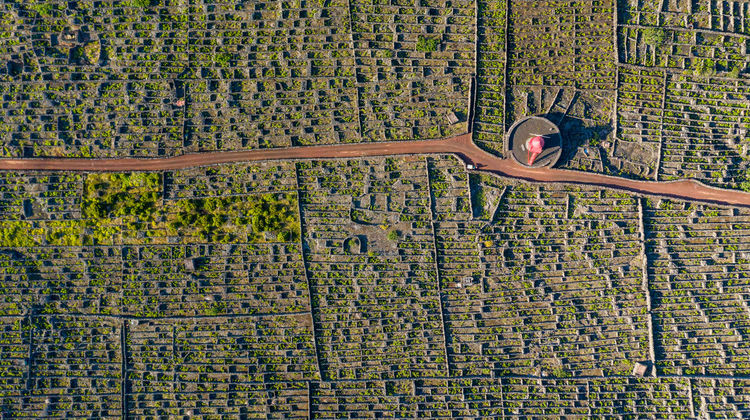
.jpg "Pico Island’s Longitudinal Road (IS1) – Scenic Drive Through the Heart of the Island")