by Azores Getaways Team
September 2026 • 9 min read
The Azores were uninhabited when Portuguese settlers arrived in the 1430s. There was no indigenous population, no pre-existing culture to absorb or displace. What exists today grew from scratch: Portuguese religious traditions, the practical demands of Atlantic island life, and six centuries of relative isolation that let local customs evolve into something distinct from mainland Portugal.
The result is a culture that feels genuinely lived-in rather than staged for visitors. Festivals here are not tourist attractions that happen to be open to the public. They are events the Azorean people organise for themselves, and visitors are welcome to join.
A Brief History
Portuguese navigator Diogo de Silves is believed to have reached the Azores around 1427. Settlement began on São Miguel and Santa Maria in the late 1430s under the initiative of the Infante D. Henrique, with the remaining islands settled progressively through the 15th and 16th centuries.
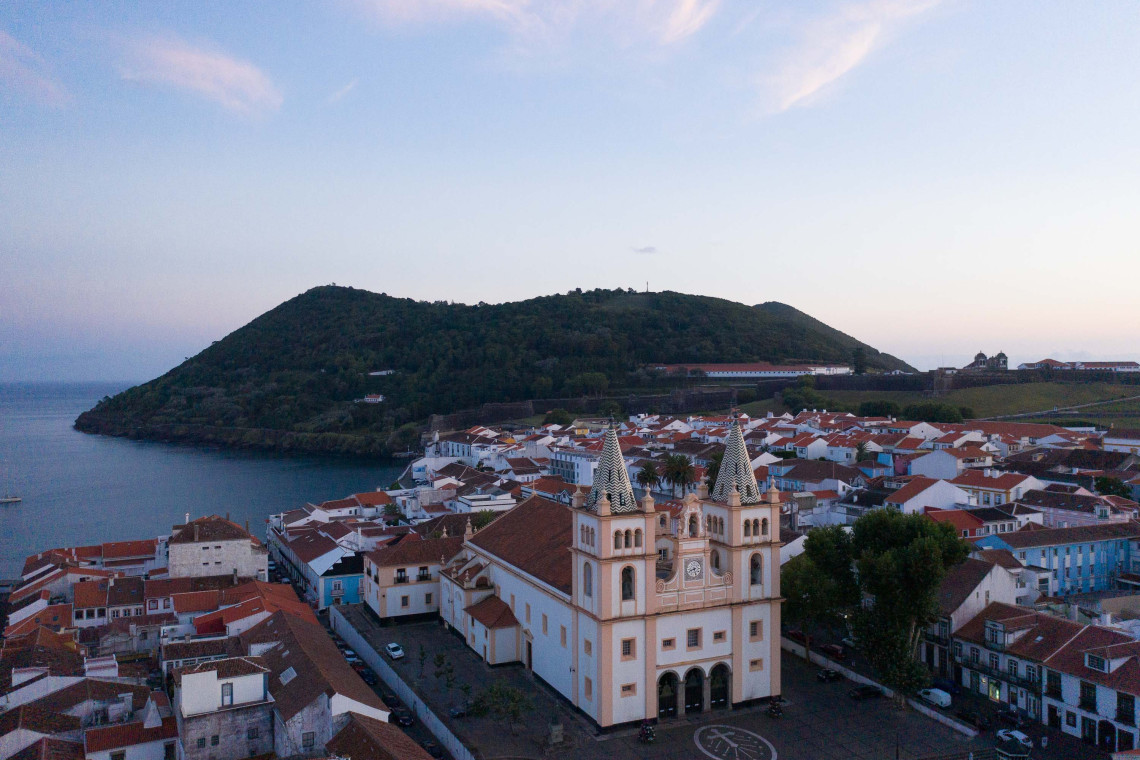
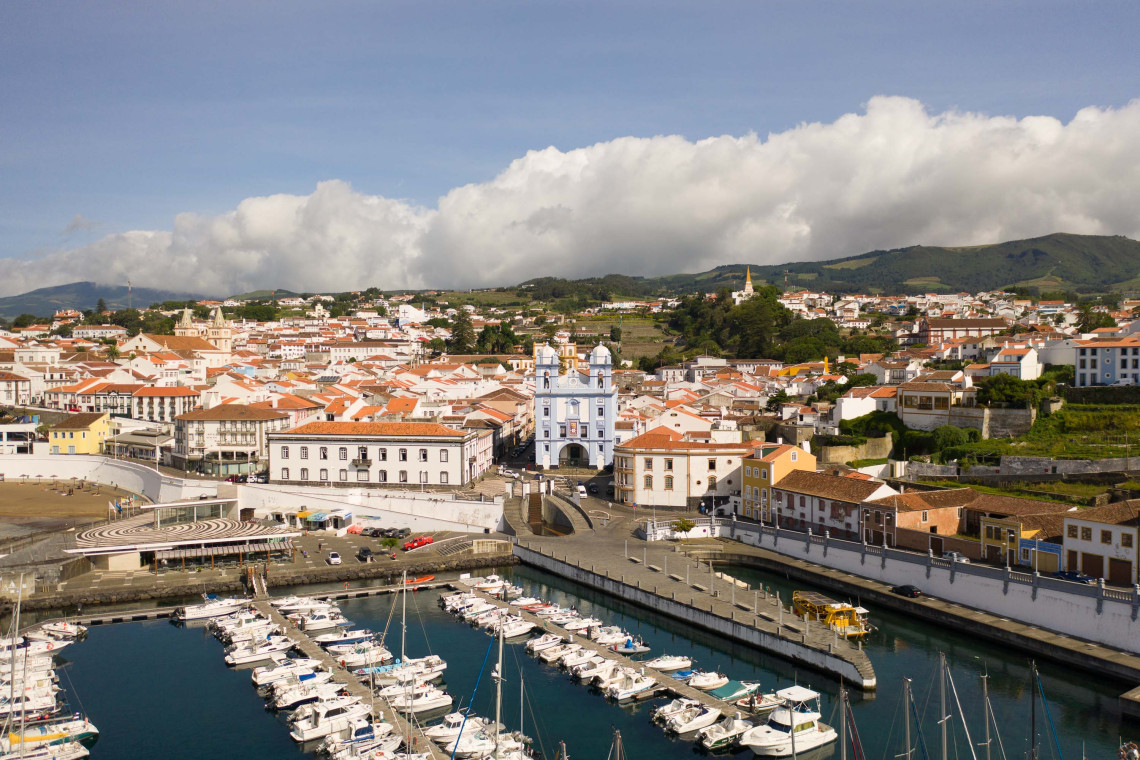
The early settlers came mainly from mainland Portugal and from Flemish communities, which explains place names and surnames that differ noticeably from standard Portuguese. The archipelago's strategic position in the Atlantic made it a critical stopping point for ships returning from Brazil and Africa loaded with trade goods, and the islands grew wealthy on this transit trade through the 16th and 17th centuries. Angra do Heroísmo on Terceira Island became one of the most important ports in the Atlantic world during this period.
Isolation and geography did the rest. Cut off from mainland Portugal by 1,500 km of ocean, each island developed its own local variants of shared traditions: different festival customs, different embroidery styles, different foods.
Festivals and Religious Celebrations
Religion has been the organising principle of Azorean cultural life since the first settlements. The calendar is dense with festivals, and most of them have been running continuously for centuries.
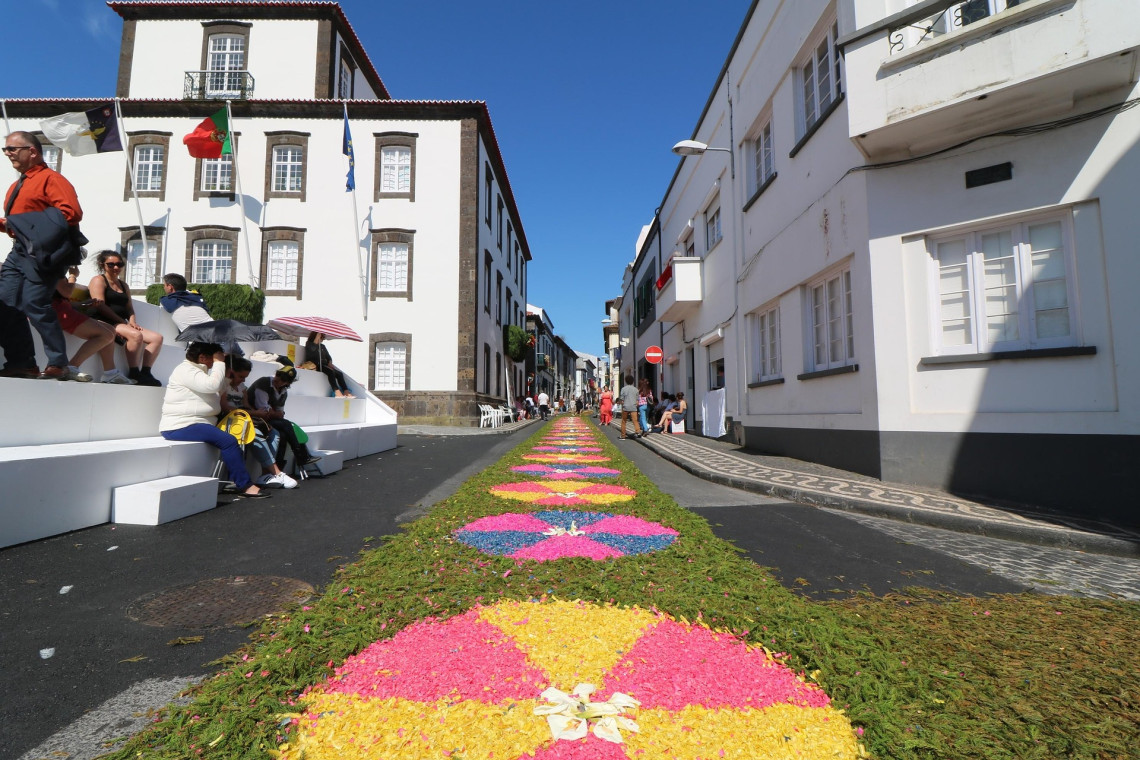
Santo Cristo Festivities (São Miguel): The largest and most important religious celebration in the Azores, held annually in Ponta Delgada on the fifth Sunday after Easter. A procession carries the image of Senhor Santo Cristo dos Milagres through the city streets, accompanied by tens of thousands of devotees. The festival draws Azorean emigrants from across North America and the world back to the island each year. The streets around the Igreja de São José are carpeted with flowers for the procession.
Sanjoaninas (Terceira): A ten-day celebration in June centred on the feast of São João, the most important festival on Terceira. The Sanjoaninas include fireworks, music, street events, and touradas à corda (the Azorean rope bullfighting described below). The city of Angra do Heroísmo takes on a particular energy during this period.
Festas do Divino Espírito Santo (all islands): The devotion to the Holy Spirit is the most widespread and distinctly Azorean religious tradition in the archipelago. It runs from Easter through Pentecost and beyond, organised around the small decorated chapels called impérios. Each neighbourhood or parish has its own império, and the feast days involve the distribution of food to all who come — a tradition of charity that dates to Queen Isabel of Portugal in the 14th century. Terceira has the highest concentration of impérios and the most elaborate celebrations, but the Espírito Santo devotion is practised on every island.
Maré de Agosto (Santa Maria): A music festival on the smallest and southernmost island, held each August. The festival brings national and international acts to Santa Maria and has become the island's defining cultural event of the year. The backdrop is Praia Formosa, the only sandy beach in the Azores.
Nossa Senhora das Angústias (Faial): The main religious festival on Faial, with a procession through the streets of Horta and celebrations across the island.
São João and religious feast days (Pico): Pico's calendar includes devotions to Nossa Senhora de Lourdes and festivals of Santa Maria Madalena and Bom Jesus, rooted in the island's wine-producing communities. Pilgrimages on São Jorge have their own distinct character, connected to the particular landscape and isolation of that island.
WALKING TOUR OF PONTA DELGADA
A guided walk through Ponta Delgada with a local guide covering the city's architecture, the religious buildings at the heart of Azorean culture, and the stories behind the facades.
Book Walking Tour →Touradas à Corda
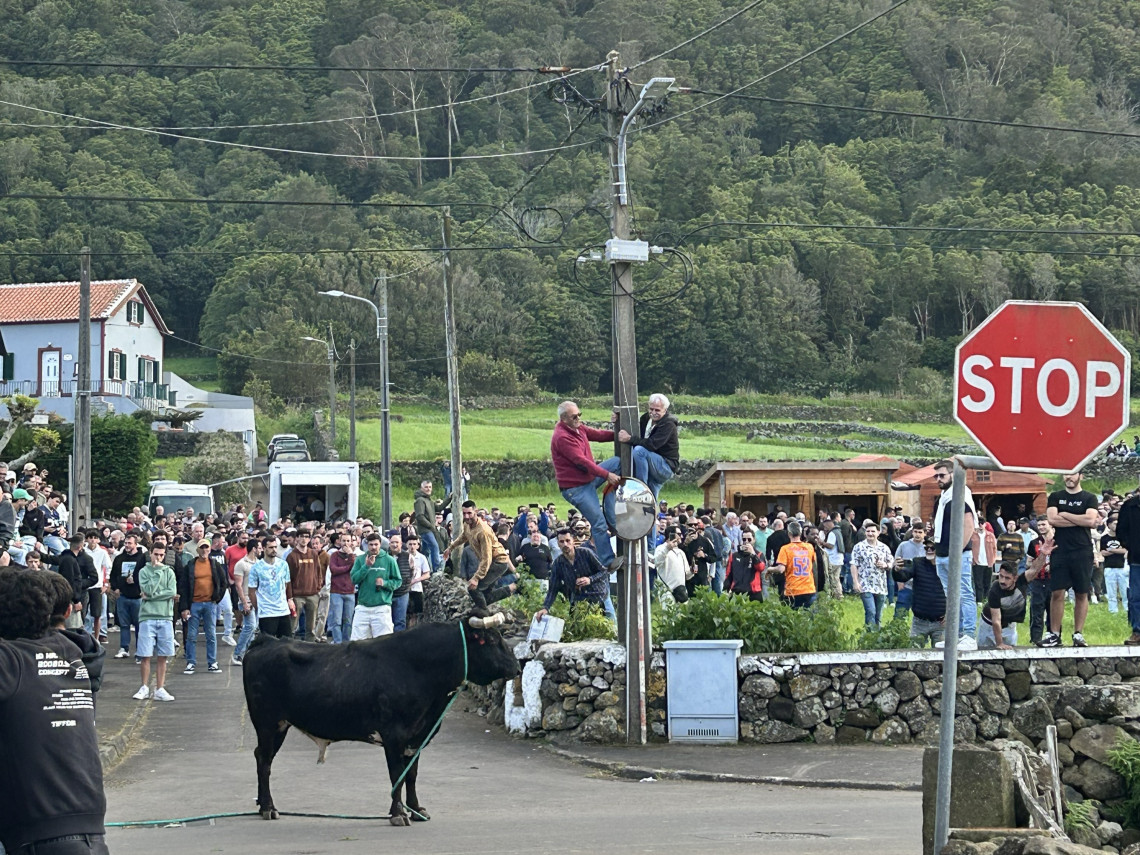
The touradas à corda — rope bullfighting — is Terceira Island's most distinctive cultural export. Unlike mainland Portuguese or Spanish bullfighting, the bull is not killed in the Azorean version. The animal is held by a long rope managed by eight men called pastores, who control the bull as it confronts a capinhas (the man who works on foot in front of it). The pastores wear traditional white shirts, black hats, and red sashes. The bull runs through the streets or in a dedicated arena, the rope handlers managing its movement while the capinha works close to its horns.
The tradition dates to at least the 16th century on Terceira. It is practised in the streets of Angra do Heroísmo and other towns during the Sanjoaninas festival period and on other feast days throughout summer and autumn. Watching a street tourada in Angra is one of the more unusual cultural experiences available to visitors in Portugal.
Pottery and Ceramics
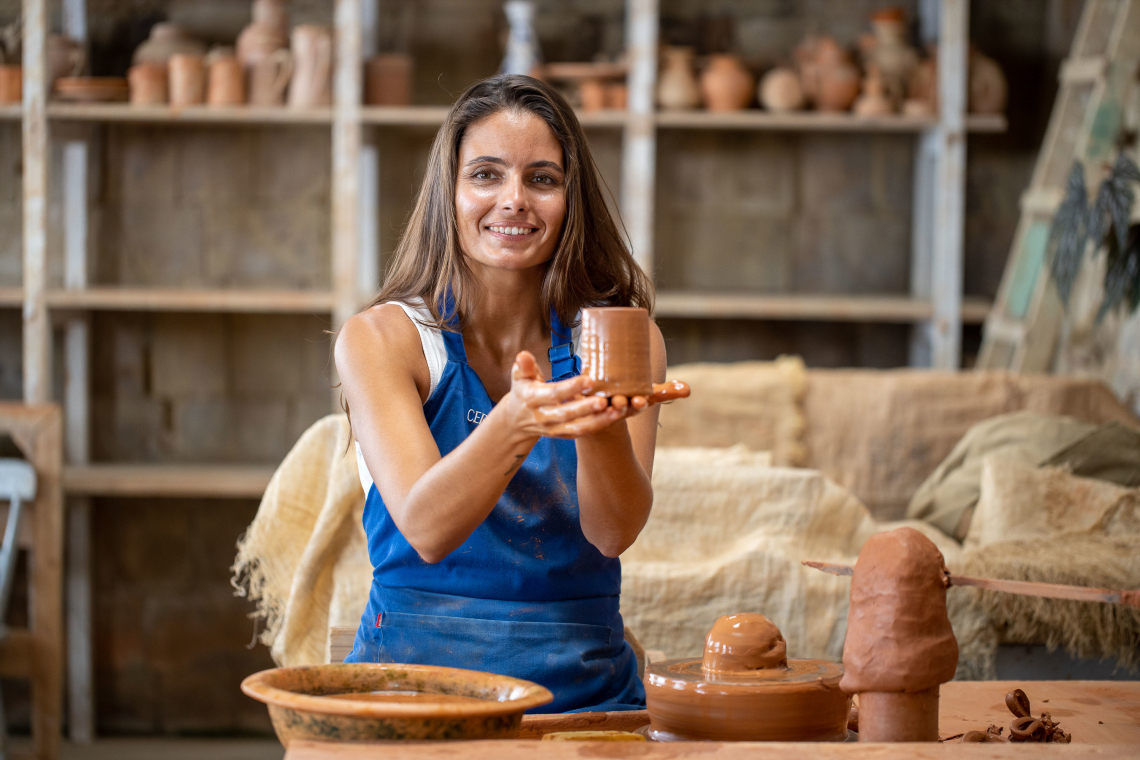
The Azores have a long tradition of pottery production, rooted in the abundance of volcanic clay on the islands. São Miguel has the most active ceramic culture, concentrated around Lagoa on the south coast.
The most celebrated workshop is Cerâmica Vieira in Lagoa, which has been producing traditional Azorean ceramics for generations. The distinctive green and yellow glazed pieces — bowls, plates, decorative tiles, figurines — are the most recognisable craft product of the islands. A visit to the workshop shows the production process from raw clay to finished glaze. The shop attached to the workshop is worth a stop even without a formal tour.
Patterned floor and wall tiles are present throughout the older buildings in Ponta Delgada and Angra do Heroísmo. The black basalt cobblestone mosaics (called calçada portuguesa in the Portuguese tradition, rendered in local stone in the Azores) are another form of decorative craft visible in the pavements and public squares of most towns.
Embroidery
Azorean embroidery is practiced on all islands, with each having developed its own patterns and colour traditions over centuries. The craft is associated with women — the bordadeiras, or embroiderers — working on linen and other fabrics with stitches that have been passed down through families.
The embroidery of São Miguel tends toward floral patterns in colourful thread on white linen. Terceira's embroidery tradition is connected to religious iconography. Each island has recognisable visual identifiers to those who know what to look for. Embroidered pieces are available in craft shops across the islands and represent the most genuinely local souvenir available in the archipelago.

Impérios: The Chapels of the Holy Spirit
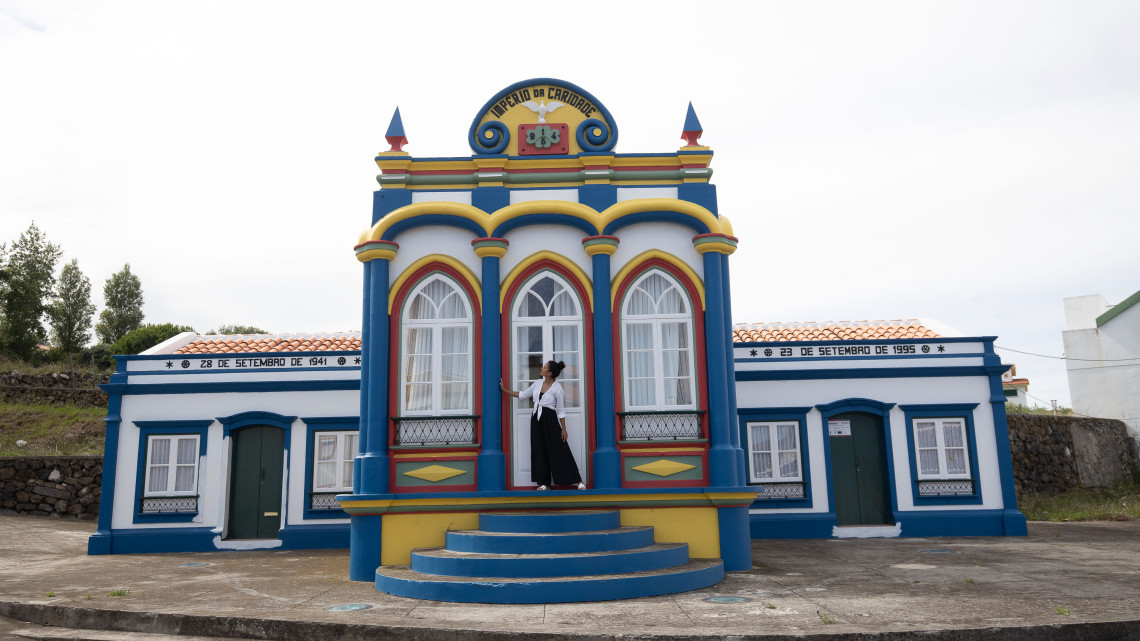
The impérios are small, often brightly painted chapels distributed across the landscape of Terceira and, to a lesser degree, other islands. They are not churches. They are neighbourhood shrines dedicated to the Espírito Santo devotion, used for the distribution of food during feast days and for the communal rituals associated with the Holy Spirit celebrations.
Terceira has over 60 impérios, each maintained by a local brotherhood or neighbourhood association. The facades are decorated annually before the feast day and vary in architectural style from simple whitewashed structures to elaborate baroque-influenced designs. Driving through Terceira's interior, impérios appear at regular intervals in villages and along roadsides. They are one of the most visible and distinctive elements of Azorean material culture.
Food and Drink
Azorean food is an expression of the islands' agricultural character: dairy-heavy, seafood-driven, and largely unpretentious.
Cheese: The Azores produce some of the best cheese in Portugal. Queijo São Jorge, aged on the island of the same name, is the flagship: a firm, slightly spicy semi-hard cheese with a flavour that intensifies with age. The fresh cheese (queijo fresco) found across all islands is mild and consumed at every meal. The butter — manteiga dos Açores — is made from the milk of grass-fed cattle and has a richness noticeably different from mainland Portuguese dairy.
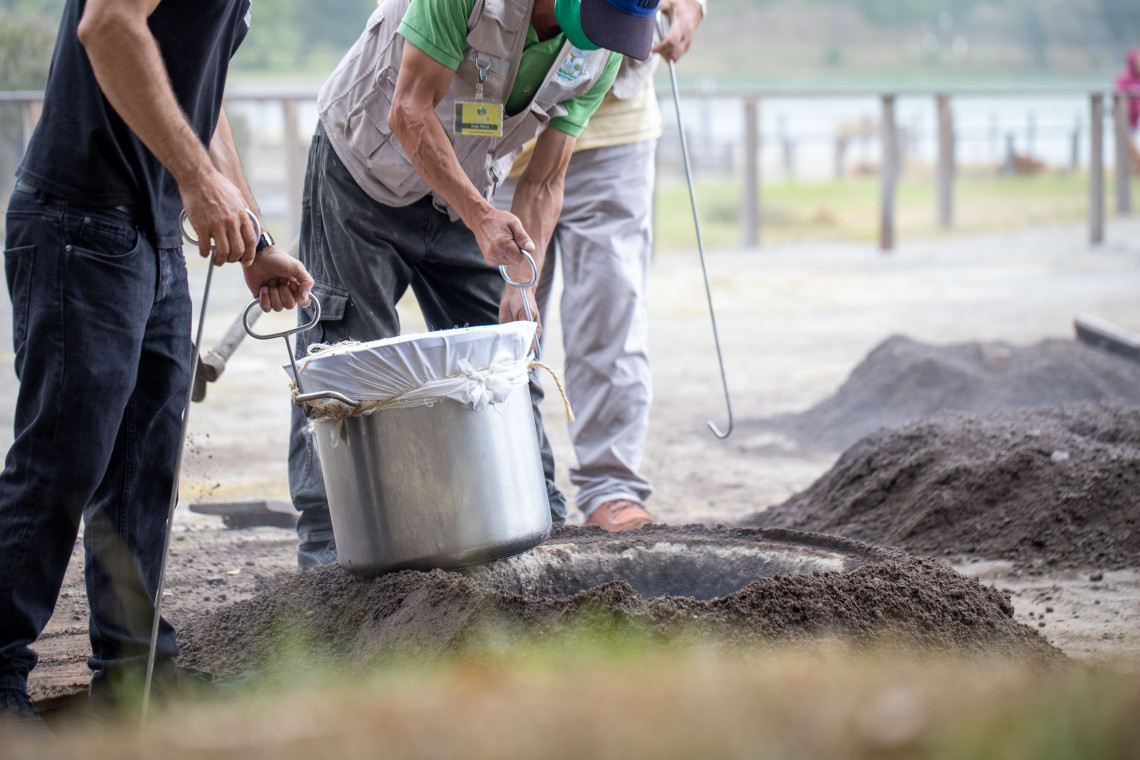
Cozido das Furnas: The most famous Azorean dish. A slow-cooked stew of meat, sausage, and vegetables cooked underground using volcanic geothermal heat near the fumaroles at Caldeira das Furnas in São Miguel. The cooking process takes several hours. The result is a dense, flavourful stew unlike anything cooked above ground. Several restaurants in Furnas serve it daily.
Seafood: Limpets (lapas) grilled with butter and garlic are the most iconic Azorean seafood dish, available at virtually every restaurant across the islands. The lapas of Terceira and São Miguel are particularly well regarded. Fresh tuna and swordfish, caught in the surrounding Atlantic, appear on menus throughout the year.
Pico wine: The vineyards of Pico Island produce wines from the Verdelho grape in the UNESCO-listed landscape of black basalt lava fields. The Pico wines were historically exported to European royal courts and still represent a distinctive wine culture. Dry whites are the main production.
Farming and the Azorean Landscape
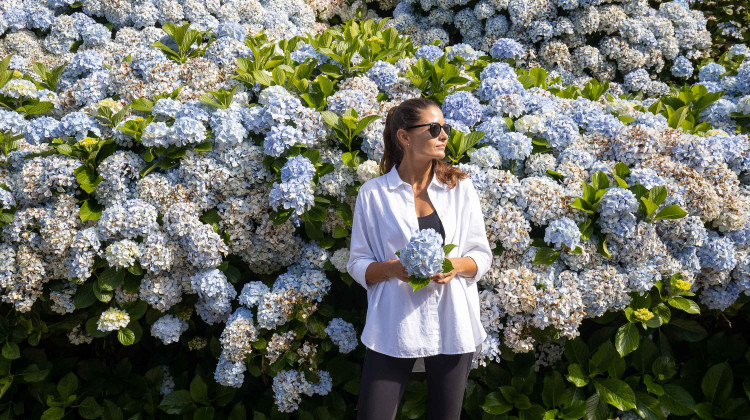
The Azores are one of the most intensively dairy-farmed regions in Portugal. The green, hedge-divided pasture landscape of São Miguel, Terceira, and São Jorge is a direct product of cattle farming: the hedgerows are hydrangea planted as windbreaks, the emerald colour comes from near-constant rainfall, and the cattle graze outdoors year-round in a way that is impossible in most of northern Europe.
The dairy industry drives the rural economy and explains the quality of the cheese and butter. The famous "happy cows" label associated with Azorean dairy reflects a genuine reality: the animals live on grass, in mild temperatures, without the confinement of industrial farming. Walking through São Miguel's interior, you are essentially moving through a working dairy farm landscape that happens to be exceptionally beautiful.
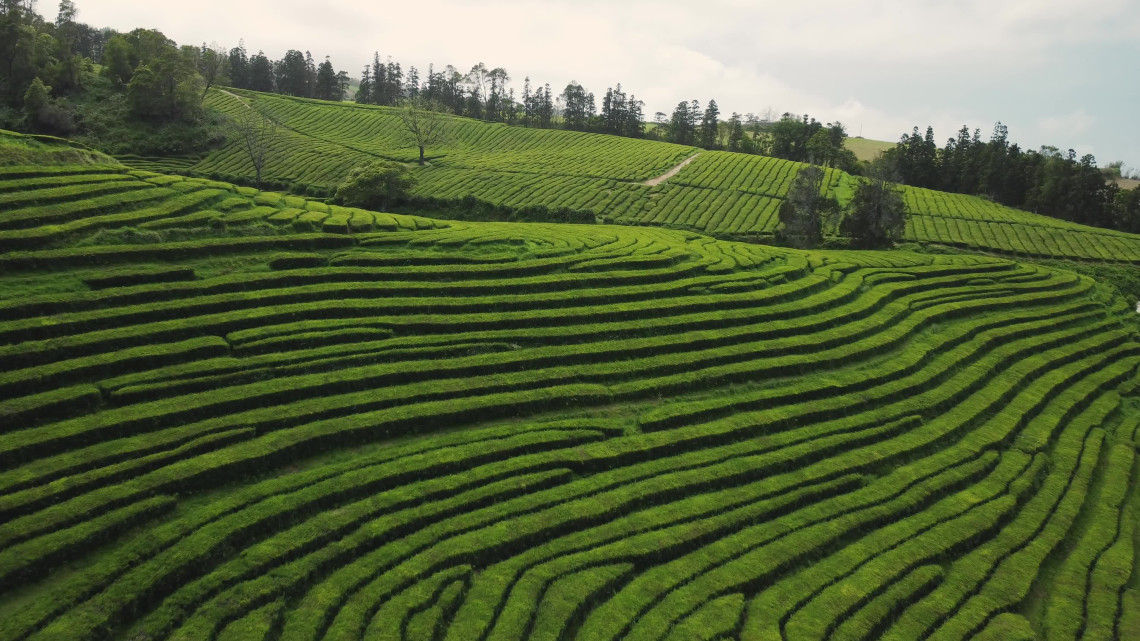
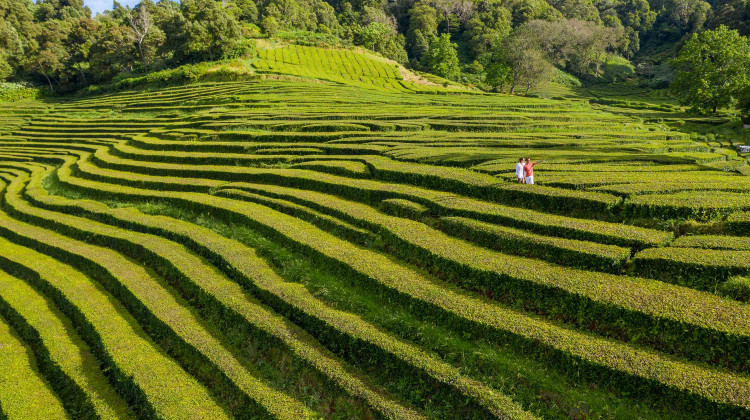
Tea is grown commercially on São Miguel, at the Gorreana and Porto Formoso plantations on the north coast. These are the only commercial tea plantations in Europe. The tea has been cultivated since the 19th century and the operations are small enough to visit as working farms.
Pineapples are grown under glass on São Miguel in a production method that has existed since the 19th century. The Azorean pineapple is smaller and sweeter than the imported variety. Several greenhouses in the Ponta Delgada area are open to visitors.
UNESCO World Heritage Sites
The Azores have two UNESCO World Heritage Sites, both reflecting the intersection of the islands' cultural and natural significance.
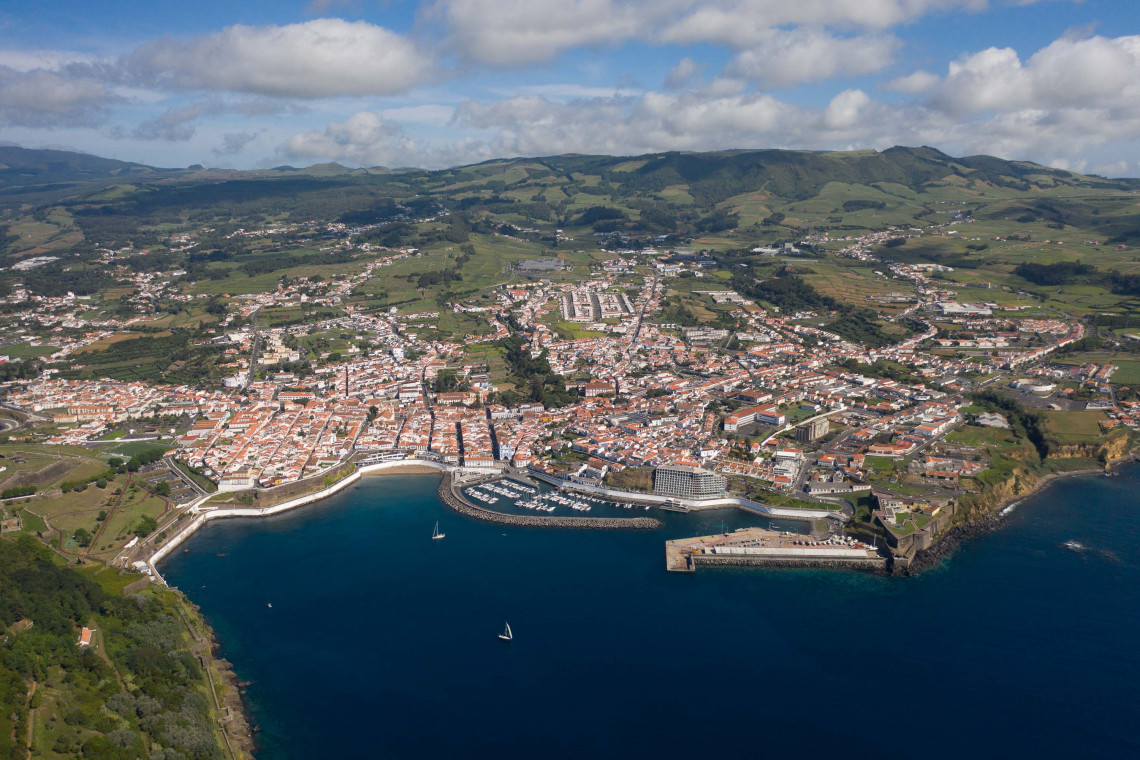
Angra do Heroísmo (Terceira): Designated in 1983. The city was the most important Atlantic port between Europe, the Americas, and Africa for roughly two centuries. Its historic centre retains 16th and 17th century urban planning in near-complete form: the grid of streets laid out around the two main churches, the fortifications of the São Sebastião and São João Baptista (the largest Portuguese fort ever built), and the civic buildings of what was briefly the capital of Portugal when Philip II held the Portuguese crown. The cathedral, the convents, and the main square (Praça Velha) are all within walking distance. Angra is a genuinely historic city that most visitors reach only because Terceira appears in a multi-island itinerary — it deserves more attention than it typically gets.
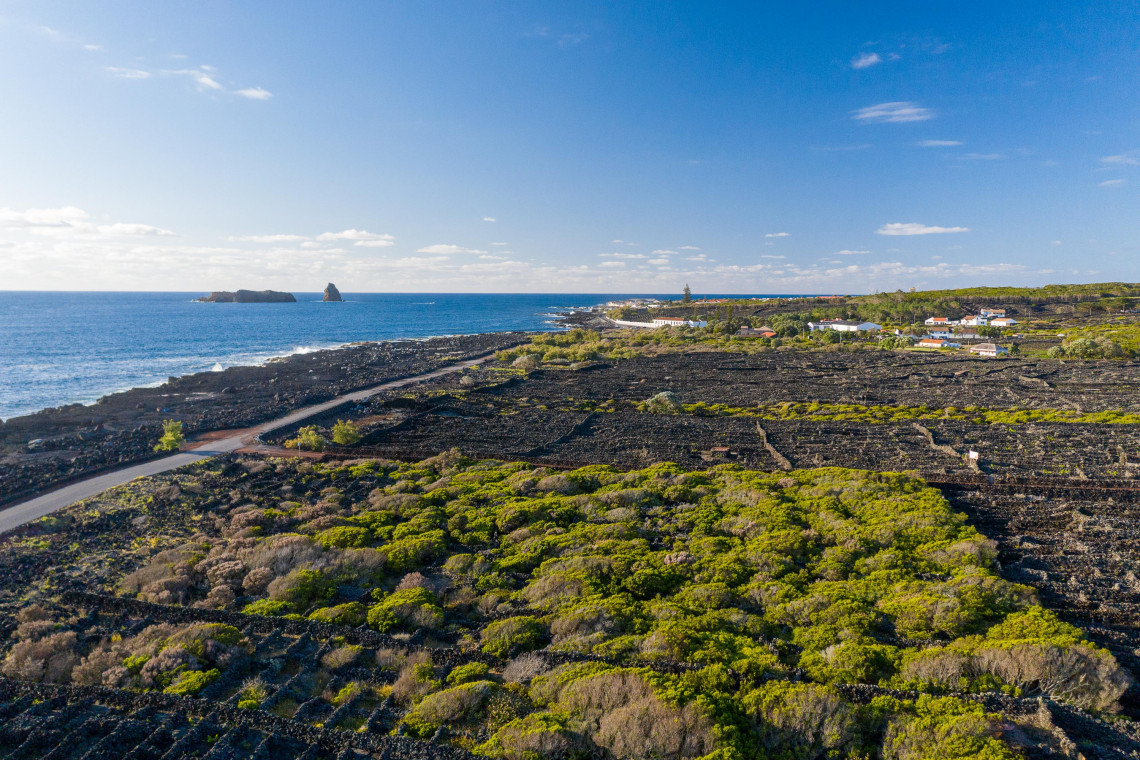
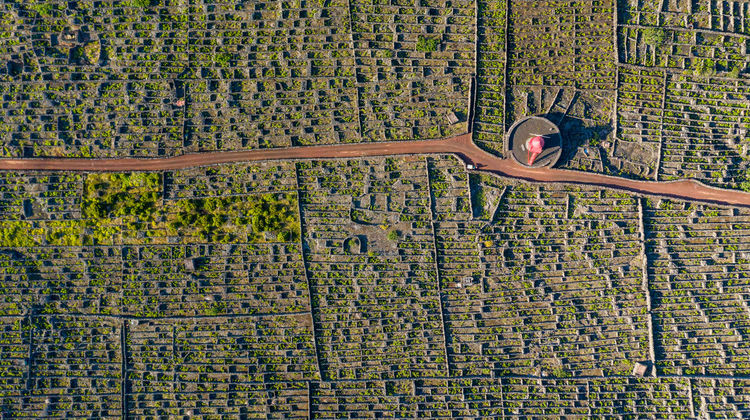
Pico Island Vineyard Culture: Designated in 2004. The vineyard landscape of the western part of Pico Island, where centuries of volcanic rock have been cleared and arranged into the characteristic low walls (currais) that protect individual vines from Atlantic wind. The landscape is unlike any other wine-growing region in Europe: black lava, no visible soil, the ocean immediately beyond, and Pico's volcanic cone rising behind. The area around Criação Velha and Madalena is the most intact and most photographed section of the viticultural landscape.
MULTI-ISLAND AZORES PACKAGES
Our most popular cultural itinerary combines São Miguel and Terceira: two islands, two distinct characters, the Angra UNESCO historic centre, and the Sete Cidades caldera. Flights, hotel, and car included.
See Azores Packages →FAQ
What is the most important cultural event in the Azores?
The Santo Cristo Festivities in Ponta Delgada, held on the fifth Sunday after Easter, is the largest single religious celebration in the archipelago. It draws hundreds of thousands of participants, including large numbers of Azorean emigrants returning from the United States, Canada, and Brazil. The Sanjoaninas festival on Terceira (June) is the second largest in terms of cultural significance and public visibility.
What is a tourada à corda?
Rope bullfighting, unique to Terceira Island. The bull is not killed. Eight men called pastores control the animal with a long rope while a capinha works on foot in front of it. The practice takes place in streets and dedicated arenas, primarily during the Sanjoaninas festival period in June and on other feast days through summer and autumn. It has been designated a Portuguese Intangible Cultural Heritage.
What is an império in the Azores?
A small chapel dedicated to the Holy Spirit (Espírito Santo devotion), found across the Azores and particularly concentrated on Terceira Island, which has more than 60. The impérios are used for annual feast day celebrations that involve the distribution of bread, meat, and soup to all who come. The tradition of charitable giving dates to Queen Isabel of Portugal in the 14th century. Each império is maintained by a local neighbourhood association.
What is the best Azorean food to try?
Cozido das Furnas (geothermally slow-cooked meat stew, São Miguel), lapas (grilled limpets with butter and garlic), Queijo São Jorge (aged hard cheese from São Jorge Island), fresh dairy from any restaurant or café on any island, and Pico wine (dry Verdelho whites from the UNESCO vineyard landscape). The Mercado da Graça in Ponta Delgada is a good starting point for trying local produce in one place.
What are the UNESCO World Heritage Sites in the Azores?
Two: the historic centre of Angra do Heroísmo on Terceira Island (designated 1983), and the Pico Island Vineyard Culture on Pico Island (designated 2004). Angra is a preserved 16th and 17th century Atlantic port city. The Pico vineyards are a working agricultural landscape of black lava walls protecting individual vines from the Atlantic wind.
Is Azorean culture different from mainland Portuguese culture?
Yes, noticeably. Six centuries of Atlantic isolation produced local variants of Portuguese traditions that have no direct equivalent on the mainland. The Espírito Santo devotion and impérios culture, the touradas à corda, the island-specific embroidery traditions, the geothermal cooking, and the particular character of religious festivals like the Santo Cristo all developed separately from mainland Portuguese equivalents. The Azorean accent is also distinct enough that mainland Portuguese listeners often identify it immediately.
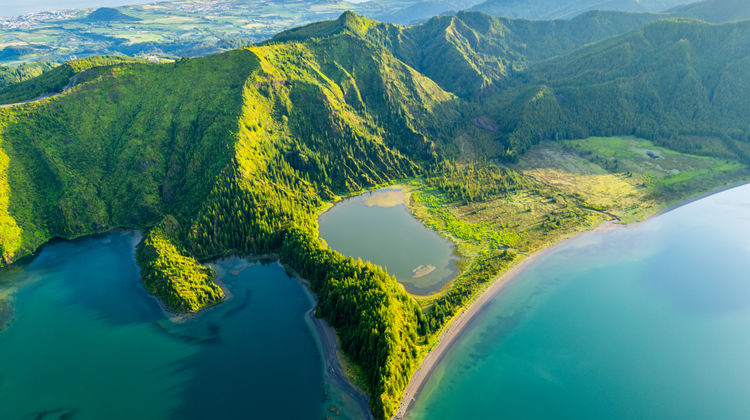
.jpg "Sete Cidades Caldera Lakes in São Miguel Island, Azores")
.jpg "Jeep tour through Cumeeiras, Sete Cidades, São Miguel Island")
.jpg "Scenic View of Tea Plantations in São Miguel, Azores")
.jpg "Pico Island’s Longitudinal Road (IS1) – Scenic Drive Through the Heart of the Island")