08 September 2026 • 12 min read
Terceira is compact, about 400 square kilometers, but it packs in a UNESCO World Heritage city, one of only three accessible volcanic chimneys in the world, a network of lava pool swimming areas, and more viewpoints than you can reasonably visit in three days. This guide covers the 25 places worth your time, organized by type.
Essential stops: Angra do Heroísmo, Algar do Carvão, Serra do Cume, Biscoitos | Best for: History, geology, viewpoints, swimming
Historic Angra do Heroísmo
Angra do Heroísmo is the most important destination on Terceira and one of the most historically significant cities in the Atlantic. It was a UNESCO World Heritage Site since 1983, the only one in the Azores, and its compact historic center contains more of interest per square meter than anywhere else on the island. Budget at least half a day here, ideally a full one.
1. Praça Velha
The central square, officially called Praça Almeida Garrett, is the civic heart of Angra and the natural starting point for any visit. It is flanked by the Capitães-Generais Palace on the north and opens onto Rua Direita to the east. The square hosts the weekly market on Saturdays and the main stage of the Sanjoaninas festival in late June. Benches under the plane trees are occupied by locals at all hours.
2. Sé Cathedral
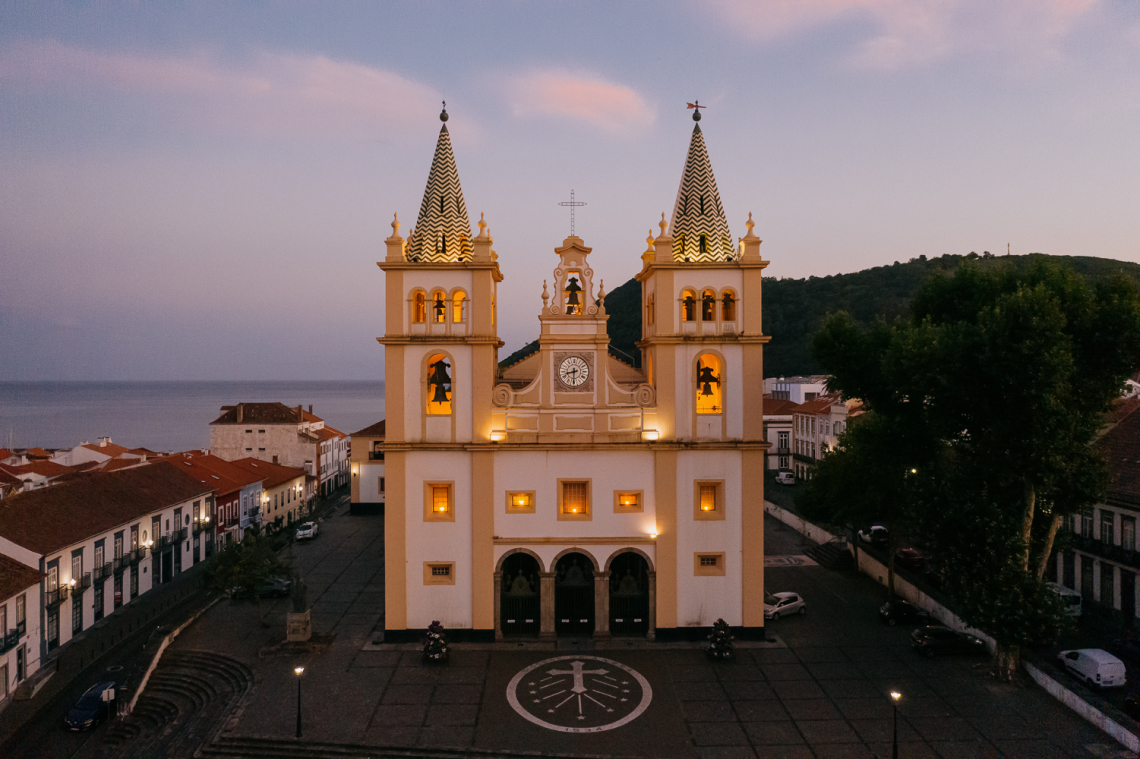
The largest church in the Azores, built in the 16th century in Mannerist style. The interior was heavily restored after the 1980 earthquake; the sacristy contains Flemish paintings and silverwork that survived the disaster. The carved stone portal is one of the finest examples of decorative stonework in the archipelago. Entry is free during non-service hours.
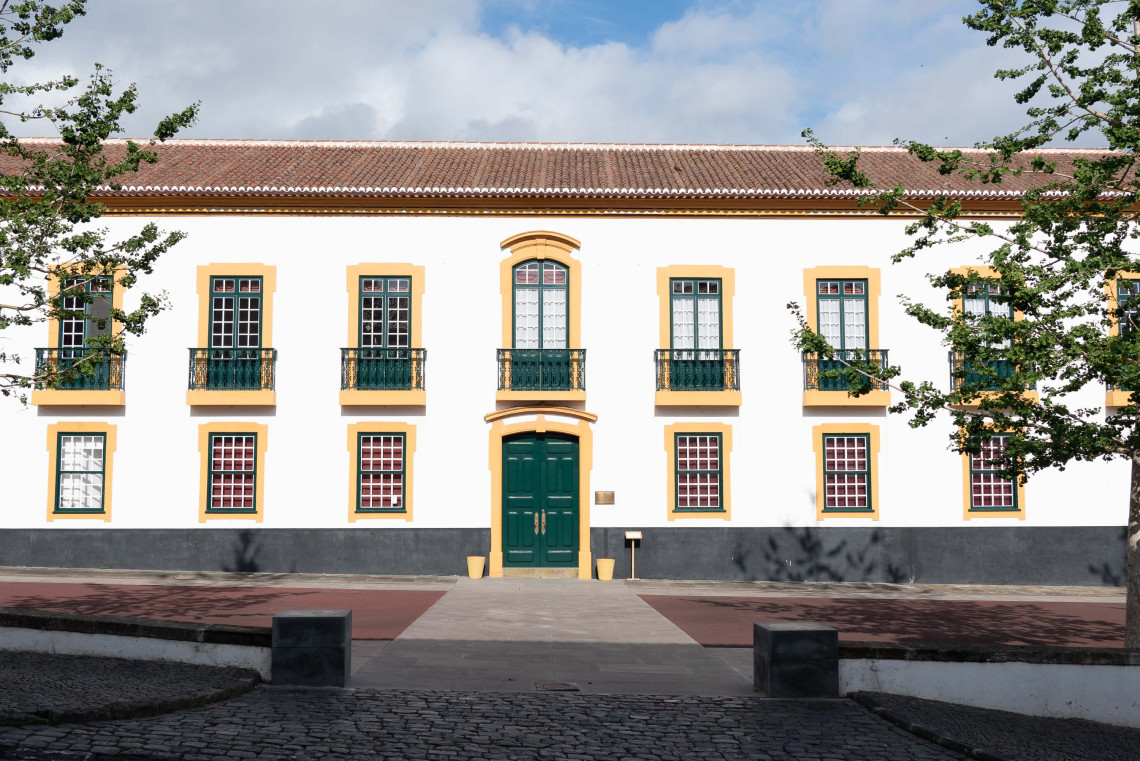
3. Capitães-Generais Palace
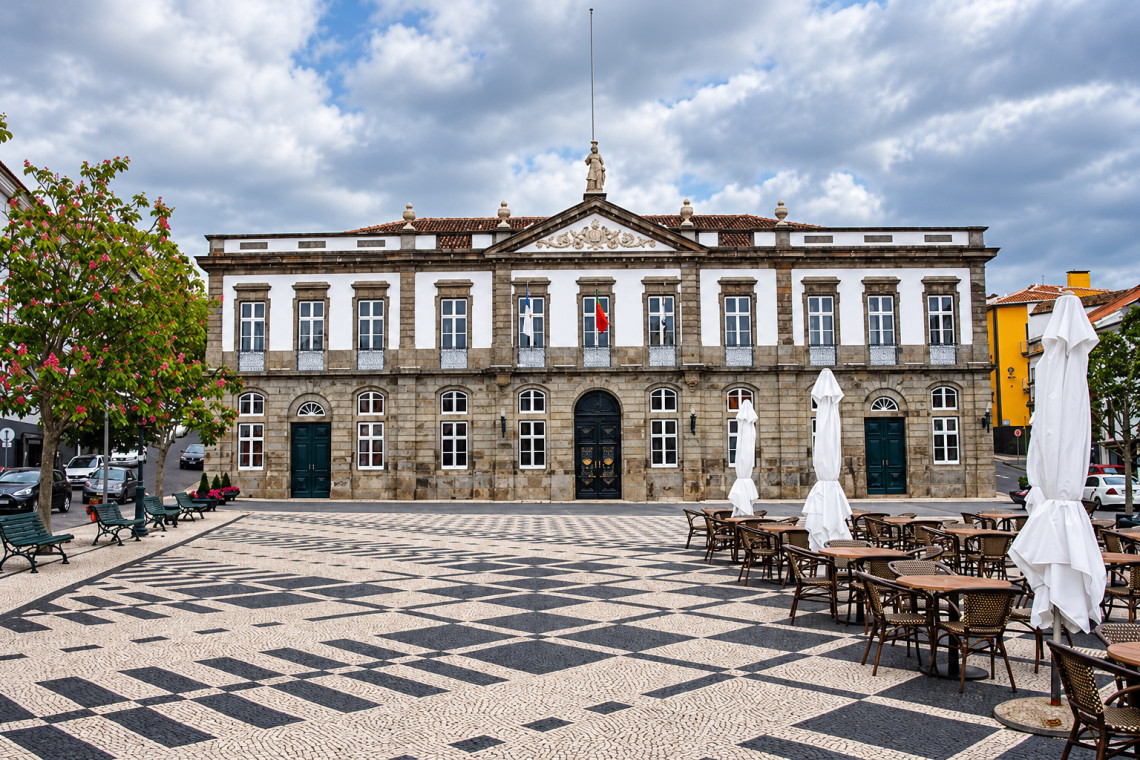
The 18th-century palace served as the seat of the military governors appointed by Lisbon to control the archipelago. Its formal Baroque facade occupies the entire north side of the Praça Velha. The palace is still a government building, but the exterior and the adjacent botanical garden (the oldest in the Azores) are accessible to the public.
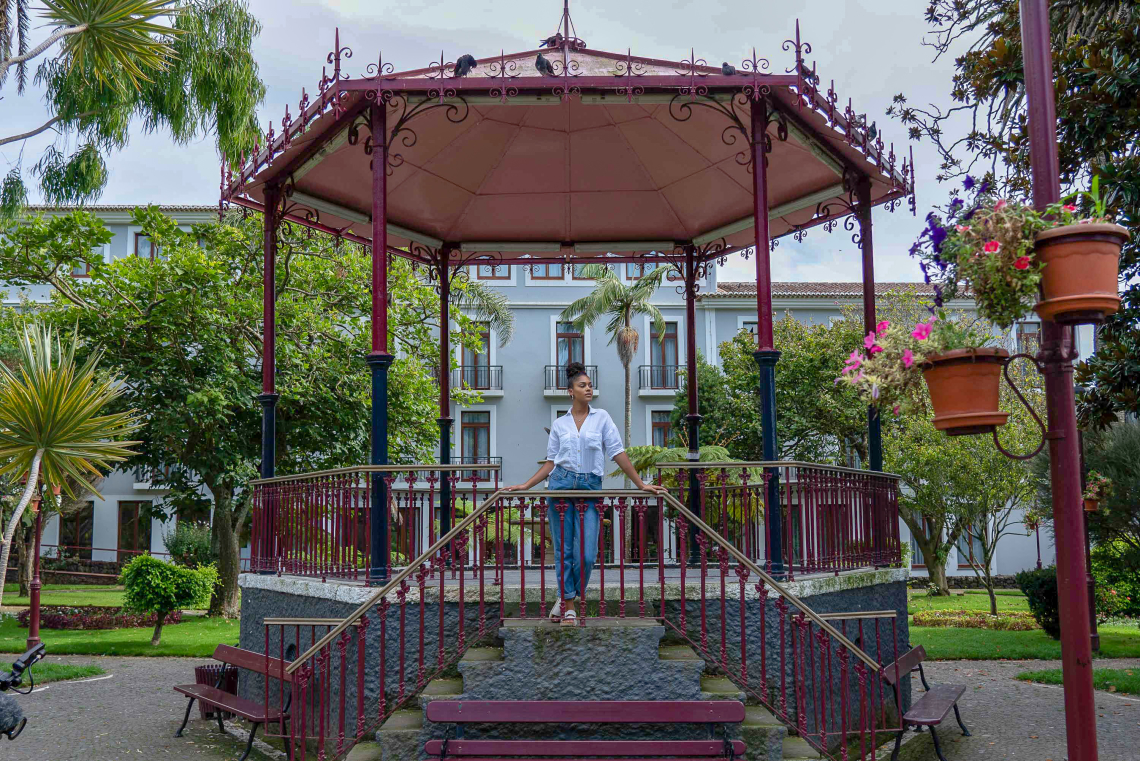
4. Jardim Duque de Bragança
The main public garden of Angra, laid out on a hillside behind the historic center, with fountains, tree ferns, azaleas, and stone grottos. The garden connects to the Alto da Memória viewpoint, which gives a different perspective over the city rooftops and the harbor below. Free to enter, open daily. One of the few genuinely quiet green spaces in the city.
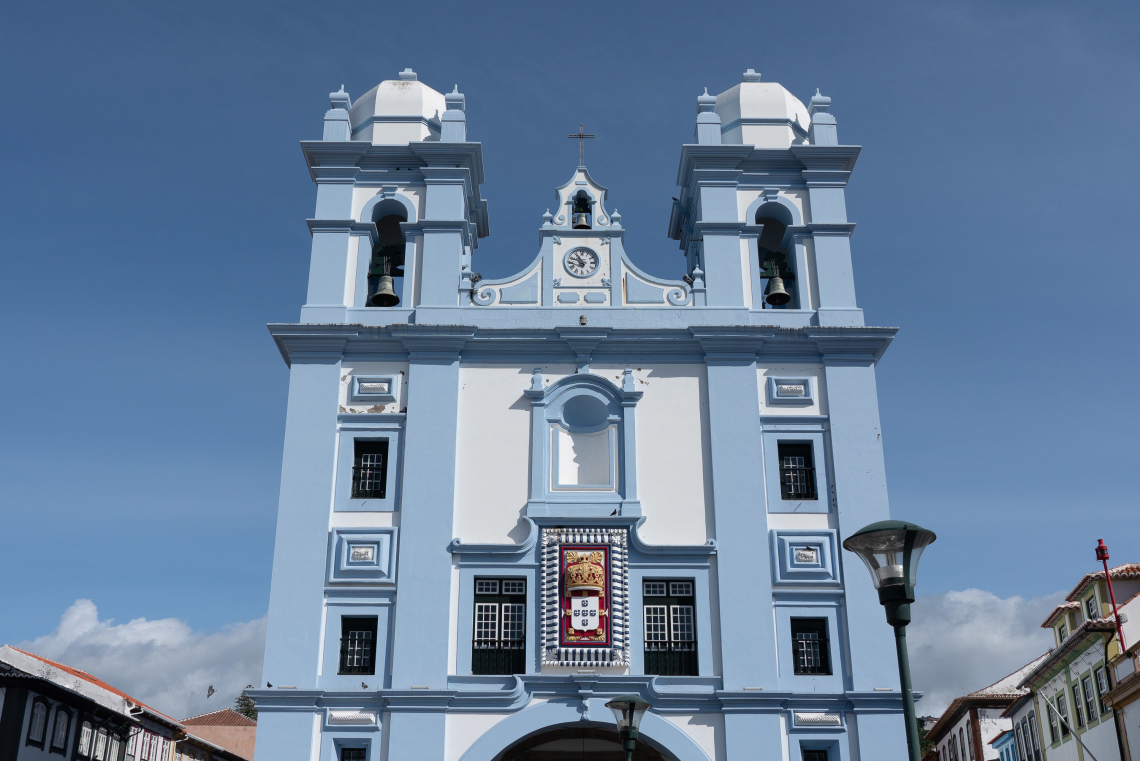
5. Misericórdia Church
The church facing the waterfront promenade is widely considered the finest piece of architecture in Angra outside the cathedral. The Manueline-style portal, carved in black basalt, dates from the 16th century and is remarkable in its level of detail. The interior contains a collection of Flemish azulejo panels. Entry is free.
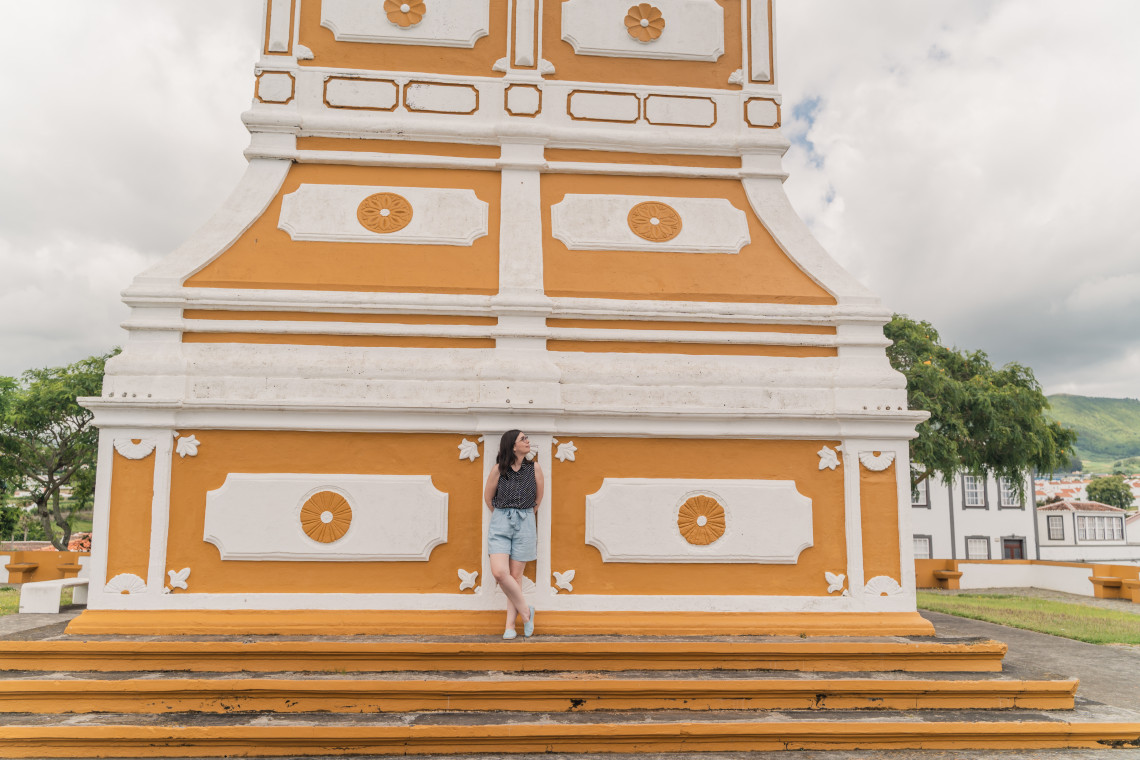
6. Alto da Memória Viewpoint
A small hilltop monument accessible through the Jardim Duque de Bragança, with a clear view south over the harbor, the Fortaleza de São João Baptista on Monte Brasil, and the open Atlantic. This is one of the best spots in Angra to photograph the city at sunset, when the light catches the orange and yellow facades of the historic center.
✈️ PLAN YOUR TERCEIRA TRIP
Our São Miguel & Terceira package includes flights, hotels, guided transfers, and free time to explore on your own terms. The most popular combination for first-time visitors to the Azores.
View São Miguel & Terceira Package →Monte Brasil
7. Fortaleza de São João Baptista
The largest military fortification in the Azores, built in the 16th century to defend the harbor of Angra against pirates and rival European powers. The fortress occupies the landward face of Monte Brasil and is still an active Portuguese military installation. The external walls, moat, and bastions are visible from the road; the best views of the structure are from the harbor promenade or from the ridge path above. You cannot enter the interior without military clearance, but the external perimeter is worth walking.
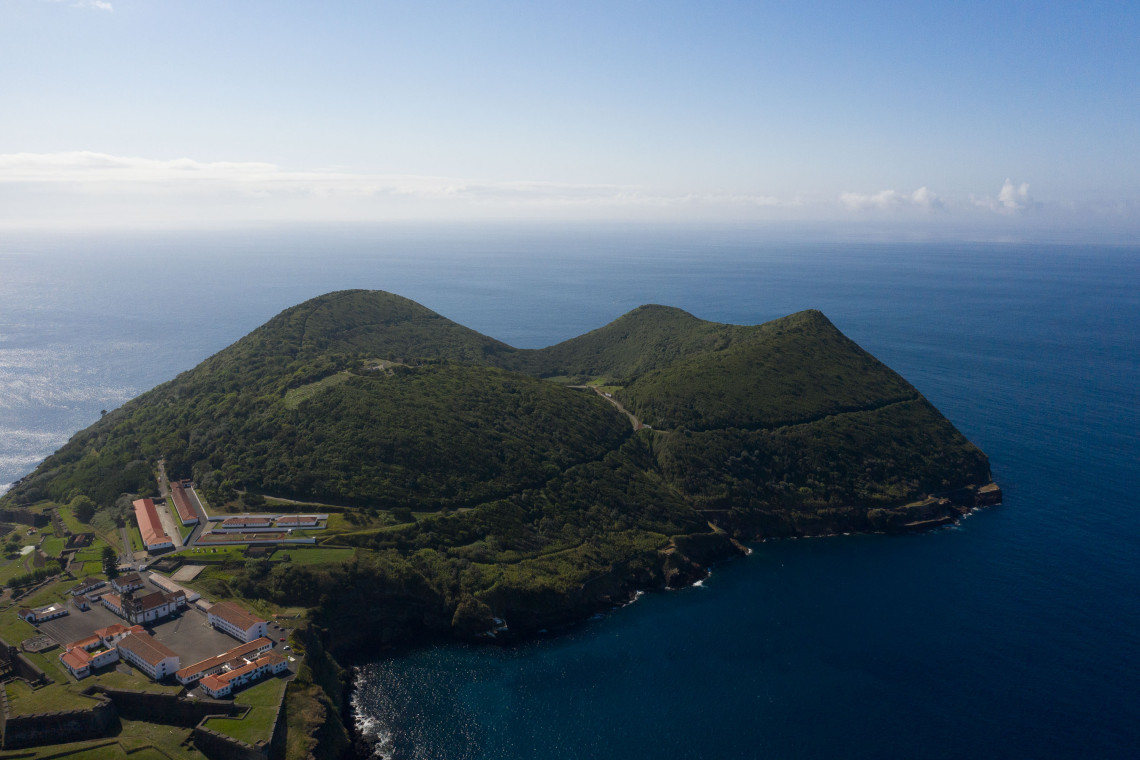
8. Monte Brasil Trail and Viewpoints
The circular trail around the Monte Brasil promontory takes about two hours at a relaxed pace through laurel forest. Several lookout points along the way give panoramic views over Angra below, the harbor, and on clear days the outlines of São Jorge and Pico to the northwest. The summit crater is now a reservoir; the walk around its rim is short and adds a surreal quality to the landscape. The trail is free, accessible year-round, and starts near the harbor about 10 minutes' walk from the Praça Velha.
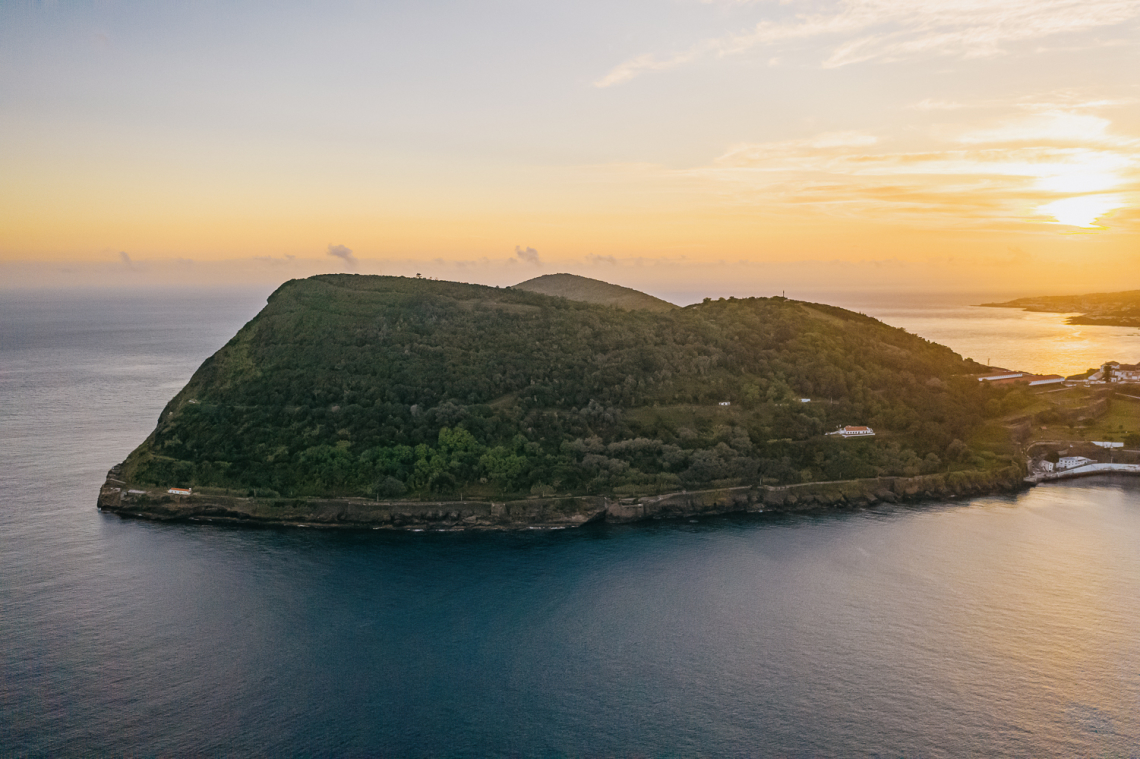
Volcanic Interior
9. Algar do Carvão
One of only three volcanic chimneys in the world accessible to visitors on foot. You descend 90 steps into the crater of a dormant volcano and emerge into a cathedral-like chamber 45 meters tall, with walls covered in white silica deposits and a small lake at the bottom. Open mid-April to mid-October, Tuesday to Sunday, 10am to 5:30pm. Entry around €6. The interior temperature is 14°C year-round; bring a layer.
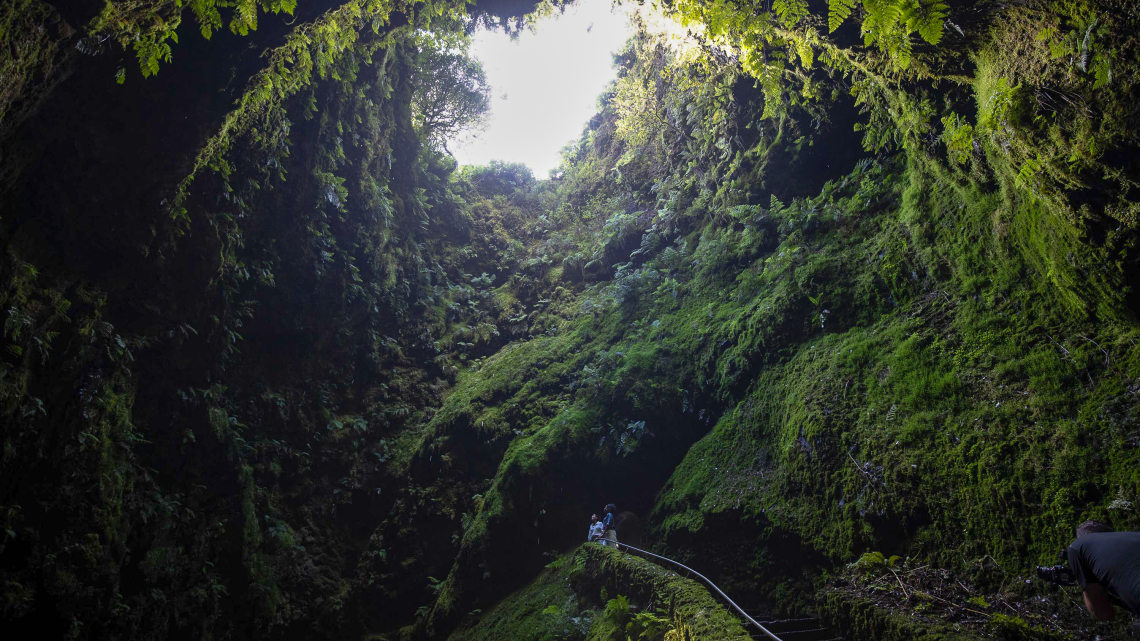
10. Gruta do Natal
A 700-meter lava tube about five minutes' drive from Algar do Carvão, sold as a combined ticket (around €15). The ceilings are high enough to walk without ducking in most sections, and signs along the route explain the geology. It lacks the drama of Algar do Carvão but is a good complement and adds context to how lava tubes form. The combined visit takes about two hours.
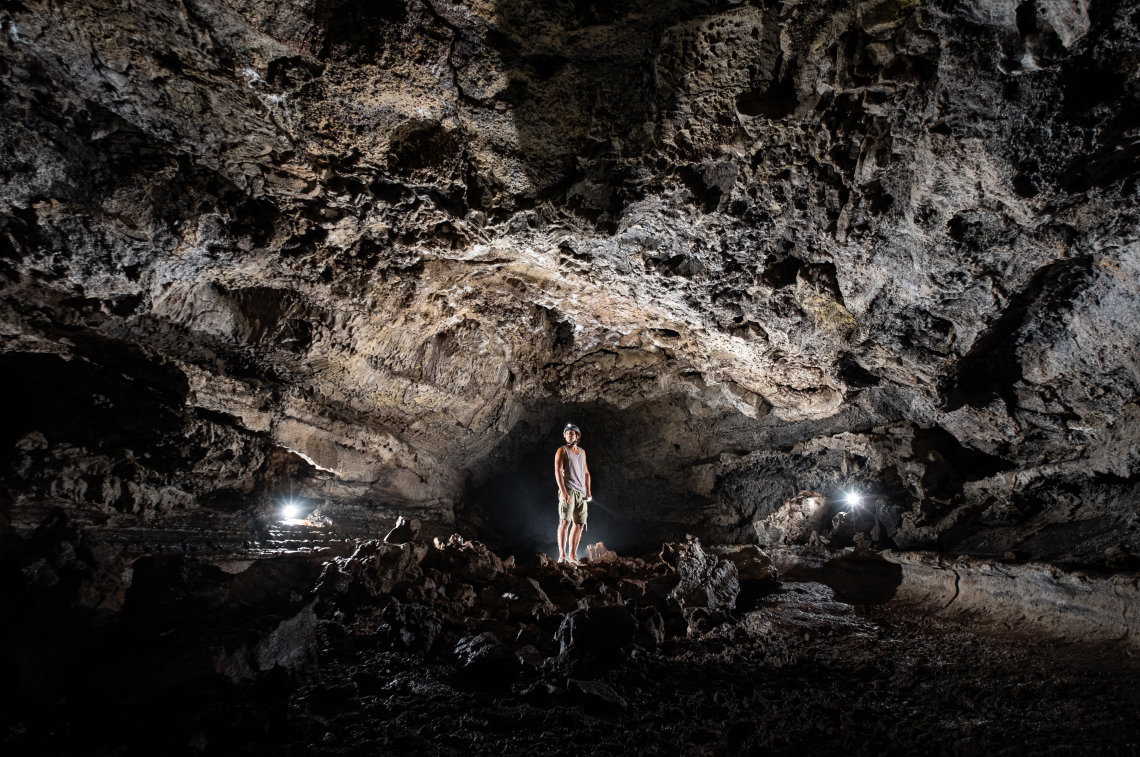
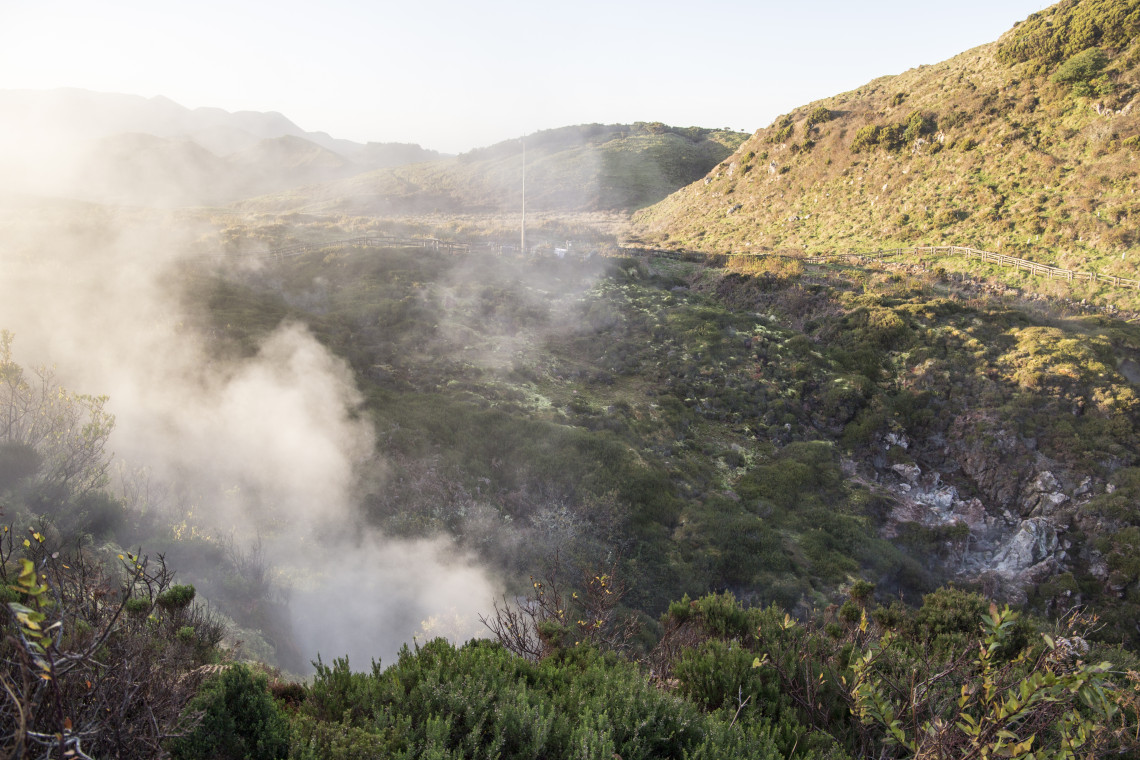
11. Furnas do Enxofre
A geothermal park where sulfurous gases vent through fissures in the ground, surrounded by cryptomeria and laurel forest. A wooden boardwalk guides you through the site, which is part of the protected Floresta Laurissilva. The visit takes about 45 minutes and is free. It pairs logically with Algar do Carvão and Gruta do Natal for a half-day loop through the volcanic interior.
12. Santa Bárbara Natural Park
The protected area around the Santa Bárbara volcano in the island's center includes the Mistérios Negros hiking trail (4.5km, the most visually striking on Terceira), lava fields colonized by fern and moss, and several viewpoints over the island. The park is free to enter and accessible by car. The Santa Bárbara viewpoint, at the park's highest point, gives 360-degree views on clear days, with both coastlines visible simultaneously.
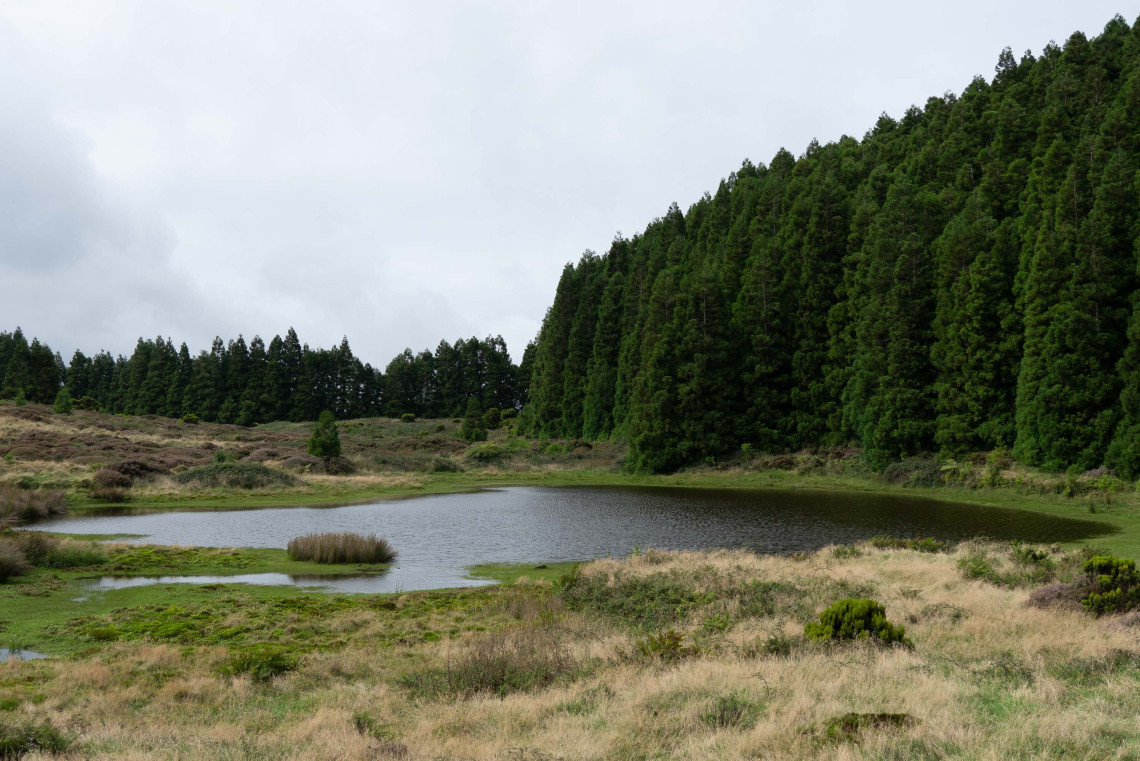
13. Lagoa das Patas
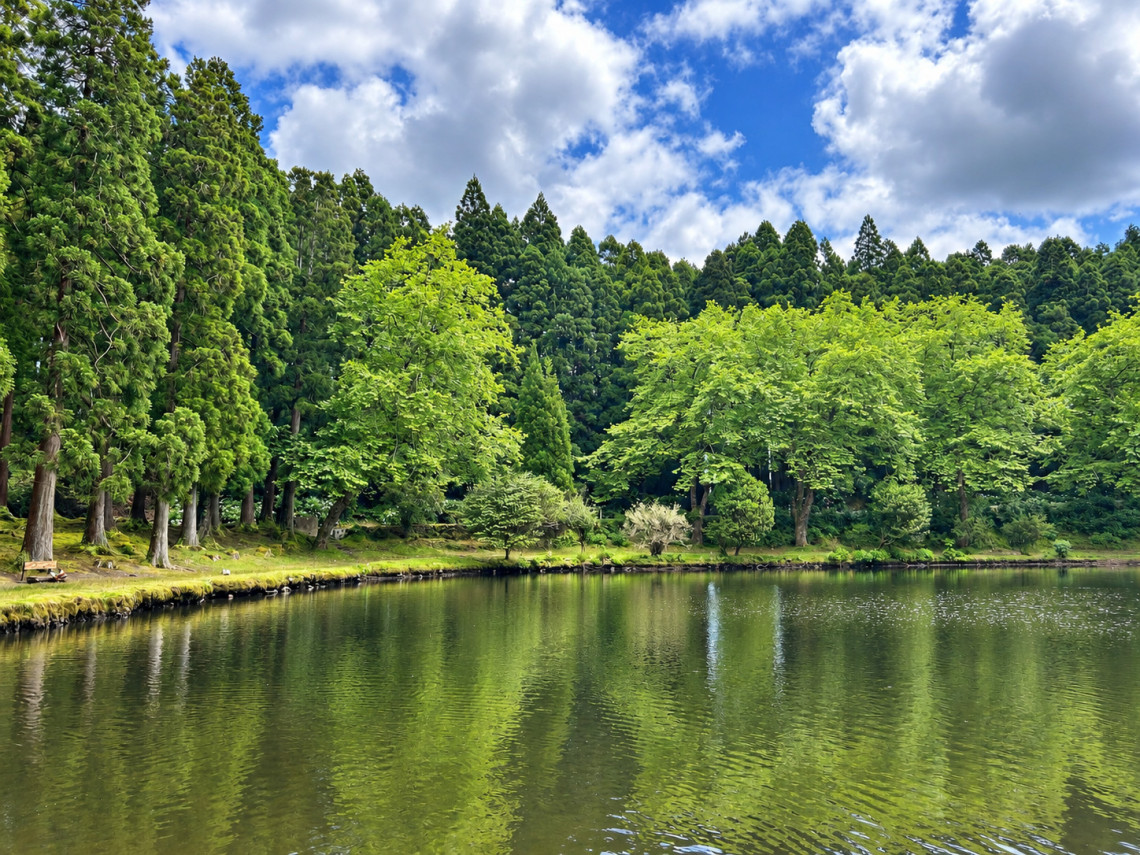
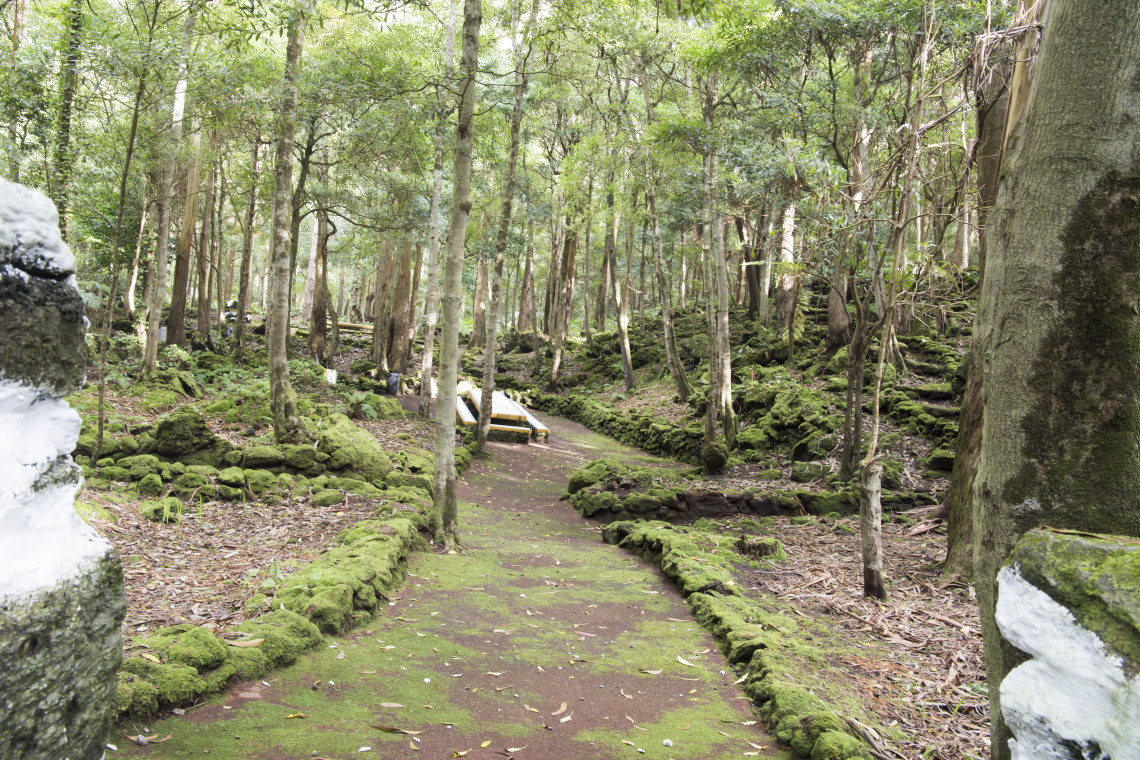
A small lake in the island's interior, surrounded by tall trees and accessible from the road with ample parking. Picnic tables, benches, and a fountain with drinking water. The ducks and geese that live here are accustomed to visitors and approach freely. It is a calm, genuinely pleasant stop and one of the few spots on the island designed purely for relaxing rather than sightseeing. Free.
Viewpoints
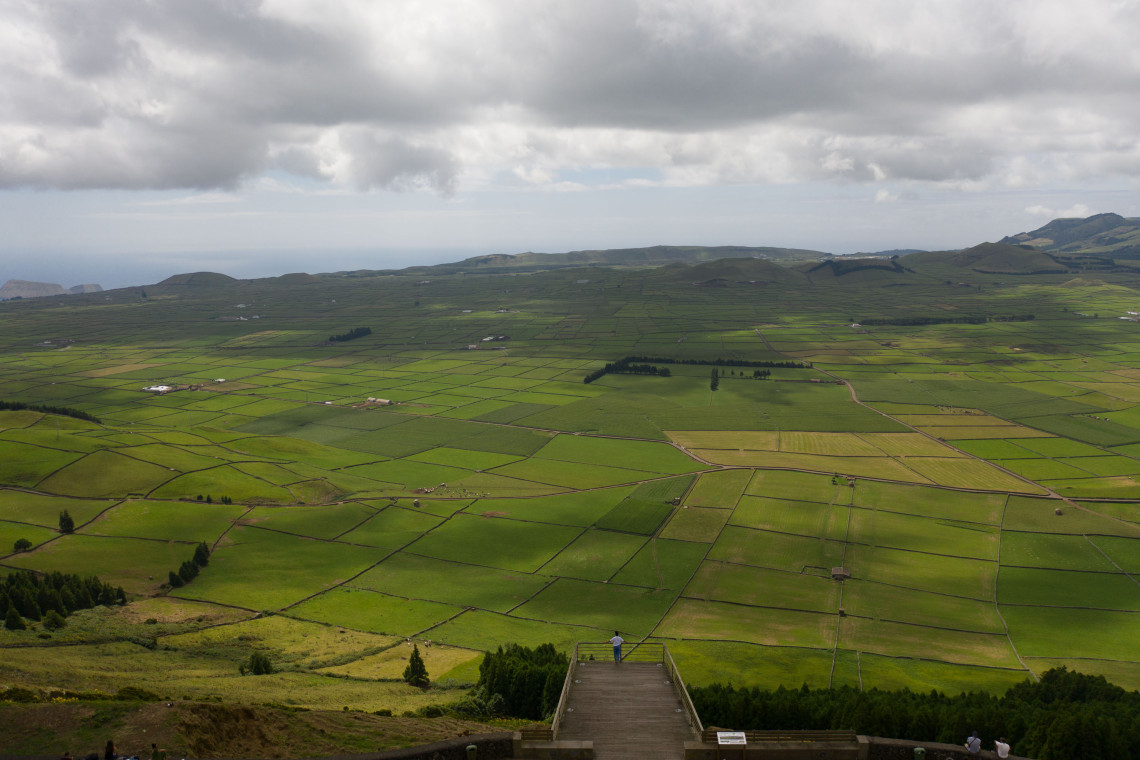
14. Serra do Cume
The most photographed viewpoint on Terceira. From the top (around 550 meters), you look down over the eastern plateau: a patchwork of small pastures divided by low basalt walls, stretching to the coast and the Atlantic beyond. On clear days, São Jorge Island appears on the horizon. The viewpoint is exposed and windy; bring a layer. 20 minutes by car from Angra, free parking.
15. Miradouro do Raminho
A coastal viewpoint on the north coast, reached via a short walk from the road through fields and past basalt walls. The landscape opens suddenly onto sea cliffs with the Atlantic far below. The site is covered in wildflowers in spring and early summer and is calm even on busy weekends, as it sits slightly off the main tourist circuit.
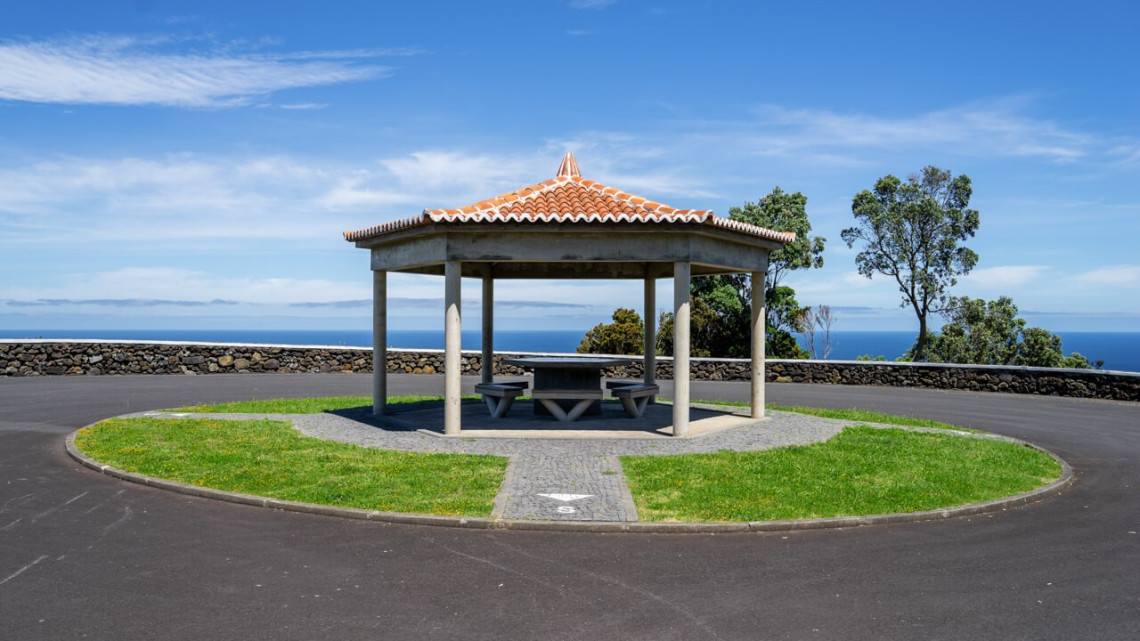
16. Pico do Bagacina
A high-altitude viewpoint in the island's volcanic center, with views down to both coasts on clear days. The access road passes through the eerie landscape of Santa Bárbara Natural Park, where the vegetation changes from dense forest to open heath covered in lava. Accessible by car; no facilities, no entry fee.
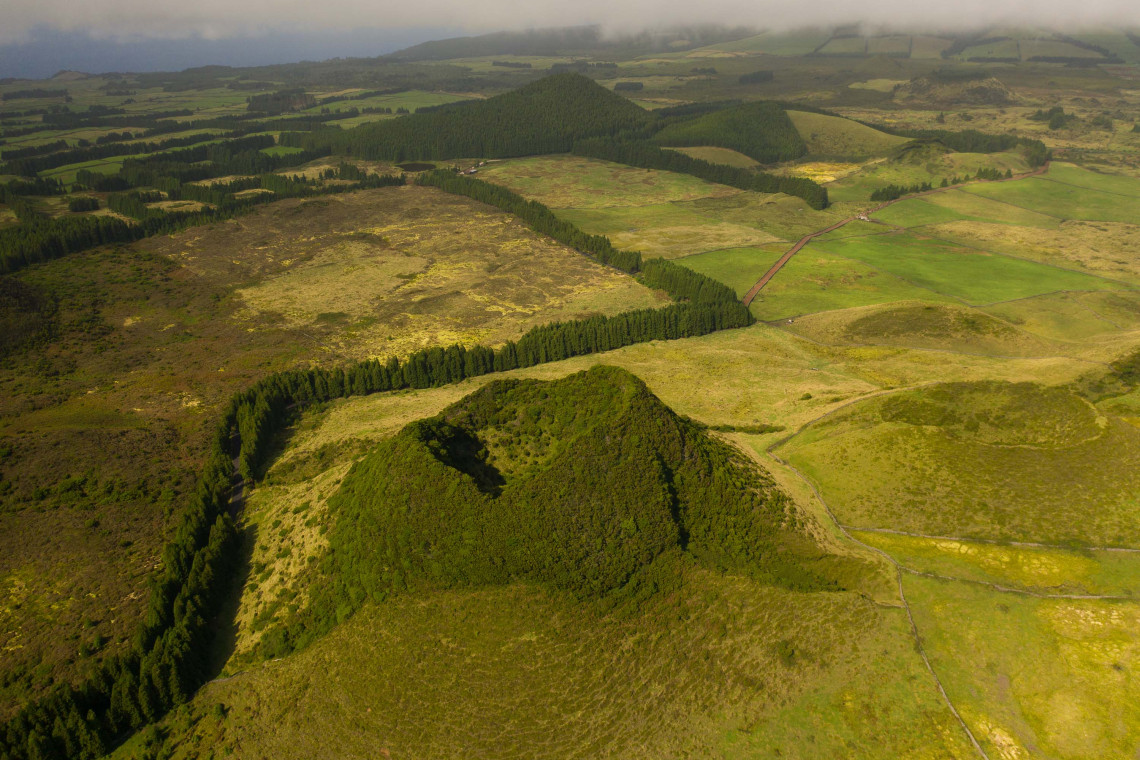
Swimming and Coast
17. Biscoitos Natural Pools
The best swimming spot on Terceira. Lava flows created a series of rock pools along the northern coast, connected to the Atlantic by channels that circulate seawater constantly. The pools range from shallow areas for children to deeper sections with excellent clarity. Changing facilities, a snack bar, and lifeguards in summer. Free. The village of Biscoitos surrounds a winery where Verdelho grapes grow behind basalt walls.
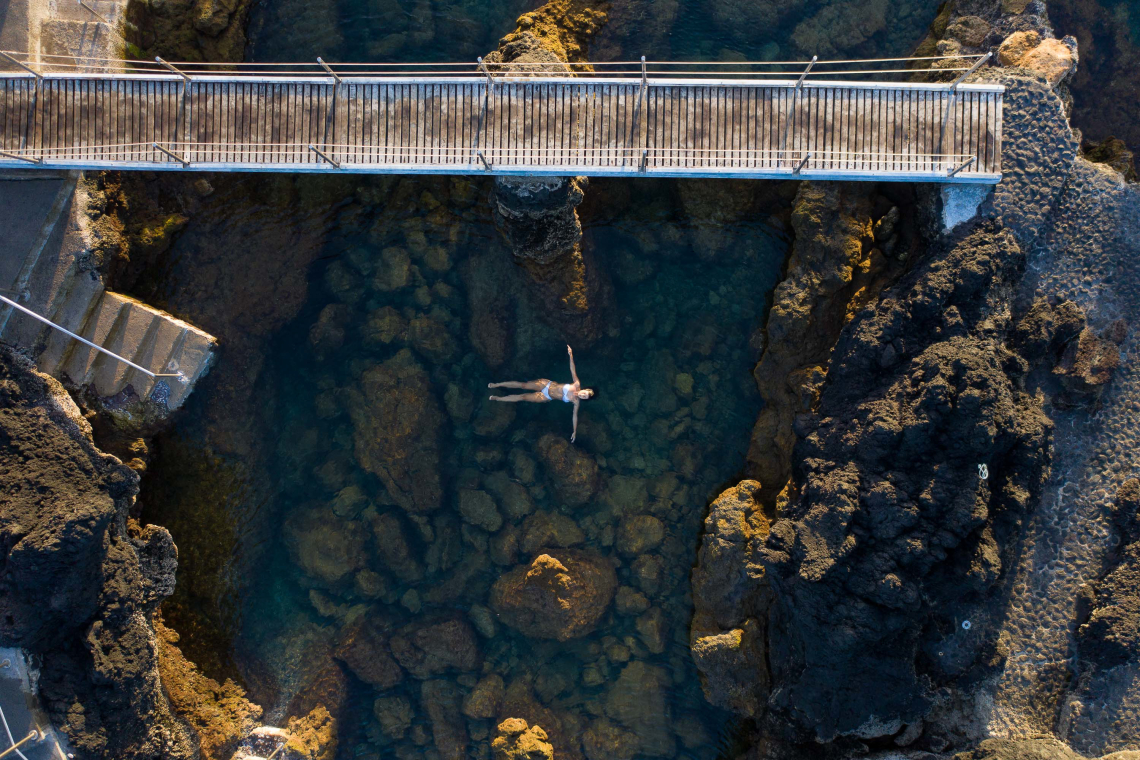
18. Prainha
A small sandy beach right in the heart of Angra do Heroísmo, accessible on foot from the historic center. It is genuinely unusual for an Azorean city to have a beach this close to the center. The water is protected by the bay, and there are changing facilities and a promenade with cafés. Gets busy on summer weekends.
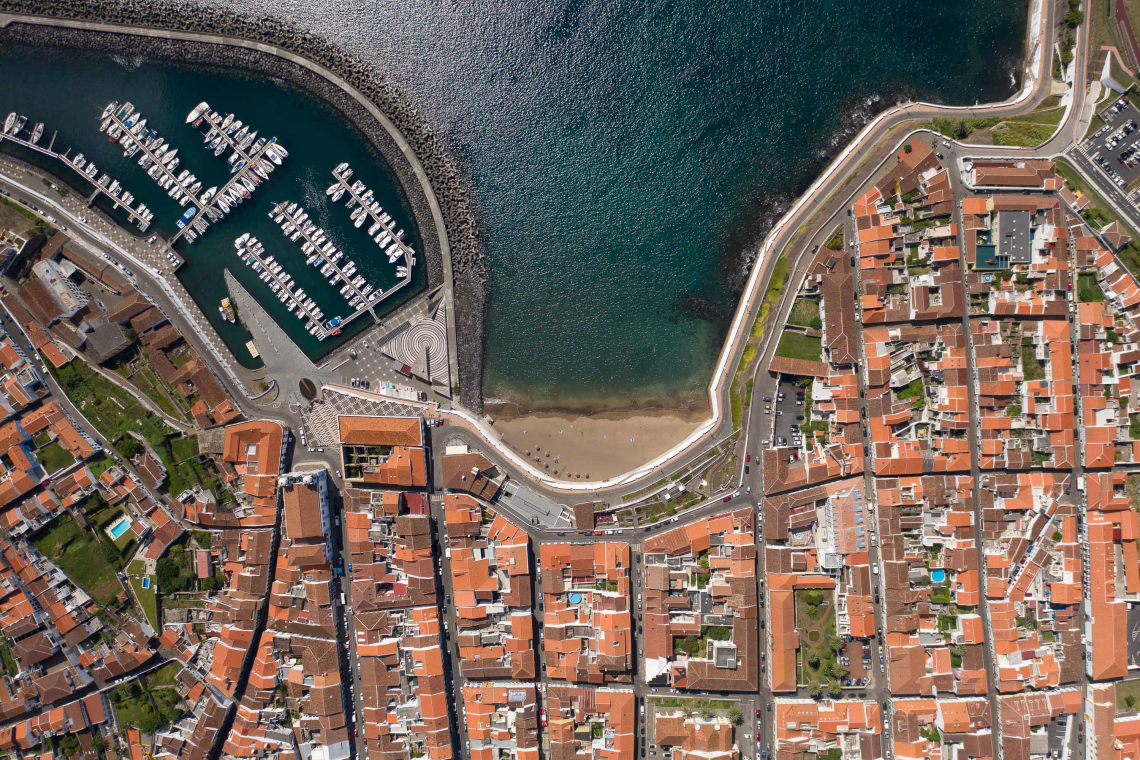
19. Porto Martins
A natural pool area on the southeastern coast, with both an enclosed pool and access to the open sea for those who prefer it. Quieter than Biscoitos, with a more local feel. Changing facilities and a small café. Free.
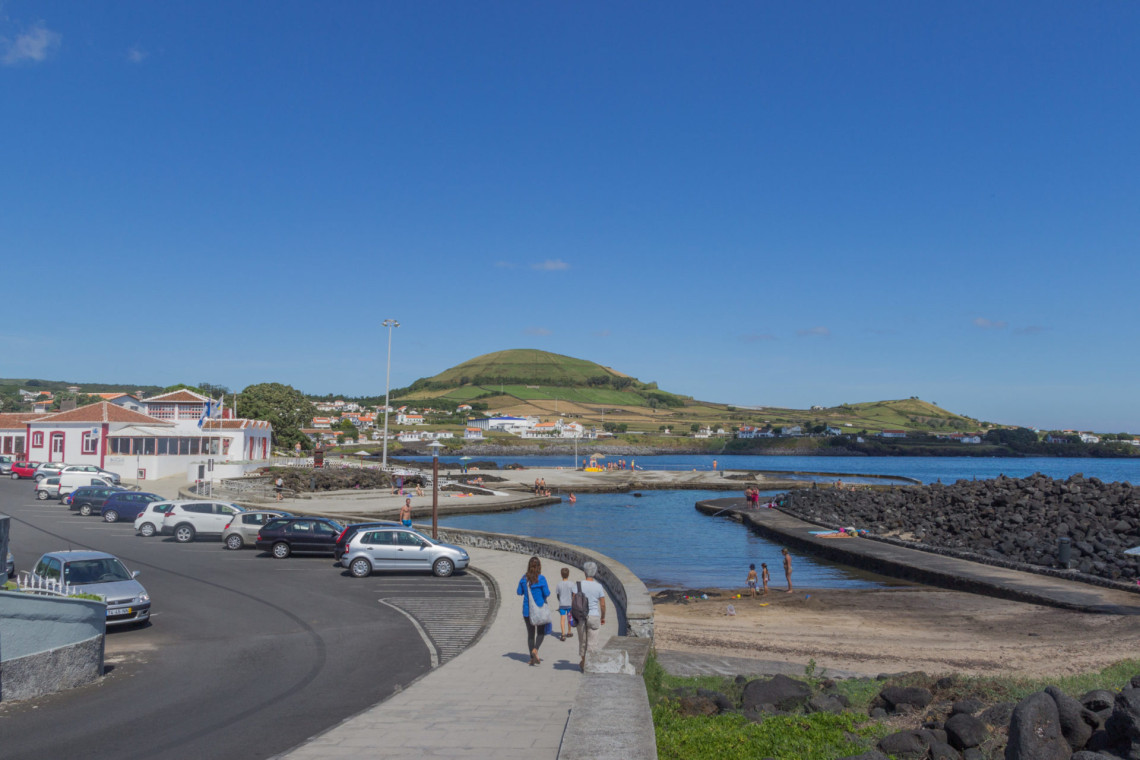
20. Cinco Ribeiras
Natural pools on the western coast, formed by lava rock, with a small sunbathing area and access steps cut into the rock. The ocean has more energy here than at Biscoitos, making it better for watching waves than for swimming on rough days. Good for sunset views.
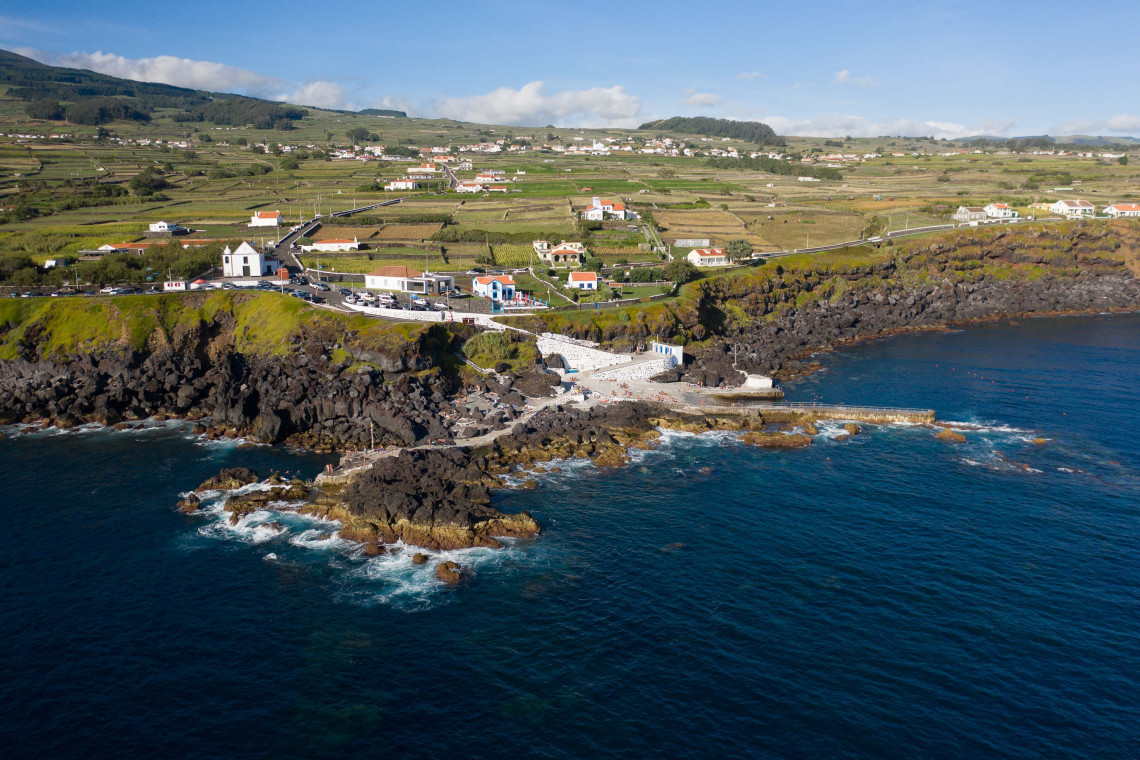
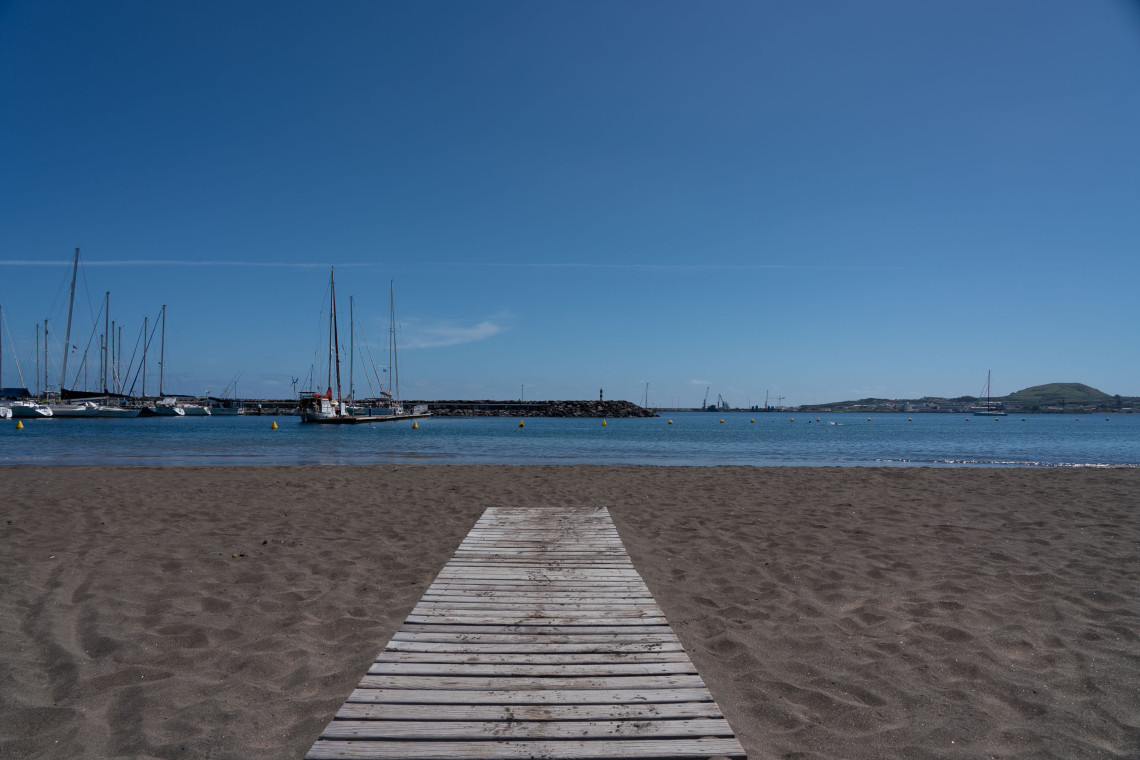
21. Praia da Vitória
The largest sandy beach in the Azores, on the eastern coast near the airport. The bay is wide and protected, the water calmer than the exposed north coast. The town has a pleasant old quarter with a 15th-century church and a weekly market. Free beach with lifeguards in summer.
Villages and Culture
22. Biscoitos Village and Winery
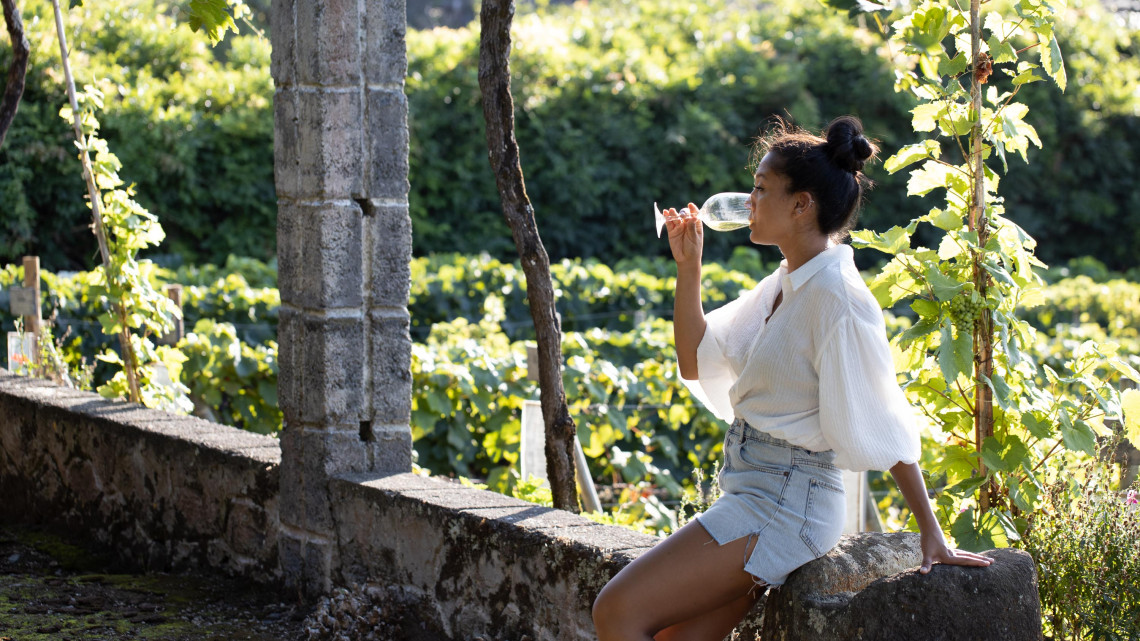
Beyond the natural pools, the village of Biscoitos is worth a slow walk. The Cooperativa Vitivinícola da Ilha Terceira operates a winery in the middle of the vineyard area, with tastings of Verdelho wine produced from volcanic soil. The landscape of basalt walls, low vines, and the Atlantic in the background is distinctly Azorean and unlike anything on the other islands.
23. São Sebastião
A small village on the eastern coast with a well-preserved 16th-century church and a cluster of traditional Azorean houses. Worth a brief stop on the road between Angra and Serra do Cume. The village church contains carved stone details of considerable quality and is rarely crowded.
24. Serreta
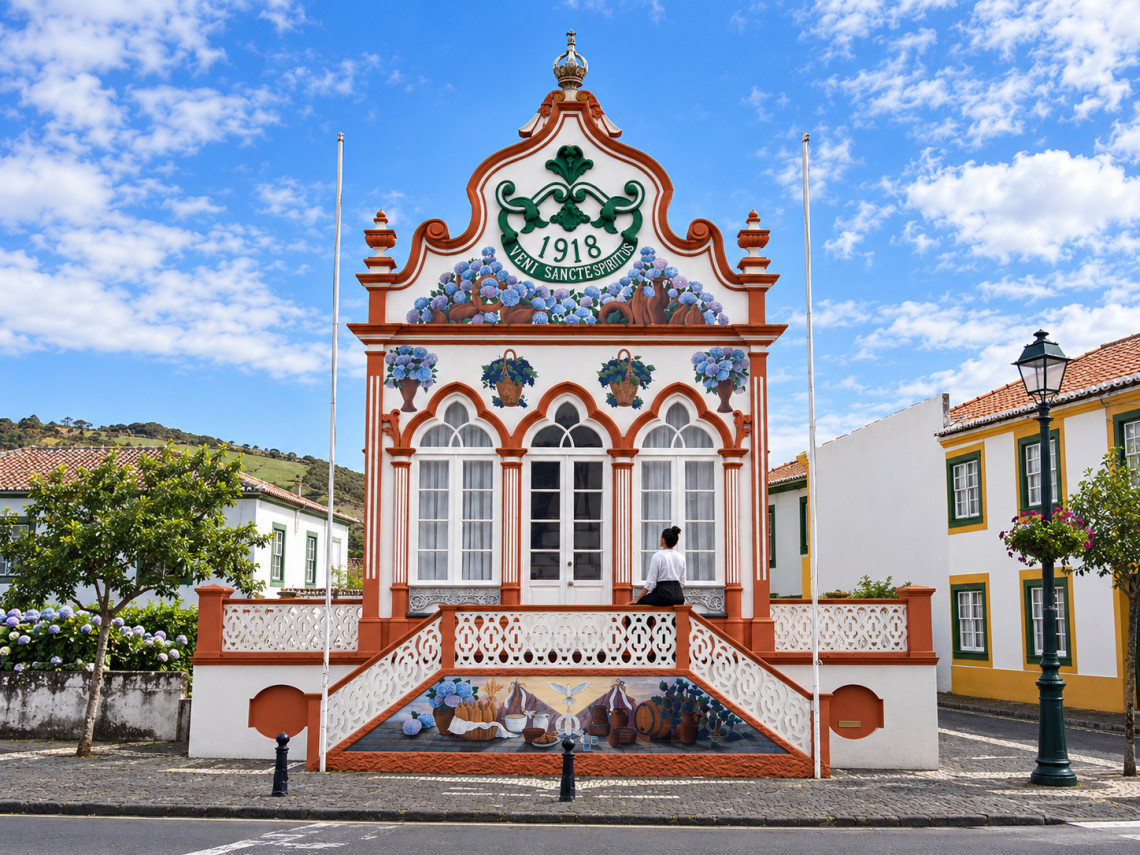
A village in the western part of the island, close to Algar do Carvão and the geothermal sites. The Igreja de Nossa Senhora dos Milagres in Serreta is the site of an important annual pilgrimage in late September, one of the oldest religious festivals on Terceira. The village's position on the edge of the island gives views west toward Graciosa on clear days.
25. Ilhéus das Cabras
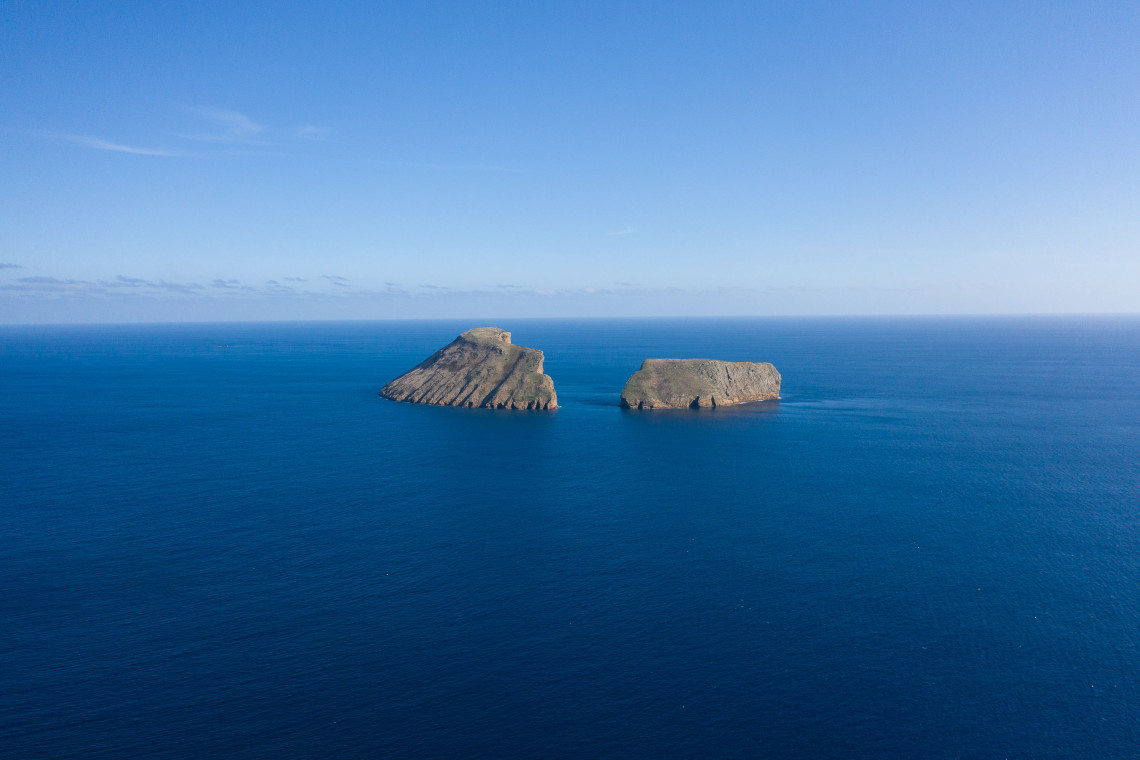
Two small uninhabited volcanic islets off the southeast coast, designated as a nature reserve. They cannot be visited on foot, but boat tours depart regularly from Angra do Heroísmo for snorkeling and scuba diving around the islets. The water is clear, the lava formations are striking underwater, and marine life including moray eels, octopus, and occasional rays is reliably present. Best from May through October.
Plan Your Terceira Island Vacation
Most visitors pair Terceira with São Miguel, combining the UNESCO streets of Angra with the calderas and thermal pools of the Azores' largest island. Our packages include flights, hotels, and transfers.
Keep reading
Frequently Asked Questions
What is the most famous place to visit on Terceira Island?
Angra do Heroísmo is the most famous, and for good reason: it is the only UNESCO World Heritage city in the Azores, with five centuries of intact Renaissance and Baroque architecture. Algar do Carvão comes second, as one of only three volcanic chimneys in the world accessible to visitors on foot. Serra do Cume is the most photographed viewpoint.
How many places can you realistically visit on Terceira in 2 days?
Two days allows you to cover the main clusters without rushing: Angra do Heroísmo and Monte Brasil on day one, and the volcanic interior (Algar do Carvão, Gruta do Natal, Furnas do Enxofre) combined with Serra do Cume and Biscoitos on day two. With a rental car, this is a comfortable itinerary. A third day lets you slow down and explore the villages, the north coast, and Praia da Vitória.
Do you need a car to visit the main sights on Terceira?
For most of the 25 places on this list, yes. Angra do Heroísmo and Monte Brasil are walkable from the city center, but everything else requires a car or a guided tour. Public buses exist but run infrequently and do not serve most natural sites. Rental cars are available at Lajes airport and in Angra.
When is Algar do Carvão open?
Algar do Carvão is open from mid-April to mid-October, Tuesday through Sunday, from 10am to 5:30pm. It closes for the winter season, so if you visit between November and March, you will not be able to enter. The Gruta do Natal, sold as a combined ticket, follows the same schedule.
Is Terceira worth visiting if you have already been to São Miguel?
Yes. Terceira is a fundamentally different island from São Miguel. Where São Miguel is defined by calderas, lakes, and thermal pools, Terceira is defined by its historic city, its volcanic caves, and its distinct cultural traditions (tourada à corda, Sanjoaninas, alcatra). Most repeat visitors to the Azores rate Terceira among their favorites precisely because it is so different from what they expected.
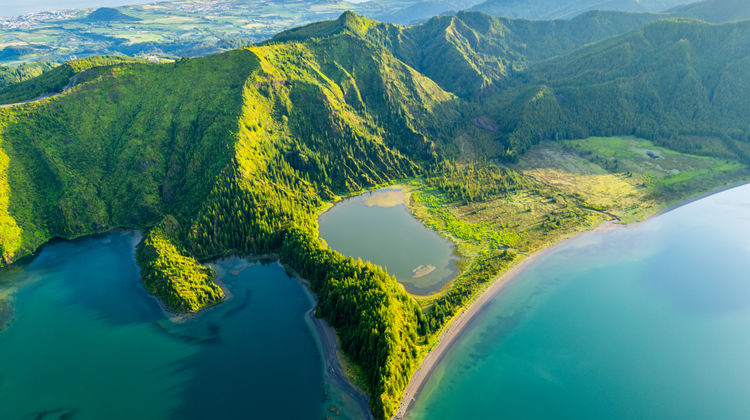
.jpg "Sete Cidades Caldera Lakes in São Miguel Island, Azores")
.jpg "Jeep tour through Cumeeiras, Sete Cidades, São Miguel Island")
.jpg "Scenic View of Tea Plantations in São Miguel, Azores")
.jpg "Pico Island’s Longitudinal Road (IS1) – Scenic Drive Through the Heart of the Island")