26 August 2026 • 6 min read
Pico has a mild Atlantic climate year-round, with warm summers and wet, windy winters. Coastal temperatures rarely fall below 15°C in winter or exceed 27°C in summer. The mountain summit is 10 to 15°C colder than the coast on the same day and can be in cloud even when Madalena is sunny.
Summer coast: 22 to 26°C | Summer summit: 8 to 14°C | Wettest months: November to March
Pico's weather is Atlantic in character: mild, changeable, and shaped by whatever the ocean decides to send in. The island sits at roughly 38°N in the mid-Atlantic, with no significant landmass between it and North America to the west. Weather can change quickly, and conditions that look good from the coast can be entirely different at altitude.
The mountain is the key factor that makes Pico's weather more complex than a simple coastal forecast suggests. At 2,351m, Pico Mountain generates its own cloud and wind patterns. Summit conditions are not reliably predictable more than a few hours in advance, even on clear summer days.
Month-by-Month Weather
January and February
The wettest and windiest period of the year. Atlantic low-pressure systems bring sustained rain, particularly on the exposed north and west coasts. Temperatures at sea level typically range from 14 to 17°C. Sea conditions are the roughest of the year: ferry crossings to Faial can be cancelled, and whale watching operators may suspend tours for days at a time.
The mountain is closed (closure runs October 1 to June 30). Inland trails are accessible on dry days but can be muddy and slippery.
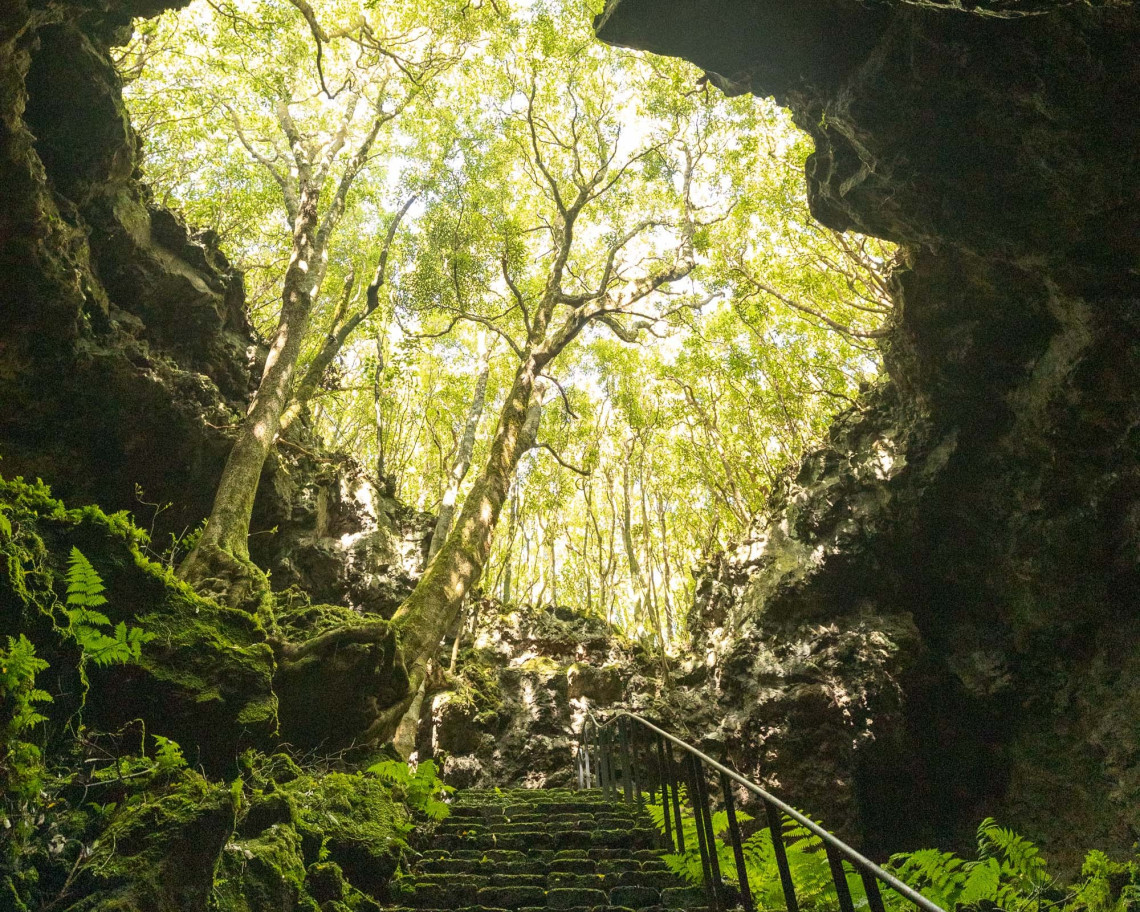
What is still good: The Gruta das Torres lava cave is open year-round. The UNESCO vineyard coast is accessible. Accommodation prices are at their lowest.
March and April
Weather begins to improve but remains variable. Rain is less sustained than January and February, but fronts still pass through regularly. Temperatures at sea level: 14 to 19°C. The Atlantic is still cool, with sea surface temperatures around 17 to 18°C. The mountain remains closed.
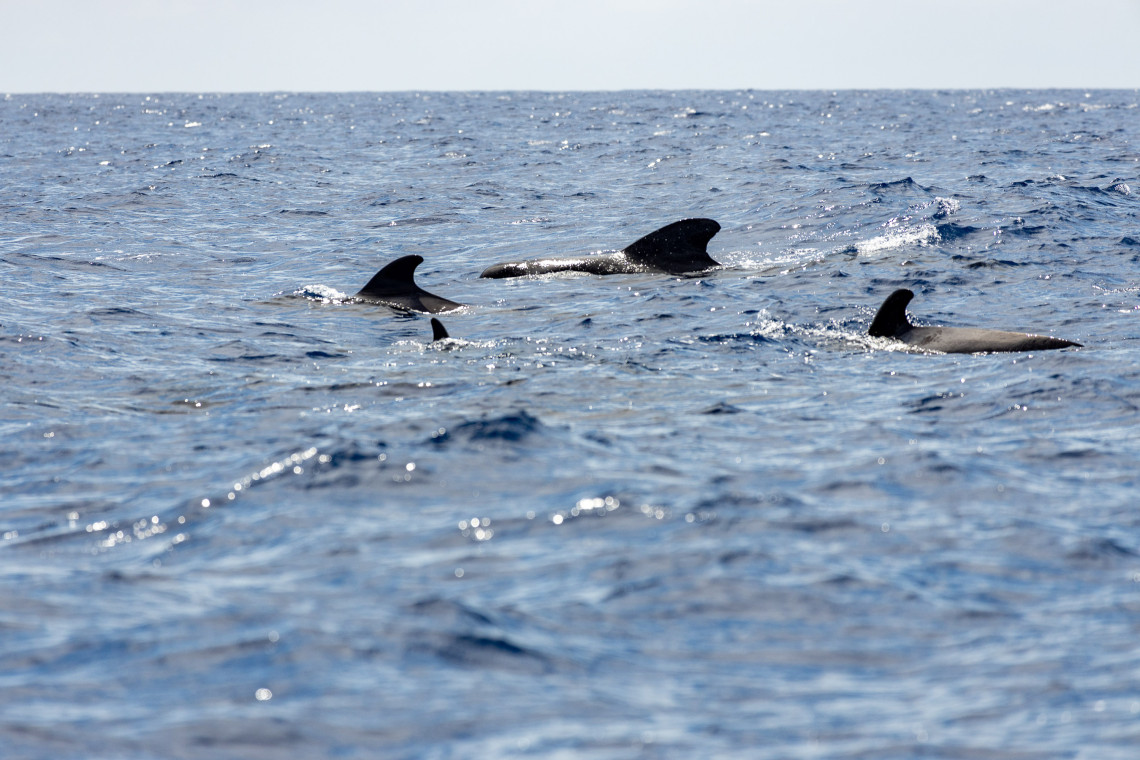
Whale watching picks up with the arrival of migratory species. Spring wildflowers appear in the basalt walls of the UNESCO zone and along the coastal trails.
What is good: Coastal hiking, the UNESCO vineyard landscape, whale watching. The island is uncrowded and accommodation is easy to book.
May and June
Conditions stabilize noticeably in May. Rain becomes less frequent, temperatures warm, and the island feels more active. Sea surface temperatures rise to 18 to 20°C by June, making snorkeling and diving more comfortable. The mountain is still closed until July 1.
June is a strong month for visitors who want good weather without peak-season crowds. Tour operators are fully operational, whale watching is productive, and accommodation is available without the booking pressure of July and August.
Temperatures at sea level: 18 to 23°C. At the mountain summit: 6 to 12°C (on a clear day).
July and August
Peak season. Weather is at its most stable, with the most hours of sunshine and the fewest rain days. Temperatures at sea level: 22 to 26°C, occasionally reaching 28°C in still conditions. Sea surface temperatures: 22 to 24°C at the surface. Visibility for diving is typically at its best.
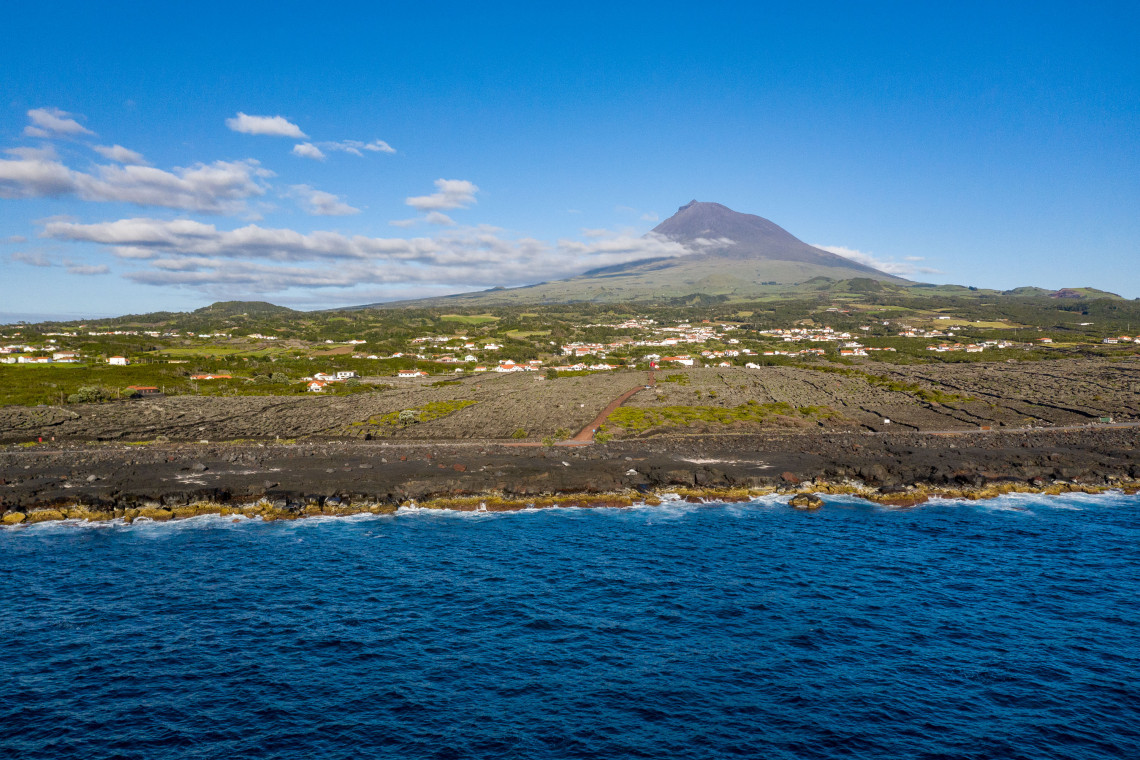
The mountain is open (July 1 to September 30). Summit temperature can be 10 to 15°C colder than the coast, with wind chill making it feel much colder. Even on clear coastal days, the summit can cloud over by early afternoon. Plan ascents for early departures.
Atlantic heat waves occasionally push conditions into the low 30s, but these are not the norm. Atlantic sea breezes keep the coastal areas cooler than the interior.
September
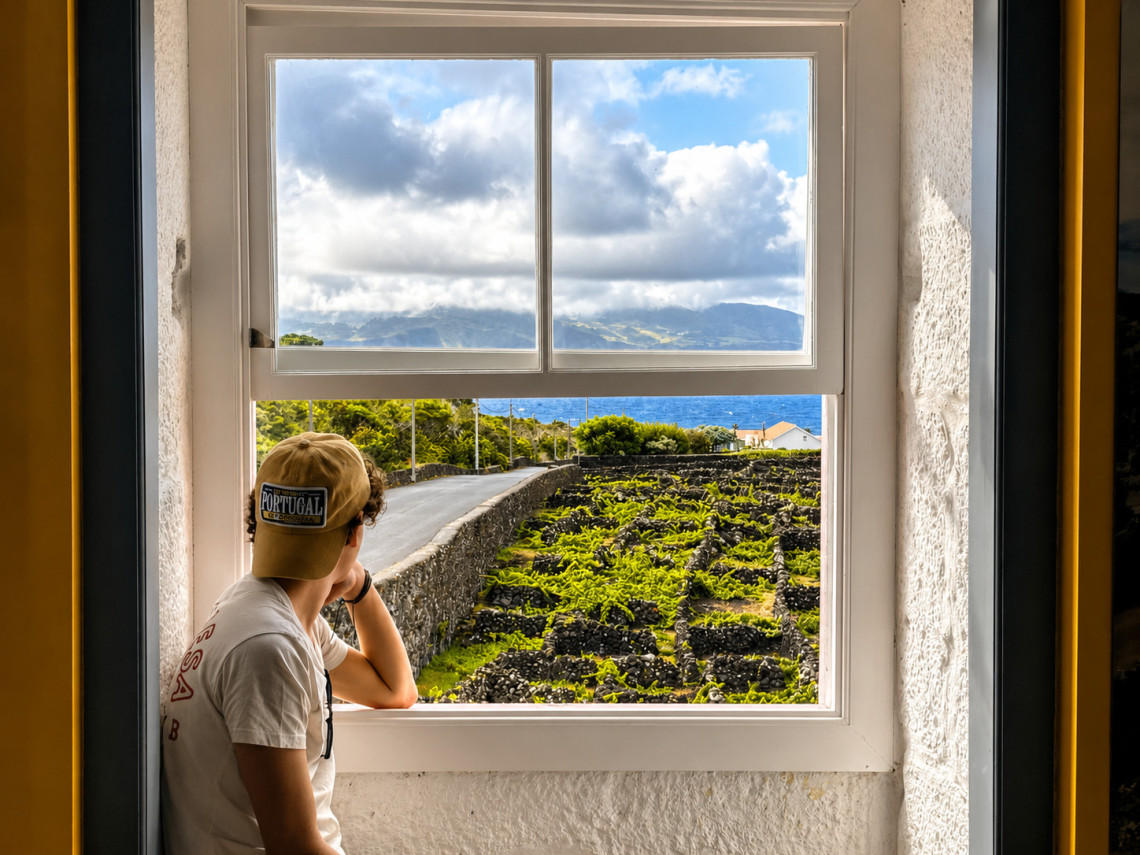
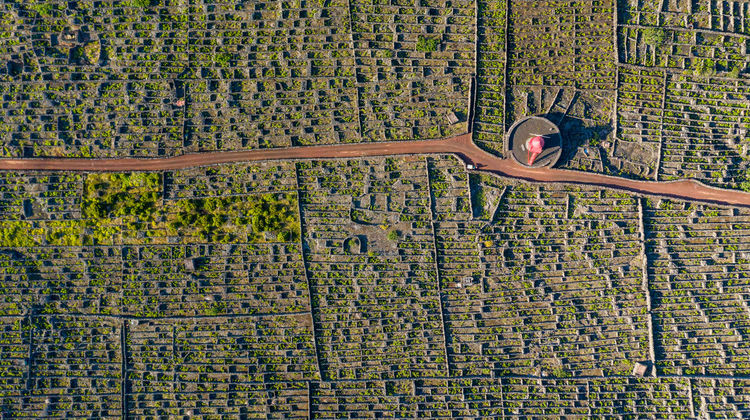
September combines good conditions with thinning crowds. The mountain is open until September 30. Whale watching remains productive. The grape harvest in the UNESCO vineyard zone runs from late August through September, making this the most active time to visit the vineyard coast and the adegas.
Temperatures at sea level: 21 to 25°C. Sea surface temperatures remain warm. Rain begins to return more frequently toward the end of the month.
September is consistently the most recommended single month to visit Pico, balancing weather, activities, and crowd levels.
October
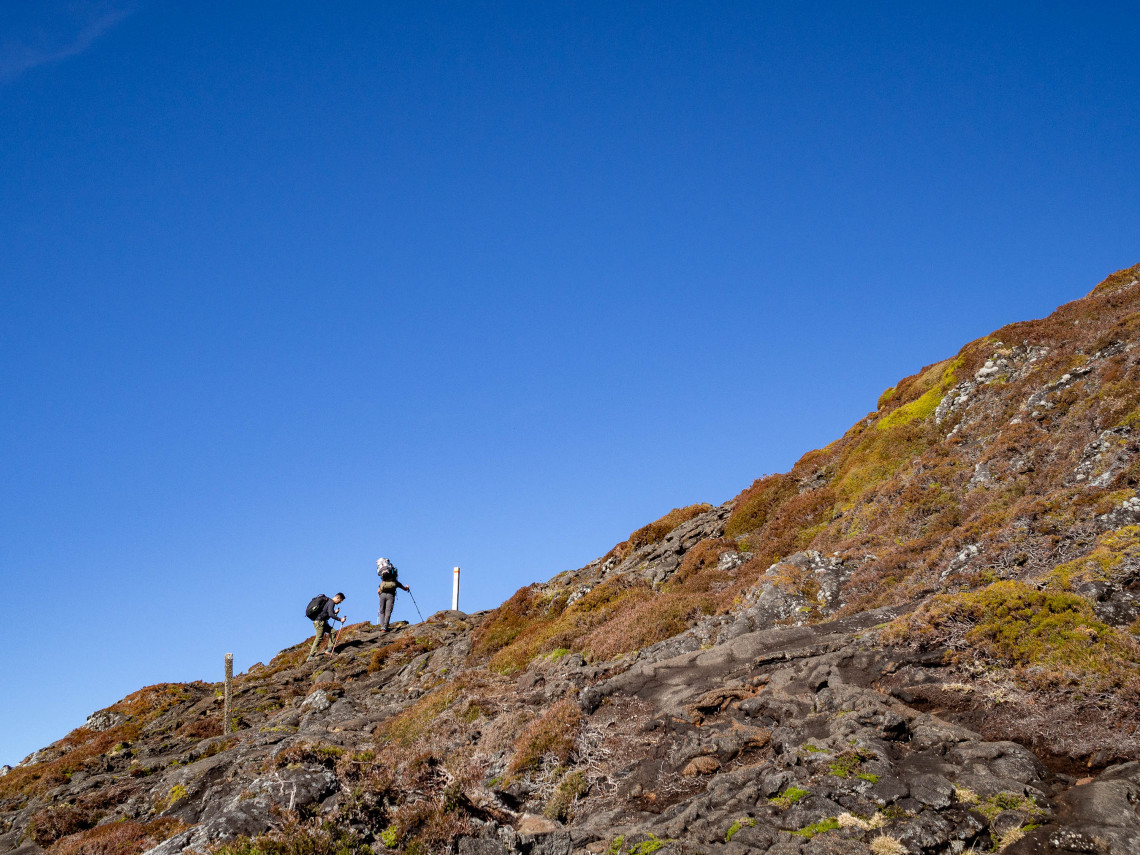
October is a solid shoulder month. The mountain closes October 1. Atlantic fronts return more regularly, particularly in the second half of the month, but dry periods between fronts can last several days. Temperatures at sea level: 19 to 23°C. Sea surface temperatures are still warm (20 to 22°C), making diving and snorkeling comfortable.
Accommodation prices drop significantly after peak season. The island is quieter but tour operators are still running. Good for hiking, the UNESCO coast, and whale watching.
November and December
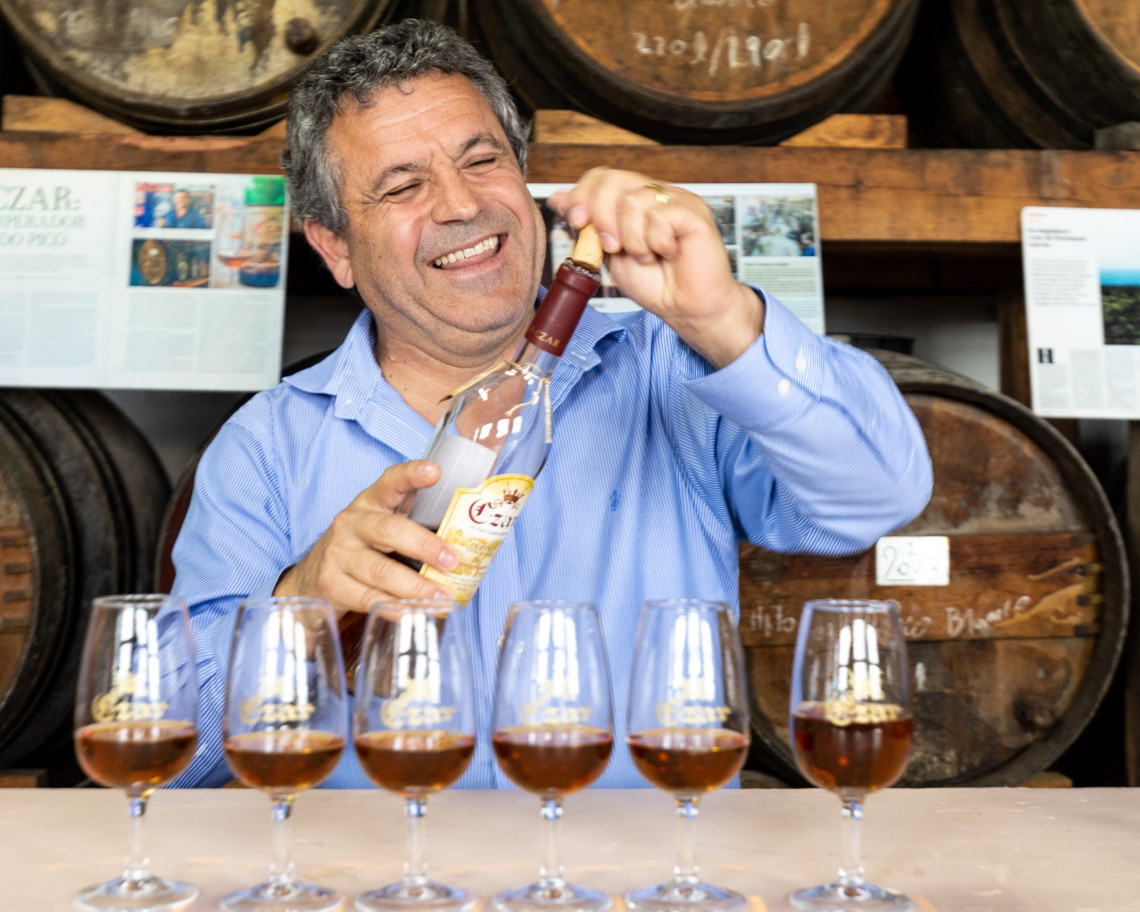
Similar in character to January and February: wetter, windier, and with more frequent rough sea conditions. Temperatures at sea level: 15 to 19°C. Tour operators reduce frequency. The Gruta das Torres and cultural sites remain open. Sperm whales are year-round residents, so whale watching continues on days when sea conditions allow.
Good for: budget travel, a quieter and more local experience, the lava cave, and the UNESCO landscape off-season.
Weather on the Mountain vs. the Coast
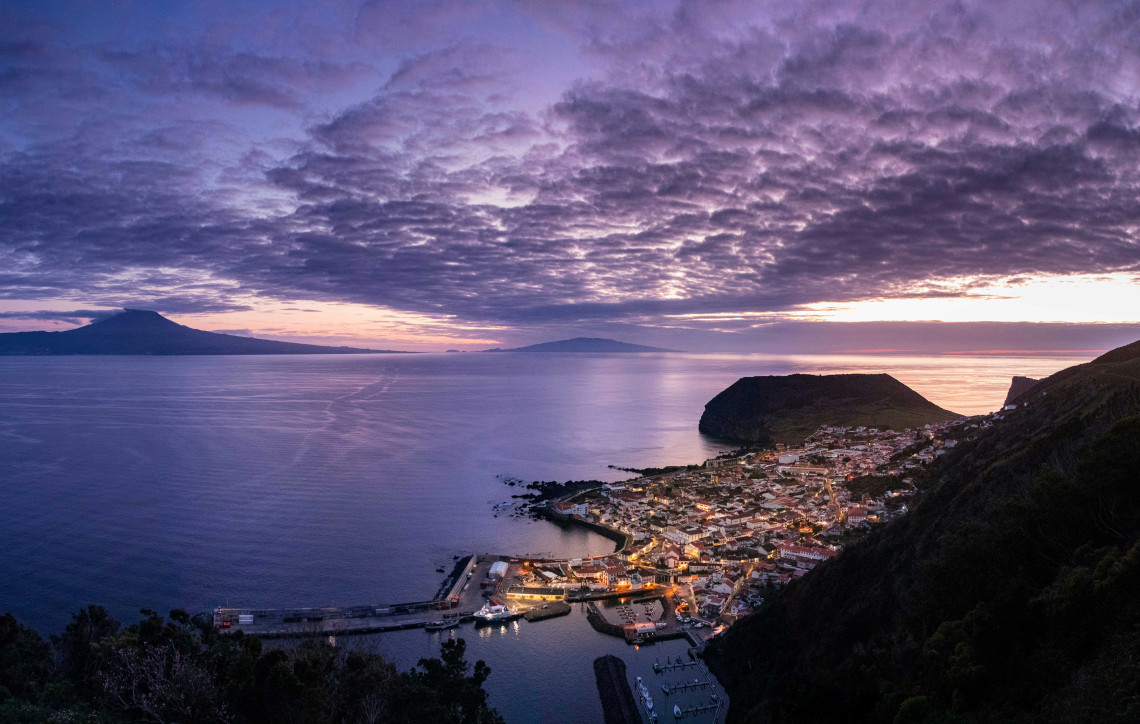
This distinction matters more on Pico than on almost any other island in the Azores. On a typical summer morning, the coast around Madalena may be sunny and calm while the summit is wrapped in cloud. By afternoon, orographic cloud (cloud formed by air rising over the mountain) can cover the upper half of the mountain even when the coast is still clear.
Mountain guides typically assess summit conditions on the morning of departure. If cloud is sitting below 1,800m at dawn, conditions are unlikely to improve in time for a safe and worthwhile summit experience. Casa da Montanha (the mountain registration center) posts daily condition updates.
The takeaway: do not assume that clear coastal weather means a clear summit. Check conditions the evening before and the morning of your planned ascent.
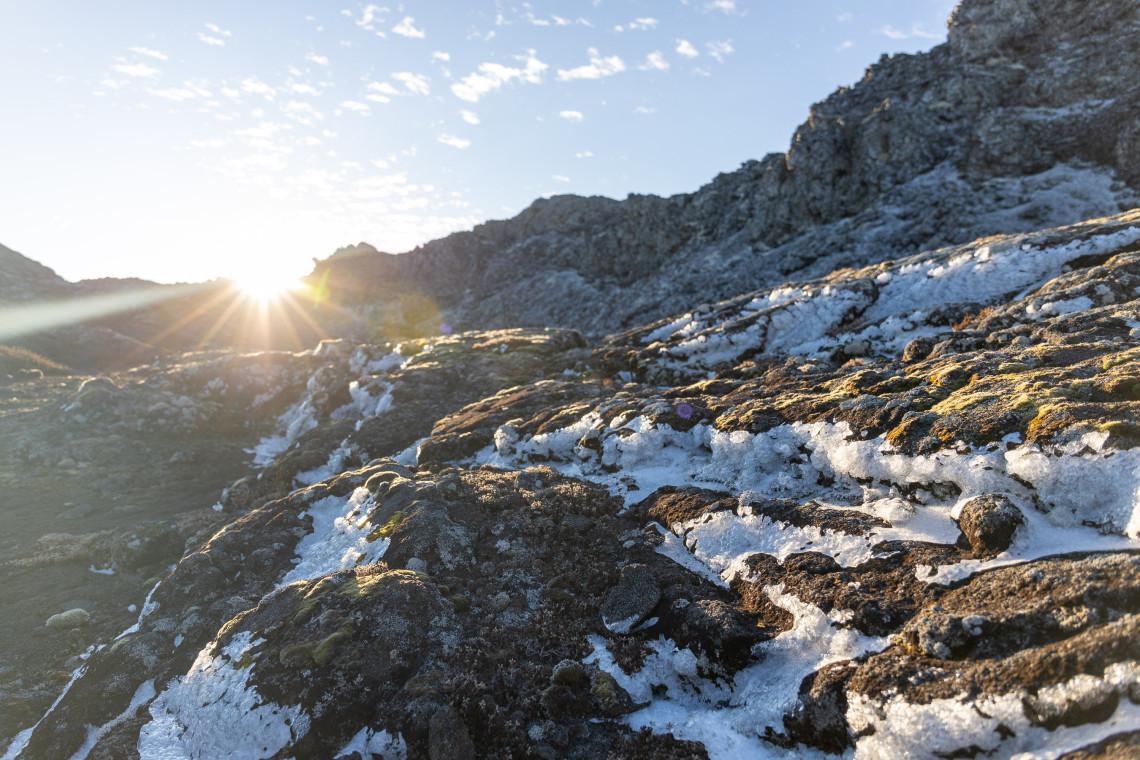
Packing for Pico's Weather
Summer: Light layers for the coast. Warm, wind-proof jacket, hiking boots, and sun protection for the mountain. Motion sickness medication if whale watching. A light rain layer is never wasted even in August.
Shoulder season (May, June, October): A waterproof outer layer is essential. Temperature swings between morning and afternoon are larger than in peak summer. Trail footwear for any hiking.
Winter: A proper waterproof jacket and warm layers. Plan indoor alternatives for days with sustained rain. The lava cave and wine museum are both good bad-weather options.
PLAN AROUND THE CONDITIONS
Tours, guides, and activities on Pico are managed by local operators who know the island's conditions. Book with flexibility for weather-dependent activities like the mountain and whale watching.
View Pico Tours →Pico Island Vacation Packages
Ready-to-book packages that include Pico Island, with flights, accommodation, and car hire arranged. Our local team can advise on the best time to go for your priorities.
Keep reading
Frequently Asked Questions
What is the weather like on Pico Island in summer?
July and August have the most stable weather on Pico. Coastal temperatures average 22 to 26°C. Rain is less frequent than other months. The mountain is open for climbing. The main caveat is that even in clear coastal conditions, the summit can cloud over by early afternoon. Sea surface temperatures reach 22 to 24°C, making swimming, snorkeling, and diving comfortable.
Does it rain a lot on Pico Island?
Pico receives more rainfall than most Azorean islands, partly because the mountain intercepts Atlantic moisture. Winter months (November to March) are the wettest, with frequent Atlantic fronts. Summer is drier but not dry: brief showers are possible even in August. The north-facing slopes receive more rain than the south coast.
What is the temperature on Pico Island in winter?
Coastal temperatures in winter (December to February) typically range from 14 to 17°C. It rarely falls below 12°C at sea level. However, wind and persistent rain make winter feel cold. The mountain summit can drop below freezing in January and February.
Is it safe to hike Pico Mountain in summer?
The mountain is open July 1 to September 30. Conditions are most reliable in July and August but can change quickly at altitude. The summit is typically 10 to 15°C colder than the coast, with significant wind chill. Always check conditions at Casa da Montanha on the morning of your planned ascent. Taking a local guide is strongly recommended.
What is the sea temperature around Pico Island?
Sea surface temperatures range from approximately 17°C in late winter and spring to 22 to 24°C at the surface in August and September. Diving and snorkeling are most comfortable from June to October.
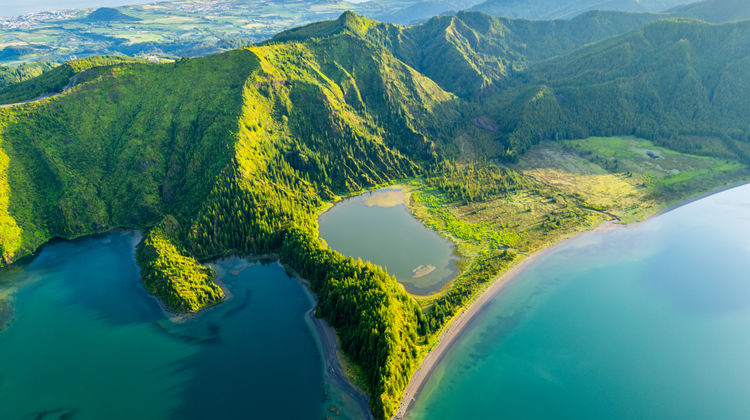
.jpg "Sete Cidades Caldera Lakes in São Miguel Island, Azores")
.jpg "Jeep tour through Cumeeiras, Sete Cidades, São Miguel Island")
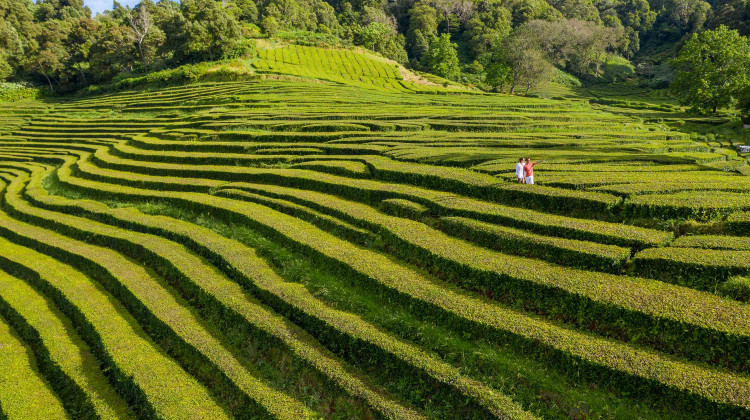
.jpg "Scenic View of Tea Plantations in São Miguel, Azores")
.jpg "Pico Island’s Longitudinal Road (IS1) – Scenic Drive Through the Heart of the Island")