by Azores Getaways Team
June 19, 2026 • 6 min read
Both are volcanic island chains. Both have dramatic landscapes, hiking trails, whale watching, and ocean swimming. But Hawaii and the Azores attract fundamentally different types of travelers, and if you're deciding between them, the choice comes down to more than just geography. This comparison covers the factors that actually matter for US and Canadian travelers: cost, flights, beaches, crowds, activities, weather, and food. By the end, the right answer for your situation should be clear.
Getting There
Hawaii is international travel for Canadians, which is an important distinction. For Americans, it's domestic — direct flights operate from dozens of US cities, fares from the West Coast run $400–$700 roundtrip, and from the East Coast $500–$700. Canadians flying to Hawaii from Toronto or Vancouver face a longer journey and pay in USD, with roundtrip fares typically running $800–$1,400 CAD depending on the season and departure city.
The Azores require a transatlantic flight, but the situation is more competitive than most people assume. Nonstop service from Boston (BOS) and New York (JFK/EWR) puts Ponta Delgada roughly 4–5 hours away — roughly the same flying time as the US East Coast to Hawaii. Azores Airlines also operates nonstop service from Toronto (YYZ) in summer, and Montreal has seasonal connections via Air Transat through Lisbon. For Canadians, this matters: the Azores are not significantly further than Hawaii, and for some Canadian travelers the flight cost is actually lower.
Fares from the US East Coast typically run $500–$900 USD roundtrip. From Toronto, expect $700–$1,100 CAD. From Vancouver and other Canadian cities, a connection through Toronto or Lisbon pushes fares to $900–$1,400 CAD — comparable to or below what Canadians pay to reach Hawaii.
The practical edge goes to Hawaii for US travelers thanks to sheer domestic connectivity. For Canadians, and for Americans on the East Coast, the flight comparison is far closer than most people realize.
Cost Comparison
This is where the two destinations diverge sharply. Hawaii is consistently ranked among the most expensive domestic destinations in the US. Hotel rooms in Maui averaged over $400 per night in recent years. Food is expensive relative to the mainland, car rental prices spiked significantly post-pandemic and have remained elevated, and activities are priced for a tourist economy accustomed to high spending.
In the Azores, mid-range hotels run $100-$150 per night. A sit-down restaurant lunch costs $10-$15 per person. Car rental runs $30-$60 per day, and most of the best natural attractions, including hiking trails, volcanic crater lakes, and many thermal pools, are free or near-free. Whale watching tours, one of the signature activities, run $50-$80 per person versus $100-$150+ for similar tours in Hawaii.
A realistic 7-night trip to Hawaii for two people, including flights from the East Coast, a mid-range hotel, car rental, and food, will run $6,000-$9,000 total. For Canadians, who are paying in USD across both destinations, that gap is even more pronounced — the Azores consistently come out ahead on total trip cost. The same trip to the Azores runs $4,000-$6,000 for two people at the same spending tier, and often less. Budget travelers find the gap even wider.
São Miguel with Car
Flights, hotel, and rental car — all in one package. Compare that to a comparable week in Maui and the value speaks for itself.
See the São Miguel with Car package →Beaches
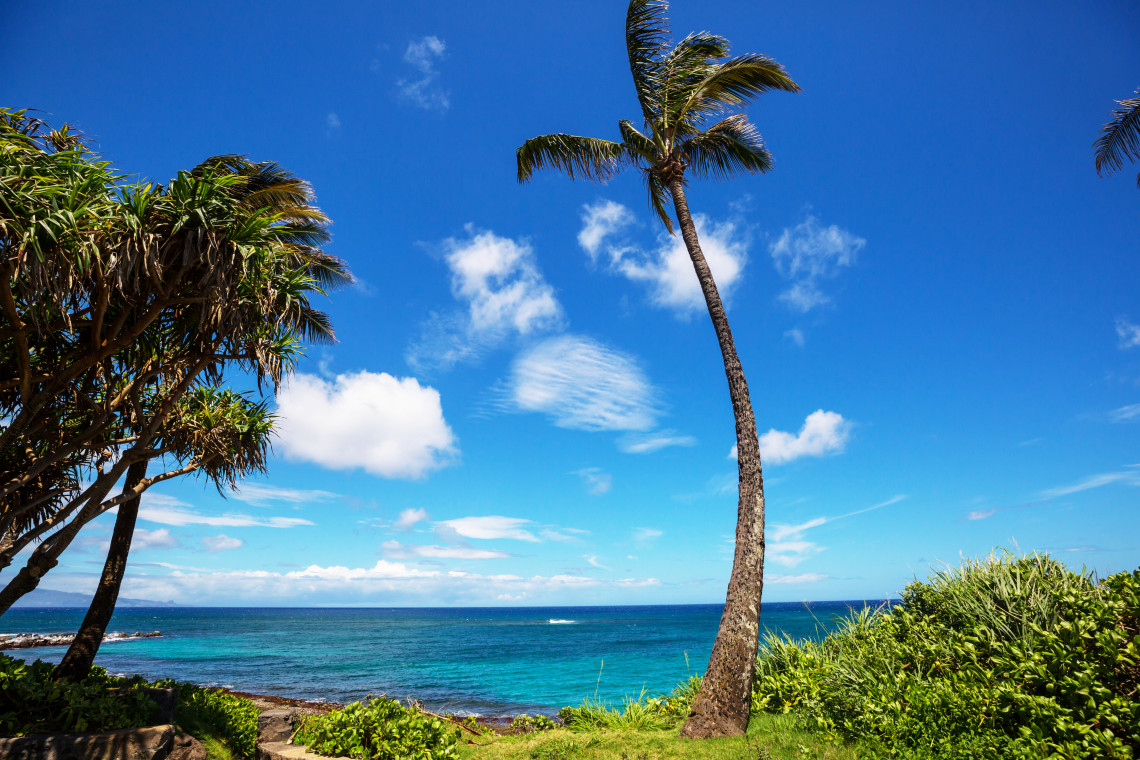
Hawaii wins this category on the traditional metrics. The beaches on Maui, Oahu, and Kauai are exceptional, with predictable surf, warm turquoise water, wide sandy shores, and the infrastructure to support a beach-centered vacation. If the primary goal is to spend a week on a classic beach, Hawaii is the better choice.
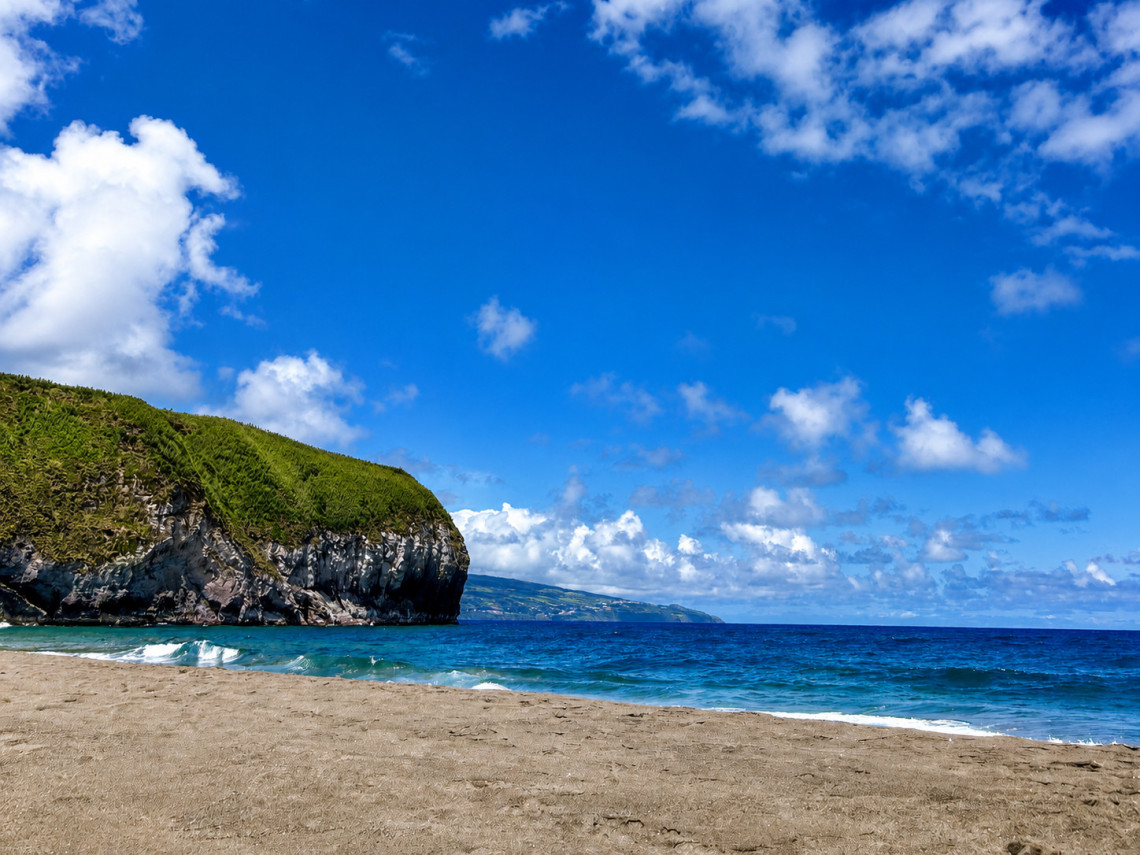
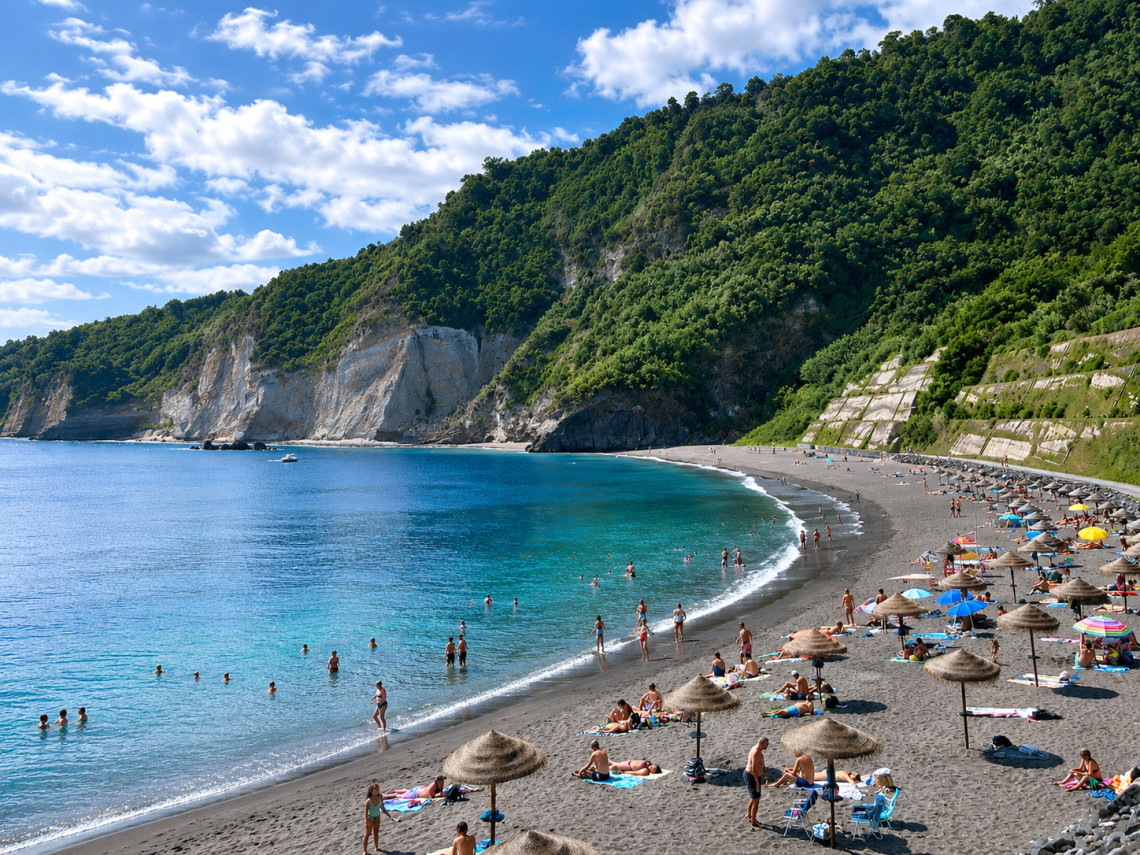
The Azores have beaches, but they're not the main draw. Volcanic black sand beaches like Praia de Santa Bárbara on São Miguel and the natural lava pools of Biscoitos on Terceira are striking and largely uncrowded, but they don't compete with Wailea or Hanalei Bay on conventional beach quality. The water is cooler (typically 68-74°F in summer versus Hawaii's 78-82°F), and the wave patterns are less predictable for casual swimmers.
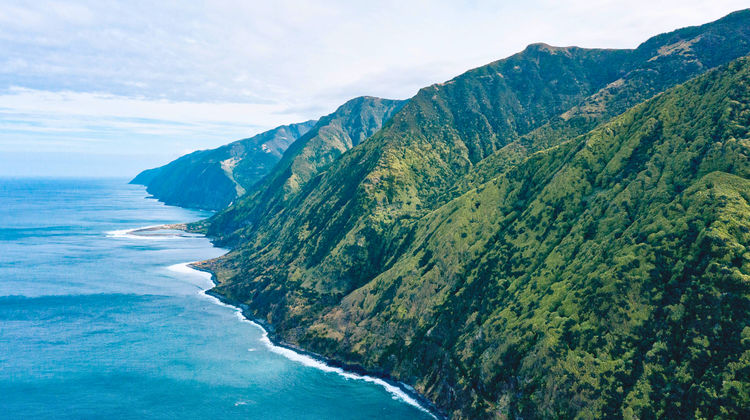
What the Azores offer instead is dramatic coastal scenery that Hawaii can't match: basalt cliffs dropping into the Atlantic, natural rock pools carved by lava flows, and coastlines that look like they haven't been touched by commercial development. For travelers who find the resort-beach experience less interesting than the scenery itself, the Azores hold their own.
Crowds and Overtourism
Hawaii's overtourism problem is well-documented, particularly on Maui and Oahu. Popular beaches are packed during peak season, traffic congestion on Maui's roads has become a genuine quality-of-life issue for residents, and the state has openly discussed limiting tourist numbers at certain sites. Road to Hana and Haena State Park on Kauai now require reservations. The experience of being in a crowd of tourists managing a crowd of tourists is part of visiting Hawaii in 2024.
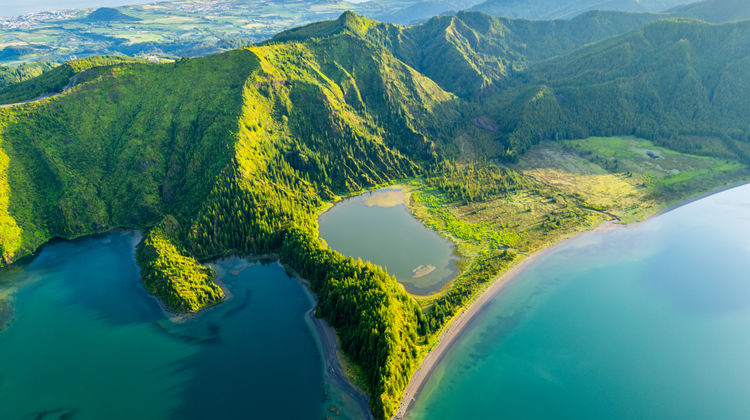
The Azores are, by comparison, still genuinely undiscovered by mass tourism. Visitor numbers have grown in the past decade, but the islands see nothing resembling the foot traffic of Oahu or Maui. Trail parking lots are not full. Restaurants don't require reservations weeks in advance. You can drive across São Miguel on a summer afternoon without sitting in traffic. Flores and Corvo, the westernmost islands, are among the least-visited inhabited places in the European Atlantic and feel entirely remote.
If the feeling of having a destination to yourself matters, the Azores deliver it in a way Hawaii currently cannot.
Activities
Both destinations offer serious hiking, whale watching, water sports, and volcanic landscapes. The activity overlap is substantial.
Hawaii has a mature outdoor recreation infrastructure. Volcano hiking on the Big Island, the Napali Coast on Kauai, and snorkeling off Lanai are all world-class. Surfing culture is embedded in the fabric of the islands, and the range of organized water sports is extensive.
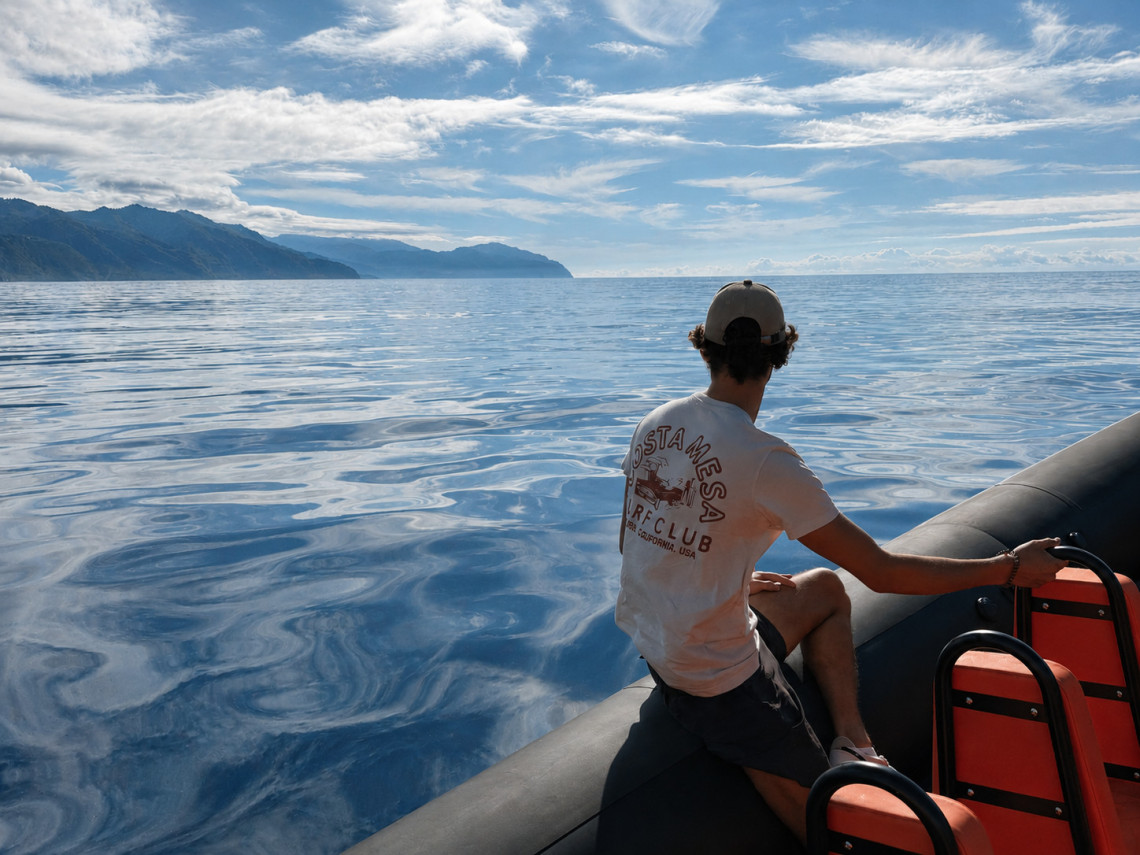
The Azores have their own strong activity roster, with some additions Hawaii cannot offer. Geothermal hot springs and calderas are accessible throughout São Miguel and other islands. The Caldeira do Faial is a large volcanic caldera you walk around the rim of, with no equivalent in Hawaii. Canyoning through volcanic gorges is a popular activity on several islands. And the Azores whale watching operation is genuinely exceptional: the islands sit on a deep-water whale migration corridor, resident sperm whale populations are present year-round off Pico, and the concentration of cetacean species in the channel between Pico and Faial rivals any location in the Atlantic. Multiple studies have identified it as among the best land-based whale watching locations in the world.
Both destinations are strong for hiking, diving, and water sports. The Azores add geothermal and volcanic landscape experiences; Hawaii adds more reliable surf and warmer water.
Weather
Hawaii's weather advantage is real. The windward sides of the main islands receive rain, but the leeward resort areas of Maui (Wailea, Kaanapali) and the Big Island (Kohala Coast) average 300+ sunny days per year. You can book a Hawaii trip with a high degree of confidence that you'll get the beach weather you came for.
The Azores sit in the North Atlantic, which means weather is more variable. The islands are known for experiencing four seasons in one day, particularly on higher elevations. Summers (July-September) are the most stable, with warm temperatures (70-78°F), lower precipitation, and generally good conditions. Spring and fall are pleasant but bring more rain and wind. Winter is mild but wet.
The upside of Azorean weather is that even a rainy day in the islands is mild and green, and the cloud-forest landscapes of the interior are partly a product of that moisture. Travelers who want guaranteed sunshine and beach weather should plan a summer visit or choose Hawaii. Travelers flexible about weather will find the Azores perfectly manageable across most of the year.
Culture and Food
Hawaii has a genuine local culture, but the tourist economy has layered a commercial veneer over most of it. Waikiki is a high-density resort district. Luau dinners are staged for tourists. Grocery prices are among the highest in the US because nearly everything is shipped in. The food scene in Honolulu has excellent options but at mainland city prices.
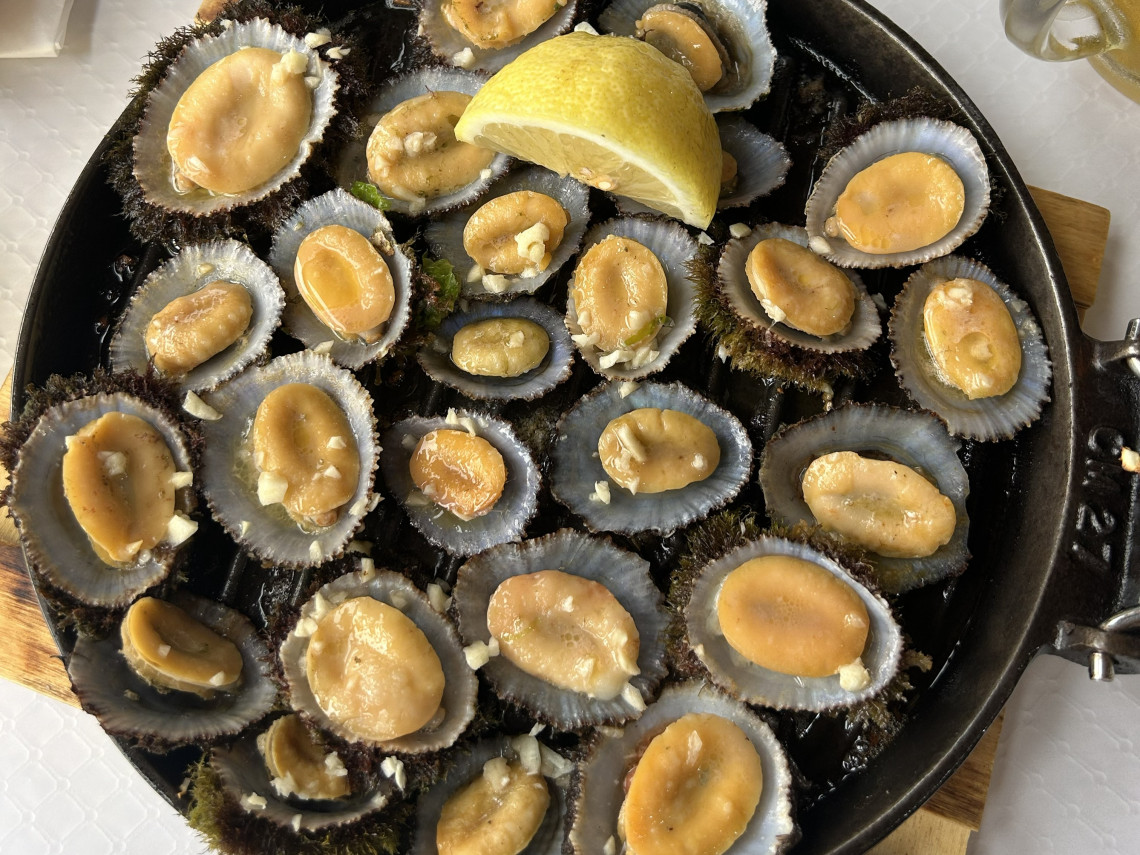
The Azores have not yet been reshaped by mass tourism. Local restaurants in Ponta Delgada serve the same food for the same prices whether the customers are tourists or locals. The cheese and butter from Terceira are legitimately produced on the island and sold in the local market. Caldo verde, fresh tuna, and grilled limpets (lapas) are not dishes invented for tourists. The meat and dairy culture is visible and active: the Azores produce a significant share of Portugal's beef and dairy, and it's in the food.
Food prices reflect this. A full lunch at a local restaurant runs $10-15 per person. A bottle of local wine at a restaurant costs $10-15. The food experience in the Azores is both more authentic and significantly cheaper than Hawaii.
Who Should Choose Which
Choose Hawaii if your priority is guaranteed sunshine, classic white-sand beaches with warm water, and an established resort infrastructure where everything is convenient. For Americans, the added appeal is domestic simplicity — no passport required, flights from nearly every US city, and no currency conversion. Hawaii is also the right choice if you have children who want beach and ocean swimming as the primary activity.
Choose the Azores if you want a volcanic island destination that is significantly more affordable, less crowded, and more culturally intact. For Canadians especially, the Azores are worth serious consideration: Hawaii is already an international trip with international prices, and the Azores match it on flight time while coming in well below on daily costs. For East Coast Americans, the flight logistics are also more favorable than they expect. If world-class whale watching, geothermal landscapes, and genuinely dramatic coastal scenery matter more than beach quality, the Azores are the stronger choice.
Ready to Go?
Start Planning Your Azores Trip
Browse our vacation packages or talk to a local Azorean advisor who'll build a custom itinerary around your dates and budget — at no cost.
Frequently Asked Questions
Is the Azores cheaper than Hawaii for Americans and Canadians?
Yes, substantially. Hotel rooms, food, car rental, and most paid activities all run meaningfully cheaper in the Azores than in Hawaii. The main added cost is the transatlantic flight, but for East Coast travelers that is partially offset by shorter flight times and comparable or lower fares versus East Coast to Hawaii. For Canadians, the case is even stronger — Hawaii is an international trip either way, and daily costs in the Azores run well below what Canadians spend in Hawaii once you account for USD pricing.
Are the beaches in the Azores good?
The Azores have beaches, including some striking black sand and volcanic rock beaches, but they are not the main attraction. The water is cooler and the coastline is more dramatic than classic sandy. If beach quality is the primary criterion, Hawaii is the stronger choice.
Can Americans and Canadians visit the Azores without a visa?
Yes. The Azores are part of Portugal and the European Union. US and Canadian citizens can visit without a visa for up to 90 days within a 180-day period under the Schengen Agreement.
How does Azores whale watching compare to Hawaii?
The Azores are widely regarded as one of the world's best whale watching destinations, with resident sperm whale populations year-round off the island of Pico and a high diversity of cetacean species in the channel between Pico and Faial. Hawaii has whale watching, primarily humpbacks off Maui in winter, but the Azores offer a broader and more reliable experience.
Is the Azores worth it for a first international trip?
Yes. Portugal is English-friendly, the Azores are safe and well-organized, and the destination is straightforward to navigate. It makes a strong first international trip, particularly for East Coast travelers who want a genuinely different experience from domestic destinations without the complexity of a more remote international journey. For Canadians, it's an equally strong choice: the flight from Toronto is direct in summer, and the destination is English-friendly, safe, and easy to navigate.
.jpg "Sete Cidades Caldera Lakes in São Miguel Island, Azores")
.jpg "Jeep tour through Cumeeiras, Sete Cidades, São Miguel Island")
.jpg "Scenic View of Tea Plantations in São Miguel, Azores")



.jpg "Pico Island’s Longitudinal Road (IS1) – Scenic Drive Through the Heart of the Island")