Updated October 2026 • 9 min read
Winter in the Azores is mild, wet and quiet. From December to February, Ponta Delgada averages highs of 17 to 18°C and lows of 12 to 14°C, it never snows at sea level, and the sea stays around 16 to 18°C. The catch is rain, around 80 to 120 mm a month, and only three hours of sun a day on average, usually in passing showers between bright spells. In return you get the lowest prices of the year, empty viewpoints, waterfalls at full flow and the hot springs at their best. Go in winter if you want a green, relaxed, thermal-baths-and-food trip; choose another season if you need beach weather or reliable hiking days.
Winter here means roughly November to March. São Miguel and Terceira are the easiest islands to visit at this time of year.
Winter Weather in the Azores
The ocean keeps the islands mild all year, so winter is defined by rain and wind rather than cold. Atlantic fronts pass through every few days, bringing showers and strong winds, and between them come clear, crisp days that can be the most photogenic of the year. The weather also changes from one side of an island to the other, so a wet morning in Ponta Delgada can be a sunny one on the north coast.
| Month | High / Low | Rain | Sun / day | Sea |
|---|---|---|---|---|
| November | 19 / 15°C | 120 mm, 13 days | 3.5 h | 19°C |
| December | 18 / 14°C | 120 mm, 14 days | 3 h | 18°C |
| January | 17 / 13°C | 110 mm, 13 days | 3 h | 17°C |
| February | 17 / 12°C | 80 mm, 12 days | 3.5 h | 16°C |
| March | 17 / 12°C | 85 mm, 11 days | 4 h | 16°C |
Averages for Ponta Delgada, São Miguel. February is the driest winter month. Higher ground, such as the crater lakes and the Pico mountain, is cooler, wetter and often in cloud, and Pico's summit can have snow. For the full year, see our Azores weather guide.
What to Do in the Azores in Winter
Hot Springs
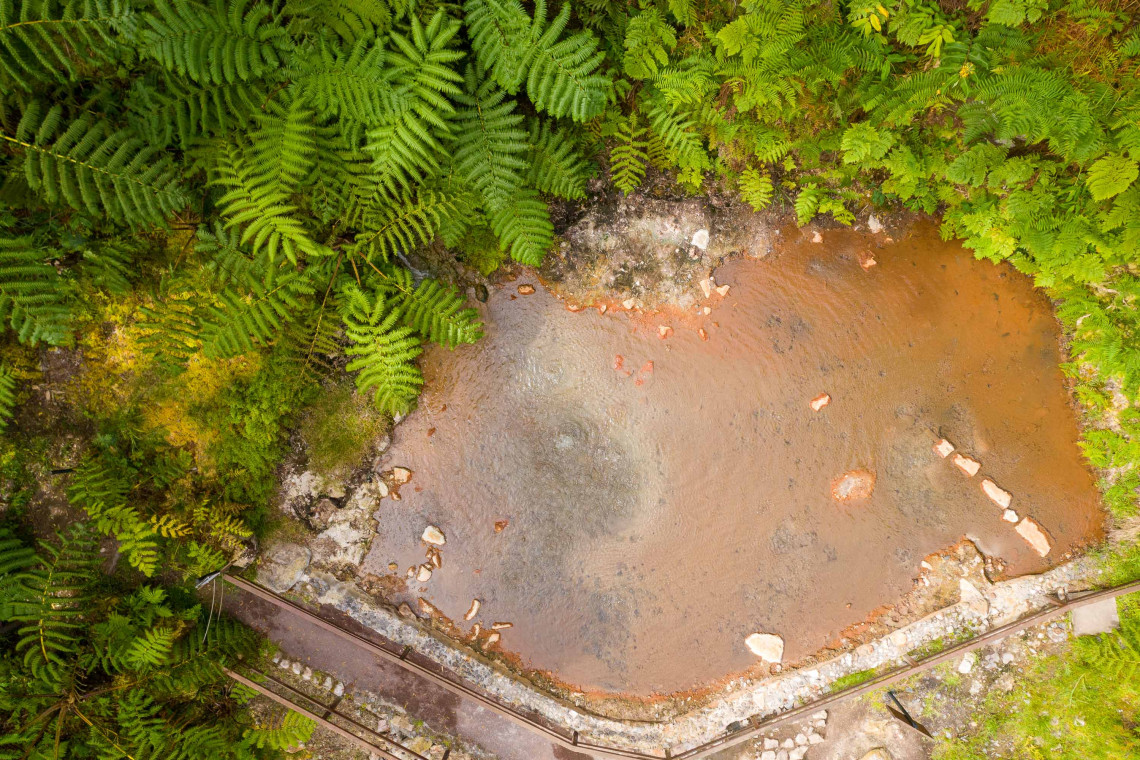
This is the best season for the thermal pools. Bathing in warm, iron-rich water in cool air is the highlight of a winter trip. On São Miguel, the Terra Nostra garden pool and Poça da Dona Beija in Furnas, Caldeira Velha on the north coast and the hot spring in the sea at Ponta da Ferraria are all open in winter. Our guide to the Azores thermal waters covers each one.
Furnas and the Cozido
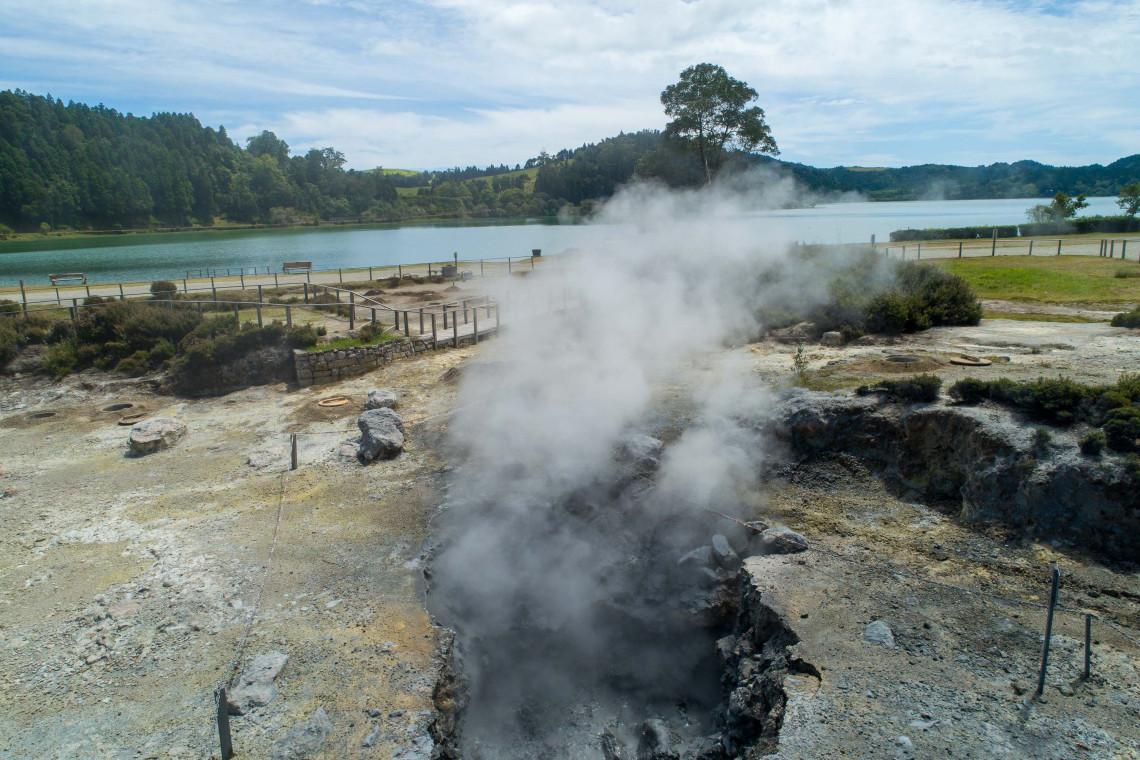
The Furnas valley, with its steaming fumaroles, is atmospheric on a misty winter day, and a cozido lunch, the meat and vegetable stew cooked for hours in the volcanic ground, is a winter meal by nature. Stay a night in Furnas to use the pools after dark.
♨️ FURNAS AFTER DARK
An evening tour to Furnas with a dinner cooked by the volcano and a soak in the thermal baths, with transport from Ponta Delgada. Ideal for a winter evening.
Book the Furnas night tour →Whale Watching
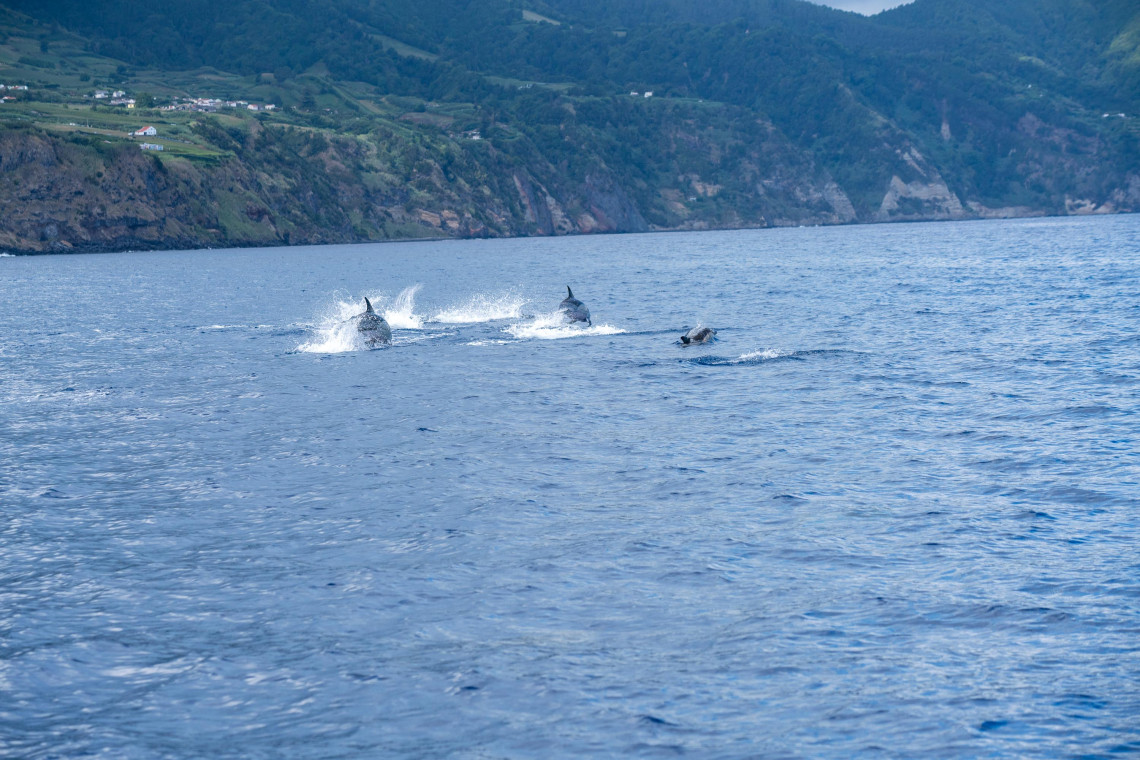
Sperm whales live around the Azores all year, and boats from Ponta Delgada go out on calm days in winter. Trips are cancelled more often because of the sea, so book early in your stay to leave room for a second try. From March, the large migrating whales (blue, fin and sei) start to arrive. See our whale watching by island guide.
Viewpoints and Waterfalls
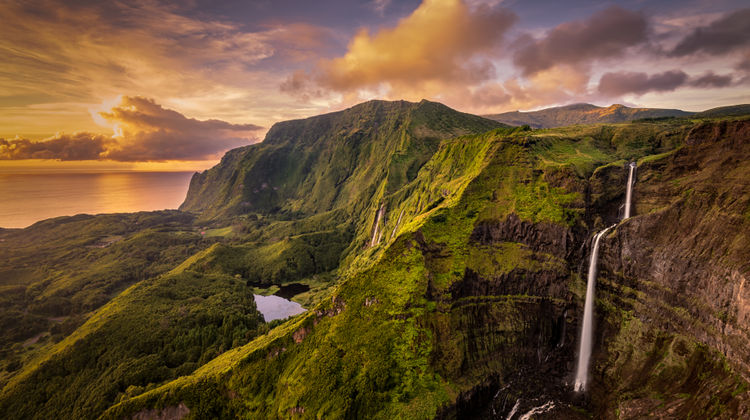
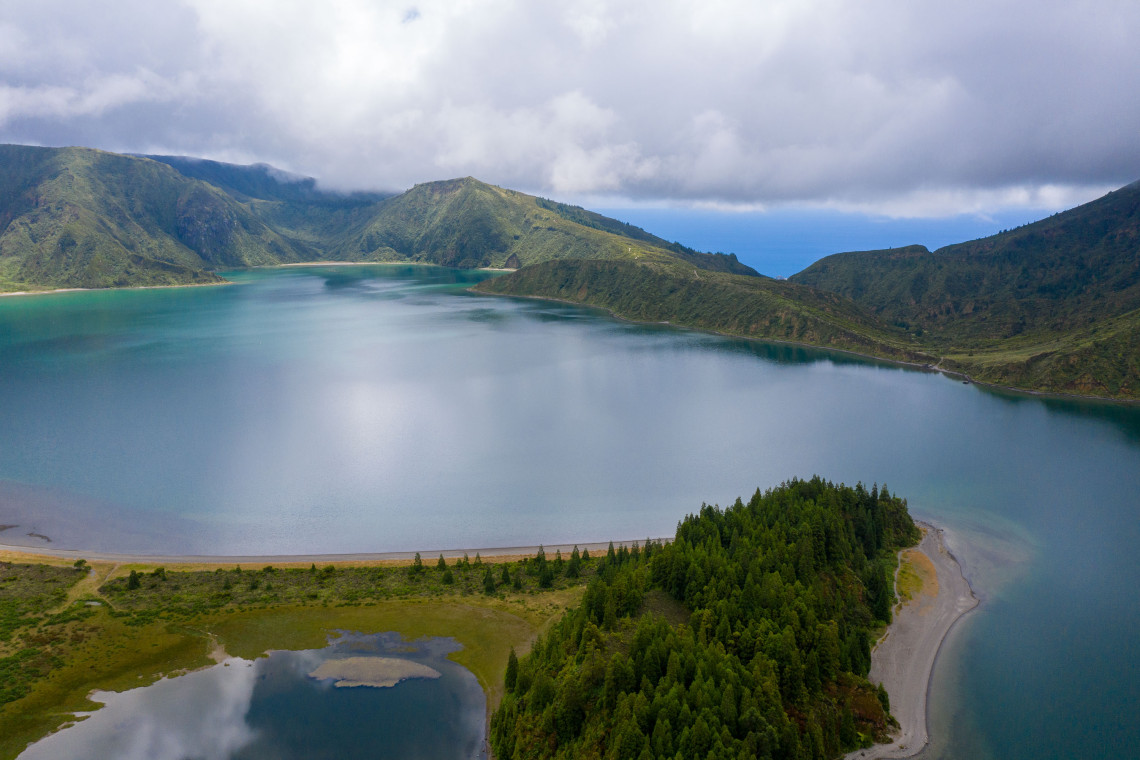
On a clear winter day the air is sharper than in summer and the viewpoints at Sete Cidades and Lagoa do Fogo are empty. Waterfalls such as Salto do Prego and Ribeira dos Caldeirões are at full flow. Check the webcams before you drive up, and keep the viewpoint days flexible.
Hiking
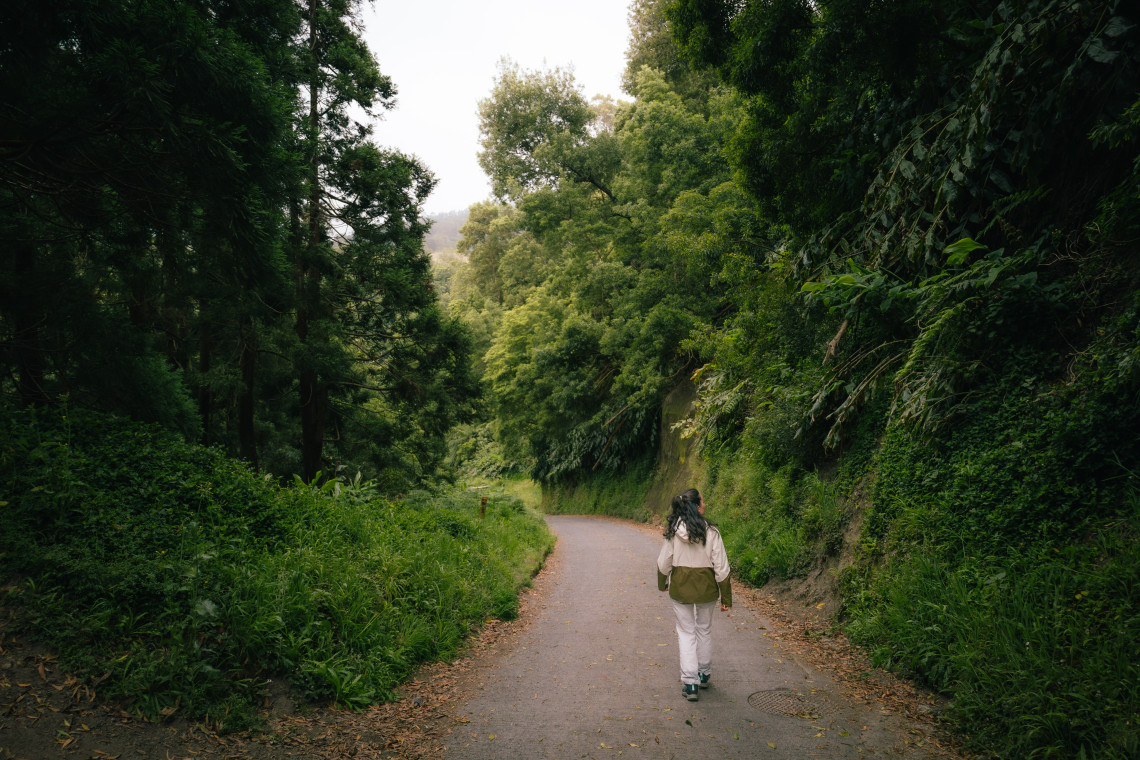
Most trails stay open, but many are muddy and some close after storms. Check trail status on the Visit Azores trails website before you set out, choose lower coastal routes on unsettled days, and do not attempt Mount Pico in bad weather.
Food, Tea and Culture
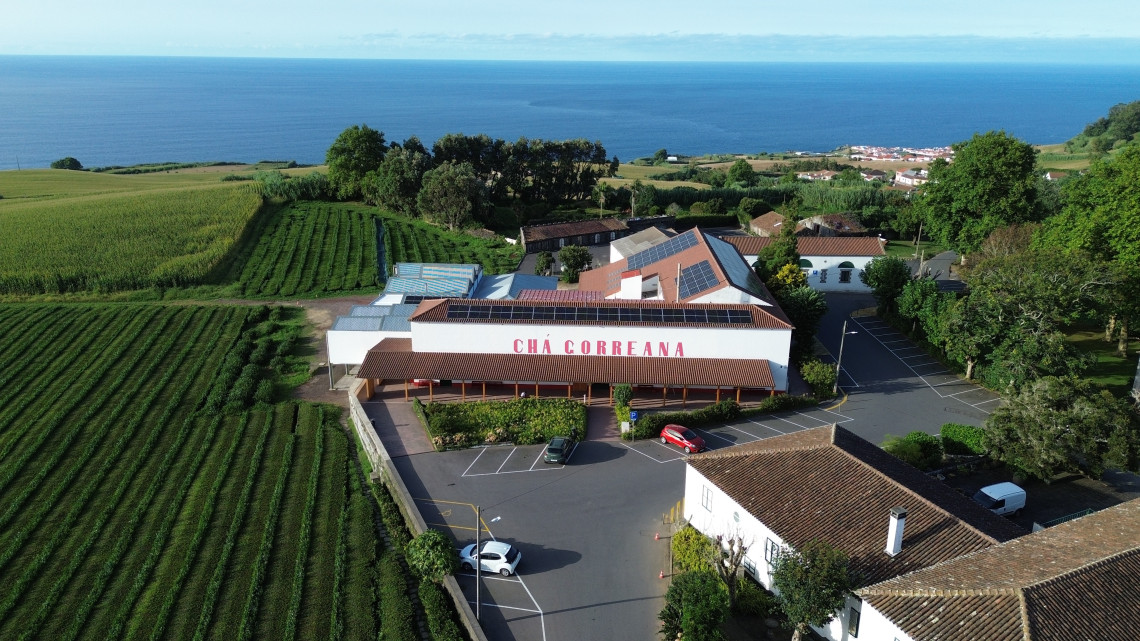
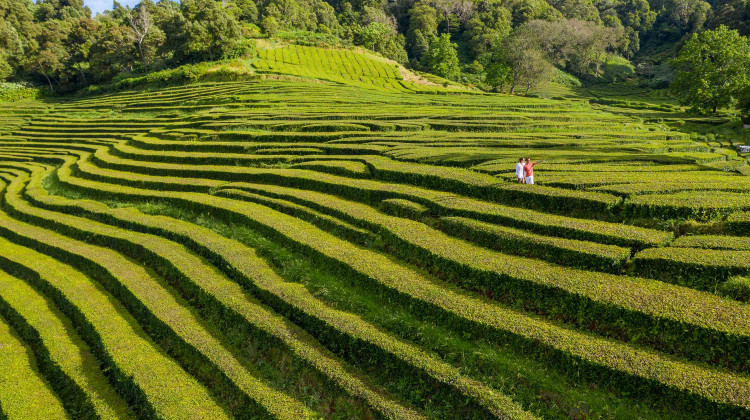
Winter is a good season for the indoor side of the islands: museums in Ponta Delgada and Angra do Heroísmo, the Gorreana tea factory, cheese tastings, the pineapple greenhouses, and long lunches. A cozido cooking class or a Ponta Delgada food tour fills a rainy day well.
Christmas, New Year and Carnival
December brings Christmas lights in every town, nativity scenes, including the presépios de lapinha of São Miguel, small nativities in glass cases that originated in the island's Franciscan convents, and Christmas markets. Ponta Delgada holds a free New Year's Eve concert with fireworks over the harbour, and Angra do Heroísmo has its own party and fireworks. Our Christmas in the Azores guide has the details.
In February, Carnival is the main event, and it is very different from Rio. On Terceira, the danças de Carnaval are amateur comedy and drama performances staged in village halls across the island over four days, from Saturday to Tuesday. In 2027 Carnival runs from 6 to 9 February. See our Azores festivals and events calendar for the full year.
Pros and Cons of a Winter Trip
| Pros | Cons |
|---|---|
| Lowest flight and hotel prices of the year | Rain on most days, often in passing showers |
| Empty viewpoints, trails and hot springs | About 10 hours of daylight and 3 hours of sun |
| Hot springs at their best in cool air | Sea too cold for most swimmers |
| Waterfalls at full flow, very green landscape | Some boat trips cancelled due to sea conditions |
| Christmas lights and Terceira Carnival | Some rural restaurants and seasonal businesses close |
| Sperm whales present all year | Fewer inter-island ferries; flights more often delayed by weather |
Which Island in Winter
São Miguel is the best choice: the most hot springs, the most indoor options, the most restaurants open and the most flights. Terceira is a good second, with Angra do Heroísmo's UNESCO-listed centre and the Carnival. The central group (Faial, Pico, São Jorge) works too, as the ferries between them run all year, but expect more weather disruption. Flores and Corvo are the most exposed islands, and winter flights there are often delayed or cancelled. Avoid them unless you have flexible dates.
Practical Tips
- Pack a waterproof jacket, layers and shoes with grip; you will not need heavy winter clothing.
- Rent a car. In winter you want to move to wherever the sun is, and tours run less often.
- Book a hotel with a heated pool or near the thermal baths.
- Leave flexible days, especially if you plan inter-island flights.
- Check whether rural restaurants are open before driving out for lunch.
A WINTER BREAK IN FURNAS
Our Sensi Furnas package combines flights, a stay in the Furnas valley close to the hot springs, and a rental car. A good base for a winter trip built around thermal baths and slow days.
See the Furnas package →Rainy-day experiences
Plan your winter trip
Plan it your way
Custom Your Trip
Tell our local travel advisors which islands, dates and experiences you want and we build the itinerary around you.
Start your custom trip →Limited time
Azores Packages On Sale
Flights, hotels and rental car bundled at reduced prices. See every package currently on sale and book while it lasts.
Book now →Azores in Winter: FAQ
Is it worth visiting the Azores in winter?
Yes, if you want low prices, quiet islands, hot springs and food, and you accept rain. If you want swimming, reliable hiking weather or long days, go between May and October.
How cold is the Azores in winter?
Mild. Ponta Delgada averages highs of 17 to 18°C and lows of 12 to 14°C from December to February. It does not snow at sea level, though the summit of Mount Pico can have snow.
Does it rain a lot in the Azores in winter?
Yes. November to January get 110 to 120 mm a month, with rain on about 13 days a month, usually as showers with sunny spells. February is the driest winter month.
Can you swim in the Azores in winter?
The sea is around 16 to 18°C, which is too cold for most people. The hot springs are the winter alternative.
Can you see whales in the Azores in winter?
Yes. Sperm whales are present all year and boats go out on calm days. The large migrating species arrive from March.
What is the cheapest month to visit the Azores?
January and February, followed by November and early December. Prices rise for Christmas, New Year and Easter.
Which Azores island is best in winter?
São Miguel, for its hot springs, indoor activities and flight connections. Terceira is a good alternative, especially for Carnival.
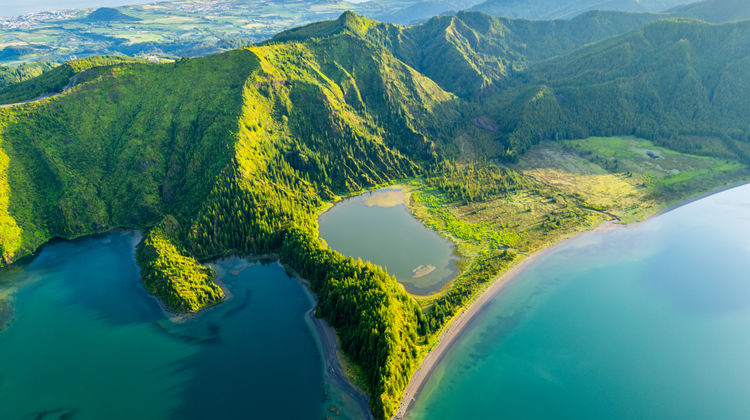
.jpg "Sete Cidades Caldera Lakes in São Miguel Island, Azores")
.jpg "Jeep tour through Cumeeiras, Sete Cidades, São Miguel Island")
.jpg "Scenic View of Tea Plantations in São Miguel, Azores")
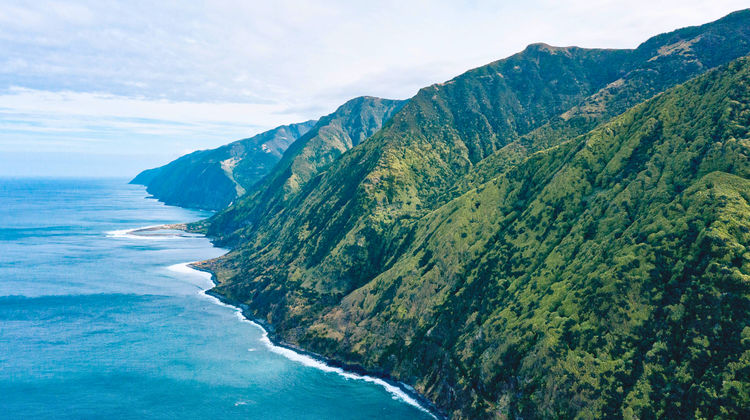
.jpg "Pico Island’s Longitudinal Road (IS1) – Scenic Drive Through the Heart of the Island")