02 September 2026 • 6 min read
Fajã da Caldeira de Santo Cristo is a flat lava plateau on the north coast of São Jorge, enclosed by cliffs on three sides and open to the Atlantic on the fourth. There is no road to it. Access is by a 2.5 km coastal hiking trail from the neighboring Fajã dos Cubres, or by motorbike on a narrow track. The fajã has a clam lagoon unique to the Azores, a surf break that attracts visitors from across Europe, a handful of houses, and a small café.
Access: Foot or motorbike only | Trail distance: 2.5 km (one way) | Hiking time: 1 to 1.5 hours each way
What Makes Fajã da Caldeira de Santo Cristo Distinctive
São Jorge has more than 40 named fajãs along its north and south coasts. Most are accessible by road, either via a paved switchback or a dirt track. Fajã da Caldeira de Santo Cristo is different because no road reaches it. The isolation is not incidental to its appeal; it is the whole point.
The fajã's most unique feature is its lagoon. Formed where freshwater from the cliffs mixes with seawater at the edge of the plateau, the lagoon supports the only population of São Jorge clams (Cerastoderma edule) in the Azores. These clams became a regional delicacy and gave the fajã culinary significance well beyond its remoteness. The lagoon is a protected habitat, and clam harvesting is regulated and reserved for the small community of residents who have worked the lagoon for generations.
The second distinctive feature is the surf. The bay at the base of the fajã produces beach break waves that are consistent enough to have established the location as one of the known surf destinations in the Azores. The break is best in autumn and winter when Atlantic swells are largest, but summer provides smaller, more manageable conditions suited to intermediate surfers. The combination of surf access, remoteness, and the café has made the fajã a seasonal gathering point for a small community of surfers from mainland Portugal, Spain, and beyond.
The Trail from Fajã dos Cubres
The most common approach is the coastal trail from Fajã dos Cubres, the neighboring fajã to the east.
To reach Fajã dos Cubres by car, drive east from Velas on the EN1-1A south coast road, then turn north on the road signposted for Fajã dos Cubres. The road descends steeply to the north coast in a series of switchbacks. Park at the bottom near the lagoon.
From Fajã dos Cubres, the trail to Santo Cristo runs west along the base of the cliffs. The path is mostly flat with some rocky sections. Trail shoes or walking boots are strongly recommended; sandals are not suitable. The path is exposed to sun for portions of the route, so start early and carry at least 1.5 liters of water per person.
Walking time from Fajã dos Cubres to Fajã da Caldeira de Santo Cristo is approximately 1 to 1.5 hours depending on pace. The return is the same route. Plan for a total of 3 to 4 hours including time at the fajã.
GUIDED HIKE TO SANTO CRISTO
Guided hikes to Fajã da Caldeira de Santo Cristo include a local guide, ecological context on the clam lagoon and the fajã's geology, and some operators include a boat or motorbike transfer back to avoid retracing the trail on foot.
Book a Guided Hike →The Motorbike Track
A dirt track also connects the main road above to Fajã da Caldeira de Santo Cristo, which is how residents and some tour operators bring supplies and visitors. The track is only suitable for motorcycles and quadbikes; ordinary cars cannot use it. Some local operators offer motorbike or quad transfers, which eliminate the walk entirely and can be useful for visitors who want to reach the fajã but are not up for the round-trip hike.
The Clam Lagoon
The lagoon sits at the western edge of the fajã where the plateau meets the sea. The clams harvested here are Cerastoderma edule, the same species found in Atlantic waters from Norway to West Africa, but the population here has been present long enough to be treated as a local tradition. The typical local preparation is steamed clams in garlic, white wine, and parsley, served at the fajã's café and at restaurants in Velas and Calheta.
Visitors can see the lagoon and walk around it. Swimming in the lagoon is possible in places, and the water is sheltered enough to be calm even when the ocean is rough. The clams are not for visitors to harvest; the fishery is managed by the resident community and any removal is prohibited and subject to fines.
The Café and Staying Overnight
The fajã has a small café that serves drinks, sandwiches, and clams when in season. It is the only food and drink available at the location. In summer, the café operates daily; opening hours depend on the season and demand. There is no fixed restaurant menu; ask what is available on the day.
A very small number of visitors stay overnight in the fajã. There is basic rental accommodation operated by residents. Booking is informal and usually arranged through local tourism contacts in Velas. Staying overnight changes the experience significantly: the fajã empties of day visitors by late afternoon, leaving the plateau almost entirely quiet.
Swimming and Surfing
The ocean-facing edge of the fajã has a beach break accessible directly from the plateau. In summer, the waves are manageable for intermediate surfers, and the water temperature reaches 22 to 24°C (72 to 75°F) by late August and September. The beach is open ocean rather than a sheltered pool, and conditions can change quickly. Check the forecast before planning an ocean swim here.
Snorkeling is possible in the lagoon and in the calmer sections along the rocky coast at the edges of the fajã.
Practical Notes
Start the hike no later than 9:00 am in summer. The trail becomes warm mid-morning, and returning in full sun in the early afternoon is uncomfortable. Starting early also gives you more time at the fajã before the day groups arrive.
Carry more water than you think you need. There is no water source on the trail between the two fajãs, and the café at Santo Cristo is not always open early.
The trail can be slippery after rain. In wet conditions, the rocky sections of the path near Fajã dos Cubres can be treacherous. If there has been significant rain in the previous 24 hours, check with a local operator before attempting the trail.
There is no mobile phone signal for most of the trail and inside the fajã. Download offline maps and let someone at your accommodation know your plans.
São Jorge Island Vacation Packages
Flights, accommodation, and car hire arranged together. São Jorge pairs naturally with São Miguel for a 6-night trip, or with Faial and Pico for the Triangle Islands circuit.
Keep reading
Frequently Asked Questions
How do you get to Fajã da Caldeira de Santo Cristo?
The main route is a 2.5 km coastal hiking trail from Fajã dos Cubres, taking 1 to 1.5 hours on foot each way. A dirt motorbike track also reaches the fajã from the road above, which some local operators use for transfers. There is no road accessible by ordinary car.
Is the hike to Fajã da Caldeira de Santo Cristo difficult?
The trail is moderate. It is mostly flat, following the coastline at the base of the cliffs, but some sections are rocky and uneven. Good footwear is required. The main challenge in summer is heat and sun exposure on the return leg; starting early and carrying plenty of water addresses most of the difficulty.
Can you swim at Fajã da Caldeira de Santo Cristo?
Yes, in the lagoon and in the ocean. The lagoon is sheltered and generally calm. The ocean beach is open Atlantic, which means conditions vary; calm days in summer are suitable for swimming, but the surf can make the beach unsafe in swell. Check conditions before entering the ocean.
Are the São Jorge clams available to eat at the fajã?
Yes, the café at the fajã serves steamed clams when in season. Availability depends on the harvest and the day. The clams cannot be taken by visitors; the fishery is managed and protected.
Can you stay overnight at Fajã da Caldeira de Santo Cristo?
There is basic rental accommodation at the fajã operated by residents. It is not bookable through standard platforms; inquire through local tourism offices in Velas or your accommodation. Staying overnight gives you the fajã almost entirely to yourself after the day hikers leave.
When is the best time to hike to Fajã da Caldeira de Santo Cristo?
May through October is the best window, with the trail driest and most reliable in June, July, August, and September. Avoid the trail in wet conditions, which can make the rocky sections slippery. Start by 9:00 am in summer to avoid the midday heat on the return leg.
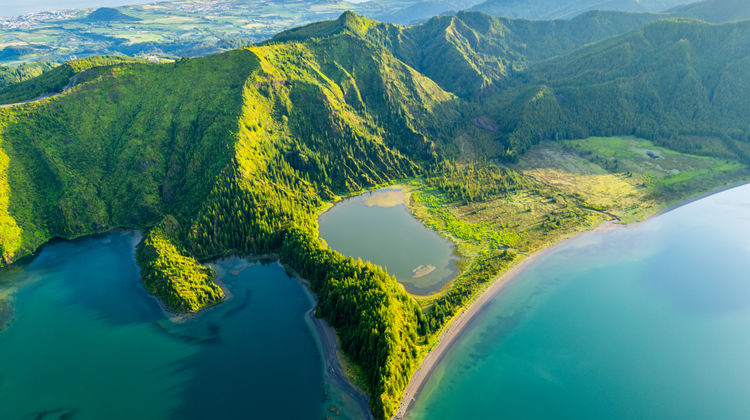
.jpg "Sete Cidades Caldera Lakes in São Miguel Island, Azores")
.jpg "Jeep tour through Cumeeiras, Sete Cidades, São Miguel Island")
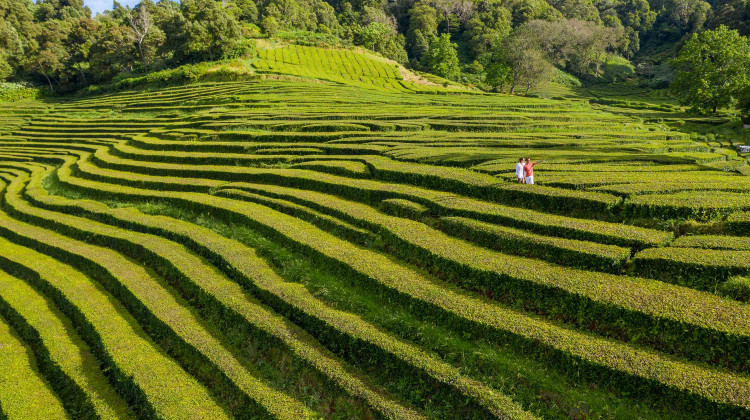
.jpg "Scenic View of Tea Plantations in São Miguel, Azores")

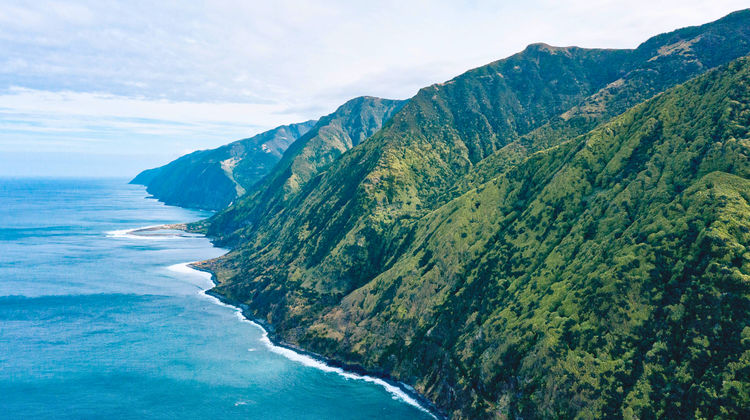
.jpg "Pico Island’s Longitudinal Road (IS1) – Scenic Drive Through the Heart of the Island")