13 August 2026 • 10 min read
Pico Island has more than 20 official natural swimming zones across its three municipalities. Most are carved into volcanic lava platforms at sea level, filled and refreshed by the Atlantic with each tide. Entry is free at almost all of them. Facilities range from changing rooms, showers, and a support bar to completely wild with no infrastructure at all.
Best season: June to September | Water temp: 18–24°C | Entry: Free at most spots | Lifeguards: Only at selected pools, seasonal
Swimming on Pico Island
Pico is the second-largest island in the Azores and has one of the longest coastlines relative to its population. That ratio explains why you can find a natural swimming pool entirely to yourself even in August, which is harder to pull off on busier islands.
The pools are volcanic in origin. Lava flows that reached the coast over centuries created jagged platforms and natural basins at sea level, now replenished by the Atlantic with each tide. Water clarity across the island is exceptional.
One thing applies island-wide: lifeguard coverage is limited and seasonal. Some of the more developed pools have a lifeguard on duty in July and August; many do not. Keep a close eye on children and anyone who is not a confident swimmer.
This guide covers every official swimming zone on Pico, grouped by municipality, with the top picks for a first-time visit flagged throughout.
Top picks for first-time visitors
Madalena side: Cais do Mourato (best facilities on the west coast), Laja das Rosas (facilities + UNESCO scenery), Cachorro (geology + boardwalk)
North coast: Piscinas de Santo António (best for families), Poças de São Roque (snorkeling + ocean views), Santa Luzia (three pools in one stop)
South coast: Lajes do Pico (south coast base with good amenities), Poça das Mujas (wildest and most remote)
Madalena Municipality
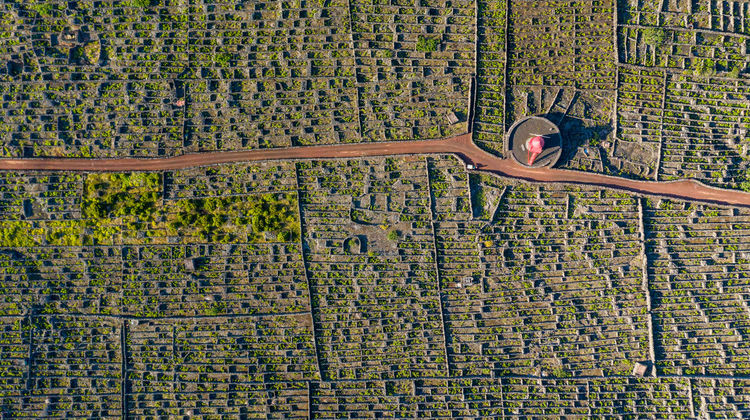
The western coast has the highest concentration of swimming zones on the island. Most sit within or adjacent to the UNESCO-listed Pico Island Vineyard Culture landscape, which adds a distinctive backdrop of centuries-old lava-wall vineyards behind the coastline.
Cais do Mourato
The most popular natural swimming pool on the western side of the island and the easiest to reach from Madalena. It sits right on the coast near the village of Bandeiras, with a well-maintained volcanic rock pool and good water access. Facilities are among the best on Pico: changing rooms, showers, and parking. Because of its proximity to Madalena, this is a practical first stop if you're arriving by ferry from Faial.
The pool attracts a mix of locals and tourists but is rarely crowded by European beach standards. It is the busiest natural pool on this side of the island in peak summer.
Good for: families, easy access from Madalena, arriving from Faial
Laja das Rosas ⭐ Top pick
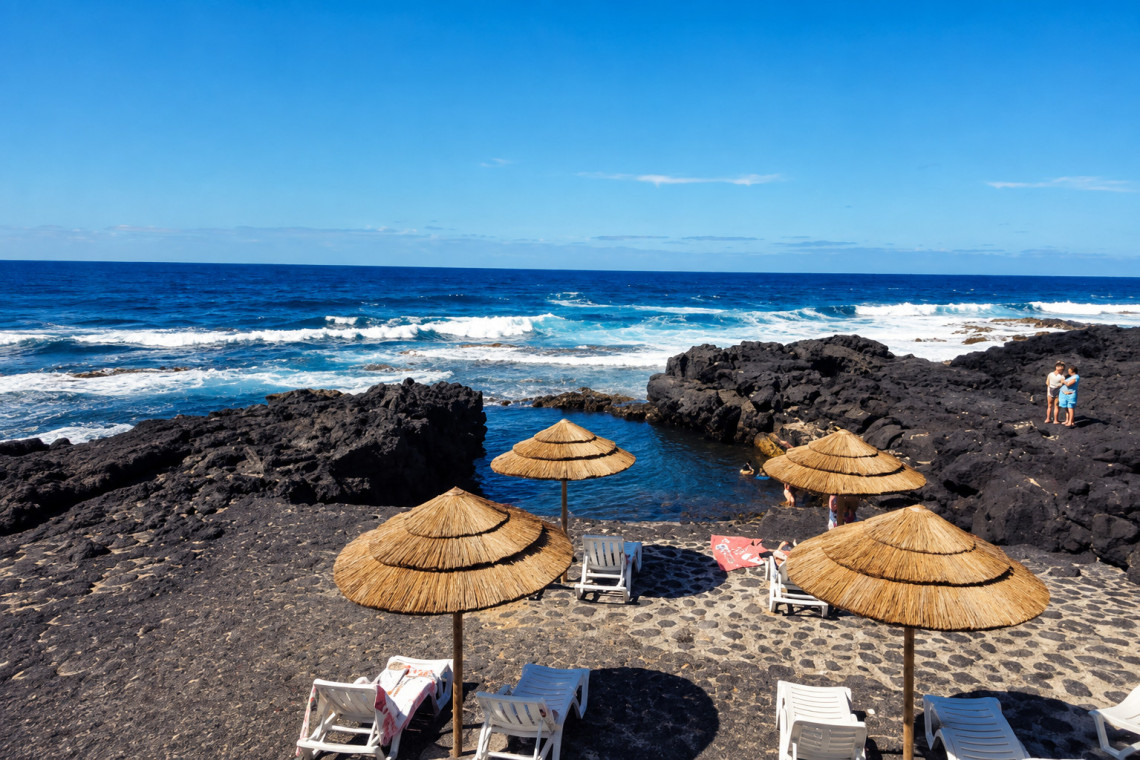
In the parish of Criação Velha, within the UNESCO Pico Island Vineyard Culture landscape. The site divides into two zones: a closed natural pool and a direct open-sea area. Of all the natural pools on Pico, Laja das Rosas has some of the most complete facilities: sun loungers, public toilets, and a support bar. The combination of good amenities and a setting framed by Atlantic-facing vineyards makes this the best single spot on the western coast for a full afternoon visit.
Good for: best all-round facilities on the west coast, UNESCO scenery, combining with Criação Velha
Cachorro ⭐ Top pick
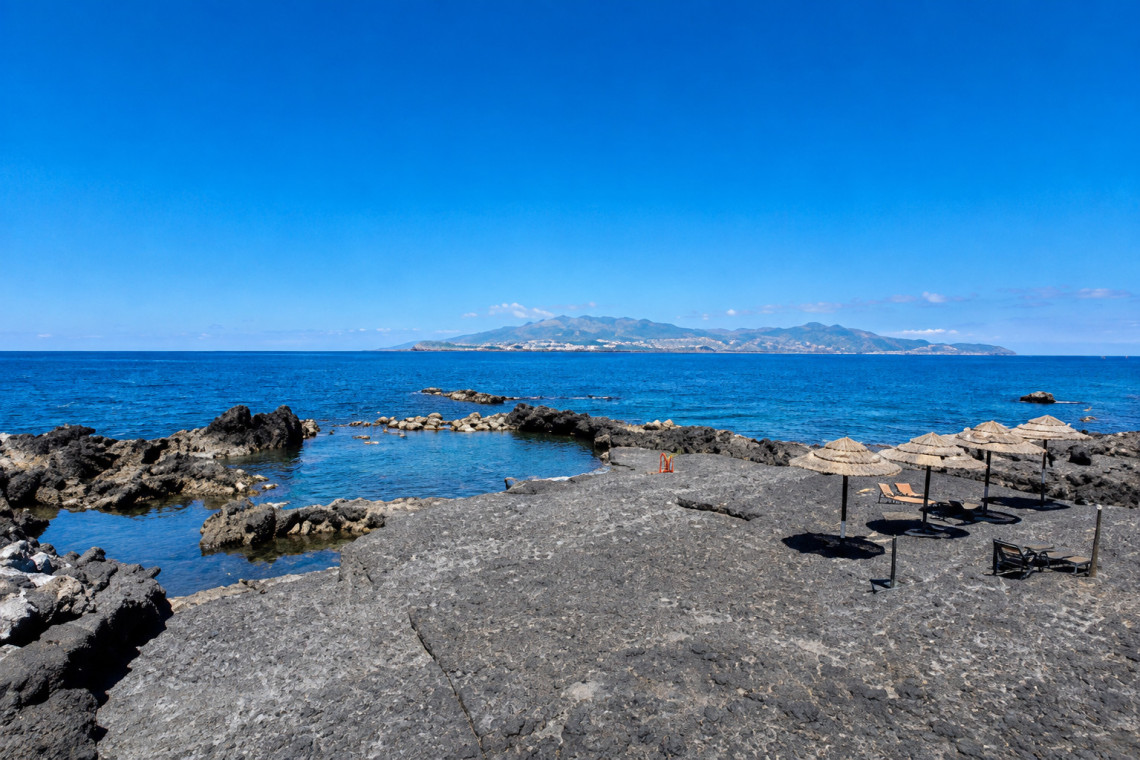
In Bandeiras, also part of the UNESCO vineyard landscape. Cachorro (the name means "dog" in Portuguese) is known for a volcanic rock formation shaped like a dog's head that sits at the water's edge. A boardwalk (passadiço) runs between the rock formations and leads to a tidal pool (poço de maré). Access to the water is via an irregular rola-pipas, the traditional stone ramp used historically for rolling wine barrels onto boats. Historic wine production buildings are visible adjacent to the site.
This is one of the most photogenic swimming spots on the island.
Good for: scenery, unique geology, photography, UNESCO heritage
Piscina de São Mateus
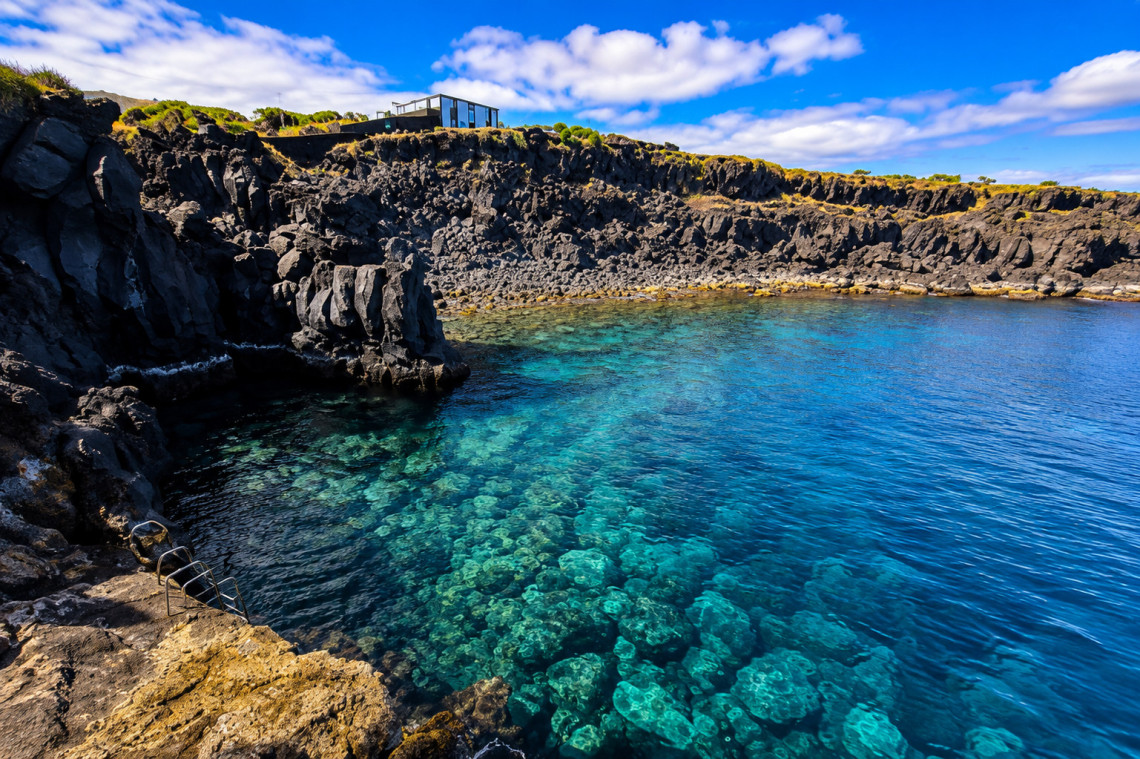
In São Mateus, this natural pool was certified gold quality by Quercus in 2022, one of the highest water quality ratings for a bathing zone in Portugal. This is the only spot on this list with that certification, which speaks to the water's cleanliness rather than its infrastructure. Limited additional detail is available from the official source.
Good for: certified water quality, quieter western coast
Pocinho
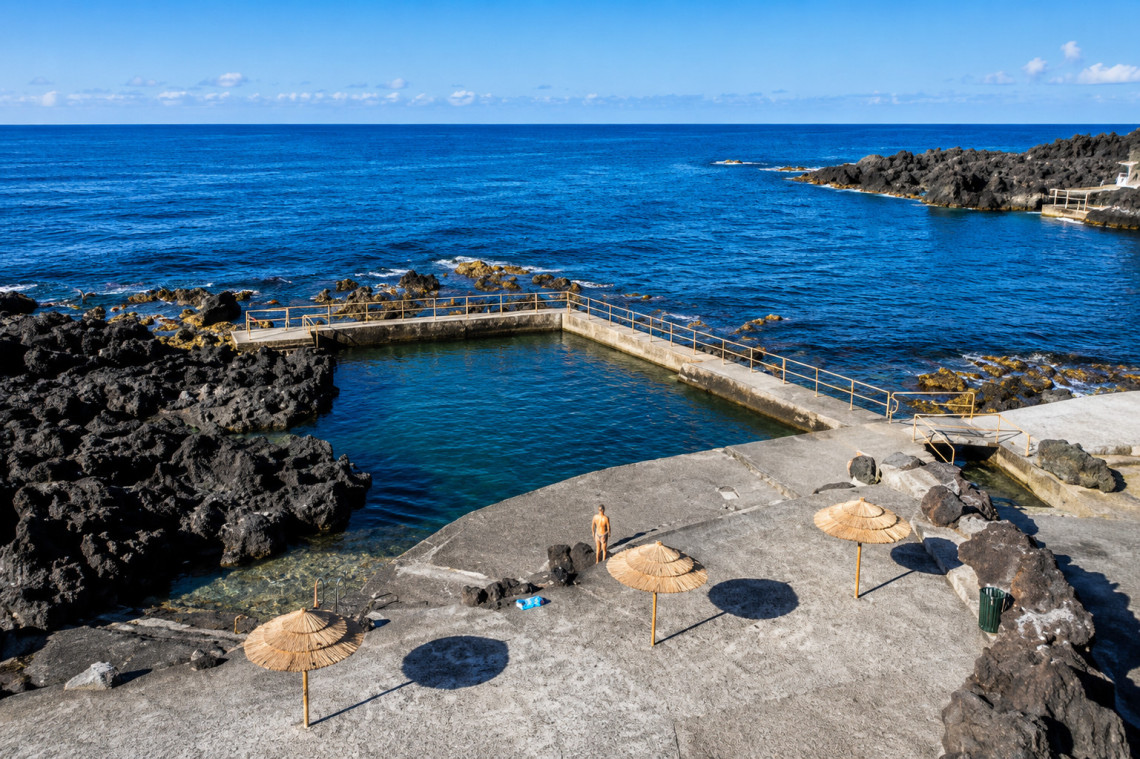
In Candelária, within the UNESCO Vineyard Culture landscape. The zone divides into two areas: a small port area and a stone "beach." Facilities include public toilets and a picnic area. Quieter and more local in feel than Cais do Mourato, with the same volcanic rock setting.
Good for: picnics, quieter swimming, UNESCO context
Formosinha
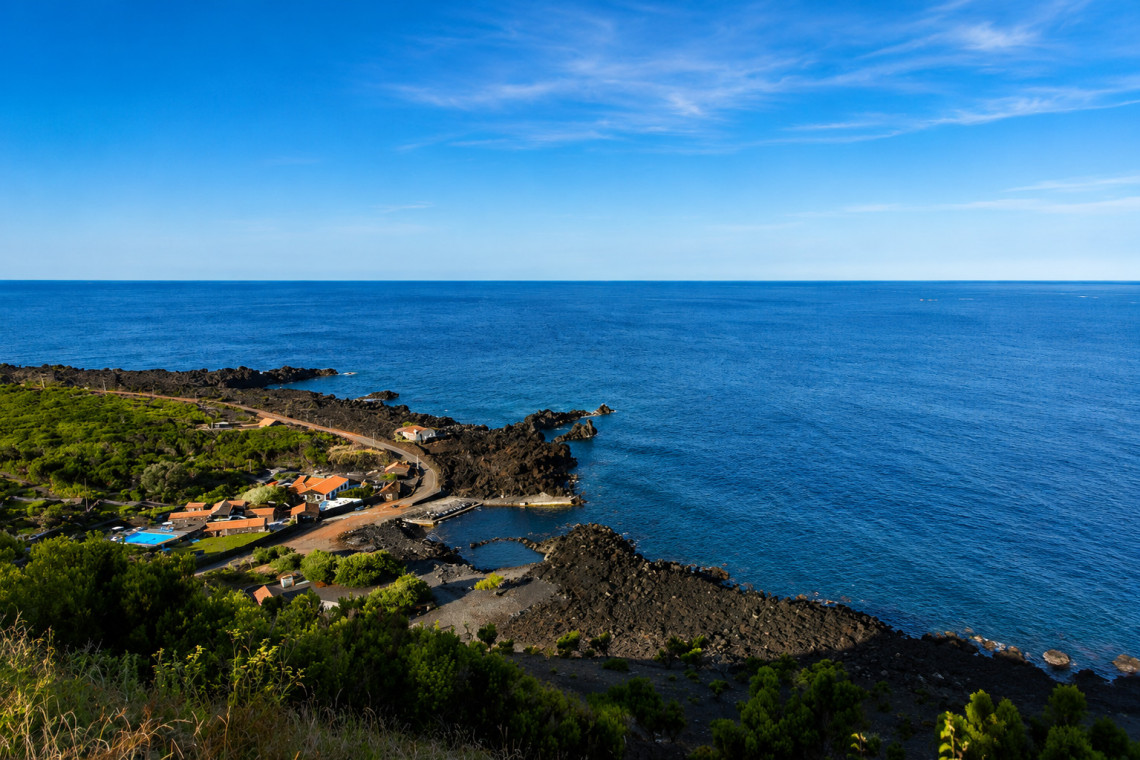
In Toledos, Madalena. Open sea access via a wide stone ramp, formerly a rola-pipas where wine barrels were loaded onto boats for export. Historic warehouses and distilleries that once operated here are still visible nearby. Swimming is in open water rather than an enclosed pool, so conditions depend on sea state on the day.
Good for: open-sea swimming, wine heritage history
Barca
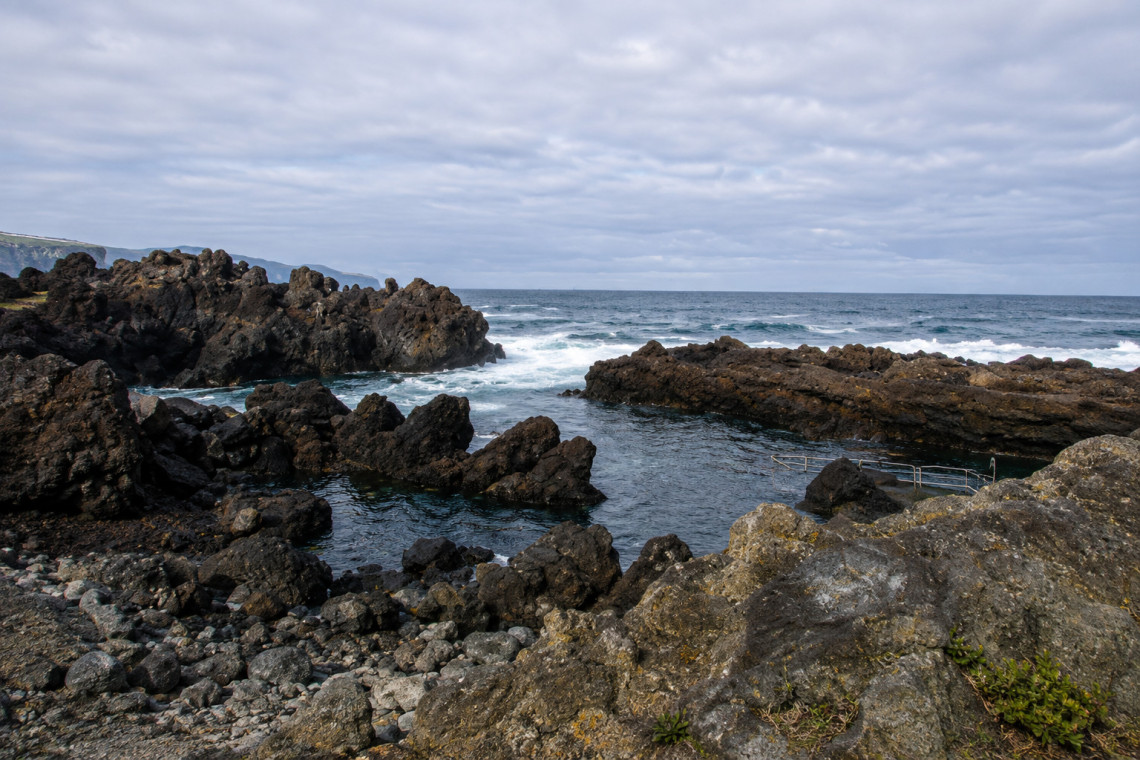
A historic coastal settlement on the Madalena coastline, connected by the Estrada da Costa to Formosinha and Madalena. Part of the UNESCO Vineyard Culture landscape. The site has historic tidal wells (poços de maré) that once supplied freshwater to the population of Madalena. Open coast access for swimming. More of a nature and heritage stop than a developed swimming zone, but officially listed as a bathing area.
Good for: heritage interest, quiet coastal setting
Porto da Areia Larga
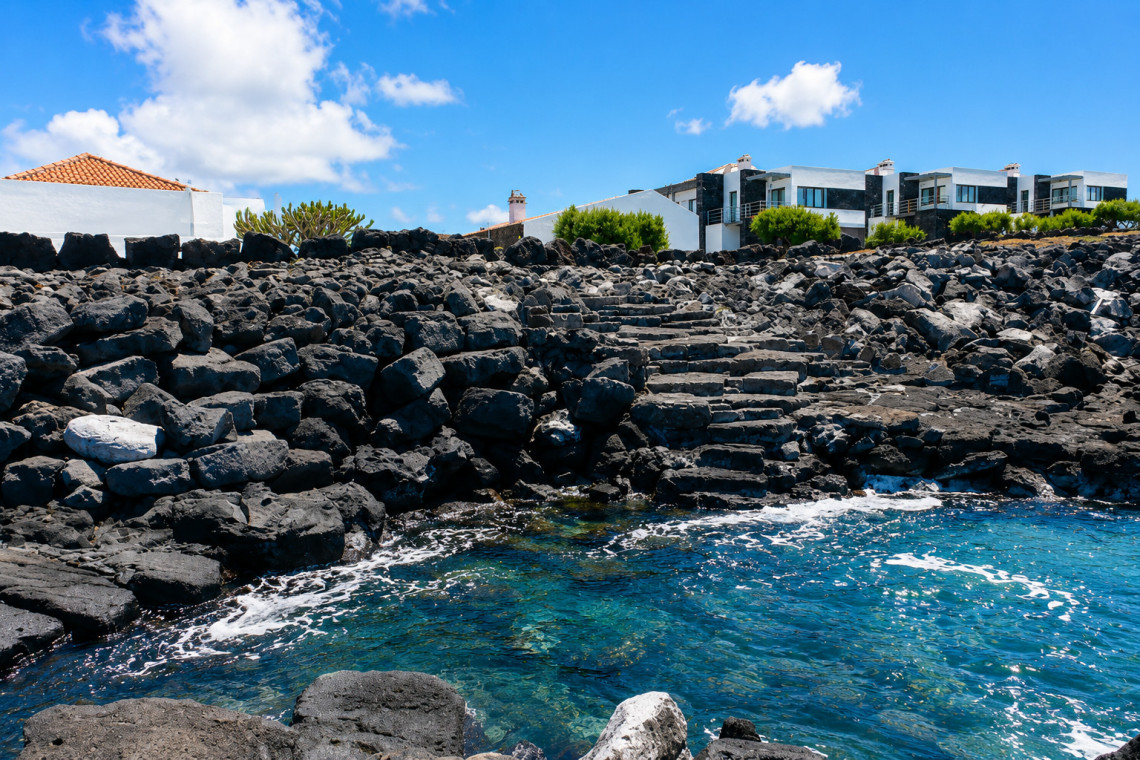
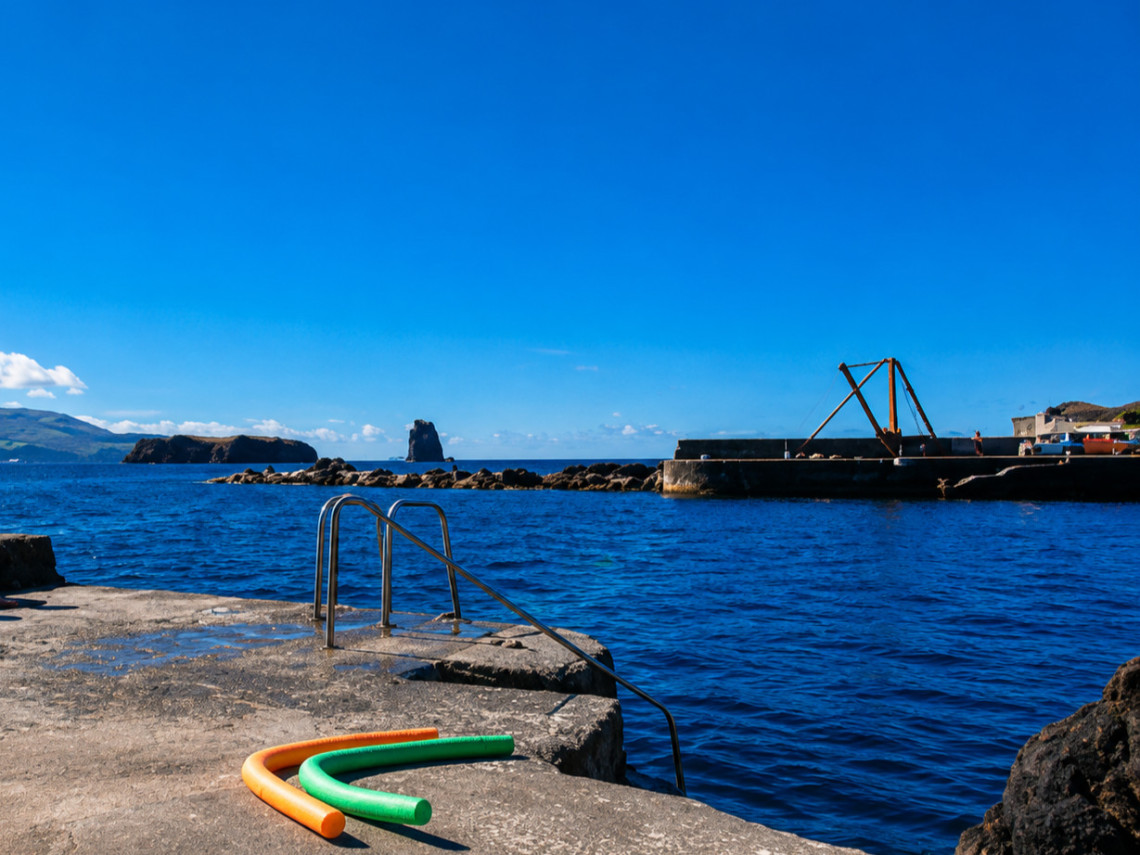
Listed as an official bathing zone in Madalena on the Explore Pico official directory. No detailed description is available from the official source beyond its location in Madalena municipality.
São Roque do Pico Municipality
The north coast has the most varied selection: calmer maintained saltwater pools, volcanic basalt pools, a black sand beach, and three natural pools within walking distance of each other in the Santa Luzia area.
Piscinas de Santo António ⭐ Top pick
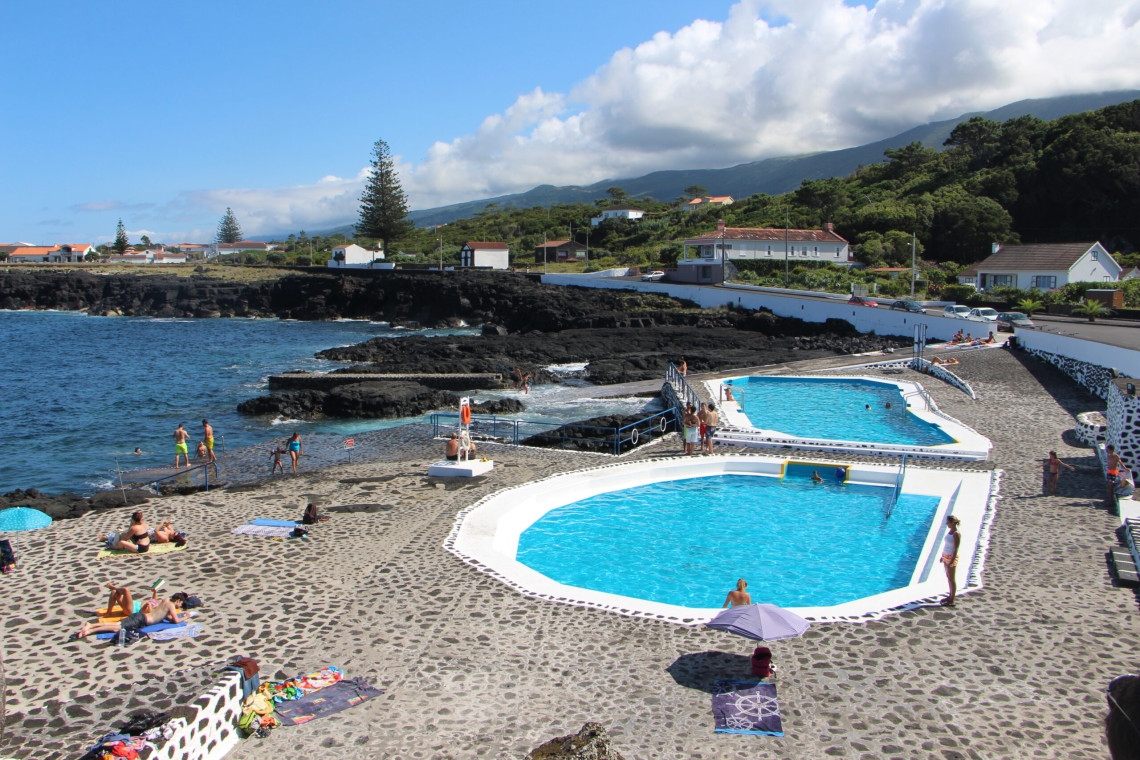
In the parish of Santo António. Unlike the purely natural volcanic pools elsewhere on the island, these are saltwater pools maintained and refreshed daily with fresh seawater. The result is calmer, more controlled conditions than the open volcanic basins found at most other spots. The area also has direct access points to the open sea for stronger swimmers. There is more than one pool in the complex, and the Furnas de Santo António geological site is nearby.
This is the better option on Pico for families with young children who need predictable water conditions.
Good for: families with young children, calm and controlled conditions
Poças de São Roque ⭐ Top pick
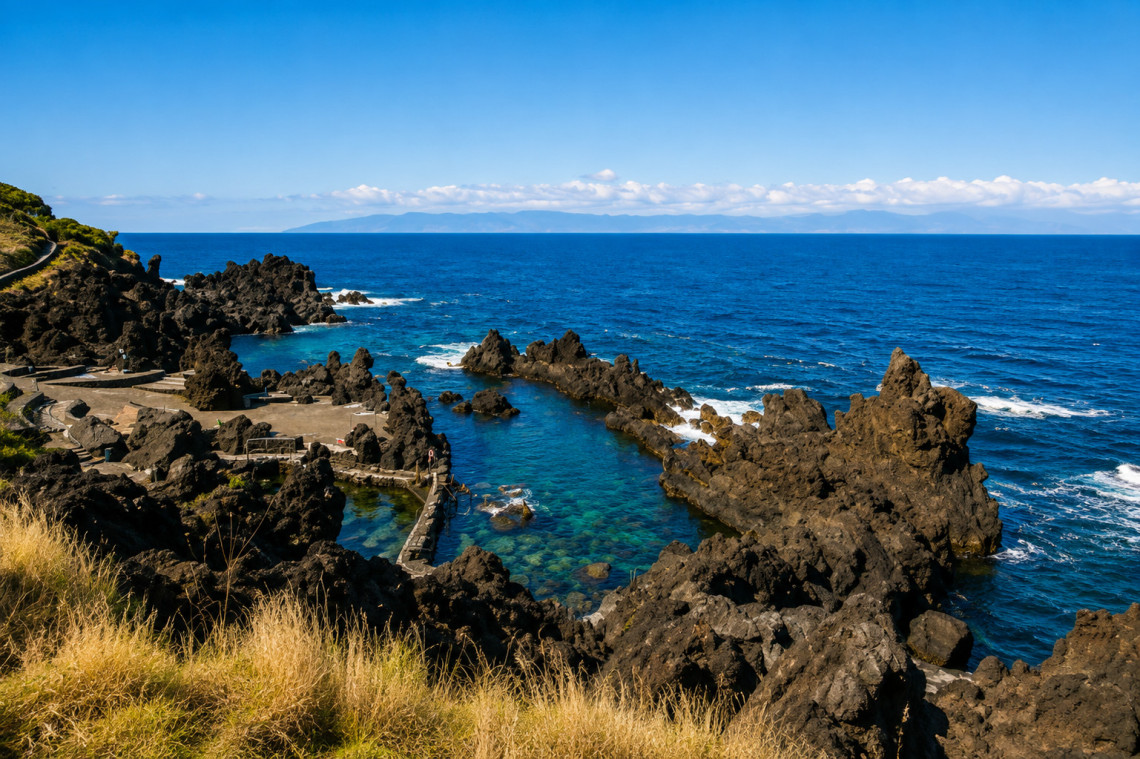
On the north coast at São Roque do Pico. Wide volcanic rock platforms extend into the sea, creating large natural basins with clear, calm water and open ocean views. Good for snorkeling as well as swimming. Showers and picnic areas are available nearby, and the town has cafés making this easy to combine with lunch.
Good for: snorkeling, north coast scenery, combining with town
Prainha do Norte (Porto da Prainha) ⭐ Top pick
One of the very few beaches in the Azores with dark volcanic sand. Located in Prainha on the northern coast of São Roque do Pico. The setting is more sheltered than the exposed lava platforms found at most other spots, and the contrast of black sand against the Atlantic is striking. Small in size, but consistently popular with families.
Good for: the only real sand beach on Pico, families, photography
Santa Luzia: Three Pools ⭐ Top pick
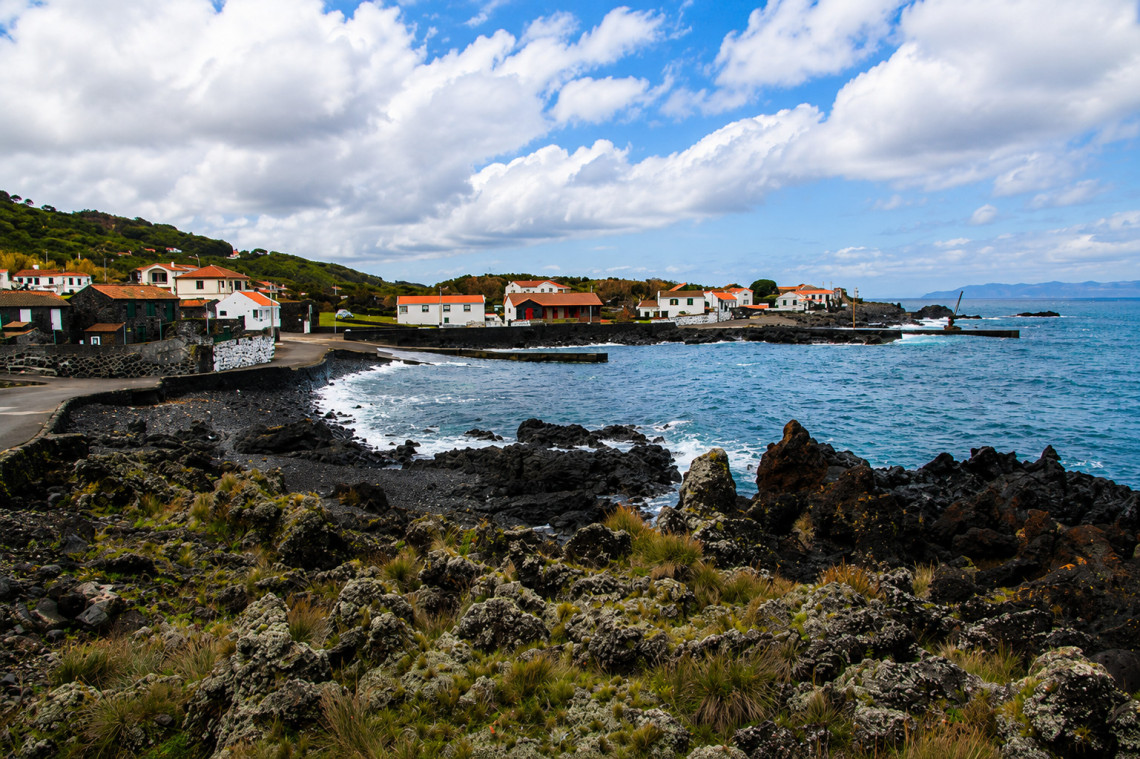
The parish of Santa Luzia has three distinct natural swimming pools within a short distance of each other on the north coast, making it one of the most efficient stops on the island.
The Piscina Natural do Lajido takes its name from the flat basalt slabs (lajido) that form its edges. The Piscina Natural dos Arcos sits near volcanic arch formations along the coast. The Piscina Natural do Cabrito is the third pool in this cluster. All three offer the clear, calm water typical of Pico's north coast and are less visited than the more publicized western spots.
Good for: three pools in one stop, quieter crowds, north coast scenery
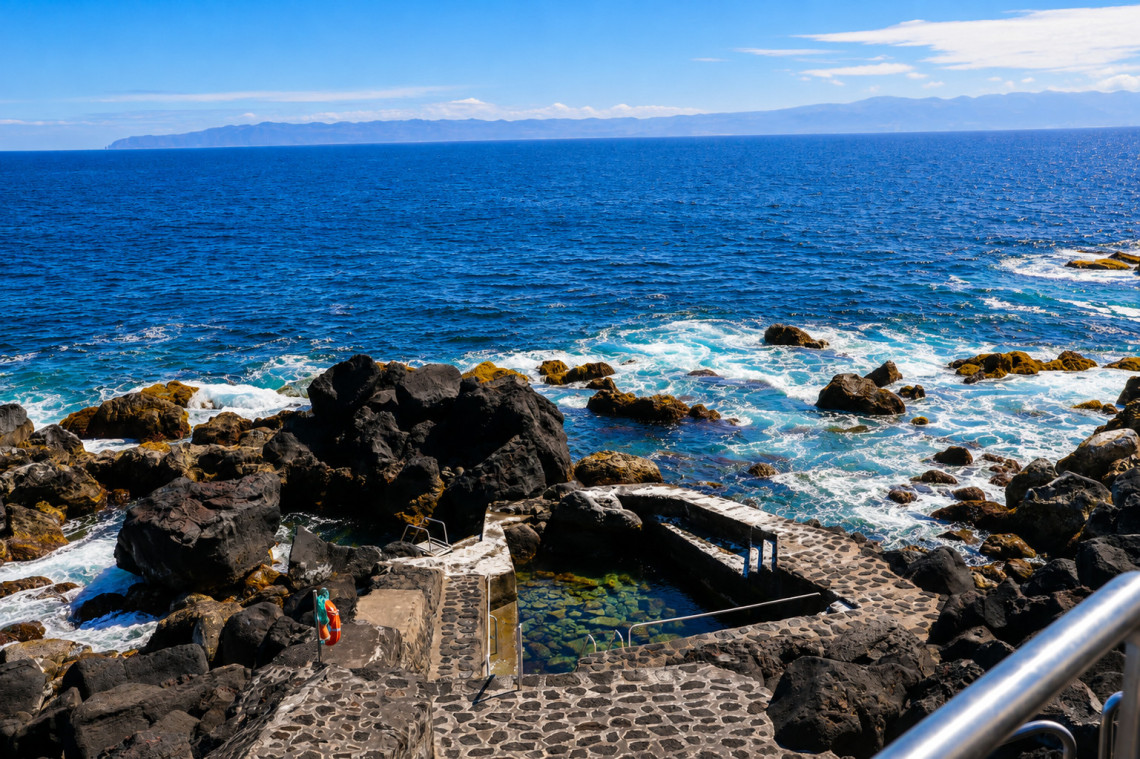
Caisinho and Portinho (Santo Amaro)
Two small bathing zones in the parish of Santo Amaro. Both are listed as official swimming areas on the Explore Pico directory. Detailed information on their specific facilities or characteristics is not available from the official source.
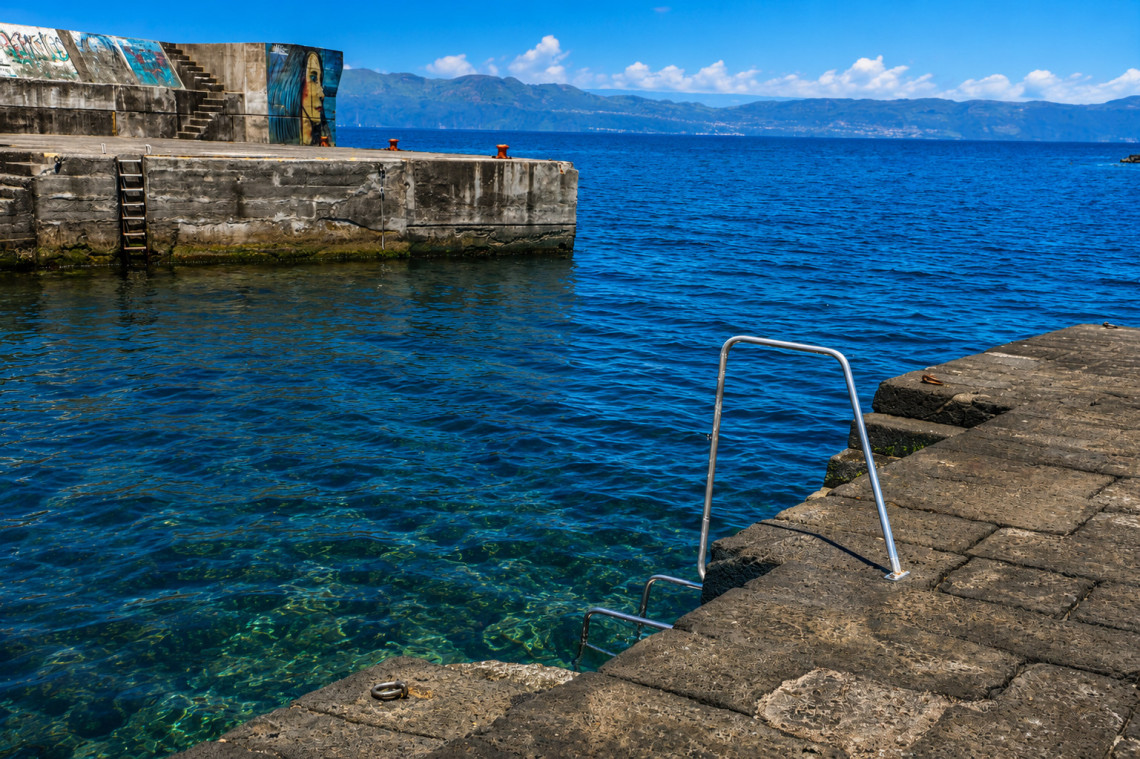
Baía das Canas
In Prainha de Cima, accessible via a small foot trail from the road. A black volcanic sand beach with no road-level access. The trail requirement keeps visitor numbers low even in peak summer.
Good for: seclusion, black sand, those willing to walk in
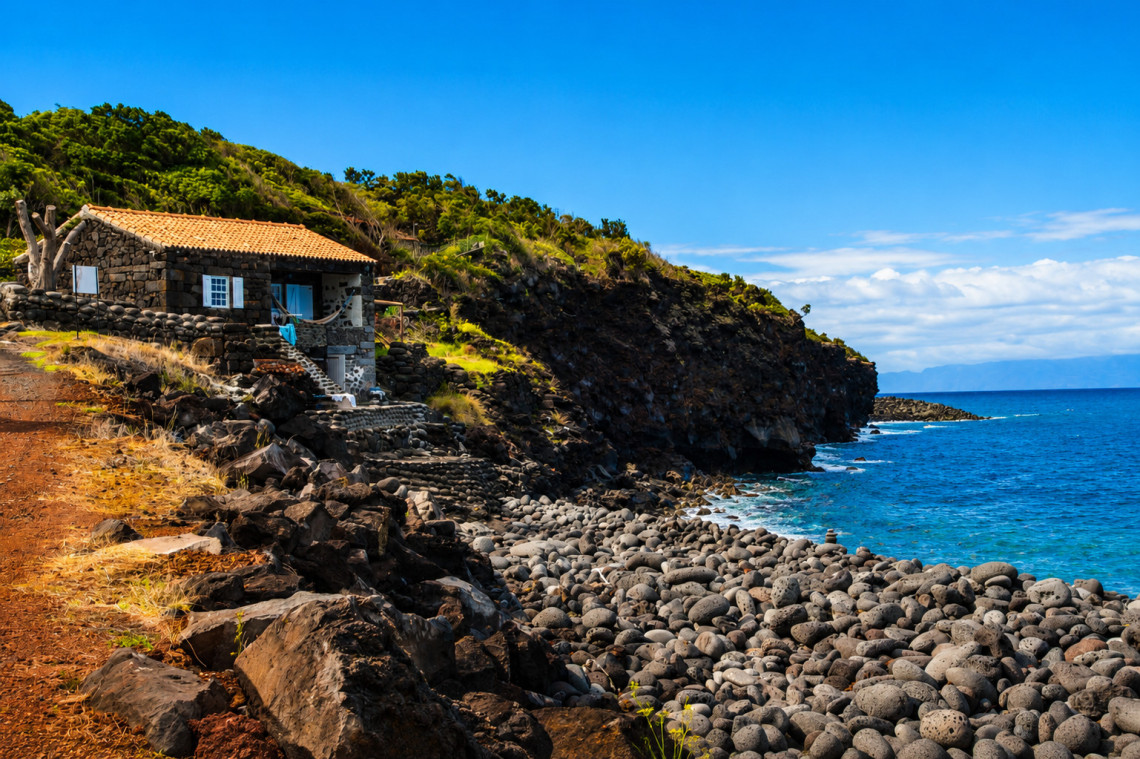
Poça Branca
A natural pool formed directly in volcanic basalt, in Prainha, São Roque do Pico. The name ("white pool") likely refers to the basalt rock appearance at the waterline. Minimal infrastructure. A simple, raw volcanic pool.
Good for: volcanic pool experience, less-visited north coast
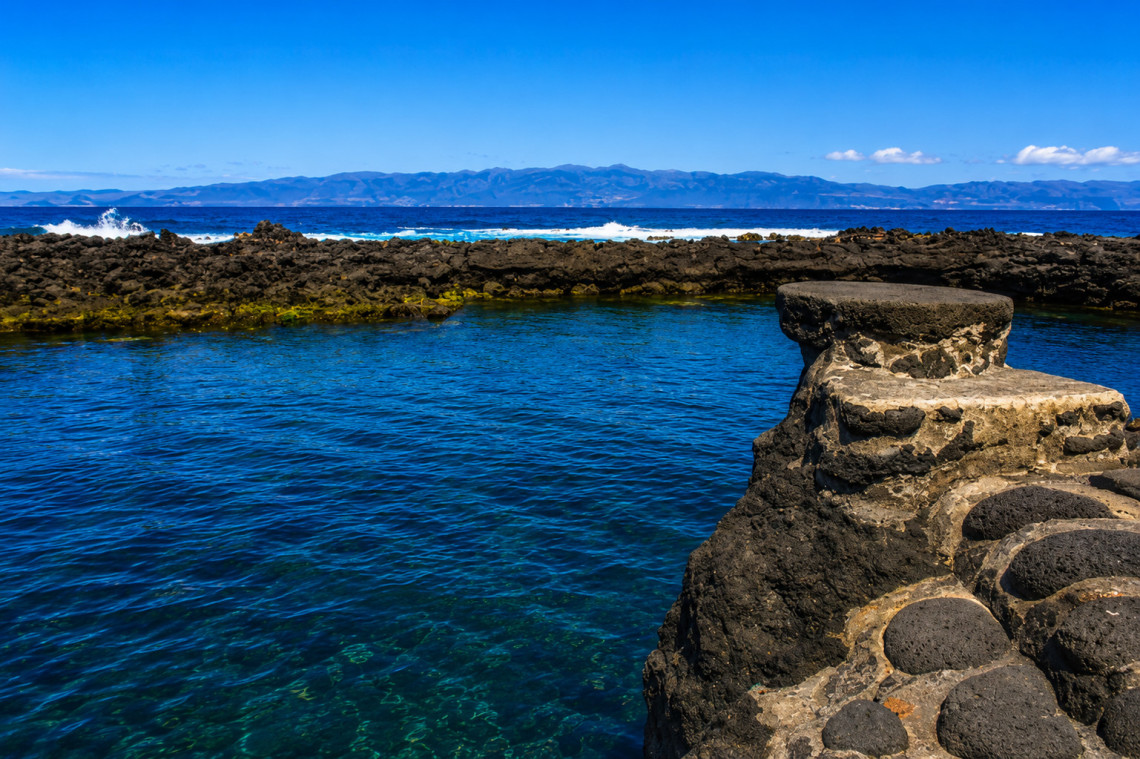
Piscina Natural do Cais do Pico
At the Cais do Pico pier area in São Roque do Pico. An official bathing zone at the working port of the town. Detailed information on facilities is not available from the official source.
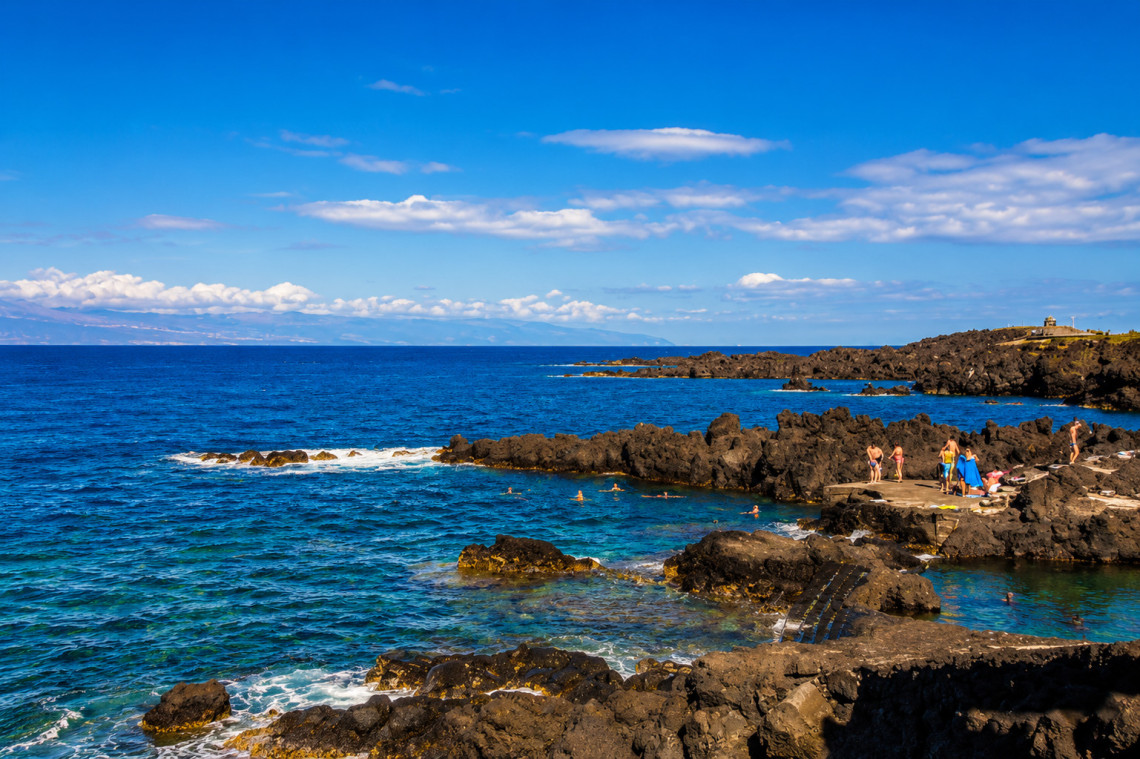
Lajes do Pico Municipality
The south coast is the quietest part of Pico for swimming. Lajes do Pico is the main hub here, with two more remote spots further east.
Lajes do Pico ⭐ Top pick
The main town on the southern coast and the island's second-largest settlement. The natural swimming pool sits at the edge of town near the marina and the whaling museum. Well-maintained, with changing rooms and a small beach area adjacent. The southern coast offers views across the water to São Jorge Island on clear days.
The town is large enough to have restaurants and a supermarket, making a full day easy to build here.
Good for: south coast base, views of São Jorge Island, good town facilities
Piscina Natural Ponta do Admoiro
In São João, Lajes do Pico. Described by the official source as a beach situated in a natural setting between the mountains. Located on Rua do Poço in São João. The setting sounds more secluded than the main Lajes pool. Limited additional detail is available from the official source.
Good for: natural mountain setting, less-visited south coast
Poça das Mujas ⭐ Top pick
In Calheta de Nesquim, Lajes do Pico. The most remote and wild swimming spot on this list. The pool sits in a coastal landscape of lush vegetation and volcanic rock. There is no support infrastructure: no toilets, no showers, no shade. Bring everything you need including water, food, and sun protection. The nearby Morricão Leisure Zone has a second natural pool formed by volcanic rocks and is worth visiting on the same trip.
Not suitable if you want facilities or an easy family outing. For complete seclusion and an untouched coastal environment, this is as good as it gets on Pico.
Good for: seclusion, experienced swimmers, wild coastal swimming
What to Know Before You Go
Water conditions vary by season and weather. In summer the sea is generally calm, but swell can pick up without warning. Check conditions before heading to exposed spots. Pools that look calm in the morning can become rough by afternoon on windy days.
Most pools are free. Some locations charge a small fee for use of changing rooms or showers. Carry a few euros just in case.
Showers are widely available. Many natural pools have outdoor freshwater showers for rinsing off. Not all are always operational, so bring a towel and treat the shower as a bonus rather than a given.
No glass at the pools. Standard rule across all Azorean natural pools. Bring drinks in plastic or metal containers.
Swimming season. The water is swimmable from June through October. July to September is the most comfortable, with sea temperatures around 22–24°C. Outside these months, the water is cold and conditions can be unpredictable.
Getting around. A rental car is essential for visiting pools across different municipalities. Public transport on Pico is limited and does not reliably reach the more remote spots.
EXPLORE PICO ISLAND ACTIVITIES
From whale watching to guided hikes and boat tours, browse everything you can do on Pico Island.
View Pico Island Activities →Plan Your Pico Island Trip
Pico pairs well with Faial and São Jorge for an island-hopping week in the central Azores. Our local team can build an itinerary around your dates and make sure you hit the best swimming spots along the way.
Keep reading
Frequently Asked Questions
What are the best natural swimming pools on Pico Island?
The best natural swimming pools for first-time visitors are Cais do Mourato (best facilities on the western coast), Laja das Rosas (facilities plus UNESCO vineyard scenery), Cachorro (unique rock formation and boardwalk), Piscinas de Santo António (best for families with young children), Poças de São Roque (good for snorkeling), the three Santa Luzia pools (Lajido, Arcos, and Cabrito), Lajes do Pico (south coast base), and Poça das Mujas (most remote and wild).
Are the natural pools on Pico Island free?
Yes, most natural pools on Pico Island are free to access. Some locations charge a small fee for the use of changing rooms or showers, but entry to the pools themselves is generally free.
Are there lifeguards at Pico Island's natural pools?
Lifeguard coverage on Pico Island is limited and seasonal. Some of the more developed pools may have a lifeguard on duty during July and August, but many do not. Do not assume a lifeguard will be present, and keep a close eye on children and less confident swimmers at all times.
When is the best time to swim in Pico Island's natural pools?
The best months for swimming on Pico Island are July, August, and September, when water temperatures reach 22–24°C and conditions are most stable. June and October are also possible but cooler. Outside of these months, the water is cold and swell conditions can be unpredictable.
Does Pico Island have sandy beaches?
Pico Island's coastline is predominantly volcanic rock. Prainha do Norte (Porto da Prainha) on the northern coast is one of the very few spots in the Azores with dark volcanic sand. Baía das Canas in Prainha also has black sand, accessible via a short foot trail. Most swimming on Pico is done at natural rock pools carved into lava platforms along the coast.
What are the Piscinas de Santo António on Pico Island?
The Piscinas de Santo António are saltwater pools located in the parish of Santo António, in the municipality of São Roque do Pico. Unlike the purely natural volcanic pools found elsewhere on the island, these are maintained and refreshed with fresh seawater daily, providing calmer and more controlled conditions. The area also has direct access points to the open sea.
Do I need a car to visit the swimming pools on Pico Island?
Yes, a rental car is strongly recommended. Public transport on Pico is limited and does not reliably serve the more remote bathing zones. Most of the spots across all three municipalities are only practical to reach by car.
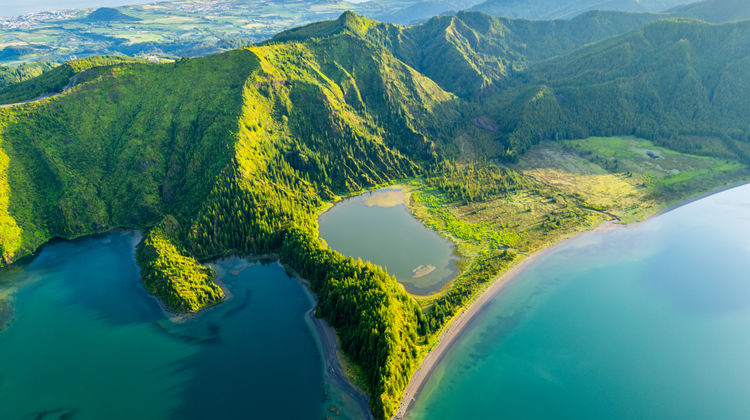
.jpg "Sete Cidades Caldera Lakes in São Miguel Island, Azores")
.jpg "Jeep tour through Cumeeiras, Sete Cidades, São Miguel Island")
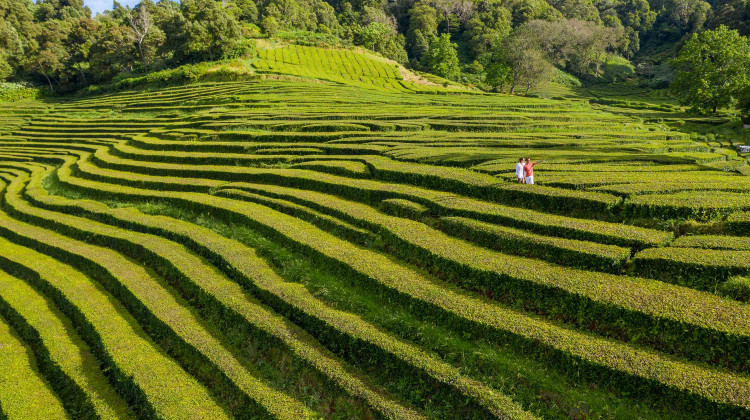
.jpg "Scenic View of Tea Plantations in São Miguel, Azores")
.jpg "Pico Island’s Longitudinal Road (IS1) – Scenic Drive Through the Heart of the Island")