September 2026 • 8 min read
The Azores sits at the intersection of three ocean current systems in the mid-Atlantic, making its waters among the most biologically productive in Europe. Over 20 cetacean species have been recorded here. Sperm whales are resident year-round. Blue whales pass through in spring. Common, bottlenose, and spotted dolphins are a near-daily presence in most months.
This is not a destination where whale watching is a seasonal bonus. It is one of the main reasons people come. The spotting rates are high enough that reputable operators offer to reschedule at no charge if no cetaceans are sighted — which tells you something about how often that actually happens.
Why the Azores Stands Apart for Whale Watching
Most whale watching destinations offer seasonal windows and specific species. The Azores offers year-round access to a broad mix of both resident and migratory cetaceans, along with some structural advantages that make sightings more reliable.
The first is geography. The islands sit roughly 1,500 km west of Lisbon in the open Atlantic, surrounded by deep water. Sperm whales can dive to over 1,000 metres in search of squid; depths that accessible that close to shore are unusual globally.
The second is history. The Azores had an active shore-based whaling industry until 1984, and the infrastructure built for that industry — vigia watchtowers staffed by trained spotters scanning the ocean with high-powered binoculars — still exists today and is used by tour operators. Spotters radio GPS coordinates to boats in real time. This system, a direct legacy of the whaling era, makes sightings significantly more efficient than in destinations that rely on vessels alone to locate animals.
What Species Can You Spot?
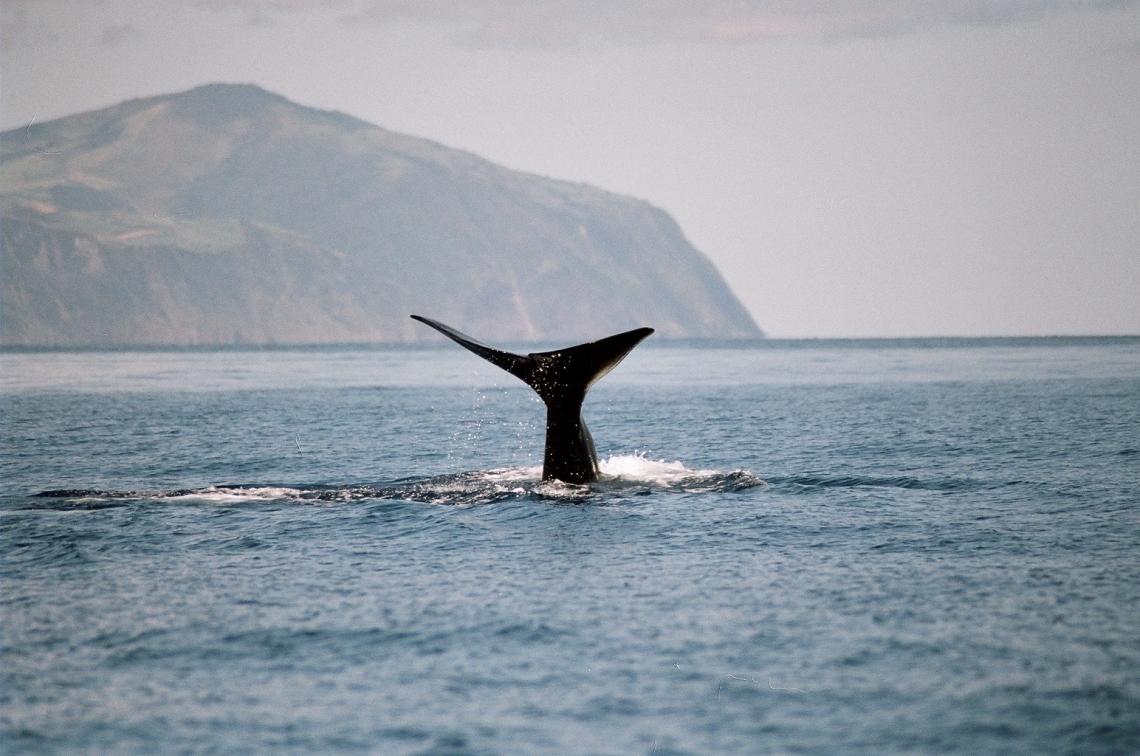
The following species are resident in Azorean waters year-round: Sperm Whales, Common Dolphins, Bottlenose Dolphins, Atlantic Spotted Dolphins, Risso's Dolphins, Pilot Whales, and Striped Dolphins. Sperm whales are the symbol of the islands; the Portuguese name for sperm whale, cachalote, appears throughout Azorean culture, ceramics, and craft.
Migratory species pass through at specific times of year. Blue Whales and Fin Whales are most reliably seen from March through May as they move through the North Atlantic. Sei Whales and Minke Whales also appear on seasonal routes. Humpback Whales are seen less frequently but are recorded most years, typically in spring.
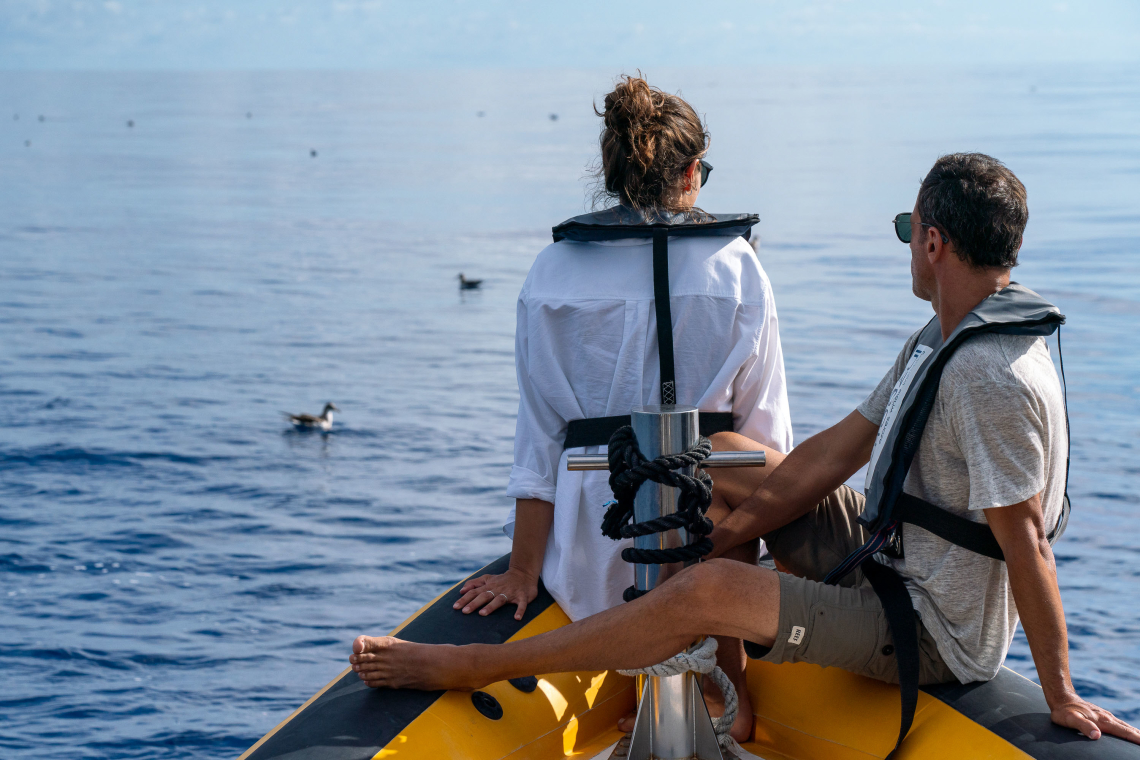
Beyond cetaceans, the waters around the Azores host Manta Rays, Ocean Sunfish (mola mola), Loggerhead Sea Turtles, and occasional Whale Sharks. Seabirds are a constant presence: Cory's Shearwaters often escort boats, and Wilson's Storm Petrels are common in summer.
Best Time to Go Whale Watching in the Azores
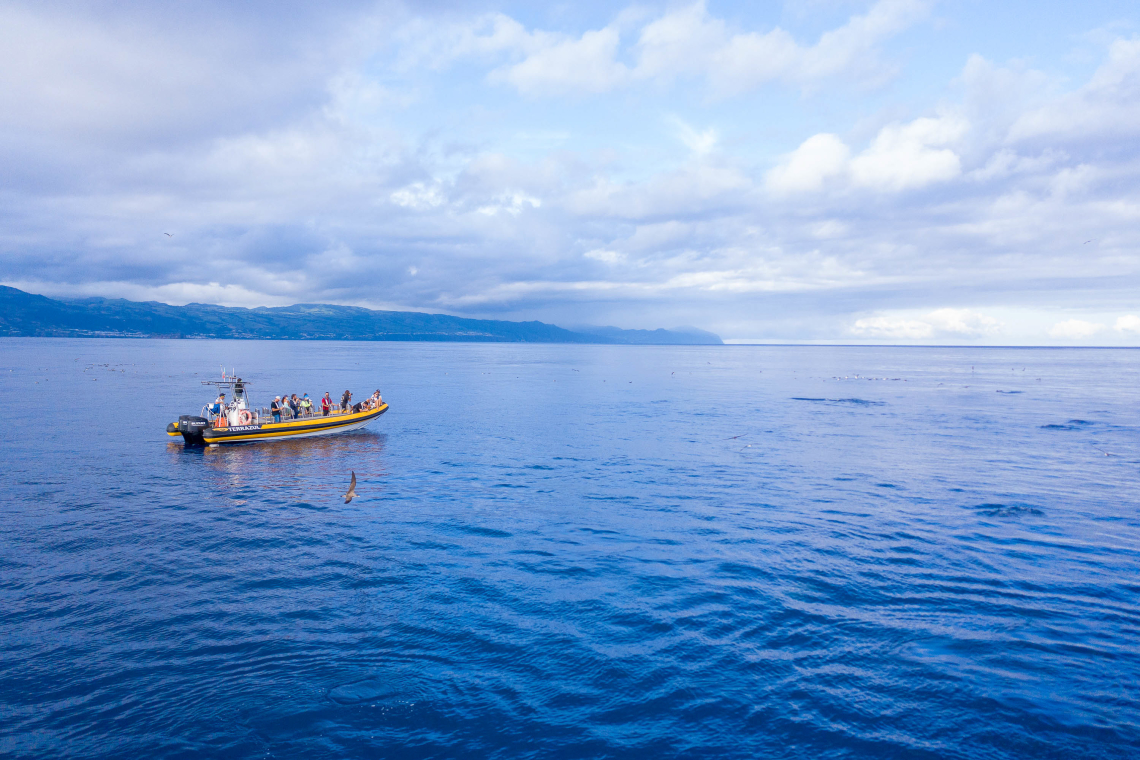
Whale watching runs year-round in the Azores, but the experience changes by season.
Spring (March to May) is considered the peak season for species variety. Sperm whales are active, blue and fin whales are passing through on their northern migration, and sea conditions are generally calmer than winter. This is the month range most often recommended for first-time visitors who specifically prioritise cetaceans.
Summer (June to August) is when most visitors arrive. Sperm whales and multiple dolphin species are reliably present. Sea conditions are generally good, days are long, and operators run more frequent departures. The downside is that this is also the busiest period, so book in advance.
Autumn (September to November) offers good whale watching with fewer crowds. September in particular combines reasonable weather with high sperm whale activity.
Winter (December to February) sees fewer departures due to weather and sea state, but sightings still happen. Some operators run trips year-round; others limit departures to days when conditions are suitable. For travellers comfortable with some uncertainty, winter can deliver exceptional encounters with very few other boats on the water.
HALF-DAY WHALE WATCHING (RIB BOAT)
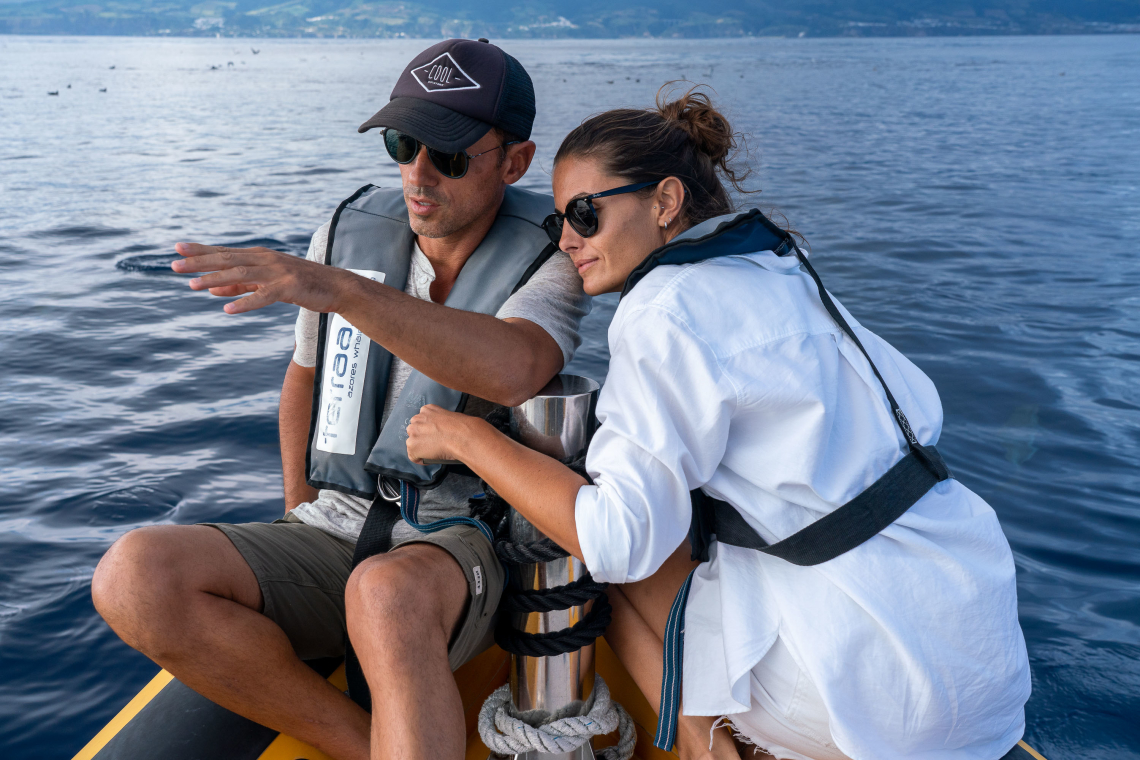
A rigid inflatable boat (RIB) covers more water and reaches animals faster than a catamaran. This São Miguel half-day tour uses land-based vigia spotters — the same system used during the whaling era — to locate cetaceans in real time before heading out.
Book RIB Whale Watching →Will You Actually See Whales? Spotting Rates in the Azores
The spotting rate in the Azores is consistently cited as one of the highest in the world. Reputable operators typically report sighting cetaceans on 97 to 99 percent of departures, and many offer a guaranteed return trip if a sighting does not occur — a policy that reflects genuine confidence in the numbers.
That said, "whale watching" does not mean "guaranteed sperm whale within 10 minutes." Conditions vary, animals dive, and the ocean does not follow schedules. A realistic expectation: on most trips, you will see dolphins within the first 30 to 45 minutes. Sperm whale encounters depend on the day, the season, and some luck. Blue whale sightings are possible but not predictable even in spring.
The best operators will brief you honestly before departure about what has been sighted that morning and adjust your expectations accordingly.
Whale Watching by Island
São Miguel is where most visitors experience whale watching for the first time. Ponta Delgada has the highest concentration of licensed operators, the longest season, and the most departure times. Both RIB boats and larger catamarans operate here. The vigia tower network on São Miguel is well-developed.
Terceira has a smaller but active whale watching scene out of Praia da Vitória and Angra do Heroísmo. Sperm whales and dolphins are regularly encountered. Terceira combines well with cultural visits to UNESCO-listed Angra, making a whale watching morning a natural addition to any stay.
Faial operates primarily out of Horta marina, one of the most famous sailing harbours in the Atlantic. Its mid-ocean position makes it an excellent whale watching base, particularly for encounters with sperm whales and migratory baleen whales. Faial is often paired with Pico for multi-island itineraries.
Pico has whale watching departures from Madalena and Lajes do Pico. Pico has particular historical significance: Lajes do Pico was one of the last active shore whaling stations in the world, and the Museu dos Baleeiros (Whalers' Museum) documents this history. The whaling vigia towers on Pico still stand and are used today by operators — one of the clearest connections between the whaling past and the whale watching present.
Flores and Corvo, the westernmost islands, offer whale watching in the most remote conditions available in the Azores. Encounters with multiple sperm whale groups and deep-water species are recorded regularly around Flores. Fewer operators run here, which means fewer boats in the water — an advantage for those who find their way this far west.
⛵ WHALE WATCHING CATAMARAN TOUR
Prefer a more comfortable ride? The catamaran tour from São Miguel accommodates larger groups and offers more deck space for watching. Departs from Ponta Delgada with a marine biologist on board.
Book Catamaran Whale Watching →Dolphin Watching in the Azores
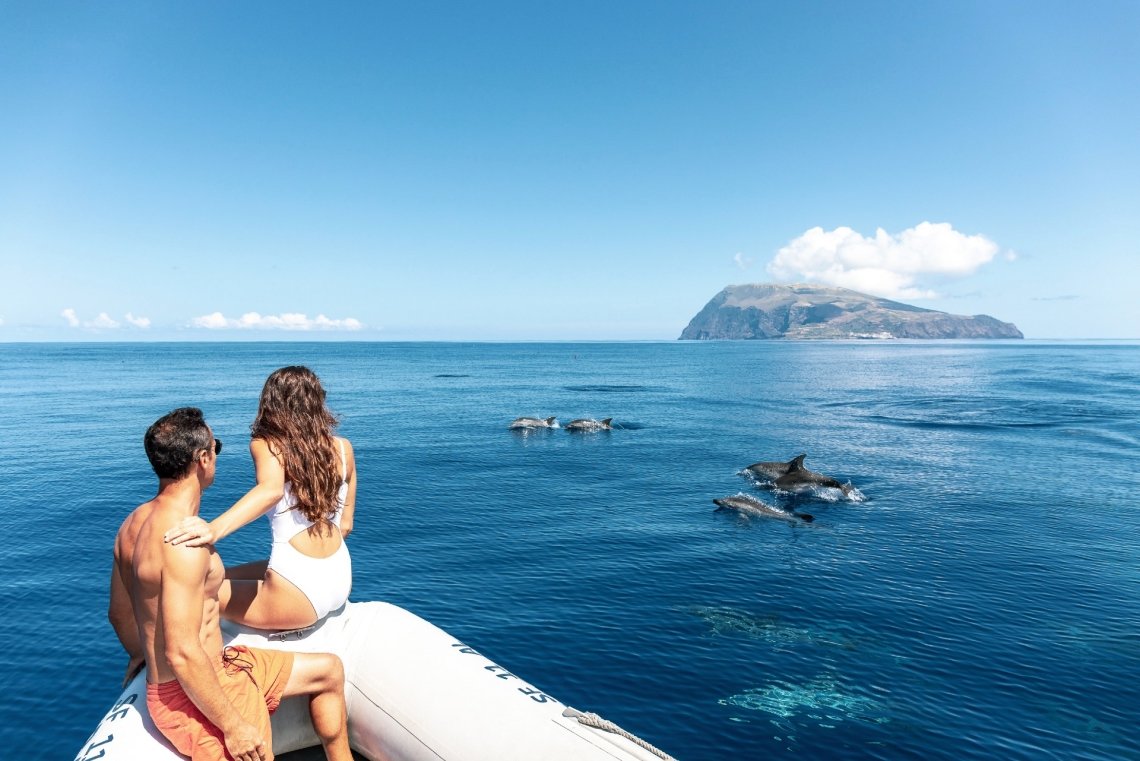
Dolphin watching is not a lesser version of whale watching in the Azores. Common, bottlenose, and Atlantic spotted dolphins are abundant, and encounters are typically close and extended. Pods of hundreds of common dolphins are not unusual; bottlenose dolphins often approach boats and ride bow waves.
Some visitors specifically prefer dolphin watching trips: the encounters tend to be livelier, the boats move more, and the animals are more interactive at the surface. Dolphins are also more predictable than whales, meaning operators can spend more time with the animals rather than searching for them.
Most whale watching tours in the Azores include dolphin encounters as part of the trip — the two happen together more often than not, given how frequently both species appear in the same water.
What to Know Before You Go
Regulations exist to protect the animals. The Azores has government-regulated approach distances for cetaceans: vessels must remain at least 50 metres from whales and dolphins (100 metres if calves are present). No swimming with whales is permitted. Feeding, chasing, or disturbing animals is prohibited. Operators are licensed and inspected. A maximum of three boats may be present at any sighting at the same time.
Motion sickness is worth thinking about. Atlantic swells can be significant even on clear days. RIB boats are faster and more exhilarating but have a rougher ride. Catamarans are more stable. If you are susceptible to seasickness, take medication before departure — not after you start feeling unwell — and choose a catamaran if in doubt.
Bring layers. Ocean temperatures are cooler than shore temperatures. Wind makes it feel cooler still. Even in summer, a light windproof jacket is worth having on a whale watching boat.
Book in advance in peak season. June to August departures fill early, particularly morning slots. Mid-week bookings tend to be easier to secure than weekends.
AZORES PACKAGES WITH EXPERIENCES INCLUDED
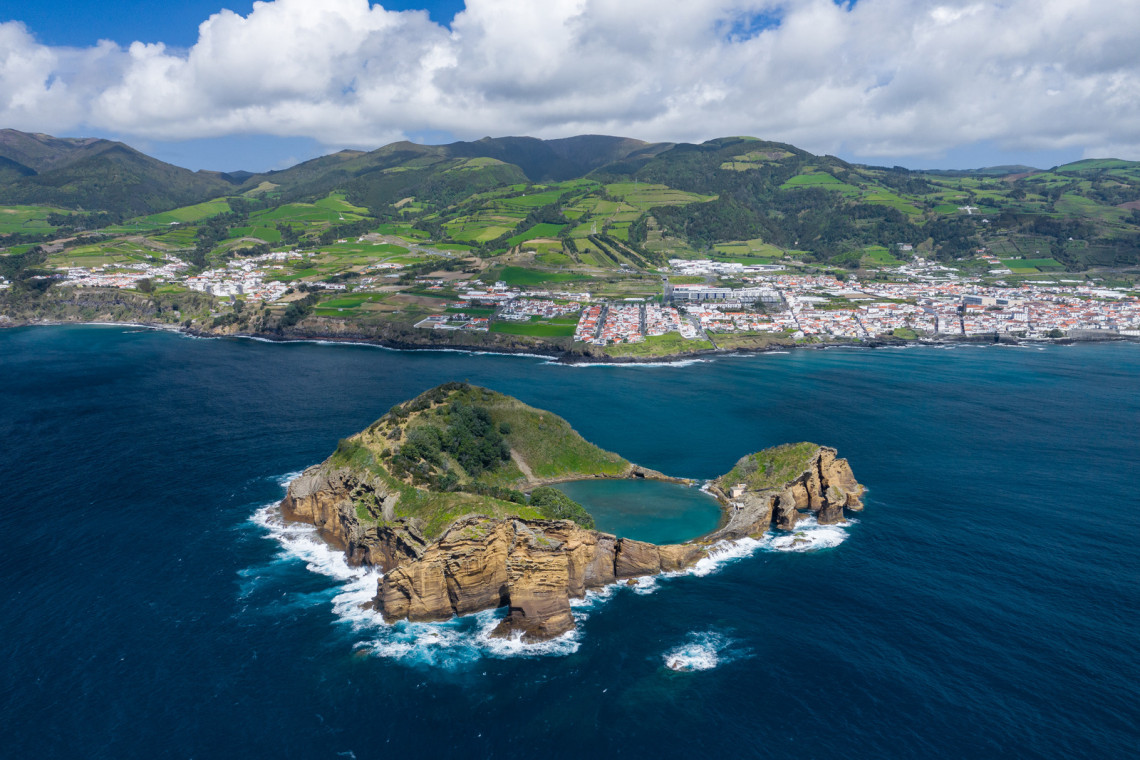
Our multi-island packages can include whale watching excursions alongside accommodation, car rental, and inter-island flights. The local team coordinates the logistics so you show up and enjoy the experience.
See Azores Packages →FAQ
Is whale watching in the Azores worth it?
For most visitors, it is one of the highlights of a trip to the Azores. The combination of resident sperm whales, multiple dolphin species, and the vigia spotter system makes encounters far more reliable than in most destinations. Spotting rates are consistently reported above 95 percent by licensed operators.
What is the best island for whale watching in the Azores?
São Miguel has the most operators, the most departure times, and the longest season — making it the practical default for first-time visitors. Faial and Pico offer excellent encounters and the added cultural context of the whaling history. For remoteness and fewer boats on the water, Flores is hard to beat.
Can you see blue whales in the Azores?
Yes, though not on every trip. Blue whales pass through Azorean waters primarily between March and May as part of their North Atlantic migration. Spring is the best window for blue whale sightings; experienced operators can give an honest read on current blue whale activity when you book.
Are whale watching tours suitable for children?
Most operators welcome children on catamaran tours. RIB boat tours are more physically demanding, and some operators set a minimum age (typically 6 or 8 years). If travelling with young children, a catamaran provides more space, shade, and stability. Check the specific age policy when booking.
What is the difference between a RIB boat and a catamaran tour?
A RIB (rigid inflatable boat) is smaller and faster — it can reach animals quickly and manoeuvre in tight areas, but the ride is rougher. A catamaran is larger, more stable, and more comfortable for those prone to seasickness. Both types use vigia spotters to locate animals. RIBs typically carry 8 to 12 passengers; catamarans carry 20 to 40.
Is swimming with whales allowed in the Azores?
No. Azorean law prohibits swimming with whales. Minimum approach distances of 50 metres (100 metres when calves are present) apply to all vessels. Operators are licensed and are obligated to follow these rules; those that do not risk losing their operating permits.
Do I need to book whale watching tours in advance?
In peak season (June to August), yes — morning departures in particular book out well ahead. Spring and autumn can often be booked a few days in advance. In winter, availability is less of an issue but weather-related cancellations are more common, so some flexibility in your schedule helps.
Does whale watching in the Azores have a sighting guarantee?
Most reputable operators offer a return trip at no additional cost if no cetaceans are sighted. Given the spotting rates in the Azores, this policy is rarely invoked — but it is worth confirming the guarantee when booking, as not every operator offers it.