09 September 2026 • 6 min read
Terceira is not the best-known island in the Azores. São Miguel gets the headlines and the package tours. Terceira gets the repeat visitors. It is the only Azorean island with a UNESCO World Heritage city, one of three places in the world where you can walk down into a volcanic chimney, and the home of a 500-year-old tradition of running bulls through the streets that still happens every summer weekend. Below are seven specific reasons it is worth the trip.
Capital: Angra do Heroísmo | Size: 402 km² | Flight from Lisbon: ~2h
1. Angra do Heroísmo Is the Azores' Only UNESCO World Heritage City
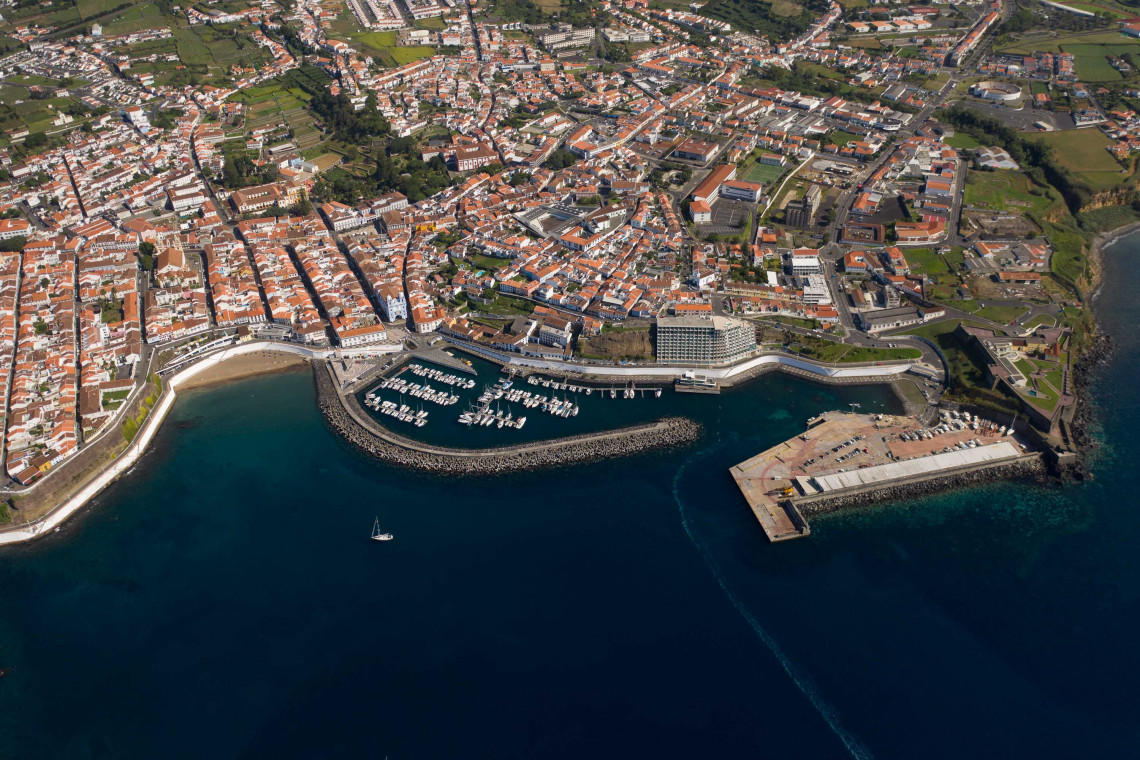
The nine islands of the Azores have one UNESCO World Heritage site, and it is on Terceira. Angra do Heroísmo was added to the list in 1983, recognized for its role as one of the most important Atlantic ports during the Age of Discoveries. For two centuries, ships crossing between Europe, the Americas, and Africa stopped at Angra. The architecture reflects that history without being a museum of it: the streets are lived-in, the cafés are open, and the Praça Velha square on a Saturday morning looks the way it has for a long time.
The historic center is compact and walkable. The Sé Cathedral anchors one end; the Castelo de São João Baptista (considered the oldest complete Portuguese military fortification still standing) anchors the other. Monte Brasil, a volcanic headland rising behind the city, takes about 45 minutes to walk from the square and gives a full view of the bay and terracotta rooftops below.
2. You Can Walk Inside an Active Volcano
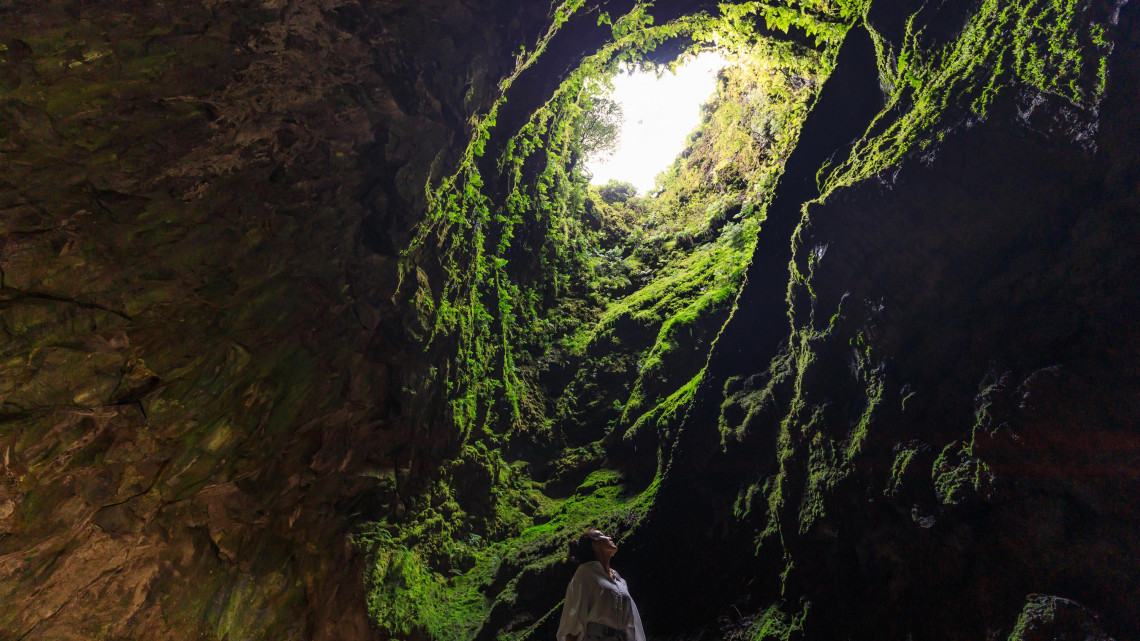
Algar do Carvão is a dormant lava chimney near the center of the island. You descend 90 steps through a basalt tunnel into a domed chamber 45 meters tall and 100 meters wide. The walls are coated in white silica; the stalactites hanging from the ceiling are among the largest of their type anywhere. At the bottom there is a small lake, fed by rainwater filtering through the volcanic rock above. The interior is 14°C year-round; bring a layer regardless of the season.
It is one of three volcanic chimneys in the world open to visitors, and the most visually unusual: the white silica interior is unlike the dark basalt of most volcanic landscapes. Entry is around €6; the site is open mid-April to mid-October, Tuesday through Sunday.
Five minutes by car, the Furnas do Enxofre geothermal field is free to visit year-round. A boardwalk loops through laurel and cryptomeria forest past active fumarolic vents, the ground orange from mineral deposits, sulfurous gas rising visibly on cooler mornings. Together, the two sites take about two hours.
3. The Tourada à Corda Is Found Nowhere Else
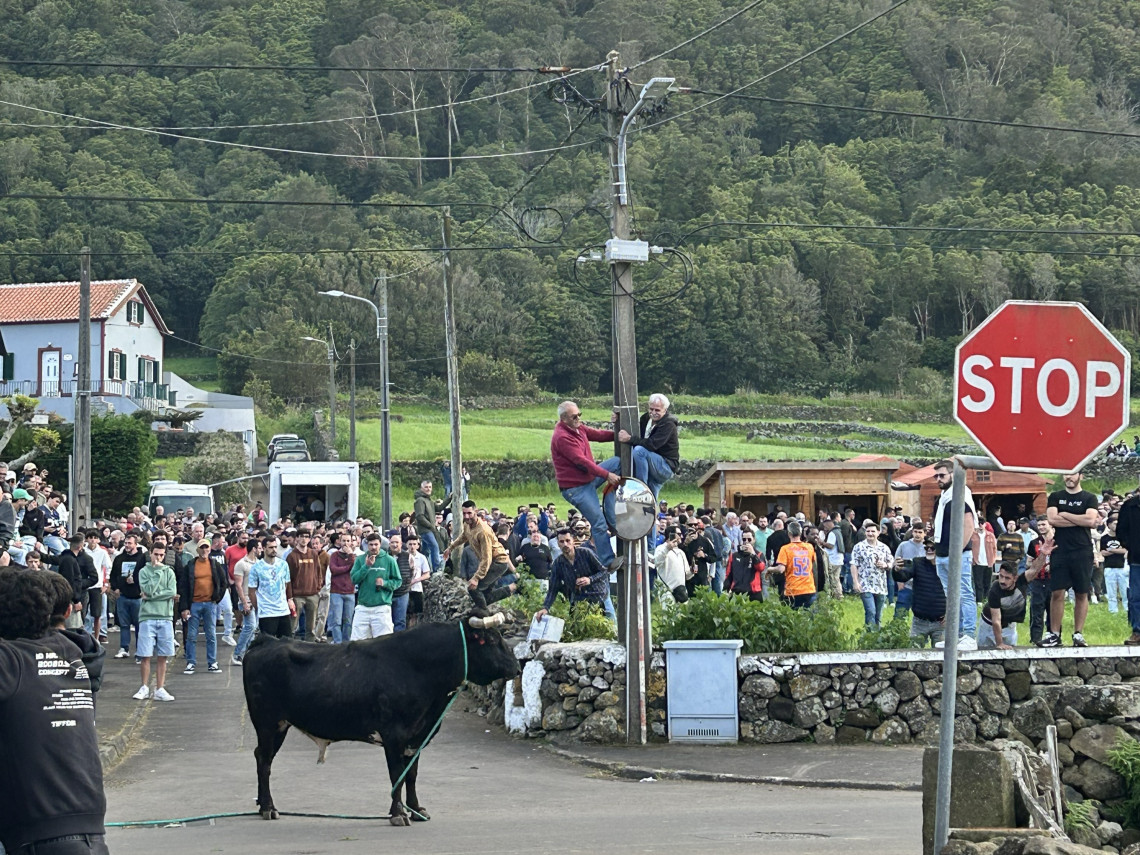
Terceira's traditional bullfighting is unlike anything the word suggests if your only reference point is the Iberian version. The bull is not harmed. It runs through the streets wearing a rope held by eight men called pastores, who control its movement while a matador works around it without weapons. The crowd stands in the street. When the bull charges, everyone scatters; the pastores sprint to hold the rope; the matador sidesteps. It is equal parts athletic and chaotic.
The tourada takes place from May to October, every Saturday and Sunday, rotating through parishes across the island. Entry is free. Parades and traditional music precede each event. This tradition has been practiced on Terceira for over 500 years and does not exist in the same form anywhere else.
4. The Food Has Specific Things Worth Seeking Out
Alcatra is the dish Terceira is known for: beef slow-cooked in a clay pot with red wine, allspice, bay leaves, cloves, and lard, eaten over thick slices of bolo lêvedo bread. It is eaten at lunch, not dinner. The restaurant Ti Choa in Angra is the reference point for the Angra style; the Vila da Praia version is slightly different and worth trying if you are on the east side of the island.
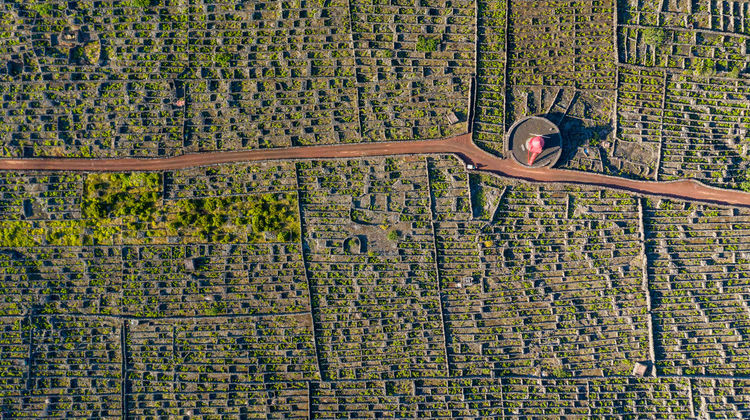
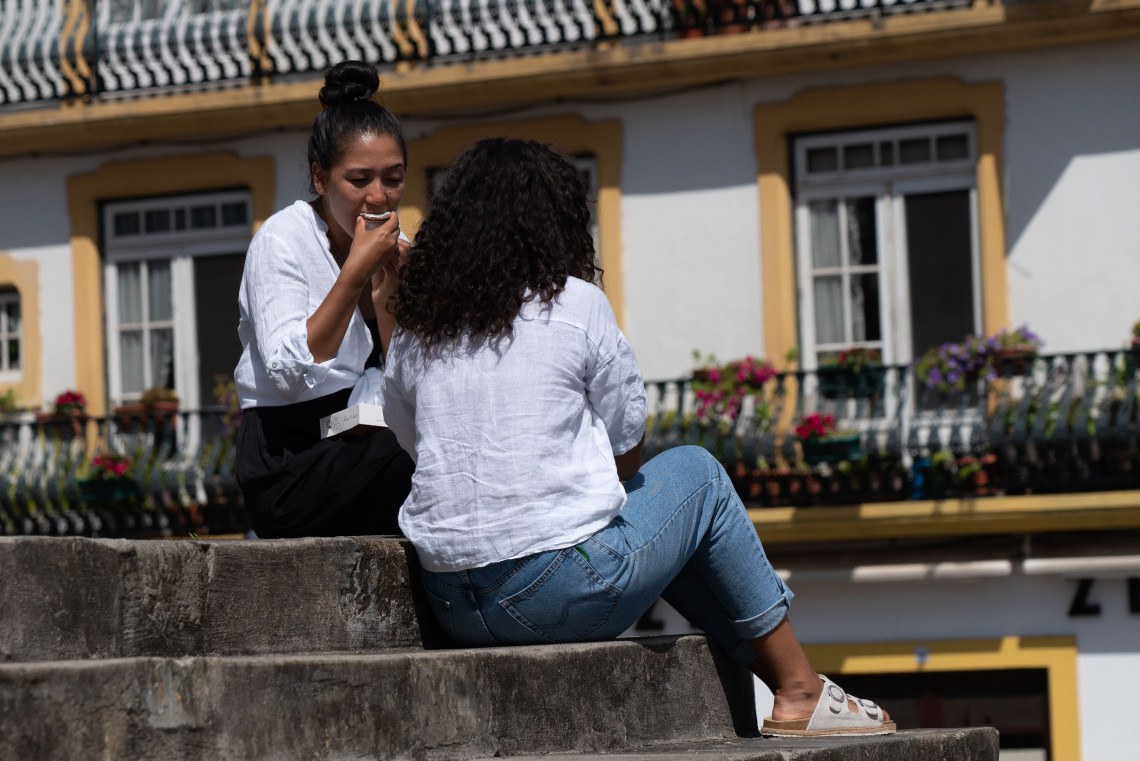
The queijada da Dona Amélia is the island's defining pastry, a small dense cake made to the same recipe since 1901, spiced with cinnamon and nutmeg, with a dark interior from molasses. Buy them fresh at O Forno in Angra. Biscoitos Verdelho is the local wine, a dry white grown in stone-walled vineyards by the sea on the north coast; it is specific to Terceira and difficult to find elsewhere. Order it with the queijadas.
BROWSE TERCEIRA PACKAGES
Vacation packages to Terceira with flights, rental car, and hotel in UNESCO Angra. Multi-island combinations also available.
Browse Terceira Packages →5. The Hiking Gets Overlooked
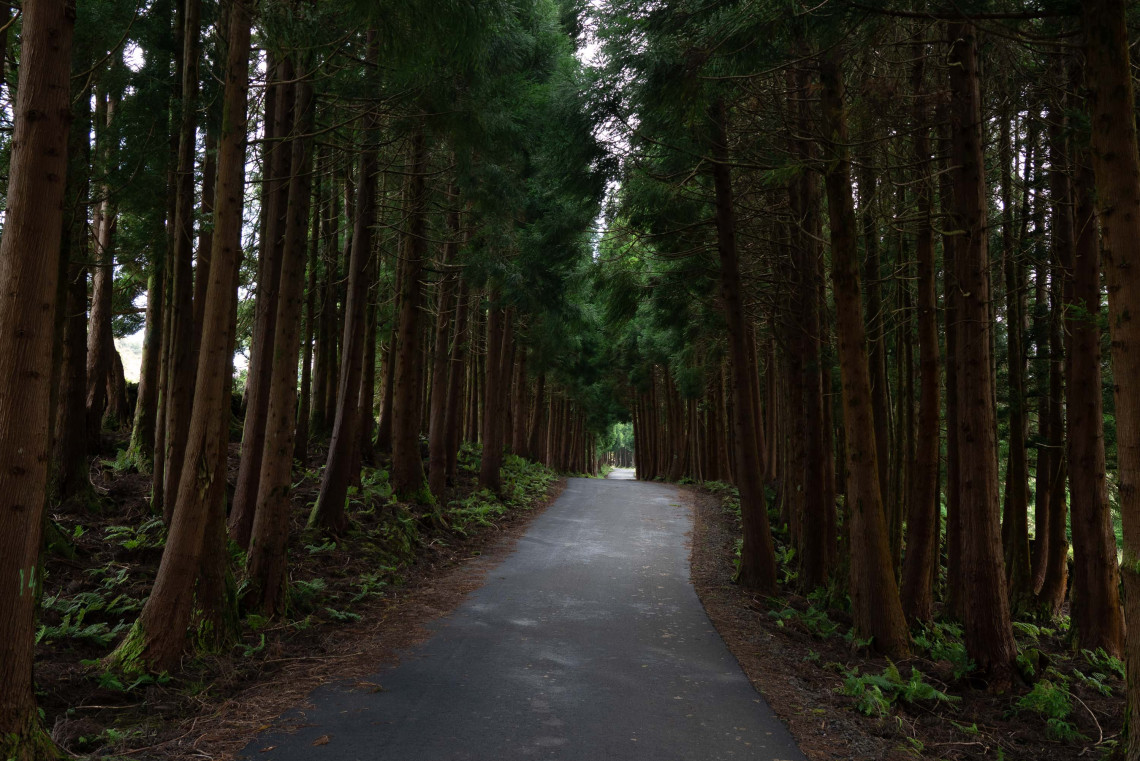
Terceira does not market itself as a hiking destination, which means its trails are almost always quiet. The Mistérios Negros circuit (4.5km, moderate, about 2 hours) crosses a raw black lava field in the Santa Bárbara Natural Park through cryptomeria forest; the contrast between the dark basalt and surrounding green makes it one of the more unusual landscapes on the island. Serra de Santa Bárbara (1,021 meters) is Terceira's highest point; the road to the summit passes through the dense caldera forest before opening onto moorland with views across the entire island on clear days.
The coastal area around Serreta has an informal viewpoint over the northern cliffs that is not well-signposted but easy to reach by car and rarely visited. A walk through the historic center of Angra itself, up to Monte Brasil and back down to the waterfront, takes two to three hours and covers the city better than any tour.
6. It Gets Fewer Visitors Than São Miguel
São Miguel handles the majority of Azores tourism. Terceira receives a fraction of those numbers despite comparable infrastructure: its own international airport, a well-developed city, enough restaurants and hotels for a four to five-night stay without running out of things to do. The difference in visitor density is real and noticeable, particularly from June through August.
The Festas do Espírito Santo, a series of parish processions and communal meals that runs from May through August, fills certain weekends with local activity. These are neighborhood celebrations, not staged tourist events. The alcatra served at the parish feasts is often better than anything in a restaurant, and the atmosphere is not manufactured for visitors.
7. Getting There Is Simpler Than It Looks
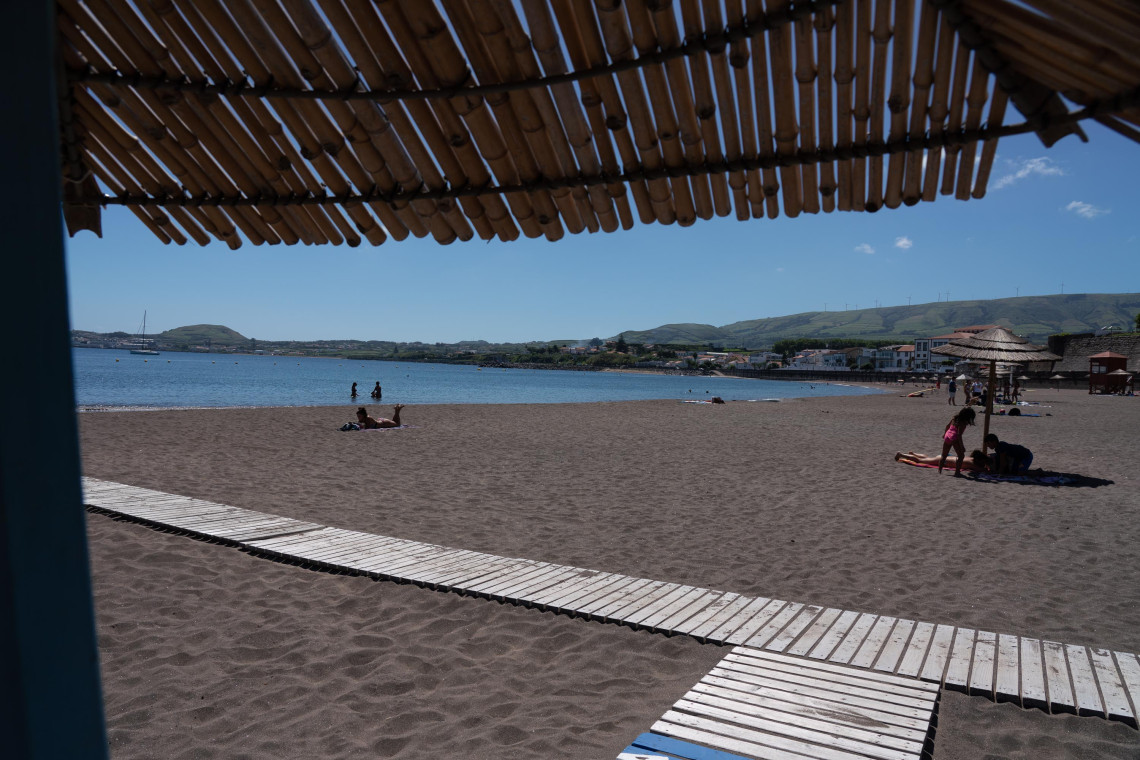
Terceira's Lajes airport has direct flights from Lisbon (under 2 hours), Porto, and several other European cities seasonally. It is 15 minutes from Angra do Heroísmo by car. The island is also easily combined with São Miguel: SATA inter-island flights connect the two in about 45 minutes, and many itineraries split four or five nights between the two islands.
Most visitors who go to Terceira stay at least four nights. Three nights covers the main sites with little slack; four gives you a proper day in Angra, a day for the volcanic interior, and time for the tourada and the slower parts of the island.
✨ PREFER A CUSTOM TRIP?
Our travel advisors can build a Terceira itinerary around your dates and interests, with hotels, activities, and transport arranged in advance.
Plan a Tailor Made Trip →Keep reading
Frequently Asked Questions
Is Terceira Island worth visiting?
Yes, particularly if you want something different from São Miguel. Terceira has a UNESCO World Heritage city, active volcanic sites including one you can walk inside, a unique bullfighting tradition specific to the island, and significantly fewer tourists than the Azores' main hub. It is a more self-contained experience than the Azores' more popular islands and rewards visitors who stay at least four nights.
How many days do you need on Terceira Island?
Four nights is the practical minimum for covering Angra do Heroísmo, the volcanic interior (Algar do Carvão, Gruta do Natal, Furnas do Enxofre), and at least one tourada if you are visiting between May and October. Three nights is enough to see the highlights but leaves little room for slower exploration. Five or six nights makes sense if you want to hike, visit the north coast, and spend more time in Angra.
What is Terceira Island known for?
Three things primarily: Angra do Heroísmo (the only UNESCO World Heritage city in the Azores), the volcanic sites in the island's interior (especially Algar do Carvão, one of only three walkable volcanic chimneys in the world), and the tourada à corda (a form of traditional bullfighting specific to Terceira, practiced since the 15th century). The island is also known for alcatra, its beef stew dish, and for the Biscoitos Verdelho wine.
When is the best time to visit Terceira Island?
May through October gives you the warmest weather, Algar do Carvão open, and the tourada running every weekend. June through August is peak season but less crowded than São Miguel. The Festas do Espírito Santo, a series of parish processions and communal feasts, runs from May through August and is one of the more authentic experiences available to visitors. November through March is quieter, wetter, and Algar do Carvão is closed, but Angra, Furnas do Enxofre, and the hiking trails are all accessible year-round.
How do you get to Terceira Island?
Terceira's Lajes airport has direct flights from Lisbon (under 2 hours), Porto, and several European cities seasonally. SATA also operates inter-island flights connecting Terceira to São Miguel (about 45 minutes), which makes a two-island itinerary straightforward. From the airport, Angra do Heroísmo is 15 minutes by car; car rental is recommended as public transport on the island is limited.
.jpg "Jeep tour through Cumeeiras, Sete Cidades, São Miguel Island")
.jpg "Sete Cidades Caldera Lakes in São Miguel Island, Azores")