14 September 2026 • 12 min read
São Miguel is a 65-kilometer island with a volcanic lake in the west, fumaroles in the east, two tea plantations and a surf beach on the north coast, and a capital city at the south-center. You need a car and at least five days to cover it properly.
Best for first-timers: Sete Cidades (west), Furnas (east), Lagoa do Fogo (center) | Best for off-the-beaten-path: Nordeste coast (northeast) | Best base: Ponta Delgada (south)
The 30 places below cover every part of São Miguel, organized by area so you can plan each day as a geographic loop. The island's main sights split naturally into six zones: the volcanic west around Sete Cidades, the volcanic interior, the north coast tea country, the northeast region of Nordeste, Furnas Valley in the east, and Ponta Delgada itself.
West: Sete Cidades and the Volcanic West
The western tip of São Miguel is dominated by the Sete Cidades caldera, a volcanic crater roughly 12 kilometers wide that holds a network of interconnected lakes. This is the part of the island most people come to see first, and most people underestimate how much time it takes to cover it properly. A half day is the minimum; a full day allows for the viewpoints, the village, the waterfalls, and Ponta da Ferraria.
1. Sete Cidades Lakes
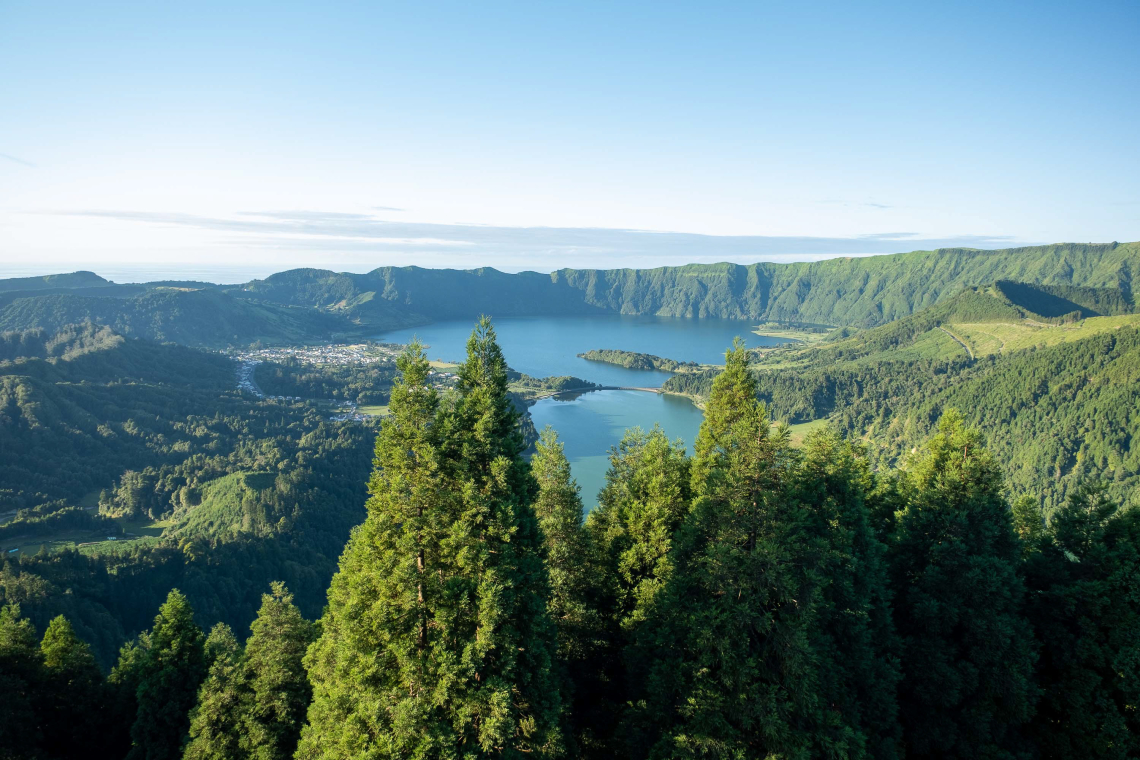
The twin lakes inside the caldera, Lagoa Azul (blue) and Lagoa Verde (green), are the most photographed sight in the Azores. The color difference comes from the angle of light reflecting off different depths rather than any chemical variation. The caldera rim sits at around 800 meters; the village inside sits at lake level. Most visitors see the lakes from the viewpoints above and never descend, but driving into the village adds a different perspective entirely.
2. Vista do Rei Viewpoint
The most commanding viewpoint over the Sete Cidades caldera, situated on the crater rim. On a clear day you see both lakes, the village below, the Atlantic beyond the western cliffs, and the ridge lines running north and south. Vista do Rei is the shot that defines São Miguel internationally. It is accessible by a short walk from a parking area and has a café on site. Morning light is better than afternoon; clouds often roll in from the west by midday.
3. Grota do Inferno Viewpoint
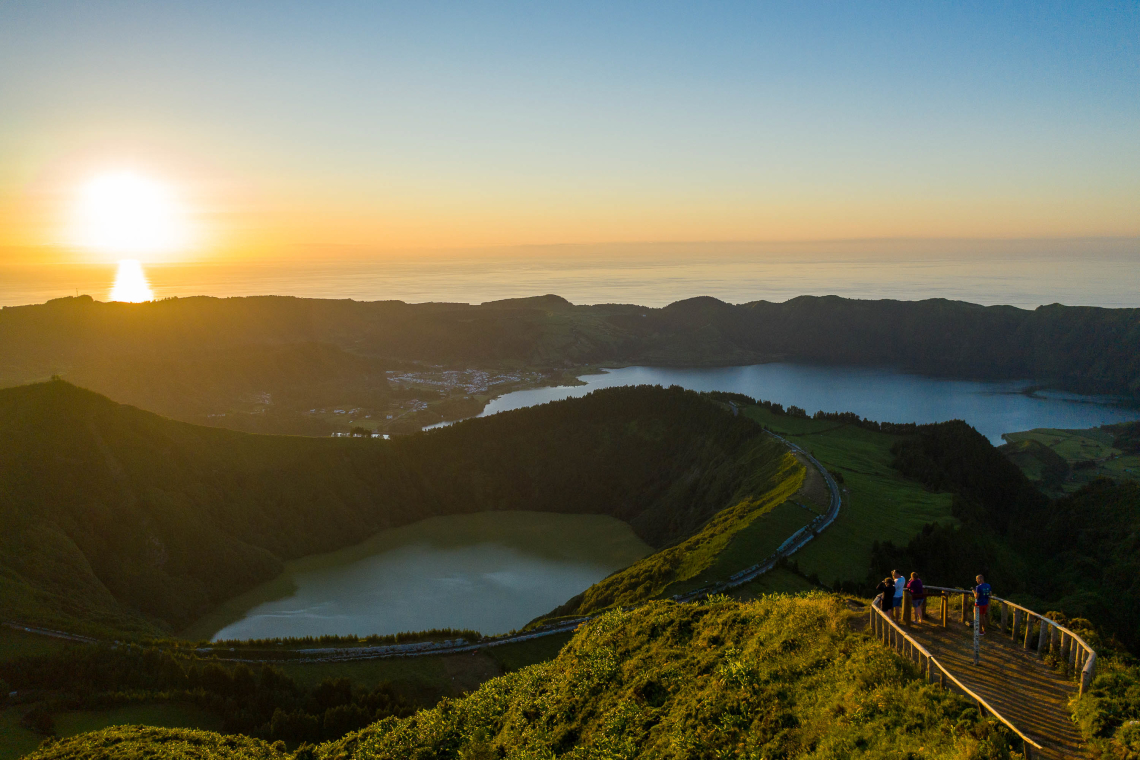
A second caldera-rim viewpoint, less visited than Vista do Rei and with a different orientation. From here you look down directly at Lagoa do Canário and can see the broader relationship between the crater's various lakes. The surrounding walking trails connect to the Lagoa do Canário path below.
4. Lagoa do Canário
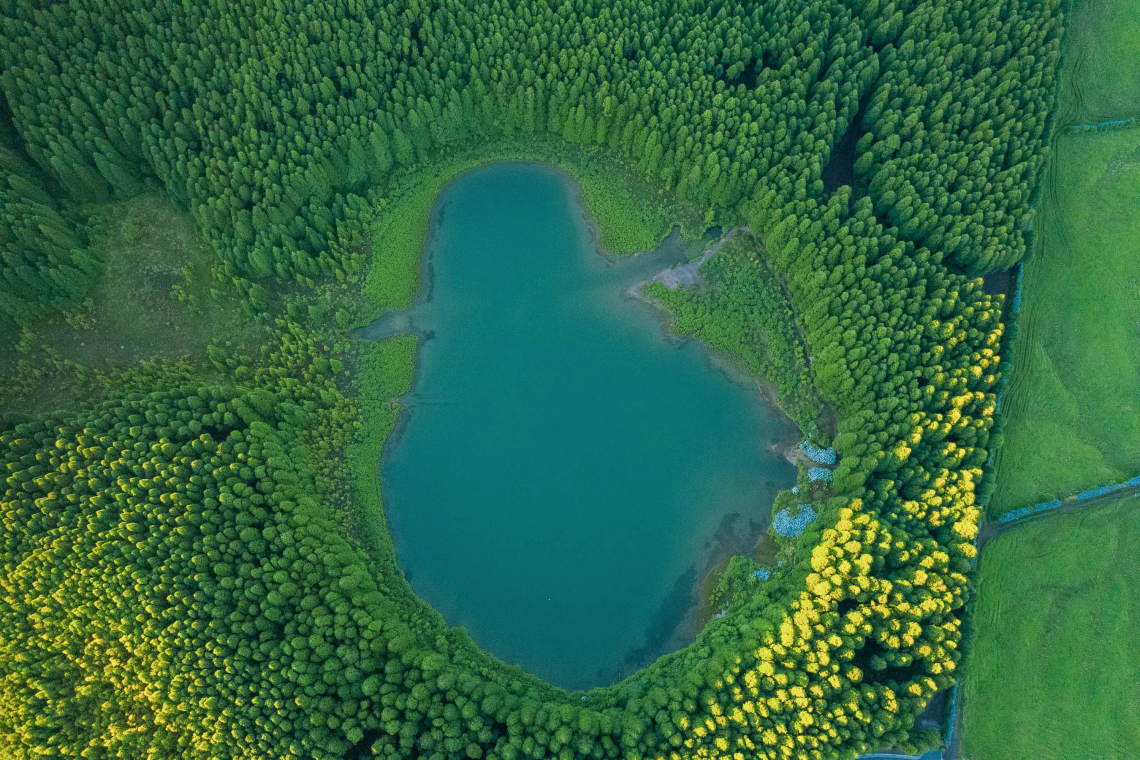
A smaller lake inside the Sete Cidades park, shaped roughly like the Snapchat logo (a comparison in every guidebook, but accurate). It sits below the Boca do Inferno viewpoint and is accessible by a trail through eucalyptus forest. Less visited than the main twin lakes and correspondingly quieter.
5. Estrada das Hortênsias (Road of Hydrangeas)
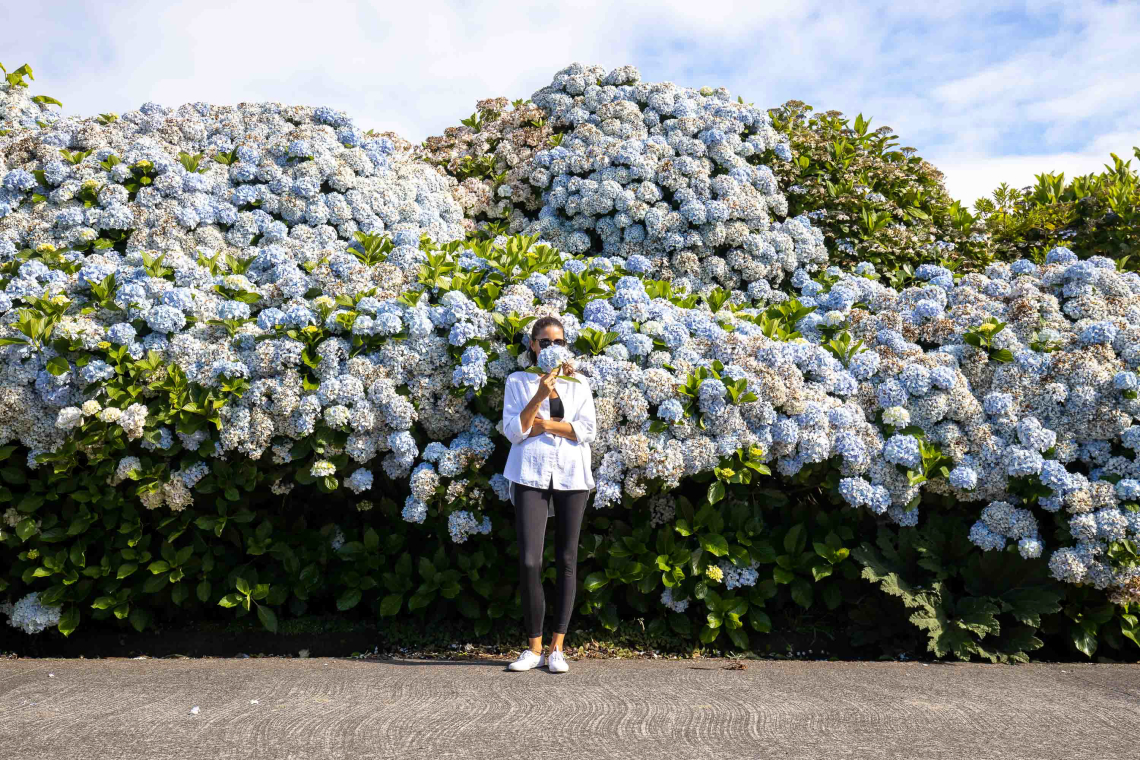
The descent from the caldera rim into Sete Cidades village runs between walls of hydrangeas that bloom blue and purple from June through September. This is the most photographed road in the Azores, and for good reason: in full bloom the effect is extreme. Outside the bloom season (October through May) it is an ordinary forested descent. Pull over safely; the road is narrow.
6. Sete Cidades Village
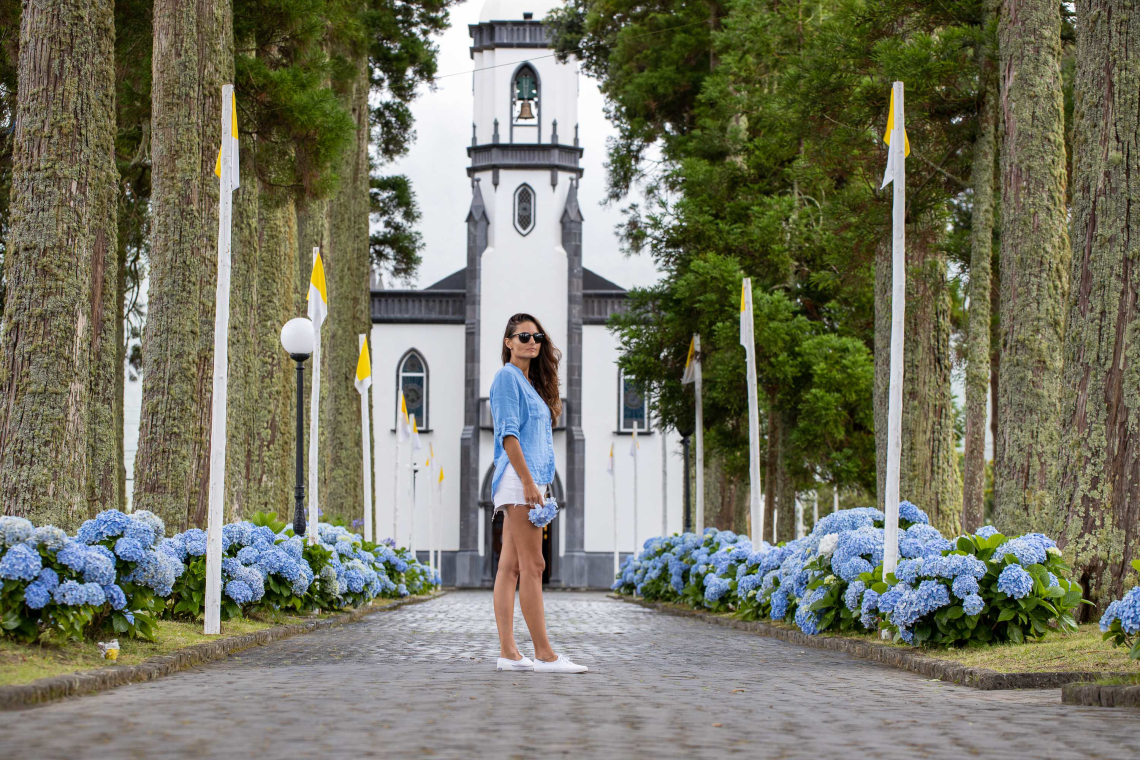
The small village at lake level inside the caldera has a population of a few hundred people, a church (Igreja de São Nicolau), a few cafés, and views back up to the crater rim that are completely different from the views looking down. It is a working village, not a tourist attraction, but worth the descent for the change of perspective.
7. Mosteiros Beach
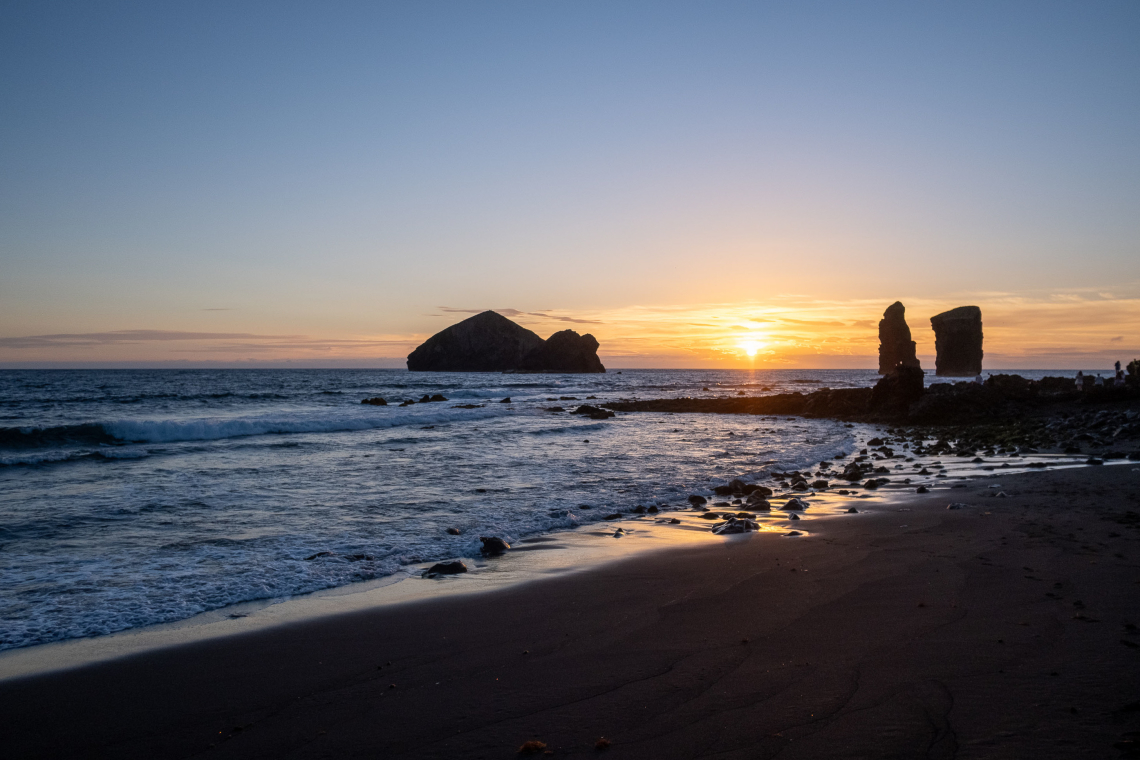
The black sand beach on the westernmost coast of São Miguel, backed by lava rock stacks and sea stacks that catch the Atlantic sunset in a way nothing else on the island does. Swimming conditions depend entirely on swell; the beach is exposed and can have significant wave action. The village of Mosteiros itself is small, with a handful of restaurants. Arrive by 6 pm in summer for the best sunset light.
8. Ponta da Ferraria
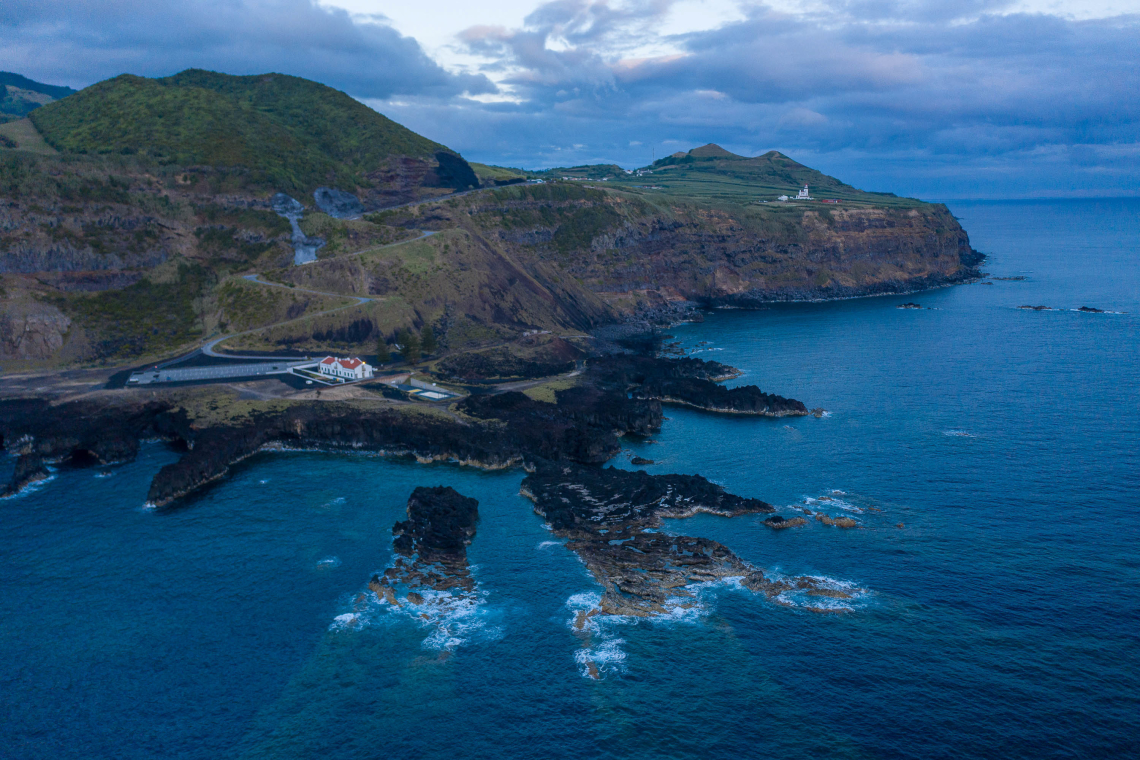
A natural hot spring on the southwest coast, where volcanic water vents heat a tidal pool carved into black lava rock at the ocean's edge. Unlike the inland thermal pools, the temperature at Ferraria changes with the tide: at low tide the volcanic water concentrates and the pool is noticeably warm; at high tide the Atlantic cooler the pool significantly. Check tide times before going. The setting, with dramatic cliffs and open ocean views, is unlike any other thermal bath on the island.
Center: The Volcanic Interior
The interior of São Miguel is the oldest part of the island geologically and the most rugged. The main road across the center passes close to Lagoa do Fogo, and the thermal park at Caldeira Velha is accessible just off this route. This zone is usually done as a drive-through between Ponta Delgada and the north coast.
9. Lagoa do Fogo
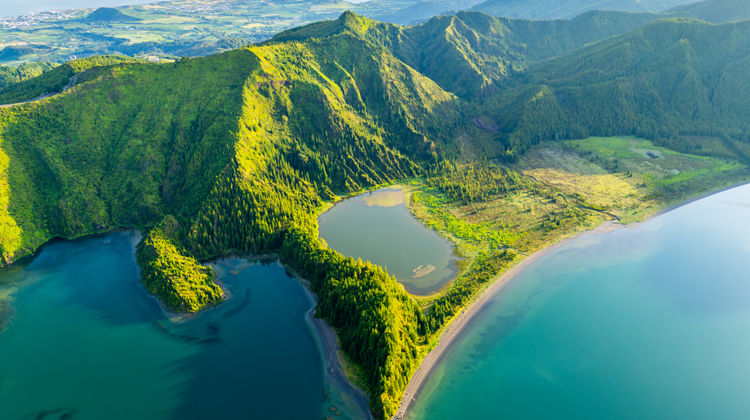
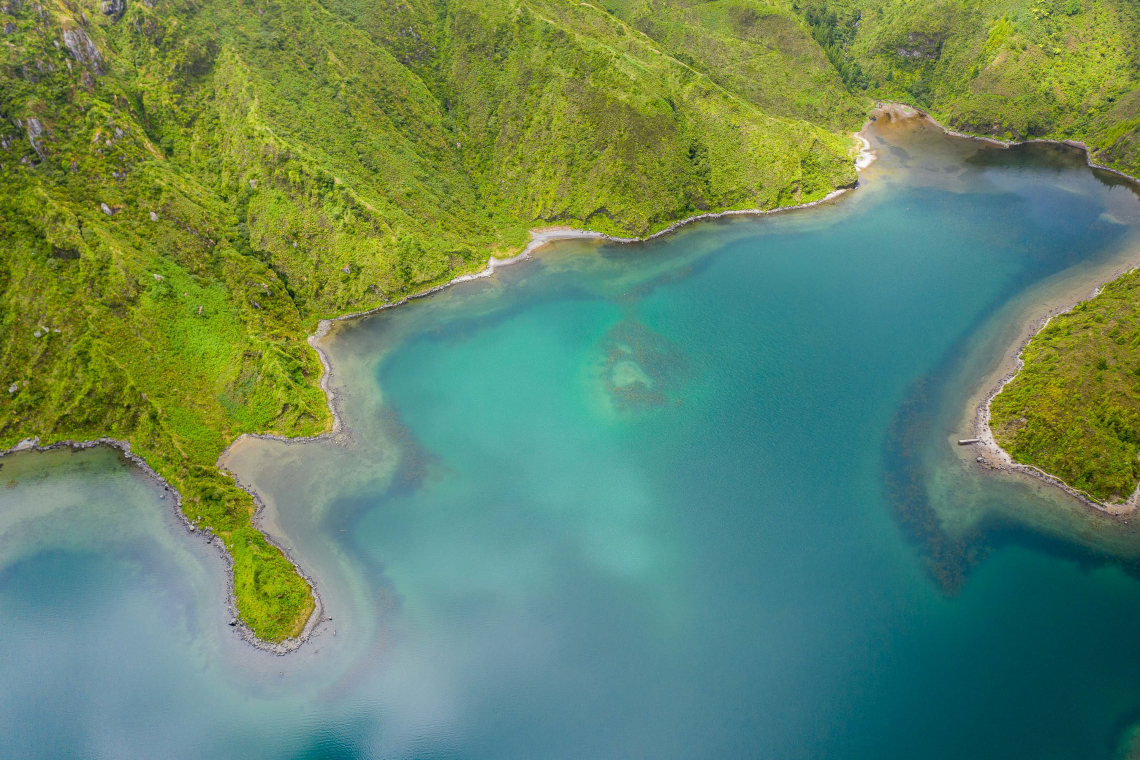
A crater lake at 590 meters altitude in the center of the island, protected as a nature reserve. Access is by a winding road with viewpoints before the descent, or by a 7-kilometer return trail from the south. The lake is surrounded by white sand beaches, which are unusual in the Azores. Swimming is permitted but cold; the area is often in cloud even when the coasts are clear. The viewpoint from the south side, before the descent, is one of the better panoramic views on the island.
10. Caldeira Velha
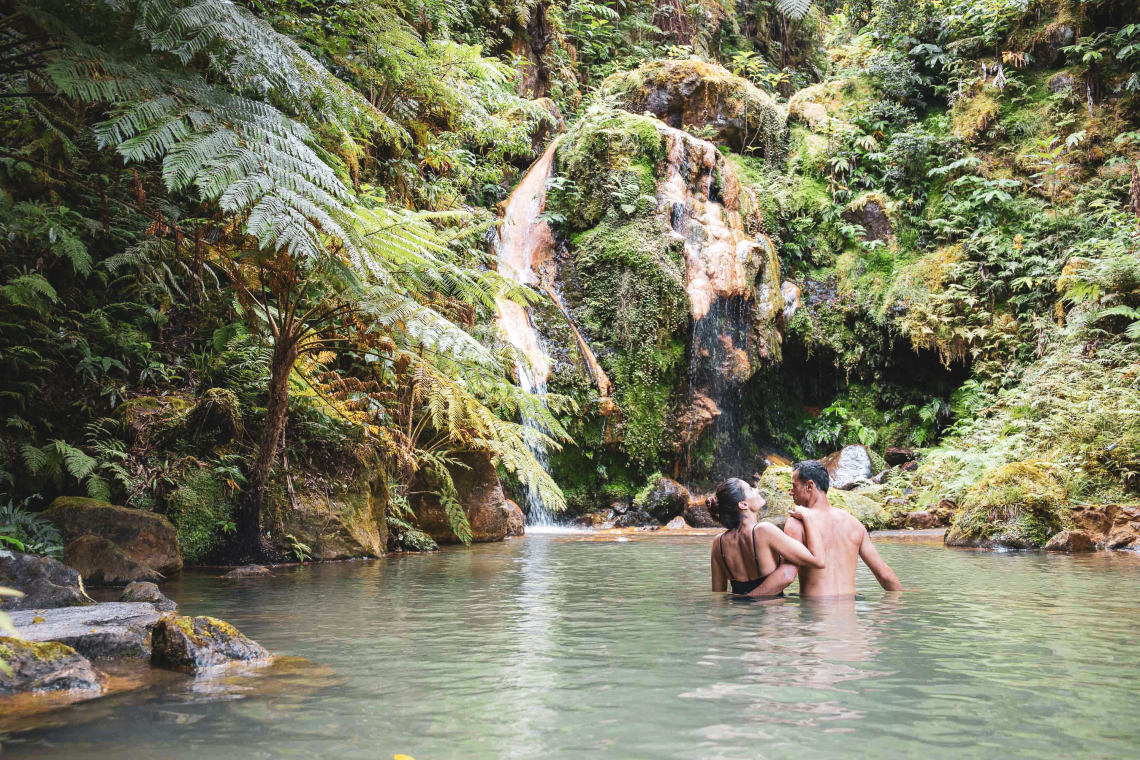
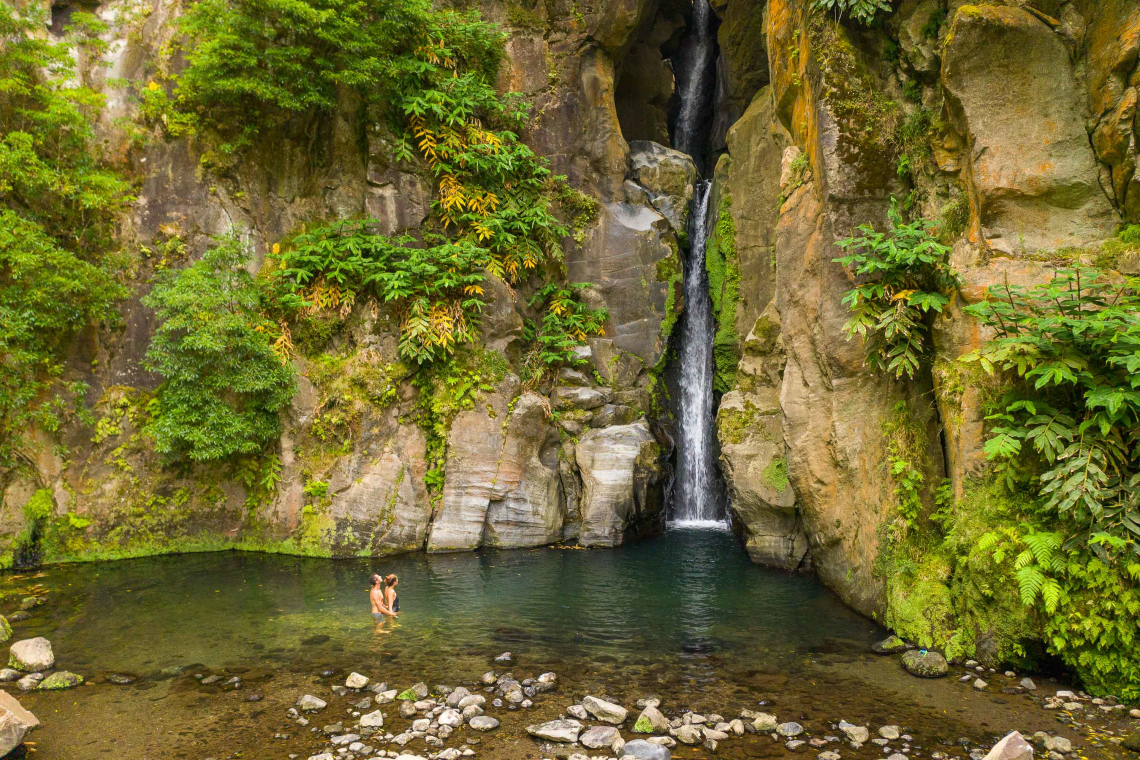
A thermal park halfway between Lagoa do Fogo and Ribeira Grande, set in a steep ravine of giant ferns and laurisilva forest. The main feature is a waterfall feeding a warm pool (around 21°C), followed by smaller and hotter pools further below (up to 35°C). The combination of the prehistoric-looking vegetation and the thermal water makes this one of the most atmospheric bathing spots on the island. It has parking, changing rooms, and an entry fee.
11. Salto do Cabrito Waterfall
A waterfall in the hills above the Lagoa do Fogo area, accessible by trail. It is also used as a canyoning venue; if you encounter a group rappelling down the rock face, this is where you are.
North Coast: Tea Country
The north coast runs from Ribeira Grande in the west to Nordeste in the east, with the two tea plantations roughly in the middle. The coast is exposed to Atlantic swells, which is what makes Santa Bárbara beach a surf destination, and the landscape is visibly greener and wetter than the south coast.
12. Santa Bárbara Beach
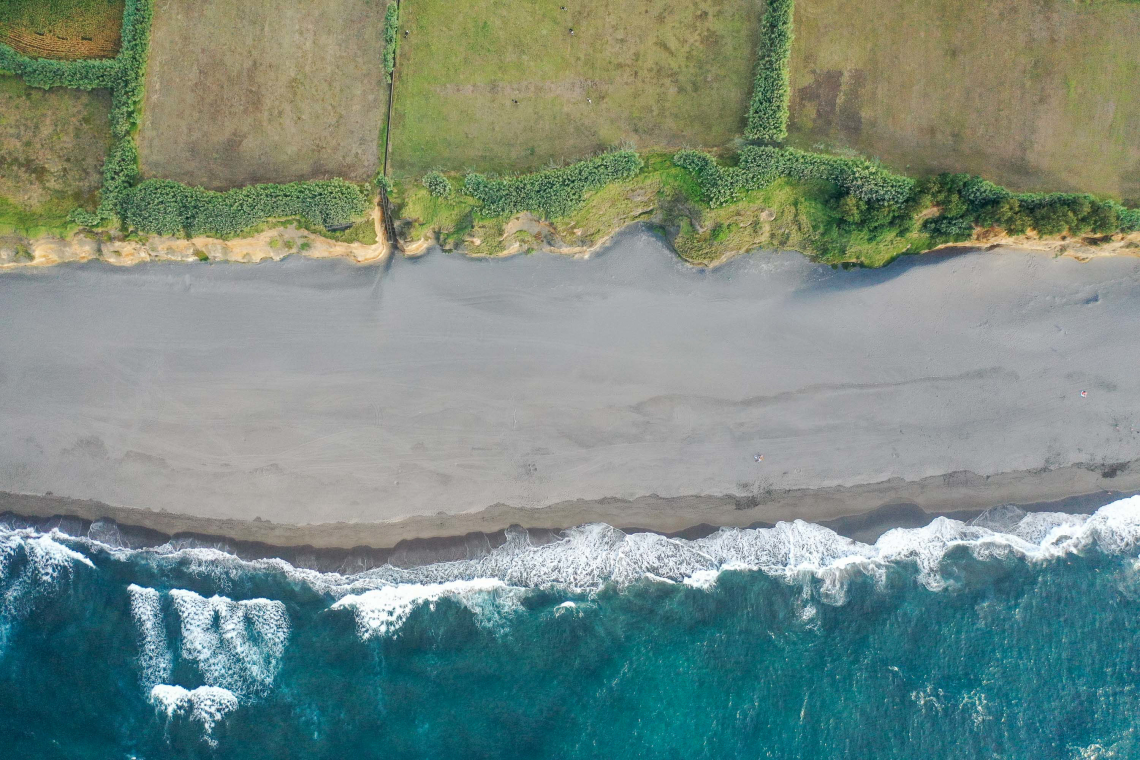
The best-known surf beach in the Azores, on the north coast above Ribeira Grande. It is a long, sandy beach with consistent Atlantic swells and a dedicated surf school and rental operation. For non-surfers, the beach is wide and relatively uncrowded compared to the calmer south coast beaches. The Santa Bárbara Eco-Beach Resort is at the far western end of the beach and has a restaurant and bar accessible without a hotel reservation.
13. Gorreana Tea Plantations
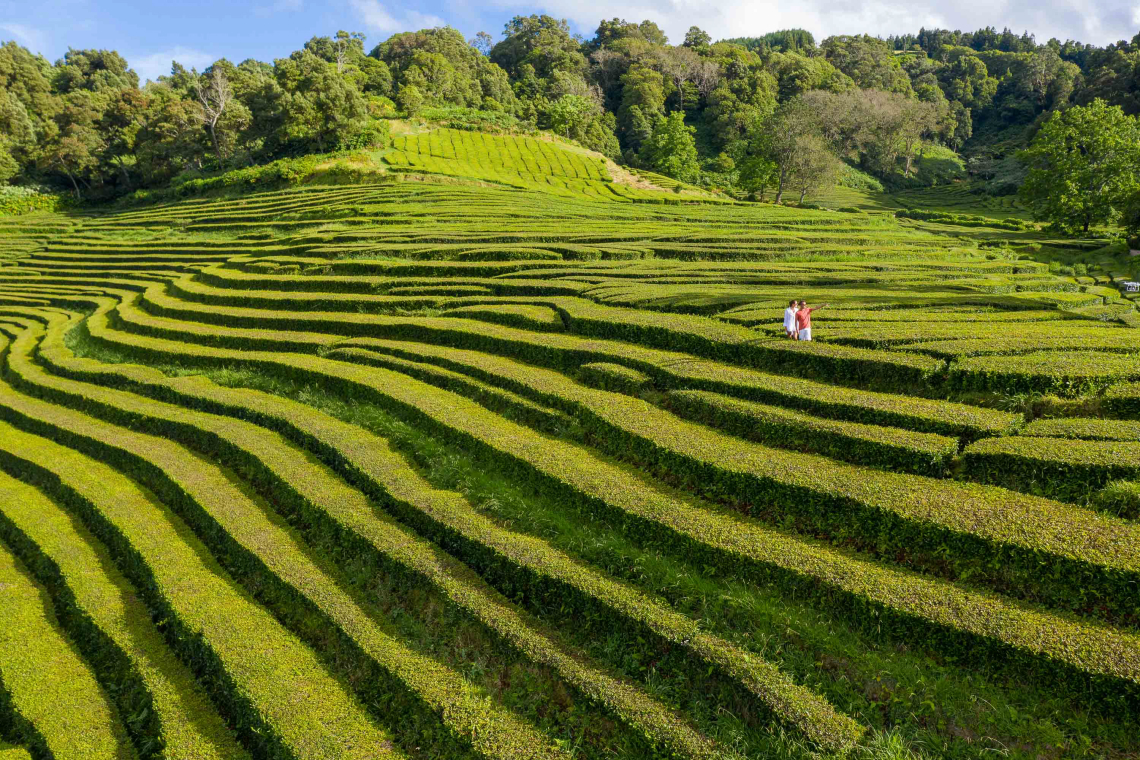
Europe's only working tea plantation, established in 1883 and still run by the same family. The plantation produces organic black and green teas entirely by hand. Visits are free: you walk the tea fields, watch the factory operation (the machinery is original and still running), and try the teas in the tasting room. There is no ticketing or booking required. Allow 45 minutes to an hour.
14. Porto Formoso Tea Plantations
A smaller plantation 3 kilometers west of Gorreana, also open to visitors at no charge. The setting is a working private estate with the factory and grounds open during operating hours. The tea room has panoramic views over the plantations toward the coast. Worth visiting if you are already at Gorreana; the two combined make for a complete morning on the north coast.
Northeast: Nordeste
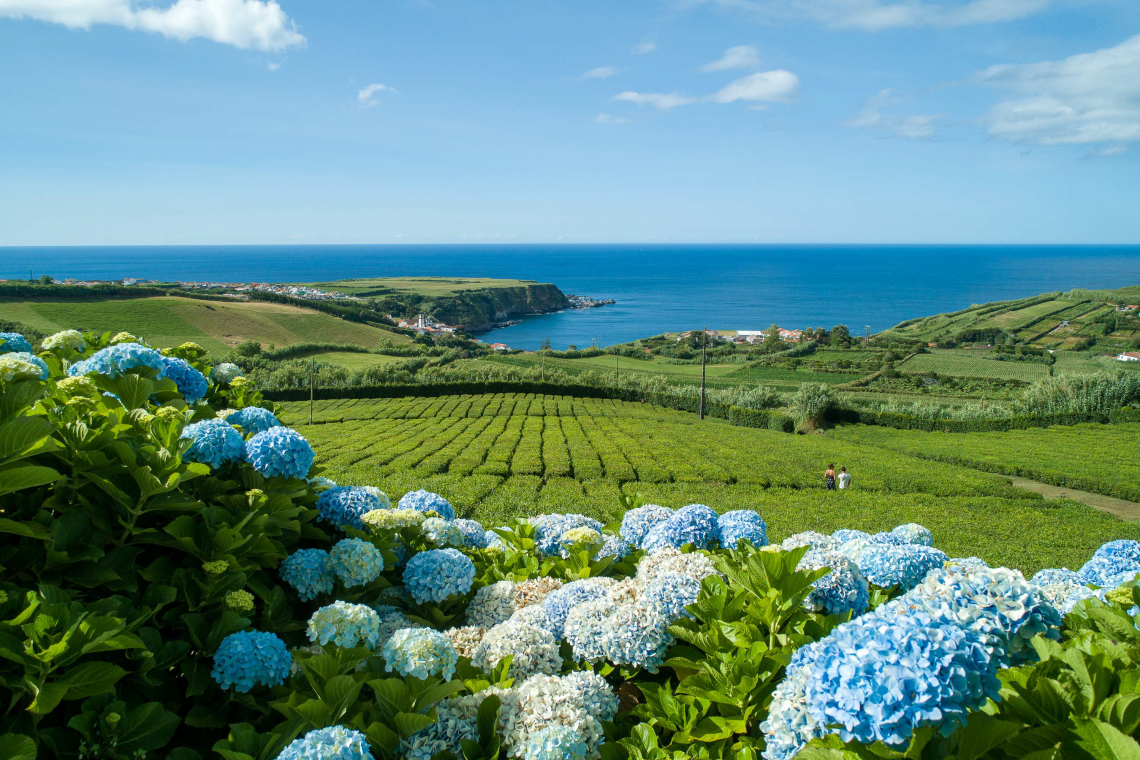
The Nordeste region occupies the northeastern corner of São Miguel and is the least visited and most underrated part of the island. The road from the tea plantations east to Nordeste follows the coast through a series of viewpoints, small villages, and valleys. The landscape here is different from the west: older volcanic geology, more dramatic coastal cliffs, and a greener, wetter feel. Budget half a day minimum.
15. Santa Iria Viewpoint
A coastal viewpoint above the north shore between the tea plantations and Nordeste. The views over the Atlantic are unobstructed and the coastline drops steeply below. One of the more reliably clear viewpoints on the north coast.
16. Ponta do Sossego Viewpoint
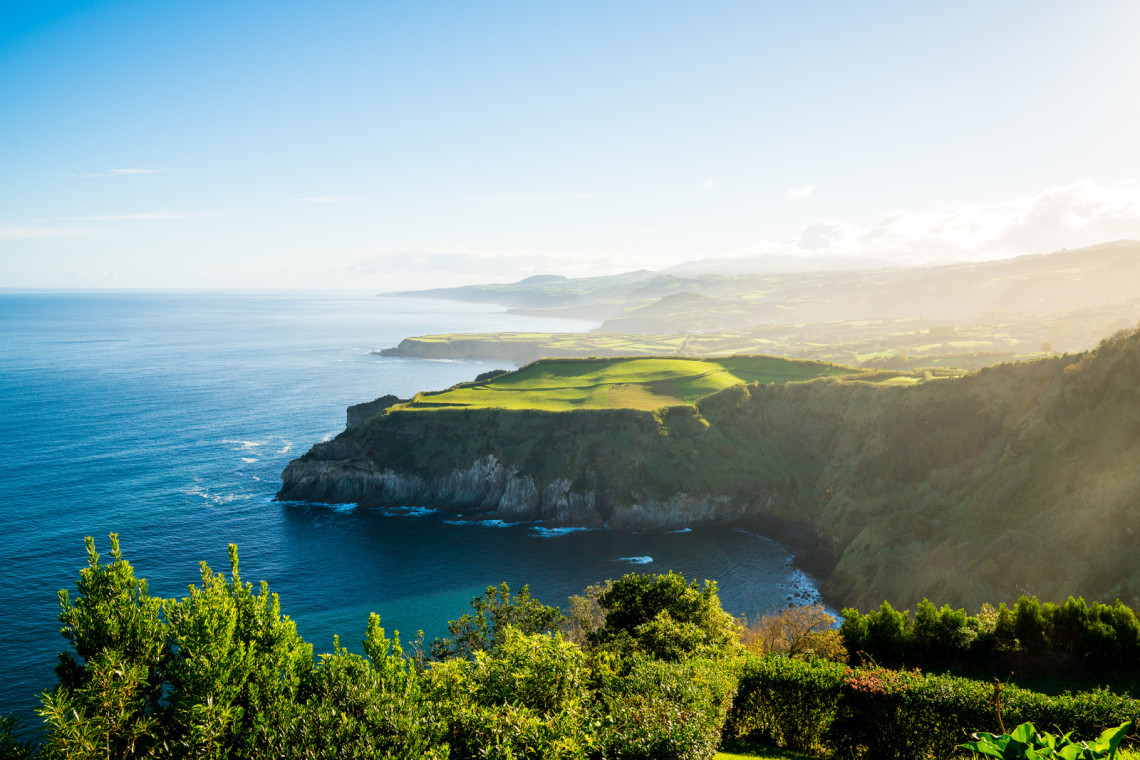
A garden viewpoint on the eastern tip of the island, near Nordeste village, maintained as a public park with manicured hedges and hydrangea borders framing the ocean view. The name means "peaceful" in Portuguese, which is an accurate description: it is one of the quieter sights on the island. Worth the drive east specifically.
17. Arnel Lighthouse
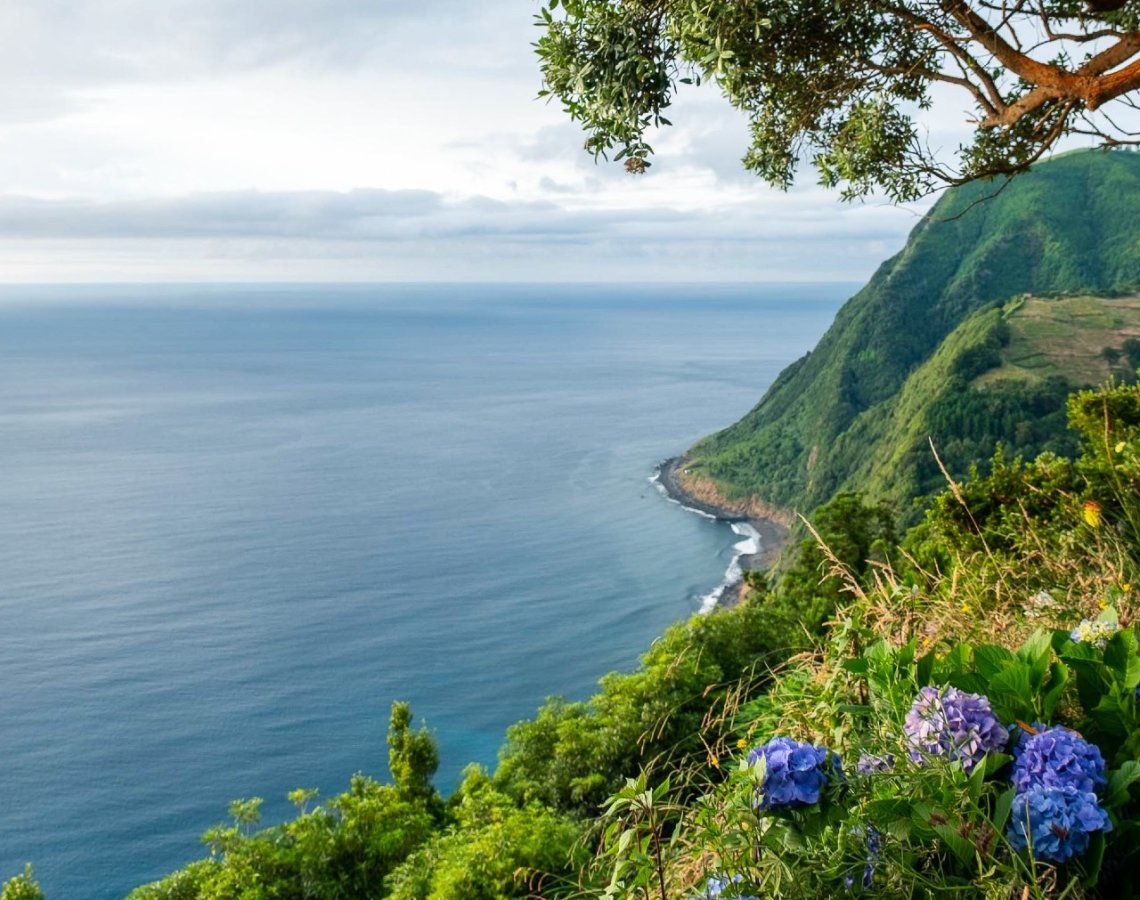
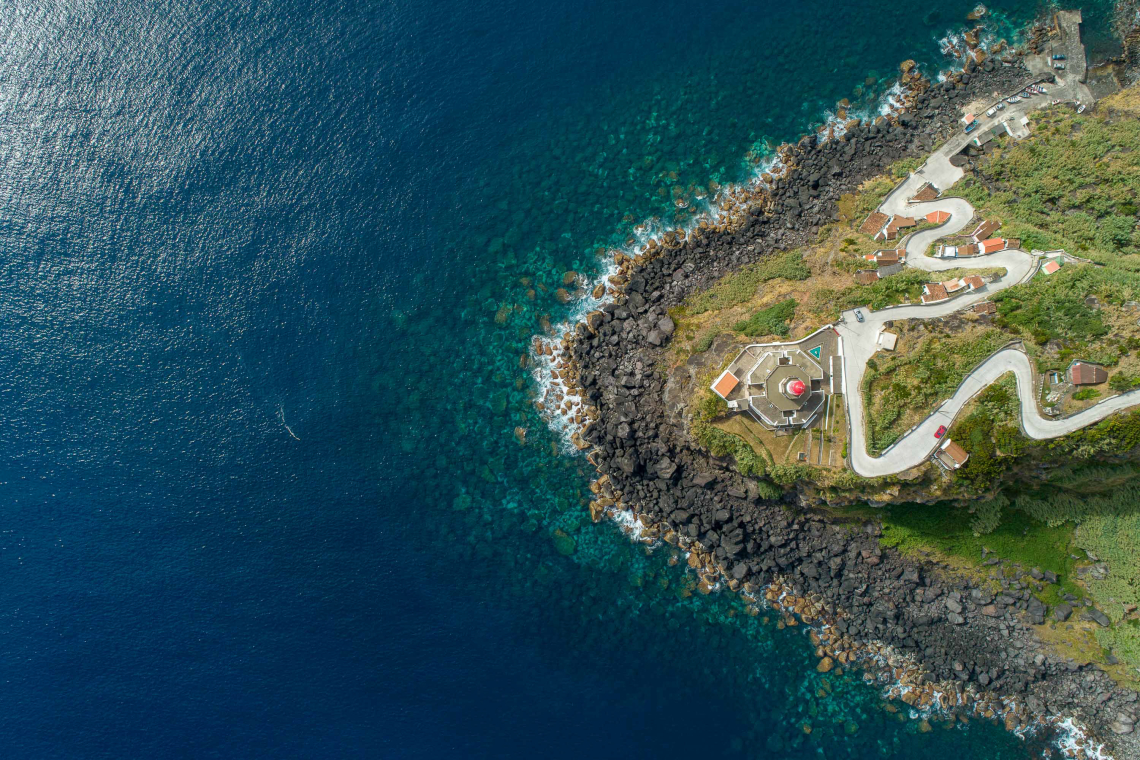
The oldest lighthouse in the Azores, located on the extreme northeast tip of the island near Nordeste. Park at the top and walk the road down to the lighthouse on foot. The cliffs around it are dramatic and the lighthouse itself is photogenic. The walk is approximately 20 minutes each way.
18. Poço Azul
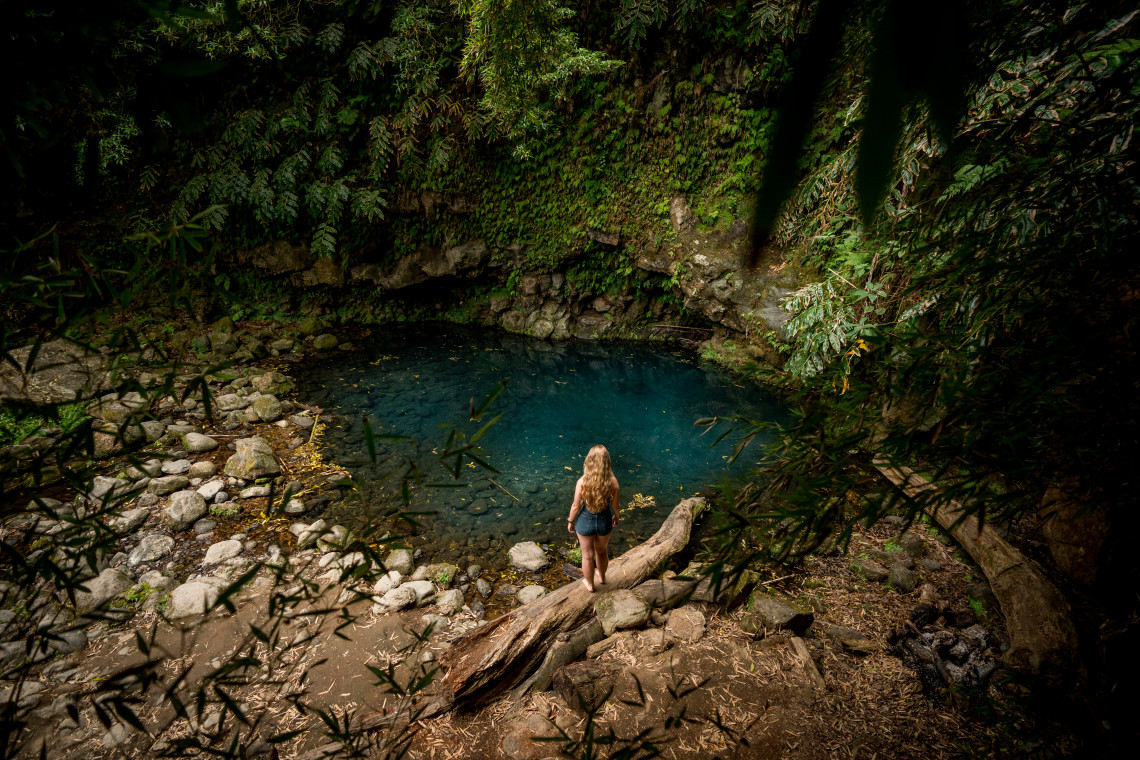
A natural pool of unusually blue water in the Nordeste hills, accessible by a short hiking trail. The source of the blue color is unclear and attributed to mineral content or light refraction depending on whom you ask. It is small, quiet, and genuinely striking.
19. Ribeira dos Caldeirões Natural Park
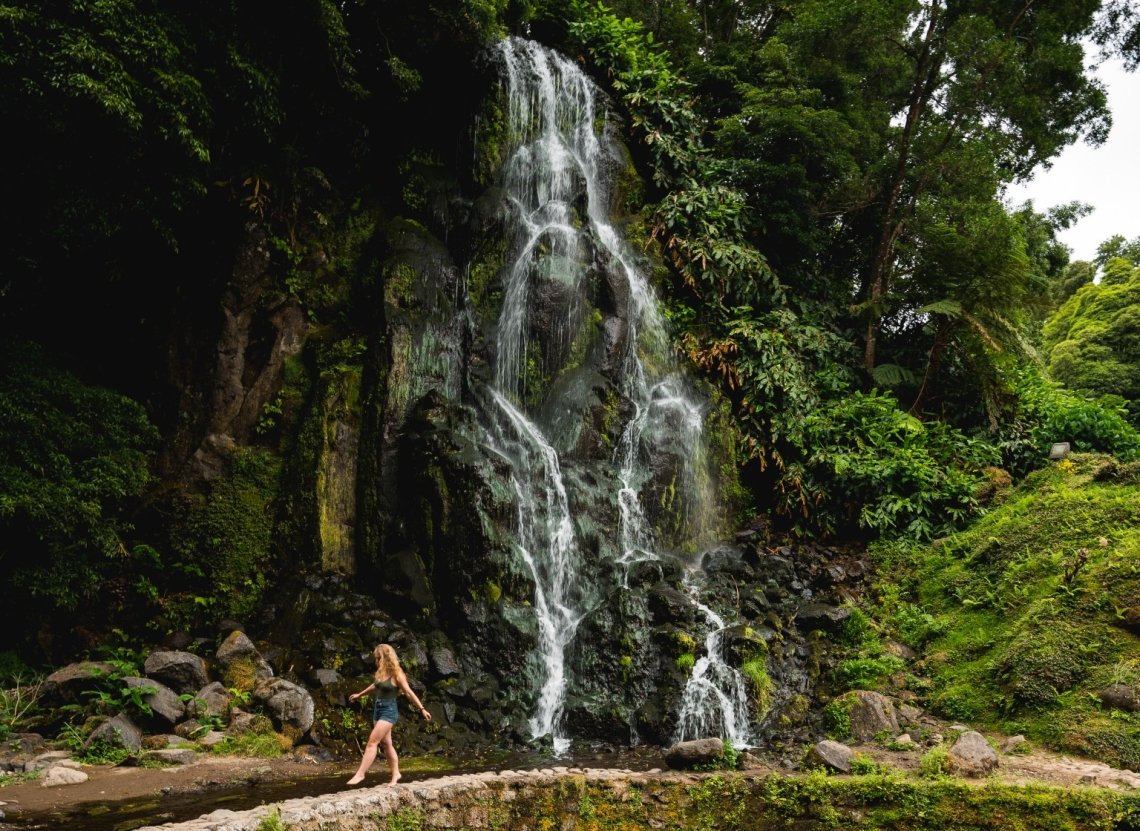
A natural park near Achada das Furnas in Nordeste, centered on a series of waterfalls with a wooden walkway that brings you within meters of the main fall without getting soaked. The park also has old water mills and a canyoning access point. One of the better-maintained natural areas in the northeast.
South Coast: Vila Franca do Campo
Vila Franca do Campo is the oldest city on São Miguel, about 20 kilometers east of Ponta Delgada along the south coast. The town itself is pleasant but the main draw is the islet just offshore.
20. Vila Franca do Campo Islet
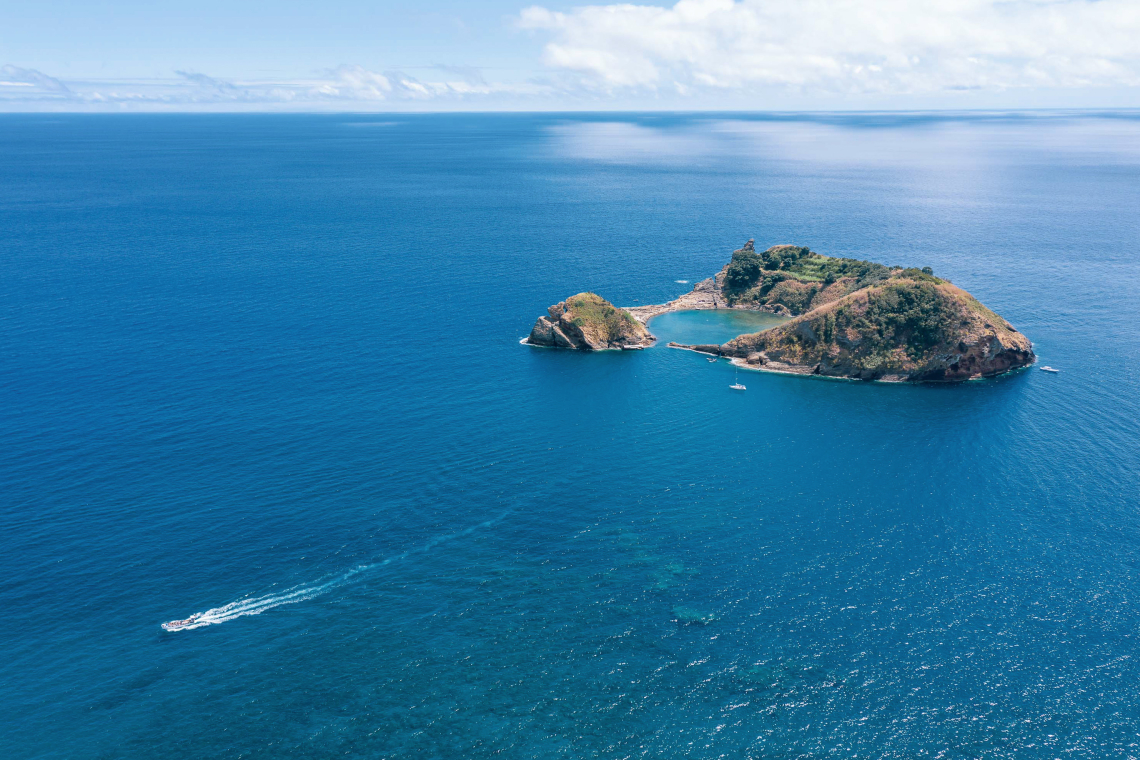
A nature reserve 1 kilometer offshore, accessible by boat from the Vila Franca do Campo pier. The islet's interior is a submerged volcanic crater that forms a natural circular lagoon, excellent for snorkeling. The reserve is open only during summer (June through September) and limits access to 400 visitors per day; arrive early or book in advance through authorized operators. The boat journey takes 10 minutes.
21. Nossa Senhora da Paz Viewpoint
A chapel-topped hill above Vila Franca do Campo with panoramic views over the south coast and the islet below. The ascent is a short walk from the town center. Good vantage point for understanding the relationship between the island and the offshore islet.

East: Furnas Valley
Furnas is a volcanic valley about 35 kilometers east of Ponta Delgada, and it is the second most visited area on the island after Sete Cidades. The valley floor has thermal pools, fumaroles, a crater lake, and one dish, Cozido das Furnas, that is cooked underground by geothermal heat. A full day from Ponta Delgada covers everything here comfortably.
22. Furnas Lake
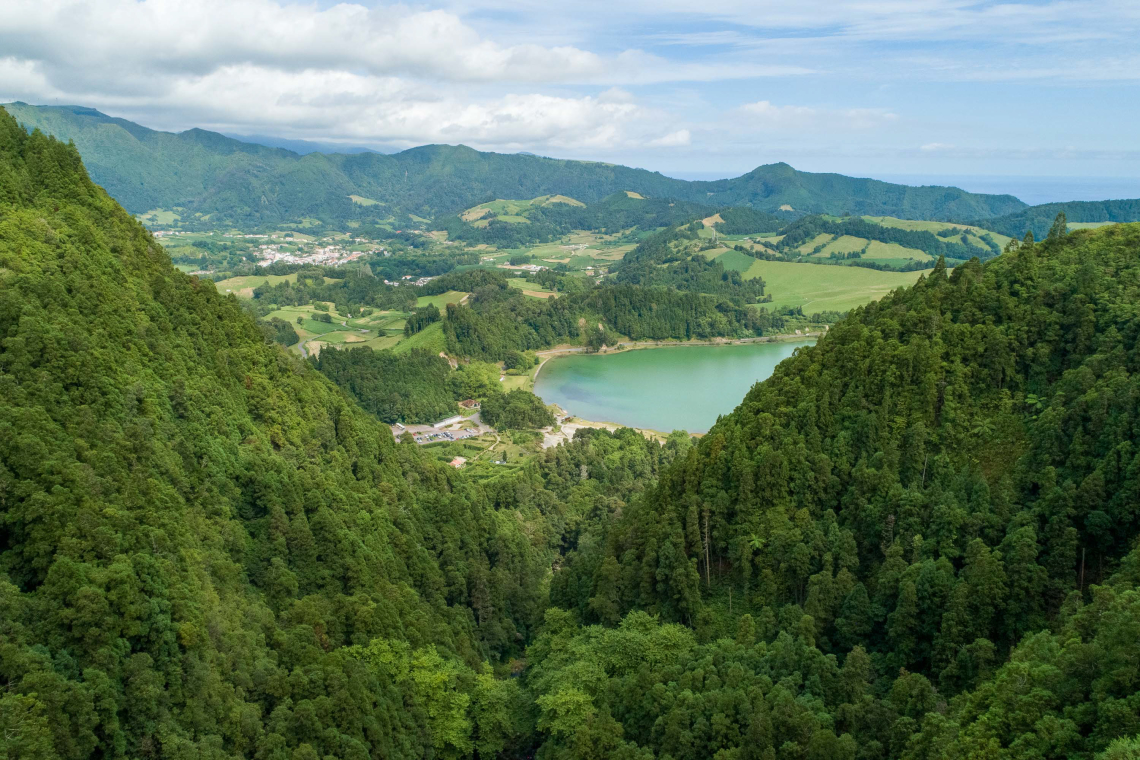
A crater lake at the eastern end of the Furnas caldera, surrounded by the Parque Terra Nostra botanical gardens on one side and volcanic caldeiras on the other. The most interesting feature of the lake is the cluster of fumaroles on the northwestern shore, where restaurant workers bury pots of Cozido for six hours of underground cooking. You can watch the retrieval process at around noon.
23. Furnas Caldeiras and Fumaroles
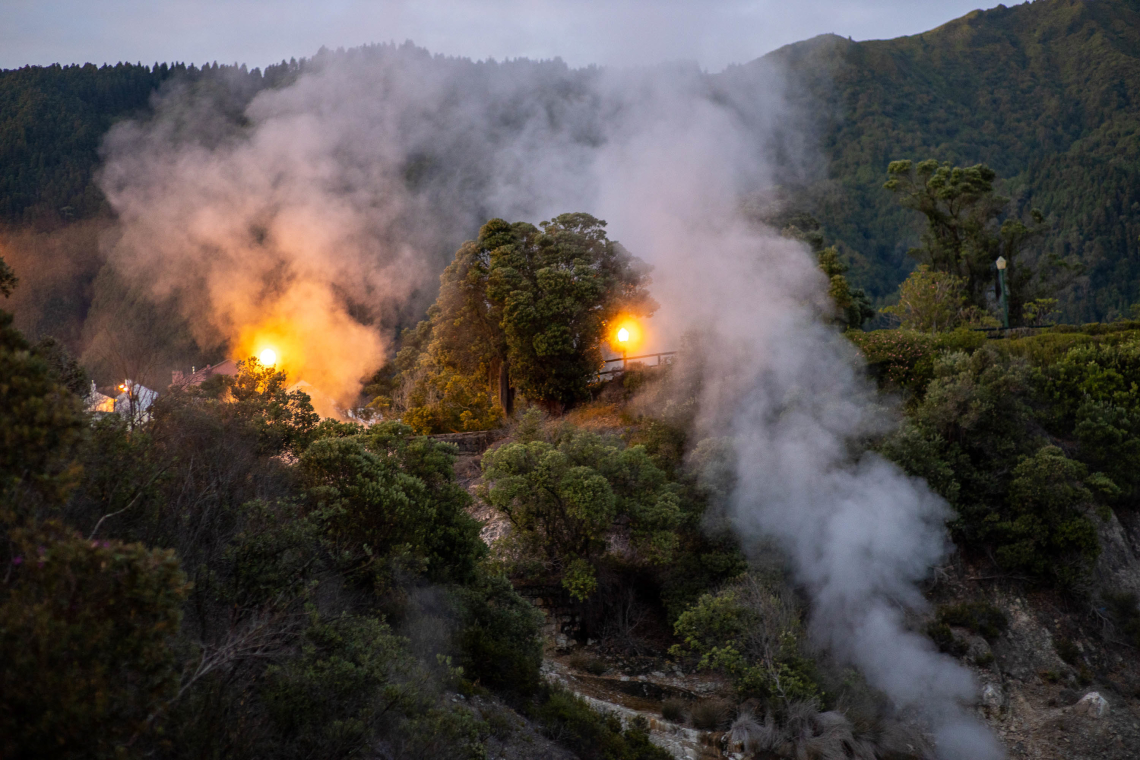
The fumarole field in the center of Furnas village, where sulfurous gas vents from dozens of vents in the ground and mud pools bubble continuously. It is simultaneously geological curiosity and very practical kitchen: the pots of Cozido das Furnas are buried here. The caldeiras are freely accessible; walking the perimeter takes about 20 minutes. Mineral water springs throughout the village are labeled by mineral content and drinkable.
24. Terra Nostra Park and Thermal Pool
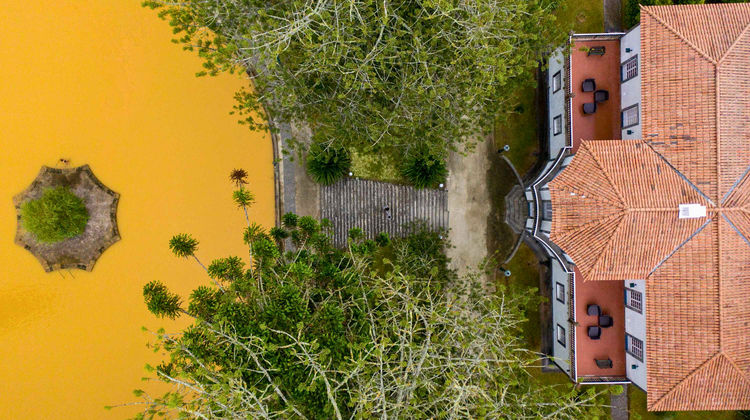
A botanical garden established in the 18th century, covering 12 hectares with a collection of trees, ferns, and exotic plants. The centerpiece is the large thermal pool, fed by iron-rich volcanic springs that turn the water a yellowish-brown. The mineral content, not contamination, accounts for the color. Water temperature stays between 35°C and 40°C year-round. The pool is large enough to feel uncrowded even when busy. Entry to the park includes pool access.
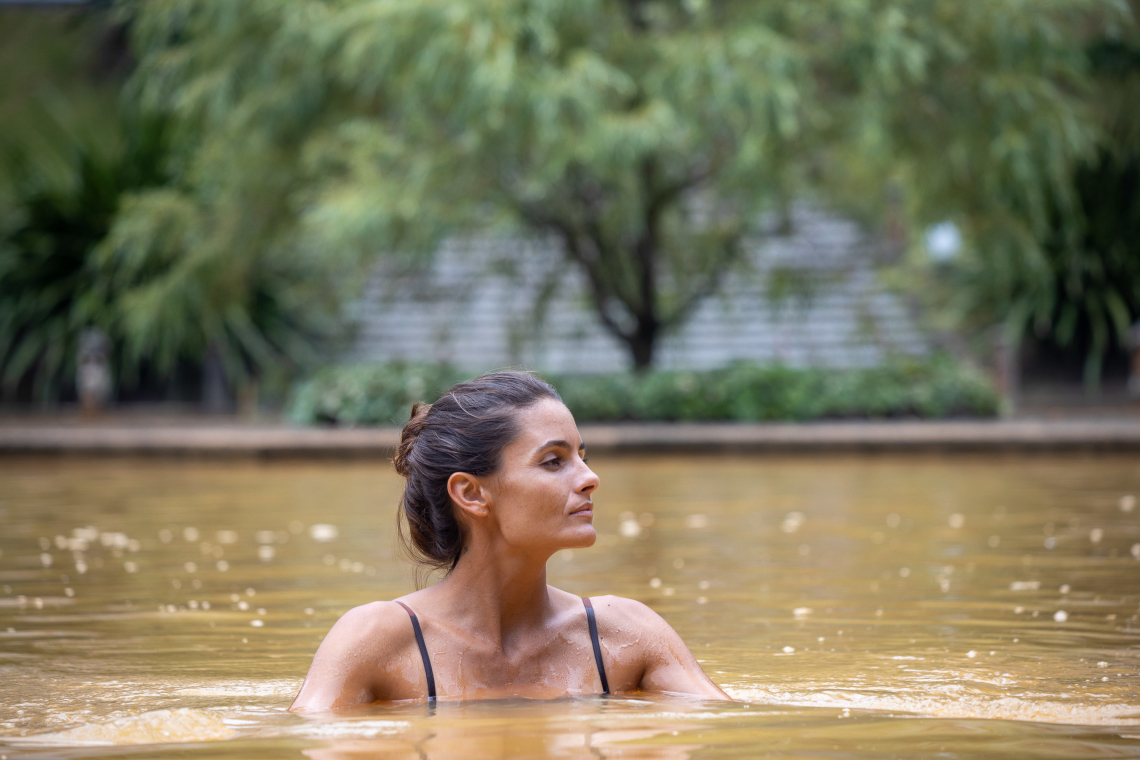
25. Poça da Dona Beija
A separate set of thermal pools in Furnas village, distinct from Terra Nostra and considerably cheaper. The five interconnected pools range from 25°C to 39°C and are open from 8:30 am to 11 pm, making them a viable option for an early morning or evening soak after the main sights. The setting is simpler than Terra Nostra but the water is the same volcanic mineral water.
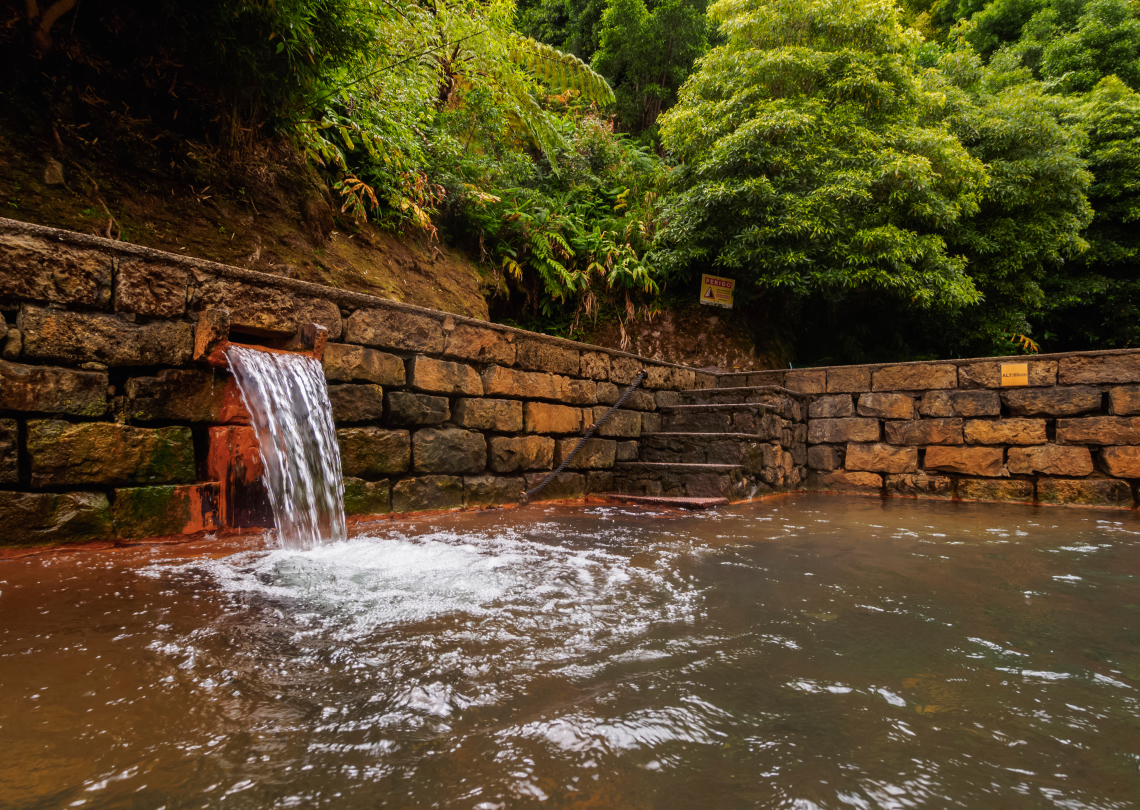
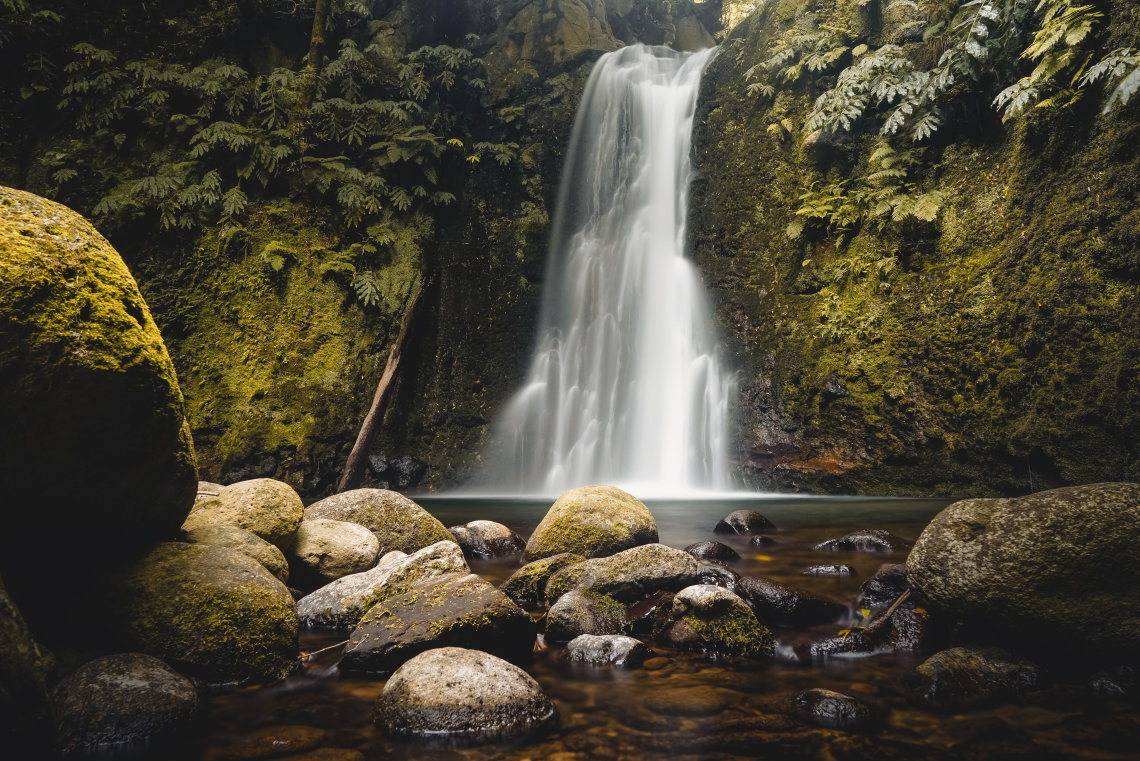
26. Salto do Prego Waterfall
A waterfall at the end of the Salto do Prego trail in Faial da Terra, south of Furnas. The trail passes through dense laurisilva forest and the village of Faial da Terra, one of the most traditional villages on the island, before reaching the waterfall. The trail is 3 kilometers each way and well-marked.
Ponta Delgada
The capital of the Azores, with a population of around 68,000, sits on the south coast and is the island's main hub for accommodation, restaurants, and logistics. Most visitors base themselves here and drive out to the island's sights. The city itself repays a half day of walking.
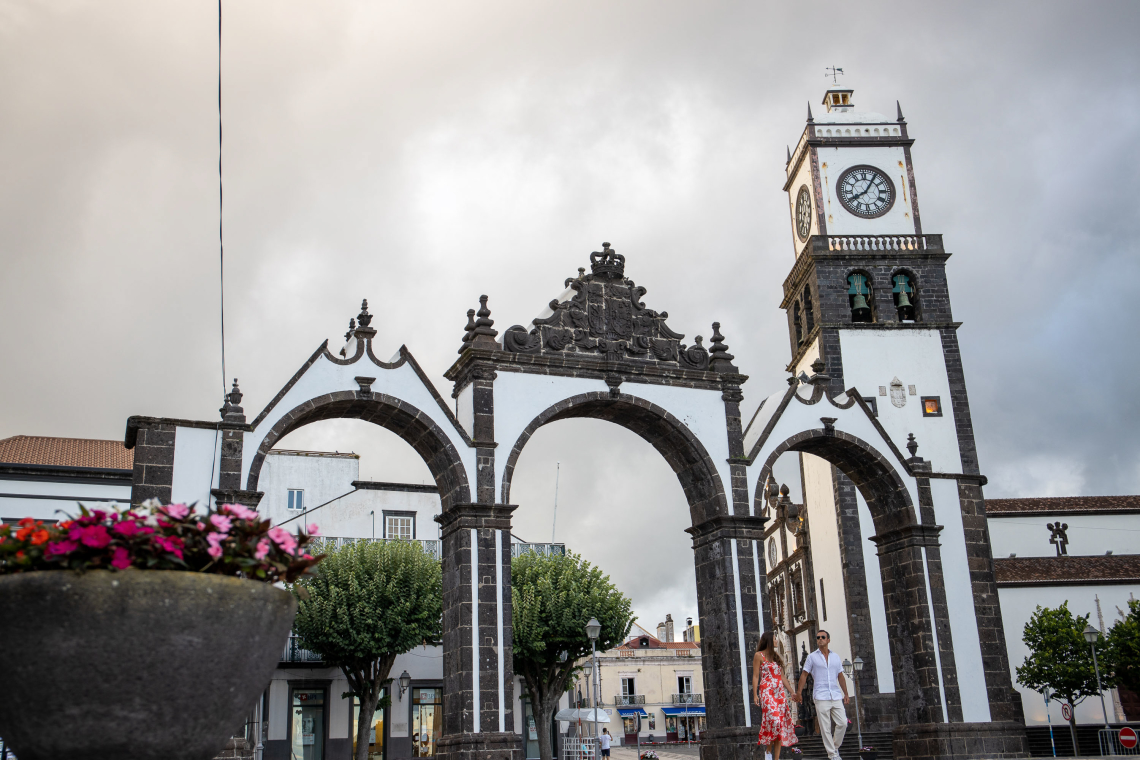
27. Portas da Cidade
The baroque triple-arch gateway on Ponta Delgada's seafront, dating from 1783 and originally the entrance gate to the city from the harbor. It now stands as a landmark on Largo de Gonçalo Velho Cabral, the main square. The Igreja Matriz de São Sebastião, a 16th-century church, faces it directly across the square.
28. Louvre Michaelense
A café-restaurant in Ponta Delgada's center that has operated in the same art nouveau premises since 1930, preserving the original cabinetry and décor of an old-fashioned general store. Worth visiting for the interior alone; the food and pastries are secondary to the setting.

29. Mercado da Graça
Ponta Delgada's main covered market, best on Saturday mornings when producers from across the island bring pineapples, cheeses, smoked sausages, local fruits, and vegetables. The building dates from the 19th century. It is a functional food market, not a tourist attraction dressed up as one.

30. Pineapple Plantations and Cerâmica Vieira
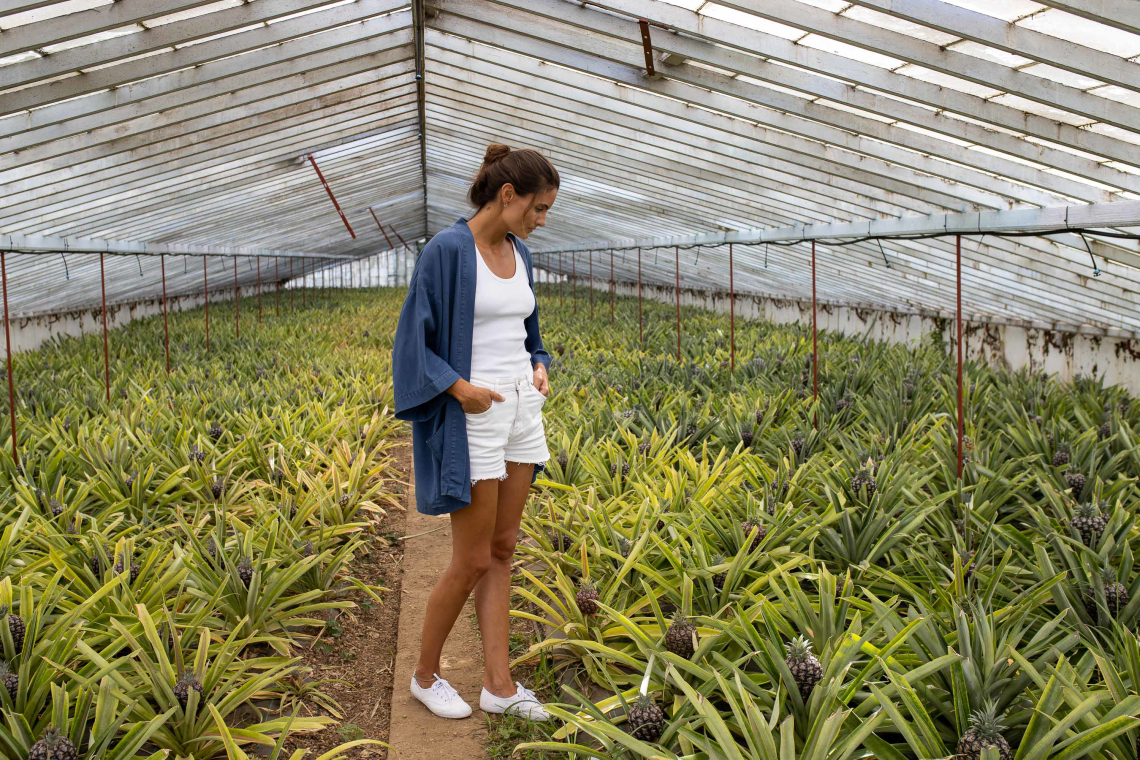
Two sites just outside Ponta Delgada round out the 30. The pineapple plantations (Arruda, Plantação dos Açores, Santo António) are within 10 minutes of the city center and offer free or low-cost tours of the greenhouses where São Miguel's signature fruit grows over 18 to 24 months per cycle. Cerâmica Vieira, in the neighboring municipality of Lagoa (10 minutes by car), is a traditional pottery factory and shop that has been in the same family for over 155 years and still produces the blue-and-white azulejo-style Azorean pottery by hand.
How to Plan Your Time
Five days covers the main sights across all six areas without rushing. The standard split: day one in Sete Cidades and the west, day two on the north coast and Nordeste, day three in Furnas, day four for south coast and Ponta Delgada, day five for anything missed. A rental car is not optional for this itinerary; São Miguel has no meaningful public transport between areas.
The island's weather changes fast and varies significantly between the north and south coasts. The south coast, where Ponta Delgada sits, is drier and sunnier than the north. The interior and the caldera rims are frequently in cloud even when the coasts are clear. Build flexibility into days that include Lagoa do Fogo or Sete Cidades; viewpoints that are completely obscured in the morning often clear by afternoon.
Seasonal considerations: the Vila Franca do Campo Islet is summer-only (June through September). The hydrangea bloom on the Road of Hydrangeas peaks in July and August. The tea plantations and pineapple greenhouses are open year-round.
BROWSE SÃO MIGUEL PACKAGES
All our São Miguel packages include a rental car so you can reach every area on this list at your own pace. Choose a pre-built itinerary or let our advisors build one around the sights you want to prioritize.
Browse São Miguel Packages →BUILD YOUR OWN ITINERARY
If you want to combine São Miguel with Terceira, Faial, or other islands, our advisors design multi-island itineraries that account for ferry schedules, flight connections, and the right number of days on each island.
Start Planning →EXPLORE SETE CIDADES IN DEPTH
Sete Cidades deserves its own day. Our detailed guide covers every viewpoint, the best hiking trails around the caldera, and what to do if clouds cover the rim on arrival.
Sete Cidades Guide →Keep Reading
Beaches
São Miguel Beaches: Top 10 for Swimming, Surf & Sunsets
Experiences
Furnas Village: Hot Springs, Fumaroles & Cozido
Nature
Sete Cidades: Guide to São Miguel's Crater Lakes
FAQ
How many days do you need to visit all 30 places on São Miguel?
Five days is the practical minimum to cover all six areas without rushing. Three days allows you to see Sete Cidades, Furnas, and Ponta Delgada, which are the three areas most visitors prioritize. Seven days covers everything including the Nordeste coast, which most visitors skip due to time constraints, and allows for repeat visits to favorite spots.
Do you need a car to visit São Miguel's main sights?
Yes. São Miguel has no meaningful public transport between areas. A rental car is the only practical way to cover the island's sights across different zones. Taxis and rideshare exist in Ponta Delgada but become expensive for day trips across the island. All São Miguel packages from Azores Getaways include a rental car.
What are the best viewpoints in São Miguel?
Vista do Rei over Sete Cidades is the most iconic. Pico do Ferro over Furnas Lake is the best for the eastern valley. Santa Iria on the north coast gives unobstructed Atlantic views. Ponta do Sossego in Nordeste is the most underrated. Lagoa do Fogo's southern rim viewpoint is the best in the volcanic interior.
When is the best time to visit São Miguel?
May through October for the most stable weather, with July and August being peak season. The hydrangea bloom on the Sete Cidades road peaks in July and August. The Vila Franca do Campo Islet is only open June through September. Outside peak season, the island is quieter and prices are lower, but cloud cover over the interior and caldera viewpoints is more frequent from November through March.
Is Nordeste worth the drive from Ponta Delgada?
Yes, if you have at least four days on the island. Nordeste is 45 minutes from the tea plantations and about 90 minutes from Ponta Delgada. The Ponta do Sossego viewpoint, Arnel Lighthouse, and Ribeira dos Caldeirões natural park are all worth the drive, and the coastal road from the tea plantations to Nordeste is one of the best drives on the island.
Can you visit Furnas and Sete Cidades on the same day?
Technically yes, but you will not do either justice. Both areas need at least half a day of unhurried time, and they are on opposite ends of the island (about 90 minutes apart by road). Most visitors make the mistake of combining them; most then wish they had given each its own day.
Is Vila Franca do Campo Islet worth visiting?
Yes, specifically for snorkeling in the caldera lagoon. The islet is limited to 400 visitors per day during the summer season (June through September), so book in advance or arrive early at the pier. Outside summer the islet is closed. If you visit in low season, the Nossa Senhora da Paz viewpoint above the town gives the best view of the islet from the shore.
What is the easiest day trip from Ponta Delgada?
Furnas is the most logistically straightforward: one direction, 35 kilometers, with the lake, caldeiras, Terra Nostra, Poça da Dona Beija, and lunch all within walking distance of each other. Sete Cidades requires more driving between viewpoints and is longer in total. The north coast tea plantation drive is the most relaxed option if you want a shorter day.
.jpg "Jeep tour through Cumeeiras, Sete Cidades, São Miguel Island")
.jpg "Sete Cidades Caldera Lakes in São Miguel Island, Azores")