02 September 2026 • 6 min read
The best months to visit São Jorge are May, June, and September. The weather is warm and generally settled, the fajã hiking trails are dry and clear, and accommodation is easier to find than in July and August. July and August are the peak season, with warmer temperatures and full services, but the island's limited accommodation books up weeks in advance.
Peak season: July to August | Best value: May, June, September | Avoid for hiking: November to February
Month-by-Month Guide
January and February
The coldest months on São Jorge, though "cold" by Azorean standards means average highs around 15°C (59°F). Rain is frequent and the north coast fajã trails can be muddy and slippery. The island is quiet: most restaurants keep limited hours, some rural accommodation closes entirely, and ferry cancellations due to rough seas are more common.
For visitors who want genuine solitude and are not dependent on outdoor activities, January and February offer a very different São Jorge. Waterfalls are at their fullest, the vegetation is intensely green, and the roads are practically empty.
March and April
The weather begins to improve but remains unpredictable. Rain alternates with bright, mild days, temperatures climb toward 17 to 18°C (63 to 64°F), and the island starts coming back to life. Bird migration peaks on Corvo and Flores to the northwest, but São Jorge also sees spring migrant species passing through.
March and April suit travelers with flexible itineraries who can wait for a good weather window. Hiking conditions are improving by April, and this is a good time to visit before the summer crowds arrive.
May and June
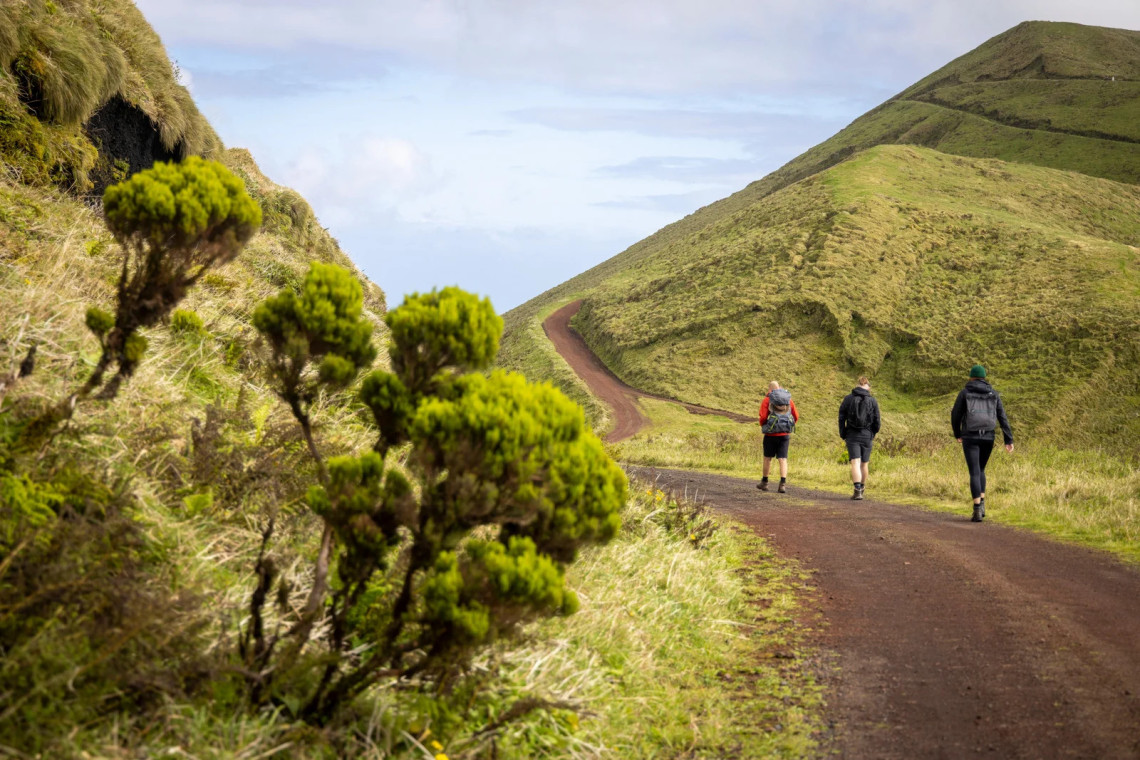
The clearest, most reliable months on São Jorge outside of summer. Temperatures reach 20 to 22°C (68 to 72°F), rain becomes infrequent, and the fajãs are at their most lush before the August dry season reduces the vegetation color. The clam lagoon at Fajã da Caldeira de Santo Cristo is accessible, and the walking conditions on the north coast trail are at their best.
Accommodation is available without advance booking panic, although the island's limited beds still warrant reserving a week or two ahead for peak properties. Whale watching conditions are excellent in May and June, with high cetacean diversity including blue whales, common dolphins, and sperm whales.
June is also when the hydrangeas bloom along the roads, which is the same phenomenon visitors associate with Flores and Faial but also visible on São Jorge.
July and August
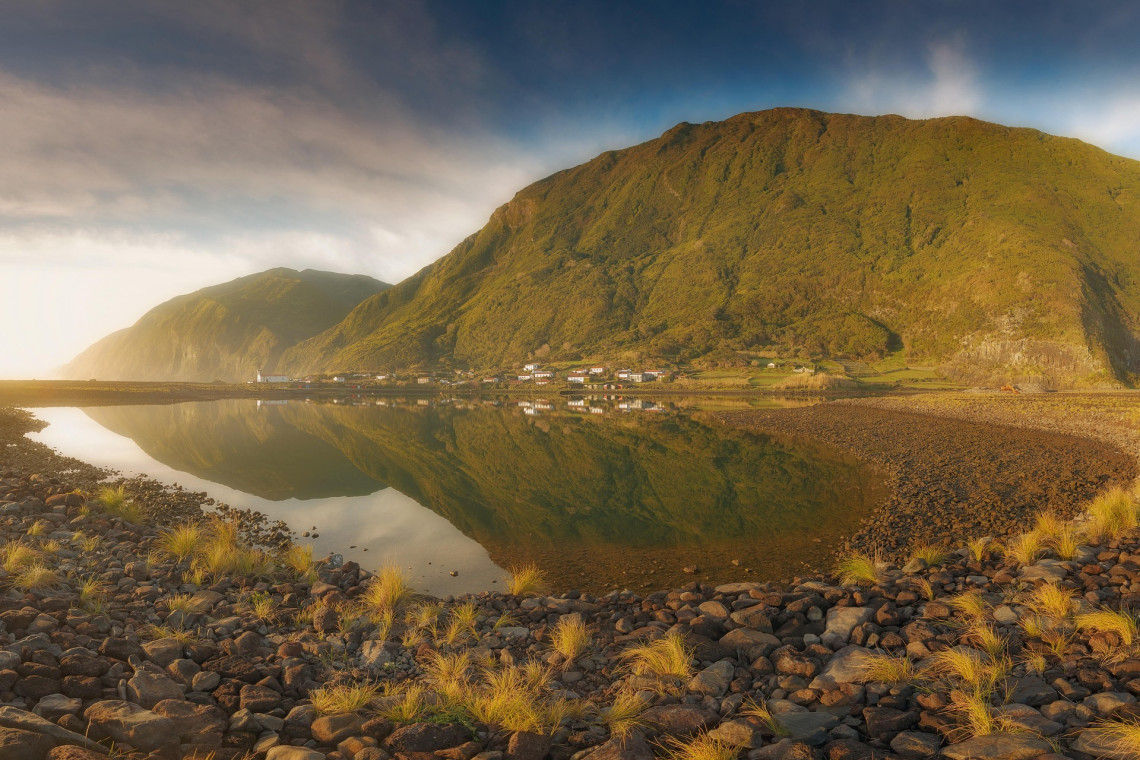
Peak season. Temperatures reach 24 to 26°C (75 to 79°F) on the best days, rarely dropping below 20°C (68°F) at night. The fajãs are at their busiest. The surf at Fajã de Santo Cristo attracts seasonal visitors from mainland Portugal and Europe, and the island's accommodation fills up weeks in advance.
The upside is that July and August offer the most reliable weather, the longest daylight hours, and the full range of outdoor activities. Tour operators run daily departures, the natural pools near Velas are in peak condition, and the summer festival season adds occasional live music and local events to the calendar.
Book accommodation at least 4 to 6 weeks ahead for July or August visits.
September and Early October
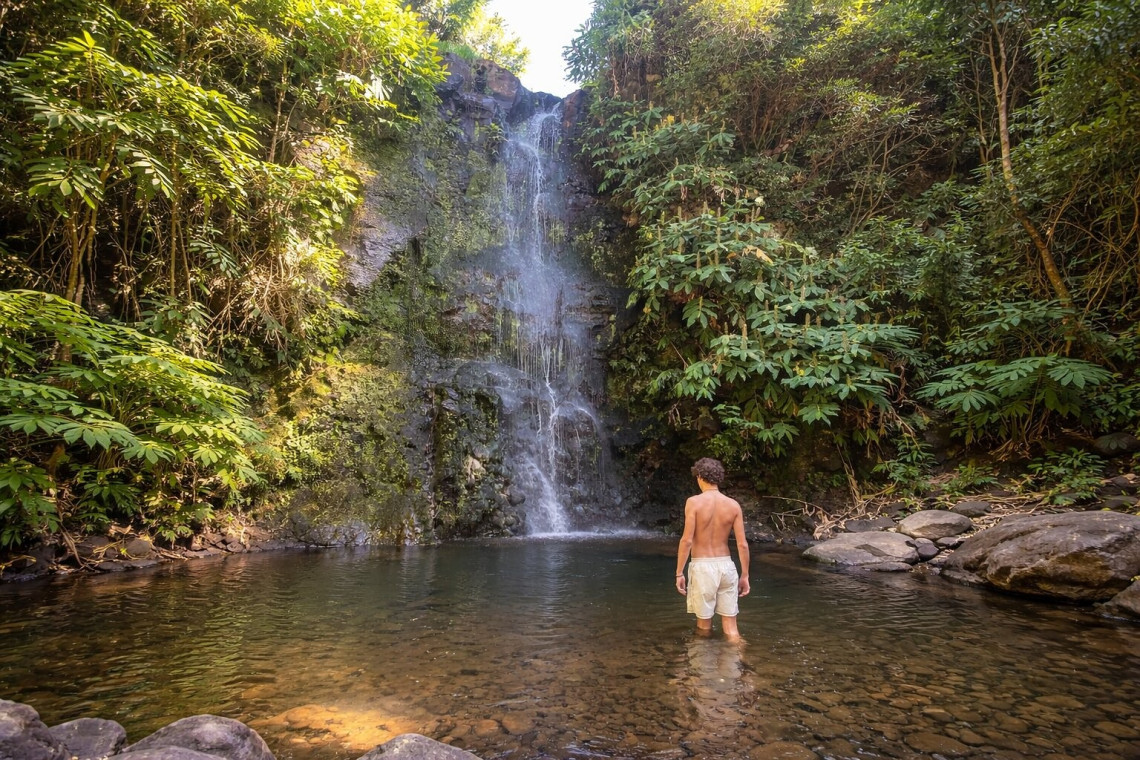
September is arguably the best month on São Jorge for most visitors. The summer crowds have thinned, the weather remains warm (22 to 24°C / 72 to 75°F), the sea is at its warmest for swimming and snorkeling, and accommodation becomes available with shorter lead times. The hydrangeas have finished, but the island's scenery is still vivid.
October is a transition month. Early October still offers good conditions, but by mid to late October the first autumn rains arrive and the weather becomes more variable. The north coast trail is still walkable, but you may need to watch the forecast.
November and December
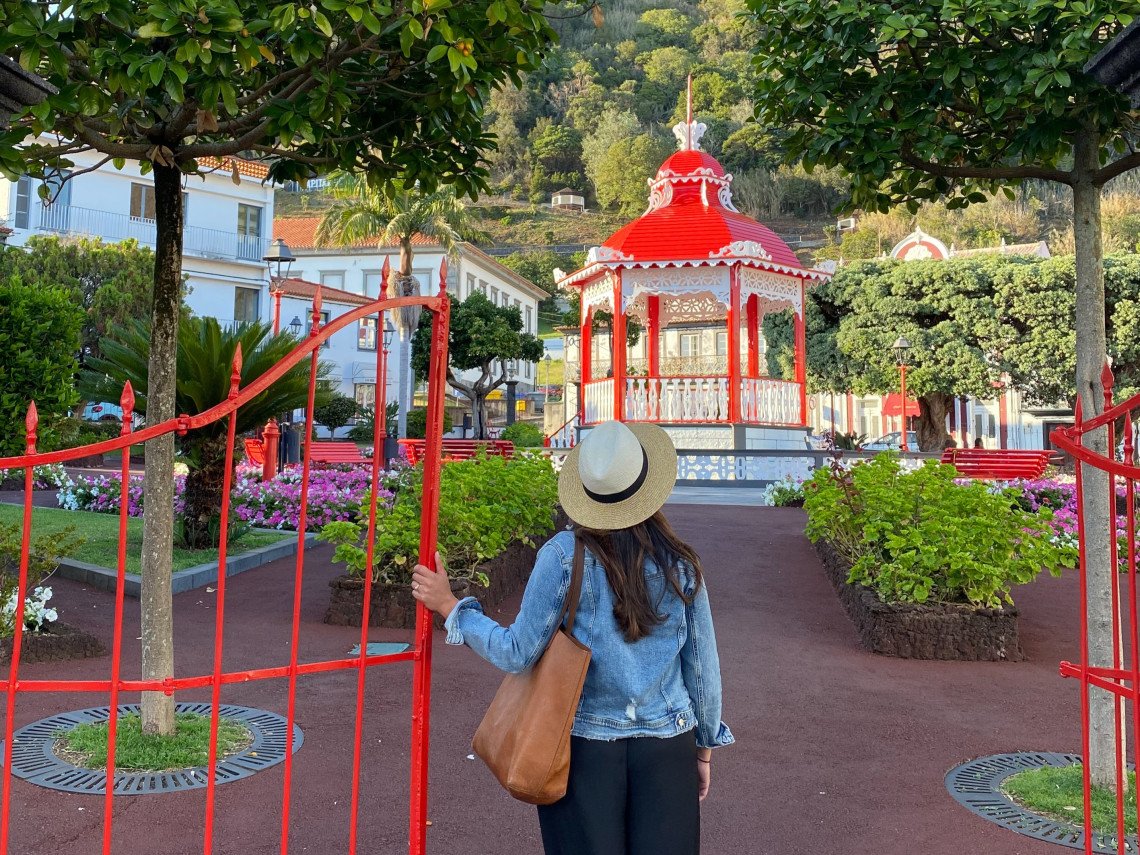
Autumn fully sets in by November. Rain increases, temperatures drop to 17 to 18°C (63 to 64°F) average highs, and some services reduce hours. Ferry cancellations become more frequent in rough weather. That said, São Jorge is quieter and more affordable in November and December, and the island's landscape, kept green by Atlantic rainfall, remains visually striking.
December brings the island's Christmas traditions, which are understated compared to mainland Portuguese cities but include local church events and the island's specific culinary customs around the festive season.
Water Temperature by Season
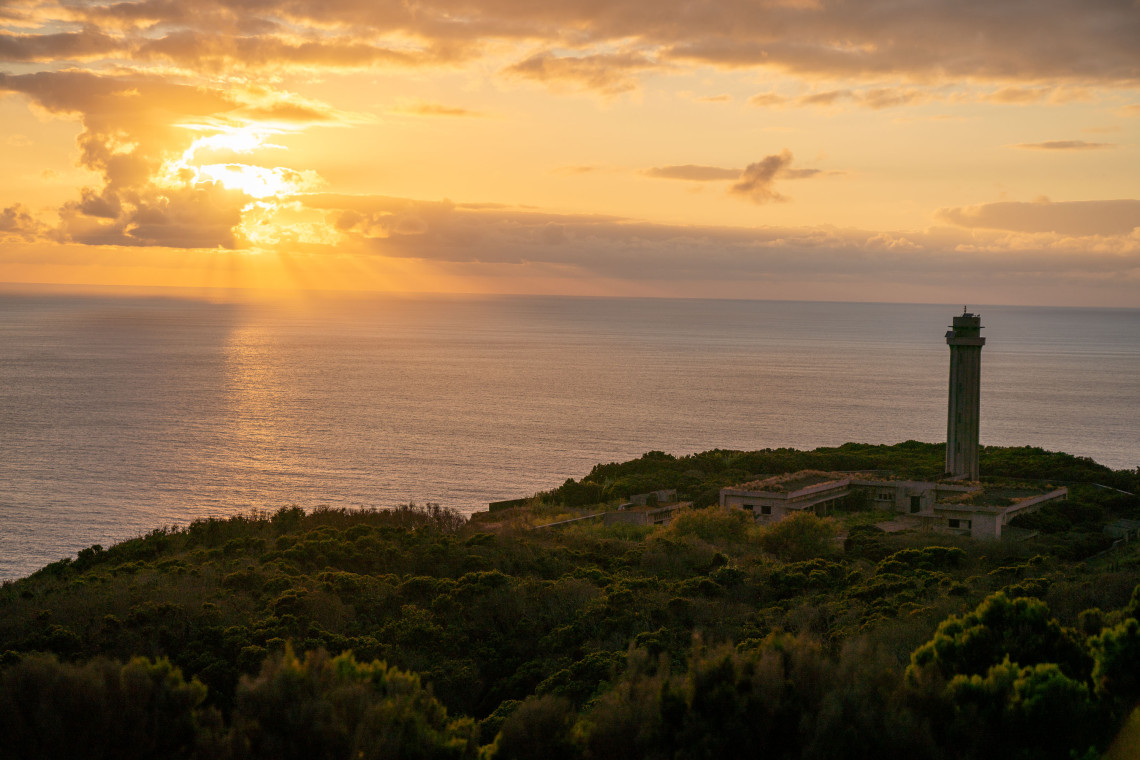
The sea around São Jorge averages 17°C (63°F) in winter (January to March), rising to 23 to 24°C (73 to 75°F) by September. For comfortable swimming and snorkeling without a wetsuit, July through October are the right months. Water sports operators are open year-round but recommend wetsuits for sea activities outside the summer months.
Activities by Season
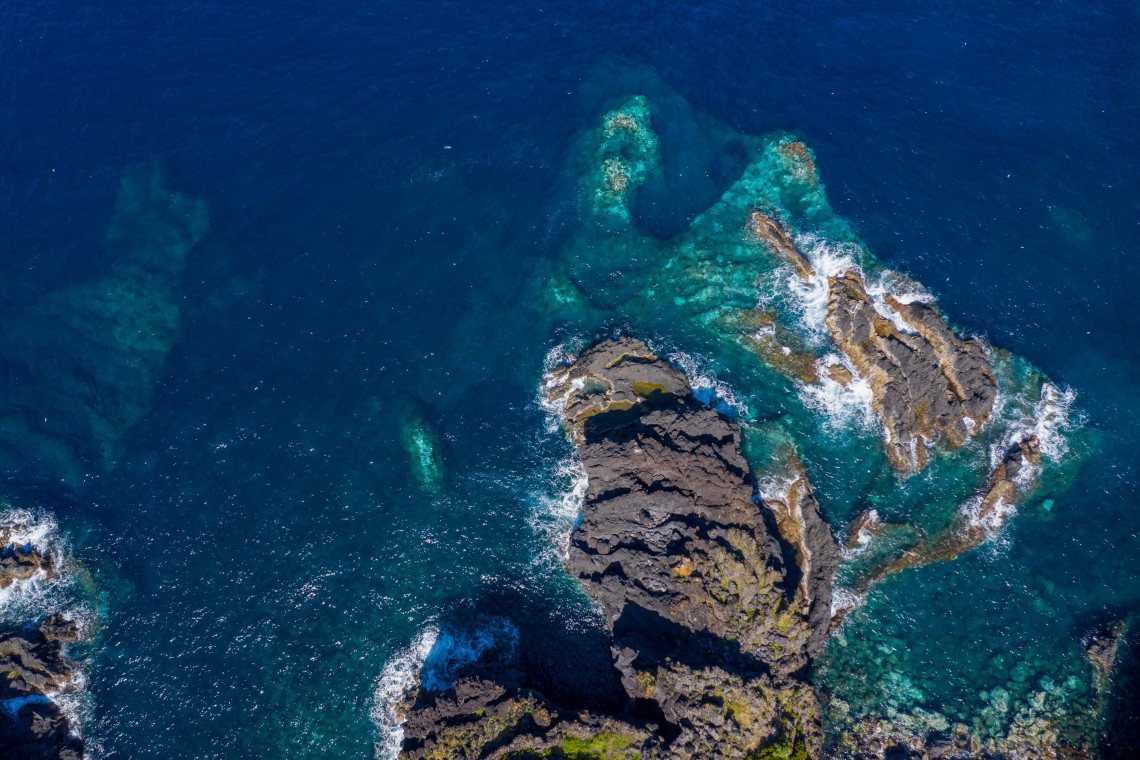
Hiking the fajãs is best from April through October, with May, June, and September offering the most reliable conditions. The north coast trail from Fajã dos Cubres to Fajã da Caldeira de Santo Cristo can be muddy and treacherous in winter and is not recommended after heavy rain.
Surfing at Fajã de Santo Cristo runs year-round, with the best swells arriving in autumn and winter when Atlantic storm systems push consistent waves to the north coast.
Whale watching is excellent from April through October. Sperm whales are resident year-round in the channel between São Jorge, Pico, and Faial, and the highest cetacean diversity is in spring and early summer when migratory species pass through.
Canyoning and coasteering run May through September with most operators. Some offer limited autumn departures depending on conditions.
PLAN YOUR SÃO JORGE TRIP
Browse vacation packages for São Jorge that include flights, accommodation, and rental car, bookable for your preferred travel dates.
See São Jorge Packages →Crowds and Accommodation
São Jorge has fewer than 1,000 hotel beds in total across the whole island. This is not the kind of island where you can show up in peak season and find a room easily. In July and August, the main properties (Hotel São Jorge Garden, Cantinho das Buganvilias) fill well in advance, and the rural accommodations follow close behind.
Outside peak season, availability is better but the island's limited supply still means booking ahead is sensible. If you are traveling in May, June, September, or October, a one to two week lead time is generally sufficient for most properties.
Getting There: Seasonal Notes
SATA/Azores Airlines operates inter-island flights year-round between Ponta Delgada and São Jorge, but frequency is lower outside peak season. In winter, some weekly services are reduced to a few departures. The ferry from Faial and Pico (Atlanticoline) also reduces frequency in winter and is more likely to be cancelled due to rough seas.
If you are planning a winter visit, allow buffer time in your schedule for weather-related disruptions to flights and ferries.
São Jorge Island Vacation Packages
Flights, accommodation, and car hire arranged together. São Jorge pairs naturally with São Miguel or with the Triangle Islands circuit combining Faial and Pico.
Keep reading
Frequently Asked Questions
When is the best time to visit São Jorge Island?
May, June, and September offer the best combination of reliable weather, manageable crowds, and accommodation availability. July and August are warmer but the island's limited beds fill up weeks in advance. For hiking the fajãs specifically, May and early June are optimal, with dry trails and lush vegetation before the August dry season.
How hot does São Jorge get in summer?
July and August average 24 to 26°C (75 to 79°F) during the day. Nights rarely drop below 20°C (68°F). Humidity is moderate due to the island's Atlantic position, and sea breezes keep the heat from feeling heavy. The island does not experience the extreme summer heat found in southern Portugal or the Mediterranean.
Does São Jorge get much rain?
Yes, by European standards. The Azores are an Atlantic archipelago and rain is a year-round possibility. Annual rainfall on São Jorge is higher than the other central group islands due to its narrow ridgeline, which catches moisture from both sides. In summer (July to September), dry spells of a week or more are common. In winter, rain is frequent and trails can be slippery.
Is São Jorge good in winter?
For active outdoor visitors, winter is the weakest season. Rain is frequent, some services close or reduce hours, and ferry cancellations are more likely. For travelers who want quiet, lower prices, and dramatic weather and waterfalls, late autumn and winter offer a genuinely different island experience. The fajãs are still green and accessible on good days; just build flexibility into the itinerary.
When are whale watching tours available?
Year-round, but with different species by season. Sperm whales are resident in the channel between São Jorge, Pico, and Faial throughout the year. April through June offers the highest diversity, with blue whales, fin whales, sei whales, and several dolphin species. In summer, common dolphins and sperm whales are the most frequently sighted. Winter tours run with willing operators but weather can limit departures.
When do the hydrangeas bloom on São Jorge?
June and early July. The island's roadside hydrangeas (hortênsias) reach full bloom in late June, which is also the peak for Faial and Flores. They fade by late July and are largely gone by August.
.jpg "Jeep tour through Cumeeiras, Sete Cidades, São Miguel Island")
.jpg "Sete Cidades Caldera Lakes in São Miguel Island, Azores")