25 August 2026 • 7 min read
The best time to visit Pico Island is July to September. The mountain is open for climbing, whale watching rates are highest, the vineyard harvest happens in late August and September, and the weather is at its most stable.
Peak season: July to September | Mountain open: July 1 to September 30 | Shoulder season: May, June, October
The answer to "when to go to Pico Island" depends on which activities matter most to you. The mountain has a strict climbing window. Whale watching is year-round but peaks in summer. The UNESCO harvest is a specific window in late summer. Diving is best when Atlantic water temperatures are highest. This guide breaks it down by activity and by month.
Why Timing Matters More on Pico Than Most Islands
Pico's main draws are tied to seasonal conditions in ways that most beach destinations are not. The mountain is legally closed to climbers outside a defined window. Whale species variety peaks in summer. The vineyard harvest runs for a few weeks. Get the timing wrong and you can miss the specific reason you came.
That said, Pico has year-round appeal for travelers not focused on the mountain. Whale watching continues in every month, the lava caves are open year-round, the UNESCO vineyard landscape is accessible in all seasons, and hiking trails are walkable outside the rainy depths of winter.
Month-by-Month Guide
January and February
The quietest months on the island. Atlantic weather brings more rain and wind, sea conditions are rougher, and many smaller operators reduce hours or close for the season. The mountain is closed. Whale watching continues with sperm whales year-round, but tour frequency drops. Accommodation prices are at their lowest.
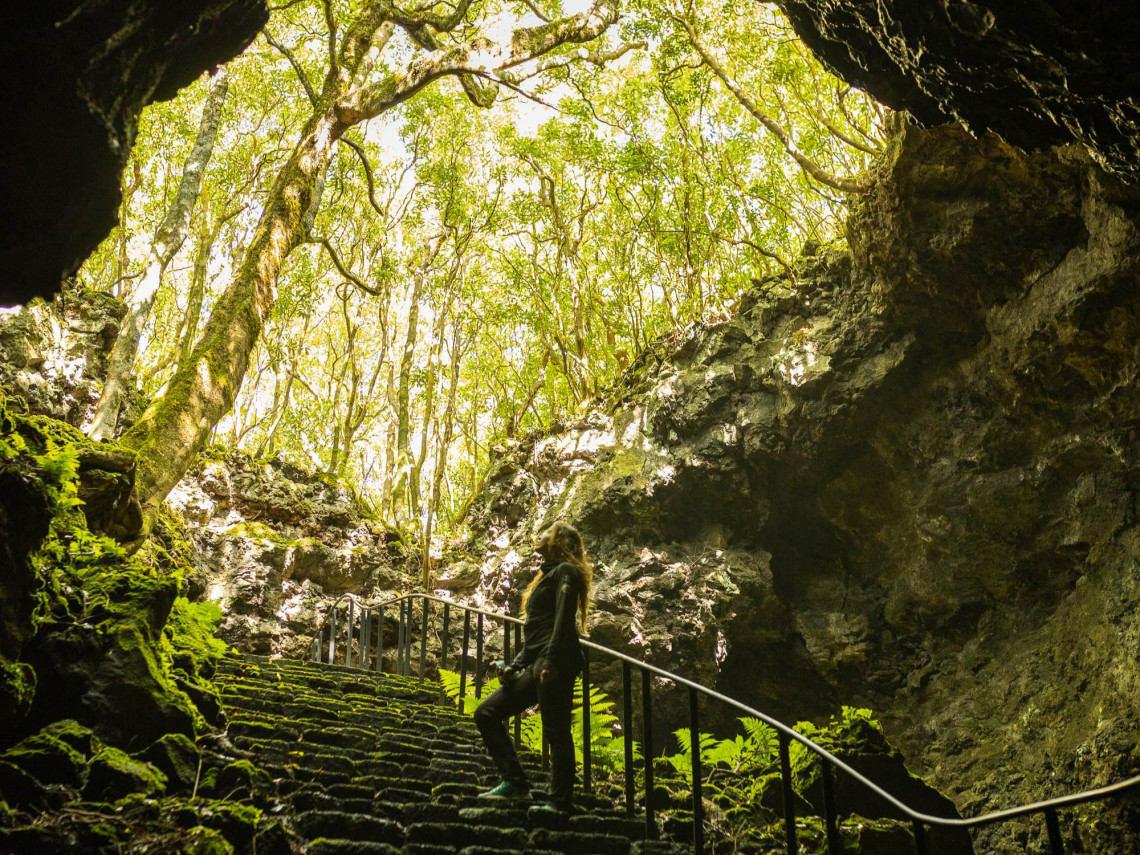
Suitable for: travelers on a tight budget who are not focused on the mountain or on a wide variety of whale species. The lava caves (Gruta das Torres) and the UNESCO vineyard landscape are accessible.
March and April
Weather begins to improve but remains variable. The Atlantic is still cool. The mountain remains closed. Whale watching picks up with the arrival of some migratory species. Spring wildflowers appear in the basalt walls of the UNESCO vineyard zone.
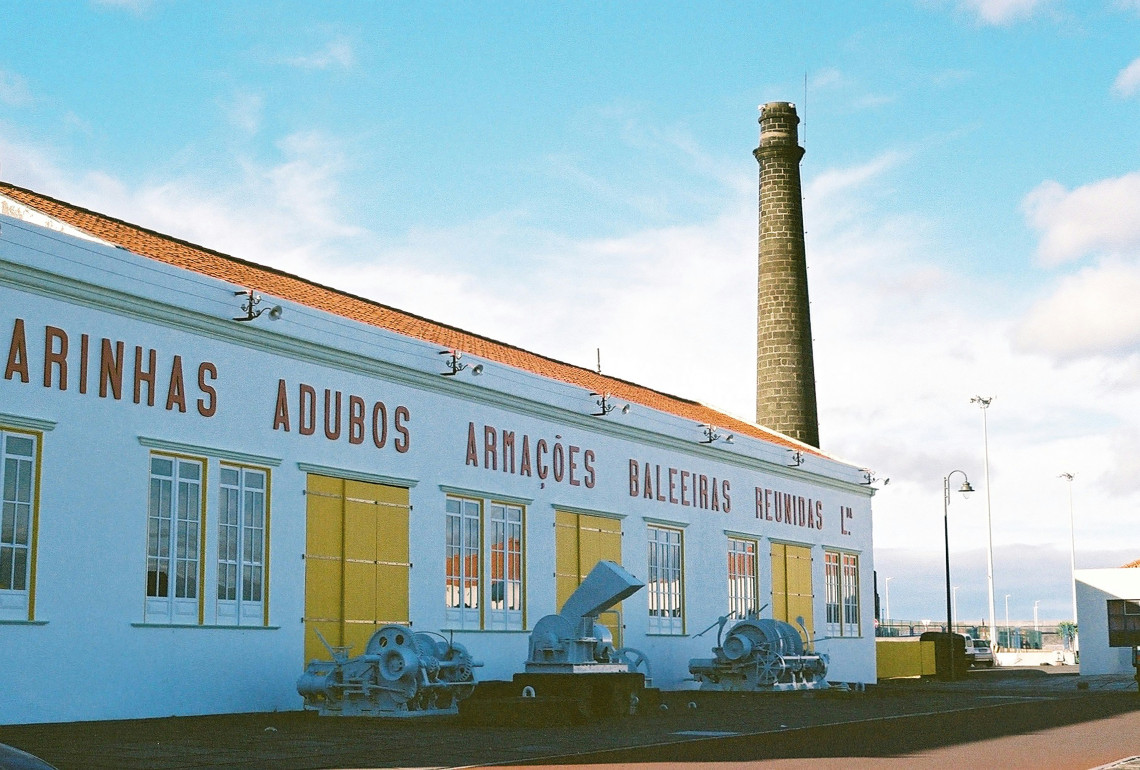
Suitable for: hiking the coastal trails, visiting the Whalers' Museum in Lajes, and exploring the vineyard landscape without crowds. Accommodation is available with no booking pressure.
May and June
May and June are the beginning of the shoulder season. Weather stabilizes, temperatures warm, and the island becomes noticeably more active. The mountain is still closed until July 1. Whale watching is good from May onward, with increasing species variety. Diving water temperatures start to rise. Tour operators are fully open.
June is a strong month for those who want good conditions, fewer crowds than July and August, and reasonable accommodation availability.
Suitable for: hiking all 14 trails, whale watching, snorkeling and diving, the UNESCO vineyard coast. Not for mountain climbing.
July and August
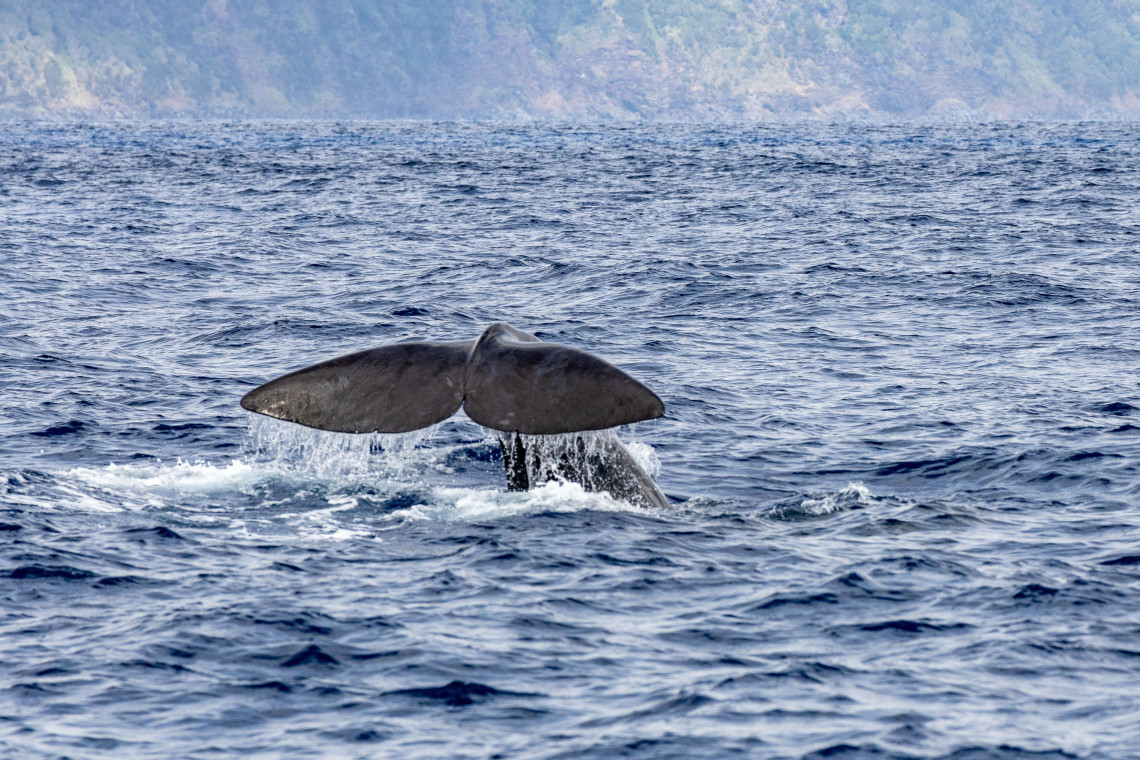
Peak season. The mountain is open (July 1 to September 30). Whale watching is at its best for variety, with blue whales, fin whales, sei whales, humpbacks, common dolphins, and sperm whales all possible. Water temperatures are at their highest, making diving and snorkeling the most comfortable. Accommodation fills quickly and should be booked months in advance.
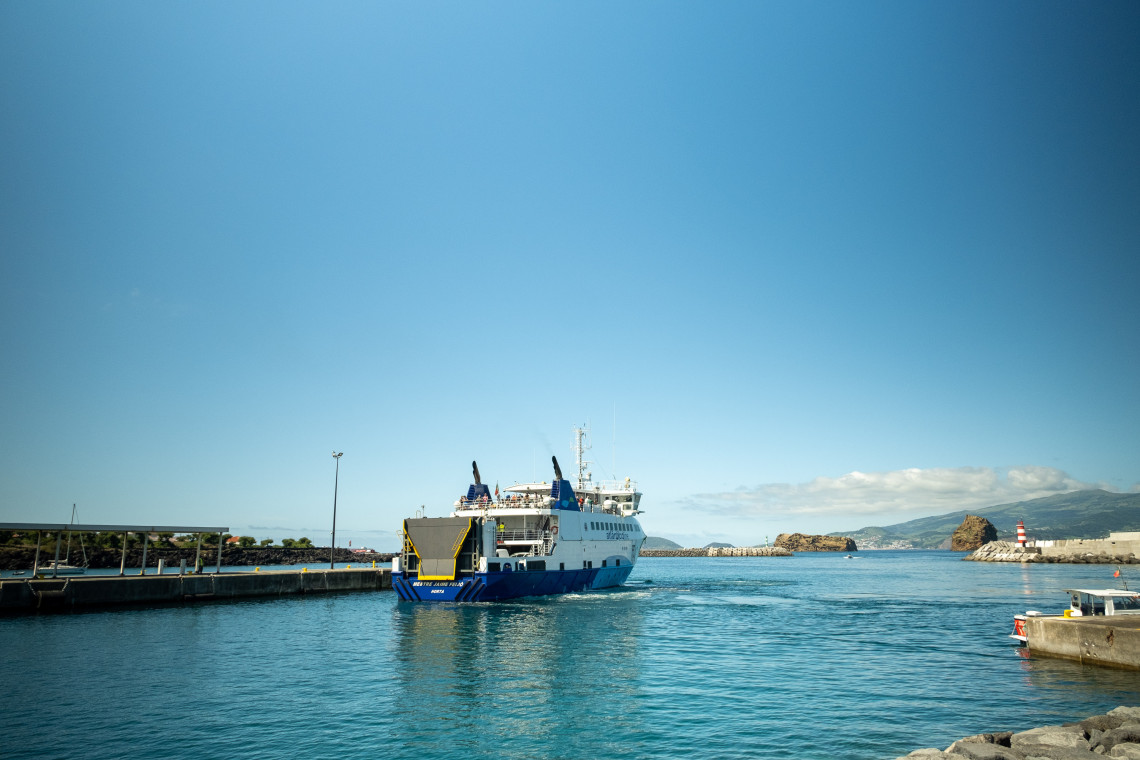
Weather is the most stable of the year, though Pico's altitude means the mountain summit can cloud over even on clear coastal days. The island is at its busiest. Ferries between Madalena and Horta on Faial run frequently.
Suitable for: everything. This is when Pico delivers the full range of experiences simultaneously.
September
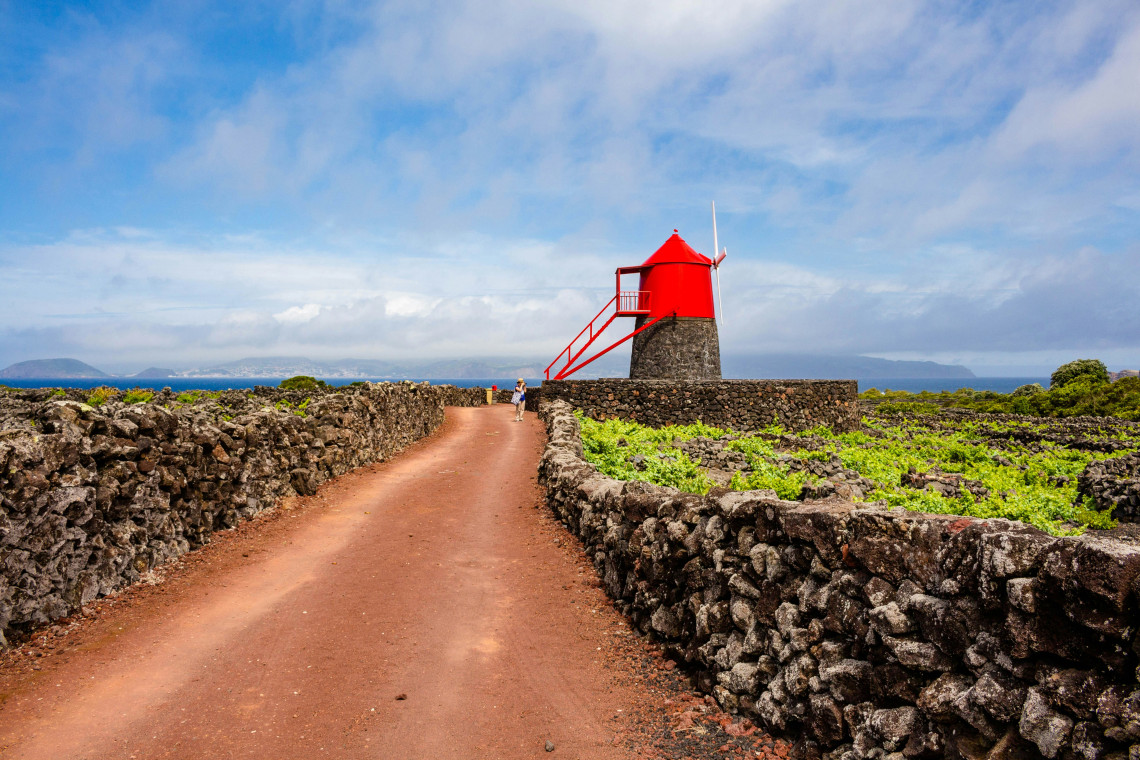
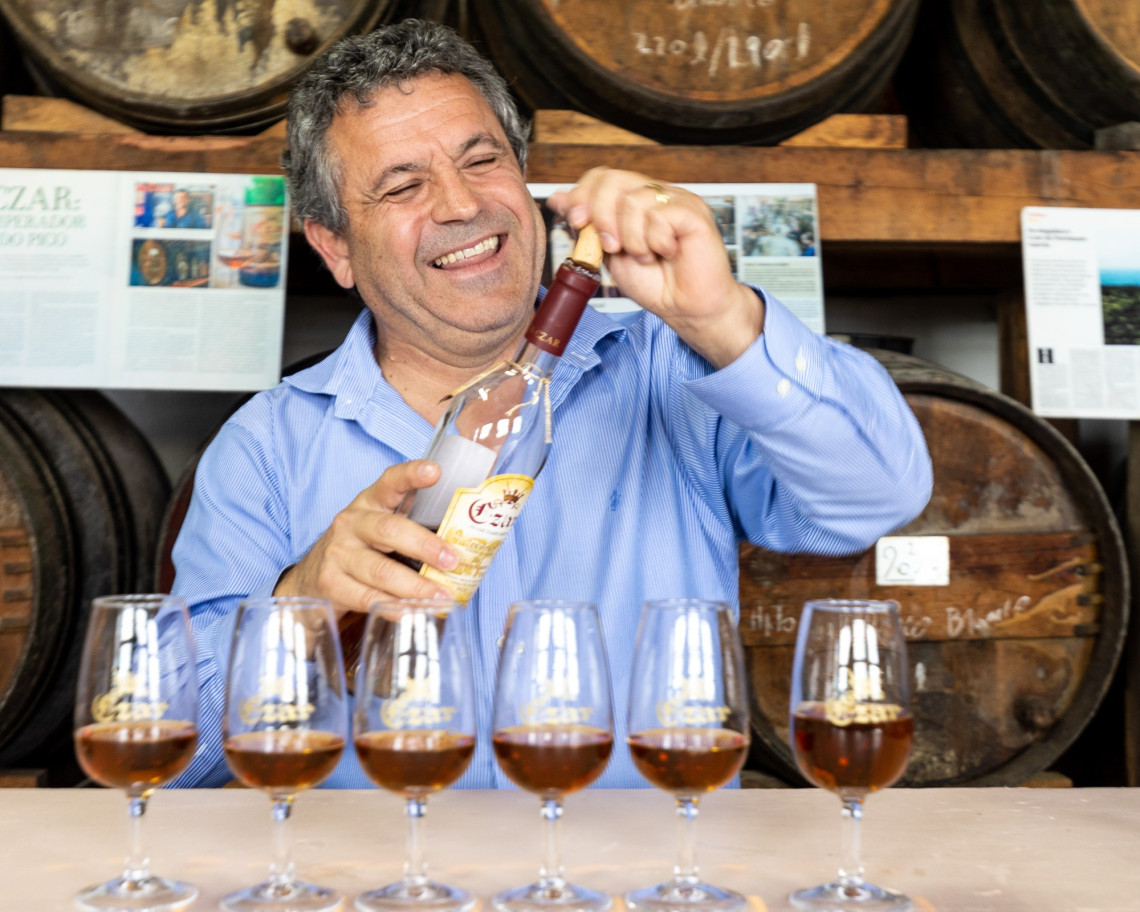
September is the best single month to visit Pico if you can only choose one. The mountain is still open until the 30th, whale watching remains productive, the harvest of Verdelho, Arinto, and Terrantez grapes runs from late August through September, and crowds are notably thinner than July and August. Adegas are active and tastings are easier to arrange.
The harvest period is the most immersive time to visit the UNESCO vineyard landscape. Accommodation is easier to book than in August but should still be reserved in advance.
Suitable for: the mountain, whale watching, harvest season wine experiences, hiking. The single best month for combining all of Pico's main draws.
October
October is a solid shoulder month. The mountain closes October 1. Whale watching continues and migratory species are still present. The weather is more variable than September, with Atlantic storms more likely, but the island is still accessible and uncrowded. Accommodation drops in price significantly after the peak season.
Suitable for: hiking, the UNESCO vineyard landscape (post-harvest), whale watching, the Gruta das Torres. Not for mountain climbing.
November and December
Similar to January and February: quieter, more rain, smaller waves replaced by larger Atlantic swells. Tour operators reduce frequency. Whale watching continues with sperm whales, which are resident year-round, but the selection of migratory species has passed. The island has a different atmosphere, quieter and more genuinely local.
Suitable for: budget travel, the lava caves, cultural sites (Whalers' Museum, Wine Museum, Interpretation Centre at Lajido), and the UNESCO landscape in its off-season state.
Summary by Activity
Pico Mountain climbing: July 1 to September 30 only. No exceptions.
Whale watching: Year-round for sperm whales. Best variety June to October. Lowest frequency in January and February.
Hiking: Year-round on coastal and lower trails. Highland routes best May to October. All 14 trails accessible in good weather.
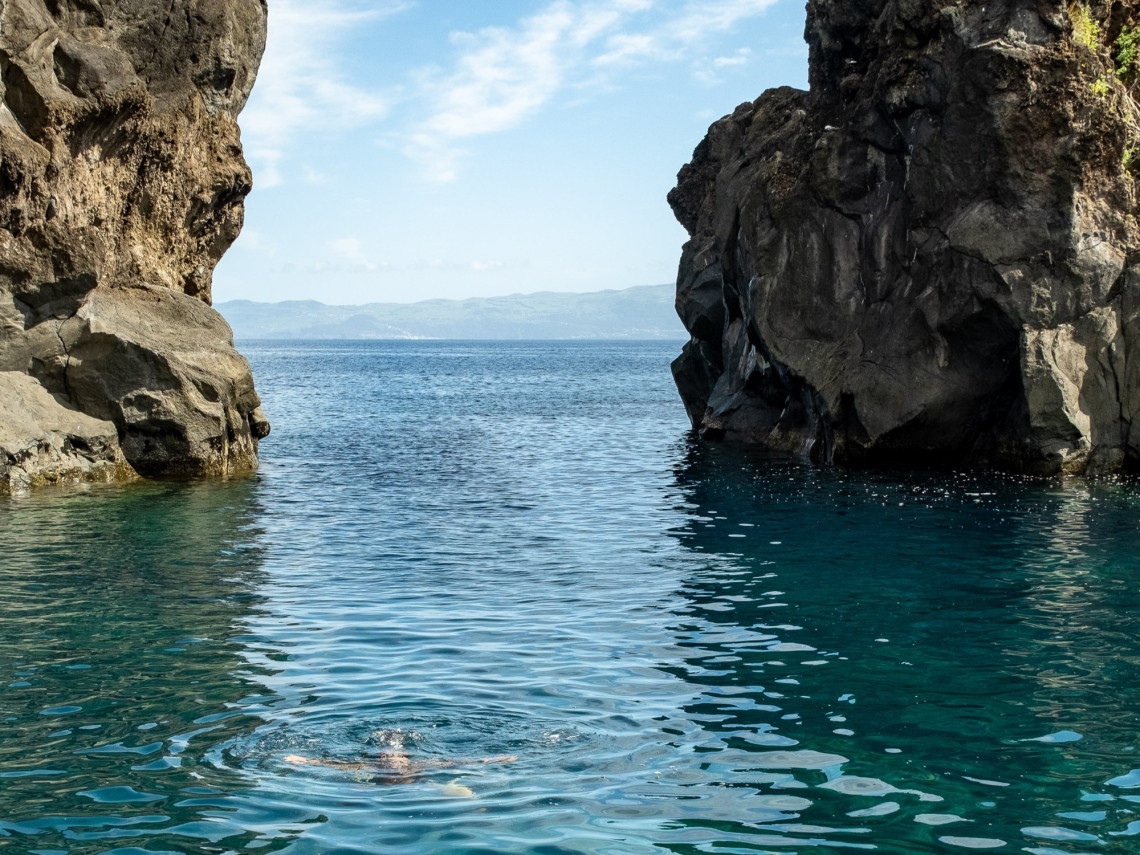
Diving and snorkeling: Best May to October for water temperature and visibility. Possible year-round.
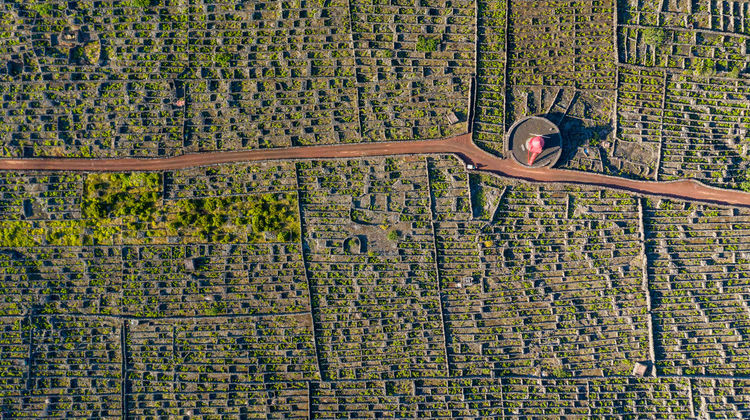
UNESCO vineyard harvest: Late August to September. The Criação Velha adegas are most active during this period.
Gruta das Torres: Open year-round with guided visits.
Budget travel: January to April and November to December. Lowest prices and fewest visitors.
BOOK PICO ISLAND ACTIVITIES
Browse whale watching, mountain guide tours, wine experiences, and hiking activities on Pico Island for your travel dates.
View Pico Activities →What to Pack by Season
Summer (July to September): Light layers for the coast, warm and wind-proof layers for the mountain (temperature at the summit can be 10 to 15°C colder than sea level even in August). Sunscreen. Hiking boots if climbing. Motion sickness medication if whale watching.
Shoulder season (May to June, October): A waterproof jacket. Layering is more important as temperatures swing more between morning and afternoon. Trail footwear for any hiking.
Winter (November to April): A proper waterproof outer layer. Expect rain and wind. Warm layers for evenings. Indoor plans as a backup if a day trip gets rained out.
Plan Your Pico Island Trip
Our local team knows Pico's seasonal rhythms and can build an itinerary around the right time of year for what you want to do, whether that is the mountain in summer or the quieter island in shoulder season.
Keep reading
Frequently Asked Questions
What is the best month to visit Pico Island?
September is the best single month. The mountain is still open for climbing, whale watching is productive, the grape harvest is running in the UNESCO vineyard zone, crowds are lower than August, and prices begin to drop from peak. For those who cannot visit in September, July and August are the peak season with the widest range of activities available simultaneously.
Is Pico Island worth visiting in winter?
Yes, for the right traveler. Sperm whales are present year-round, the Gruta das Torres lava cave is open, the UNESCO vineyard landscape is accessible, and prices are significantly lower. The mountain is closed, tour frequency is reduced, and Atlantic weather is more unpredictable. Winter suits budget travelers and those who want a quieter, more local experience.
When is the mountain climbing season on Pico Island?
Pico Mountain is open for climbing July 1 to September 30 only. The trail is closed to all visitors outside this window regardless of weather conditions. All climbers must register at Casa da Montanha before departure.
When is the whale watching season on Pico Island?
Sperm whales are resident year-round in the channel between Pico and Faial. The greatest variety of species (blue whales, fin whales, humpbacks, sei whales, common dolphins) is present from June to October. Tour operators run throughout the year, with reduced frequency in winter months.
When does the Pico Island harvest take place?
The grape harvest on Pico runs from late August through September. During this period, the adegas (wine cellars) in the UNESCO vineyard zone are active, tastings are easier to arrange, and the landscape is at its most animated. The harvest covers Verdelho, Arinto, and Terrantez grapes grown in the black basalt currais along the western coast.
How many days do you need on Pico Island?
Three to five days covers the main highlights. One day for the mountain (if climbing, July to September only), one day for whale watching, one day for the UNESCO vineyard coast and Gruta das Torres, and additional days for hiking other trails or exploring the east coast. Five days gives a more relaxed pace.
.jpg "Jeep tour through Cumeeiras, Sete Cidades, São Miguel Island")
.jpg "Sete Cidades Caldera Lakes in São Miguel Island, Azores")