04 September 2026 • 5 min read
Graciosa is not usually discussed as a food destination. That undersells it. The island has two products that are specific to this place and widely regarded across the Azores: queijadas da Graciosa, made here for centuries, and Pedras Brancas wine, grown in volcanic stone enclosures unique to the island. Both are worth eating at the source. The seafood, caught daily from the Atlantic, does the rest.
Signature food: Queijadas da Graciosa | Local wine: Pedras Brancas | Best meal: Fresh fish with local wine
Queijadas da Graciosa
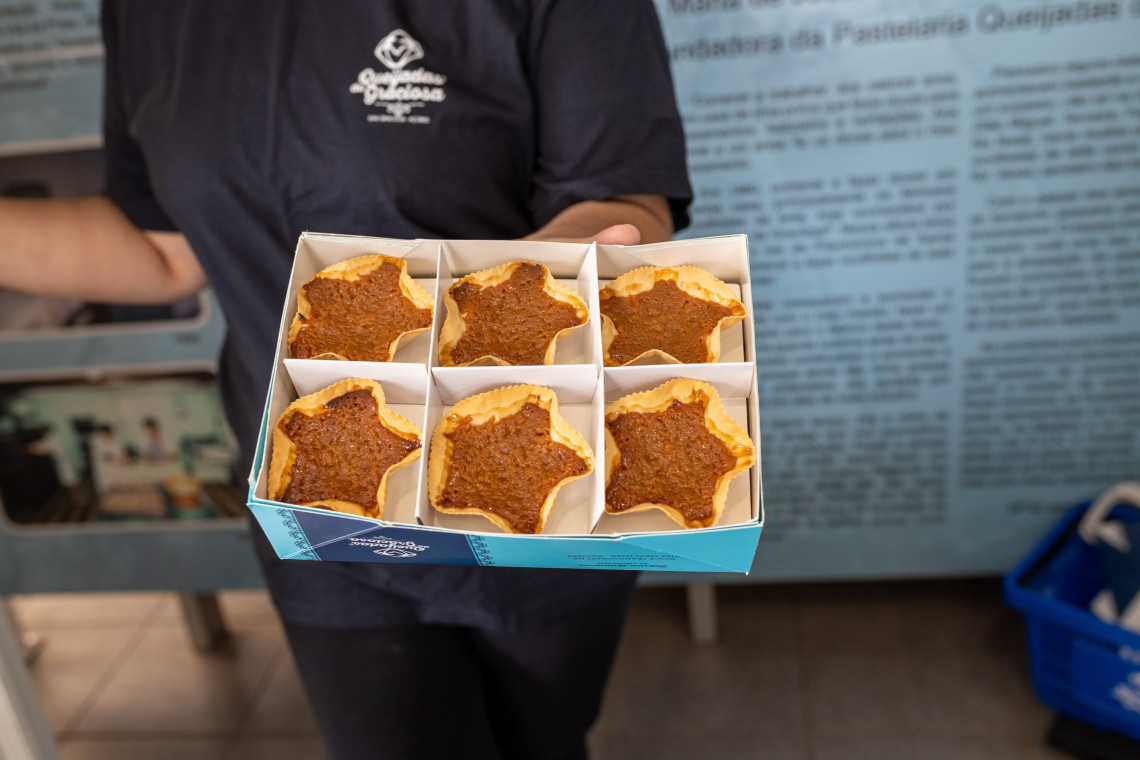
Queijadas da Graciosa are star-shaped pastries with a delicately crunchy outer crust and a filling of milk, sugar, and eggs. They are the island's most recognized food product and one of the few Azorean pastries with a name tied directly to its place of origin. The recipe has been made on Graciosa long enough to be considered part of the island's cultural identity, and visitors from across Portugal travel here specifically to eat them.
The Fábrica das Queijadas da Graciosa in Vila da Praia is the main production site. You can buy them at the factory shop, take a tour of the production process, or book a session with the artisan baker who still makes them entirely by hand using the traditional method. Eating them warm, at the source, is a materially different experience from buying them packaged at an airport shop.
They are not particularly sweet by pastry standards. The texture is the point: the contrast between the crisp exterior and the soft, barely-set interior is what makes them distinct. They are best eaten within a few hours of baking.
Pedras Brancas Wine
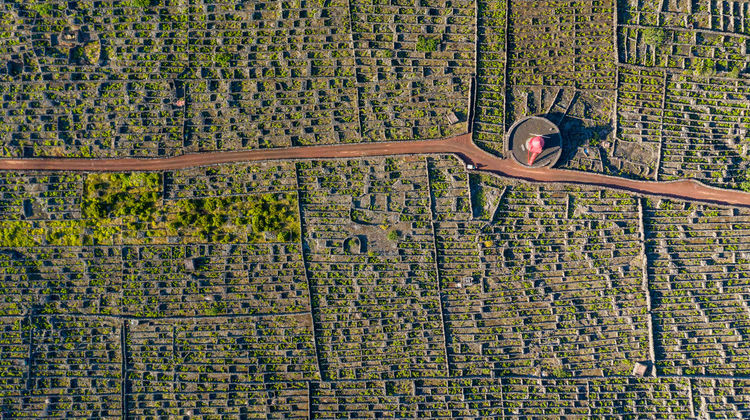
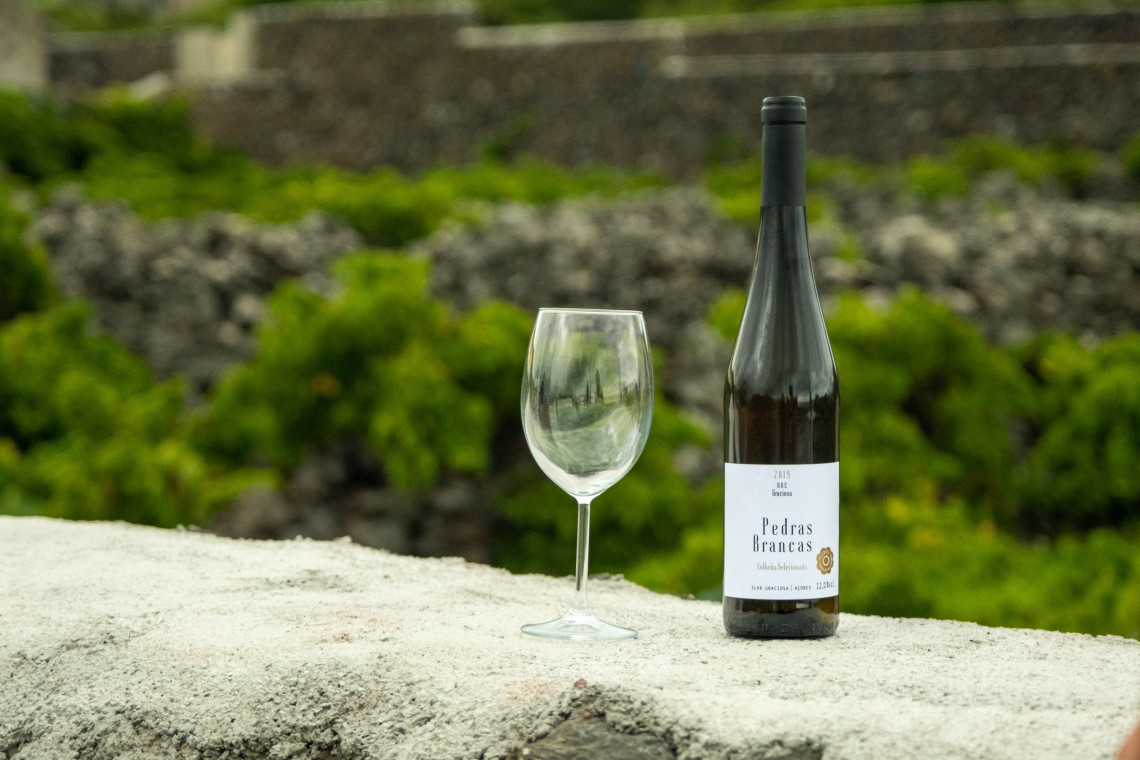
Pedras Brancas is Graciosa's local wine, named after the island's iconic white stones. The vineyards are planted inside currais, low enclosures of volcanic stone walls that serve two purposes: they protect the vines from Atlantic wind and they absorb solar heat during the day, releasing it slowly onto the grapes overnight. The same method is used in Pico (where the vineyard landscape is a UNESCO World Heritage Site) and in Terceira, but Graciosa's version is distinct for the white limestone that gives both the enclosures and the wine their name.
The winery produces reds, whites, and rosés. The whites pair well with the island's seafood. The factory shop is open for visits and tastings. If you are interested in Azorean wine as a subject, Graciosa's vineyards are a good introduction: the scale is small, the landscape is accessible, and the connection between the volcanic geology and the flavor of the wine is possible to understand without specialist knowledge.
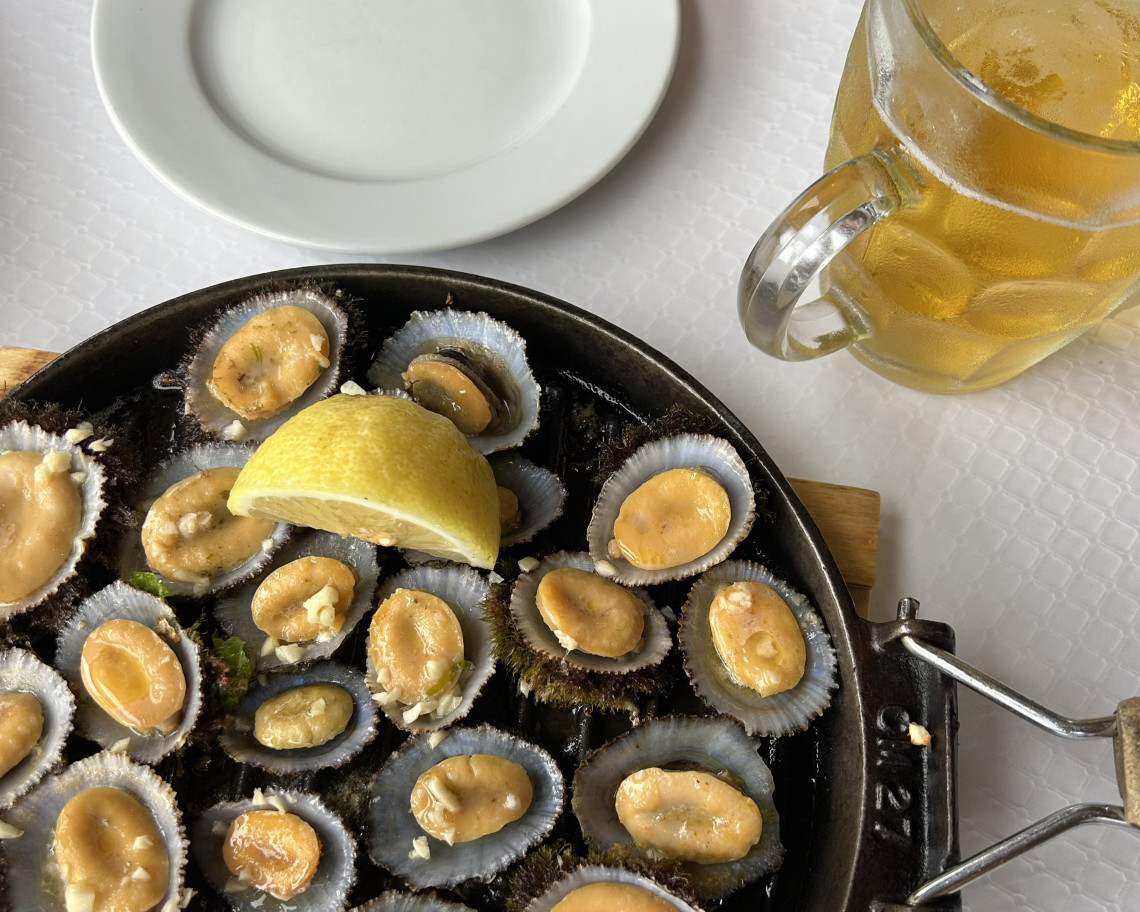
Grilled Limpets
Lapas grelhadas, grilled limpets, are the standard opening to any meal in the Azores and Graciosa is no exception. The limpets are placed on the grill shell-side down, cooked until the flesh is just set, then finished with butter, garlic, and a squeeze of lemon. They are eaten directly from the shell. The quality on a small island with active fishing is consistently high; the limpets are local and the turnover is daily.
They appear on virtually every restaurant menu on the island and are the most reliable way to begin a meal in an unfamiliar restaurant.
Fresh Fish and Seafood
Graciosa's position in the central Atlantic means a steady supply of fresh fish: wreckfish (cherne), parrotfish (bodião), tuna (atum), and the full range of small coastal species caught by local fishermen. Most restaurants offer a daily catch that varies with season and weather, and the freshness is usually apparent in the quality of the plate.
The pairing with Pedras Brancas white is a natural one. The wine's minerality and light fruit notes complement the clean flavors of simply grilled Atlantic fish in a way that a more assertive wine would not.
Fish stew (caldo de peixe) is also common on Graciosa menus: a broth-based soup with mixed fish, potato, and herbs, made from the day's catch and the parts of the fish that do not make it to the grill. It is a traditional Azorean preparation that varies by cook and by what was caught, and it is worth ordering when it appears on the menu.
Where to Eat on Graciosa
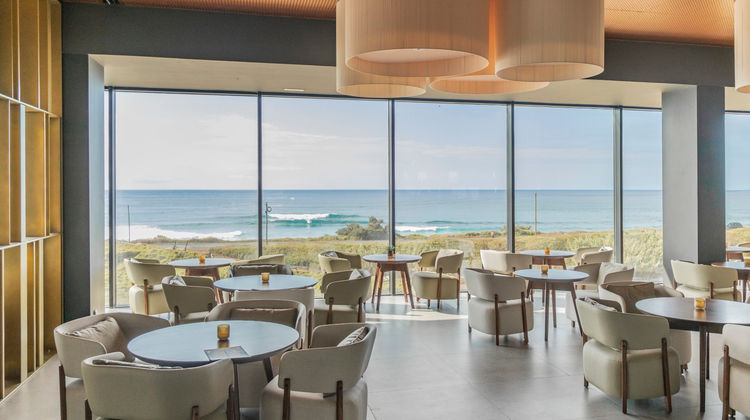
Santa Cruz da Graciosa has the highest concentration of restaurants on the island, clustered around the main plaza and the central streets leading down toward the harbor. Most are small, family-run, and open for lunch and dinner. Menus are in Portuguese; English is spoken at most places that regularly see visitors.
Vila da Praia has a smaller selection. If you are spending an afternoon near the beaches and windmills, there are options, but Santa Cruz remains the better base for dinner.
Some restaurants keep limited hours outside July and August. If you are visiting in shoulder season, confirming that a specific restaurant is open before heading across the island is sensible.
QUEIJADAS AND WINE EXPERIENCES
Graciosa guided tours can include a stop at the queijadas factory, a visit to the Pedras Brancas vineyard, and a tasting session with local products. Ask your tour operator about food-focused options when booking.
Browse Graciosa Tours →Graciosa Island Vacation Packages
Flights, accommodation, and rental car arranged together. Graciosa pairs naturally with São Miguel, or as part of the central islands route with São Miguel and Terceira.
Keep reading
Frequently Asked Questions
What is the most famous food from Graciosa Island?
Queijadas da Graciosa. They are star-shaped pastries with a thin crust and a lightly set filling of milk, sugar, and eggs. They have been made on the island for centuries and are recognized across the Azores as a Graciosa-specific product. Eating them warm at the factory in Vila da Praia is the recommended way to experience them.
What wine is produced on Graciosa?
Pedras Brancas is the local wine, named after Graciosa's white stones. The grapes are grown inside low volcanic stone enclosures called currais that protect the vines from wind and regulate temperature. The winery produces whites, reds, and rosés. The white is the most recommended pairing with the island's seafood.
What is the typical food in the Azores?
Across the Azores, the staples are fresh Atlantic seafood (including grilled limpets, tuna, and wreckfish), stewed meats (notably alcatra in Terceira), local cheeses, and volcanic geology-influenced wines. Each island has its specific products; Graciosa's queijadas and Pedras Brancas wine are its most distinctive contributions to the wider Azorean table.
Are there good restaurants on Graciosa?
Yes, though the selection is small. Most restaurants are concentrated in Santa Cruz da Graciosa and are family-run, with menus based on fresh daily catch and local produce. The quality is generally reliable; the freshness of the fish on a small fishing island is a consistent advantage. Outside July and August, some places keep limited hours, so confirming opening before traveling across the island is advisable.
Can you visit the queijadas factory?
Yes. The Fábrica das Queijadas da Graciosa in Vila da Praia offers factory tours and sells the pastries at the shop. A separate artisan baker offers a hands-on workshop where you make the queijadas by hand using the traditional method. Both require advance contact; the artisan workshop in particular should be booked before arriving on the island.
Is Graciosa wine available outside the Azores?
Pedras Brancas has limited distribution outside the archipelago. The winery's shop in Graciosa is the most reliable place to buy it. Small quantities occasionally appear in specialty Portuguese wine shops in Lisbon and Porto, but availability is not consistent. If you want to bring it home, buy it at the winery.
.jpg "Jeep tour through Cumeeiras, Sete Cidades, São Miguel Island")
.jpg "Sete Cidades Caldera Lakes in São Miguel Island, Azores")