by Azores Getaways Team
June 23, 2026 • 6 min read
Often referred to as Europe's “Best Kept Secret”, the Azores have become an increasingly popular destination with year-round appeal for travelers. This cluster of nine idyllic islands 900 miles off the coast of Portugal is an off-the-beaten-path destination packed with natural beauty, striking landscapes, and tangible authenticity.
Though the islands are similar to one another, each has its own distinct set of characteristics that set it apart from the rest. What makes each island unique? And, how do you know which island(s) you'll enjoy visiting the most? We break down each of the 9 islands of the Azores here with this mini guide.
Short on time? The quick answer
There is no single best island. It depends on your trip. For most first-time travellers, São Miguel is the best place to start: it has the most direct flights, the widest range of things to do, and the most dramatic scenery in one place. With a week, pair it with Terceira for culture and food, or with Pico and Faial for hiking and the mountain. For beaches, choose Santa Maria; for remote, waterfall-laced nature, choose Flores.
Browse Azores vacation packages →
1. São Miguel — The Best First Island for Most Travellers
São Miguel is the largest island in the Azores and the most visited, and for good reason. It has the most direct international flights, the widest range of activities, and some of the most dramatic volcanic landscapes in the entire archipelago.
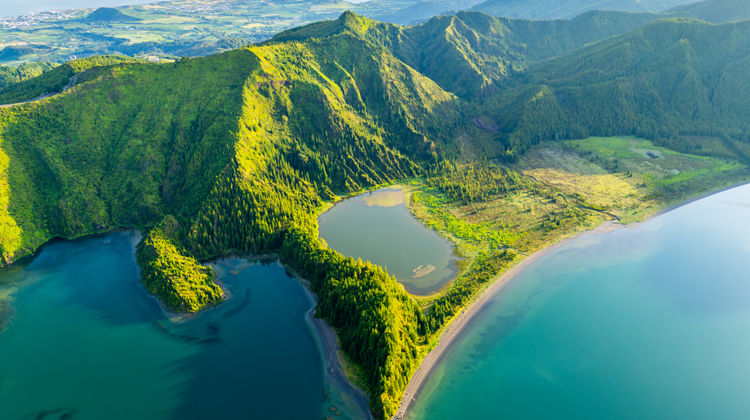
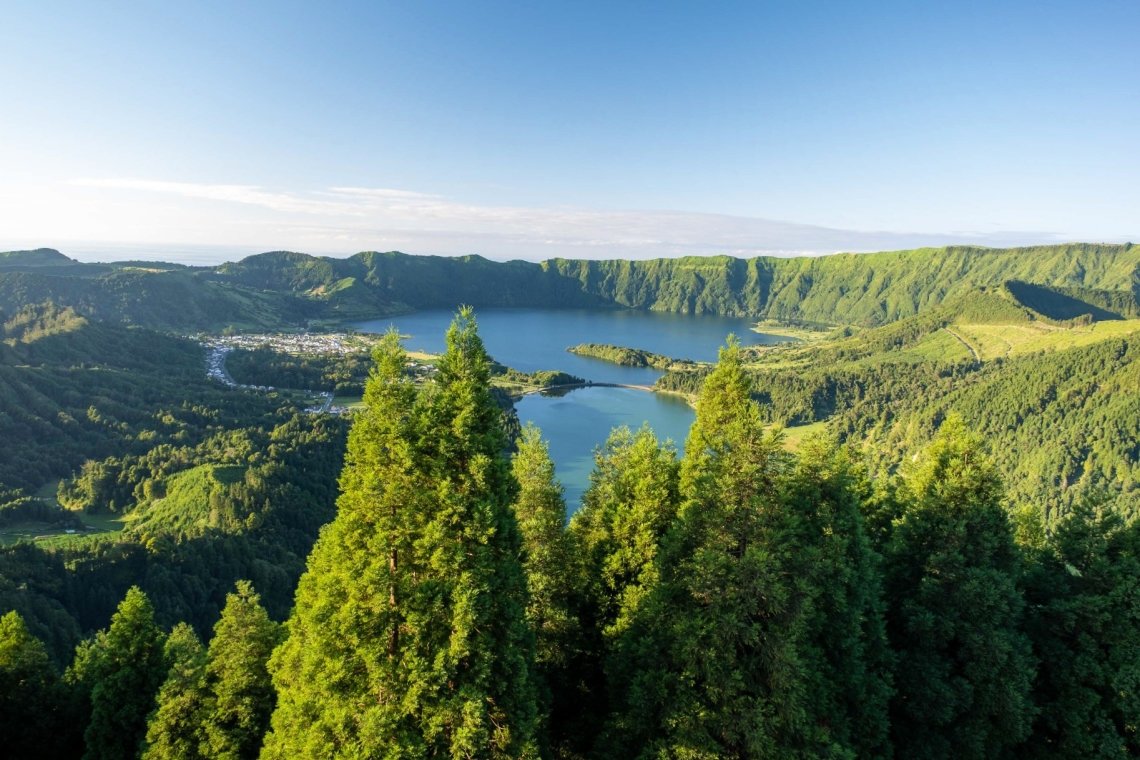
The twin crater lakes of Sete Cidades, the geothermal valley of Furnas, the pristine Lagoa do Fogo, and the natural lava pools of the west coast are all within a single day's drive. Ponta Delgada, the island's capital and the capital of the Azores, has an excellent restaurant scene, vibrant cultural life, and easy access to the island's main attractions.
Best for: First-time visitors, families, travellers who want maximum variety in one island, whale watching, hiking, hot springs.
Not ideal for: Those seeking remote, uncrowded experiences in peak season.
2. Santa Maria — The Sunniest Island in the Azores
Santa Maria is the southernmost and oldest island in the Azores, and the only one with long golden sand beaches. It receives significantly more sunshine than any other island in the archipelago, making it the closest thing to a traditional beach destination in the Azores.
Beyond the beaches, Santa Maria has a distinctive character: reddish volcanic cliffs, terraced vineyards, and a slower, more southern pace of life. Praia Formosa is the most famous beach, and Praia de São Lourenço is the most dramatic. The island is small enough to explore fully in 2 to 3 days.
Best for: Beach lovers, sun seekers, couples, divers, travellers who want beaches alongside volcanic scenery.
Not ideal for: Those primarily after dramatic volcanic landscapes or extensive hiking trails.
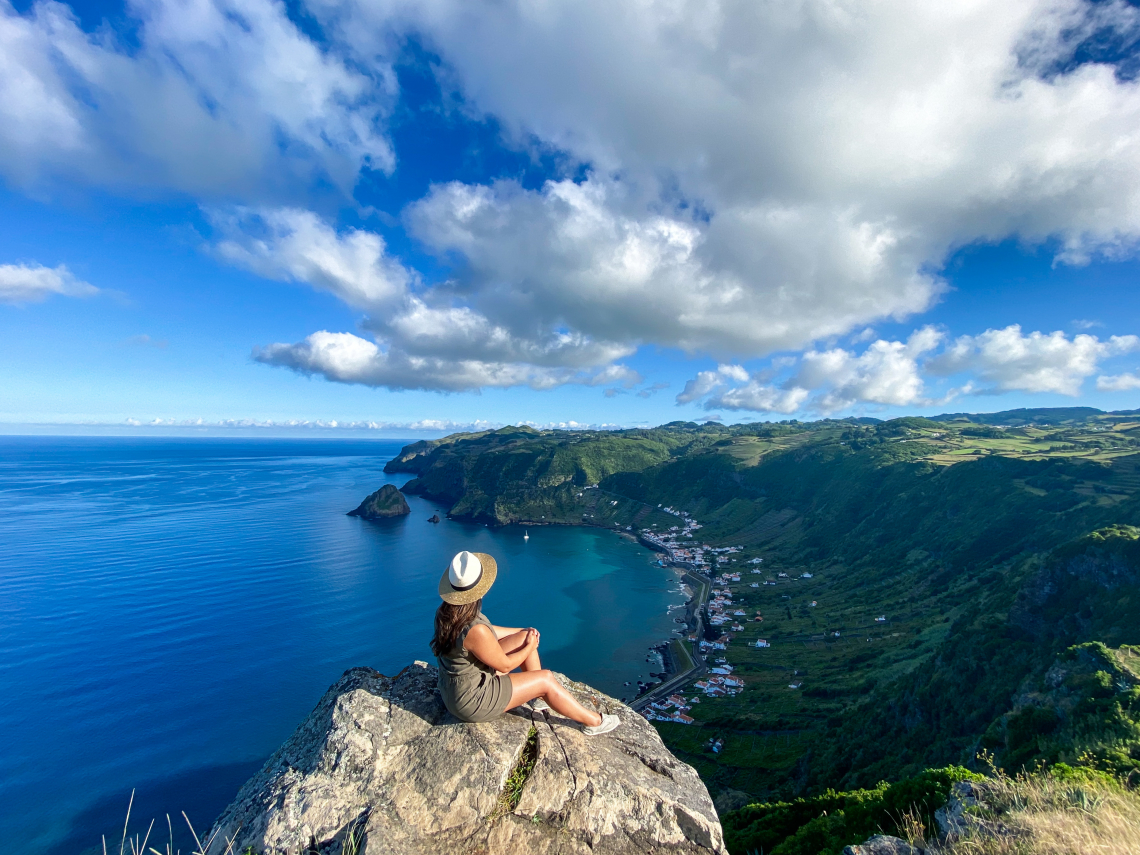
3. Terceira — UNESCO Heritage, Alcatra, and Volcanic Caves
Terceira is the second most visited island and one of the most rewarding. Its capital, Angra do Heroísmo, is a UNESCO World Heritage city — one of the most beautiful in the Atlantic — with 16th-century architecture, baroque churches, and cobblestone streets that feel genuinely historic. Beyond Angra, Terceira offers the Algar do Carvão lava tube, the Mistérios Negros trail through moss-covered lava fields, and the Serra do Cume viewpoint with its iconic mosaic of green fields. Locals like to say the Azores are "eight islands and an amusement park" — and Terceira is the amusement park, with year-round festivities and famously welcoming people. The food is outstanding, especially alcatra, a slow-braised beef stew cooked in a clay pot.
Best for: Culture and history lovers, foodies, hikers, travellers combining islands with São Miguel.
Not ideal for: Beach-focused holidays, though Praia da Vitória offers a good sandy beach.
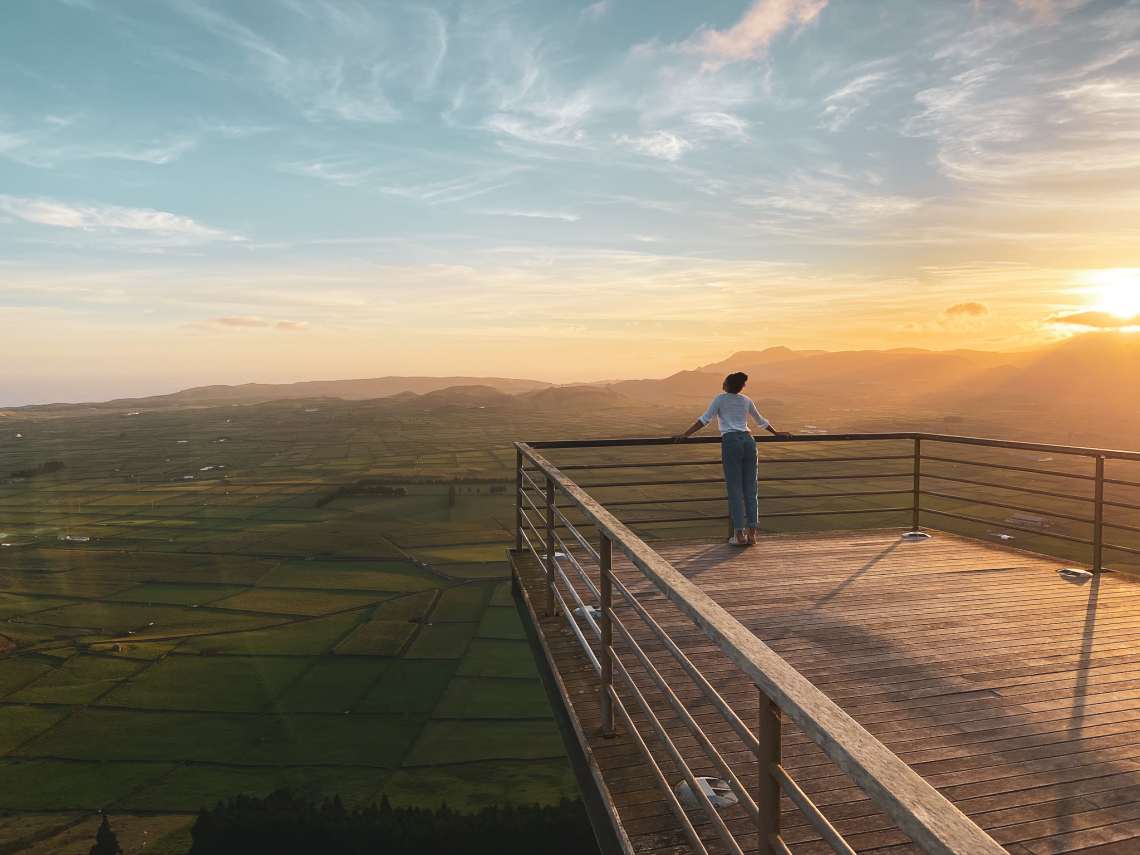
4. Graciosa — The Quiet Island
Graciosa is the smallest and flattest of the central islands, and one of the least visited — which is exactly its appeal. It moves at an unhurried pace, with whitewashed villages, Flemish-style windmills, and a landscape untouched by mass tourism. Its standout sight is the Furna do Enxofre, a vast volcanic cave with a sulphurous subterranean lake. Graciosa is also known for its delicate queijadas da Graciosa, its excellent local wine, and the therapeutic thermal spa of Carapacho, where mineral waters reach around 40°C (104°F).
Best for: Travellers seeking an authentic, uncrowded escape, wine lovers, anyone who wants to slow down.
Not ideal for: First-time visitors expecting dramatic volcanic scenery or a wide range of activities.
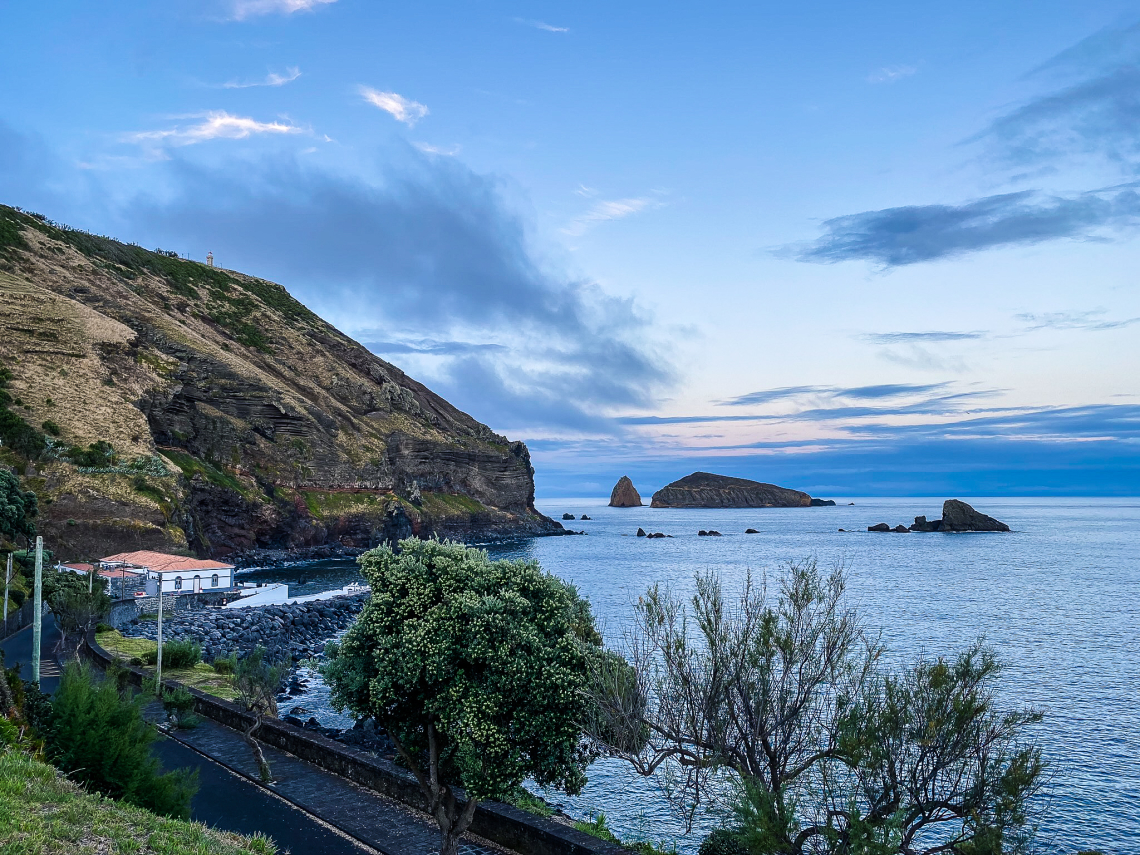
5. São Jorge — The Island of Fajãs and Dramatic Cliffs
São Jorge is long, narrow, and dramatically steep — a spine of volcanic rock rising over 1,000 metres from the sea, with sheer cliffs dropping to isolated coastal platforms called fajãs that can only be reached on foot. It is a paradise for serious hikers. The fajã of Caldeira de Santo Cristo, at the end of one of the Azores' most celebrated trails, holds a unique saltwater lagoon that produces the only cockles in the archipelago. The island also makes one of the finest cheeses in Portugal, the peppery, aged Queijo de São Jorge, and is home to Europe's only artisanal coffee plantation at Fajã dos Vimes.
Best for: Experienced hikers, adventure travellers, cheese and coffee lovers, those seeking something off the beaten path.
Not ideal for: Families with young children or travellers with limited mobility.
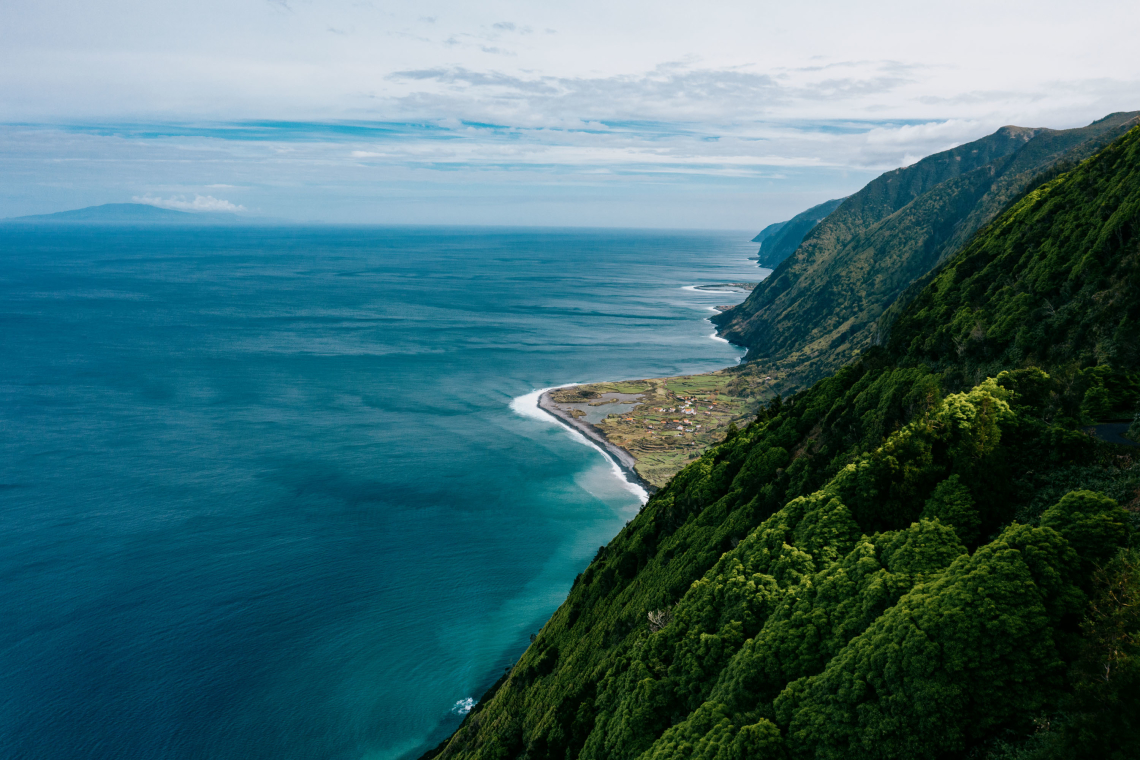
6. Pico — The Mountain Island
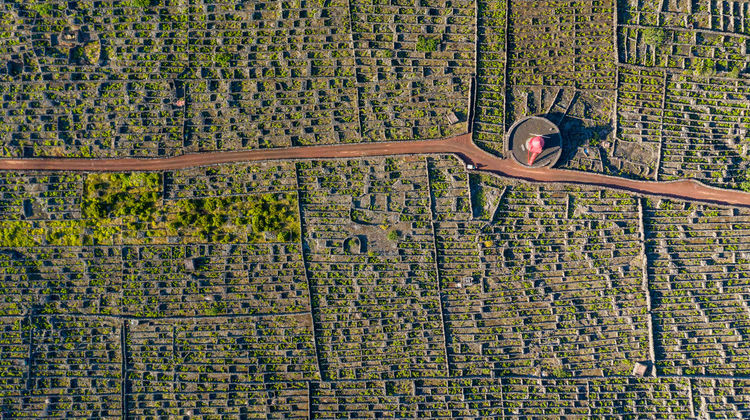
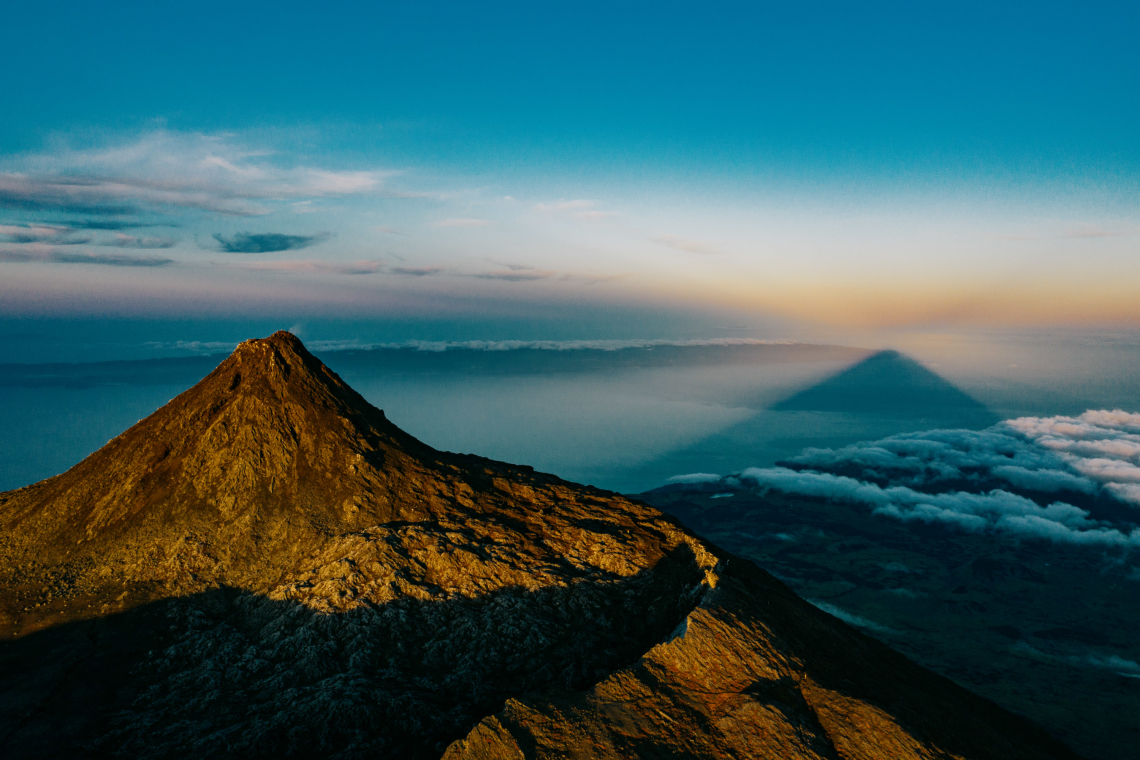
Pico is defined above all by its mountain. At 2,351 metres, Mount Pico is the highest point in Portugal and one of the most striking volcanic forms in the Atlantic, rising almost vertically from the sea. Beyond the mountain, Pico has a landscape of extraordinary character: ancient black-lava vineyards protected by UNESCO, where locals have produced wine since the 15th century, natural lava pools, one of the world's longest lava tubes, and a whaling history that shaped the culture of the entire Azores. It is quieter and less visited than São Miguel or Terceira.
Best for: Hikers, wine lovers, whale watching, travellers who want a rugged, authentic experience.
Not ideal for: Those who prefer urban amenities or a wide range of restaurants.
7. Faial — Sailing Culture and the Capelinhos Volcano
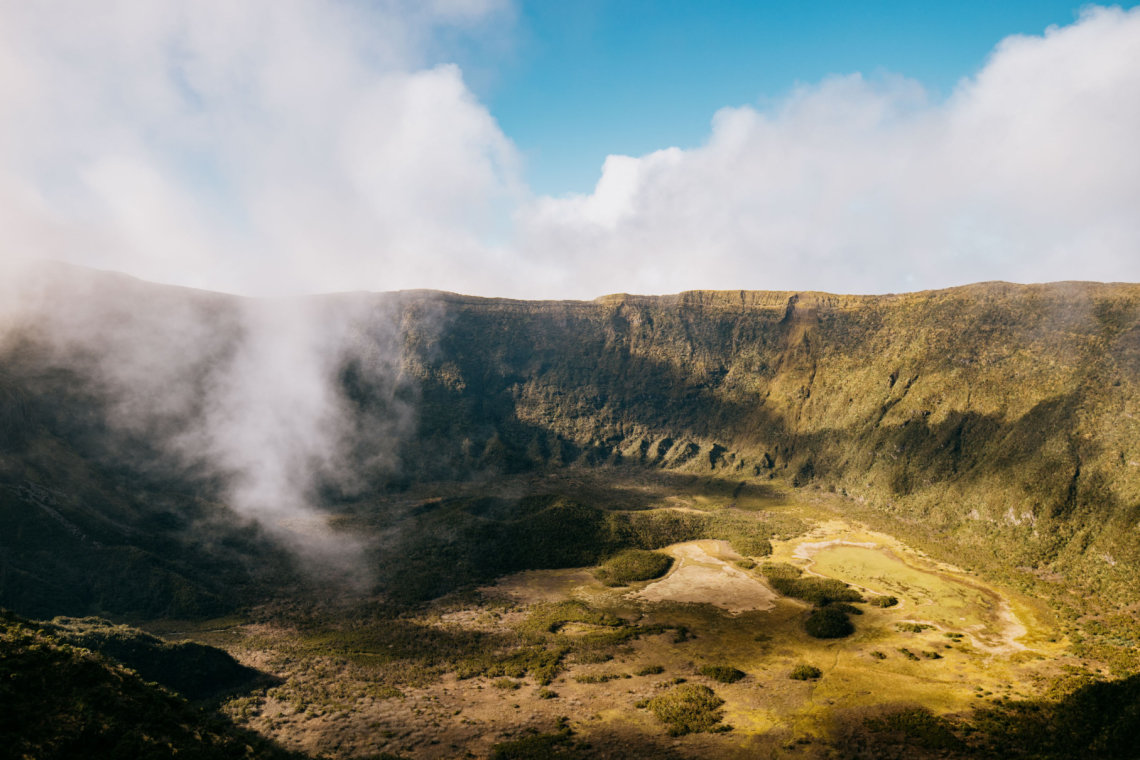
Faial is known as the Blue Island for its summer hydrangeas, but its character is shaped by the sea. Horta, its capital, has been a crossroads of Atlantic sailing routes for centuries, and its marina is one of the most storied yachting ports in the world. Peter's Café Sport, founded in 1918, has been a gathering point for sailors and travellers ever since. At the western tip, the Capelinhos volcano erupted in 1957-1958, adding a peninsula of black lava and half-burying a lighthouse — a stark landscape unlike anywhere else in the Azores. Faial also has excellent whale watching and a fine natural swimming beach at Porto Pim.
Best for: Sailors and maritime-history enthusiasts, whale watching, combining with Pico, culture alongside nature.
Not ideal for: Those expecting a beach-focused holiday.
8. Flores Island - A Paradise of Waterfalls and Lush Greenery in the Azores
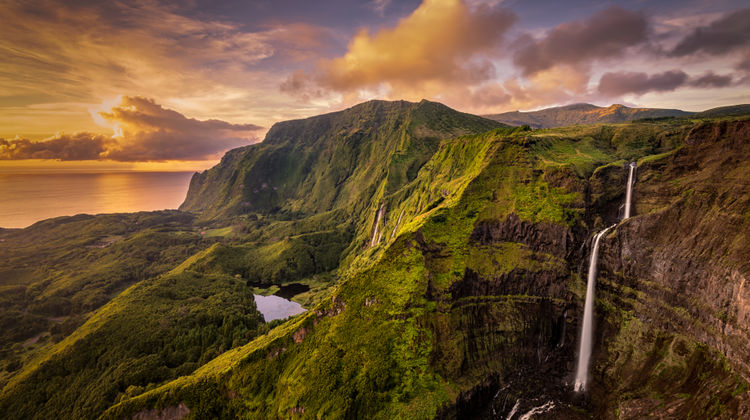
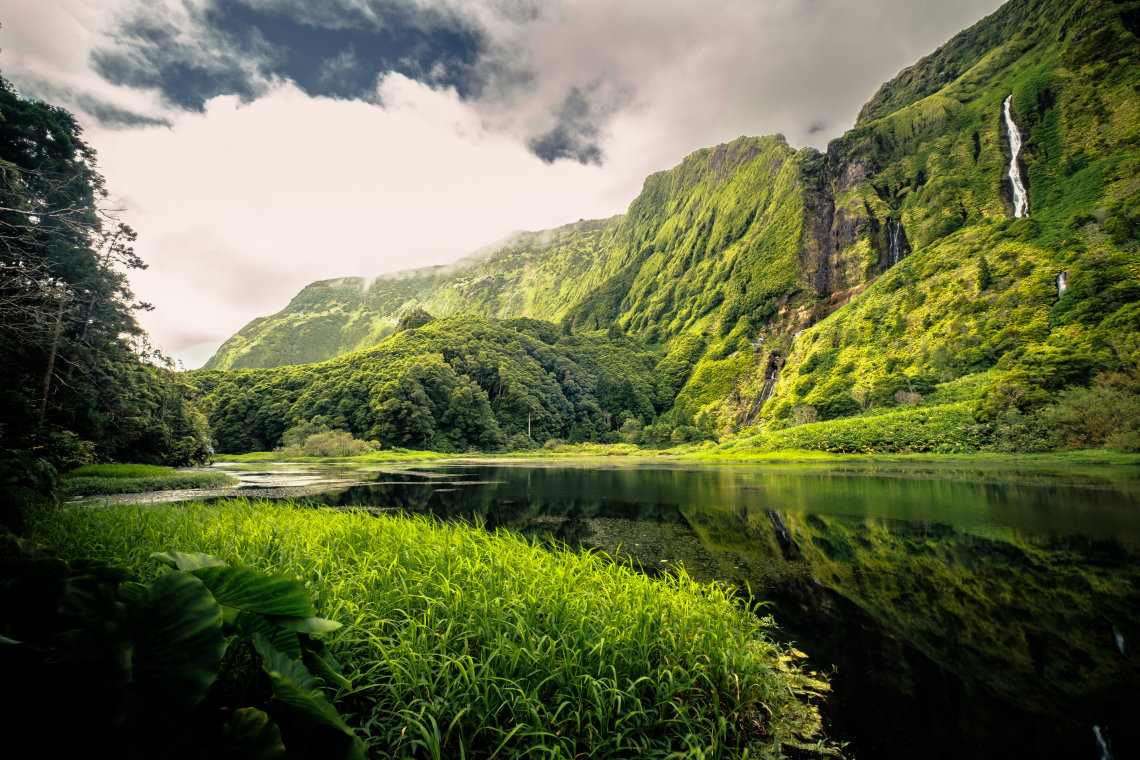
Flores is widely considered the most scenically extraordinary island in the Azores. Waterfalls cascade into crater lakes, hydrangeas line every road in summer, and the western coast drops to the sea in dramatic cliffs. A UNESCO Biosphere Reserve, it is known as the "Island of Waterfalls": the Poço do Bacalhau in Fajã Grande and the Poço da Ribeira do Ferreiro, with its more than 20 waterfalls, are unforgettable. Flores is harder to reach, requiring a connection through São Miguel or Terceira, but for travellers with time it delivers some of the most memorable landscapes in the Atlantic.
Best for: Nature lovers, photographers, travellers seeking remote beauty, those with more time to spare.
Not ideal for: Short trips or first-time visitors who want maximum efficiency.
9. Corvo Island: The Captivating and Remote Enchantment of the Azores
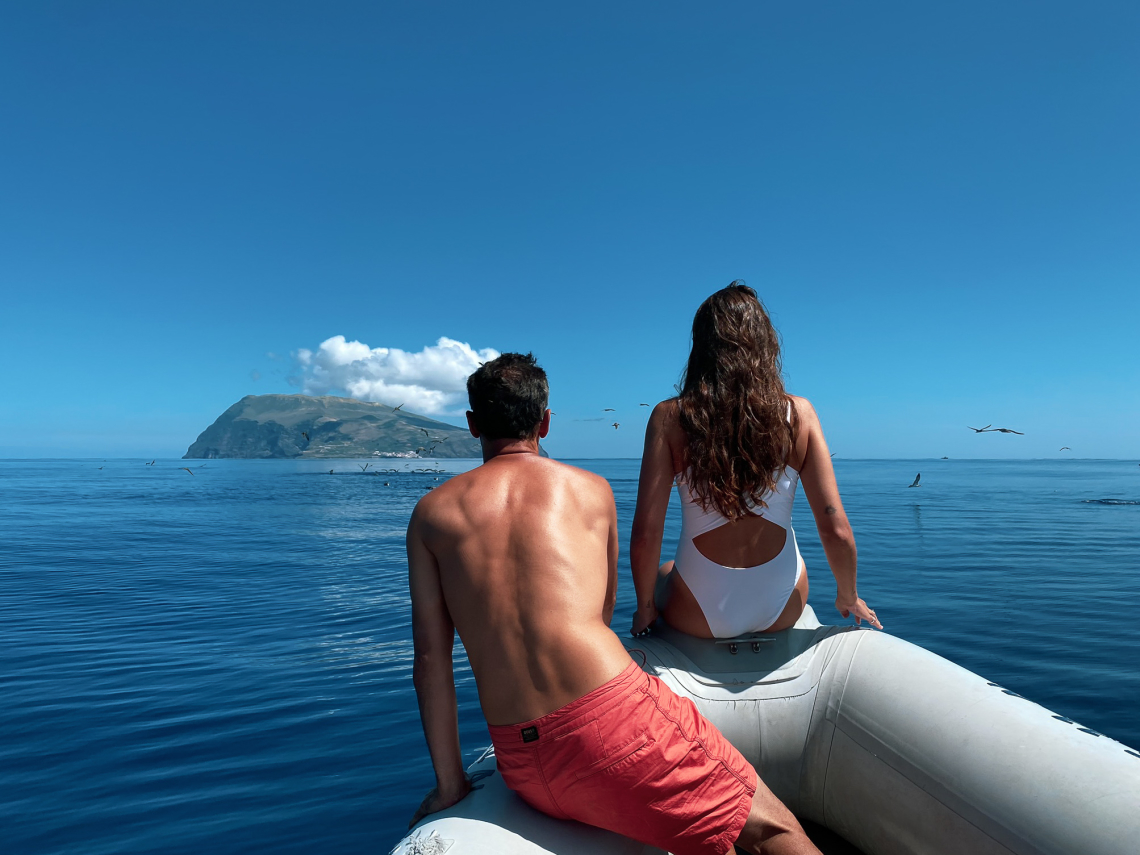
The smallest of the Azores, Corvo has a single village home to fewer than 500 people — one of the smallest communities in Europe, where locals still speak a medieval dialect of Portuguese. The island's one paved road leads to the breathtaking Caldeirão, a volcanic crater 3.7 km around and 300 m deep, with two small lakes that locals say represent the islands of the archipelago. Corvo is a favourite among birdwatchers, who come for the many rare migratory species, and divers drawn to its skylit lava caves.
Best for: Birdwatching, peace and tranquility, travellers who love remote, natural settings.
Not ideal for: Those who want a wide range of activities or amenities.
Take a day trip to Corvo from Flores →
The Triangle Islands: Pico, Faial and São Jorge
You may have heard of the Triangle of the Azores. It is in Pico, Faial and São Jorge that you most feel like you are living in an archipelago, with the other islands always on the horizon. Because they sit so close together, you can base yourself on one and take day trips to the others by ferry. If your trip includes any of the three, plan at least one day to hop across to the others.
So, which is the best Azores island?
Again, there is no single winner — the best island is the one that fits your trip. For a first visit or for maximum variety, choose São Miguel. For culture, history and food, Terceira. For hiking and the mountain, Pico and Faial together. For beaches and sun, Santa Maria. For remote, waterfall-laced nature, Flores. For peace and quiet, Graciosa or Corvo. Many travellers combine two islands in a week, and the islands are connected by short, frequent flights and ferries that make island-hopping easy.
Let our island-born experts build your trip → or call +1 857-557-6251 / WhatsApp
Frequently asked questions
Which is the best Azores island to visit?
For most travellers, São Miguel — it offers the most variety, the best flight access, and the widest range of activities. The best island ultimately depends on what you want: beaches (Santa Maria), hiking (Pico, São Jorge), culture (Terceira), or remote nature (Flores).
Which Azores island should I visit first?
São Miguel is the best first island for most people. It has the most direct flights and lets you experience crater lakes, hot springs, and whale watching in one place.
How many Azores islands should I visit in one trip?
For a one-week trip, two islands is the sweet spot — for example São Miguel plus Terceira, or Pico plus Faial. With ten or more days, you can comfortably add a third.
What is the easiest Azores island to reach?
São Miguel, via Ponta Delgada airport, has the most direct international flights, including from the US East Coast and mainland Portugal. The other islands are reached by short inter-island flights or ferries.
Ready to Experience the Azores?
Azores Getaways offers vacation packages built by local experts: hand-picked hotels, rental car included, travel protection, and all-in pricing with no surprises.
.jpg "Jeep tour through Cumeeiras, Sete Cidades, São Miguel Island")
.jpg "Sete Cidades Caldera Lakes in São Miguel Island, Azores")