by Azores Getaways Team
April 27, 2026 • 9 min read
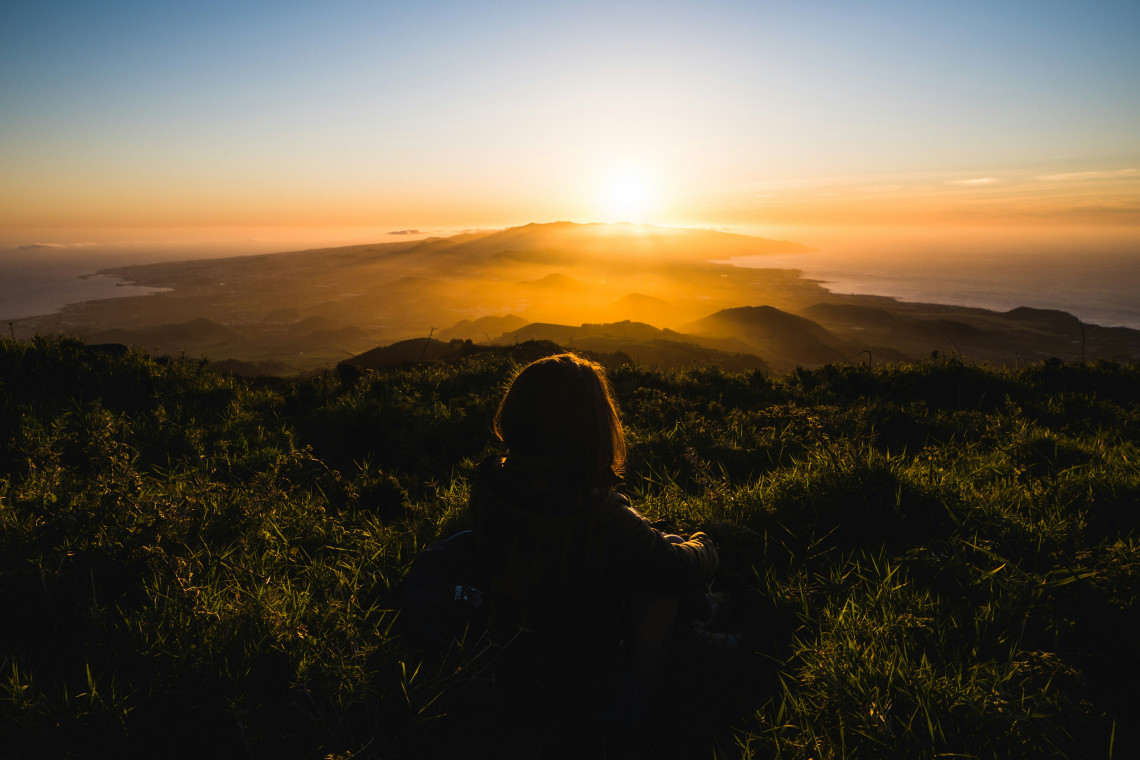
The Azores Were Made to Be Seen From Above
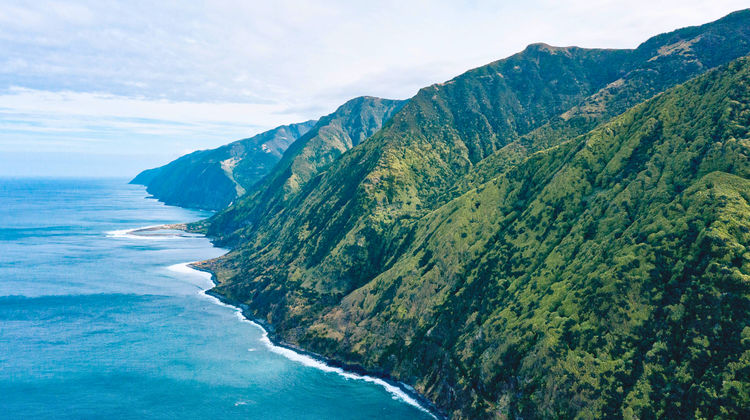
The Azores are one of those rare destinations where the landscape itself is the attraction. Volcanic craters, crater lakes, ocean cliffs, patchwork fields, and ancient lava formations stretch in every direction. And the best way to take it all in is from above.
The islands are dotted with miradouros, the Portuguese word for viewpoints, ranging from simple roadside pullouts to purpose-built platforms perched on the edge of calderas. Some are famous. Some are known only to locals. All of them are worth the drive.
This guide covers the best viewpoints across the main islands of the Azores, with practical notes on how to get there and when to visit.
Best Viewpoints on São Miguel Island
São Miguel has more iconic viewpoints than any other island in the Azores. It is the largest island and the most geologically dramatic, with multiple volcanic calderas, crater lakes, and a rugged north coast that drops straight into the Atlantic.
Miradouro da Vista do Rei
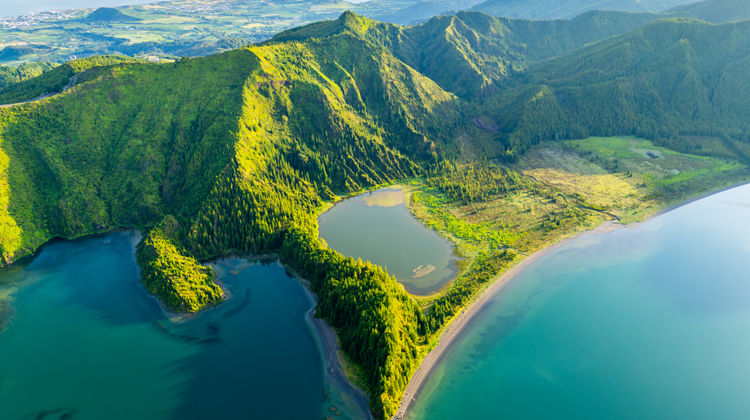
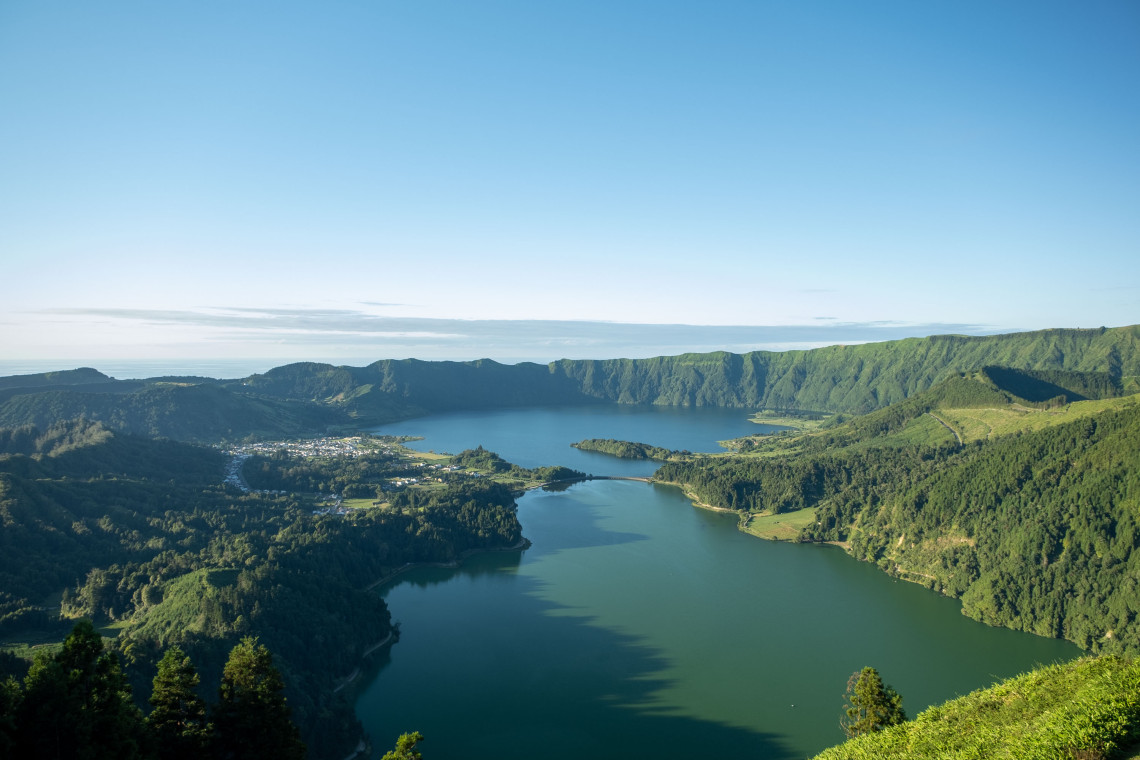
The most famous viewpoint in the Azores and arguably the most photographed landscape in Portugal. Vista do Rei sits on the rim of the Sete Cidades caldera and offers a sweeping view of the twin crater lakes below, the village of Sete Cidades, and the surrounding green hills. On a clear day the contrast between the blue lake and the green caldera walls is breathtaking.
Miradouro da Grota do Inferno
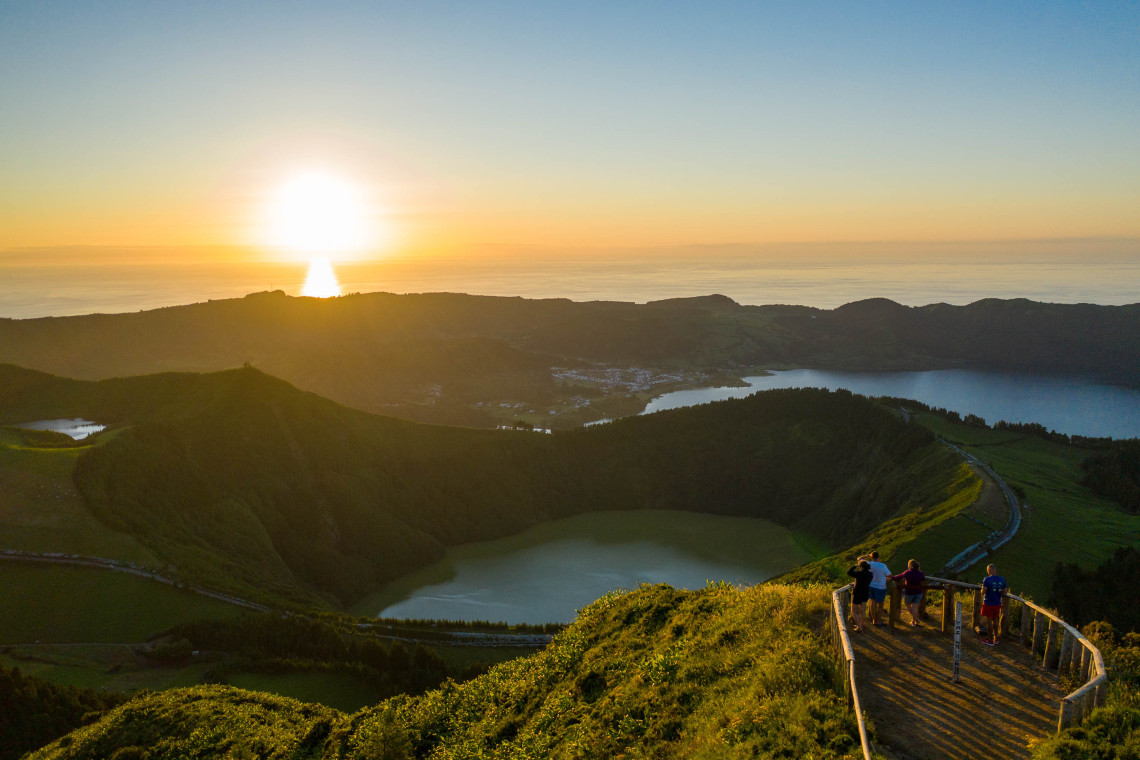
Less visited than Vista do Rei but considered by many locals to be even more dramatic. The viewpoint sits slightly lower on the caldera rim and offers a different perspective over Lagoa das Sete Cidades, with the village visible at the water's edge. Park in the car park and walk the short path to the platform. A mandatory stop when exploring the west of São Miguel.
Miradouro do Pico do Carvão
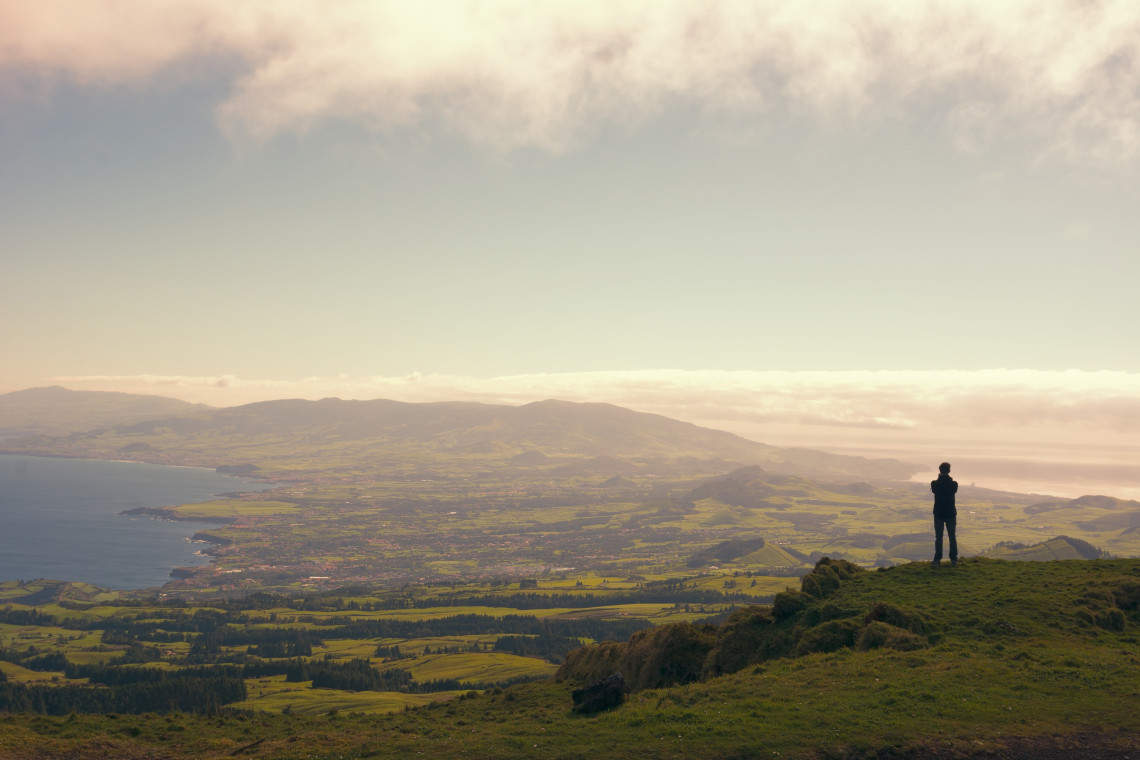
On the road to Sete Cidades from Ponta Delgada, Pico do Carvão offers sweeping views over the central plateau of São Miguel and the Lagoa do Carvão below. A great first stop on a west coast day trip, before descending into the caldera.
Miradouro da Lagoa do Canário
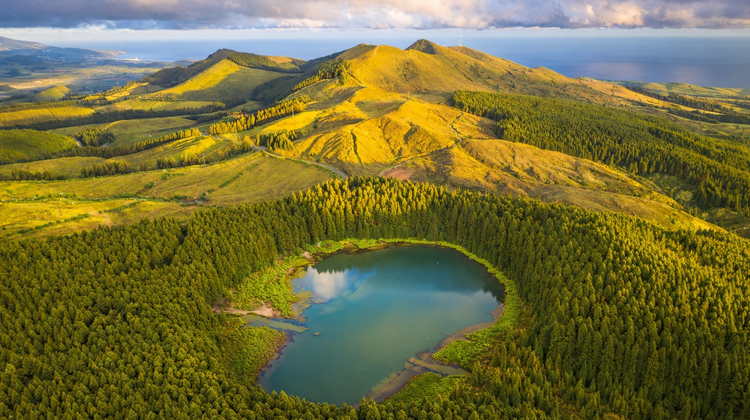
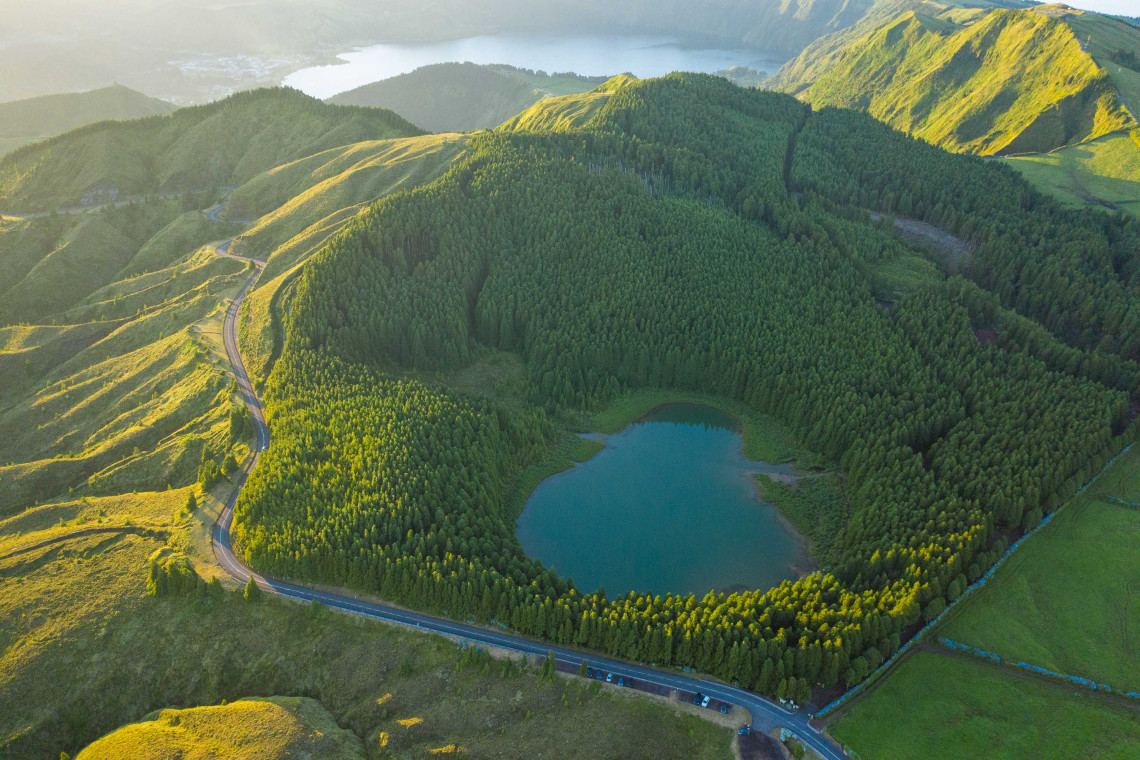
Another highlight on the west coast route, the Lagoa do Canário viewpoint looks out over a small, perfectly circular crater lake surrounded by dense laurel forest. One of the most peaceful spots on the island and rarely crowded.
Miradouro da Ponta do Sossego
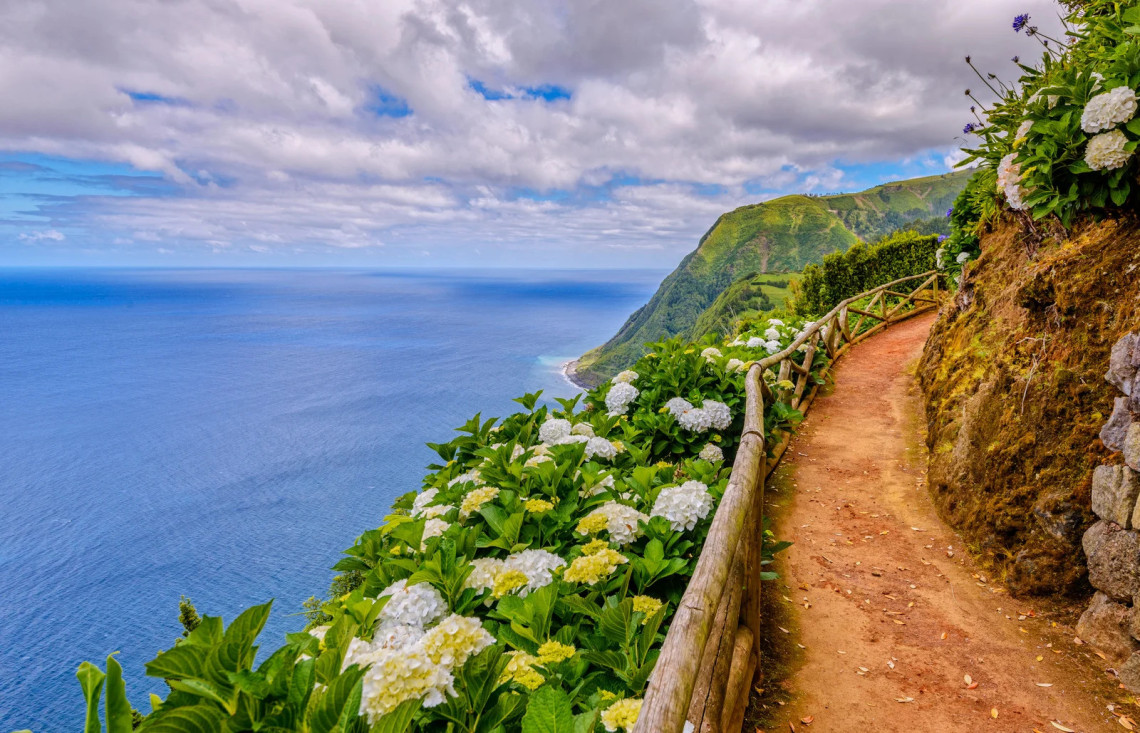
On the northeast coast of São Miguel, Ponta do Sossego is a beautifully maintained garden viewpoint with manicured lawns, hydrangea borders, and uninterrupted views over the Atlantic. Best visited on a calm, clear day.
Best Viewpoints on Terceira Island
Terceira is often underestimated as a destination for dramatic scenery, but its viewpoints are among the most distinctive in the entire Azores archipelago.
Miradouro da Serra do Cume
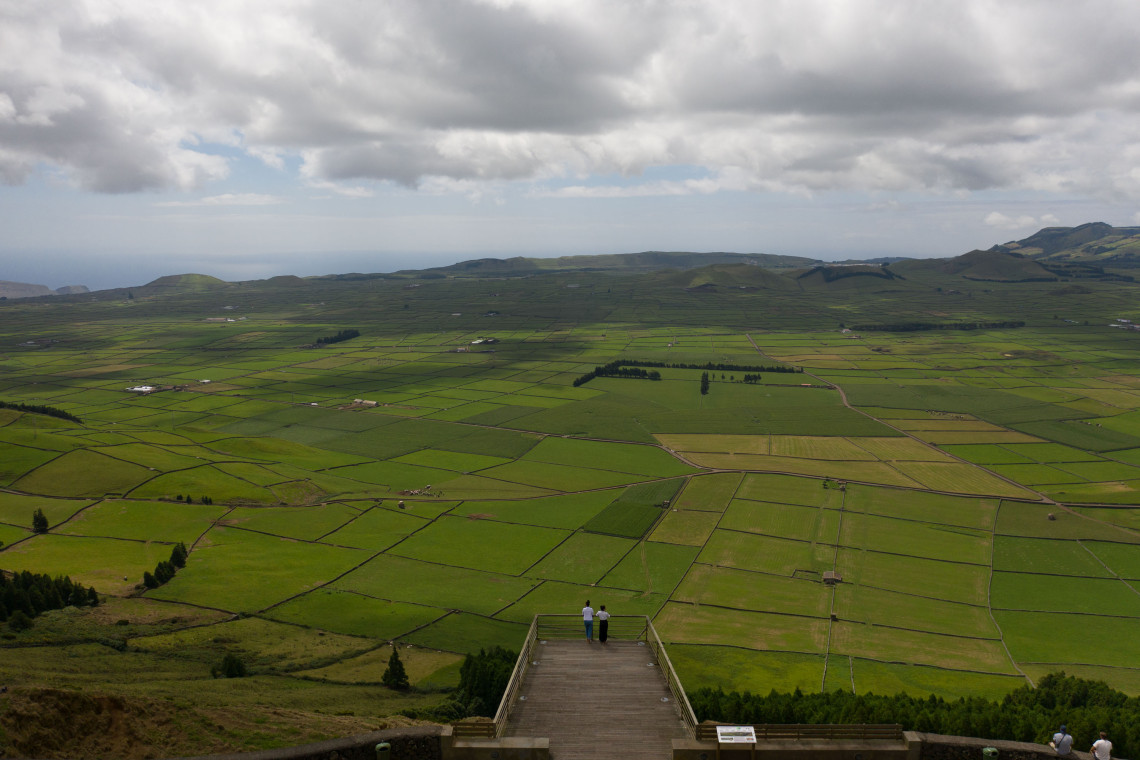
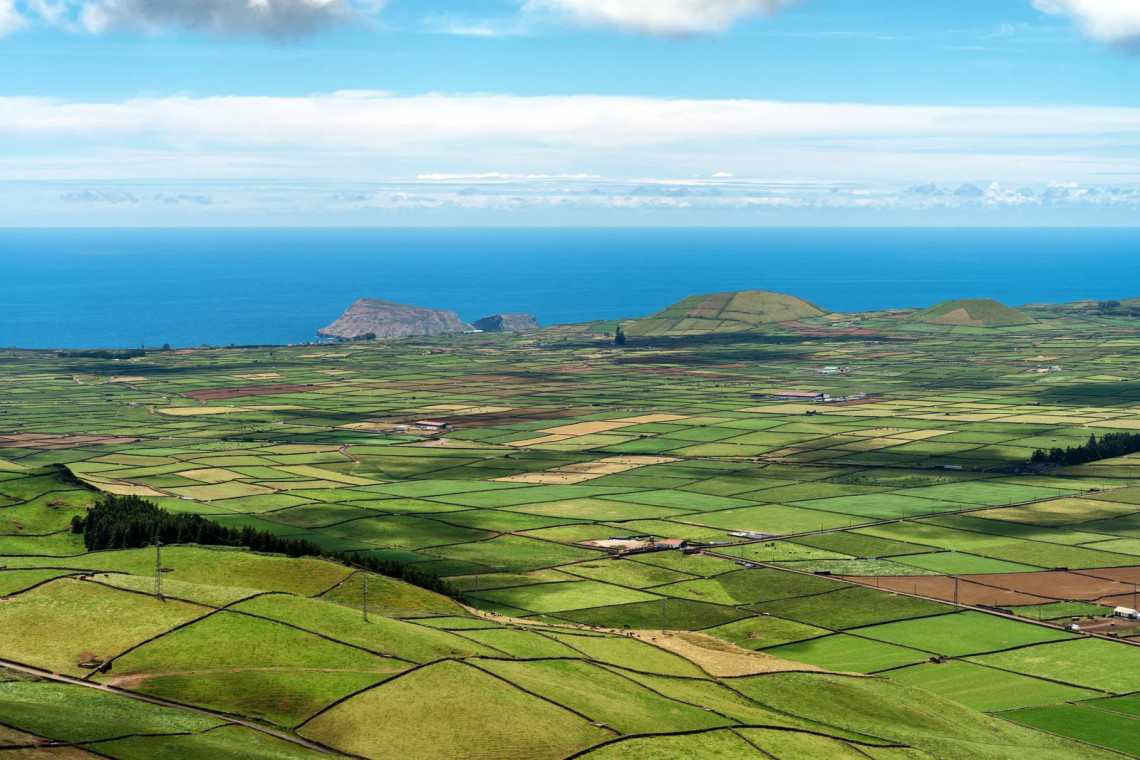
The signature viewpoint of Terceira and one of the most iconic landscapes in the Azores. From the ridge of Serra do Cume, the entire central plateau of the island stretches out below: a mosaic of tiny green fields divided by dark basalt stone walls, with Angra do Heroísmo and the bay visible in the distance. The pattern of the fields, shaped by centuries of agriculture on volcanic soil, is unlike anything else in the Atlantic.
Miradouro do Alto da Memória
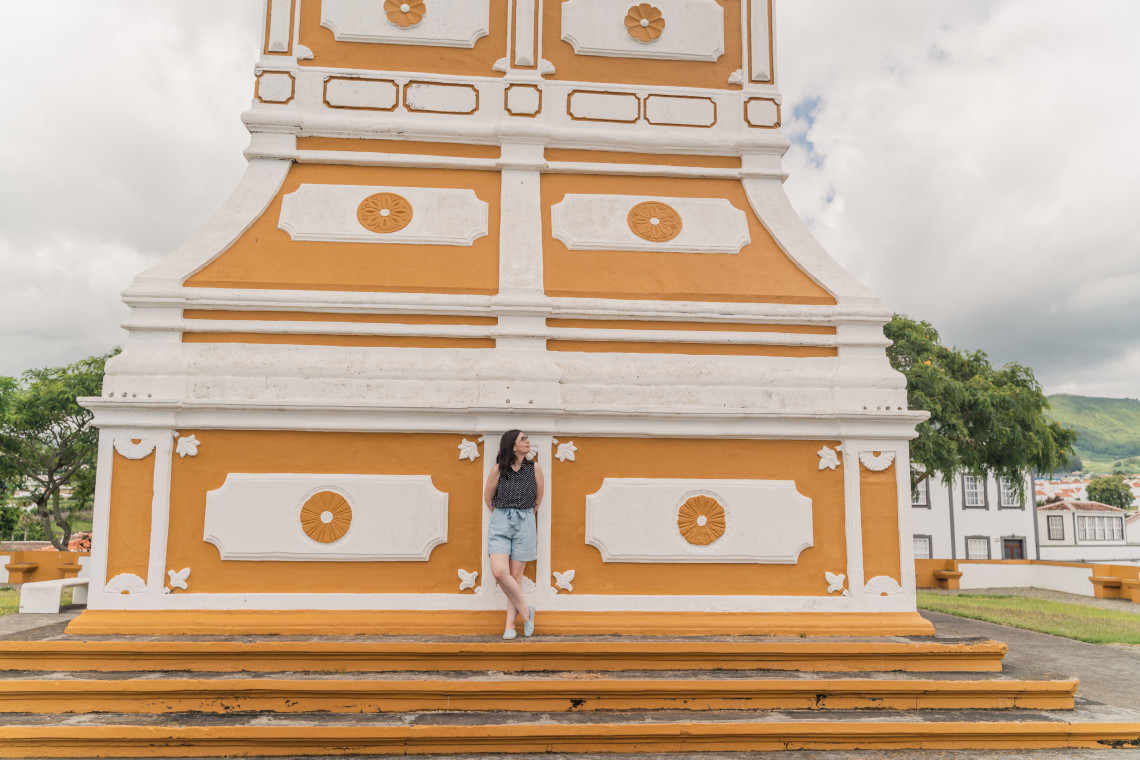
Located in the heart of Angra do Heroísmo, this former military fort sits above the UNESCO World Heritage city and offers panoramic views over the historic centre, the harbour, Monte Brasil, and the bay. A short walk from the city centre and one of the best ways to understand the scale and beauty of Angra from above.
Monte Brasil
The extinct volcanic cone that guards the entrance to Angra do Heroísmo is also one of the best natural viewpoints on Terceira. The road to the summit passes through the Forte de São João Baptista and opens onto sweeping views of the city and bay. Walkable from the centre of Angra and best visited at sunset.
Serra da Ribeirinha
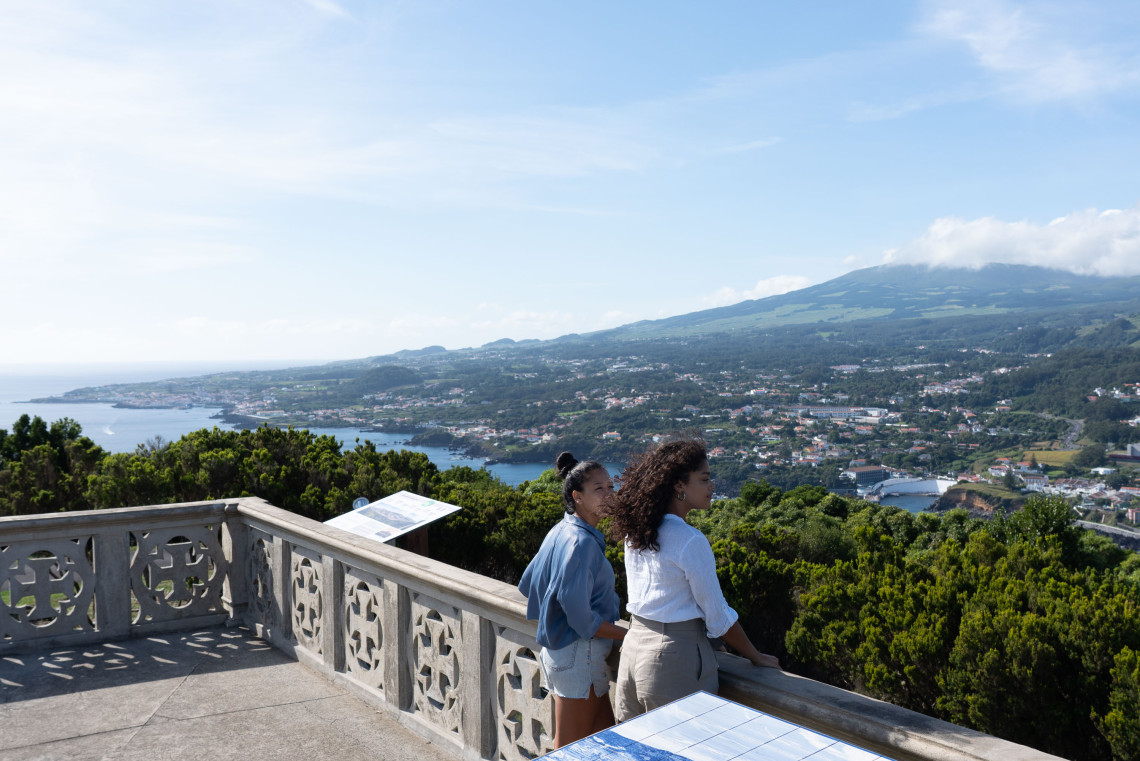
On the east coast of Terceira, Serra da Ribeirinha is known locally for its sunset views over the Atlantic, with the volcanic Ilhéus das Cabras visible in the distance. A quieter and more personal viewpoint, away from the main tourist routes.
Best Viewpoints on Faial Island
Caldeira do Faial
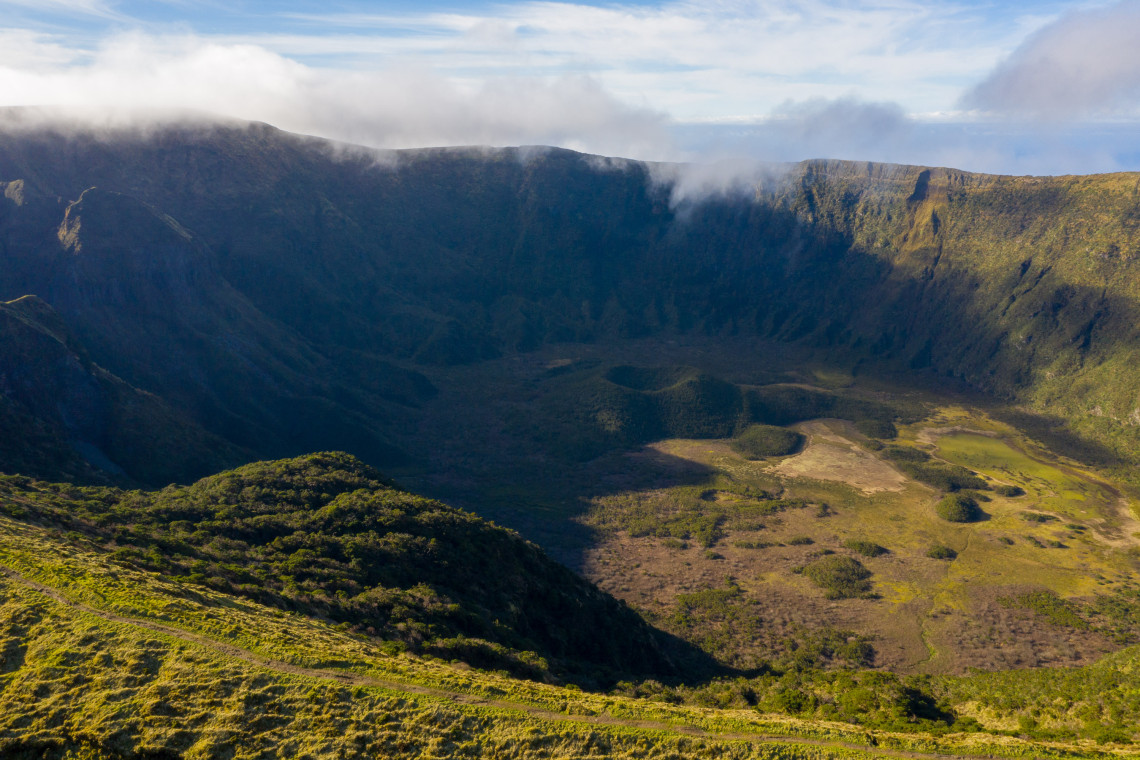
The caldera of Faial is one of the largest and most accessible in the Azores. A circular walking trail runs around the rim of the crater, offering constantly changing views into the volcanic depression below and across the island to the sea. On a clear day you can see Pico Island rising from the water to the east.
Miradouro do Capelinhos
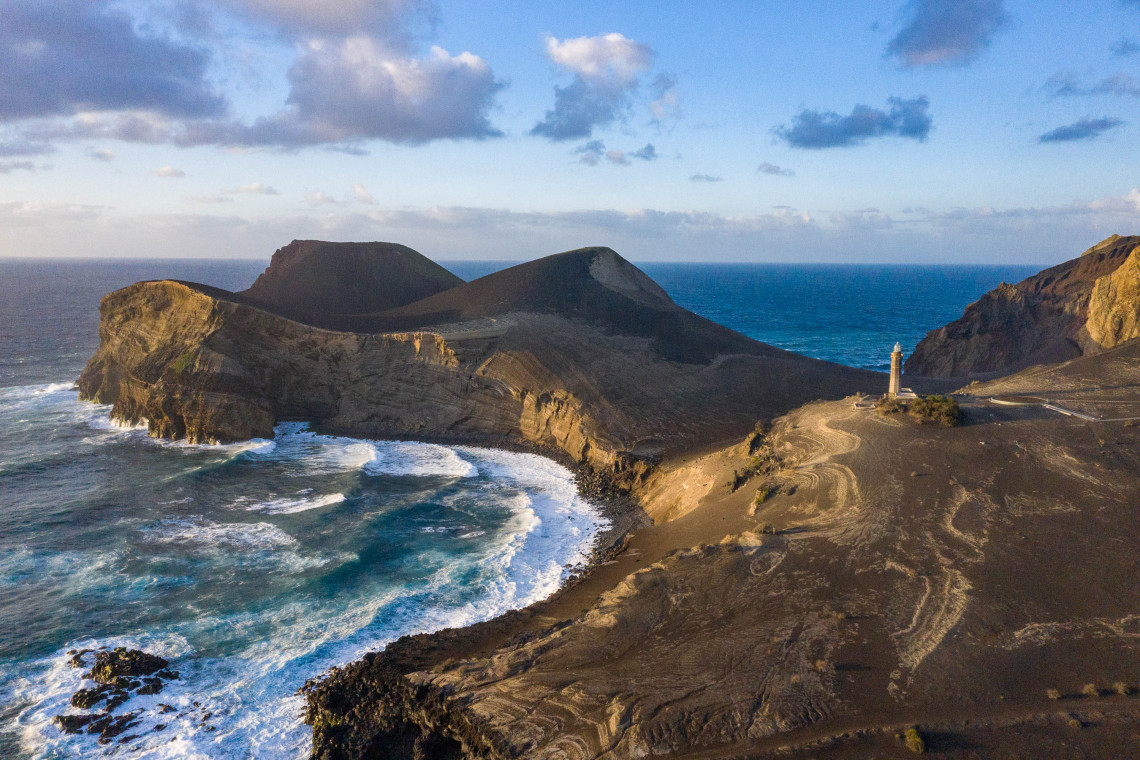
At the western tip of Faial, the Capelinhos volcano last erupted in 1957 to 1958, adding a new peninsula of black lava to the island and burying a lighthouse up to its lantern room in volcanic ash. The landscape today is stark, otherworldly, and completely unlike anywhere else in the Azores. The viewpoint above the lighthouse looks out over the lava fields and the Atlantic, with a silence and desolation that is deeply atmospheric.
Best Viewpoints on Pico Island
Ponta do Pico — The Summit of Portugal
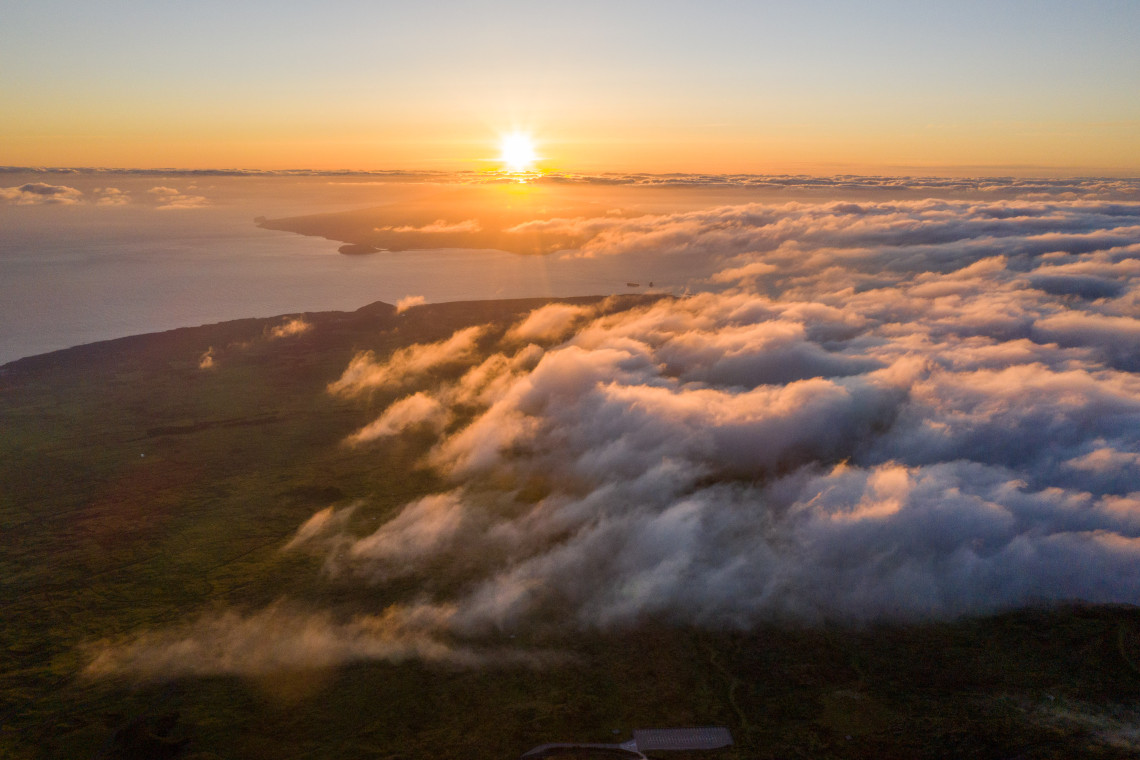
The summit of Mount Pico, at 2,351 metres, is the highest point in Portugal and one of the most extraordinary natural viewpoints in the Atlantic. The hike takes 3 to 4 hours each way and requires registration with the mountain guides service. On a clear day the view from the top extends across multiple islands.
Tips for Visiting Azores Viewpoints
Go early. Most viewpoints are best in the morning, before the tour groups arrive and before the afternoon cloud builds up. In the Azores, weather can change within minutes, especially at altitude.
Check the weather the night before. Apps like Windy or the local Azores Meteorological Service give accurate forecasts by location. A clear morning after rain often produces the most dramatic light.
Bring a layer. Even in summer, viewpoints at altitude can be cold and windy. A windproof jacket fits easily in a day bag and makes all the difference.
Rent a car. Almost all the best viewpoints in the Azores are only accessible by car. Public transport does not serve most miradouros.
Be patient. If the view is covered in cloud when you arrive, wait 20 to 30 minutes. Azorean cloud moves fast and often clears completely within half an hour.
Ready to See the Azores From the Top?
Our vacation packages include rental car, hand-picked accommodation, and detailed local itineraries so you never miss a viewpoint worth stopping for.
View Azores Packages →Frequently Asked Questions: Best Viewpoints in the Azores
What is the most famous viewpoint in the Azores?
The Miradouro da Vista do Rei on São Miguel Island is the most iconic viewpoint in the Azores, offering a sweeping panorama over the Sete Cidades twin crater lakes and volcanic caldera. It is one of the most photographed landscapes in Portugal.
Which island has the best viewpoints in the Azores?
São Miguel has the highest concentration of dramatic viewpoints, including Vista do Rei, Grota do Inferno, Pico do Carvão, and Ponta do Sossego. Terceira is exceptional for Serra do Cume and the views from Monte Brasil over Angra do Heroísmo. Faial offers the unique volcanic landscape of Capelinhos.
What is the best time of day to visit viewpoints in the Azores?
Early morning is best. Light is softer, cloud cover is lower, and most viewpoints are empty of tour groups. Afternoons in the Azores tend to bring more cloud, especially at altitude.
Do I need a car to visit viewpoints in the Azores?
Yes. A rental car is essential for visiting most miradouros in the Azores. Public transport does not serve the majority of viewpoints, and many are located on mountain roads or remote coastal routes.
Is the hike up Mount Pico worth it?
Yes, for experienced hikers who are comfortable with altitude and unpredictable weather. The hike takes 3 to 4 hours each way and requires registration with the Pico Mountain guides service. The views from the summit on a clear day are extraordinary.
.jpg "Jeep tour through Cumeeiras, Sete Cidades, São Miguel Island")
.jpg "Sete Cidades Caldera Lakes in São Miguel Island, Azores")