by Azores Getaways Team
June 30, 2026 • 8 min read
The Azores is nine islands spread across 600 kilometers of the mid-Atlantic, which sounds like a logistical challenge until you realize that the distances between most of the main islands are measured in a 45-minute flight. Island hopping here is less complicated than it sounds, and the reward is significant: the islands are genuinely different from one another in landscape, character, and what they offer. Moving between two or three of them in one trip gives a depth of experience that staying on one island alone doesn't.
This guide covers the main island combinations worth considering for US and Canadian travelers, how to get between islands, what the logistics actually involve, and how much time each combination requires
Why the Islands Are Different Enough to Make This Worthwhile
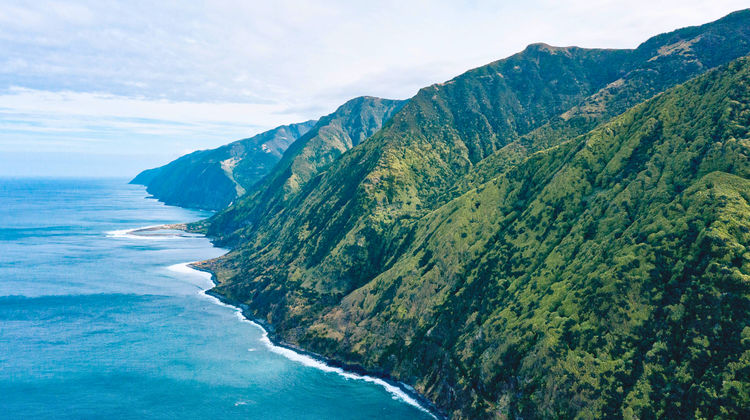
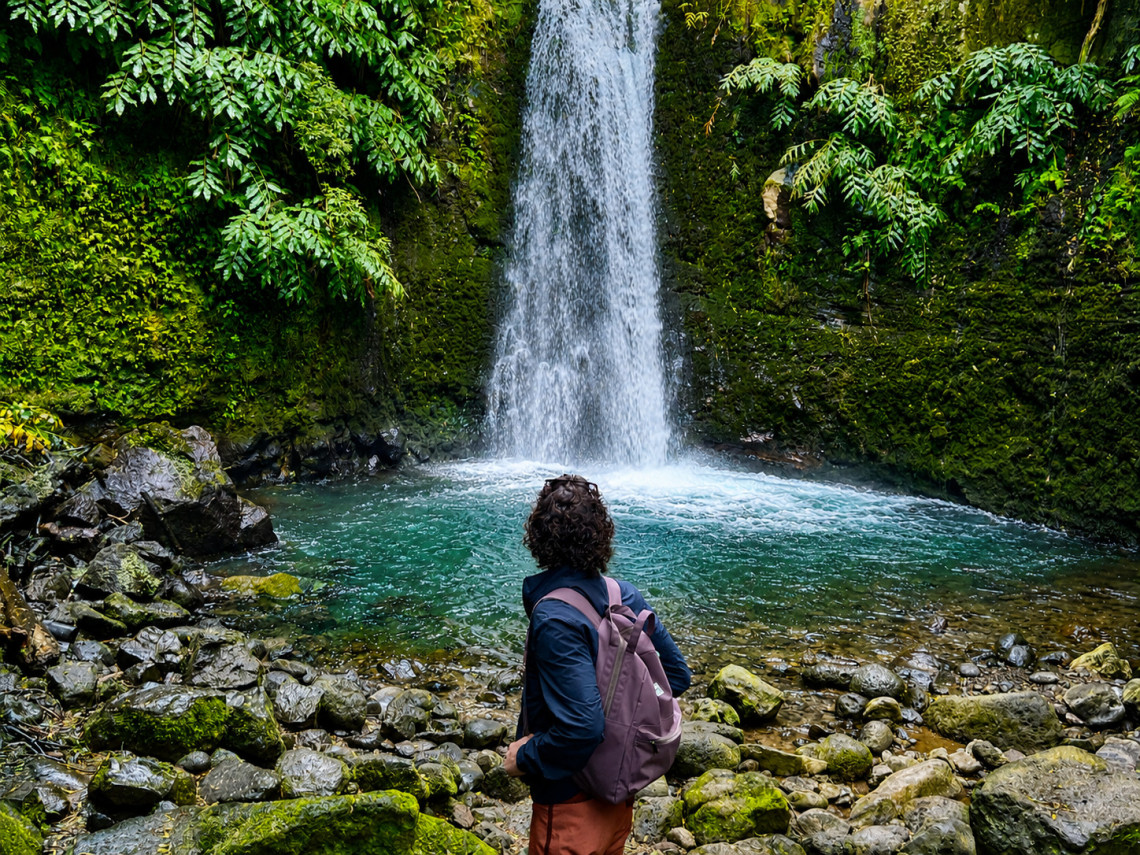
The most common assumption about island hopping in the Azores is that the islands are variations on the same theme. They're not. São Miguel is volcanic, green, and the most urban island in the archipelago, with a capital city and a wide activity range. Terceira is historically significant, with a UNESCO-listed city and a gentler landscape. Pico is dominated by the highest peak in Portugal and produces some of the best whale watching in the world. São Jorge has dramatic sea-cliff topography and wild coastal strips called fajãs. Faial is the sailing capital of the mid-Atlantic, with a marina culture that draws transatlantic sailors. Flores is the most remote of the main islands, with more waterfalls than anywhere else in the Azores and almost no tourist infrastructure.
Moving between two or three of these gives a trip a range that a single island cannot. The contrast is the point.
The Main Island Combinations
São Miguel and Terceira: The Best Azores Islands Combination
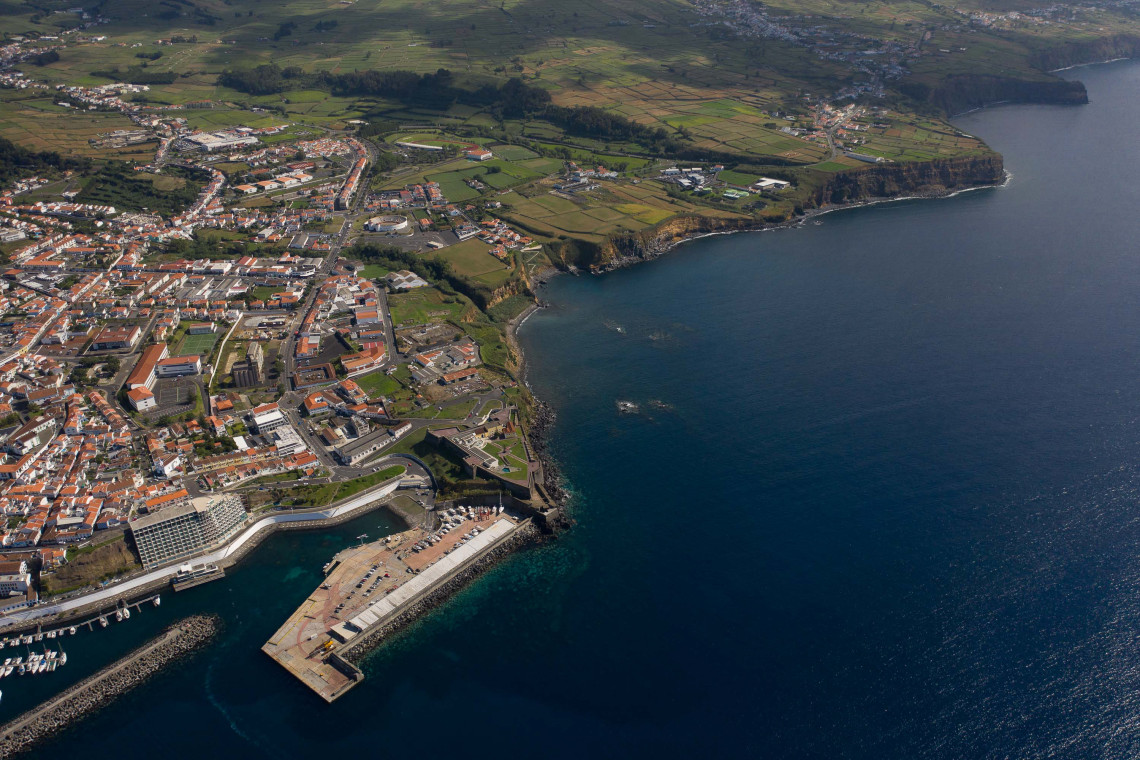
This is the most popular island hop in the Azores and consistently the one travelers recommend on return. São Miguel and Terceira are different enough to feel like two separate trips, close enough to connect by a 40-minute flight, and together cover a range of experiences that satisfies most types of travelers.
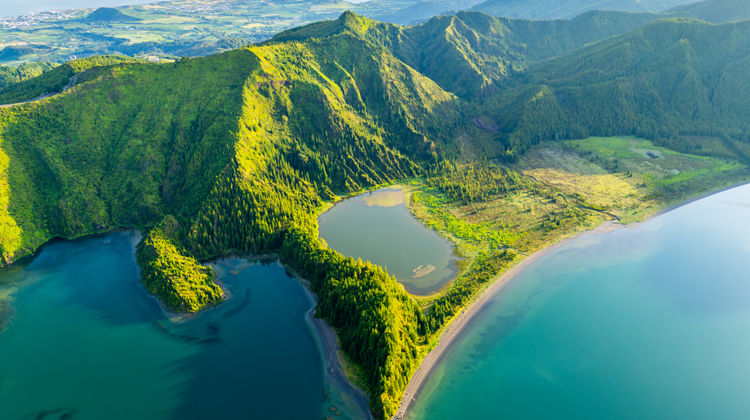
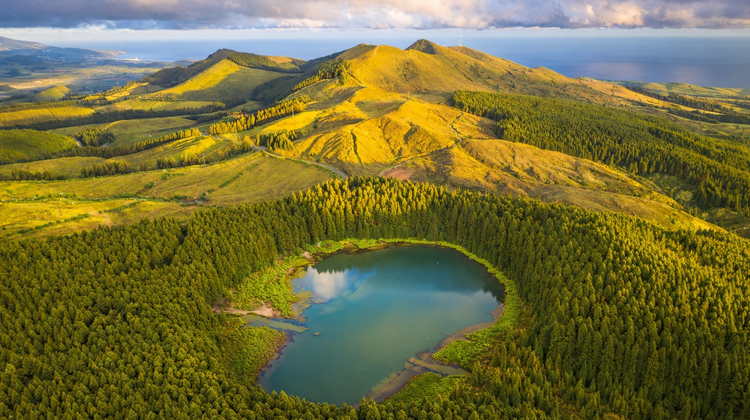
São Miguel handles the natural landscape: the crater lakes at Sete Cidades and Lagoa do Fogo, the geothermal valley at Furnas with its volcanic pools and slow-cooked cozido das Furnas, the thermal waterfall at Caldeira Velha. Terceira handles the cultural and historical side: the city of Angra do Heroísmo is a UNESCO World Heritage site with 500 years of intact colonial architecture, and the island's interior has a pastoral quality that contrasts sharply with São Miguel's volcanic terrain. Terceira also has the tourada à corda (the Azores' version of bullfighting, where the bull is kept on a rope held by handlers), a genuine cultural spectacle unlike anything else in the archipelago.
For a 10-night trip, five or six nights on São Miguel and four or five on Terceira is the natural balance. For seven or eight nights, four on São Miguel and three on Terceira still covers the main ground without rushing.
São Miguel & Terceira with Car
Flights, inter-island connection, hotel, and rental car on both islands. The most popular Azores island hop, packaged and ready to go.
See São Miguel & Terceira with Car →The Triangle Islands: Faial, Pico, and São Jorge
Faial, Pico, and São Jorge sit within 30 to 60 minutes of each other by ferry, close enough that you can see across the channel from one island to the next. The combination is called the Triangle, and it's the better choice for travelers who want a more active trip with less infrastructure and more raw landscape.
Pico is where the whale watching is: the channel between Pico and Faial has one of the highest concentrations of sperm whales in the Atlantic, and the island's resident whale watching operations have some of the best success rates in the world. Pico also has the Montanha (at 2,351 meters, the highest peak in Portugal), which can be climbed in a full day with a guide, and the UNESCO landscape of black lava stone wine fields (currais) running along the southern coast. Faial has the Marina da Horta, the traditional mid-Atlantic sailing stop, plus the collapsed Capelinhos volcano on the western tip, which erupted in 1957 and left a surreal landscape of grey ash behind.
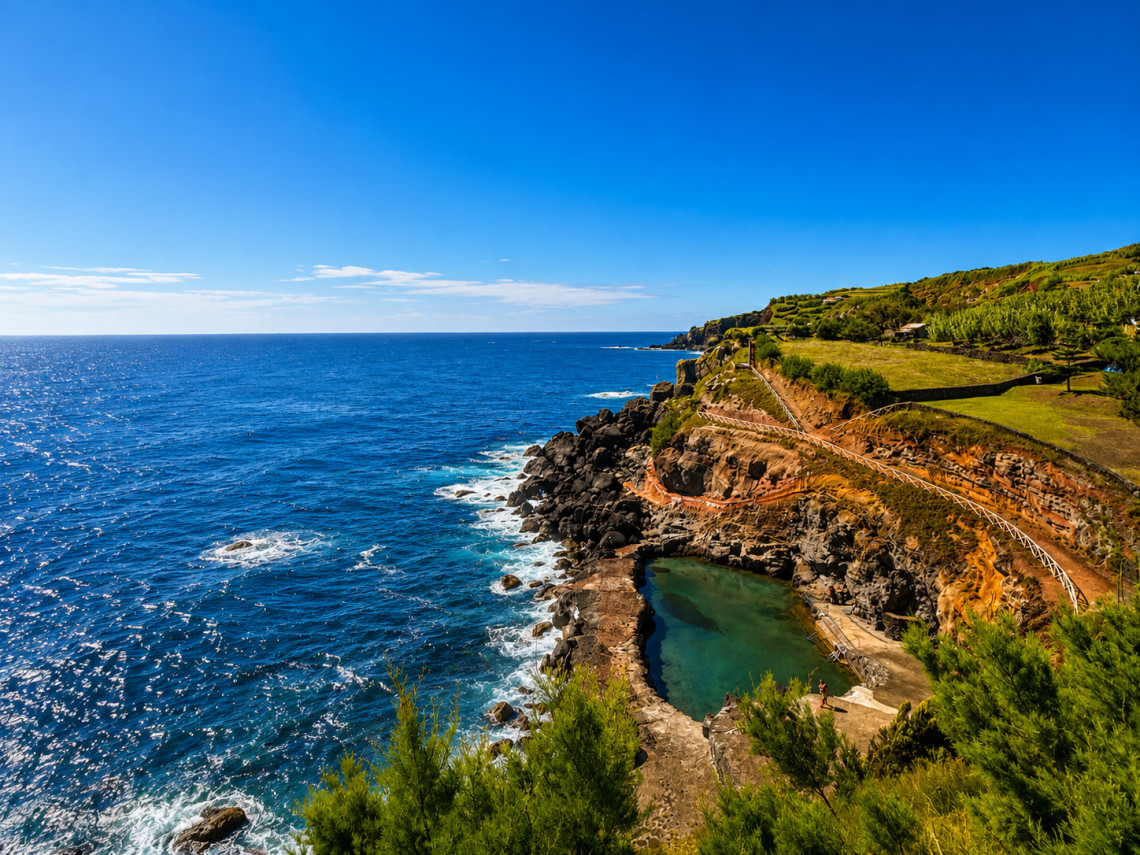
São Jorge is the least visited of the three and arguably the most dramatic, with cliffs dropping hundreds of meters to the fajãs at sea level, each with its own microclimate and small community.
The Triangle combination works best as a 9 to 12-night trip. Ferries between the islands are frequent enough that car-free travel is possible, but having a car on each island opens up independent access that makes the visit worthwhile.
One thing worth planning for: most transatlantic departures from the Azores leave from São Miguel. If your Triangle itinerary ends in Faial or São Jorge, building in one or two nights back in São Miguel before your international flight gives you comfortable breathing room for that final connection.
Triangle Islands with Car: Faial, Pico & São Jorge
Three islands, one seamless package. Flights, ferry connections, accommodation, and rental car across Faial, Pico, and São Jorge. Everything arranged before you land.
See the Triangle Islands with Car →São Miguel and Pico: Volcanic Landscape Plus Whale Watching
For travelers who want to pair São Miguel's geothermal scenery with something more rugged, Pico is the natural second island. The contrast is sharper than São Miguel and Terceira: where Terceira adds history, Pico adds altitude, whale watching, and a wine landscape unlike anything else in the archipelago.
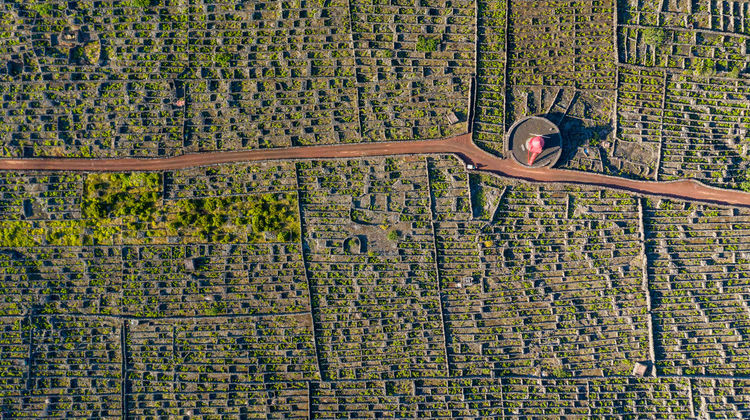
The currais of Pico are worth understanding: low walls of black basalt stone that run across the southern coast, dividing the land into hundreds of small enclosures where vines grow directly from the volcanic rock. The whole landscape is UNESCO-listed, and the wine produced inside those walls (Pico wine, made from Verdelho grapes) is one of the most distinctive things you can taste on the island. It's a landscape that's simultaneously agricultural and geological, and it photographs like nothing else in the Azores.
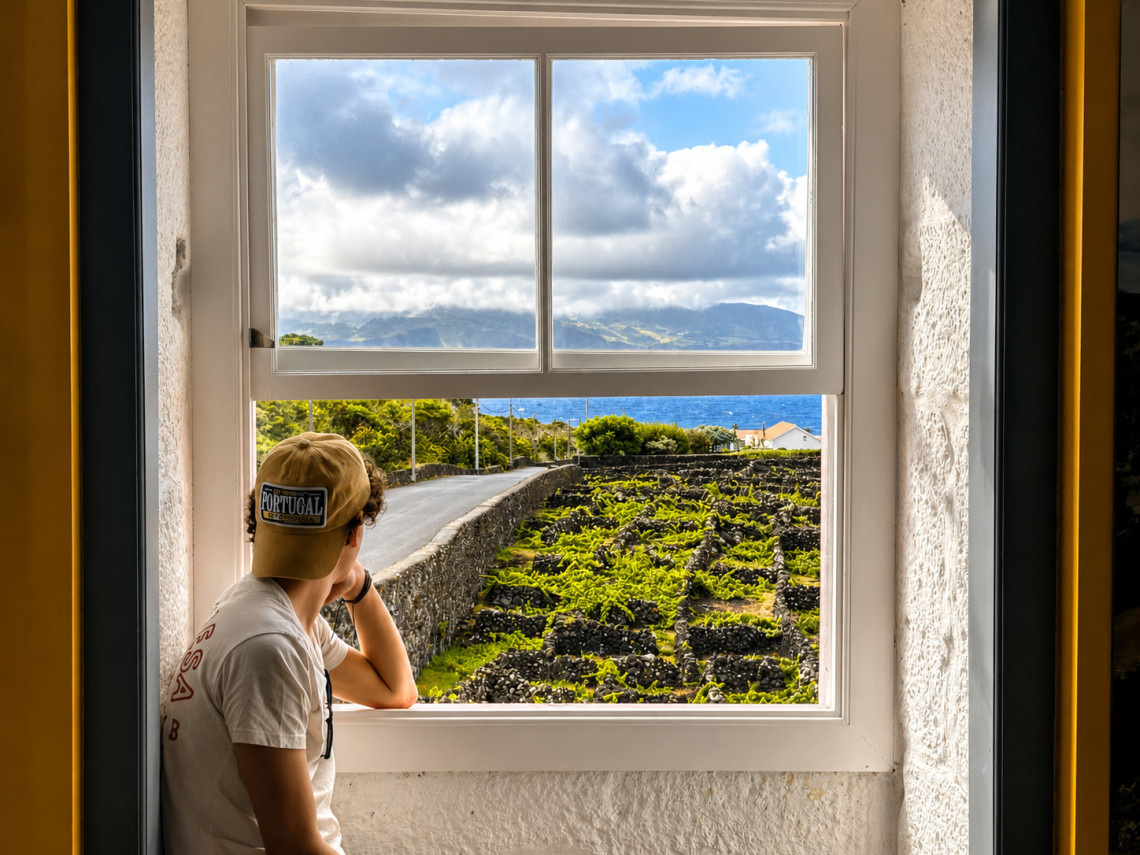
The Montanha (at 2,351 meters, the highest peak in Portugal) can be climbed in a full day with a guide, and the whale watching between Pico and Faial is some of the best in the Atlantic.
Four nights on São Miguel and three to four on Pico gives a compact but full 7 to 8-night trip. It works well for travelers who want the Azores' two most distinctive landscapes in one visit.
Pico & São Miguel with Car
Whale watching and volcanic craters in one trip - flights, hotels, and rental car across both islands included.
See Pico & São Miguel with Car →Three Islands: São Miguel, Terceira, and Faial
A different shape for a three-island trip: São Miguel covers the volcanic interior and natural landscape, Terceira covers the cultural and historical angle, and Faial adds the maritime character of the mid-Atlantic sailing capital. This combination works well for travelers who want diversity across three distinct island personalities without the more demanding terrain of the Triangle. It also avoids the need for ferry logistics: all three connections are short flights.
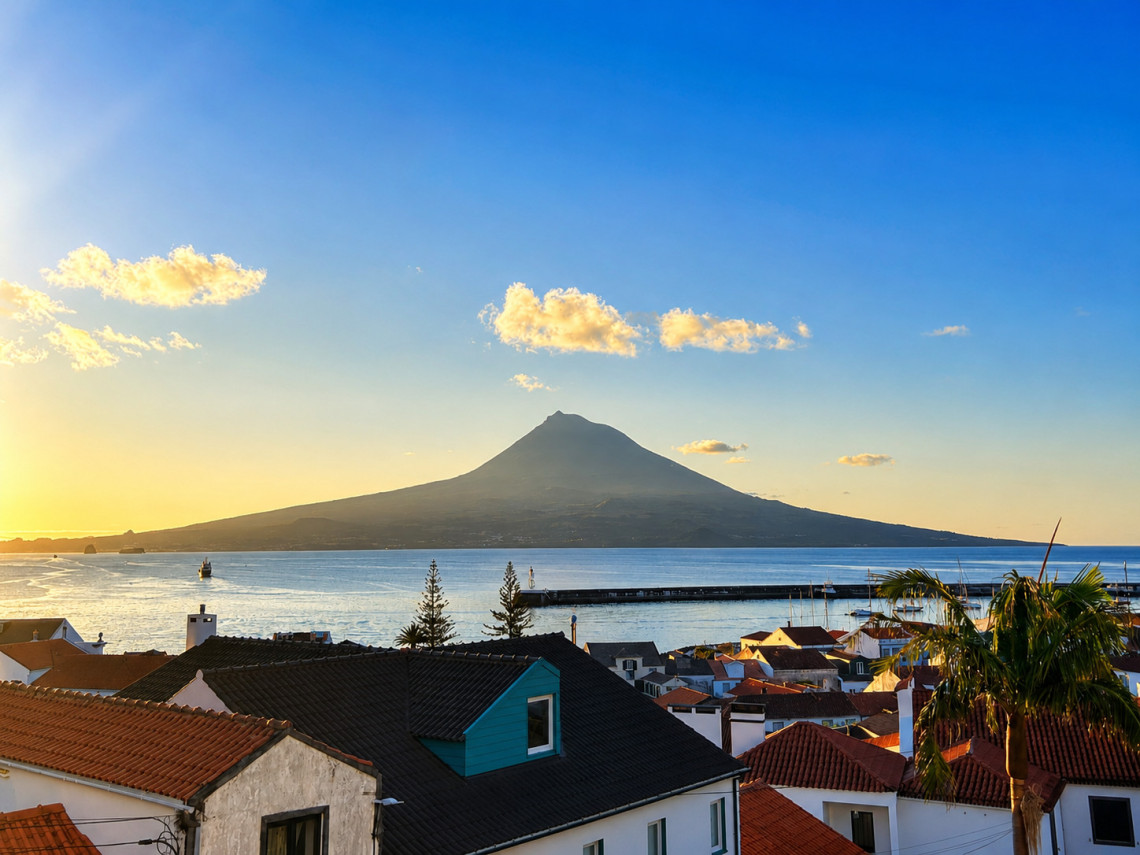
Around 12 nights distributes well: five on São Miguel, three or four on Terceira, three on Faial. And with Faial as your last island, you're a 30-minute ferry from Pico, easy enough for a day trip to do the whale watching or drive the currai vineyards before flying home.
São Miguel, Terceira & Faial with Car
Three contrasting islands: volcanic craters, UNESCO heritage, and a mid-Atlantic marina. Flights, hotels, and rental cars all included.
See São Miguel, Terceira & Faial with Car →Three Islands in Two Weeks: São Miguel, Pico, and Terceira
For a two-week trip, combining São Miguel, Pico, and Terceira covers the eastern and central groups with three very different experiences: São Miguel for geothermal landscape and natural variety, Pico for whale watching and the volcano, Terceira for history and culture. The routing works well in either direction: São Miguel first is natural for most transatlantic arrivals, then Pico, then Terceira before the return.
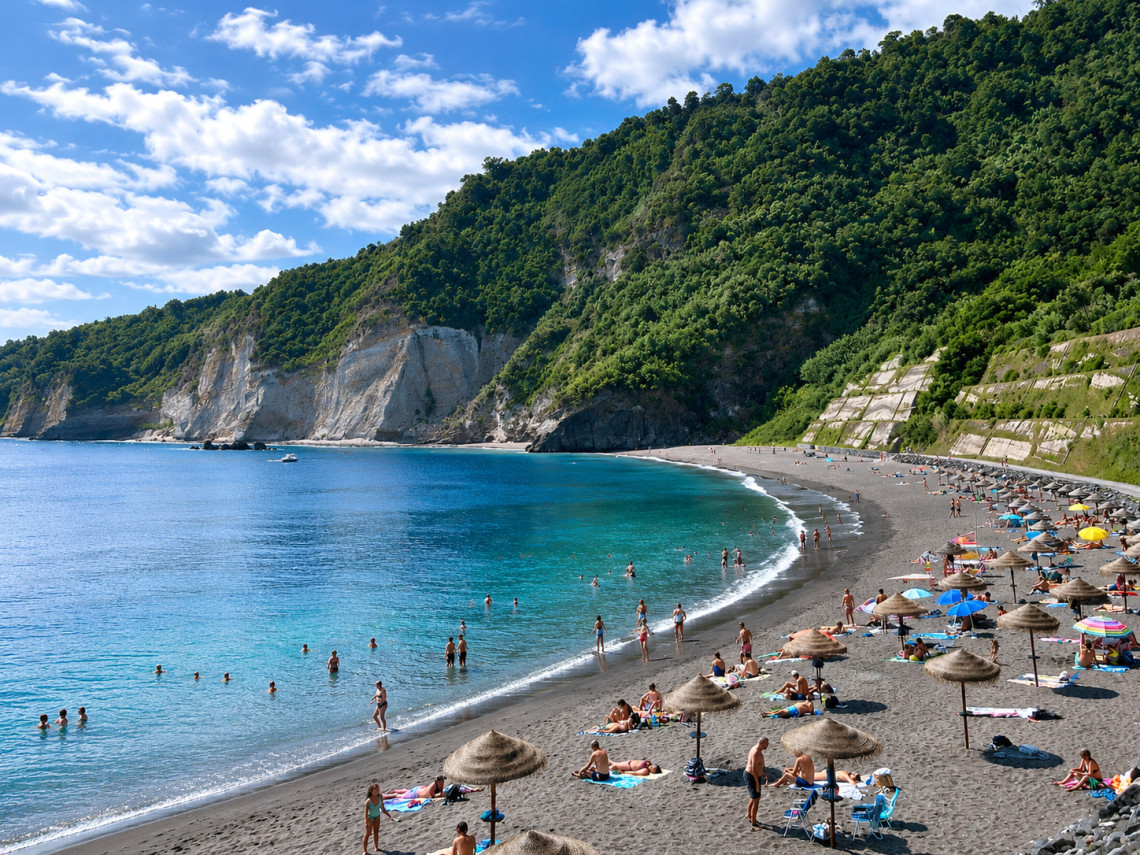
Five nights on São Miguel, three or four on Pico, and four on Terceira fits a 12 to 14-night trip without rushing any island.
What makes Pico particularly good as a mid-trip base is its position: it's the central island of the Triangle, with São Jorge and Faial both reachable by short ferry. That opens up a couple of natural day trips without moving accommodation. A day in São Jorge means driving the fajã roads and trying Queijo de São Jorge, one of Portugal's most celebrated cheeses, made only on this island. A day in Horta means the Marina da Horta, lined with decades of painted messages left by transatlantic sailors, and a gin at Peter's Café Sport, a bar that has been a mid-Atlantic institution since 1918. Both round trips put you back on Pico by evening.
São Miguel, Pico & Terceira with Car
The Azores' three most requested islands in one two-week itinerary: flights, hotels, and rental cars across all three.
See São Miguel, Pico & Terceira with Car →Flores, Terceira, and São Miguel: Adding the Western Group
For travelers who want to extend their trip to the least-visited corner of the archipelago, adding Flores to a base of São Miguel and Terceira is the most natural routing. São Miguel and Terceira cover the main eastern and central experiences;
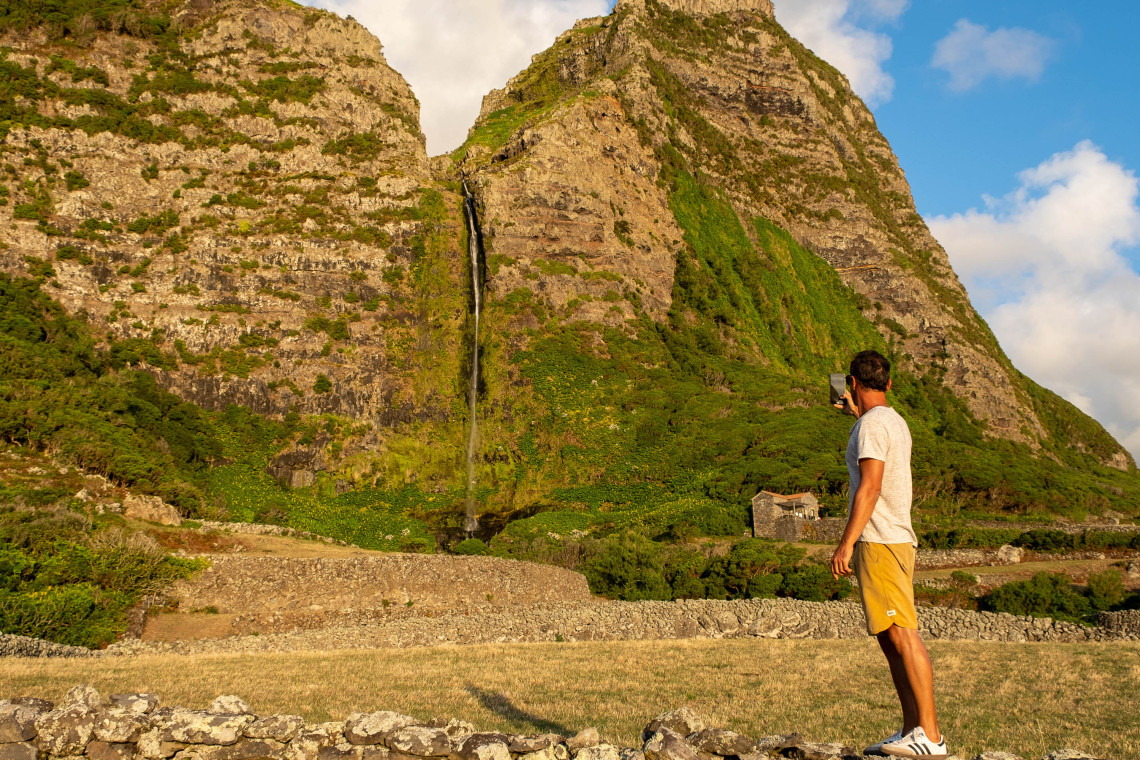
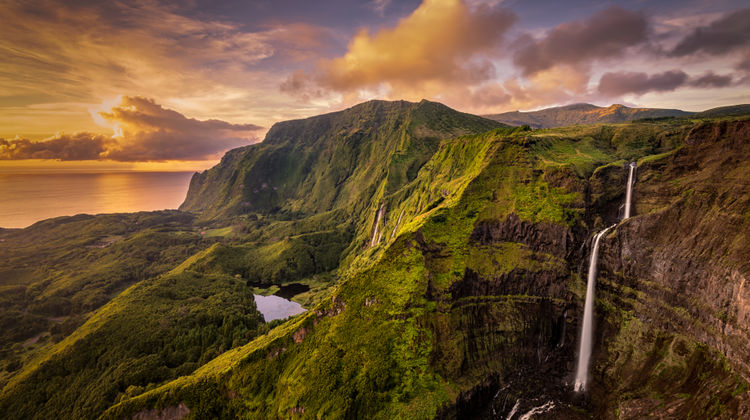
Flores adds the waterfalls, volcanic lakes, and western Atlantic remoteness that make it one of the most striking islands in the Azores for travelers willing to make the connection.
This combination works well at 12 to 14 nights: five on São Miguel, three on Terceira, four on Flores. Corvo can be added as a day trip from Flores.
São Miguel, Terceira & Flores
From the most visited island to the most remote: São Miguel, Terceira, and Flores in one itinerary, with flights and hotels included.
See São Miguel, Terceira & Flores →Inter-Island Flights vs Ferry: Which to Use
Flights connect all nine islands and are operated by SATA/Azores Airlines. Flight times run between 35 and 55 minutes depending on the route. Booking in advance matters: summer capacity on inter-island routes is limited, and prices rise significantly as dates approach. From North America, inter-island connections can sometimes be added to the same ticket on Azores Airlines depending on the routing.
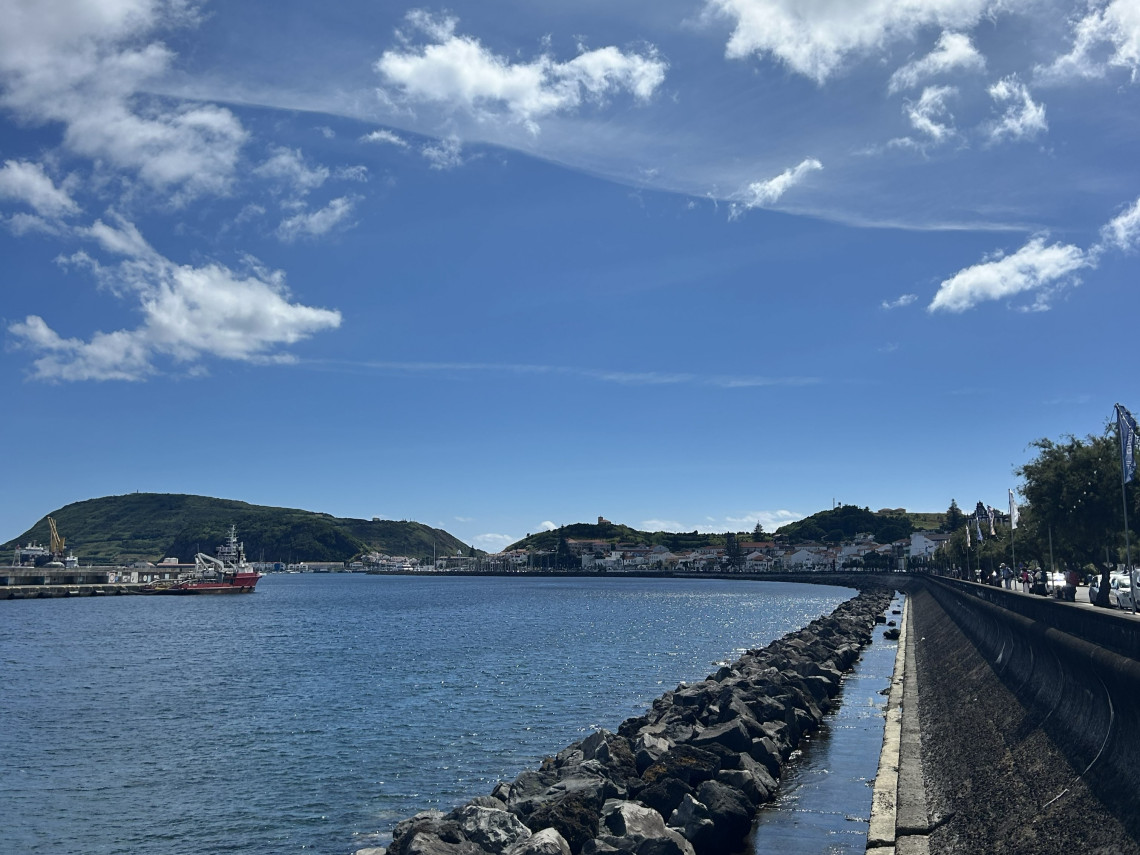
Ferries connect the central group islands (Faial, Pico, São Jorge, Graciosa, Terceira) and the western islands (Flores, Corvo) seasonally. The ferry between Faial and Pico takes 30 minutes and runs multiple times daily. It is the most practical ferry connection in the Azores and genuinely more convenient than flying for that specific crossing. The Faial to São Jorge ferry takes around 2 hours. Ferries do not connect the eastern group (São Miguel, Santa Maria) with the central and western islands; those connections require a flight.
The practical recommendation: use ferries within the Triangle (especially Faial to Pico) and flights for all other inter-island connections.
How Long Do You Need
7 nights: Enough for one island done properly, or a tight São Miguel (4 nights) and Terceira (3 nights) combination.
10 nights: The natural length for São Miguel and Terceira comfortably, or the Triangle Islands at a reasonable pace.
12 to 14 nights: Allows three islands without rushing, or two islands with more time to explore slowly. This is the ideal length for most North American travelers, as it justifies the transatlantic flight.
More than 14 nights: Opens up the western islands (Flores, Corvo) or a five-island combination for travelers who want to see the full range of the archipelago. If you want to visit all nine islands in one trip, that takes 22 nights, and we have a package for exactly that: Explore All 9 Islands of the Azores.
Logistics: Cars Across Islands
Rental cars generally cannot be transferred across islands. The standard approach is to pick up a separate rental car on each island: straightforward on the main islands and requiring advance booking on smaller ones like São Jorge and Flores where summer supply is limited.
When booking a multi-island package with us, the car on each island is pre-arranged before you travel, which removes the friction of sorting it at a small local counter after a connection flight. This is one of the practical advantages of a package over a DIY booking for multi-island trips.
When to Go
July through September is peak season: most reliable weather, highest frequency of ferry connections, but higher prices and earlier booking deadlines.
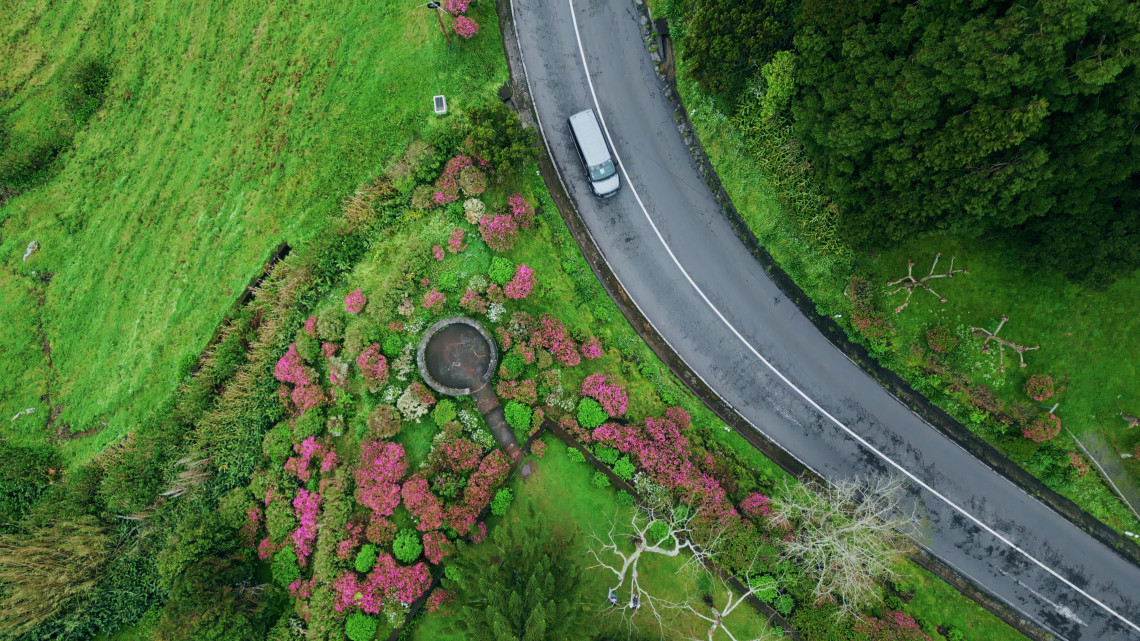
May, June, and October are the best shoulder months. Weather is generally good, prices are lower, and the islands are noticeably quieter. June adds the hydrangeas in bloom: they line the roads on almost every island and are the Azores' most recognizable visual signature.
November through April is off-season: weather is unpredictable, ferry schedules are reduced, and some accommodation on the smaller islands closes entirely. If you're traveling in this period, plan around the larger islands. São Miguel, Terceira, Pico, and Faial all maintain more consistent services year-round. Build flexibility into your inter-island connections, and be ready to adapt if conditions change.
Not Sure Which Islands to Combine?
Tell us how many days you have and what kind of trip you're after. Our local advisors plan multi-island itineraries regularly and will build the right combination around your dates (at no cost!)
Plan your island hop →Frequently Asked Questions
How do you travel between the Azores islands? Inter-island flights operated by SATA/Azores Airlines connect all nine islands, with flight times between 35 and 55 minutes. Ferries connect the central group islands (Faial, Pico, São Jorge, Graciosa, Terceira) and the western group (Flores, Corvo) seasonally. The Faial to Pico ferry runs year-round and is the most practical island connection in the archipelago. There are no ferries between the eastern group (São Miguel, Santa Maria) and the rest.
What is the easiest island hop in the Azores? São Miguel and Terceira is the most straightforward combination: both have good airport connections, a wide range of accommodation, and the 40-minute flight between them is simple to manage. It is also the combination that covers the widest range of experiences: natural landscape on São Miguel, history and culture on Terceira.
Can you do the Azores without a car? On São Miguel and Terceira, car-free travel is possible with organized tours and taxis, but limits independent access to natural sites. On the Triangle Islands, car-free travel works reasonably between Faial and Pico via ferry, with organized tours filling the gaps. For Flores, a car is essentially required. In practice, most travelers rent separately on each island.
How much do inter-island flights cost in the Azores? Booked well in advance, inter-island flights typically run €50 to €100 per person one way. Prices rise as dates approach and can reach €150 to €200 or more in peak summer if booked late. For summer travel, booking at least three months ahead is strongly advisable.
How far in advance should I book accommodation for a multi-island trip? For summer travel (July and August in particular), the smaller islands (São Jorge, Flores, Graciosa, Corvo) have limited accommodation stock that sells out fast. 4 to 6 months in advance is the safe window if you want real choices on where to stay. São Miguel, Terceira, Faial, and Pico have more supply and more flexibility, but even there the best properties fill up by spring. If you're traveling in peak season and leaving accommodation to the last minute, expect to compromise on location or quality.
Which islands are best for whale watching? The channel between Pico and Faial is the best whale watching location in the archipelago, with resident sperm whale populations year-round and a high diversity of cetacean species. São Miguel also has whale watching tours from Ponta Delgada with strong success rates. Of the two, Pico offers the more specialized experience with operators focused exclusively on whale watching.
Start Planning Your Azores Island Hop
Browse our multi-island packages or talk to a local Azorean advisor who'll build a custom itinerary around your dates and budget.
.jpg "Jeep tour through Cumeeiras, Sete Cidades, São Miguel Island")
.jpg "Sete Cidades Caldera Lakes in São Miguel Island, Azores")