16 September 2026 • 7 min read
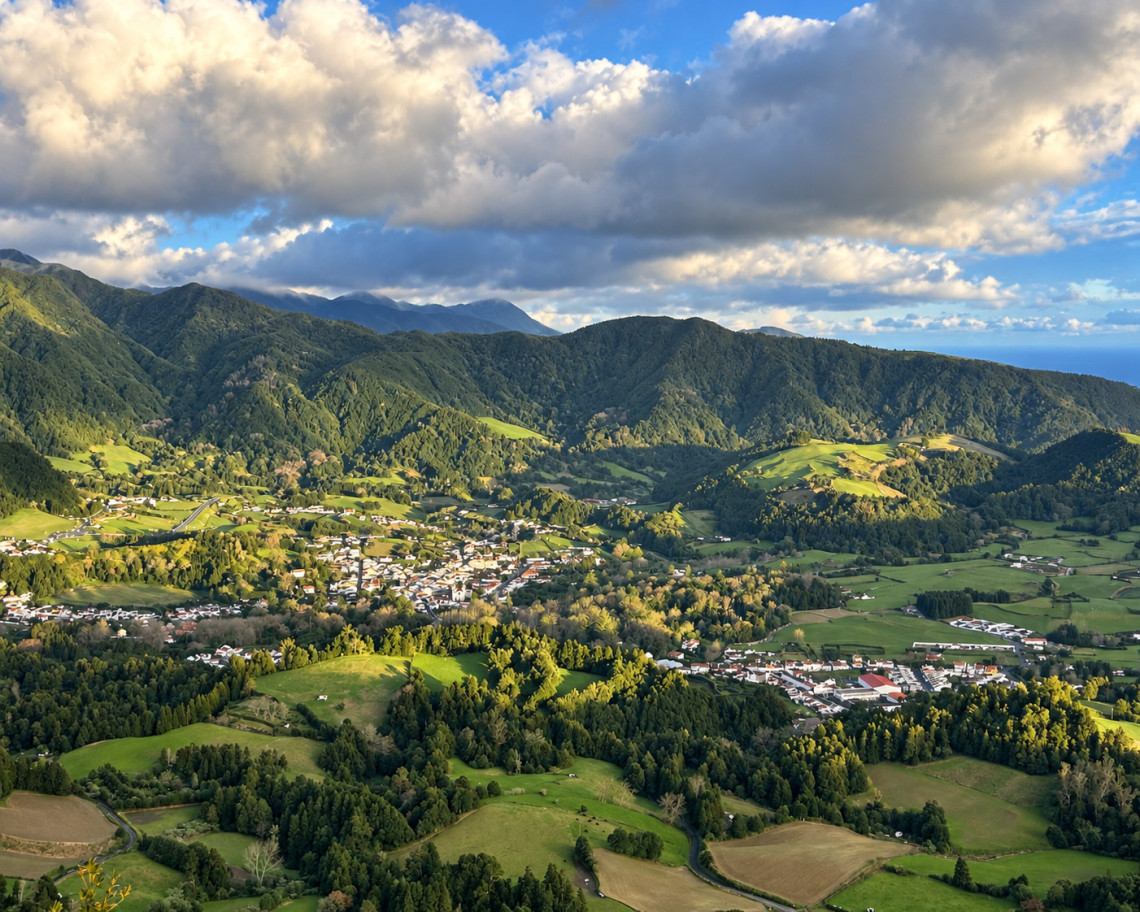
Furnas is a small village on the southeast side of São Miguel with fewer than 1,500 residents and an outsized presence in every Azores itinerary. The valley sits inside an ancient volcanic caldera and is the most concentrated example of geothermal activity in the archipelago: bubbling caldeiras in the town center, a crater lake with fumaroles on the lakebed, thermal pools, and spring waters that emerge at temperatures ranging from 15 to 95°C.
Below are the 11 things that make Furnas worth a full day, plus a tip for the village right next door.
Welcome to the Furnas Valley
Furnas Valley is the center of São Miguel's geothermal activity. The valley has two active volcanic systems, and the evidence is impossible to miss: steam rises from dozens of points across the landscape, the air smells faintly of sulfur, and the ground in the center of town is warm underfoot near the caldeiras. It is one of the few places in the world where you can eat a meal cooked underground, soak in a volcanic lake, and drink spring water from a public spout within the same afternoon.
The village is 40 minutes east of Ponta Delgada by car. Most visitors come on a day trip, though the presence of the Terra Nostra Garden Hotel means it is entirely reasonable to base yourself here for a night or two and experience the valley at a slower pace.
1. Furnas Lake
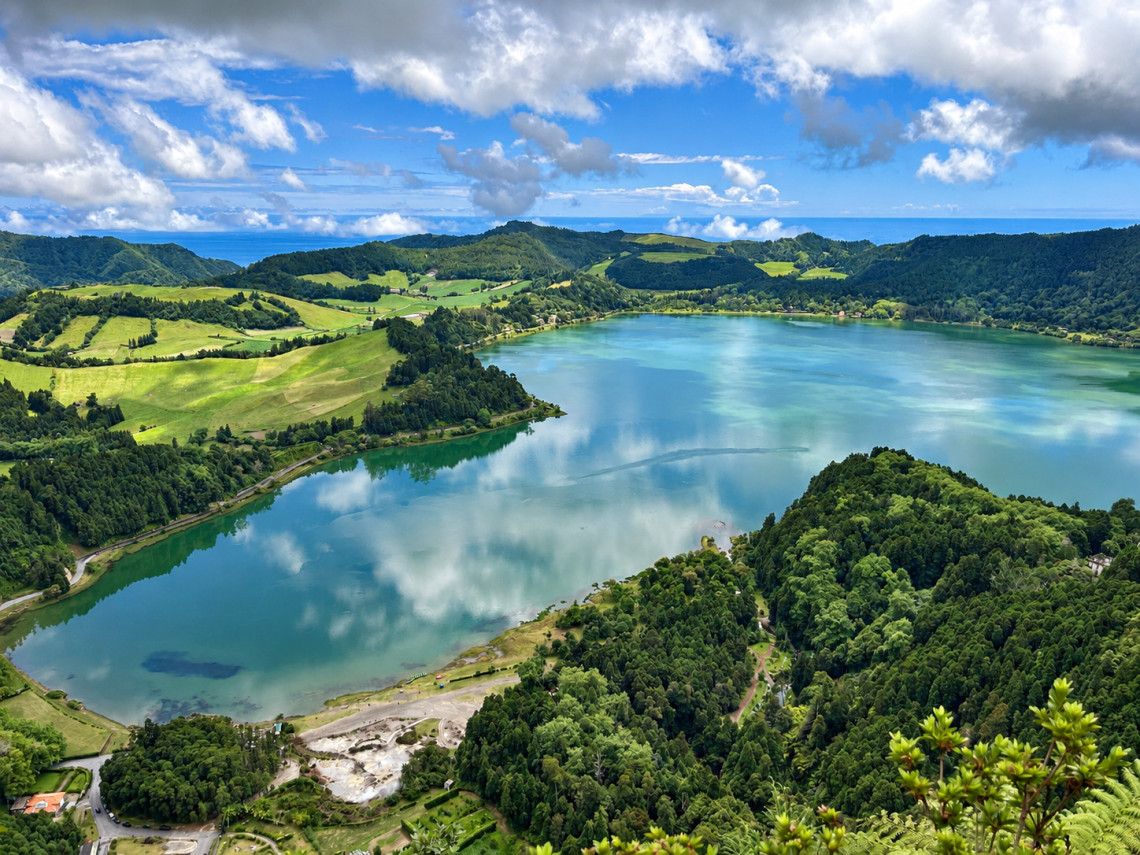
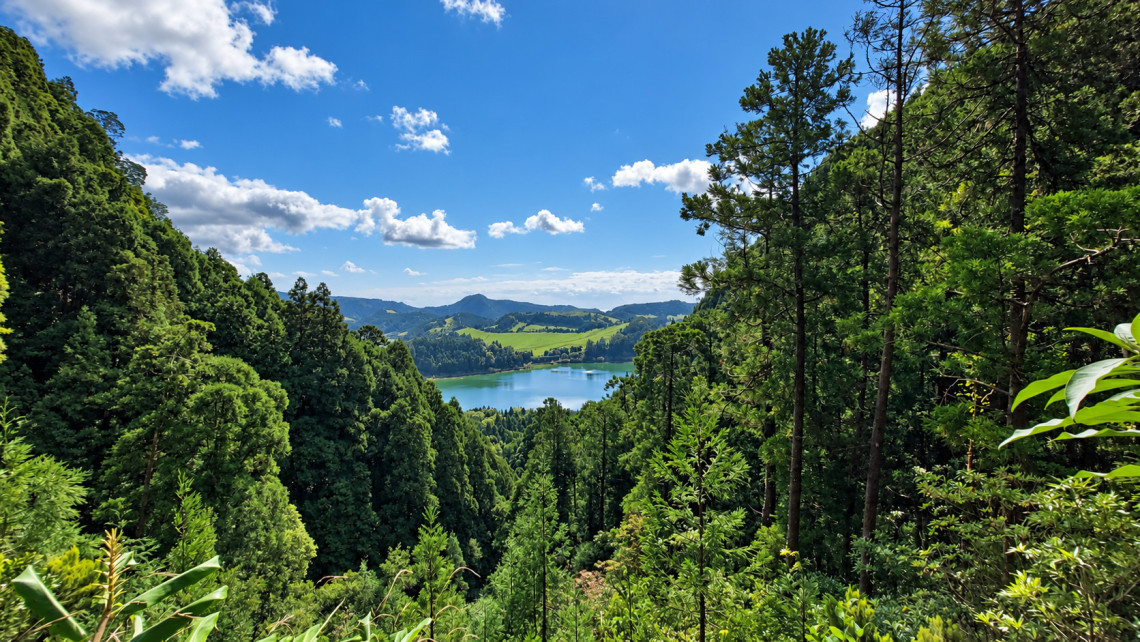
This beautiful crater lake sits at the heart of the Furnas caldera, surrounded by the steep, forested peaks of the ancient volcanic cone. The Chapel of Nossa Senhora das Vitórias stands on the lakeshore, small and solitary against the green hillside. What you cannot see from the water's edge are the fumaroles on the lakebed itself, which is where the pots of Cozido das Furnas are lowered each morning to cook.
The lake is approximately 6 km in circumference. Walking the perimeter trail takes around 1.5 hours and passes through hydrangea-lined paths, forest, and several viewpoints over the water. Early morning visits, before tour groups arrive, are significantly quieter.
2. Cozido das Furnas
Cozido is a traditional Portuguese stew of beef, pork, chicken, and root vegetables. In Furnas, it is cooked underground: the pots are sealed and lowered into the volcanic soil near the lakebed fumaroles at around 4am, cooked by geothermal heat for approximately six hours, and retrieved at noon. The result is a slow-cooked stew with a depth of flavor that the stovetop version does not replicate.
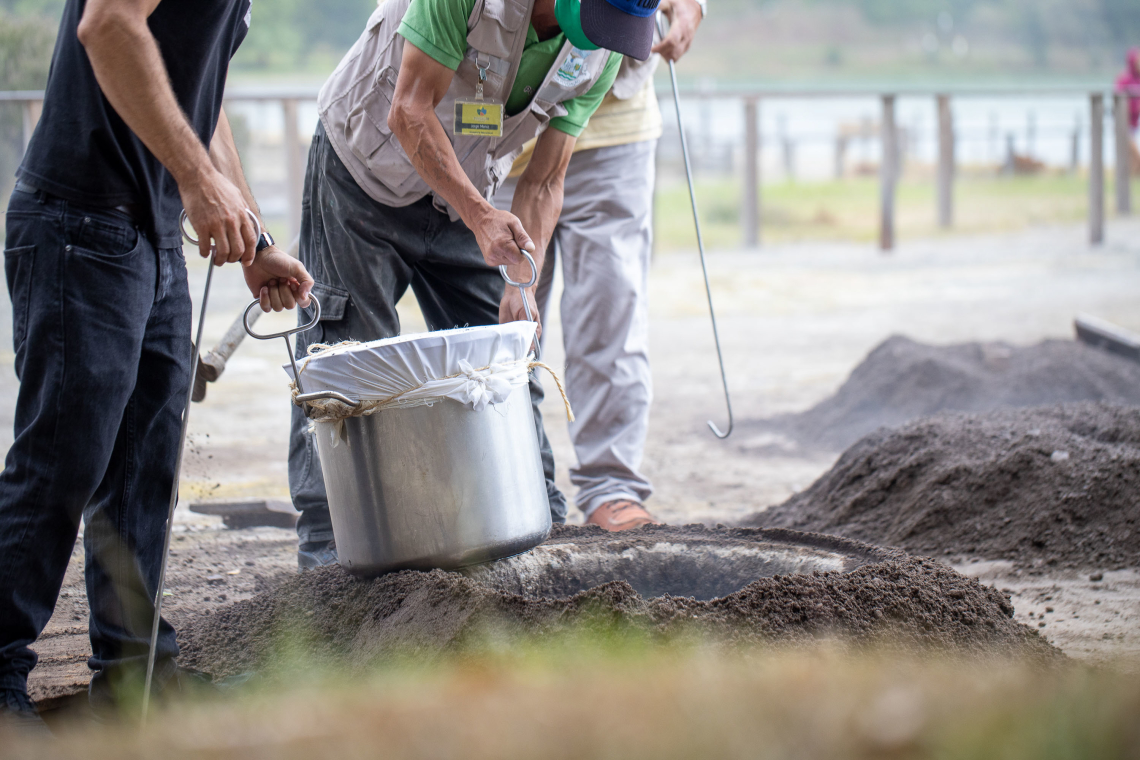
Several restaurants in Furnas serve Cozido for lunch. Booking in advance is advisable during summer months, as the number of pots is fixed. The dish is heavy by design, meant to sustain a day's work, so plan your afternoon accordingly.
STAY IN FURNAS: TERRA NOSTRA GARDEN HOTEL
The iconic Terra Nostra Garden Hotel sits at the edge of the botanical park, with direct access to the famous thermal pool. A complete package with flights, hotel, and car is available.
View the Furnas Package →3. Caldeiras of Furnas
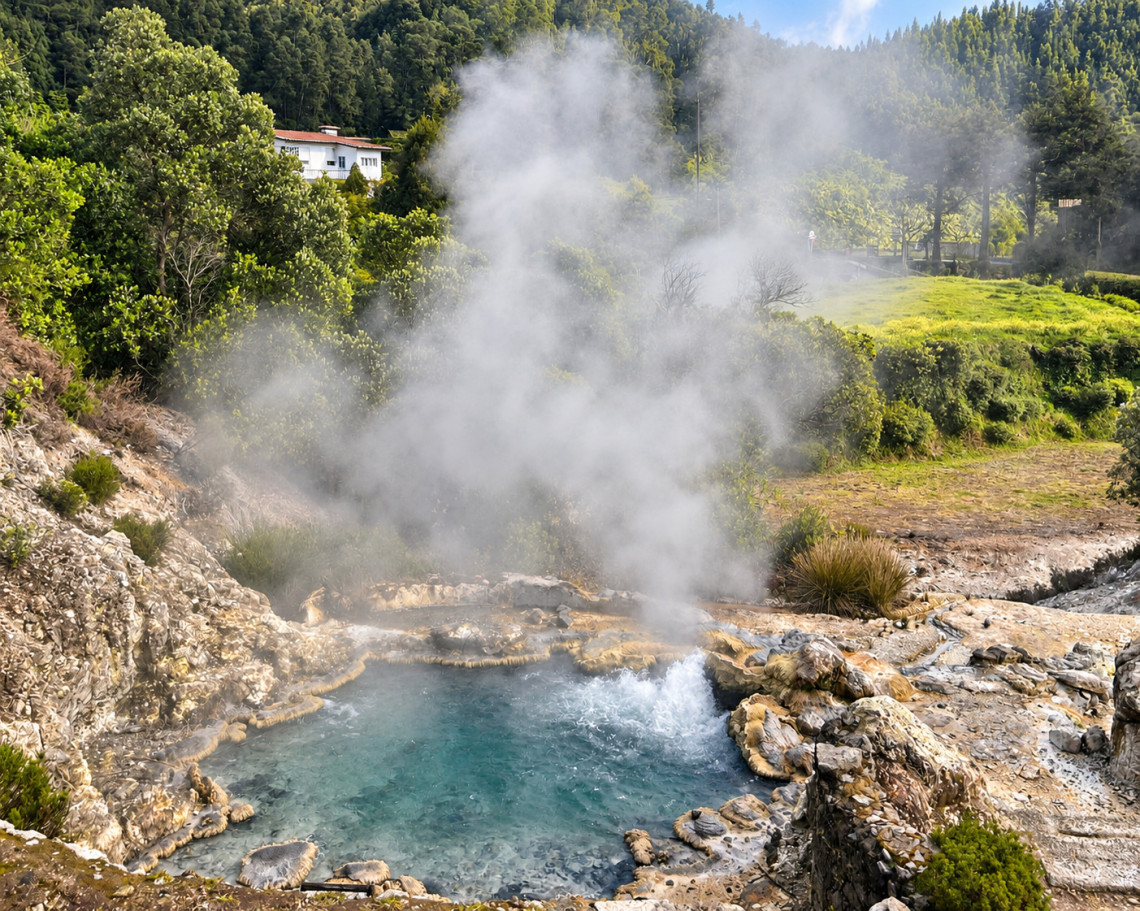
In the center of town, Furnas has close to 30 bubbling caldeiras and fumaroles at different temperatures and colors. Some are a deep rust-orange from iron deposits, others grey-white with sulfur, and a few boil actively with visible vapor. Entry to the caldeiras area is free, and it is the most accessible and immediately dramatic display of volcanic activity on São Miguel.
The area is well maintained with paved paths and safety barriers. Signage explains the geological processes behind each feature. It is worth walking the full circuit rather than just the first few caldeiras nearest the entrance.
4. Bolos Lêvedos
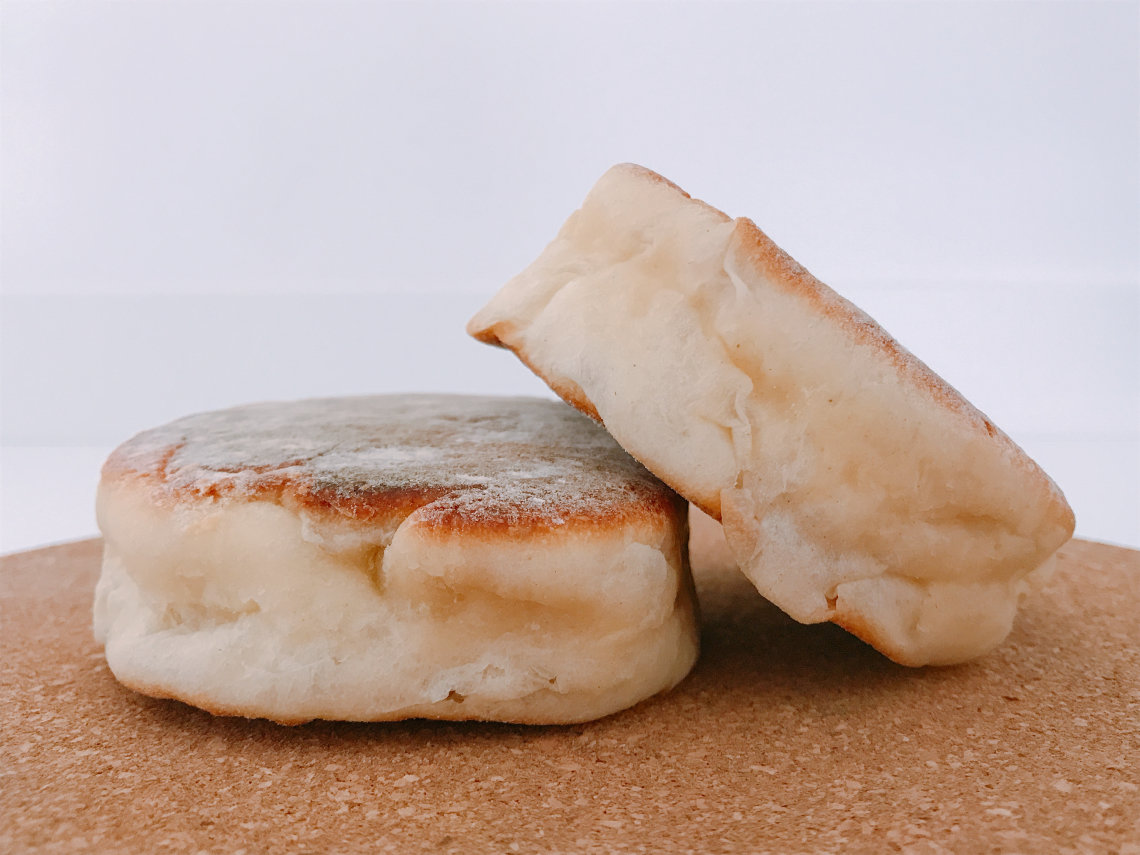
Bolos lêvedos are a sweet flatbread original to Furnas, somewhere between an English muffin and a brioche bun. They are slightly larger, sweeter, and richer than their English counterpart, with a distinctive golden crust and a soft interior. The recipe has been made in the village for centuries and is one of the few foods in the Azores with a specific geographic origin.
You will find them at local bakeries in Furnas, often sold warm and eaten plain or with local butter. They are also available packaged for purchase and travel well enough to bring home.
5. Free-Flowing Spring Waters
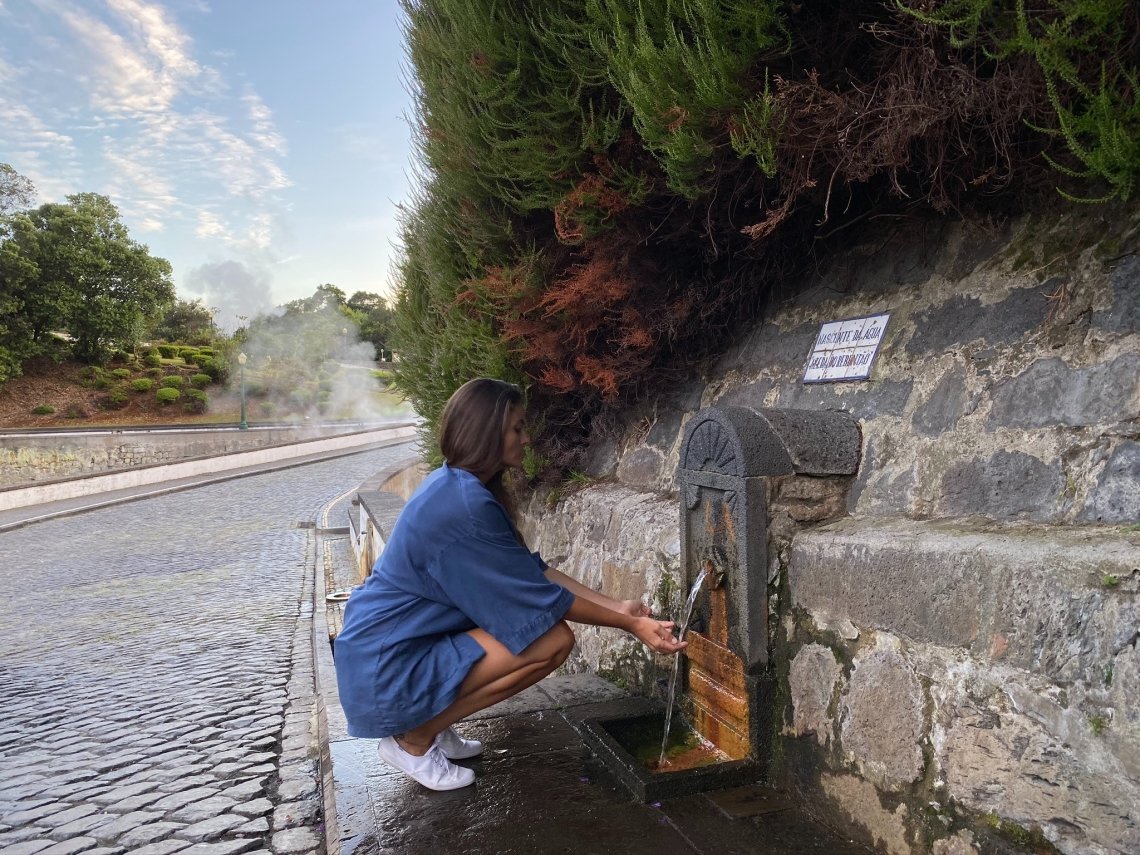
Take a walk through the center of Furnas and you will come across several public spouts where spring water flows continuously, each one with a different temperature, pH, and mineral composition. The locals have distinct names for each source, and each is traditionally associated with specific therapeutic properties. The ones most worth knowing:
Água Azeda do Rebentão: Cold spring at 15.6°C, slightly acidified and historically said to aid digestion.
Água Azeda: One of Furnas's most famous springs, recognized by its sour, metallic flavor and mild carbonation.
Ferro (Iron Water): Thermal spring at 34.4°C with a distinctly orange staining from iron content, used for bathing rather than drinking.
Água Santa: Emerges at 95.5°C. Do not drink directly. Mixed with honey and cinnamon, it is traditionally served as a warm medicinal drink.
Água da Morangueira: Named for a strawberry tree near the source, this spring runs at 20.4°C and is one of the cooler options for drinking.
Tasting several of the springs is free and takes about 20 minutes on foot. Bring a small cup if you want to try them all.
6. Purple Tea at Chalet da Tia Mercês
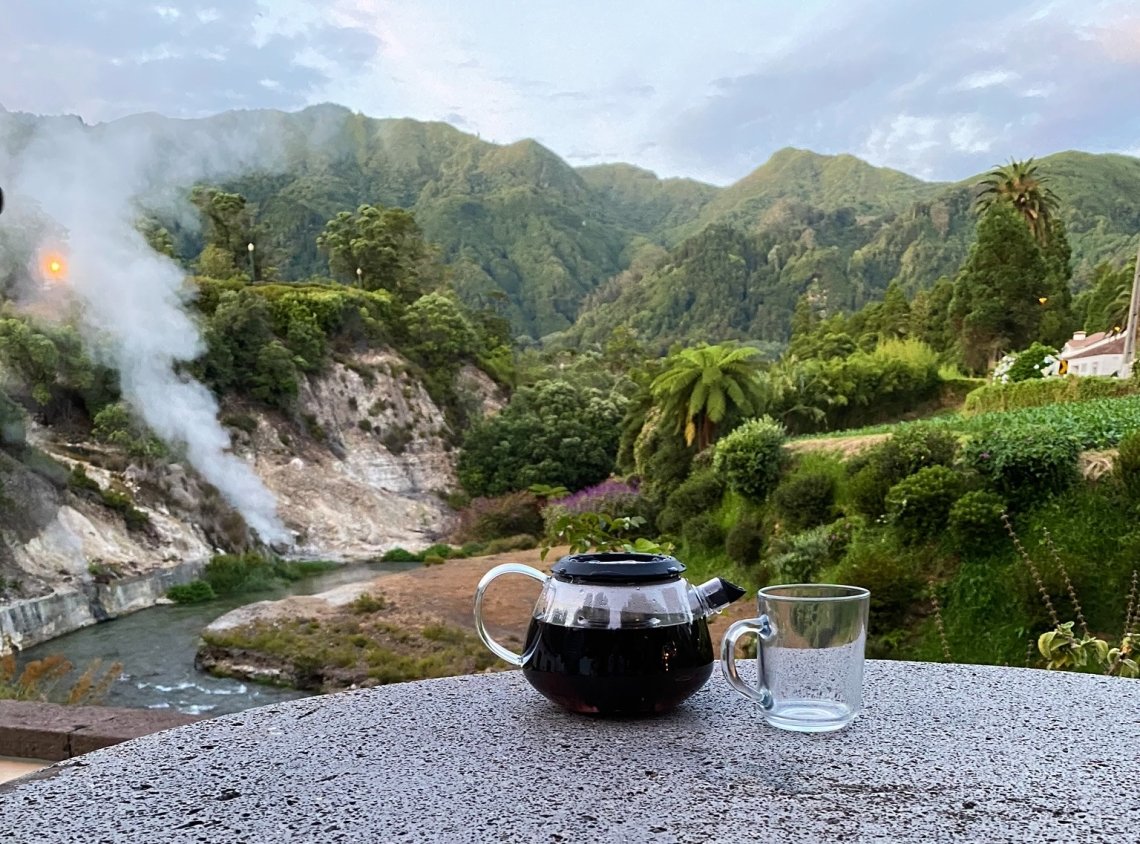
At Chalet da Tia Mercês, a traditional teahouse in Furnas, you can have tea made with volcanic spring water rather than standard tap water. The signature drink is a purple tea: anthocyanin-rich tea leaves brewed with highly acidic spring water, which causes the tea to turn a vivid purple color. Adding a different spring water with a higher pH shifts the color again toward blue or green.
It is a chemistry demonstration as much as a beverage, and the owners explain the process clearly. The chalet also serves locally made jams, honey, and regional products. It is a good stop after visiting the caldeiras.
7. Queijo do Vale Cheese
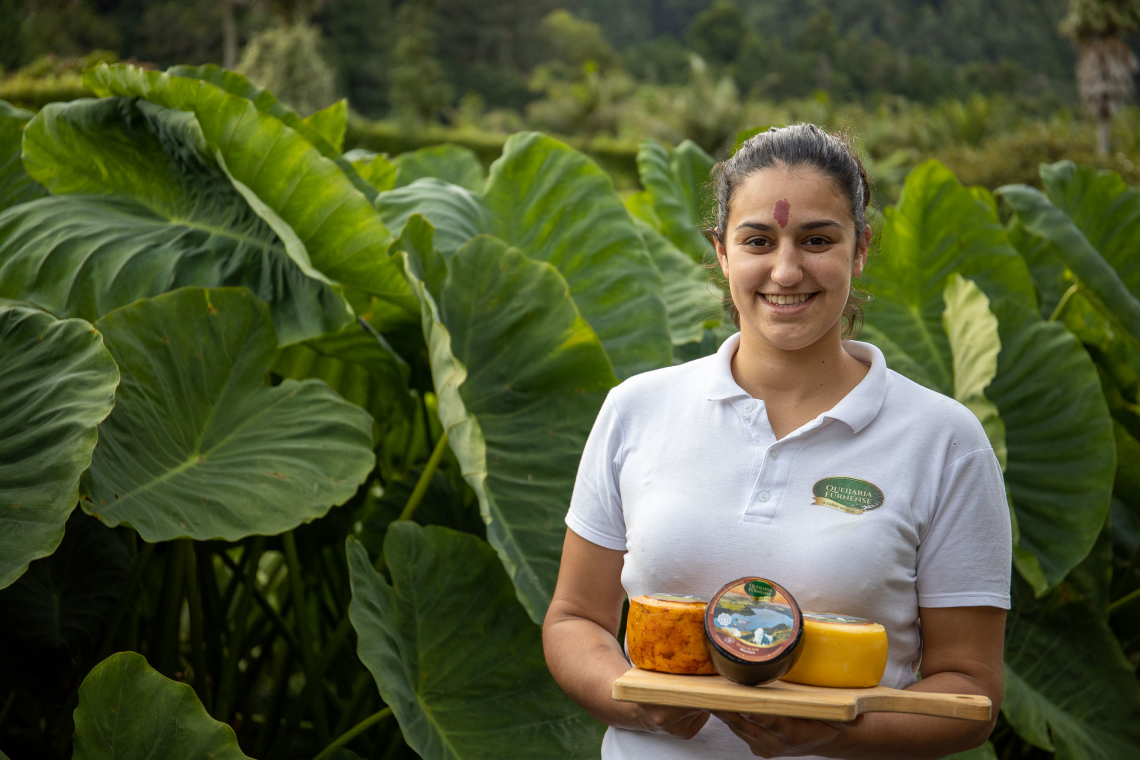
This small family-run cheese factory began with a dairy farm on the outskirts of Furnas and expanded into artisanal cheese production over the following decades. The cheese is made with local cow's milk from the valley and is available in four flavors: oregano and garlic, buttery, herbs, and spicy. The texture is semi-soft and the flavor is mild and fresh.
You can visit the shop directly and buy wheels to take with you. The oregano and garlic version travels well and pairs well with the local breads and chouriço sold nearby.
8. Parks and Gardens
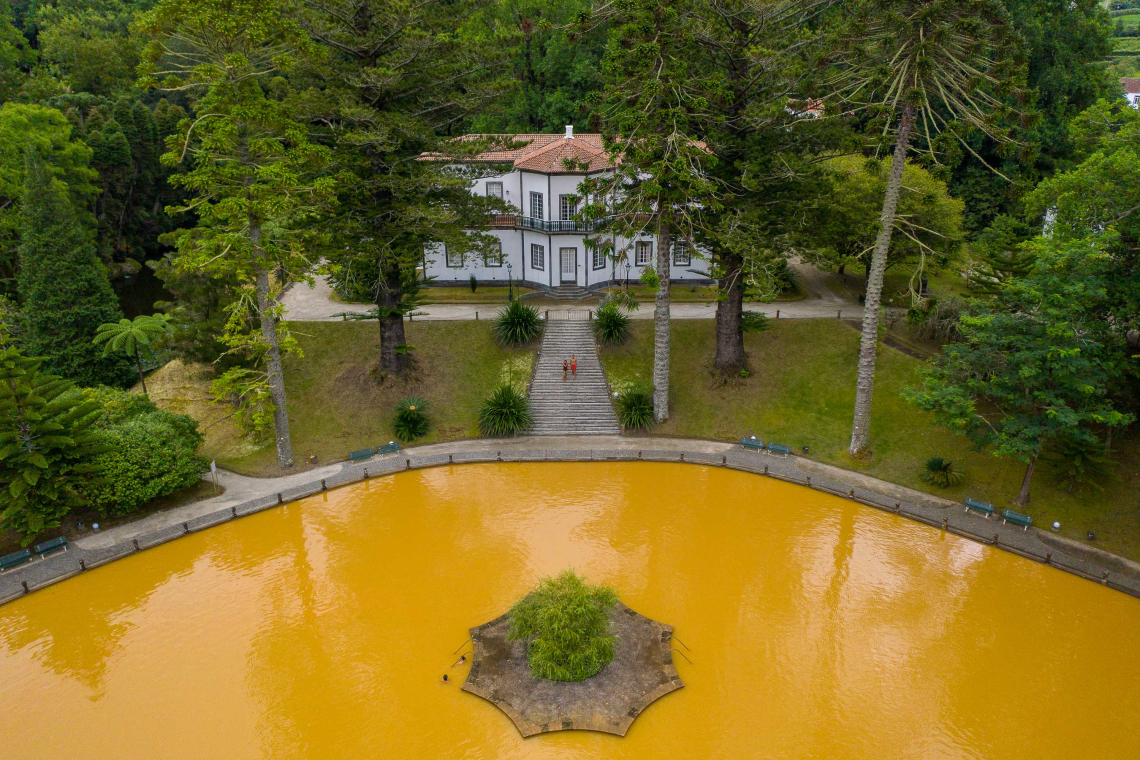
Terra Nostra Park is one of the largest and oldest botanical gardens in the Azores, covering approximately 12 hectares in the center of Furnas. The park was established in the 18th century and contains over 2,000 plant species from around the world, including tree ferns, giant sequoias, and extensive collections of camellias and azaleas. At its center is the iron-rich thermal pool at 39°C, the same pool that guests of the Terra Nostra Garden Hotel have access to through an adjacent entrance.
Grená Nature Park is a newer addition on the eastern edge of the valley. Its main draw is a hiking trail that follows the course of São Miguel's tallest waterfall, a multi-tier cascade through dense laurel forest. The trail is moderate in difficulty and takes about 45 minutes each way. It is significantly less visited than Terra Nostra and worth the detour for the waterfall alone.
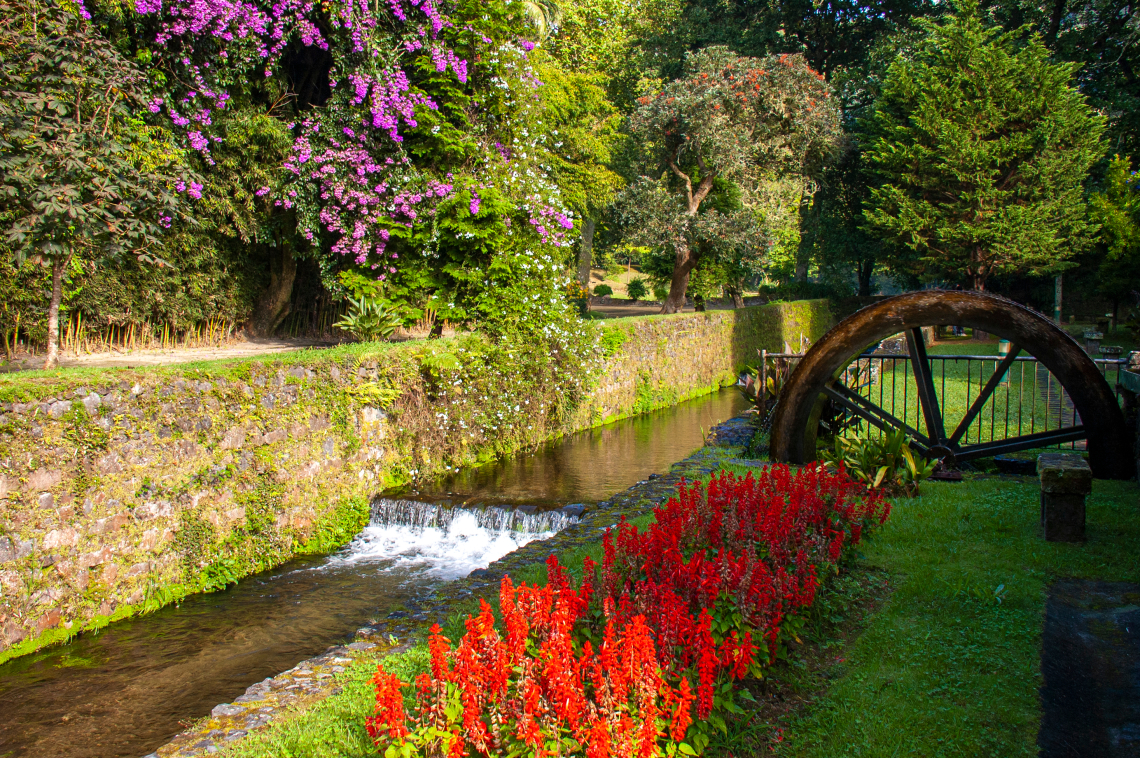
Jardim das Murtas (also known as Jardim Dona Beatriz do Canto) is a smaller, largely unknown garden behind a private estate near the lake. It lacks the scale of Terra Nostra but has a wilder, more overgrown character that some visitors find more interesting. Opening hours are limited; check locally before visiting.
BROWSE SÃO MIGUEL PACKAGES
Complete packages with flights, hotel, and car included. Built by island-born Azorean travel experts with direct knowledge of Furnas and the rest of São Miguel.
See São Miguel Packages →9. Poças da Dona Beija and Poça da Tia Silvina
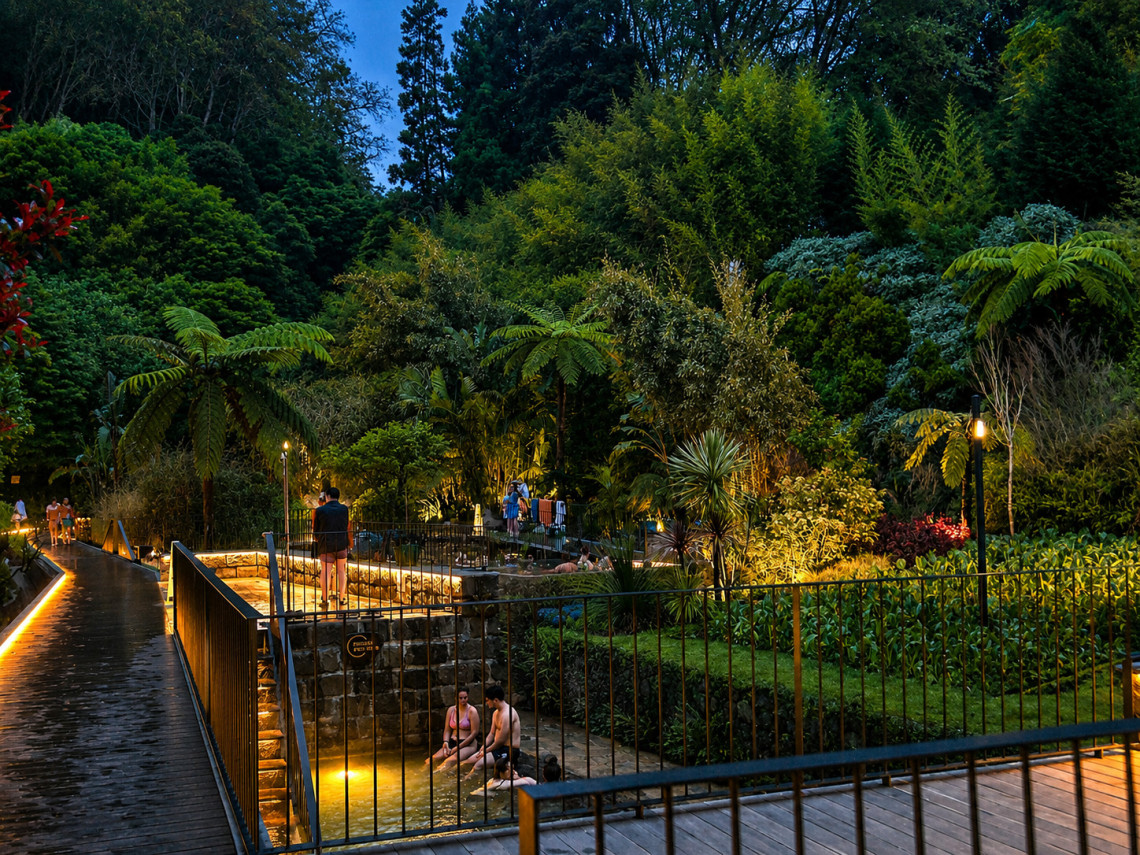
Beyond the pool at Terra Nostra Park, Furnas has two other sets of public thermal pools worth visiting. Poças da Dona Beija is a cluster of small thermal pools on the edge of the village, open year-round and maintained at around 40°C. The setting is more rustic than Terra Nostra and the water a different mineral composition. Poça da Tia Silvina is smaller and quieter, with a loyal local following. Both require a small admission fee and have changing rooms.
If Terra Nostra is fully booked or you want a less polished alternative, these two are the right choice.
10. Furnas Viewpoints
The best views over the Furnas valley require driving or hiking to the ridgeline above the village. The four most accessible viewpoints:
Pico do Ferro is the most dramatic: at 570 m above sea level, it looks directly down into the caldera and across the full extent of Furnas Lake. On clear days the view extends to the ocean. It is the most photographed viewpoint on the east side of São Miguel.
Pedras do Galego has a picnic area alongside the viewpoint and offers a wide panorama of the surrounding hills rather than a direct lake view. It is good for families and for a midday stop.
Lombo dos Milhos is on the road above the town and looks over the populated area of the valley, giving a good sense of scale for how the village sits within the caldera.
Lagoa das Furnas Viewpoint is at ground level beside the lake itself, better for photography of the water's surface than for elevated panoramas.
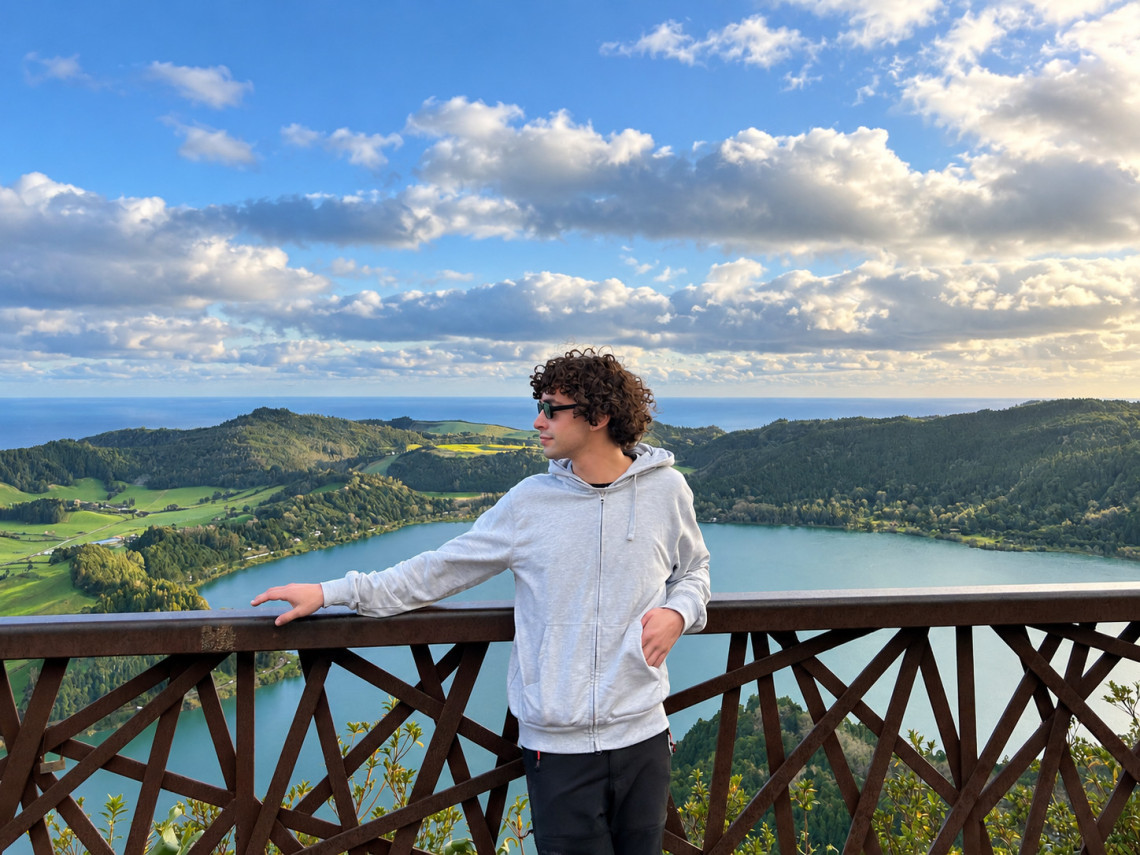
11. Furnas Golf Course
The Furnas Golf Course is an 18-hole course set within the valley, with fairways running through forests of hydrangea and eucalyptus and views over the caldera throughout the round. It is widely regarded as one of the more scenic courses in Portugal and plays at a moderate level of difficulty. Green fees are reasonable by international standards. Clubs can be hired on-site.

Tip: Drive to Ribeira Quente
No visit to Furnas is complete without stopping in Ribeira Quente, the fishing village 15 minutes away by car on the south coast. The village sits at the bottom of a steep coastal valley and has a black sand beach sheltered by basalt cliffs, one of the few beaches on São Miguel with calm swimming conditions in summer. The drive down is dramatic: the road descends sharply through terraced farms with the ocean visible below.
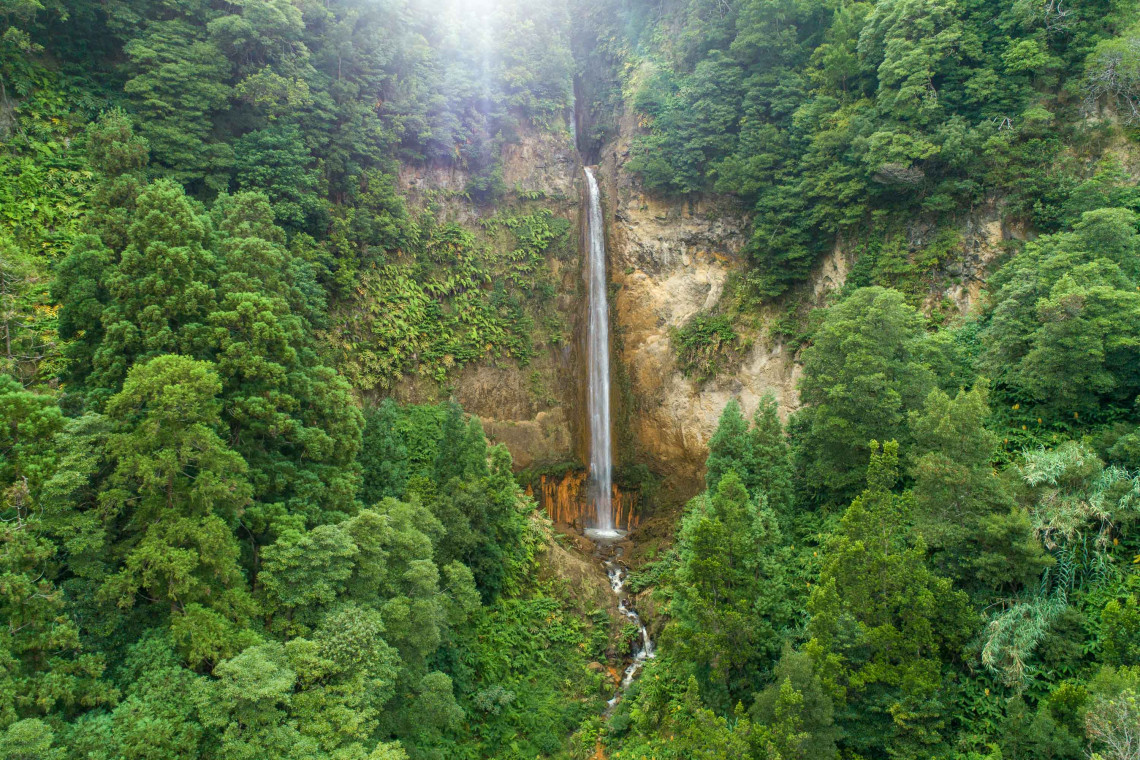
Ribeira Quente also has a natural freshwater waterfall a short walk from the village center. The combination of waterfall, black sand, and the quiet of a working fishing village makes it a worthwhile add-on to any Furnas day trip.
Talk to a local advisor who lives in the Azores and has been to Furnas. They will build an itinerary that combines Furnas with Sete Cidades, the north coast, and Ponta Delgada in the right order.
Talk to an Advisor →FAQ
How far is Furnas from Ponta Delgada?
Furnas is approximately 40 km from Ponta Delgada, which takes around 40 minutes by car via the ER1. The road passes through the interior of São Miguel and is well-maintained. Public transport options exist but are infrequent, making a rental car the practical choice for a day trip.
What is Cozido das Furnas and where can I eat it?
Cozido das Furnas is a traditional Portuguese stew (beef, pork, chicken, and root vegetables) cooked underground by geothermal heat near Furnas Lake. The pots go in at 4am and come out at noon. Several restaurants in Furnas serve it for lunch. Booking ahead is recommended in summer; the number of pots is fixed and they sell out.
How long do you need in Furnas?
A full day is the right amount of time to visit Furnas Lake, walk the caldeiras, have lunch (Cozido if possible), visit Terra Nostra Park including the thermal pool, and drive to Ribeira Quente. If you arrive early and move at a reasonable pace, you can see everything on this list. Arriving after 11am means missing the caldeiras at their least crowded.
Can you swim in Furnas?
Yes, in the thermal pools. Terra Nostra Park has a large iron-rich thermal pool at 39°C open to the public (hotel guests have a separate entrance). Poças da Dona Beija and Poça da Tia Silvina are two smaller public thermal pools at similar temperatures. All three require a small entry fee. Swimming in Furnas Lake is not permitted.
Is Terra Nostra Park worth visiting?
Yes, particularly if you want to swim in the thermal pool. The botanical garden itself is impressive, with over 2,000 plant species in a setting of tree ferns, ancient camellias, and laurel forest. The pool is the main draw: it is large, very warm, and unusually rich in iron, which turns the water a distinctive amber color. Budget at least two hours for the park.
When is the best time to visit Furnas?
Furnas is worth visiting year-round because the geothermal activity does not change with the seasons. Summer (June to September) offers the best weather for the thermal pools and for the Ribeira Quente beach, but also the highest crowds. May and October are good compromises: mild temperatures, fewer tour groups, and Cozido served without a long wait. The caldeiras are atmospheric in fog, which is common in autumn and winter.
Is Furnas suitable for children?
Yes. The caldeiras have safe, clearly marked paths. The spring waters are interesting and educational. Bolos lêvedos are universally liked. The Terra Nostra thermal pool is family-friendly and the shallow edges are manageable for older children. Ribeira Quente beach is calm enough for swimming in summer. The main consideration is the smell of sulfur near the caldeiras, which some young children find unpleasant.
Do I need to book Terra Nostra Park in advance?
Online booking for the thermal pool is available and recommended during July and August when it can reach capacity. The botanical garden itself is generally accessible without advance booking. If you are staying at the Terra Nostra Garden Hotel, pool access is included with your room.