01 September 2026 • 8 min read
São Jorge is 55 km long and only 7 km wide at its widest point, a narrow volcanic spine running east to west, with cliffs falling sharply to the sea on both sides. At the base of those cliffs are the fajãs: flat coastal platforms formed by ancient lava flows and landslides, some inhabited, some only reachable on foot. The fajãs are the defining feature of the island and the reason most visitors come.
Base: Velas (south coast) | Car needed: Yes | Days needed: 2 to 3
The island has over 40 recognized fajãs, a cheese that holds DOP status, the only artisanal coffee plantation in Europe, and an abandoned lighthouse on its western tip. Here is what to see and the order that makes sense.
1. Fajã da Caldeira de Santo Cristo
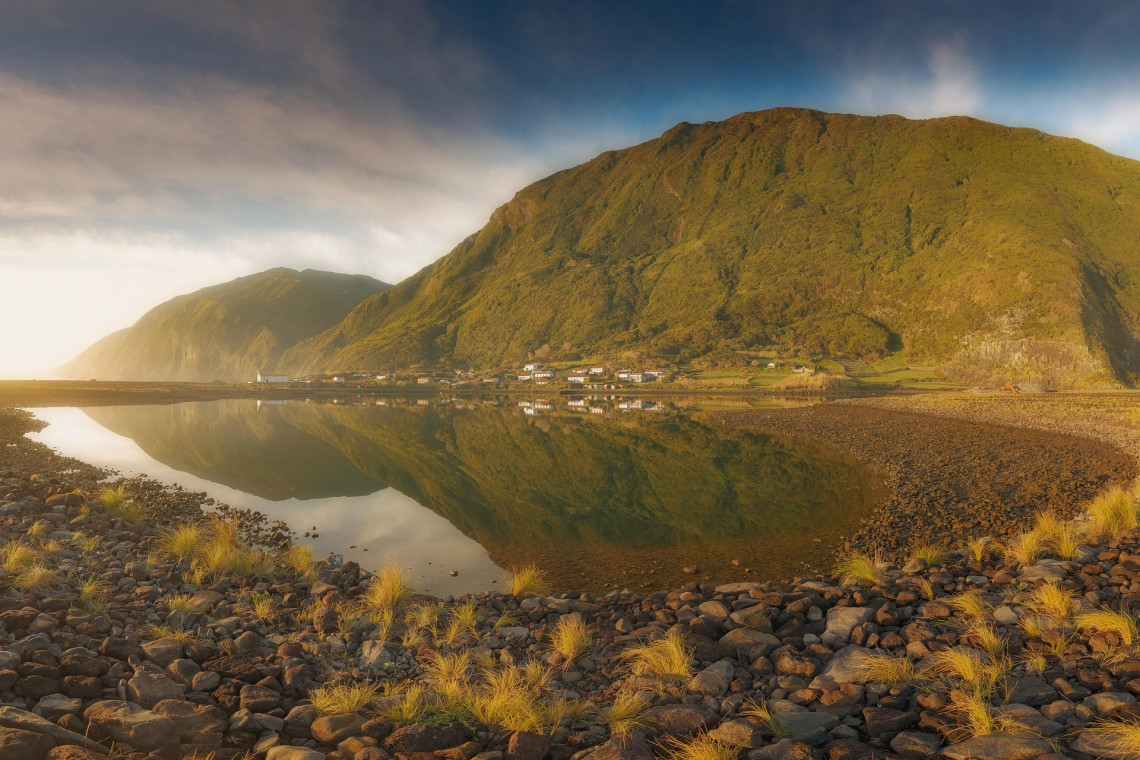
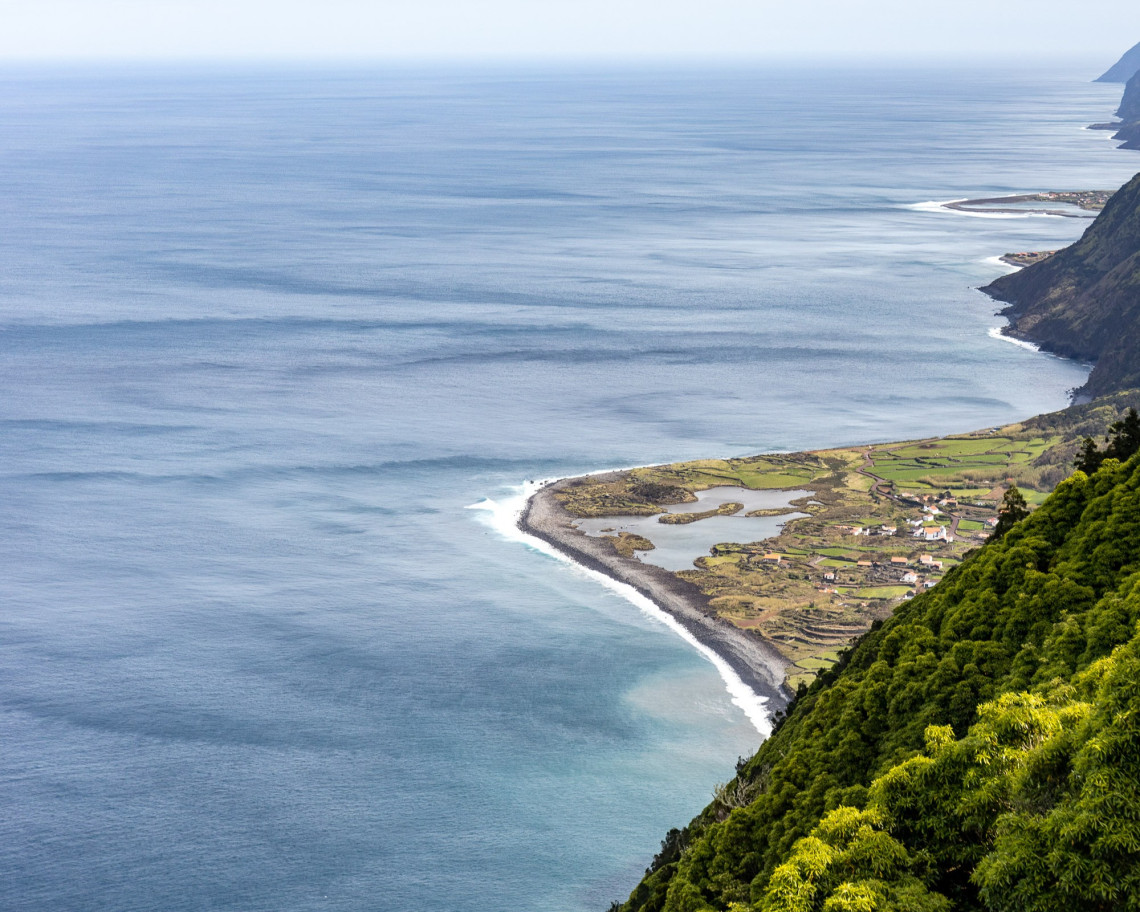
The Fajã da Caldeira de Santo Cristo is the most famous fajã on São Jorge and one of the most photographed spots in the Azores. It sits on the northern coast and is only accessible on foot (a 2 to 3 hour hike down from the ridge) or by rented motorbike on a rough track. The reward for getting there is a lagoon, Lagoa da Fajã de Santo Cristo, classified as a Ramsar wetland of international importance, and the only place in the Azores where surf-grade waves form consistently enough for a small surf community to have built up here. The lagoon is also known for its clams, which are harvested and served in Velas. The approach from the ridge gives views down to both the fajã and the adjacent Fajã dos Cubres, which is the best single viewpoint on the island.
2. Fajã dos Cubres
Fajã dos Cubres lies just east of Santo Cristo and is accessible by car to a viewpoint, or on foot via the same trail that connects to the Fajã da Caldeira. Its name comes from the cubres plant that grows here, producing small yellow flowers. The fajã has a lagoon of its own, calmer and more sheltered than Santo Cristo. From the viewpoint road above, you can see both fajãs at once, which is the most striking overview of São Jorge's northern coast.
3. Fajã do Ouvidor and Poça Simão Dias
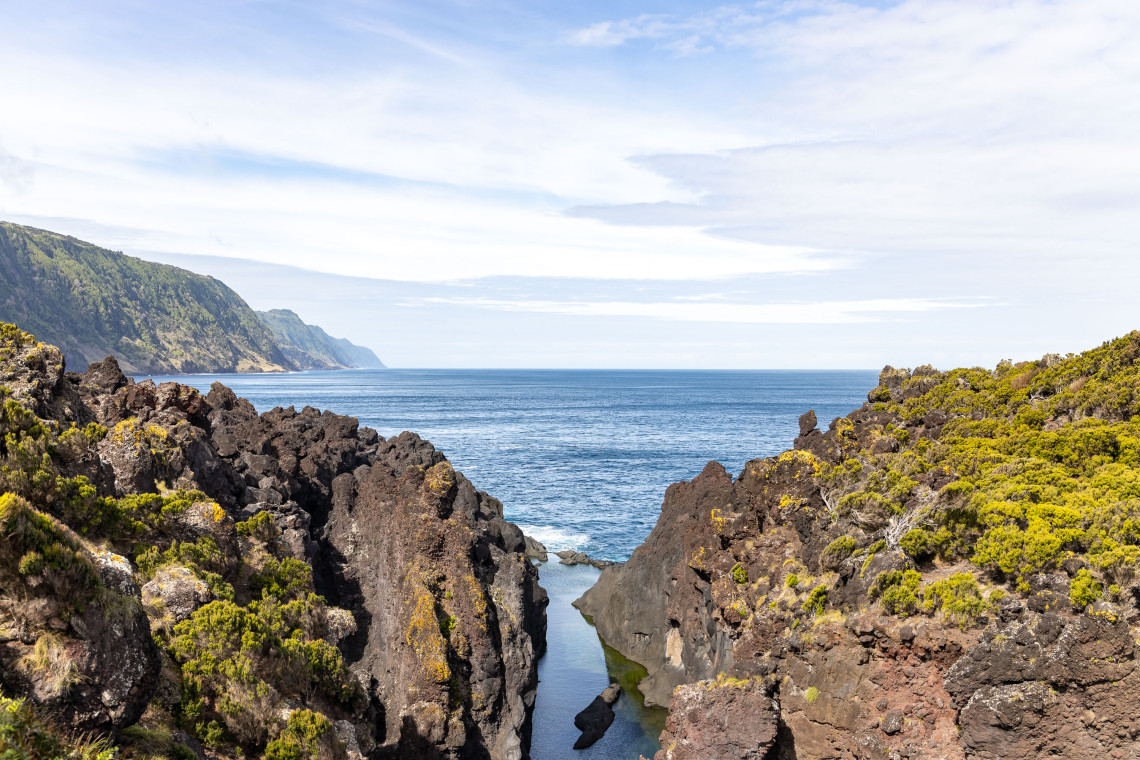
Fajã do Ouvidor is the easiest of the major northern fajãs to reach. The road descends to the coast and deposits you at a cluster of basalt rock formations surrounding the Poça Simão Dias, a natural tidal pool considered one of the most beautiful natural swimming spots in the Azores. The prismatic basalt columns framing the pool, the clarity of the water, and the view back up to the cliffs make this the most photogenic single location on the island. Go on a calm day.
GUIDED TOURS OF SÃO JORGE
Full-day guided tours of São Jorge cover the main fajãs, Pico da Esperança, Ponta dos Rosais, and Velas. A practical option if you want to see the whole island without navigating the narrow ridge roads yourself.
View São Jorge Tours →4. Pico da Esperança
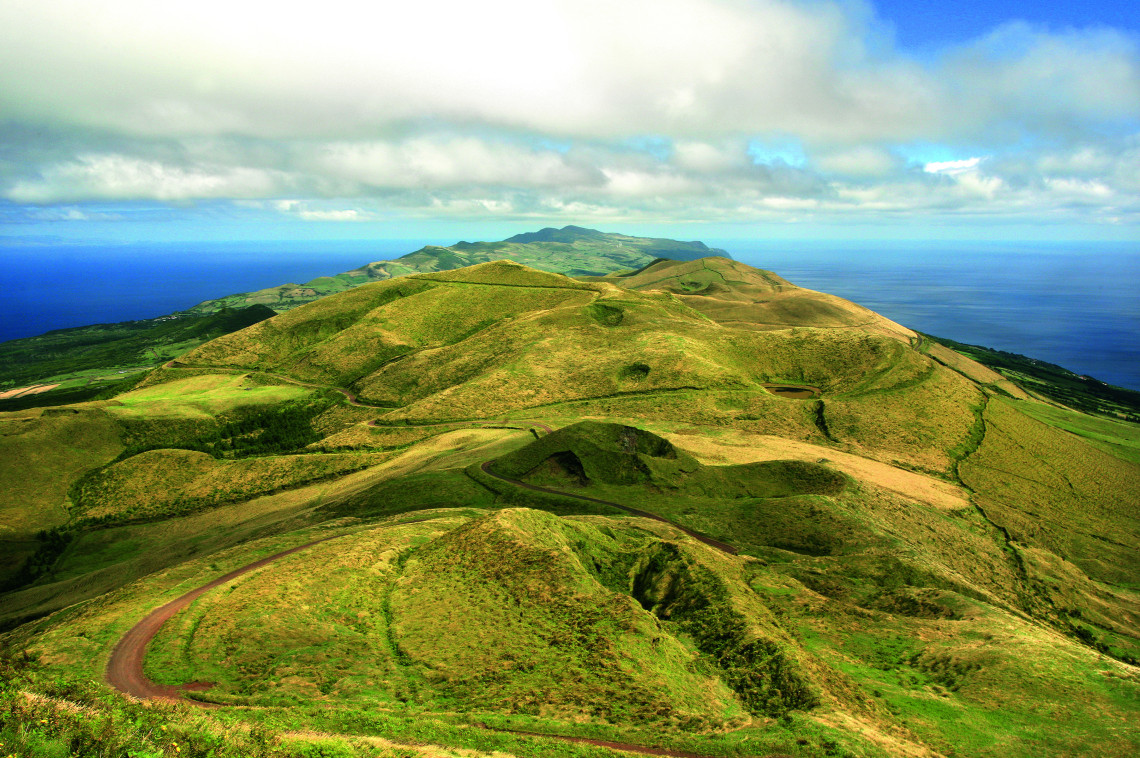
At 1,053 m, Pico da Esperança is the highest point on São Jorge. The road gets you most of the way up; the final section is a short walk. On a clear day, all four neighboring islands are visible from the summit: Pico, Faial, Graciosa, and Terceira. The summit is often in cloud by mid-morning, so an early start matters. The area around the peak is part of the island's central highlands, covered in heather and fern, and the contrast between the ridge landscape and the coastal fajãs visible far below is one of the best panoramas in the Azores.
5. Ponta dos Rosais Lighthouse
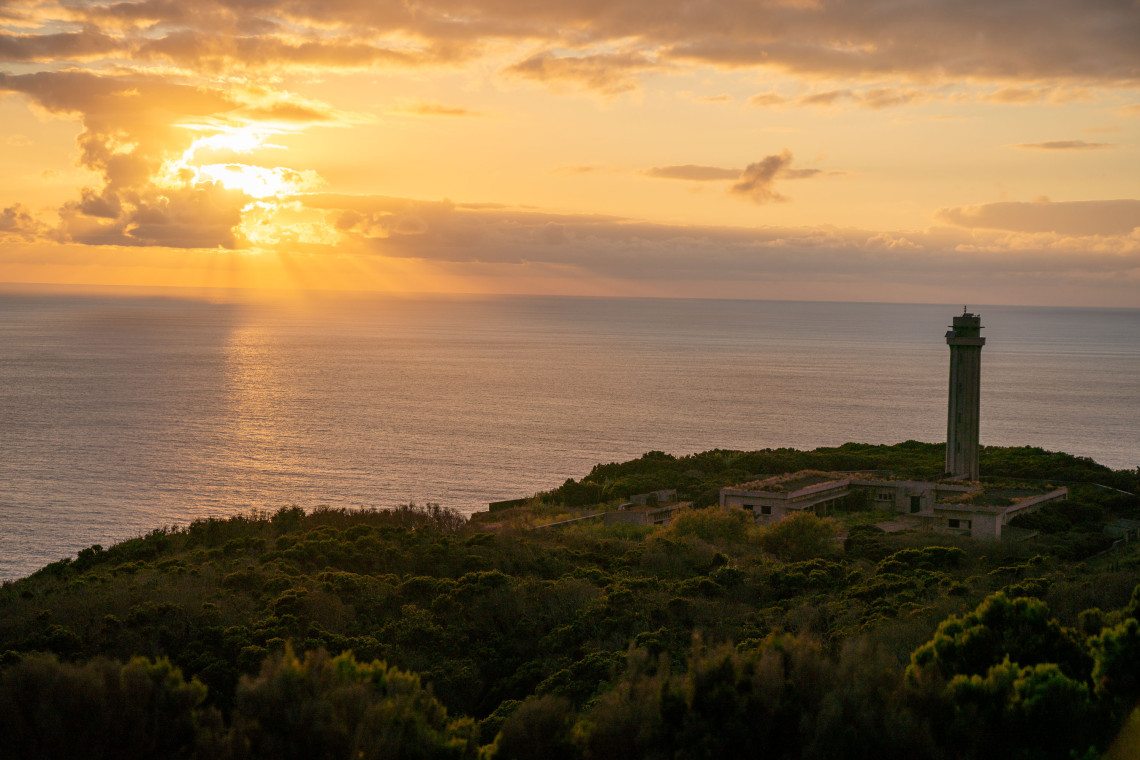
The Ponta dos Rosais is the westernmost tip of São Jorge. The lighthouse here was abandoned after a 1964 volcanic earthquake and has not been restored. It stands in a state of ruin above cliffs that drop straight into the Atlantic, surrounded by the remains of the support buildings. The setting is genuinely dramatic and unlike anything else on the island. The views from the point extend south toward Faial and north into open ocean. Access is by a road along the southern coast, then a short walk out to the point.
6. Velas
Velas is the island's main town and the practical hub for accommodation, restaurants, and ferry connections to Faial and Pico. The historic center is compact and quiet. The Jardim da República, the main public square, has a bandstand and sea views toward Pico Mountain. The harbor front is a short walk from the square. Most of São Jorge's few restaurants and bars are clustered here. The natural swimming pools at Preguiça are immediately adjacent to the São Jorge Garden Hotel, a short walk from the center.
7. São Jorge Cheese and the UNIQUEIJO Factory
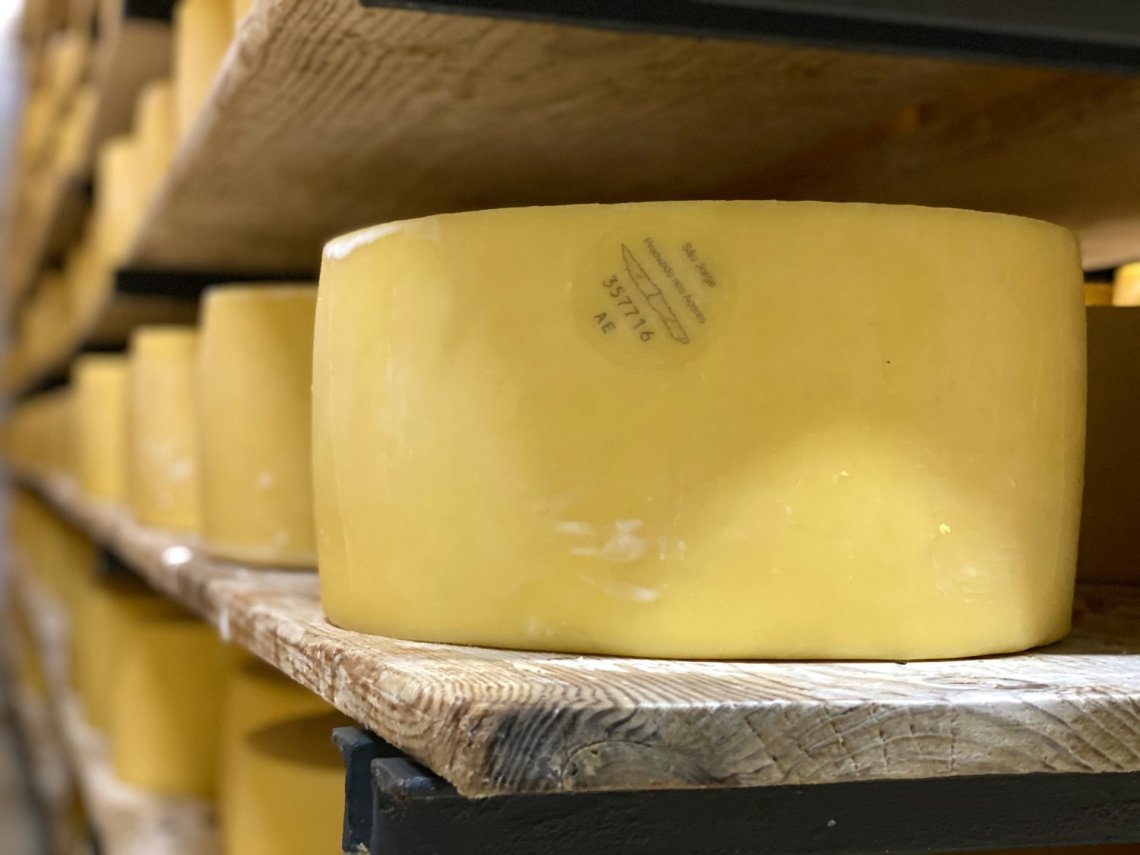
São Jorge cheese is the island's most exported product and the most recognizable Azorean cheese internationally. It holds DOP (Protected Designation of Origin) status. The cheese is made from raw cow's milk, cooked-curd, and pressed into large wheels that age for between three and seven months. At three months it is milder and more buttery; at seven months it is firmer and noticeably spicier. The UNIQUEIJO cooperative factory on the island offers guided tours that show the full production process from milk intake to aging room. Even if you skip the tour, the factory shop stocks all aging variants and is the cheapest place on the island to buy a wheel.
SÃO JORGE CHEESE FACTORY TOUR
Visit the UNIQUEIJO cooperative factory to see how São Jorge cheese is made, from raw milk to the aging room. The tour ends at the shop where you can buy directly from the producer.
View São Jorge Activities →8. Café Nunes and the Coffee Plantation at Fajã dos Vimes
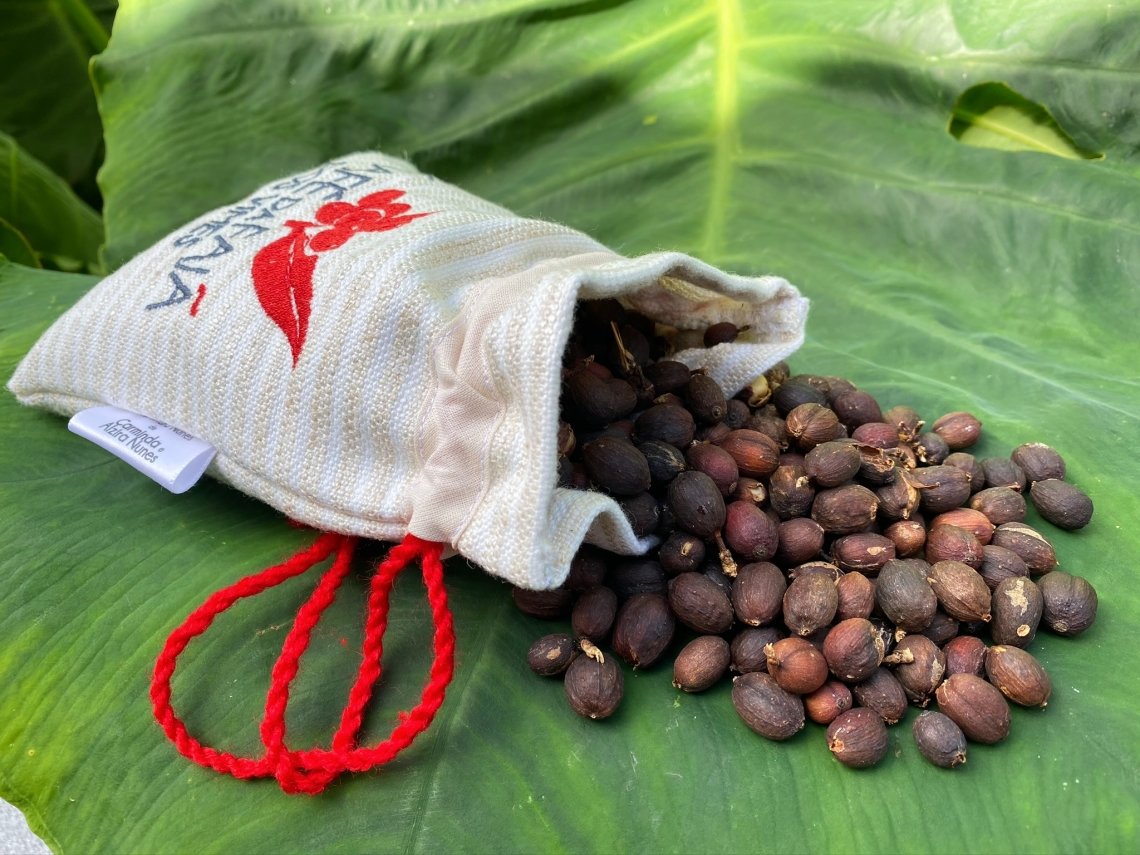
Fajã dos Vimes is a small inhabited fajã on the southern coast, accessible by a steep road that winds down from the ridge. Café Nunes, at the entrance to the fajã, is run by a family that maintains a small coffee plantation behind the house, one of the very few in Europe and the only one in the Azores. The coffee is organic, grown in the shelter of the fajã's microclimate, and sold in small quantities. The owner walks visitors through the plantation on request. This is a genuinely unusual stop and worth the detour, both for the coffee and for the fajã itself, which has good views along the southern coast.
9. Urzelina Windmills
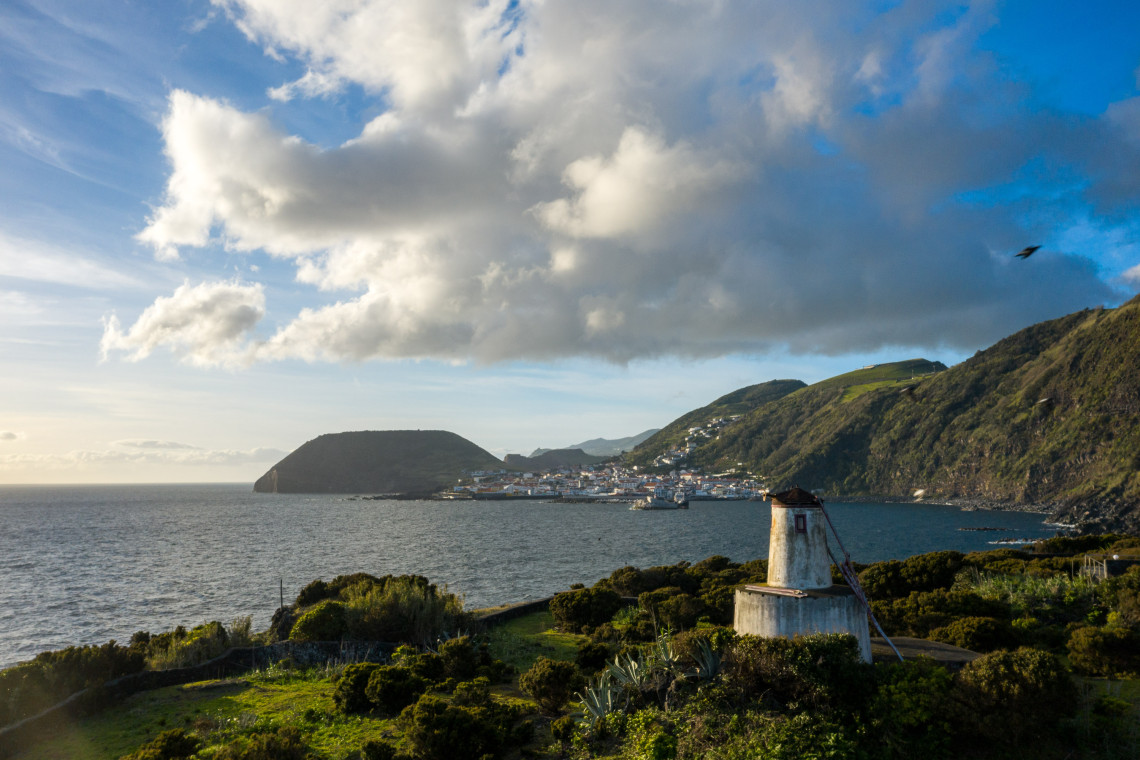
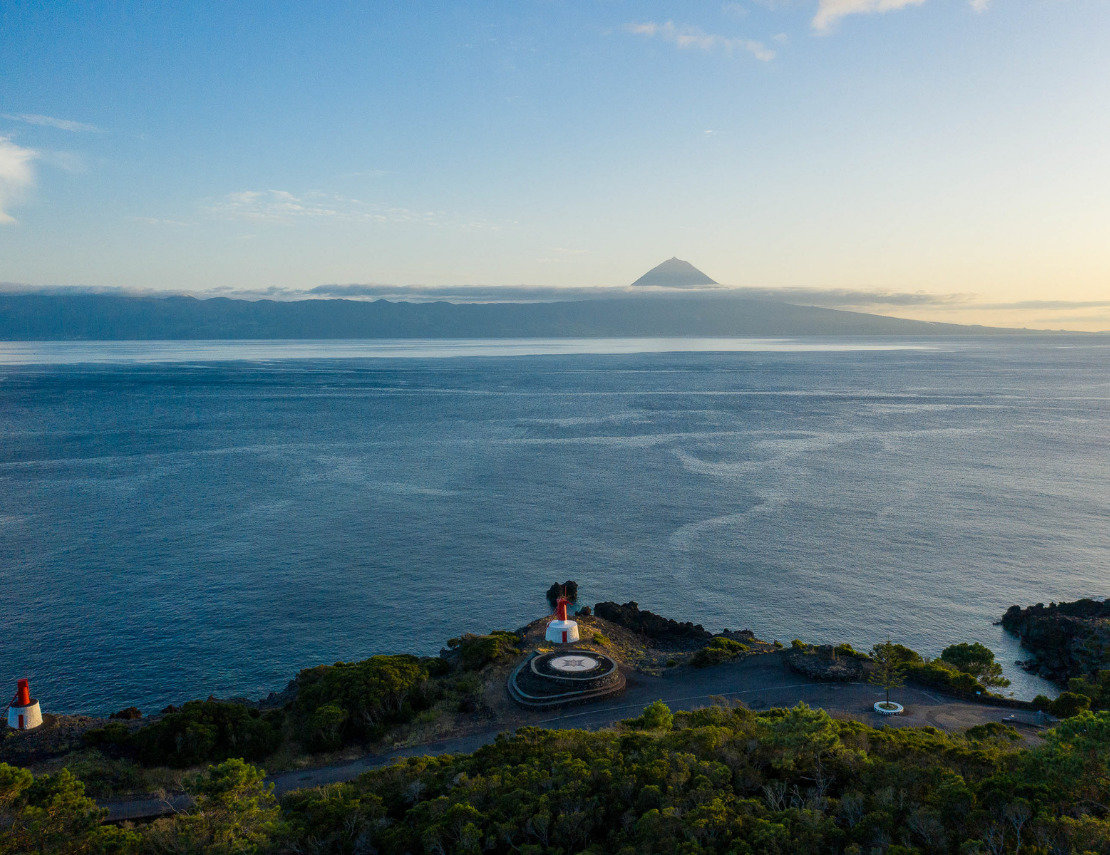
The windmills at Urzelina sit on the coast facing Pico Island. Some are intact, some are ruins, and one was partially buried by a lava flow from the 1808 eruption. The buried church tower nearby, still visible above the solidified lava, is one of the stranger sights on the island and gives you a concrete sense of how the 1808 eruption reshaped this part of the southern coast. The windmill cluster is one of the best sunset viewpoints on São Jorge, with Pico Mountain directly across the channel.
10. Preguiça Natural Pools
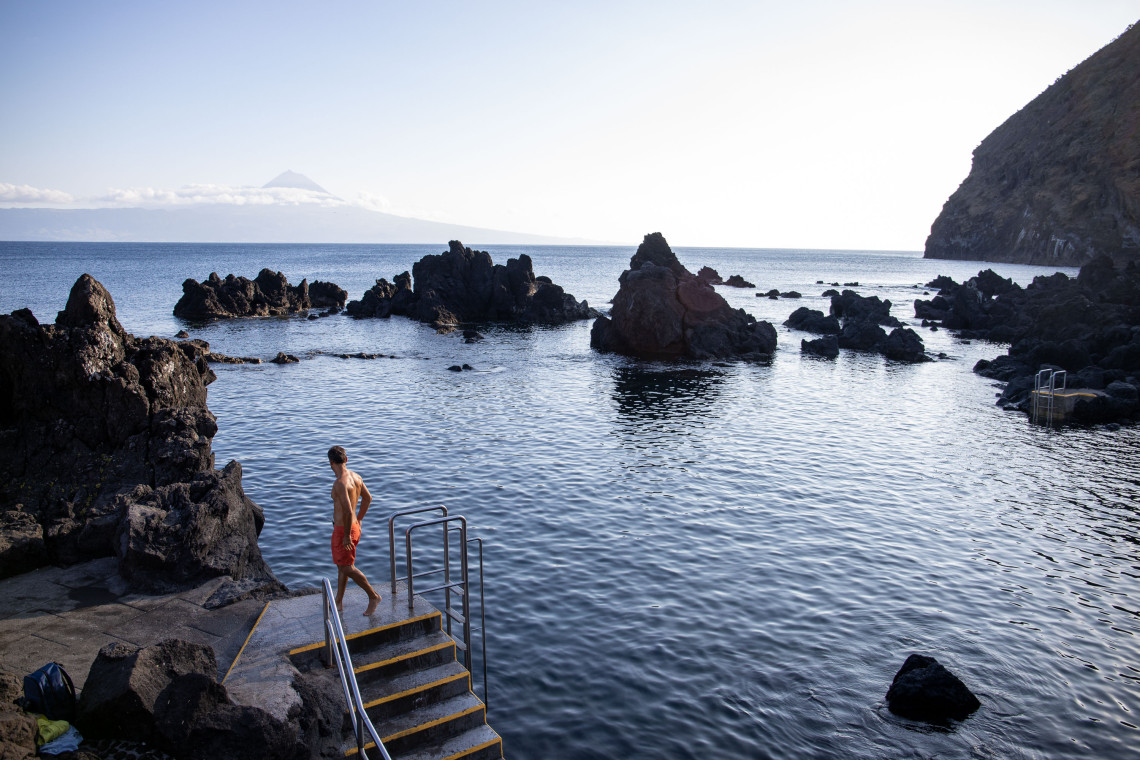
The Preguiça tidal pools are on the southern coast immediately adjacent to the São Jorge Garden Hotel, about a 10-minute walk from Velas center. They are the most accessible swimming spot near the capital and are well-maintained with changing facilities. The pools face Pico Island and the views while swimming are, practically speaking, better than almost any hotel pool in the Azores.
11. Topo Islet
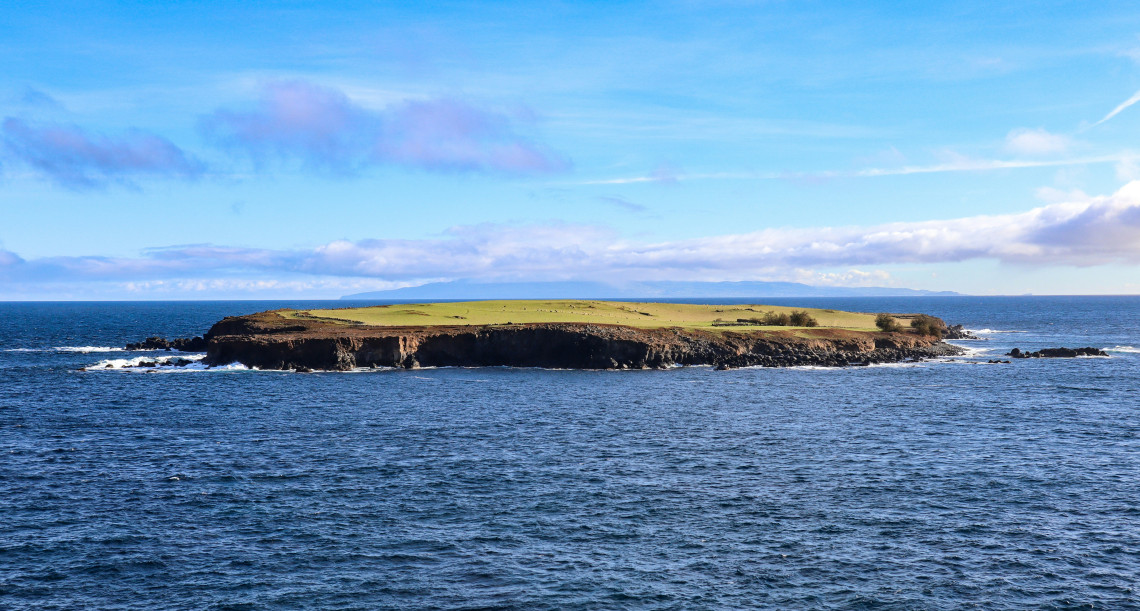
At the eastern tip of São Jorge, the village of Topo has a small cheese factory and a view across to the Topo Islet, a flat piece of land just offshore that was declared a partial nature reserve in 1984 for its marine bird colonies. In summer, cows from the coastal farms are known to swim out to the islet to graze. The Topo area is quieter than the rest of the island and the cheese produced at the local factory has a character slightly different from UNIQUEIJO's output, worth tasting if you are doing the full eastern circuit of the island.
12. Santa Catarina Tuna Factory
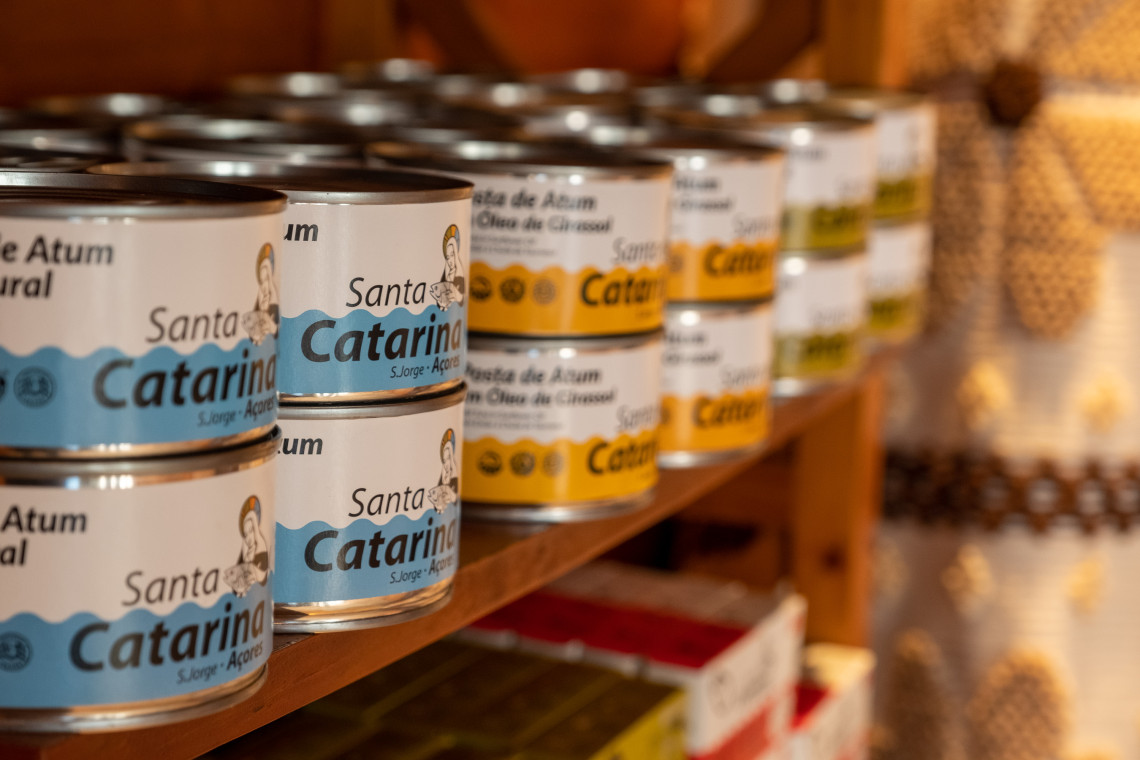
The Santa Catarina tuna cannery is one of the more unusual producer visits in the Azores. São Jorge tuna is caught close to the island and processed very quickly, which is the reason the tinned tuna here tastes markedly different from standard supermarket product. The factory shop sells directly from the producer in a range of preparations and at lower prices than anywhere else. It is also possible to tour the facility. Not every visitor will prioritize a tuna factory, but for anyone interested in Azorean food production it is a worthwhile stop.
13. São Jorge Clams
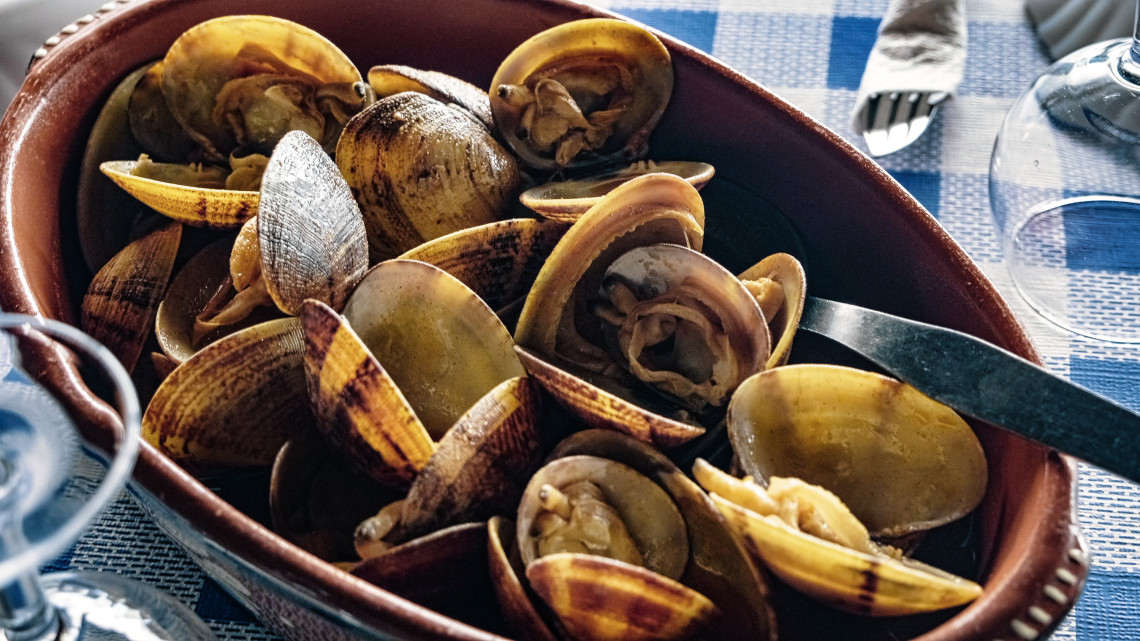
São Jorge produces the only clams harvested in the Azores, in the lagoon at Fajã da Caldeira de Santo Cristo. The lagoon's Ramsar wetland status and the very small scale of the operation make them a regulated delicacy: only three licenses exist for harvesting, quotas are strictly enforced, and the season follows a fixed calendar in summer. A kilogram of clams costs around 50 euros. You do not have to eat them at the restaurant in the fajã itself, as they are served during summer in Velas and in other restaurants across the island. They are prepared simply, usually with garlic, white wine, and coriander.
14. Igreja de Santa Bárbara, Manadas
The baroque church in the village of Manadas, formally called Igreja de Santa Bárbara, dates from the late 18th century and is the most elaborately decorated church on São Jorge. The interior is covered with gilded wood carvings across every surface, and the ceiling is painted with figurative scenes. Visits are guided by a local resident who explains the history of the altars and the church's significance to the village. The church is small and the visit is free, but the quality of the guided explanation makes it worth planning time for. Manadas is on the southern coast between Velas and Urzelina.
15. Vigia da Baleia
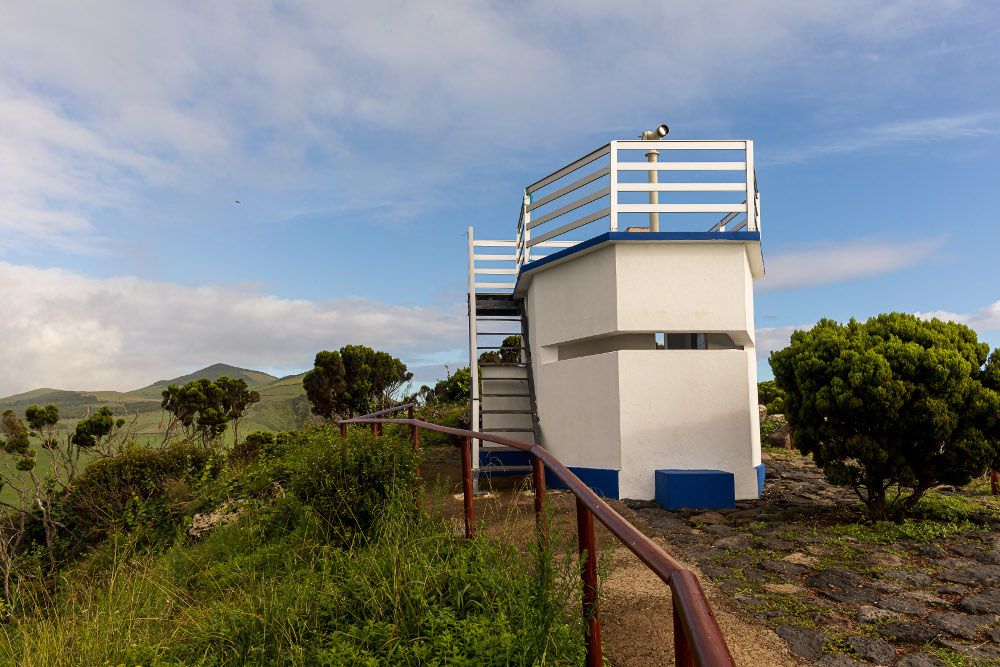
At the northwest point of São Jorge, above the cliffs near Ponta dos Rosais, stands one of the old whale lookout posts used during the era of Azorean whaling. From these vigias, spotters would watch the ocean for whale spouts and ring a bell to signal the boats waiting in port. The whaling industry ended in the Azores in 1984. The vigia here has been preserved and offers one of the best panoramic views on the island, with the ocean visible on three sides and the ridge of São Jorge stretching east behind you. It is a short walk from the road.
16. Fajã João Dias
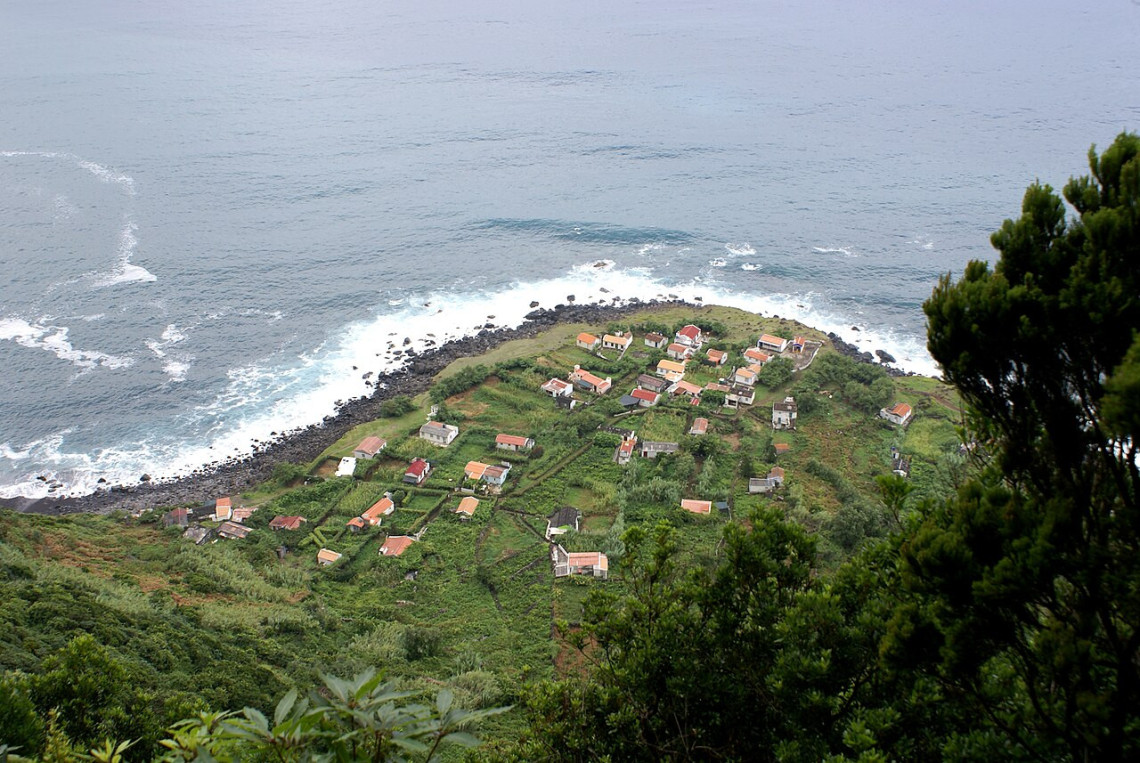
Fajã João Dias is one of the more remote fajãs on the northern coast, accessible by foot via a trail from the ridge above Beira. The fajã has no permanent connection to the power grid, each house running its own generator. On weekends and in summer it fills with Azoreans who come for the swimming and the quiet. There is a table with a view over the small bay, changing facilities, and toilets. The fajã is genuinely off the tourist circuit and the contrast with the more famous fajãs to the west is noticeable. The trail down takes around 45 minutes from the ridge.
17. Cruzal Waterfall
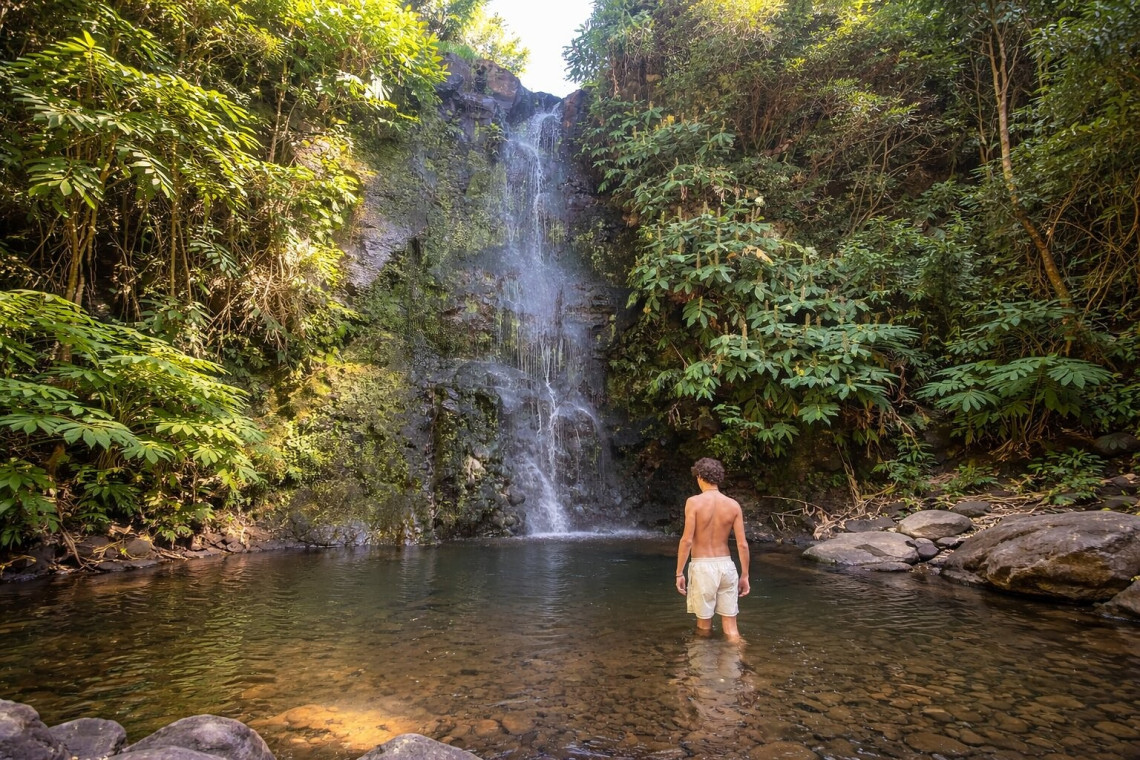
The Cruzal waterfall is on the south coast, near the eastern end of the island. It sits in a small forested gully just off the road, reached by a short walk of a few minutes. The water is not clear enough for swimming, but the setting, enclosed in tree ferns and moss-covered basalt, is photogenic. It is a useful stop on the eastern circuit of the island, particularly if you are combining Topo, the Topo Islet viewpoint, and the eastern coast road in one day.
18. Espécies de São Jorge
Espécies are São Jorge's signature sweet: small ring-shaped biscuits made with anise, cinnamon, pepper, and nutmeg. They are produced only on the island and are distinct enough in flavor that most visitors buy a bag to take home. The best versions are handmade; the bakery Dulçores near Calheta is the most recommended source on the island. They are also available in supermarkets in Velas and keep well for travel.

São Jorge Island Vacation Packages
Ready-to-book packages with flights, accommodation, and car hire arranged. São Jorge pairs naturally with São Miguel for a focused 6-night trip, or with Faial and Pico for a longer Triangle Islands circuit.
Keep reading
Frequently Asked Questions
What is São Jorge Island known for?
São Jorge is known primarily for its fajãs: flat coastal plateaus formed by lava flows and landslides at the base of the island's dramatic cliffs. The Fajã da Caldeira de Santo Cristo is the most famous, combining a surf break, a Ramsar-classified lagoon, and resident clams. The island is also the origin of São Jorge cheese, one of Portugal's best-known DOP cheeses.
How many days do you need on São Jorge?
Two full days covers the essential circuit: one day for the northern fajãs (Santo Cristo, Cubres, Ouvidor, Poça Simão Dias) and one day for the western end (Ponta dos Rosais, Pico da Esperança) and the southern coast (Urzelina, Fajã dos Vimes coffee plantation). Three days allows a more relaxed pace and time in Velas without rushing.
Is a car necessary on São Jorge?
Yes, for most of the island. The road along the ridge is the only way to reach the viewpoints above the northern fajãs, Ponta dos Rosais, and Fajã dos Vimes. Velas itself is walkable, and guided tours handle transport if you prefer not to drive. The roads on São Jorge are narrow and hilly; driving is more demanding than on Faial or Pico.
Can you hike to the Fajã da Caldeira de Santo Cristo?
Yes. The hike down from the ridge to Fajã da Caldeira de Santo Cristo takes approximately 2 to 3 hours each way, depending on pace and the trail taken. The most commonly used route starts near Loural. You can also descend by rented motorbike on the rough track, which cuts the time significantly but requires some off-road experience. There is no car access to the fajã floor.
What is the best natural pool on São Jorge?
Poça Simão Dias at Fajã do Ouvidor is the most celebrated. The prismatic basalt columns framing the tidal pool and the clarity of the water make it the most photographed spot on the island. Preguiça, near the São Jorge Garden Hotel in Velas, is the most accessible and has better facilities. Both are tidal pools, so conditions vary with the Atlantic swell.
Is São Jorge worth visiting if you are only doing two or three Azores islands?
São Jorge is often underestimated relative to São Miguel, Pico, and Faial. It is the best island in the Azores for hiking, both for the access trails down to the fajãs and for the ridge trail. The fajãs are a landscape type found nowhere else in the Azores in this concentration. Visitors who include São Jorge consistently rate it among the highlights of the archipelago.