25 August 2026 • 8 min read
Five days is enough time to cover Pico's main draws without rushing: one day for the mountain, one for whale watching, one for the UNESCO vineyard coast and lava caves, one for the east coast, and a day to explore Madalena and the natural pools.
Mountain season: July 1 to September 30 | Car hire: Essential | Base: Madalena or São Roque
Pico is compact enough to cover in five days without feeling rushed, and varied enough that those five days stay full. The island has a clear structure: the western coast around Madalena has most of the accommodation, services, and tour operators; the north coast road runs through São Roque; the south coast road ends at Lajes do Pico; and the interior is dominated by the mountain. A hire car is not optional.
This itinerary assumes you are visiting between July and September, when the mountain is open. If you are visiting outside that window, swap Day 2 for hiking the coastal trails or a day trip to Faial.
Day 1: Arrive in Madalena, Explore the Western Coast
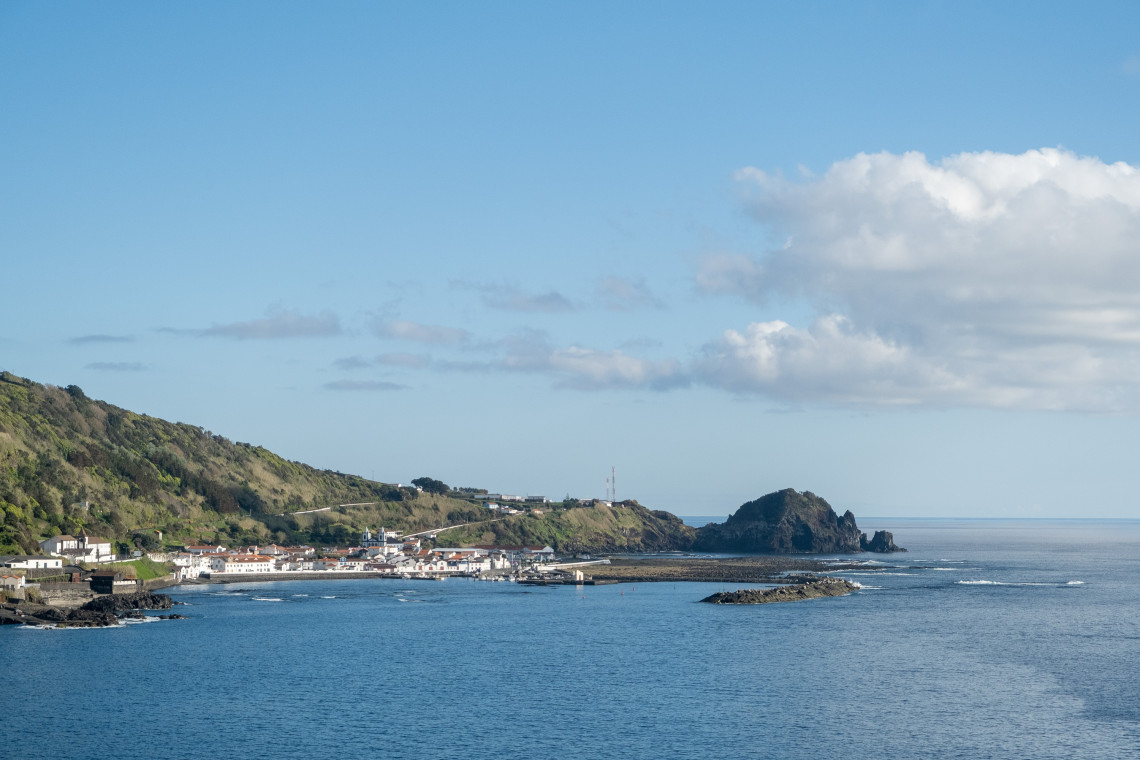
Most visitors arrive by flight into Pico Airport (PIX) or by ferry from Horta, Faial. Both arrive near Madalena, the island's main town on the west coast.
Pick up your hire car at the airport (book well in advance in summer) and spend the afternoon at a slower pace. Walk the waterfront in Madalena, where the old pier at Cais do Mourato gives you a direct view across the channel to Faial and, on clear days, São Jorge beyond.
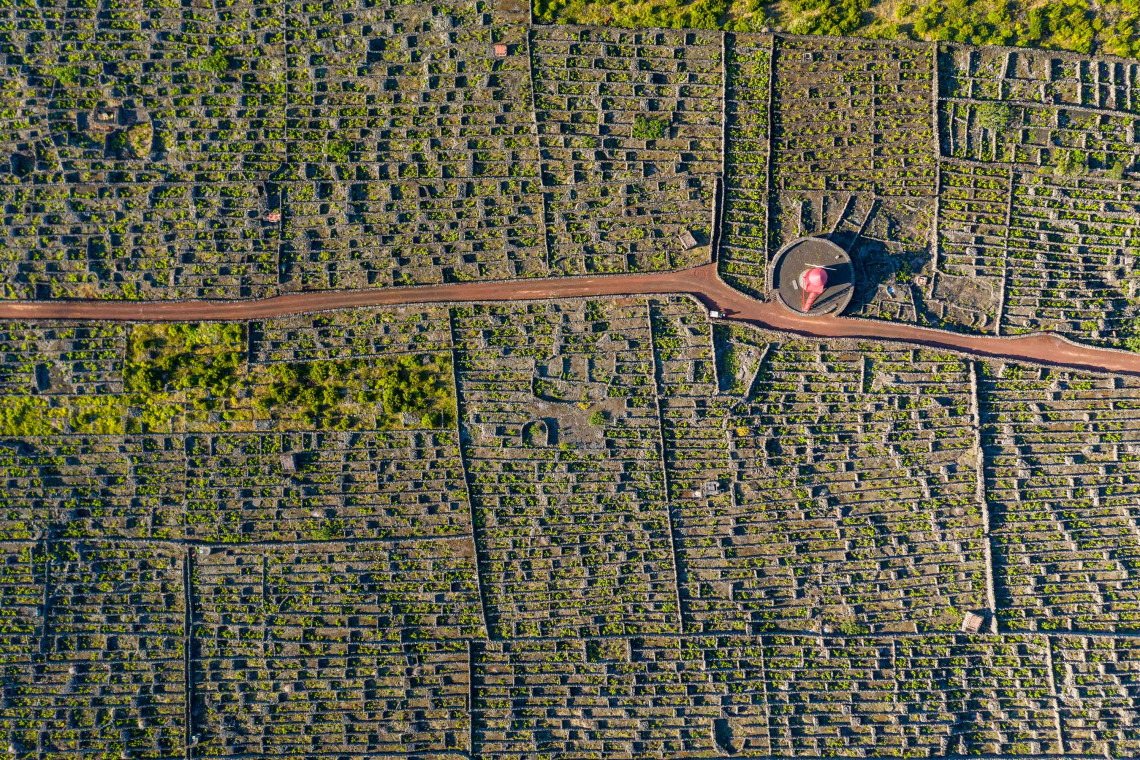
In the late afternoon, drive the short stretch south along the UNESCO vineyard coast. The black basalt currais (the stone-walled enclosures that protect the vines from Atlantic wind) run right to the water's edge. Stop at the Interpretation Centre at Lajido for context on how this landscape came to be inscribed as a UNESCO World Heritage Site.
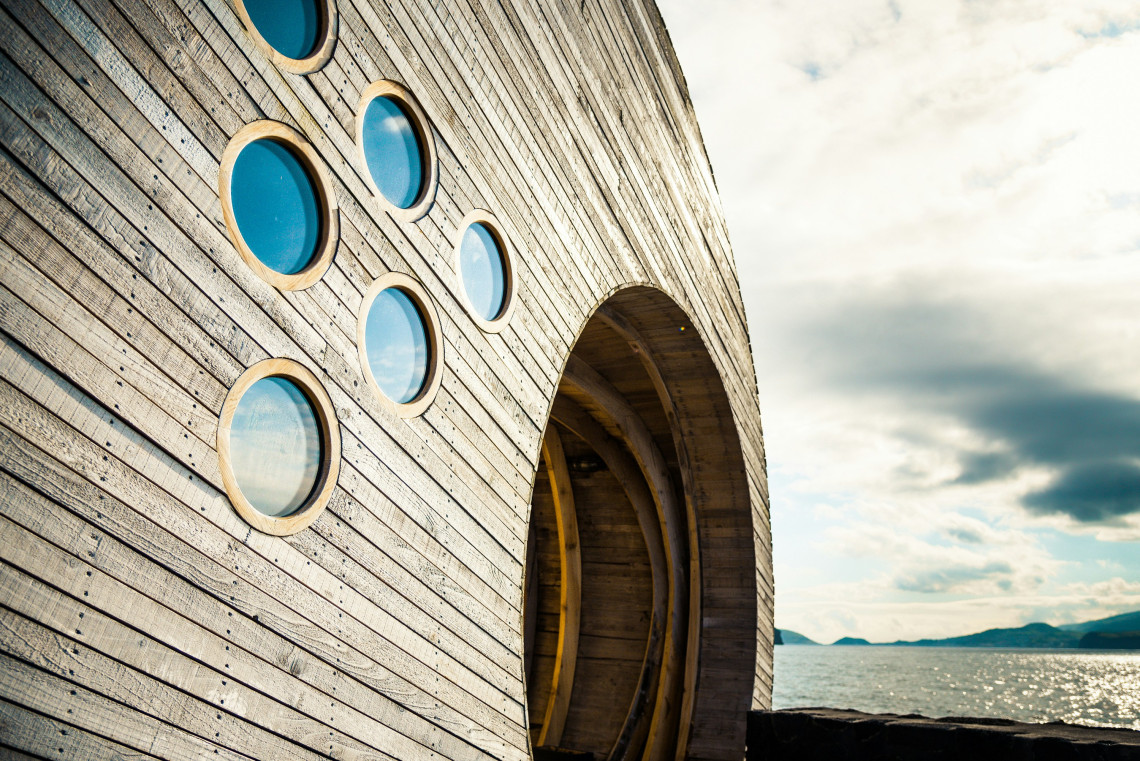
End the evening at Cela Bar in Madalena. It is the most architecturally considered building on the island and a good introduction to what Pico's food and wine culture actually looks like.
WINE EXPERIENCE
Book a tasting at Adega Czar in Criação Velha, one of the best small producers on the island, set directly inside the UNESCO vineyard zone.
View Wine Tours →Day 2: Climb Pico Mountain
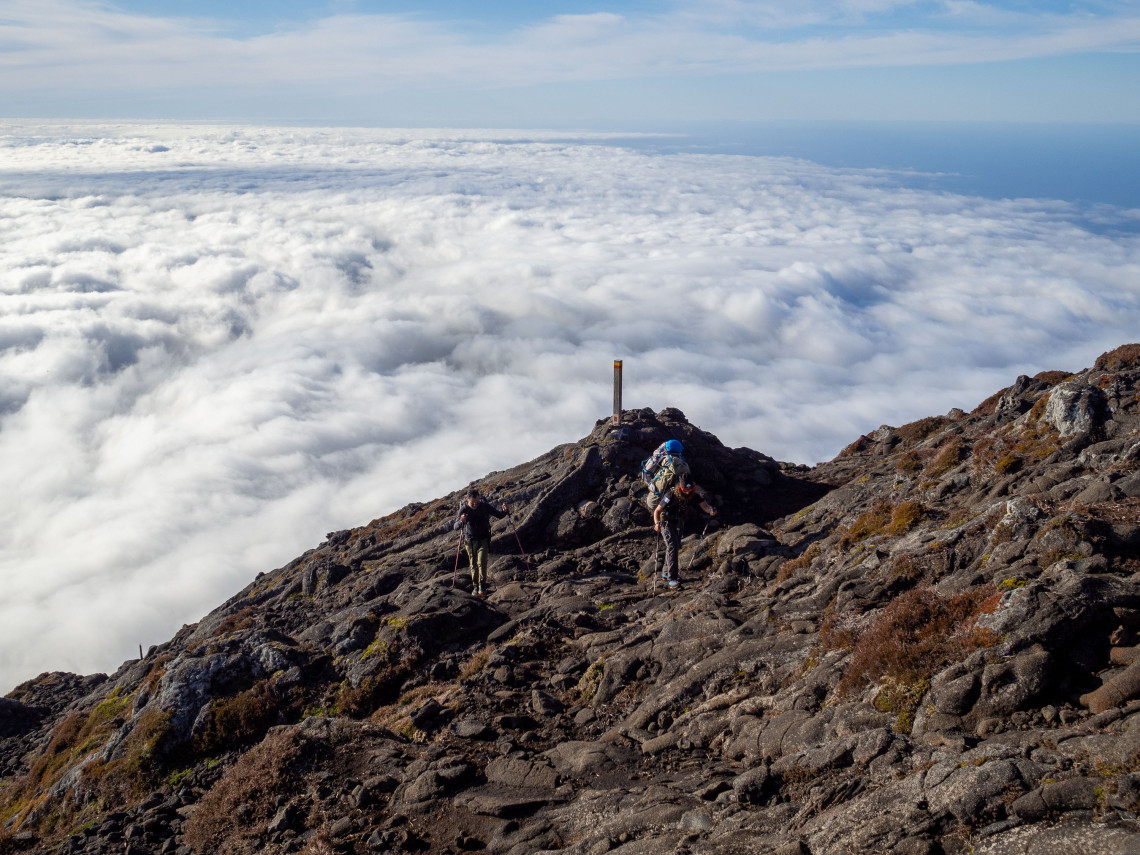
Set the alarm early. The summit ascent of Pico Mountain (2,351m) starts at the Casa da Montanha trail center at 1,225m and takes most hikers 3 to 5 hours up and 2 to 3 hours down. You need to register with the Mountain House before departure, and there is a fee.
Go on a weekday if possible: summer weekends have queues at the registration point. Start by 7am if you want the summit to yourself and the best odds of clear skies before afternoon cloud builds.
The upper section involves scrambling over loose volcanic scree. A guide is not required but is strongly recommended for first-time climbers. The final climb to the Piquinho vent (the true summit, 2,351m) is optional and adds 30 minutes.
After the descent, you will have earned a late lunch. The natural rock pools at São Roque on the north coast are a 20-minute drive from the mountain trailhead and are the best place on the island to cool off.
If the mountain is closed (outside July 1 to September 30): Replace this day with a guided hike on the Lagoa do Capitão trail (PR10), which reaches the caldera lake on the mountain's flank and is one of the best walks in the Azores. Alternatively, take the ferry to Faial for a day in Horta.
GUIDED MOUNTAIN ASCENT
A local guide handles registration, navigation on the upper section, and summit timing. Strongly recommended for the first ascent.
View Mountain Tours →Day 3: Whale Watching and Lava Pools
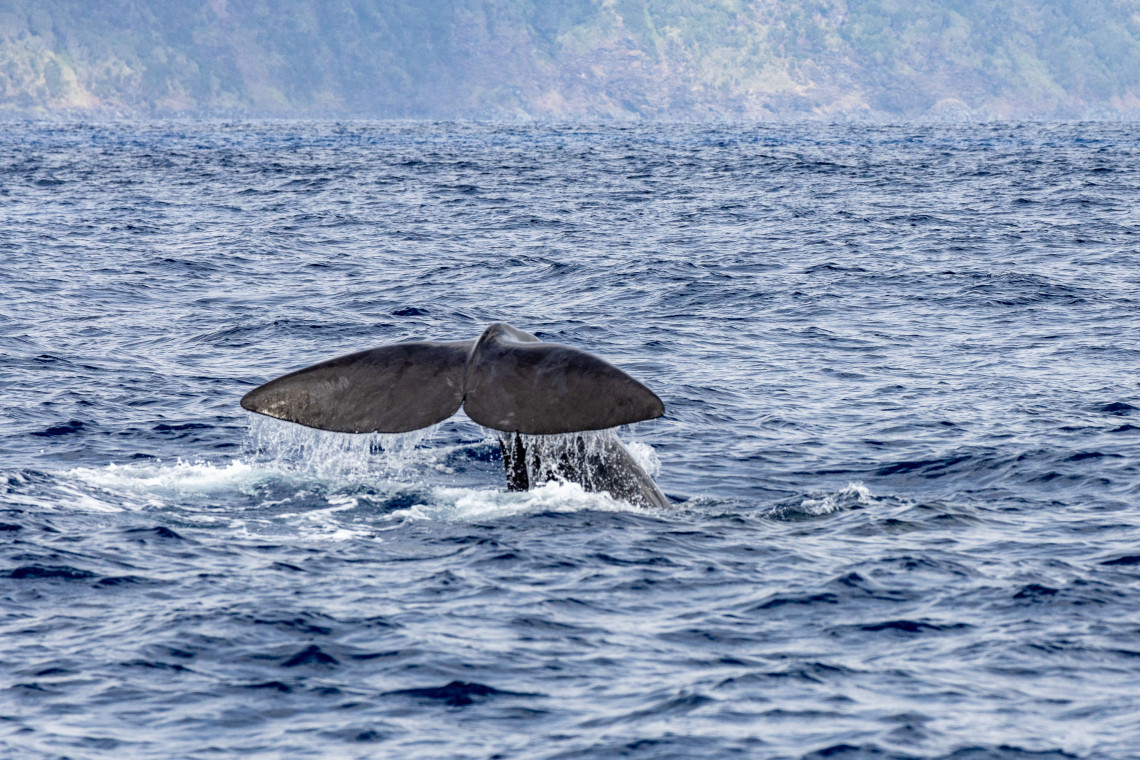
Whale watching tours typically depart from Lajes do Pico on the south coast and São Roque on the north. Book a morning departure: sperm whales are most reliably sighted in the deep channel between Pico and Faial, and afternoon swells can make the crossing rougher.
The channel between the islands is one of the most productive whale watching areas in the North Atlantic. Sperm whales are resident year-round. In summer, blue whales, fin whales, humpbacks, and sei whales are all possible, along with common and bottlenose dolphins.
After the tour, spend the afternoon at one of the natural lava pools on the south coast. Ponta da Ilha at the eastern tip of the island has a large natural swimming area. The pools at Lagoa near São Mateus on the north coast are calmer and less exposed.
WHALE WATCHING
Tours use rigid inflatables (RIBs) with vigia spotters onshore guiding the boats to whale locations in real time. Sighting rates are among the highest in the Azores.
Book Whale Watching →Day 4: UNESCO Vineyard Coast and Gruta das Torres
This day focuses on the two UNESCO-listed assets on Pico: the vineyard landscape and, if you count geological significance, the lava tube system.
Start the morning at the Museu do Vinho (Wine Museum) in Madalena. It is one of the better-curated small museums in the Azores and provides a clear account of how winemaking developed on the island after the phylloxera epidemic destroyed the original vineyards. Tasting included.
Drive south to the Criação Velha area and walk sections of the UNESCO vineyard coast. The landscape only reveals its scale on foot: the basalt currais form an irregular grid that stretches from the road to the waterline. The Wine Route (Rota dos Vinhos) is marked and covers the most representative sections.
In the afternoon, visit Gruta das Torres near Madalena. At 5.1 km, it is the longest lava tube in the Macaronesian region. Guided tours run daily and take approximately 40 minutes. The interior is cool (16°C) and requires headlamps, which are provided.
GRUTA DAS TORRES TOUR
Book the guided tour in advance in summer. The cave is open year-round and is one of the few Pico highlights accessible regardless of weather.
View Cave Tours →Day 5: East Coast and Lajes do Pico
The east coast is the least visited part of Pico and the most geologically young. The Lajes do Pico area has a different character to the west: older, quieter, and more oriented toward the island's whaling history.
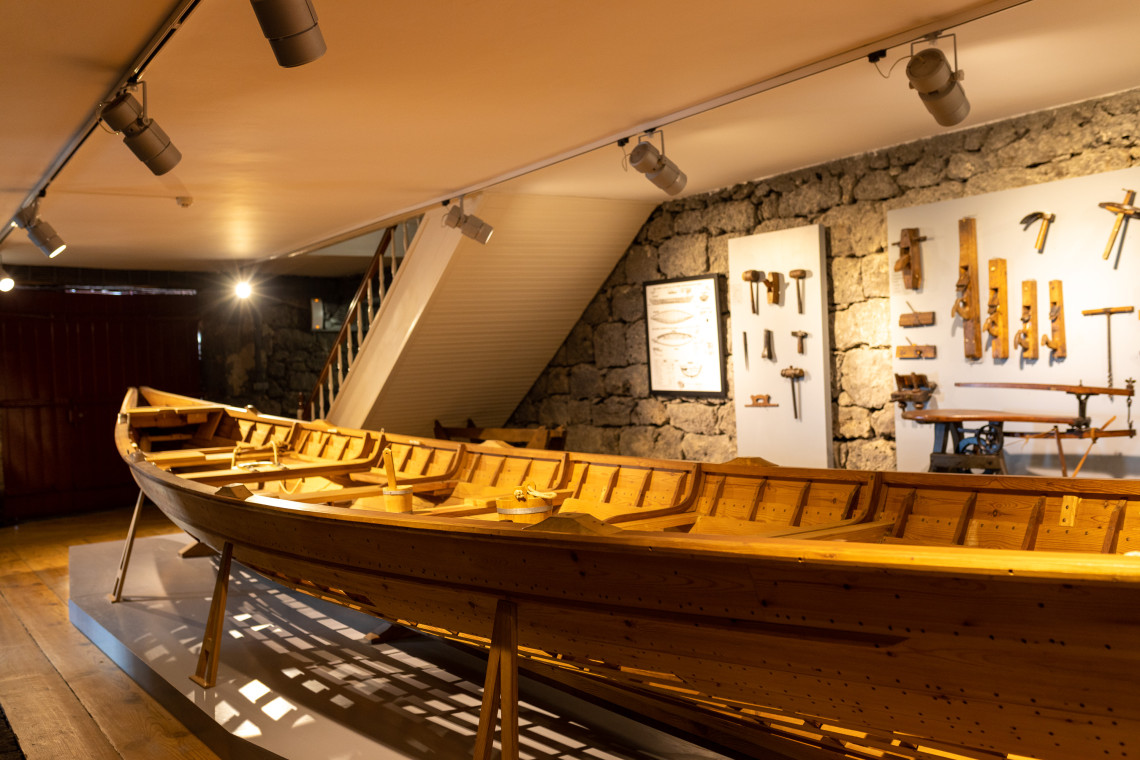
Start at the Museu dos Baleeiros (Whalers' Museum) in Lajes do Pico. It is the definitive collection on Azorean whaling history: the boats, the tools, the vigias (shore lookout posts), and the transition from commercial hunting to whale watching that defines how the industry is understood today. It is worth two hours.
Drive the south coast road back toward Madalena, stopping at viewpoints along the way. The Ponta da Ilha lighthouse at the eastern tip marks where the Atlantic meets the coast with some force. The fajãs along the south coast, particularly around Fajã Lávica, give access to some of the island's best snorkeling in calmer water.
If the day allows, stop at Terra Alta restaurant near Lajes on the way back. It is one of the few places on the island that makes a point of cooking from the landscape around it.
3-Day Version
If you only have three days, prioritize in this order: whale watching (Day 3 above), Gruta das Torres plus the UNESCO vineyard coast (Day 4), and either the mountain (if in season) or a day combining Madalena, the natural pools, and the east coast.
The mountain is the most weather-dependent and physically demanding option. If conditions are uncertain or you want a more relaxed first experience of the island, skip it and return specifically for a mountain trip.
Pico Island Vacation Packages
Ready-to-book packages that include Pico Island, with flights, accommodation, and car hire arranged. Our local team handles all inter-island logistics.
Keep reading
Frequently Asked Questions
How many days do you need on Pico Island?
Three to five days covers the main highlights comfortably. Three days works if you prioritize: whale watching, the UNESCO vineyard coast plus Gruta das Torres, and either the mountain or the east coast. Five days allows a more relaxed pace and time for the east coast, natural pools, and day trips to Faial.
Is Pico Island good for a 3-day trip?
Yes. Three focused days can cover whale watching, the lava caves, and the UNESCO vineyard landscape, leaving time for the mountain if conditions and season allow. The island is small enough that driving between its main areas takes 30 to 45 minutes.
What is the best base for a Pico Island itinerary?
Madalena on the west coast is the most practical base. It has the highest concentration of accommodation, the main ferry port, car hire, and easy access to the UNESCO vineyard zone and Gruta das Torres. São Roque on the north coast is a good alternative if you prefer a quieter setting and are prioritizing hiking.
Can you do Pico Island in a day?
Not well. A day trip is possible from Faial via the 30-minute ferry, but it only allows time for one or two activities. The island's highlights are spread across the north coast, south coast, and interior. A minimum of two nights is needed to visit more than one area.
What should I not miss on Pico Island?
The mountain (if visiting July to September), whale watching, Gruta das Torres, and the UNESCO vineyard coast are the four non-negotiable highlights. Gruta das Torres and the vineyard coast can be combined in a single day. Whale watching and the mountain each need a dedicated half to full day.