03 September 2026 • 6 min read
Graciosa is a small island and the activity list reflects that. You will not find zip-lines or canyoning courses. What you will find are experiences specific to this island that do not exist elsewhere in the Azores: a walkable lava cave with a subterranean lake, a horse and carriage ride through a working village, a dwarf donkey indigenous to Graciosa, and a pastry workshop where you learn the recipe from the people who invented it.
Best for: Nature, geology, food, slow travel | Season: Year-round | Base: Santa Cruz da Graciosa
1. Descend into Furna do Enxofre
Furna do Enxofre is the single most important thing to do on Graciosa and one of the most unusual natural experiences in the entire Azores. The cave sits inside the Caldeira da Graciosa, the island's volcanic crater. Reaching it requires a 200-meter walk through a tunnel bored into the crater wall, followed by a spiral staircase of 183 steps to the cave floor.
Inside, the ceiling is a dome of lava prisms formed during an eruption. At the center of the cave floor is a lake of sulphurous water. A natural skylight in the ceiling lets in a column of light around midday on clear days, illuminating the cave in a way that is difficult to describe and impossible to miss. The effect depends on cloud conditions, but even on overcast days the cave is striking for its scale and geological character.
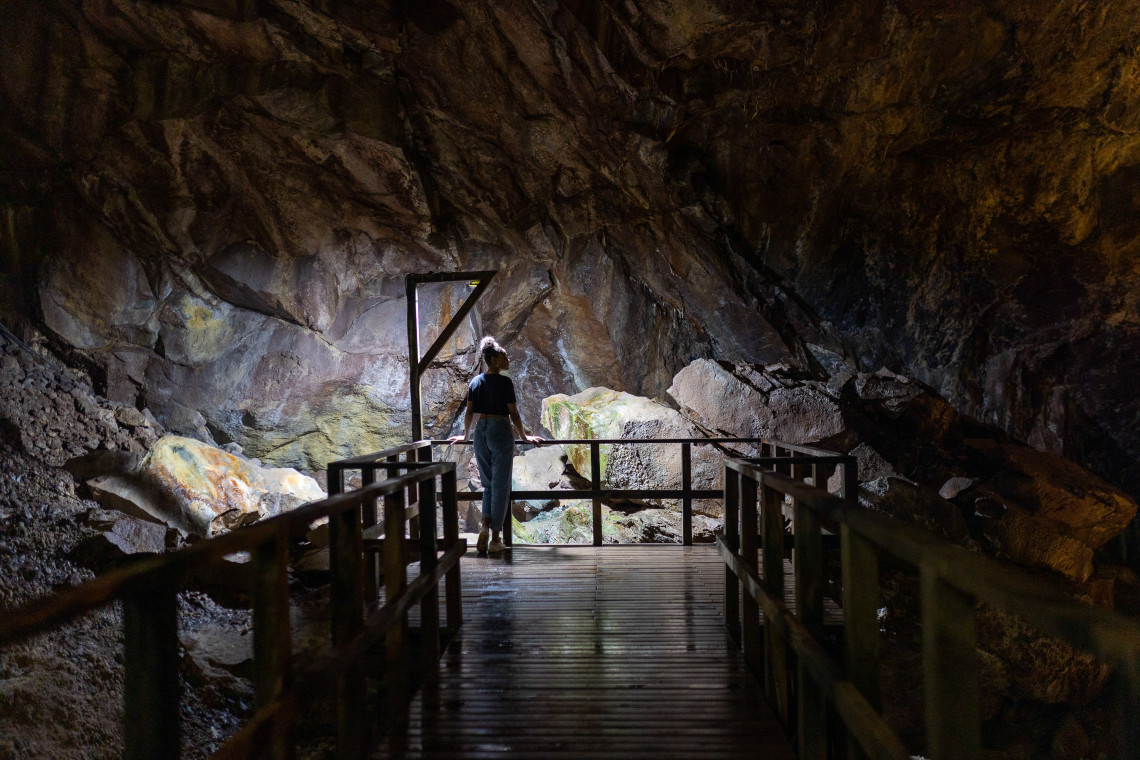
Entry is guided and ticketed. The visit lasts approximately 1 hour including the descent and ascent. Booking in advance is advisable in July and August.
GRACIOSA ISLAND TOURS
Guided island tours include Furna do Enxofre, the Caldeira rim walk, Ponta da Barca lighthouse, and windmill stops. A practical way to cover the whole island in a day with local context on the geology and history.
Browse Graciosa Tours →2. Horse and Carriage Ride
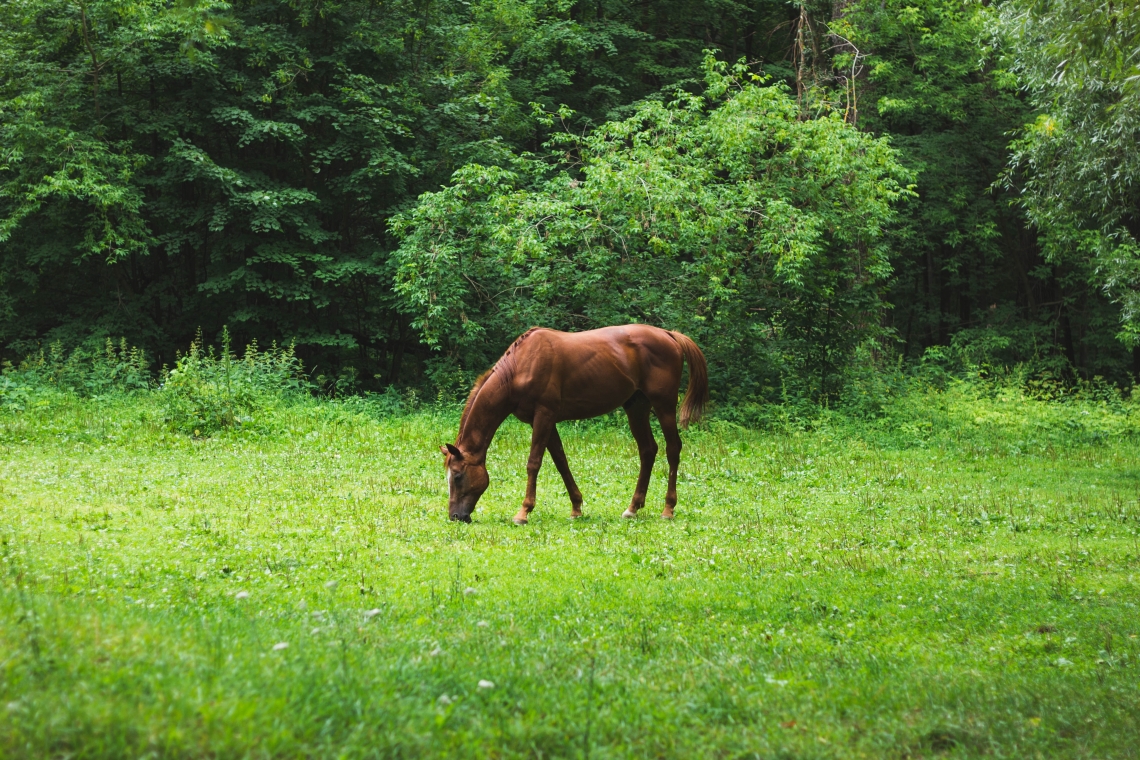
The horse and carriage ride on Graciosa is not a tourist gimmick. It draws on a real tradition of transportation on an island that remained reliant on animal-drawn carts well into the twentieth century. The routes pass through the villages and agricultural roads of Graciosa, giving a pace and perspective that a car drive does not provide. Options range from 20 to 40 minutes. The experience suits families and any visitor who wants to understand the island at the speed it was actually lived.
3. Ride a Dwarf Donkey
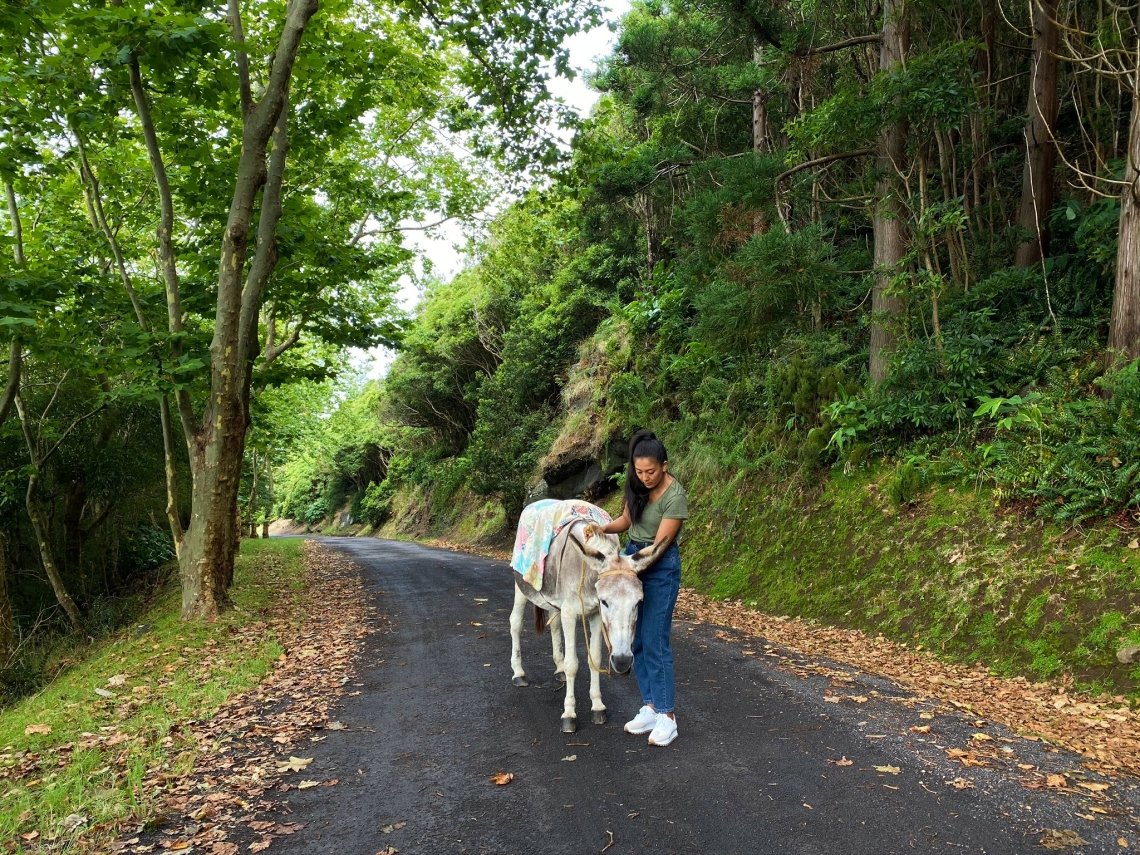
The dwarf donkey of Graciosa is an indigenous breed found nowhere else. The animals are noticeably smaller and friendlier than standard donkeys, and the ride is suitable for children and adults alike. The experience combines a 1 to 2 hour equestrian circuit with an introduction to a breed that has been part of island life for centuries. It is the kind of activity that is easy to dismiss from a list and hard to forget once you have done it.
4. Thermal Baths at Carapacho
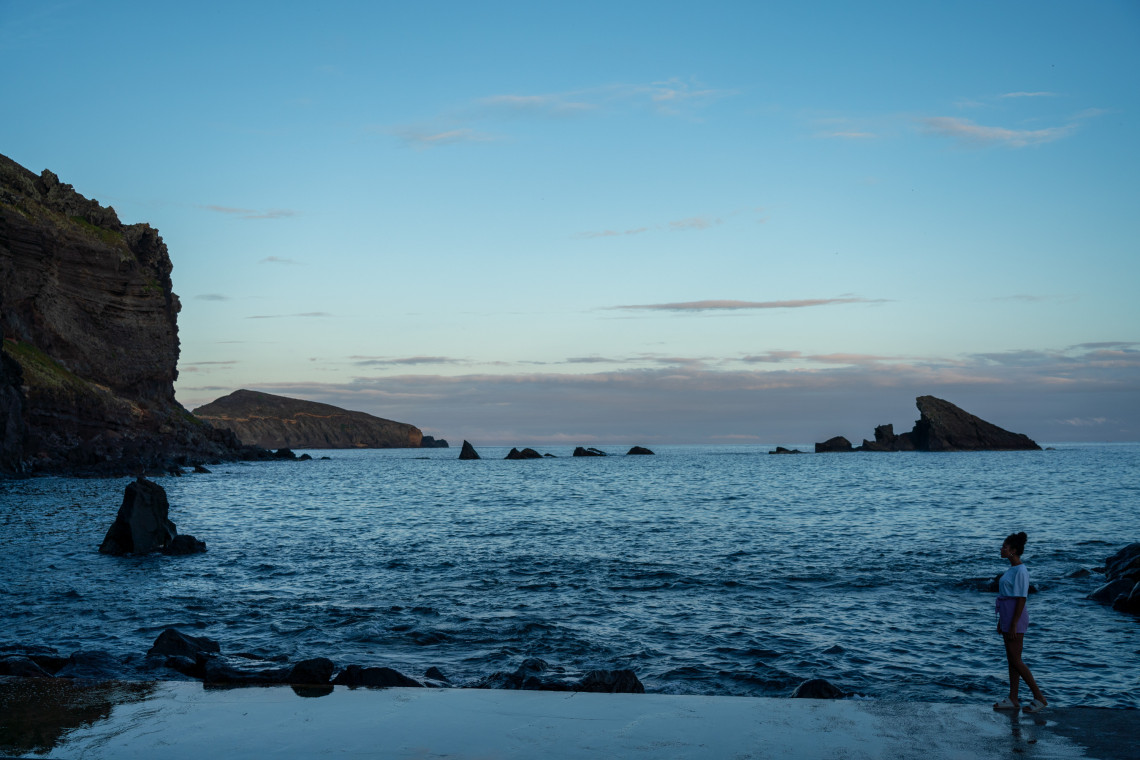
The Termas do Carapacho on the south coast of Graciosa have been in use since 1750. The complex sits above the sea, overlooking the Baixo Islets and the natural rock pools below. The geothermal waters are mineral-rich and have historically been used to treat joint pain, skin conditions, and stress. The modern facility has both indoor therapeutic pools and outdoor natural pools accessible directly from the ocean shelf.
An afternoon session at Carapacho is a reasonable end to a day of driving the island. The combination of hot mineral water and Atlantic air with no crowds is something specific to a small island spa that larger wellness facilities cannot replicate.
5. Snorkeling and Diving
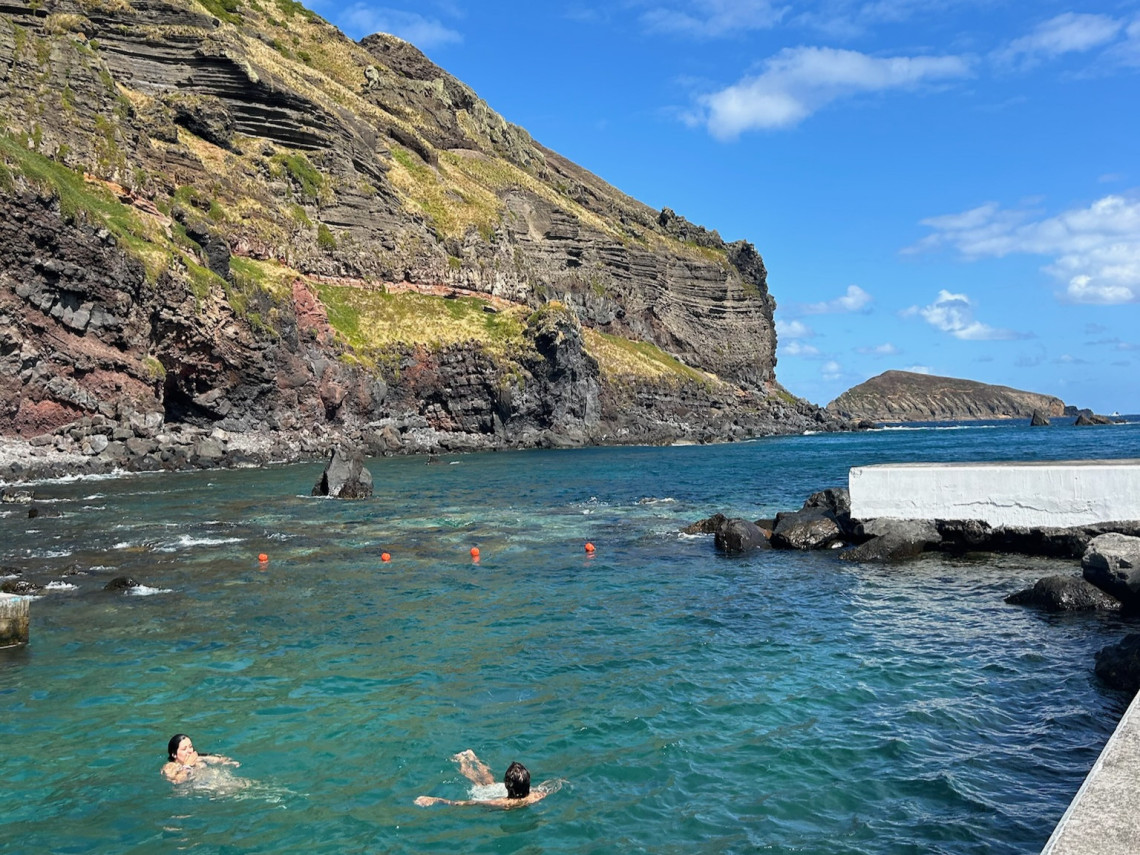
The waters around Graciosa have exceptional clarity, with visibility regularly exceeding 25 to 30 meters. The volcanic seafloor produces caves, rock formations, and arches that serve as habitat for a high diversity of Atlantic marine life: octopus, moray eels, rays, parrotfish, and grouper are all regularly encountered. The island's low boat traffic and absence of heavy tourism make its dive sites quieter than comparable sites around São Miguel or Faial.
Snorkeling is possible from Porto Afonso, the natural pools near Carapacho, and from the rock shelves along the south coast. Dive operators based on Graciosa run guided dives for all experience levels.
6. Learn to Make Queijadas da Graciosa
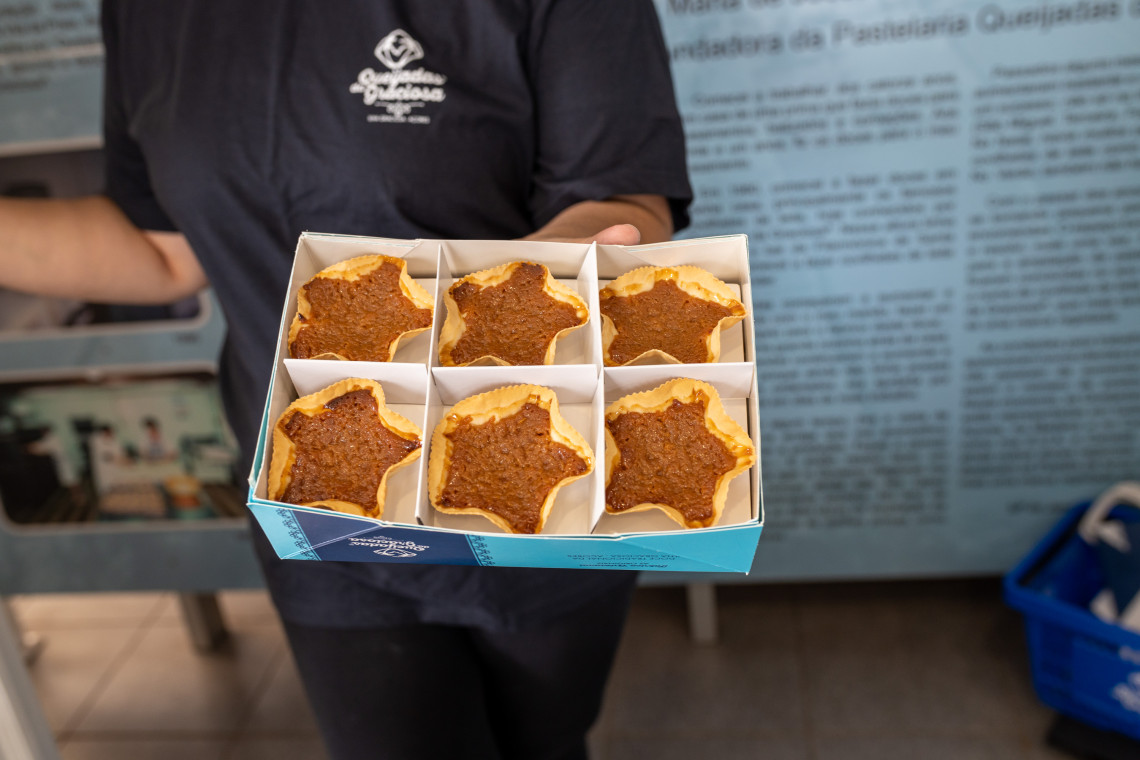
Queijadas da Graciosa are the island's most recognized food product: star-shaped pastries with a thin crust and a filling of milk, sugar, and eggs. They have been made on Graciosa long enough to be considered an expression of the island's culinary identity, and the recipe has remained largely unchanged.
The pastry workshop experience takes place at the Fábrica das Queijadas da Graciosa in Vila da Praia, or with the artisan baker who still makes them entirely by hand using traditional methods. You learn the technique, make your own batch, and eat them while still warm. It is one of those food experiences where the difference between "fresh at the source" and "bought packaged elsewhere" is clear.
7. Hike the Caldeira and the Serra Branca Trail
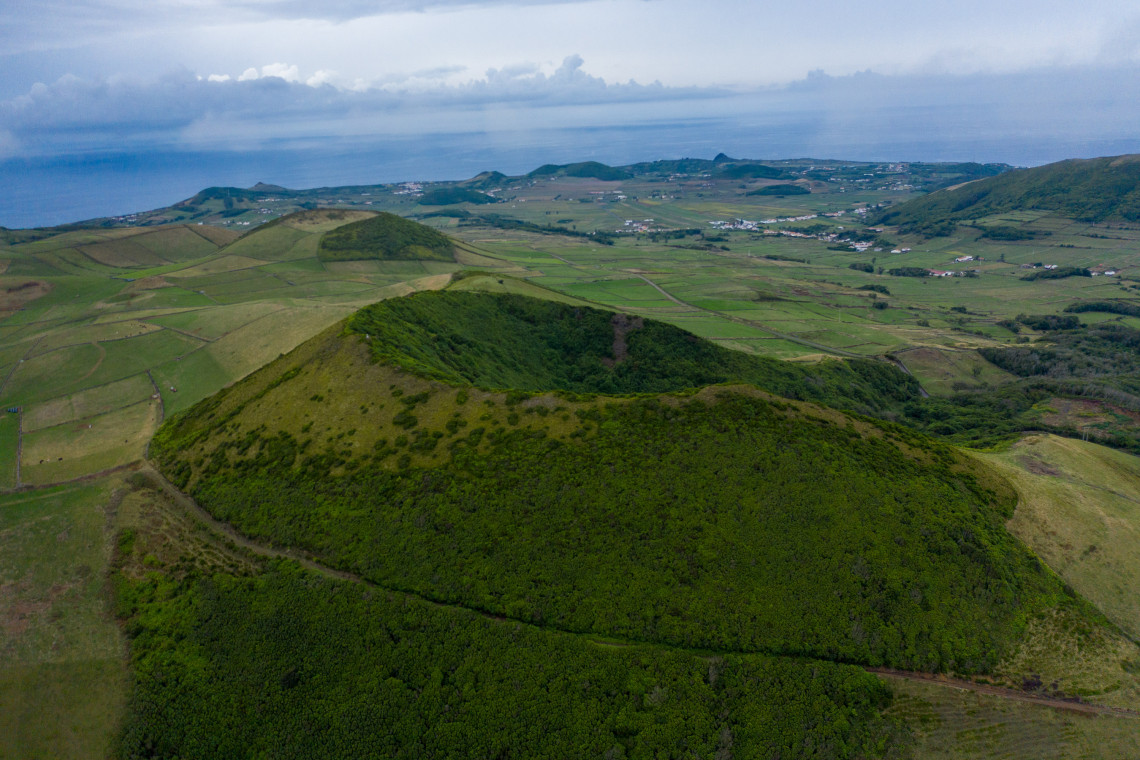
The Caldeira da Graciosa sits at 405 meters and offers a rim walk with views across the entire island and, on clear days, to Terceira, São Jorge, and Pico. The trail also passes Furna da Maria Encantada, a cave whose natural opening frames the crater behind it.
The Serra Branca trail is the island's most accessible longer route, running through volcanic landscapes and native vegetation with a good introduction to Graciosa's flora and geological history. Both trails are manageable without a guide, though local guides add context on the ecology and the eruption history of the Caldeira.
8. Sunbathe and Swim at the Beaches
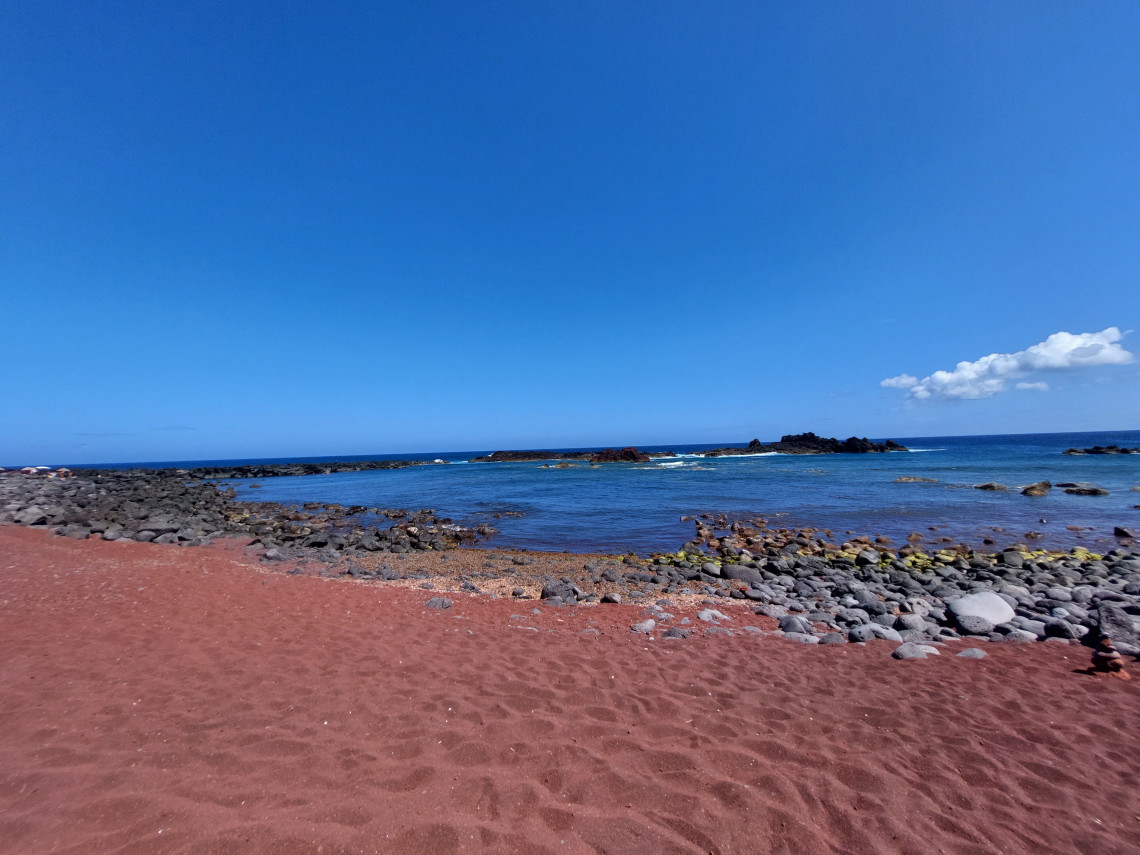
Graciosa has two proper sandy beaches, which is unusual in the central Azores group. Praia de São Mateus and Praia do Barro Vermelho are both on the south coast near Vila da Praia. Praia do Barro Vermelho takes its name from the reddish volcanic clay above it. Both beaches are quiet even in July and August, a reliable advantage of Graciosa's low visitor numbers.
Porto Afonso, the historic fishing harbor nearby, also has swimming access from the volcanic rock shelf. The natural pools near Carapacho are a further option, particularly suited to calmer swimming with views of the Baixo Islets.
9. Visit the Graciosa Museum
The Museum of Graciosa (Museu da Graciosa) in Santa Cruz covers the island's geological formation, its maritime history, and the everyday life of its inhabitants across the centuries. The building is a restored traditional Azorean house. The collection is modest by mainland standards but well-organized and specific to Graciosa, which makes it more useful than a generic regional museum. It is a practical starting point for understanding the island before heading out to the Caldeira and the cave.
10. Walk the Viewpoints
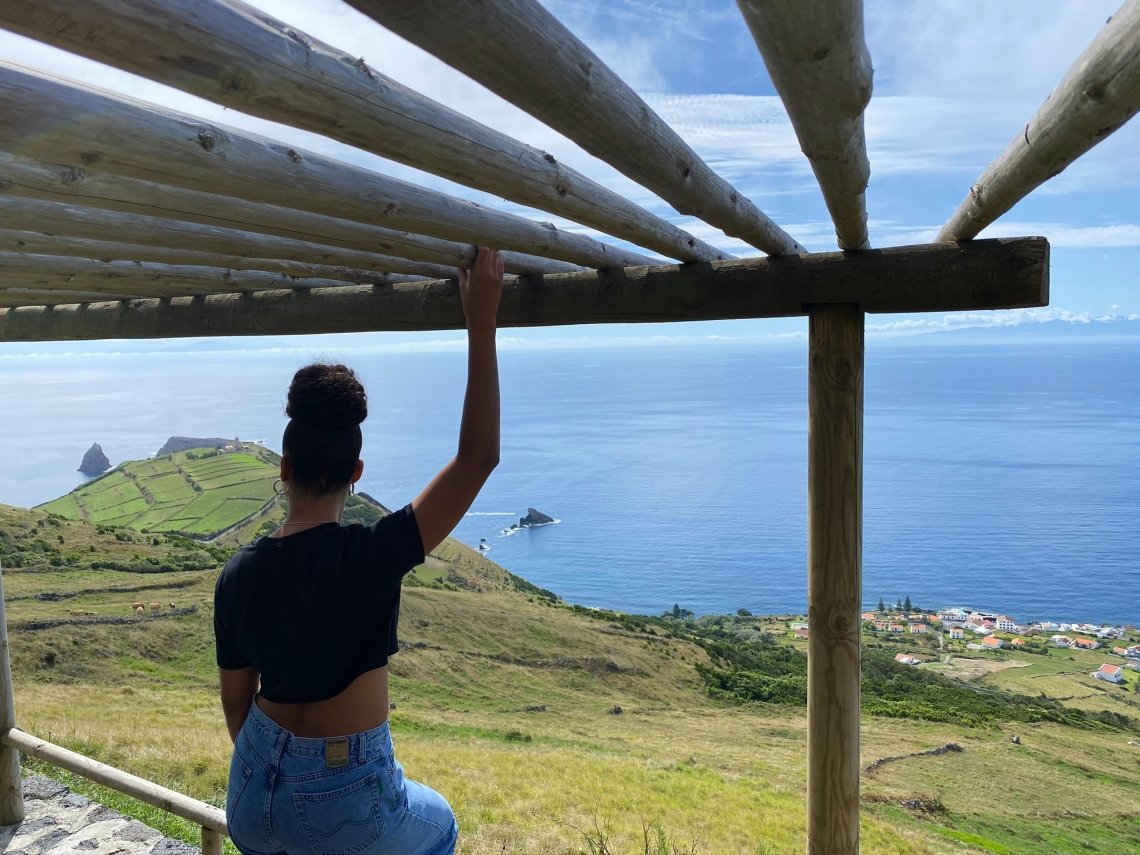
Graciosa concentrates its best views on the northwest coast and the south coast plateau. Ponta da Barca, at the island's northwest tip, has a lighthouse built in 1930 on a 71-meter basalt promontory. The view north and west is open Atlantic; sunsets here are among the best on the island. The adjacent Baleia Islets (named for their whale silhouette) add a visual anchor to the scene.
Ponta da Restinga on the south coast gives a privileged angle over Carapacho Bay and the small islets clustered along the coastline. The viewpoint at Carapacho, on the road toward the thermal baths, is worth a stop before descending: it frames the unexplored southern coastline in a single wide-angle view.
Graciosa Island Vacation Packages
Flights, accommodation, and rental car arranged together. Graciosa pairs naturally with São Miguel, or as part of the central islands circuit with São Miguel and Terceira.
Keep reading
Frequently Asked Questions
What is the best activity on Graciosa Island?
Furna do Enxofre is the standout experience. It is an ancient lava cave inside the volcanic Caldeira, accessible only by staircase, with a subterranean sulphurous lake and a domed lava prism ceiling. Nothing comparable exists elsewhere in the Azores. Beyond the cave, the dwarf donkey ride and the queijadas pastry workshop are experiences specific to Graciosa that visitors consistently cite as memorable.
Is Graciosa good for outdoor activities?
Yes, for a small island. The Caldeira rim walk, the Serra Branca trail, and the coastal viewpoint walks give hiking options across different terrain. Snorkeling and diving in the clear Atlantic waters are available year-round. Beaches near Vila da Praia are among the few sandy beaches in the central Azores group. The island does not have the extreme terrain of São Jorge or the waterfalls of Flores, but its outdoor activities are varied enough for a 2 to 3 day stay.
Can you swim on Graciosa Island?
Yes. Praia de São Mateus and Praia do Barro Vermelho are sandy beaches on the south coast near Vila da Praia. Porto Afonso has swimming access from the volcanic rock shelf. The natural pools near Carapacho and the rock pools along the south coast add further options. The sea temperature reaches 23 to 24°C (73 to 75°F) by September, which is the peak swimming month.
What are the thermal baths on Graciosa like?
Termas do Carapacho is a fully operating thermal spa complex on the south coast. The geothermal waters are mineral-rich and have been used medicinally since 1750. The complex has both indoor therapeutic pools and outdoor natural seawater pools with views of the ocean and the Baixo Islets. Sessions are available by the hour and do not require a medical referral for general use.
Is the queijadas pastry workshop worth doing?
If you are at all interested in food, yes. The queijadas da Graciosa are specific to this island and the workshop gives context that a factory visit does not. Making them by hand with a local artisan who knows the traditional method is a different experience from buying them packaged. The pastries are best eaten warm, which is only possible at the source.
Do you need to book activities on Graciosa in advance?
For Furna do Enxofre, yes, especially in July and August, when entry slots fill. Guided island tours and the horse and carriage ride benefit from advance booking in peak season. The queijadas workshop requires a booking with the artisan baker. Beaches, viewpoints, and independent hiking need no booking. Most operators can confirm availability within a day or two outside peak season.