by Azores Getaways Team
August 7, 2026 • 6 min read
Flores gets more rainfall than any other island in the Azores, and that is not incidental. The waterfalls, the crater lakes, the hydrangea-lined roads: all of it exists because the island sits in the path of Atlantic weather systems rolling in from the west. Timing your visit changes what you experience, not whether it will be green and dramatic.
This guide covers what each season actually offers, what to watch out for, and which months work best depending on your priorities.
Quick Overview: Flores by Season
Spring (March to May): Best for Whale Watching and Waterfalls
Spring is the most dramatic season on Flores. The island is at its greenest, the waterfalls are full, and the hydrangeas are beginning to bloom along the roadsides. More importantly, spring is the peak period for whale watching in the Azores.
Sperm whales are present year-round in the waters around the archipelago, but spring also brings migrating species including blue whales, fin whales, and sei whales passing through the area. April and May are particularly active months for boat tours, and the tours that depart from Flores or Faial operate in deep water, which means fewer trips needed to find sightings.
The trade-off is weather. March in particular can be cold and wet. Rain is frequent throughout the spring, and the inter-island connections to Flores are susceptible to delays when low cloud or wind affects the runway. If you travel in spring, build buffer days into your itinerary and do not book a tight connection home.
Temperatures range from around 14°C in March to 18°C by late May. Packing layers is essential.

Summer (June to August): Best Weather, Highest Demand
July and August are the driest and warmest months on Flores. Daytime temperatures reach 22 to 25°C, the ocean warms enough for swimming at beaches like Fajã Grande and Ponta Delgada, and the inter-island flights run with fewer disruptions.
This is peak season, and on a small island like Flores that means something specific. The rental car fleet is limited, accommodation is limited, and the few restaurants and tour operators fill up. Booking everything in advance is not optional in July and August: it is necessary.
June is a strong compromise month. The weather is already good, the crowds are smaller than July and August, and accommodation is easier to find. If you have flexibility, late June sits in a sweet spot between spring's instability and summer's high demand.
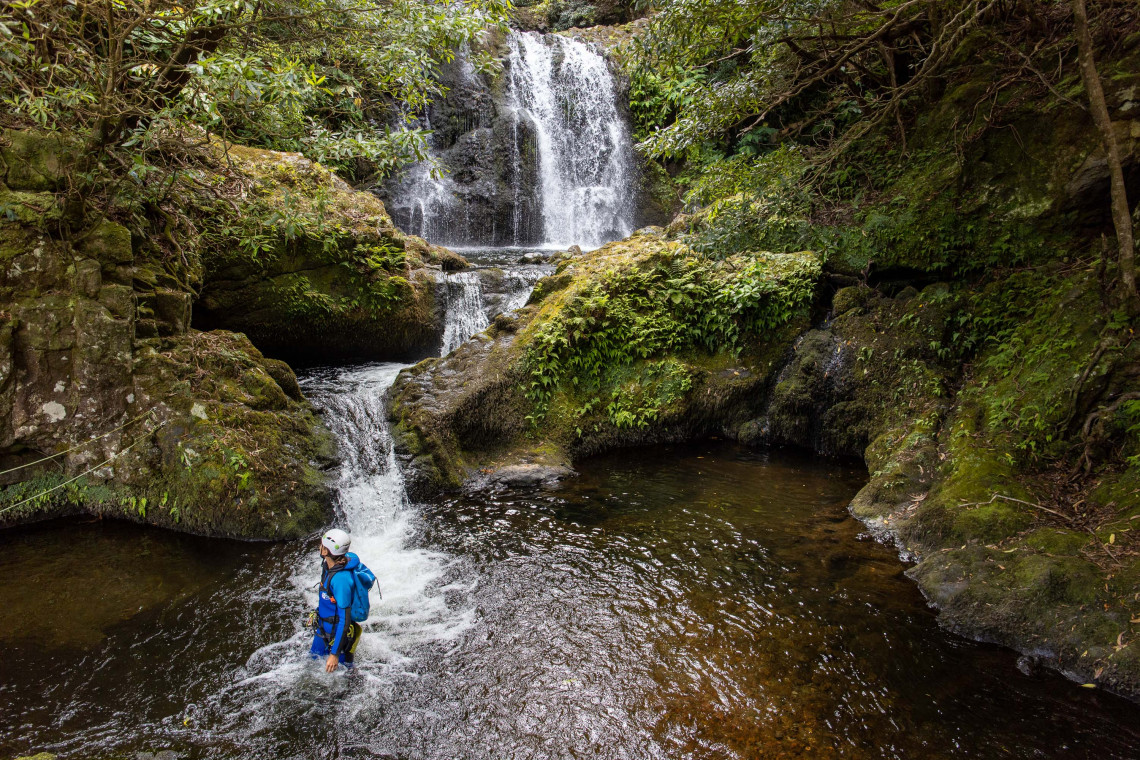
Canynoning in Flores Island
Autumn (September to October): Good Value, Quieter Island
September is an underrated month for Flores. The weather is still reasonable (17 to 21°C), the summer crowds have thinned, and the landscape remains green. October can still offer good weather in the first two weeks, though rain becomes more frequent as the month progresses.
The hydrangeas that line the roads are past their peak bloom by autumn, but the crater lakes and coastal views are unchanged. Waterfalls that slowed in summer start to regain volume with the first autumn rains.
Accommodation and rental cars are easier to book and often cheaper than in peak season. For travelers with flexibility on timing, September is worth considering.
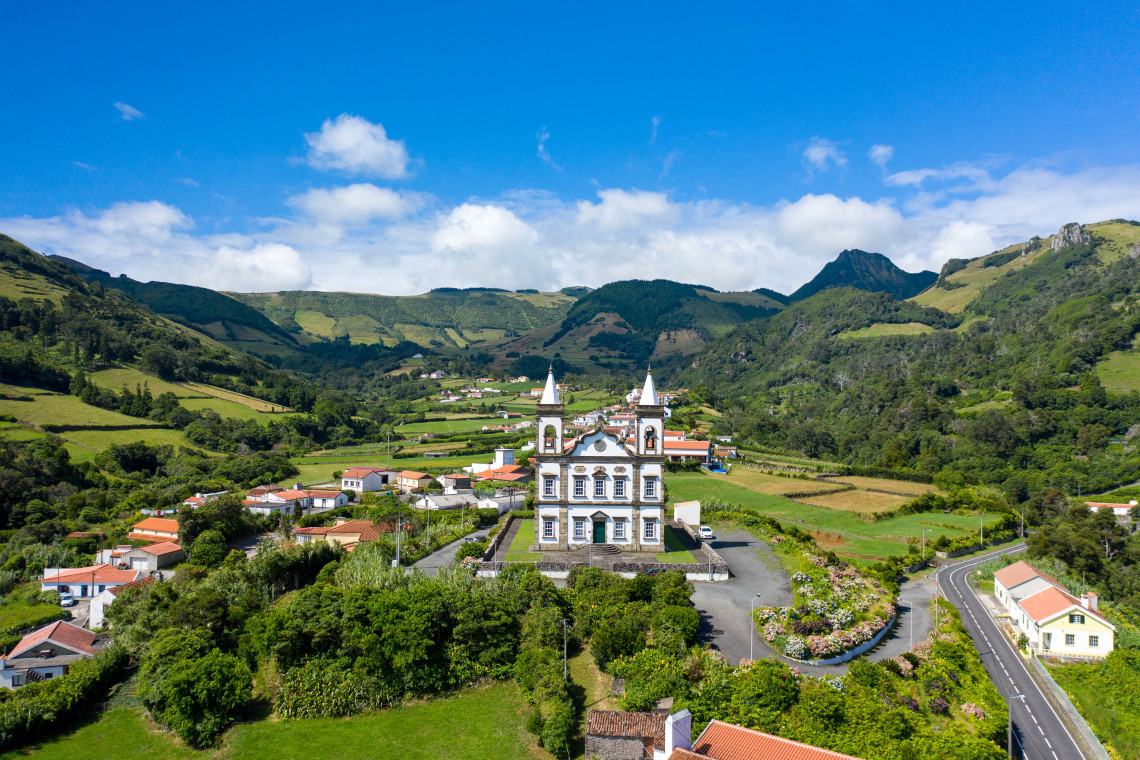
Winter (November to February): For the Patient Traveler
Winter on Flores is genuinely challenging. Rainfall is frequent, fog is common, and inter-island flights are regularly delayed or cancelled due to weather. The island essentially shuts down for tourism: many smaller guesthouses close, tour operators stop running, and some roads can be affected by landslides after heavy rain.
That said, Flores in winter has a character that no other season offers. The waterfalls are at full volume, the landscape is raw and dramatic, and the island is almost entirely empty. Prices are significantly lower.
This is the right choice for travelers who have a flexible schedule (meaning they can afford to be stuck on the island an extra day or two if a flight is cancelled), who want total solitude, and who prioritize the wild, wet version of Flores over the accessible summer version.
A Note on Flight Disruptions
Regardless of season, Flores Airport (FLW) sits on a short runway on a small island exposed to Atlantic weather. Flight cancellations affect every season to some degree, but are most common between October and April. The most important planning point is the same year-round: never schedule your inter-island departure from Flores on the same day as a transatlantic flight home. Build in at least one buffer day.
For full details on connections and routing, see our guide to getting to Flores.
FLORES ISLAND PACKAGES
Ready to Plan Your Flores Trip?
Our Flores packages include flights, rental car, and handpicked accommodation. Every detail is taken care of, so you can focus on the island.
Frequently Asked Questions
What is the best month to visit Flores Island? July and August offer the driest, warmest weather and the most reliable inter-island flights. If whale watching is your priority, April and May are the peak months for migrating species. June is a strong compromise: good weather, lower crowds than peak summer.
Does it rain a lot on Flores? Yes. Flores receives more rainfall than any other island in the Azores. Even in the driest months (July and August), short rain showers are not uncommon. The island's waterfalls, crater lakes, and intense greenery are a direct result of this rainfall.
Can you visit Flores in winter? You can, but it requires flexibility. Between November and February, inter-island flights are frequently delayed or cancelled due to weather. Some guesthouses and tour operators close for the season. Winter suits solo travelers who want solitude and a raw, quiet version of the island, but is not recommended if you have fixed departure dates.
When is whale watching best on Flores? April and May are the peak months for species diversity, including migrating blue, fin, and sei whales alongside the resident sperm whale population. The season extends from March through June for the best conditions.
How far in advance should I book for summer? Flores has limited accommodation and a small rental car fleet. For July and August visits, booking at least three to four months in advance is recommended for both accommodation and car rental. Tour operators also fill up quickly in peak season.