31 August 2026 • 8 min read
Horta is Faial's capital and the most cosmopolitan small city in the Azores. Its position at the mid-point of the North Atlantic made it the natural stopping point for transatlantic sailors for centuries. That history is still visible everywhere: in the painted marina walls, in the 100-year-old bar on the waterfront, and in the former telegraph company buildings that housed foreign communities for decades.
Best for: Walking, maritime history, waterfront dining | Time needed: Half to full day | Views of Pico: From the marina and Monte da Guia
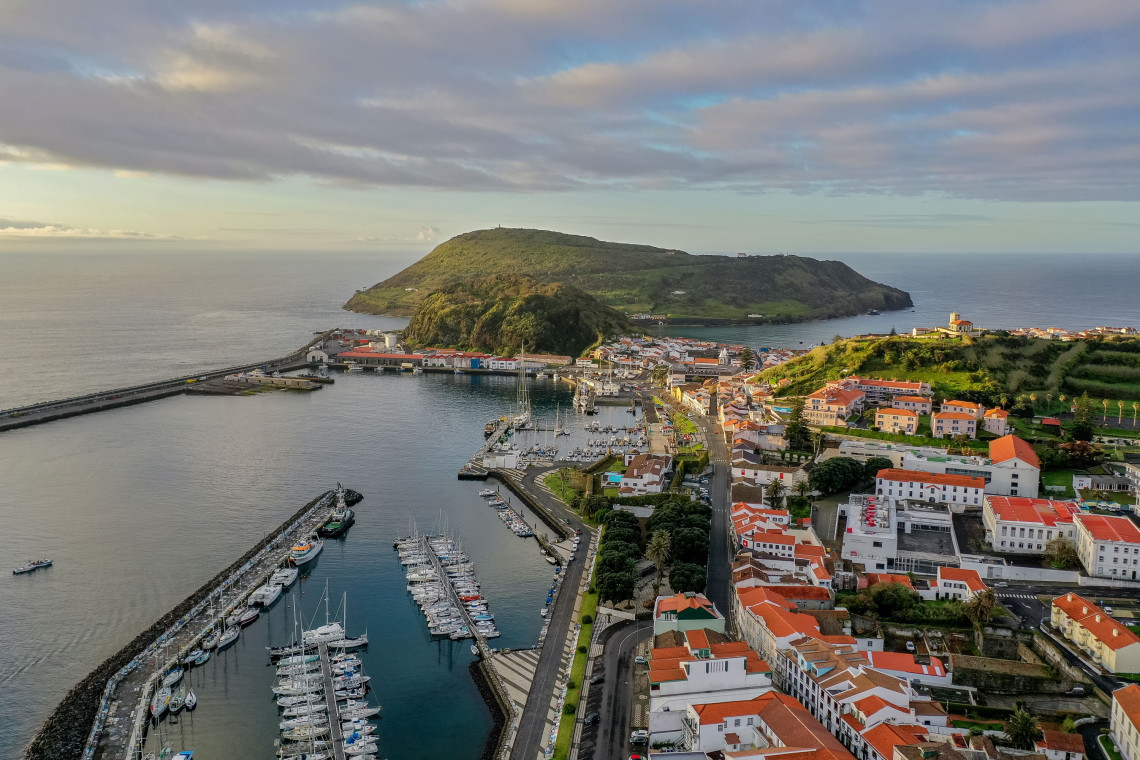
Horta is small enough to cross on foot in 20 minutes, but layered enough to hold your attention for a full day. The center of gravity is the waterfront: the marina, Peter's Café Sport, the Praça Infante Dom Henrique, and the promenade stretching south toward Porto Pim. From there, the city climbs gently inland past churches, the municipal market, and the old Jesuit college. Most of what makes Horta worth exploring is within easy walking distance of the harbor.
The Marina and Its Painted Walls
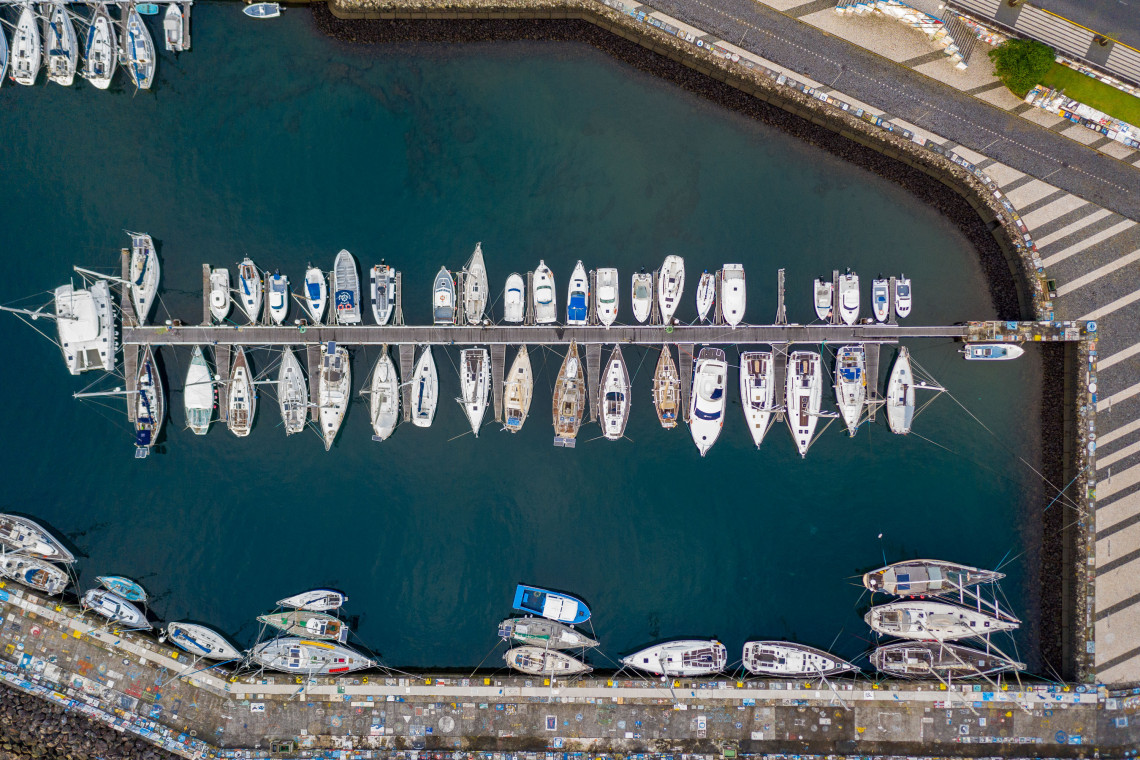
Horta Marina is one of the busiest marinas in the Atlantic, handling over 1,200 yachts a year during the summer sailing season. What makes it visually distinctive is the tradition of crews painting their boat name, flag, and voyage details on the harbor walls and pontoons before departing. The paintings cover nearly every available surface and go back decades, creating an open-air record of transatlantic passages and circumnavigations.
The superstition behind the tradition is straightforward: crews that leave without painting are said to bring bad luck on the next passage. Whether sailors believe this or not, the result is that almost no one leaves without painting. Walking the full length of the marina walls takes about 30 minutes and is free at any hour.
Peter's Café Sport
Peter's Café Sport opened in 1918 and has been a mandatory stop for transatlantic sailors ever since. The bar is part cultural landmark, part working locals' bar, and part museum. The walls are covered with burgees, pennants, and sailor memorabilia accumulated over more than a century. Their house gin and tonic is the drink to order.
On the second floor, the Scrimshaw Museum holds a collection of carved sperm whale ivory pieces made by Azorean whalers. Scrimshaw is the art of carving intricate scenes and patterns into whale teeth during long voyages. The collection is small but worth 20 minutes before or after a drink downstairs.
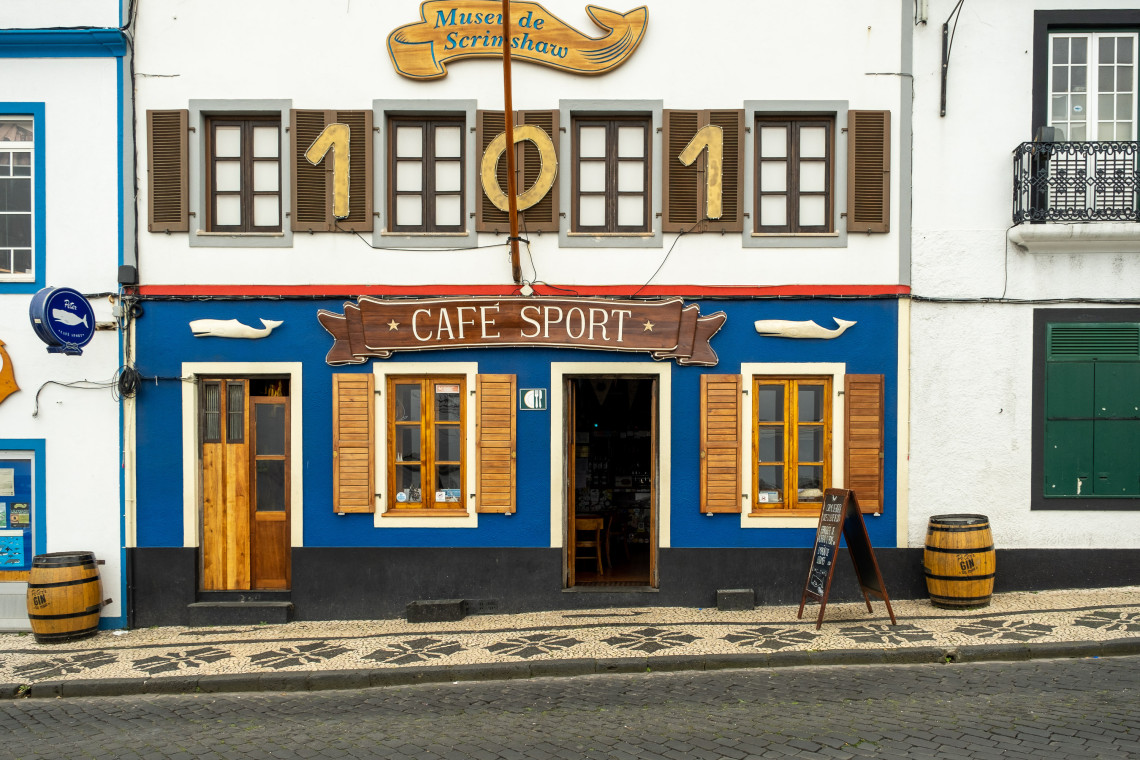
Peter's serves food as well. The seafood dishes and fresh fish are reliable; the bar itself is the main reason to visit
⛵ EXPLORE FAIAL WITH A GUIDE
Guided tours of Faial typically include a stop at the Horta marina and Peter's Café Sport alongside Capelinhos Volcano, the Caldeira, and Norte Beach. A good option if you want the island context without a rental car.
View Faial Tours →Forte de Santa Cruz
The Forte de Santa Cruz occupies a strategic position beside the Santa Cruz pier, at the point where the old harbor entrance was controlled. Construction began in the 15th century and continued through the 17th, when the fort was the main defensive structure protecting the city and its merchant shipping. It is one of the best-preserved fortifications in the Azores. The fort now operates as a Pousada, which means you can stay the night inside it, though the exterior and grounds are visible on a walk along the waterfront.
The Waterfront and Praça Infante Dom Henrique
The main waterfront avenue runs parallel to the marina and is the natural place for an evening walk. The promenade is lined with cafes and has uninterrupted views across the channel to Pico Mountain. On clear days, particularly in the morning before cloud builds at altitude, Pico's volcanic cone is the dominant feature of the view.
The Praça Infante Dom Henrique is the central square that faces the marina. It has shade trees, café terraces, and a Tourist Information Office (Casa da Baía). The square connects the waterfront to the older commercial streets that run up through the city center. The Café Internacional, which opened in 1926 in Art Deco style, is on the edge of the square and was for decades a gathering point for the foreign telegraph company personnel who lived in Horta.
The German Colony and Submarine Cable History
Between 1893 and 1969, Horta was a node in the transatlantic telegraph cable network, with English, American, and German companies all operating from the city. The foreign personnel lived and worked in a concentrated area along Rua Cônsul Dabney, now known informally as the German Colony after the most visible of the foreign communities. The cluster of buildings that housed the German cable company DAT (Deutsche Atlantische Telegraphengesellschaft) is still standing, including a Mess Hall with a clock tower and a Winter Garden featuring 1912 stained glass panels depicting the heraldry of the German imperial states. The Winter Garden can be visited on request (the key is available at the building) between 9:00 and 17:30.
This chapter of Horta's history explains much about the city's cosmopolitan character. For 70 years, foreign engineers and administrators lived here alongside the local population, influencing the social, cultural, and sports life of the island in ways still visible today.
Horta Museum and Igreja do Santíssimo Salvador
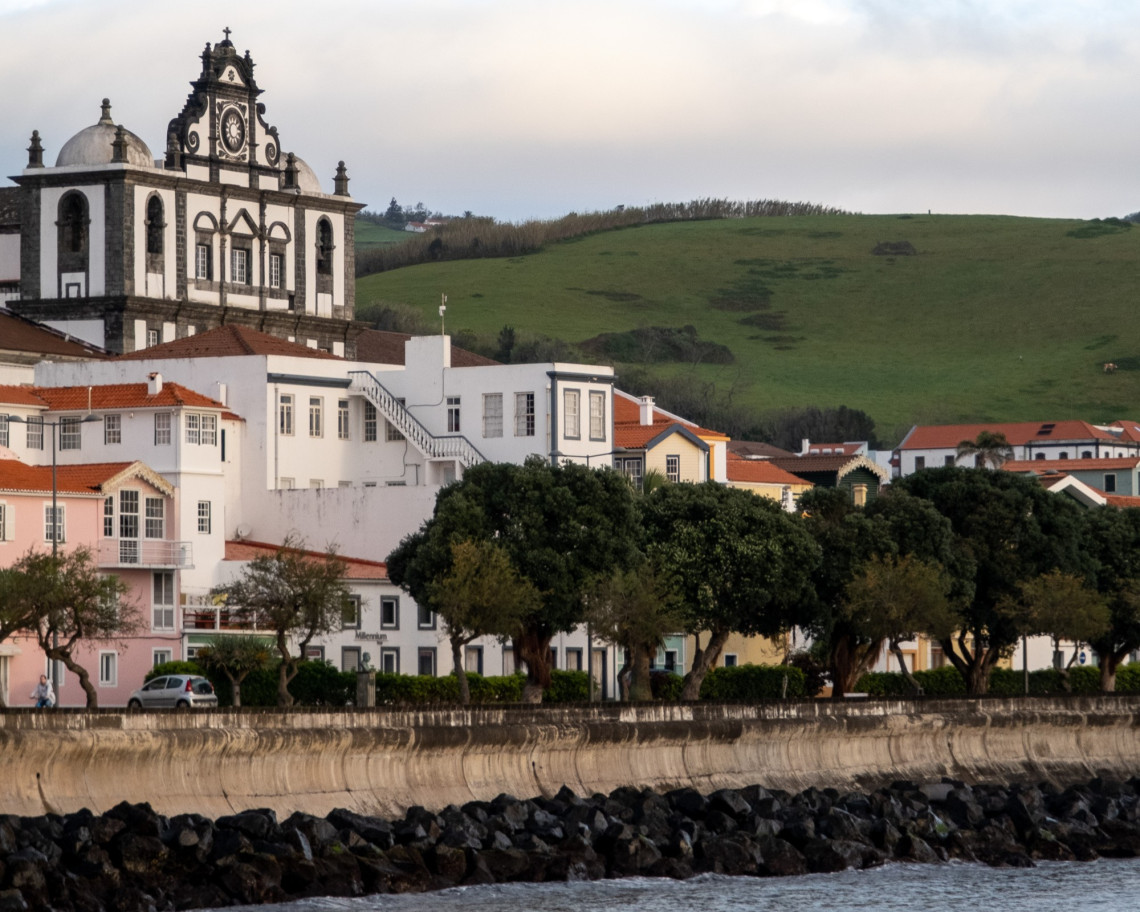
The Igreja do Santíssimo Salvador is one of the largest churches in the Azores and a prominent feature of the Horta skyline. It was part of the original Jesuit College and displays the baroque ornamentation characteristic of 18th-century Portuguese religious architecture. The Horta Museum occupies the adjacent building and covers the island's history from the 15th-century Flemish settlement through the whaling era and into the telegraph cable period. The photographic archive and the ethnographic collection from whaling are particularly strong.
Porto Pim and Monte da Guia
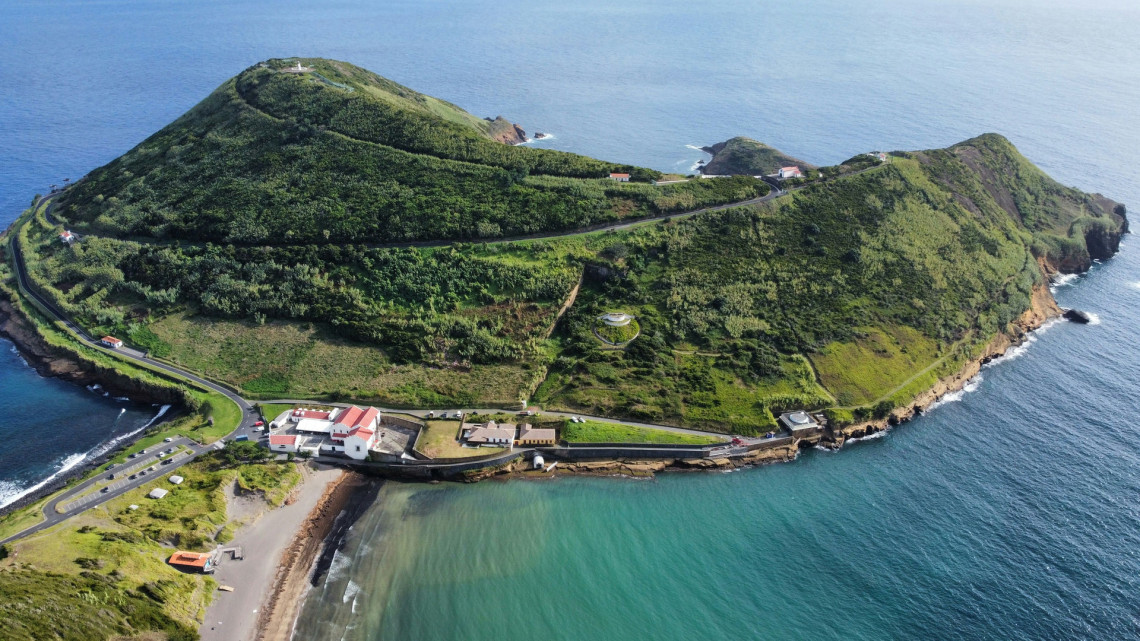
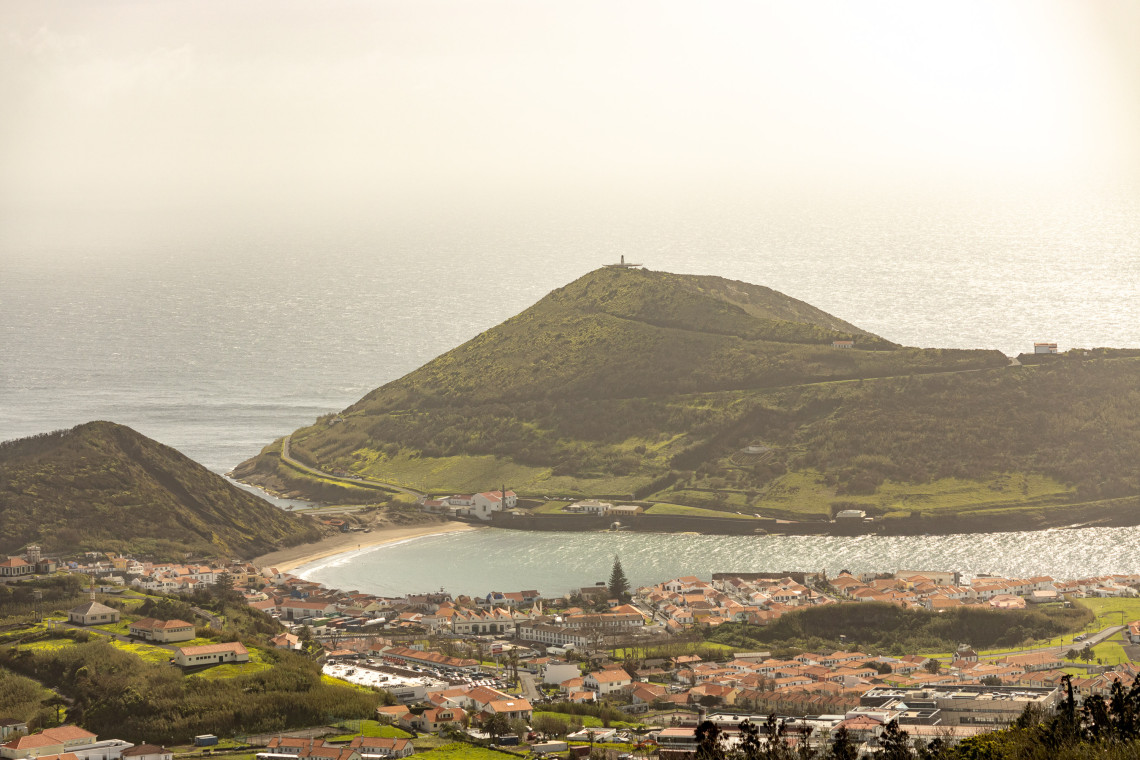
Porto Pim Bay is a 10-minute walk south of the city center and is the closest swimming area to Horta. The bay is protected by Monte da Guia, a volcanic cone that provides shelter from the Atlantic swell, keeping the water calmer than the north-coast beaches. The black sand beach has changing facilities and a café, and the path around Monte da Guia connects to viewpoints above the bay with views over the city and, on clear days, toward Pico.
The Fábrica da Baleia (Whaling Museum) is at the edge of Porto Pim Bay and is the best place on the island to understand the whaling industry that shaped Faial's economy from the early 19th century until 1984. The factory machinery and processing equipment have been preserved largely intact, making it one of the most complete surviving examples of Azorean whaling infrastructure.
Genuíno Restaurant
Genuíno Madruga is the first Portuguese person to have sailed solo around the world, completing the circumnavigation twice on his boat "Hemingway." He returned to Faial and opened a restaurant at Porto Pim Bay. The walls are covered with navigation charts, instruments, and memorabilia from the voyages. The food is Azorean with a focus on seafood, and the view from the terrace over Porto Pim Bay is the best of any restaurant in Horta. Reservations are recommended in summer.
WHALE WATCHING FROM HORTA
The channel between Faial and Pico is one of the most productive whale watching corridors in the North Atlantic. Tours depart from Horta marina and typically run 3 to 4 hours. Sperm whales are resident year-round.
Book Whale Watching →Faial Island Vacation Packages
Ready-to-book packages that include Faial, with flights, accommodation, and car hire arranged. The Triangle Islands package covers Faial, Pico, and São Jorge with inter-island ferry logistics handled.
Keep reading
Frequently Asked Questions
What is Horta known for?
Horta is known primarily for its marina, which is one of the most active sailing hubs in the Atlantic and famous for the painted murals left by crews of passing yachts. Peter's Café Sport, open since 1918, is the most famous sailor bar in the Azores. The city also has a distinct history tied to transatlantic telegraph cables, with English, American, and German companies based here for nearly 70 years.
How long do you need in Horta?
Half a day covers the essential waterfront: the marina murals, Peter's Café Sport, the Praça Infante Dom Henrique, and a walk to Porto Pim. A full day allows you to add the Horta Museum, the Porto Pim area with Monte da Guia, and dinner at one of the waterfront restaurants. Most visitors to Faial base themselves in Horta and use it as the starting point for day trips around the island.
Is Horta walkable?
Yes. The city center and waterfront are compact and flat. The marina, Peter's Café Sport, the main churches, the municipal market, and the Praça da República are all within easy walking distance of each other. Porto Pim Bay is about a 10-minute walk south of the city center.
What is the tradition of painting at Horta Marina?
Sailors who stop in Horta traditionally paint their boat name, crew, and voyage details on the marina walls before departing. The tradition is said to bring good luck, and crews who leave without painting are considered to be inviting bad luck on the next passage. The paintings now cover nearly every surface and represent decades of Atlantic crossings.
Can you see Pico Island from Horta?
Yes. Pico Island is only 8 km across the Faial-Pico channel and its volcanic cone at 2,351 m is visible from the Horta waterfront on most clear days. The best views are from the marina promenade and from Monte da Guia above Porto Pim Bay. Morning light before cloud builds at altitude gives the clearest views of the mountain.
Where should I eat in Horta?
Genuíno Restaurant at Porto Pim Bay is the most distinctive option, with maritime memorabilia and the best waterfront view in Horta. The municipal market has casual food stalls and is worth visiting on Saturday mornings. The waterfront avenue has several cafes that work well for lunch or a drink watching the marina traffic.