Updated October 2026 • 10 min read
Yes, the Azores are safe to visit. Portugal ranks 7th of 163 countries on the 2025 Global Peace Index, crime against tourists in the islands is rare, and you can walk Ponta Delgada at night, leave a car at a trailhead and swim at a village pool without the precautions you would take in a big European city. The risks that do exist are natural rather than human: Atlantic swell at the natural pools and beaches, fog and steep roads when driving, slippery trails after rain, and strong sun. The islands are volcanic and seismically active, with modern monitoring and no eruption on land since 1957. Tap water is safe, healthcare is good on the main islands, and the emergency number is 112.
Below: what the crime statistics actually say (including the ones that look worse than they are), the natural hazards and how to handle them, health and emergencies, and specific notes for solo travellers, women, families and LGBTQ+ visitors.
Is the Azores Safe? The Short Answer
The Azores are one of the safer places you can travel to in Europe, and the safety concerns that occupy visitors to Lisbon, Barcelona or Rome, pickpockets, bag snatching, tourist scams, barely exist here. The islands are small communities where people know each other, tourism is recent and modest in scale, and there is no mass nightlife district or crowded metro where opportunistic crime thrives. Portugal as a whole held 7th place among 163 countries in the 2025 Global Peace Index, behind Iceland, Ireland, New Zealand, Austria, Switzerland and Singapore, and the archipelago shares that calm.
This page gives you the real figures rather than reassurance, because an honest safety guide is more useful than a glowing one, and because some of the numbers need explaining.
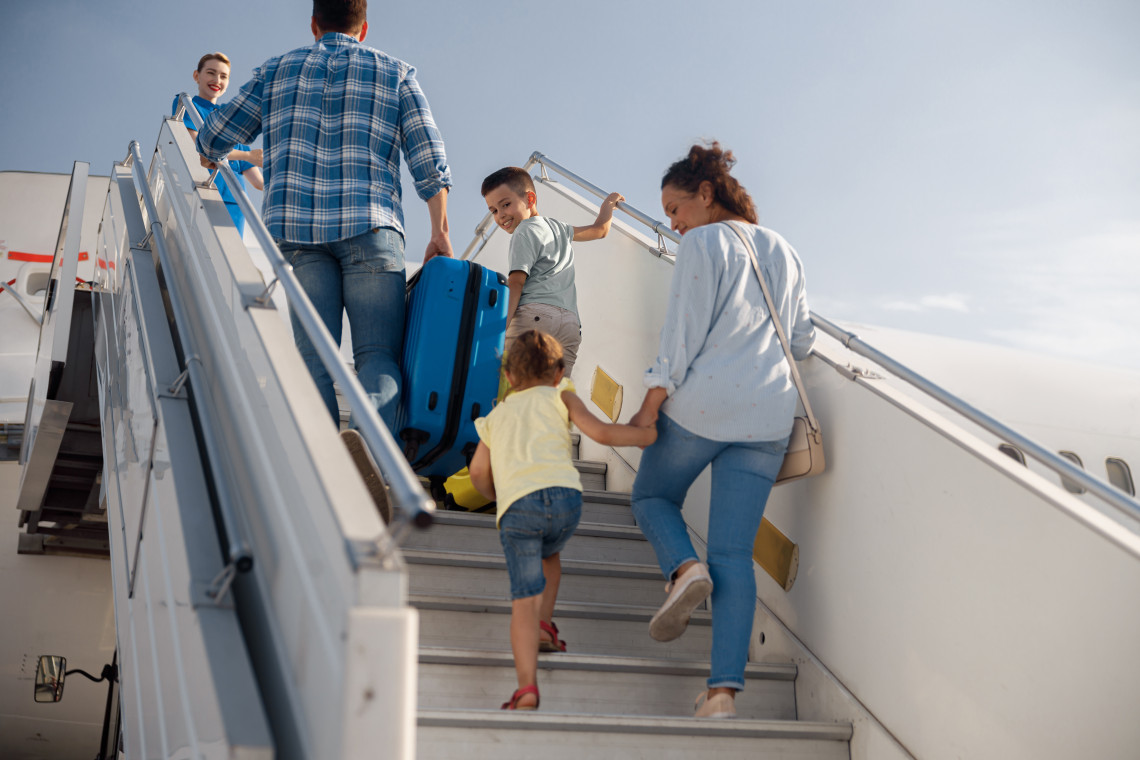
What the Crime Statistics Actually Say
Here is the part most travel sites get wrong, in both directions. The Azores do not have the lowest crime rate in Portugal; on paper they have one of the higher ones. The regional crime rate in 2025 was 35.7 reported crimes per 1,000 inhabitants, against a national average of 32, and in 2023 the region ranked second after the Algarve. A Portuguese fact-checking service rated the claim that the Azores are "one of the regions with the lowest crime" as false.
Two things explain the gap, and both matter for a visitor. First, the figure is trending the right way: it fell from 39.3 per 1,000 in 2024 to 35.7 in 2025, the lowest since 1998, and the Azores recorded the largest drop in crime of any Portuguese region in the 2025 Annual Internal Security Report, with overall crime down 8.8 percent and violent and serious crime down 11.7 percent. Second, and more importantly, the crimes that make up the Azorean statistics are overwhelmingly domestic and local: domestic violence, assaults between people who know each other, drink-driving offences and property crime within communities. They are a real social issue for the islands, and the regional government treats them as such, but they are not crimes that touch visitors. Crime that targets tourists, theft from rental cars at viewpoints, pickpocketing, scams, assaults on strangers, is uncommon enough that individual cases make the regional news.
The practical translation: take the ordinary precautions you would anywhere (do not leave valuables visible in a parked car, keep an eye on your bag in a crowded festival), and you are very unlikely to be a victim of anything. The island of Flores, for the record, contains one of the two safest municipalities in Portugal.
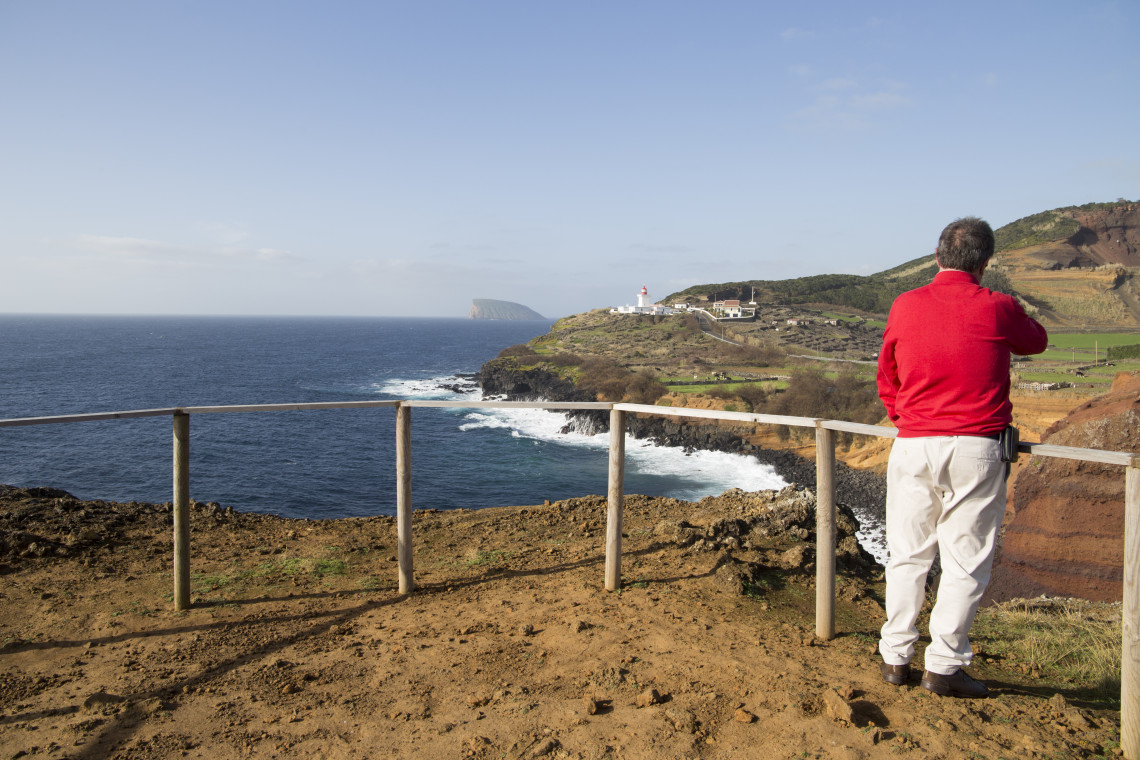
Natural Hazards: The Risks That Deserve Your Attention
If anything goes wrong for a visitor to the Azores, it is almost always the Atlantic, the weather or the terrain, and a little knowledge removes most of the risk.
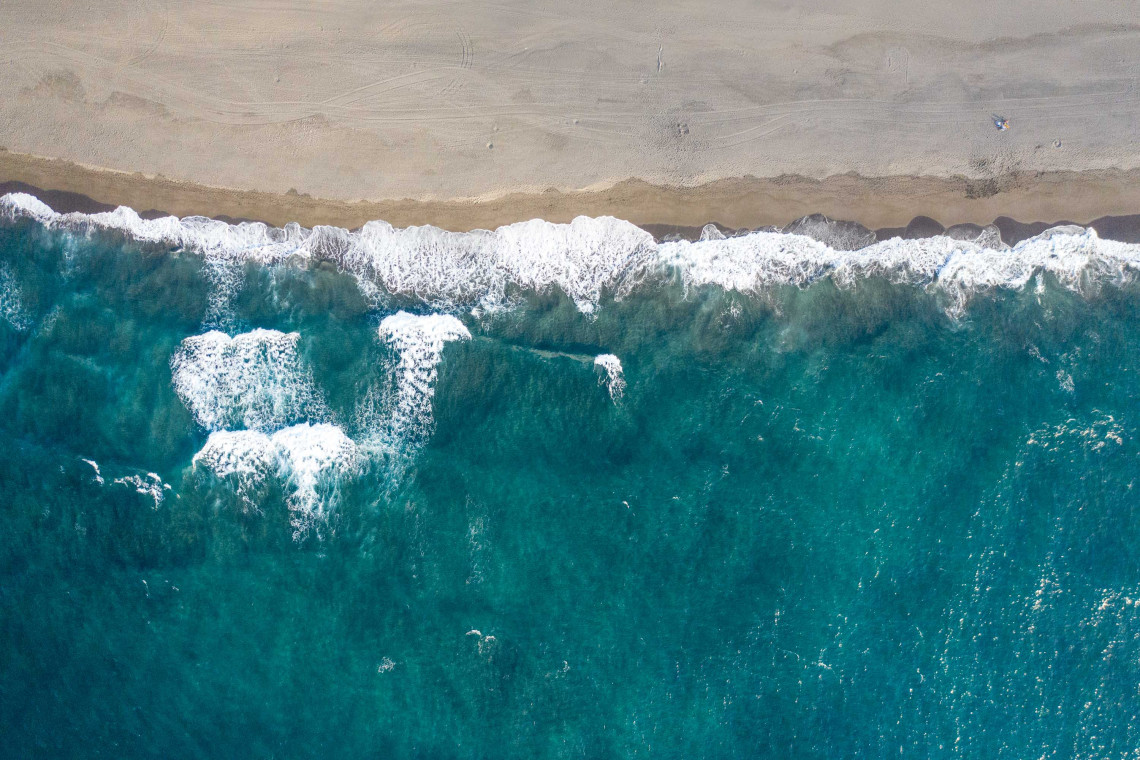
The sea. The natural swimming pools and the few beaches are the most common source of serious accidents. Atlantic swell can rise within an hour and a pool that was calm becomes dangerous; lifeguarded beaches use the standard flag system (red means no swimming) and the pool complexes close their gates when the sea is up. Swim where locals swim, respect the flags and closures, do not turn your back on the ocean on exposed rocks, and never swim at an unguarded spot in winter swell. Rip currents exist at the sandy beaches of São Miguel's north coast and Santa Maria.
Roads. Driving is easy by European standards, with light traffic and no tolls, but the roads are narrow and winding, hedges and stone walls hide the bends, cows are herded along them, and fog can cut visibility to a few metres on the high roads to Lagoa do Fogo, Sete Cidades and the Pico plateau within minutes. Drive slowly, use low gears downhill, do not park on soft verges after rain, and be careful at night in rural areas, where roads are unlit. Drink-driving is a local problem; it does not need to be yours.

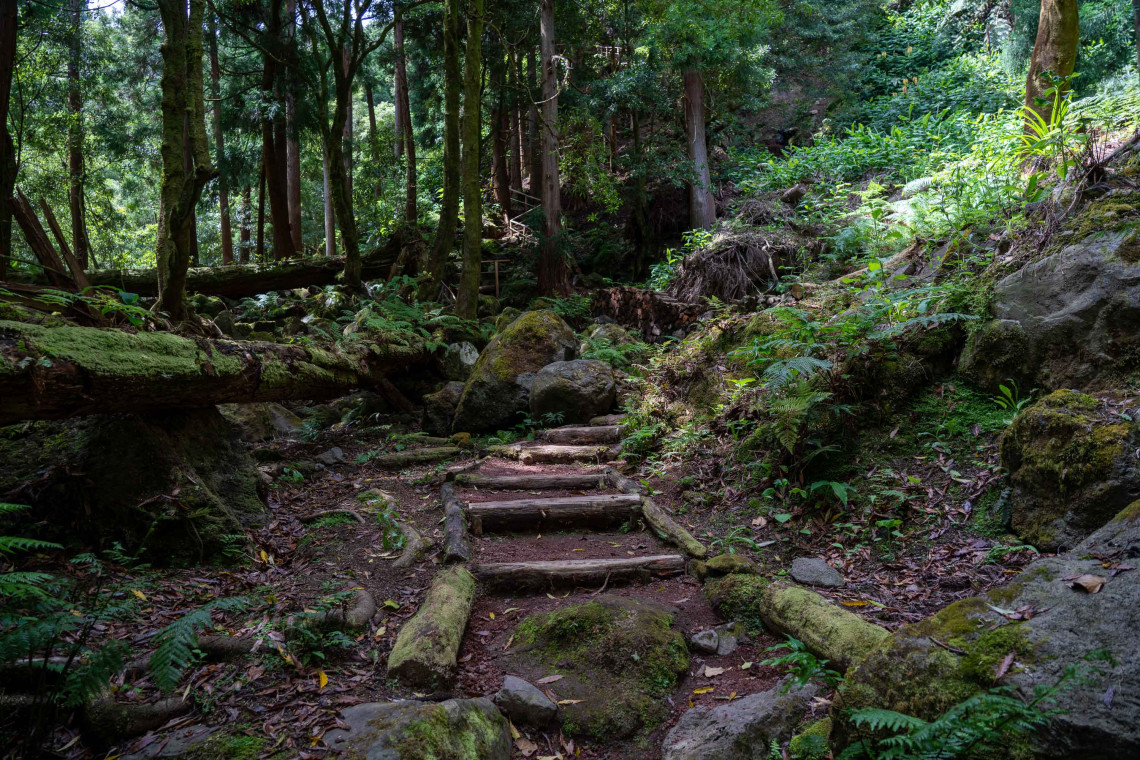
Trails and mountains. Official trails are waymarked and generally well maintained, but they become slippery after rain, some are closed after storms, and weather changes fast at altitude. Check the trail status on the official Trails Azores portal, carry water and a rain shell, tell someone your route, and do not climb Pico (2,351 m) without a guide unless you are experienced and the forecast is clear; the mountain requires registration at the Casa da Montanha and has a daily limit of climbers.
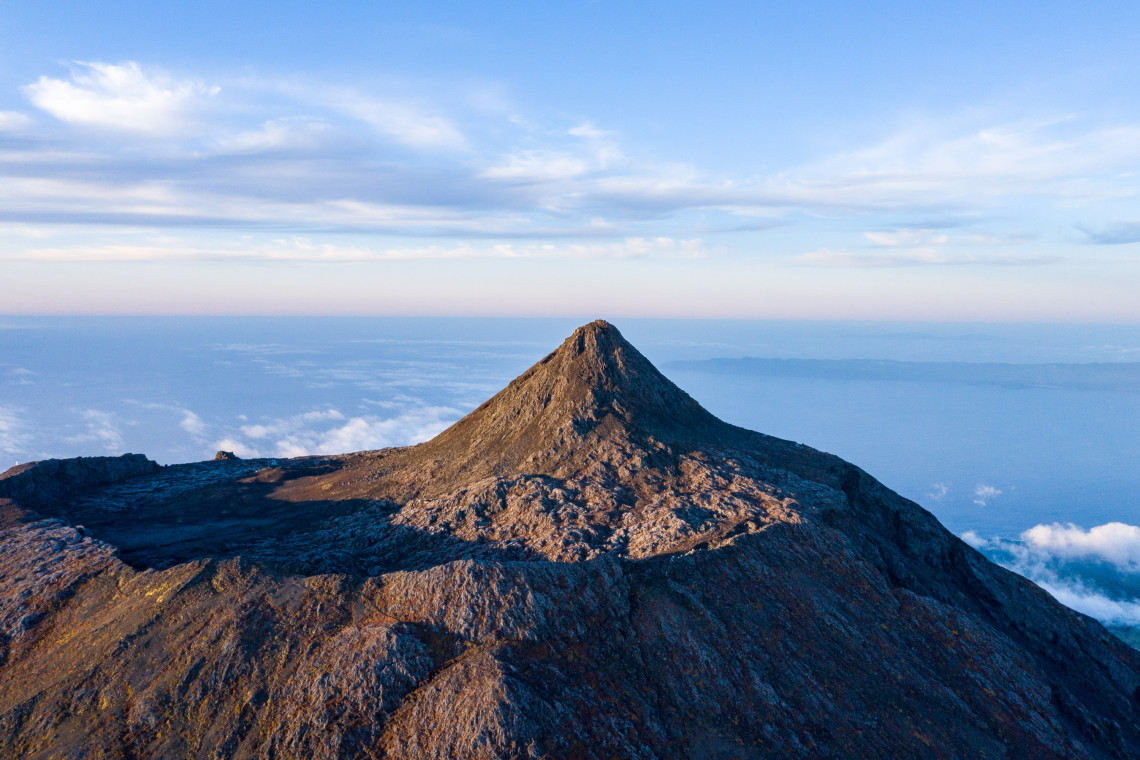
Volcanoes and earthquakes. The Azores sit on the junction of three tectonic plates and are volcanically and seismically active. The last eruption on land was Capelinhos on Faial in 1957 to 1958; the last eruption of any kind was a submarine one off Terceira in 1998 to 2000. Small earthquakes are frequent and usually imperceptible; in March 2022 São Jorge experienced a seismic crisis with tens of thousands of micro-earthquakes, the strongest magnitude 3.8, that caused no damage and no eruption. The islands are monitored around the clock by CIVISA, the regional seismovolcanic surveillance centre, with a public alert scale and civil protection plans. The honest assessment is that the geological risk to a visitor on a one- or two-week trip is very low, and that the hot springs, fumaroles and steaming ground at Furnas are the visible, managed face of that activity. Stay on the marked paths at the caldeiras: the ground and water are scalding.
Weather. No hurricanes in the Caribbean sense, but Atlantic storms, including the occasional remnant of a tropical system in autumn, bring high winds and heavy rain that can cancel flights, ferries and boat trips for a day or two. Build a spare day into island-hopping plans and buy travel insurance that covers delays.
Sun. Stronger than the mild temperatures suggest, especially on boats and open trails. Sunburn is the most common complaint our travellers report.
Health, Water and Emergencies
Healthcare in the Azores is part of the Portuguese public system. There are hospitals in Ponta Delgada (Hospital do Divino Espírito Santo, the regional reference hospital), Angra do Heroísmo on Terceira and Horta on Faial, and health centres with emergency services on every island; the smaller islands evacuate serious cases by air to São Miguel or Terceira, so a serious injury on Flores or Corvo means a flight. Pharmacies are well stocked and pharmacists speak English in the towns. EU visitors should carry a European Health Insurance Card; everyone else should carry travel insurance, which is also the sensible cover for weather disruption.
The emergency number is 112, free from any phone, with English-speaking operators. Tap water is treated and safe to drink everywhere, including the smaller islands, although locals in Furnas prefer bottled water because of the mineral taste. There are no dangerous animals, no snakes and no malaria or other tropical diseases; the only wildlife to be careful of is the Portuguese man o' war that occasionally washes up on beaches in summer and the odd aggressive cow on a trail. Mobile coverage is good in towns and along main roads, patchy in the interior and on the north coasts, and non-existent at sea, so download maps before a hike.
Safety for Specific Travellers
Solo travellers. The Azores are an easy solo destination: safe to walk at night, easy to meet people on tours, with a culture that is polite to strangers. The main solo risk is the one that applies to anyone hiking or swimming alone, so tell your hotel where you are going.
Women. Street harassment is rare and women travel alone, hike alone and drive alone without issues beyond the universal precautions. Ponta Delgada's nightlife is small and relaxed.
Families. The islands are family-friendly, with natural pools, short walks and boat trips that children enjoy; the watch-outs are the sea (keep children away from the edge of pools when there is swell), the hot springs (some are too hot for small children and the caldeiras are dangerous) and car sickness on the winding roads.
LGBTQ+ travellers. Portugal has strong legal protections, including same-sex marriage since 2010, and the Azores, although socially conservative in the villages, are tolerant and incident-free for visitors. Public displays of affection draw no more attention than anywhere in rural Europe.
Older travellers. Pavements in the old towns are cobbled and uneven, trails have steps and roots, and natural pools have ladders and sharp rock. Pick activities to match mobility, and take advantage of the van tours, which do the driving and stop at the viewpoints.
Why This Matters Less Than You Think
Most visitors who worry about safety before an Azores trip come back saying it was the least stressful holiday they have taken: no need to watch bags, no scams, no tense neighbourhoods, drivers who stop to let you cross, strangers who offer directions and sometimes a lift. The energy you would spend on vigilance elsewhere goes into deciding which crater lake to see first. Keep your attention on the sea, the weather and the road, which is where it belongs here, and the islands will take care of the rest.
TRAVEL WITH LOCAL SUPPORT
Our packages come with a travel advisor based in the islands who knows which pools are closed, which trails are open and what to do when the weather moves a boat trip. Flights, hotel, car and experiences in one booking.
See Azores packages →Plan it your way
Custom Your Trip
Tell our local travel advisors which islands, dates and experiences you want and we build the itinerary around you.
Start your custom trip →Limited time
Azores Packages On Sale
Flights, hotels and rental car bundled at reduced prices. See every package currently on sale and book while it lasts.
Book now →Is the Azores Safe: FAQ
Is the Azores safe to visit?
Yes. Portugal is 7th of 163 countries on the 2025 Global Peace Index, crime against tourists in the Azores is rare, and the islands are safe to walk at night. The risks to visitors are natural: sea swell, fog on mountain roads, slippery trails and strong sun.
Is Ponta Delgada safe?
Yes, including at night. It is a small city of about 68,000 people with a compact centre, light nightlife and very little street crime. Take the normal precautions with bags at festivals and do not leave valuables visible in a parked car.
What is the crime rate in the Azores?
35.7 reported crimes per 1,000 inhabitants in 2025, slightly above the Portuguese average of 32 but the lowest in the region since 1998 and down from 39.3 in 2024. The figures are dominated by domestic violence, local assaults and drink-driving, not by crime against visitors. Violent and serious crime fell 11.7 percent in 2025.
Are the Azores volcanoes dangerous?
The islands are volcanically active and monitored around the clock by CIVISA. The last eruption on land was Capelinhos on Faial in 1957 to 1958, and the 2022 São Jorge seismic crisis caused no damage. The risk to a visitor is very low; the one real hazard is scalding ground and water at the Furnas caldeiras, so stay on the marked paths.
Are there earthquakes in the Azores?
Small ones, frequently, almost all too weak to feel. Damaging earthquakes are rare (the last serious one hit Faial and Pico in 1998). Hotels and public buildings follow Portuguese seismic codes and the civil protection service runs alert plans.
Is the tap water safe in the Azores?
Yes, everywhere. It is treated and meets EU standards. In Furnas many people prefer bottled water for the mineral taste, not for safety.
Is it safe to swim in the Azores?
At lifeguarded beaches and open natural pools in calm conditions, yes. Swell can rise fast, so respect red flags and closed pool gates, swim where locals swim and avoid unguarded spots in winter. The sea is 16 to 23°C depending on the season.
Is driving in the Azores safe?
Yes, with care. Roads are narrow and winding, fog arrives quickly on the high roads and cows share the lanes, but traffic is light and drivers are patient. Drive slowly, avoid soft verges after rain and do not drive at night on unlit rural roads if you can help it.
What is the emergency number in the Azores?
112, free from any phone, with English-speaking operators. Hospitals are in Ponta Delgada, Angra do Heroísmo and Horta; the other islands have health centres and evacuate serious cases by air.
Is the Azores safe for solo female travellers?
Yes. Street harassment is rare and women hike, drive and go out alone without issues beyond the universal precautions. The main risks are the same for everyone: sea, trails and roads.
Is the Azores safe for LGBTQ+ travellers?
Yes. Portugal has strong legal protections and same-sex marriage since 2010, and visitors to the Azores report no issues. Villages are socially conservative but tolerant.
Do I need travel insurance for the Azores?
Strongly recommended, less for crime than for medical cover and for weather disruption to flights, ferries and boat trips, which happens a few times a year. EU visitors should also carry the European Health Insurance Card.