by Azores Getaways Team
July 1, 2026 • 8 min read
The Azores has nine islands, but most first-time visitors from North America narrow the choice to two: São Miguel and Terceira. Both are accessible by direct or near-direct flight, both are genuinely impressive, and both justify the transatlantic journey on their own. What they offer, though, is quite different. São Miguel is the bigger, more developed option with the widest range of natural scenery. Terceira is smaller, culturally richer, and noticeably less saturated with tourists. The right choice depends on what kind of traveler you are.
São Miguel at a Glance
São Miguel is the largest island in the Azores at roughly 745 square kilometers, and it functions as the archipelago's hub. Ponta Delgada, the capital, is a real city with good restaurants, hotels across all budget levels, and the airport with the most transatlantic arrivals in the Azores. If you're flying direct from Boston or New York, you're almost certainly landing here.
The island's draw is its concentration of dramatic volcanic landscapes packed into a manageable driving distance. Sete Cidades is a pair of lakes — one green, one blue — sitting inside a collapsed volcanic crater. Furnas is a geothermal valley where you can watch mud pots bubble, soak in mineral hot springs, and eat cozido das Furnas, a traditional stew slow-cooked underground by geothermal heat. Lagoa do Fogo is a pristine crater lake in the center of the island, frequently cloud-shrouded and visually striking. São Miguel also has the Azores' most established surf scene at Praia de Santa Bárbara, a long Atlantic-facing beach on the north coast.
Infrastructure is better here than anywhere else in the Azores. Rental car availability is broader, restaurant quality and variety is higher, and trails are better marked. For a first visit where you want to maximize what you see with minimal logistical friction, São Miguel delivers.
Terceira at a Glance
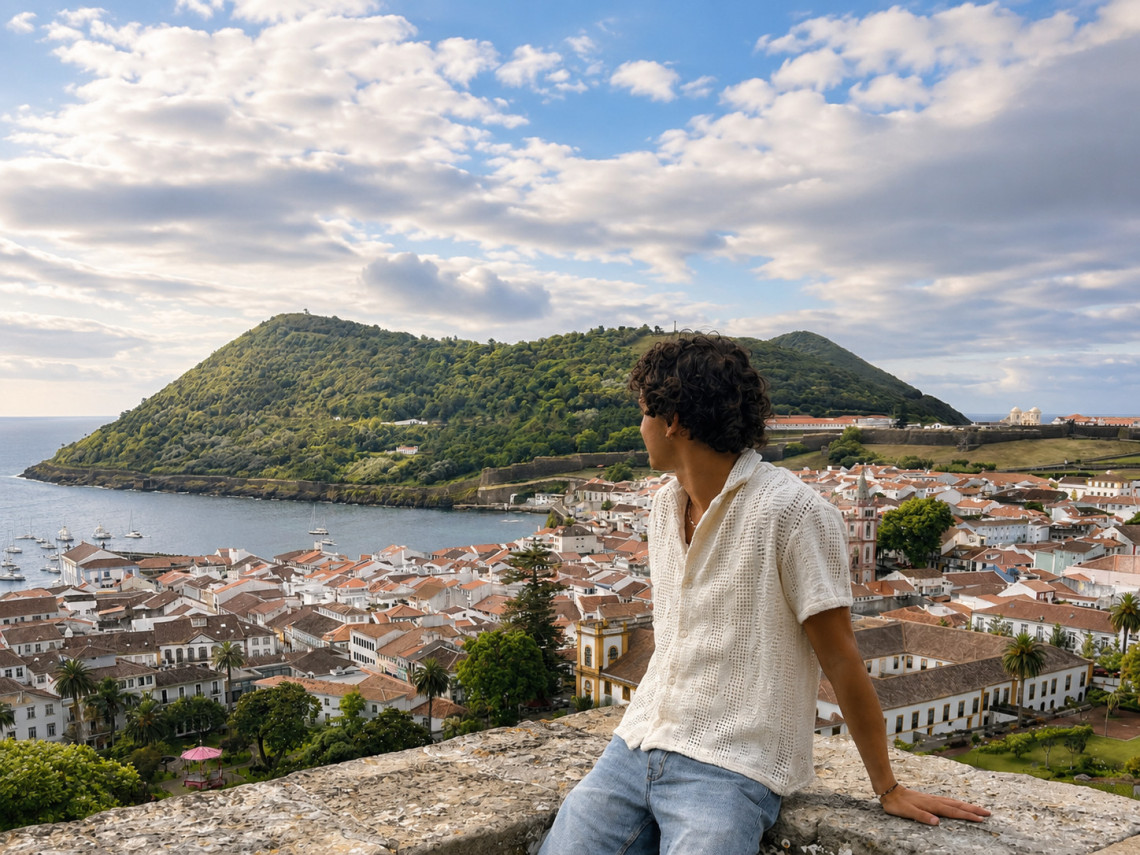
Terceira is about one-third the size of São Miguel, but what it lacks in scale it makes up for in distinctiveness. The island's capital, Angra do Heroísmo, is a UNESCO World Heritage city — the only city in the Azores to hold that designation. Its 16th-century grid of streets, colorful baroque churches, and well-preserved colonial architecture reflect a history as a key stopover point between Europe and the Americas. Walking Angra feels genuinely historic in a way that Ponta Delgada does not.
Terceira holds onto its own traditions more visibly than São Miguel. The island is known for the Festas do Espírito Santo, an annual religious festival celebrated across the archipelago but particularly central to Terceira's identity. Bullfighting here takes a distinct local form called tourada à corda, where the bull is held by a rope and the spectacle is theatrical rather than lethal — a cultural event unlike anything in mainstream Portuguese or Spanish tradition.
The island is less visited, which means fewer crowds at viewpoints, more space on hiking trails, and interactions with locals that feel less scripted. Praia da Vitória, on the east coast, offers a calm sandy beach that's among the best in the Azores for swimming.
Landscapes and Nature
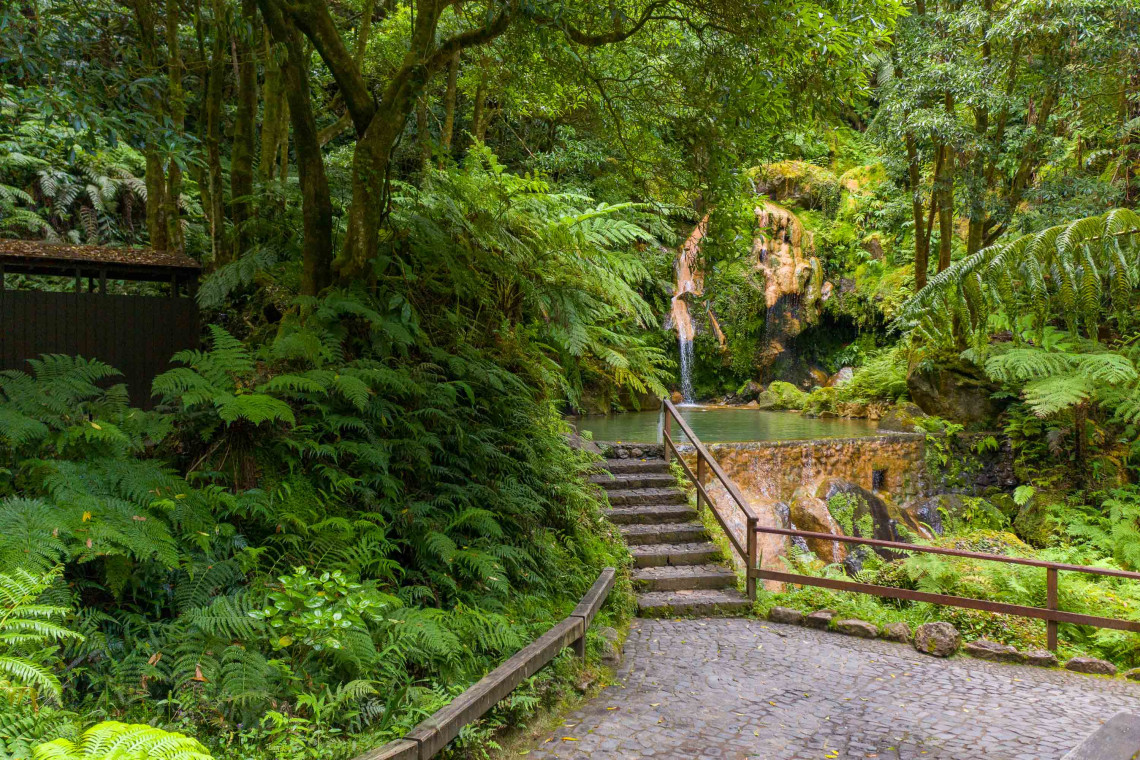
São Miguel's nature is defined by its volcanic craters, hydrangea-lined roads, geothermal activity, and the Gorreana tea plantation — the only operating tea estate in Europe, open to visitors year-round. The island's interior is dense and green, with microclimates that can shift within a short drive. The Caldeira Velha waterfall and the Poça da Dona Beija hot springs are two stops that regularly appear in visitors' highlights, and for good reason.
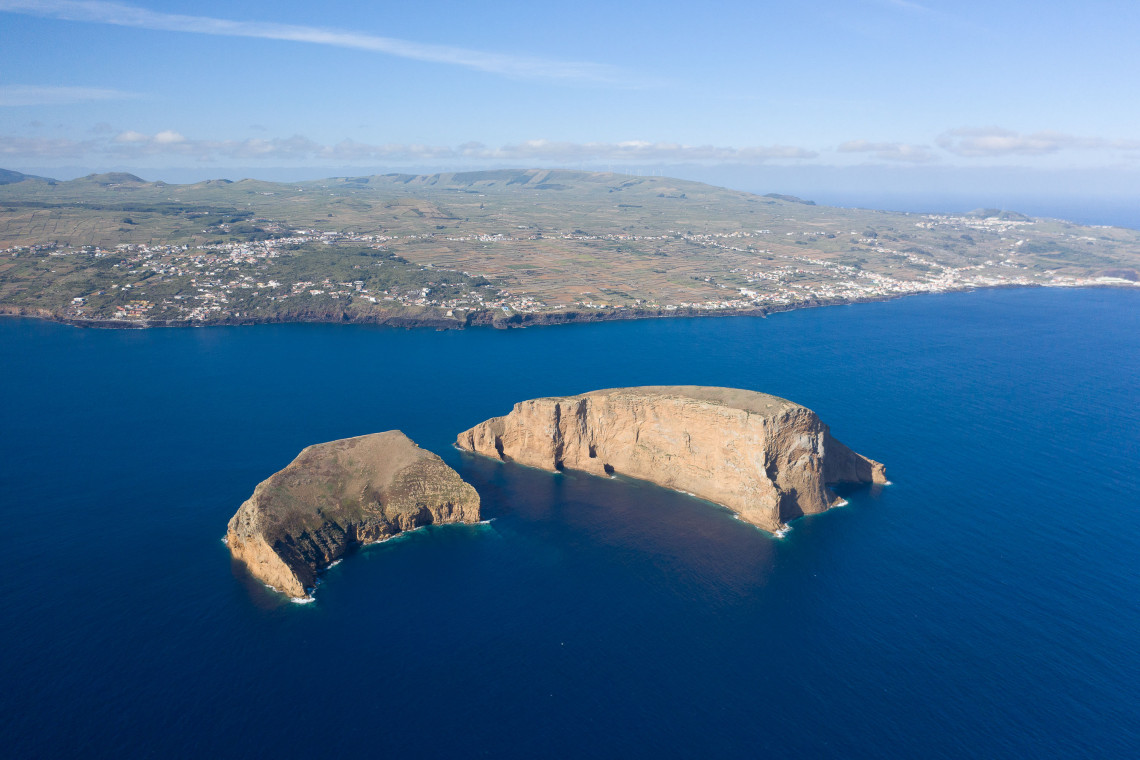
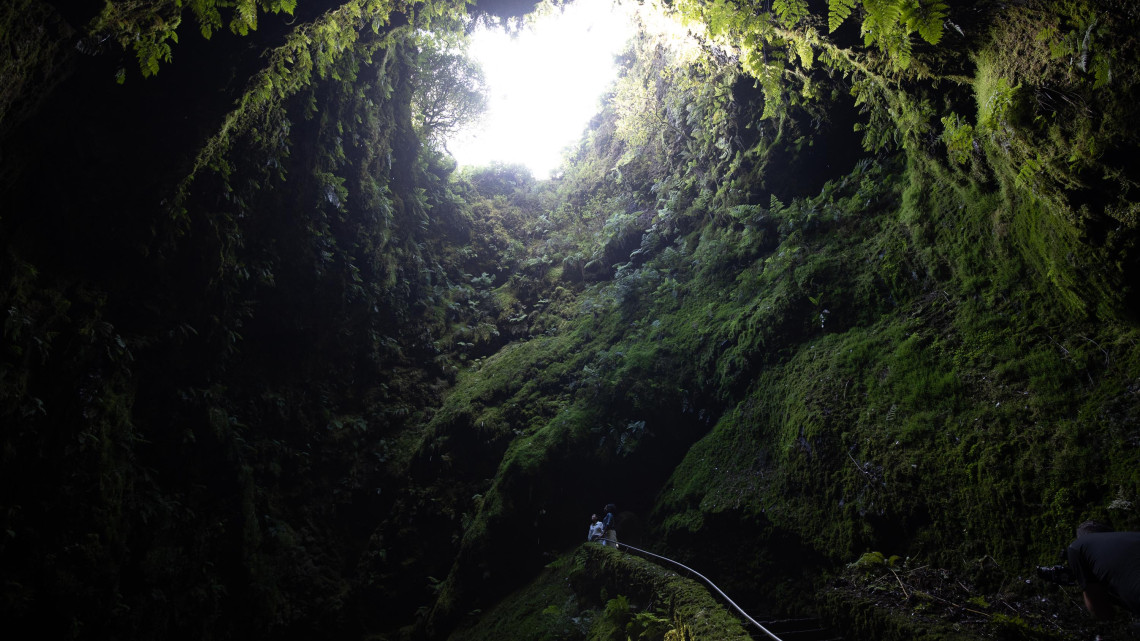
Terceira's landscape is less immediately dramatic but has its own character. The island's interior rolls in wide pastures framed by low volcanic ridges. The coastline is more rugged in places, with sea cliffs and blowholes that reward exploration. Underground, Algar do Carvão is a lava tube and volcanic chimney open to visitors — a 90-meter vertical shaft you descend into, ending in a lake of crystal-clear water. There's nothing quite like it on São Miguel. Terceira also has Monte Brasil, a volcanic peninsula jutting into the sea just outside Angra with sweeping views of the city and coastline.
Activities
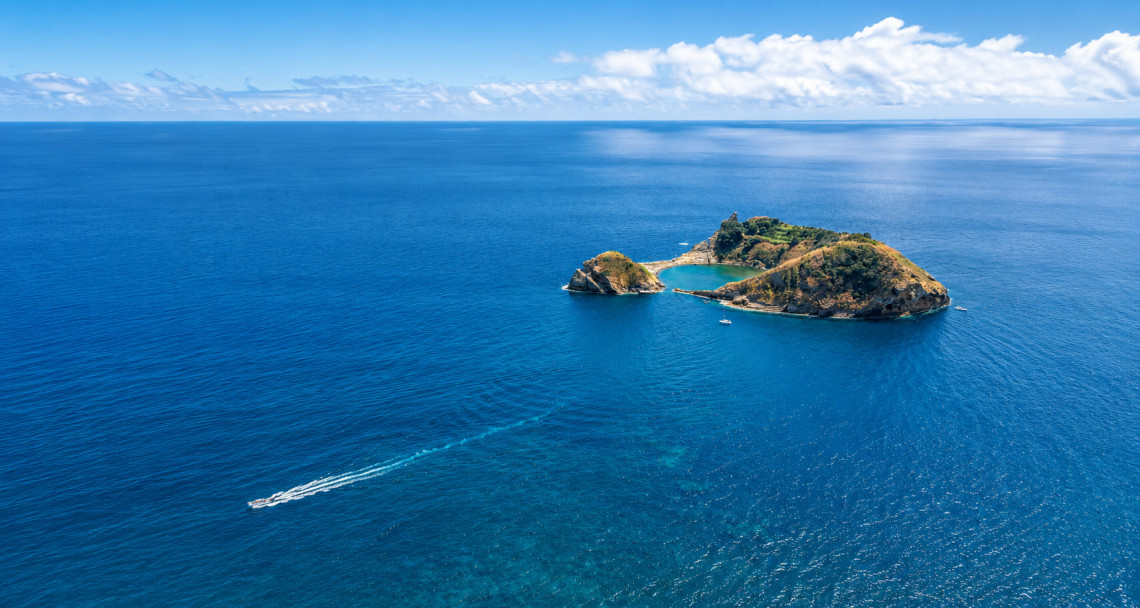
São Miguel has the broader roster of organized activities. Whale watching boats depart daily from Ponta Delgada and Vila Franca do Campo. Diving operators offer access to seamounts and the islet of Vila Franca, a volcanic ring reef. Canyoning, hiking, surfing, and stand-up paddleboarding are all well-organized, with multiple operators competing for the business. The whale watching in particular is among the best in the world, with year-round resident pods of sperm whales and seasonal visitors.
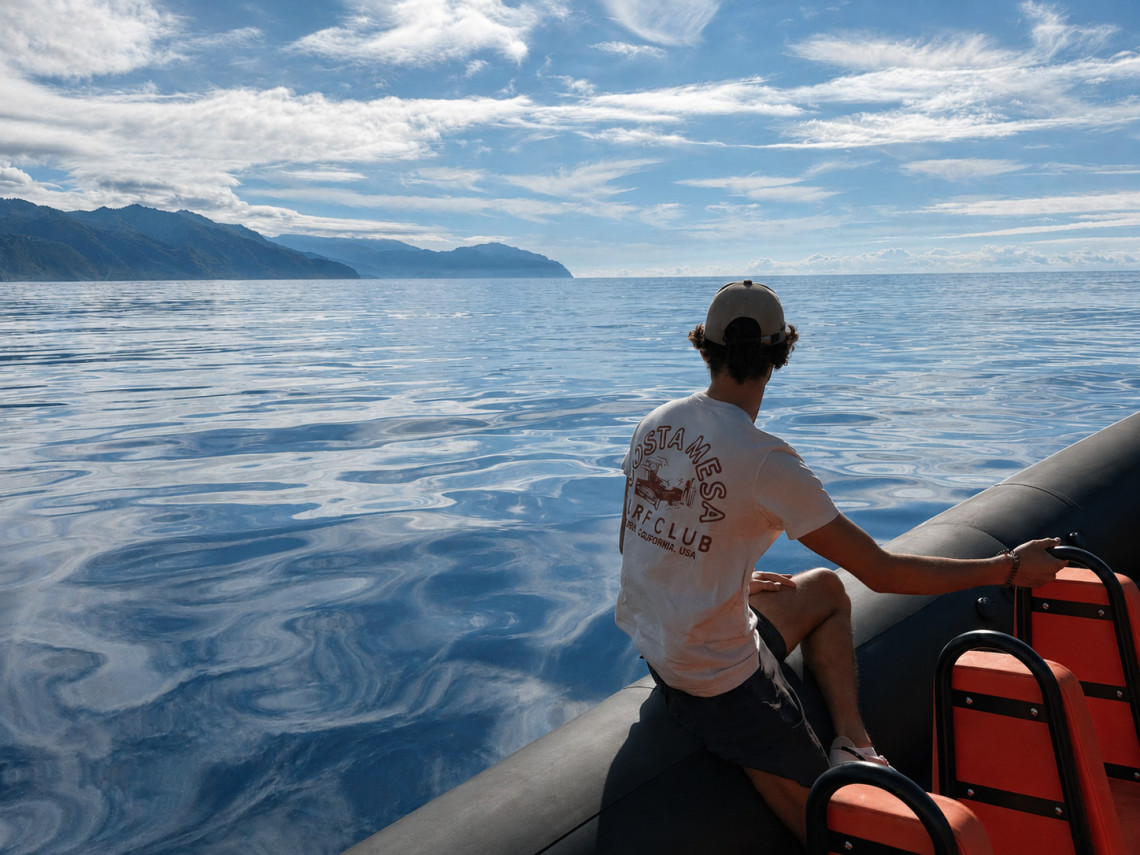
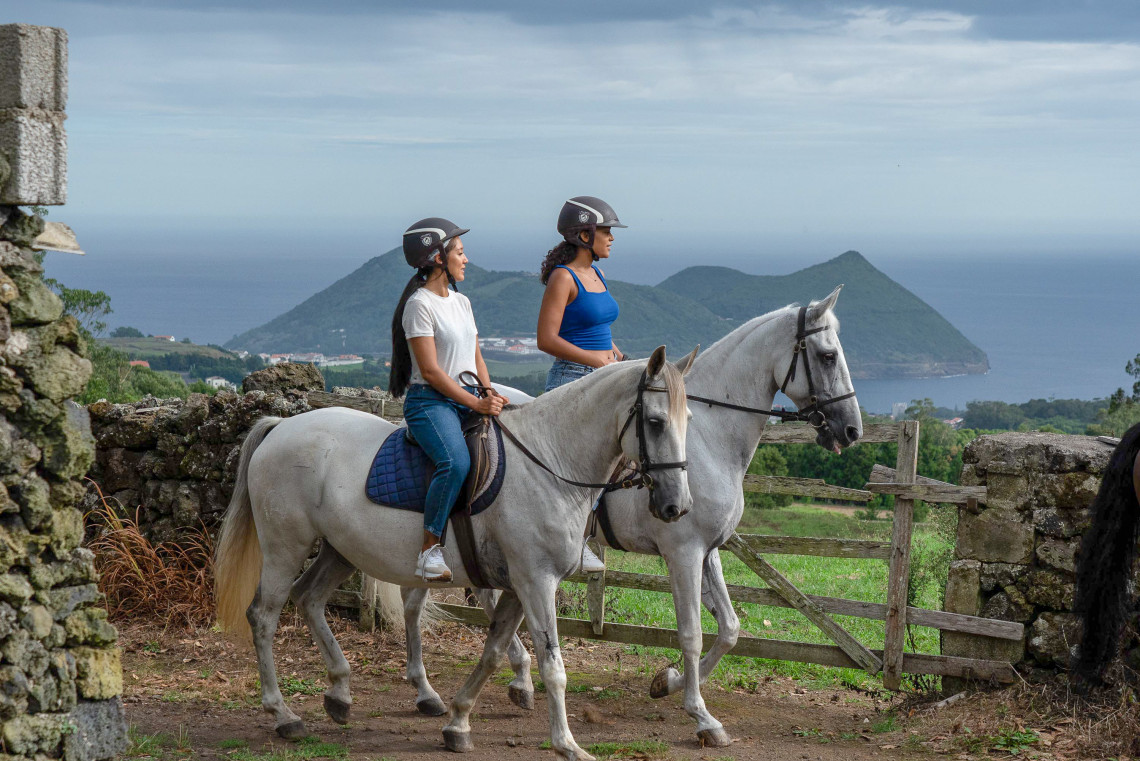
Terceira has a smaller selection of operators, but whale watching and diving are available here too. The island's hiking trails are genuinely good, particularly the route around Monte Brasil and the paths along the south coast. Where Terceira pulls ahead is in cultural programming: guided tours of Angra's historic center, visits to traditional parishes during festival season, and access to the underground volcanic features make for a trip that's more historically layered.
Both islands work well as a base for a full week, and inter-island flights connect the two in under 30 minutes.
Food
São Miguel has the Azores' most developed food scene. Ponta Delgada has a range of restaurants covering traditional Azorean cooking, contemporary Portuguese cuisine, and international options. The waterfront promenade is lively in summer, and the city has enough variety to satisfy most palates across a week-long stay.
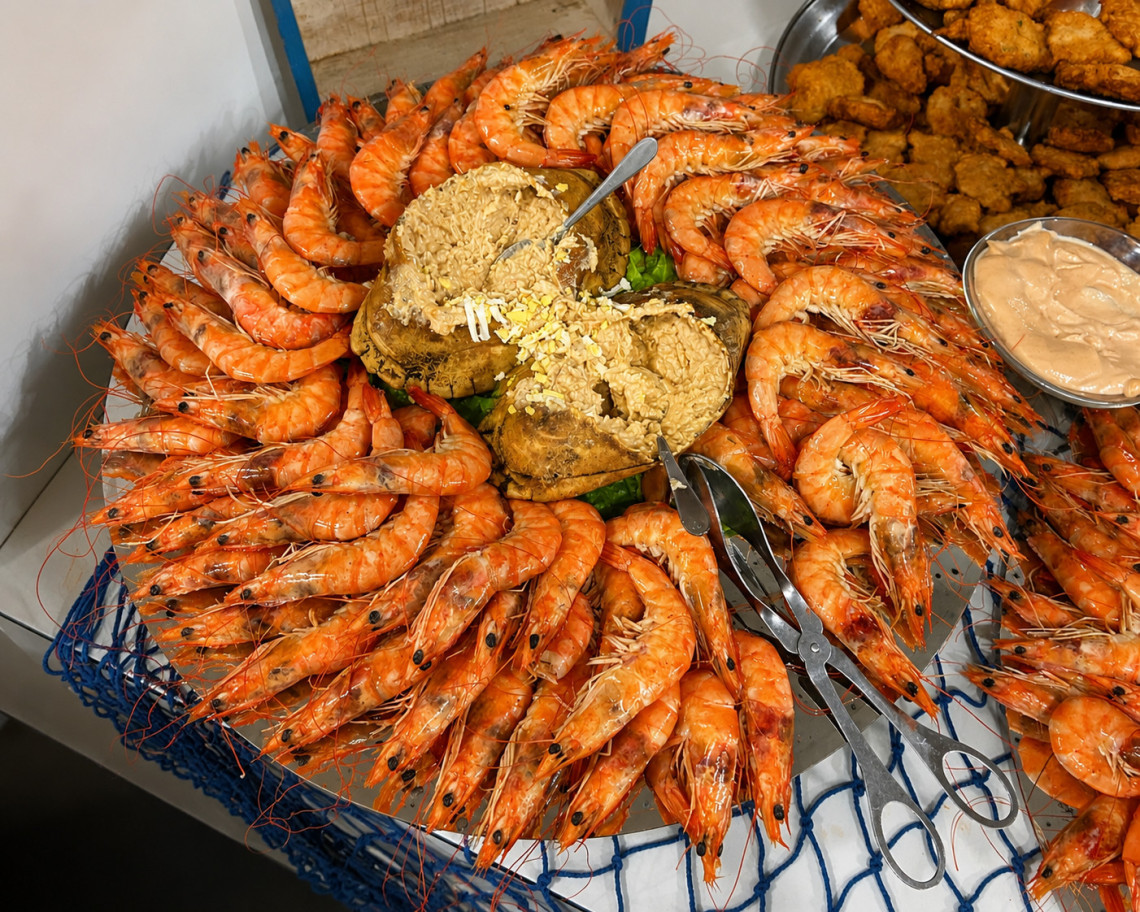
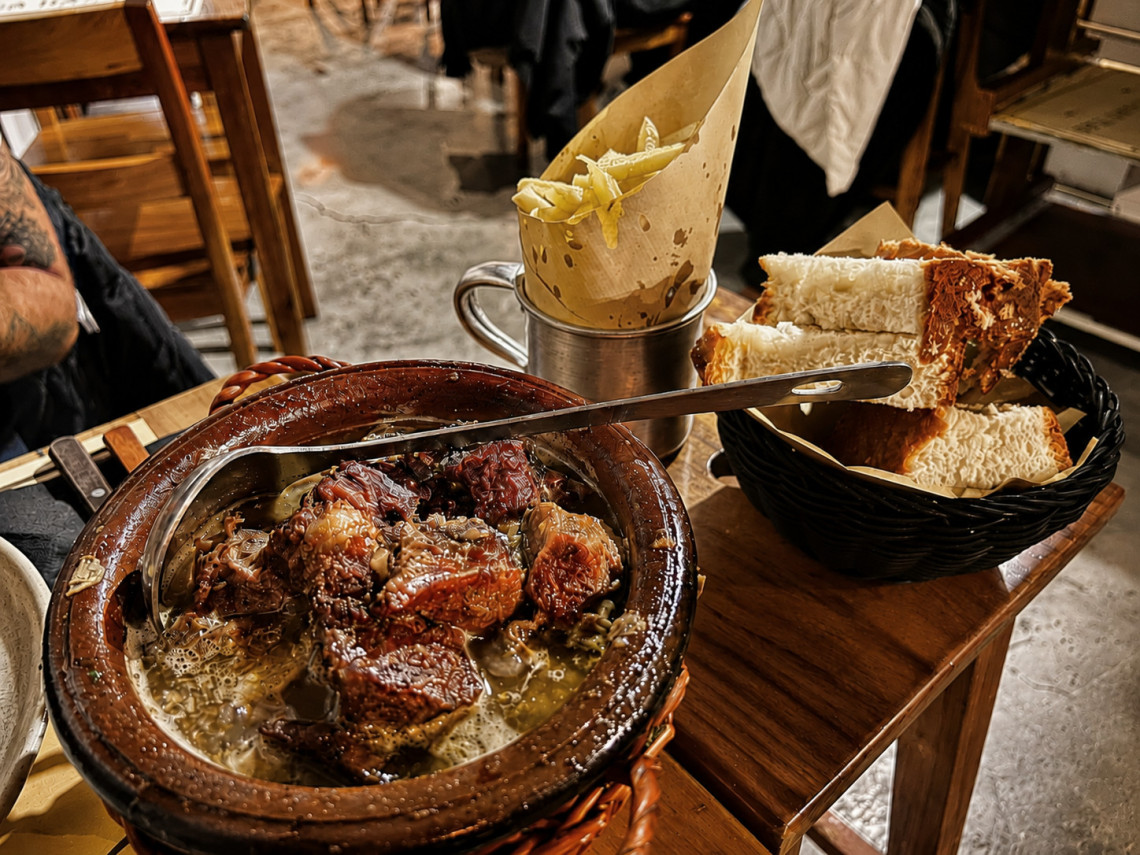
Terceira's food is more local and more consistent. Alcatra is the island's signature dish — a slow-braised beef stew cooked in wine and spices, served in clay pots, and found on almost every traditional menu in Angra. It's one of the best things you can eat in the Azores. Restaurants tend to close earlier and options thin out quickly outside Angra, but the quality of what's there is very good and prices are a touch lower than comparable options in Ponta Delgada.
Getting There from the US and Canada
São Miguel has the most flight options from North America. Azores Airlines operates direct seasonal routes from Boston (BOS) and New York (JFK). From Canada, Azores Airlines flies direct from Toronto (YYZ) seasonally. TAP Air Portugal connects via Lisbon from most other major North American cities, including Montreal, Vancouver, and other US gateways. Fares from the US East Coast typically run $500–$900 roundtrip; from Toronto, expect similar or slightly higher in CAD ($700–$1,100 CAD depending on season).
Terceira also has direct transatlantic service from select US and Canadian cities to Lajes Airport, though on a smaller schedule than São Miguel. If you can't get a direct flight, a connection through São Miguel takes about 25 minutes by air and is the standard routing for most North American travelers adding Terceira to their trip.
Which Is Better for First Timers?
For most first-time visitors from the US or Canada, São Miguel is the right starting point. It has the most direct flights, the best infrastructure, the widest variety of scenery, and enough to fill a week without feeling repetitive. The logistics are simpler, and if something goes wrong — a restaurant is closed, a rental car has an issue — you have more options.
Terceira is the better pick if you actively want to avoid a more touristy experience, if you're drawn to history and local culture over pure nature, or if you're returning to the Azores for a second trip and want something different.
The best answer, if your schedule allows, is both.
São Miguel with Car
6 nights on São Miguel with flights, hotel, and rental car included. Our best-selling package — the easiest way to explore the island's volcanic lakes, geothermal pools, and north coast beaches.
See the São Miguel with Car package →Doing Both: São Miguel and Terceira Together
São Miguel and Terceira are a natural two-island combination. The flight between them takes about 25 minutes, and the contrast makes both islands feel more vivid. Spend four or five days on São Miguel for the volcanoes, hot springs, and whale watching, then cross to Terceira for two or three days of Angra's old city, Algar do Carvão, and Alcatra. It's a more complete picture of what the Azores actually is.
For US and Canadian travelers on a 10 or 11-day trip, this combination works well without feeling rushed.
Frequently Asked Questions
Is São Miguel or Terceira better for families? São Miguel is generally the easier choice for families. It has more accommodation options, more organized activities for different ages, and better medical facilities in Ponta Delgada. Terceira works well for families with older children who are interested in history and culture.
Which island has better beaches? Neither São Miguel nor Terceira is primarily a beach destination. That said, Praia da Vitória on Terceira has one of the better sandy beaches in the archipelago, calm and good for swimming. São Miguel's beaches are mostly black volcanic sand and Atlantic-facing, which makes them better for surfing than casual swimming.
How many days do you need on each island? Four to five days is a comfortable minimum for São Miguel and two to three days for Terceira. This covers the main sites without rushing, while accounting for weather that can affect a morning or afternoon.
Can I drive between São Miguel and Terceira? No. The islands are separated by open Atlantic water. Travel between them is by SATA interisland flight (about 25 minutes) or by ferry in summer (several hours). The flight is almost always the better option.
Which island is cheaper to visit? Costs are broadly similar. Accommodation on Terceira can be slightly less expensive than comparable options in Ponta Delgada, and restaurants in Angra tend to charge a bit less. Neither island is dramatically cheaper than the other.
São Miguel & Terceira with Car
7 nights across both islands with flights, hotels, and rental cars included. Our most-booked two-island route — and the best way to settle the São Miguel vs Terceira debate yourself.