



Birdwatching in the Azores: Species, Sites and Seasons
Birdwatching in the Azores: the priolo and other endemics, seabird colonies, Corvo’s American vagrants, the best sites by island and when to go.
March 1, 2022 • 4 min read
Birdwatching in the Azores: Species, Sites and Seasons
Why the Azores are a birding destination
Nine islands in the middle of the Atlantic, with no land for a long way to the west, catch birds blown off course by Atlantic storms. Resident species are few, but over 400 species have been recorded, and the islands lie on migration routes of both European and North American birds.
Three species are endemic: the priolo (Pyrrhula murina), found only on São Miguel; the Azores chaffinch (Fringilla moreletti); and Monteiro’s storm petrel (Hydrobates monteiroi), described in 2008, which breeds on islets off Graciosa. Several endemic subspecies, such as the Azores woodpigeon and buzzard, add to the list.
The priolo
The priolo lives only in the Serra da Tronqueira and Pico da Vara area of Nordeste, in eastern São Miguel. In the early 1990s it was one of Europe’s most threatened birds. Years of habitat restoration led by SPEA, the Portuguese bird society, with EU LIFE funding, helped the population recover, and the IUCN downgraded it to Endangered in 2010 and to Vulnerable in 2016.
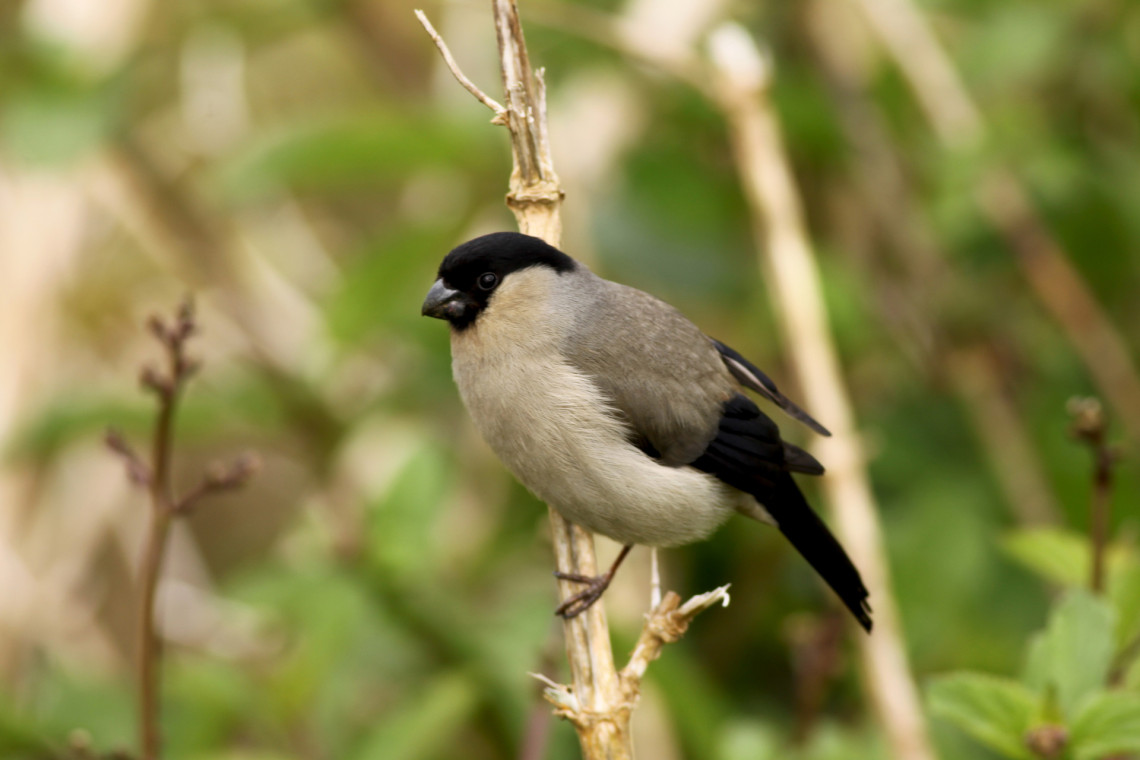
Look for it at first light along the Serra da Tronqueira road and the trails around Pico da Vara. The Priolo Environmental Centre, run by SPEA, has maps, recent sightings and a walk through restored forest. The bird can be found all year, most easily in spring and early summer.
Seabirds
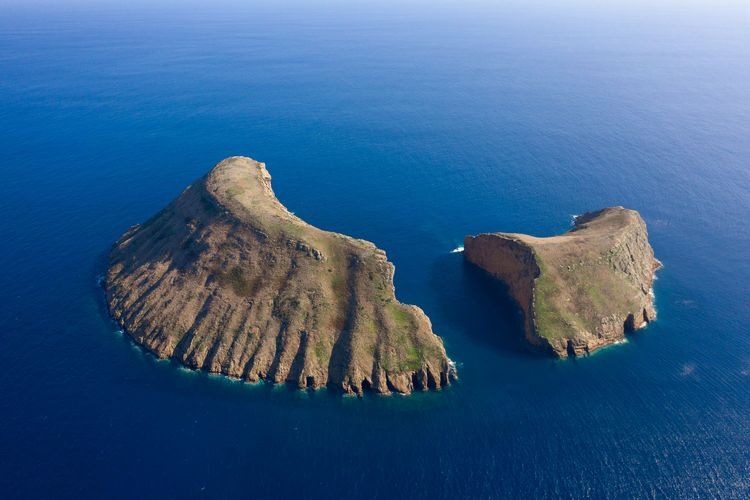
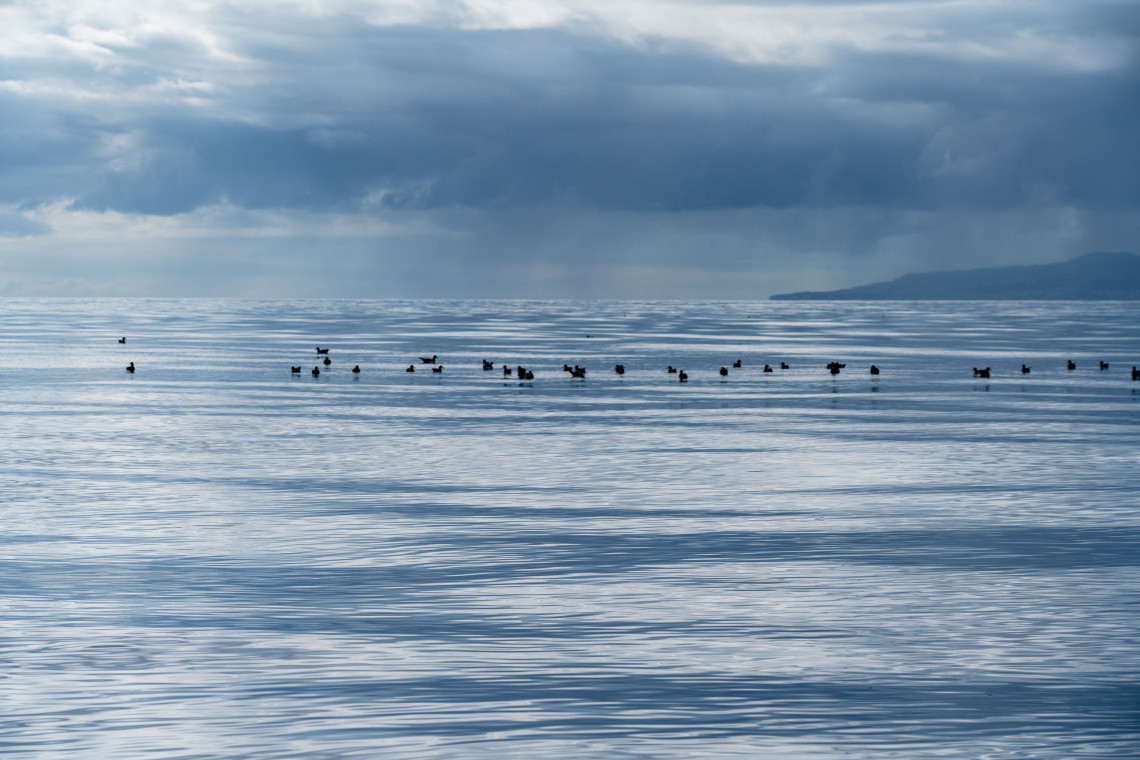
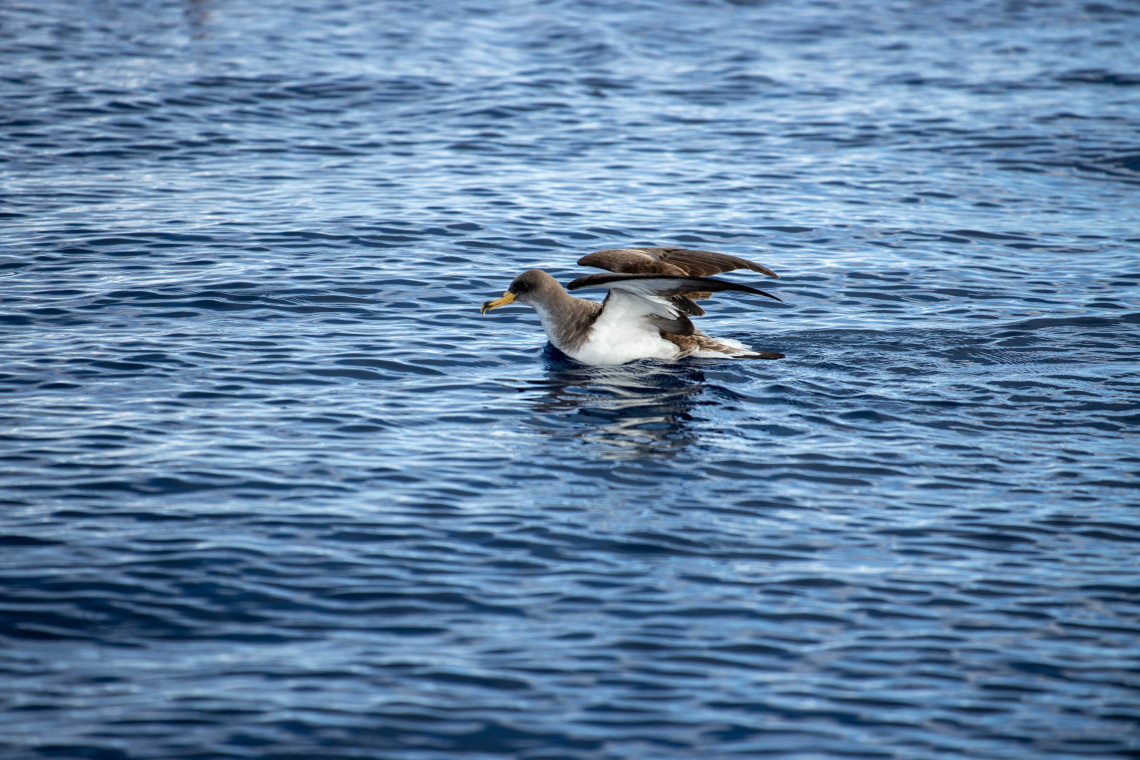
From April to October, Cory’s shearwaters return to their burrows after dark, and you can hear their calls from many coastal hotels. Roseate and common terns nest on islets such as those off Graciosa and Vila Franca do Campo, and Bulwer’s petrels, Barolo shearwaters and storm petrels also breed in the islands.
Whale watching trips from Ponta Delgada, Pico and Faial are also good seabird trips. Many islets are protected and landing is not allowed, but boats can circle them.
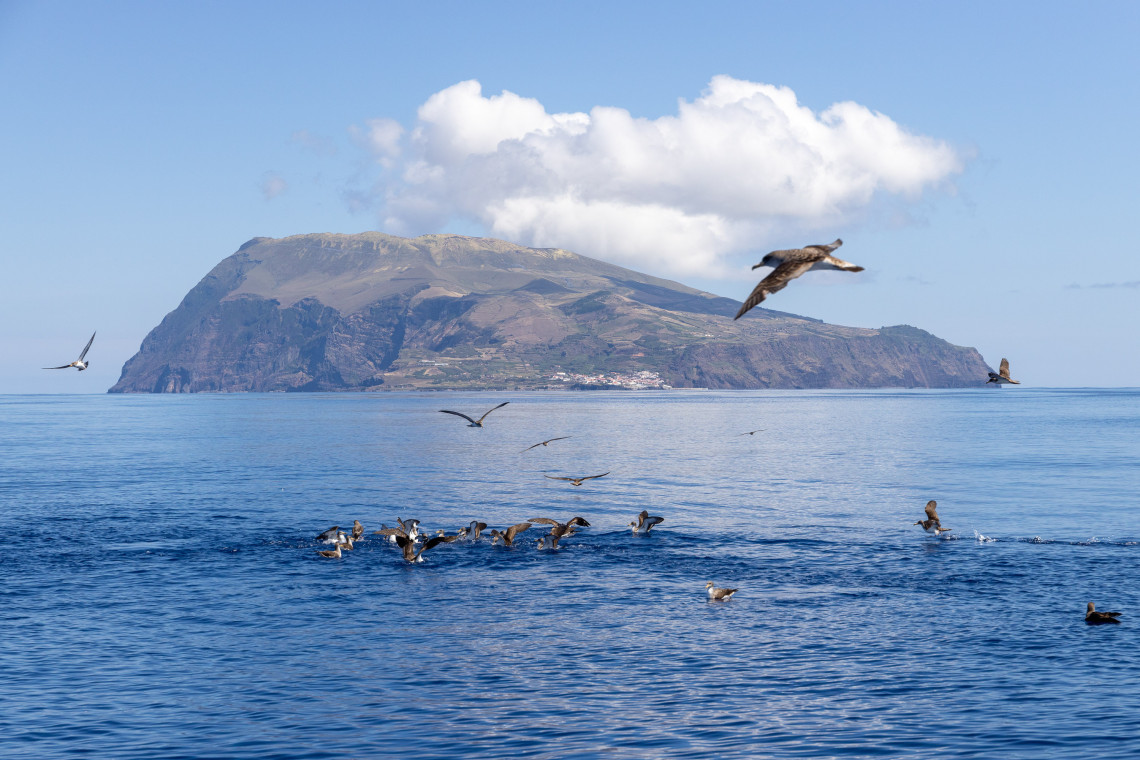
Corvo and Flores in autumn
Every autumn, birders travel to Corvo, an island of 17 km² with fewer than 500 residents, to look for North American birds blown across the Atlantic. Corvo is known as one of the best places in Europe for these vagrants. The peak is usually in October, but arrivals depend on westerly winds and storms. Flores, nearby and larger, gets the same birds in lower numbers. Flights and accommodation on Corvo are limited, so book early.
Terceira
The flooded quarry at Cabo da Praia, near Praia da Vitória, is the best-known waterbird site in the Azores, with American and European waders from late summer to late autumn. Nearby marshes and the harbour add ducks and gulls, including North American visitors, and winter can be as good as autumn.
São Miguel and the other islands
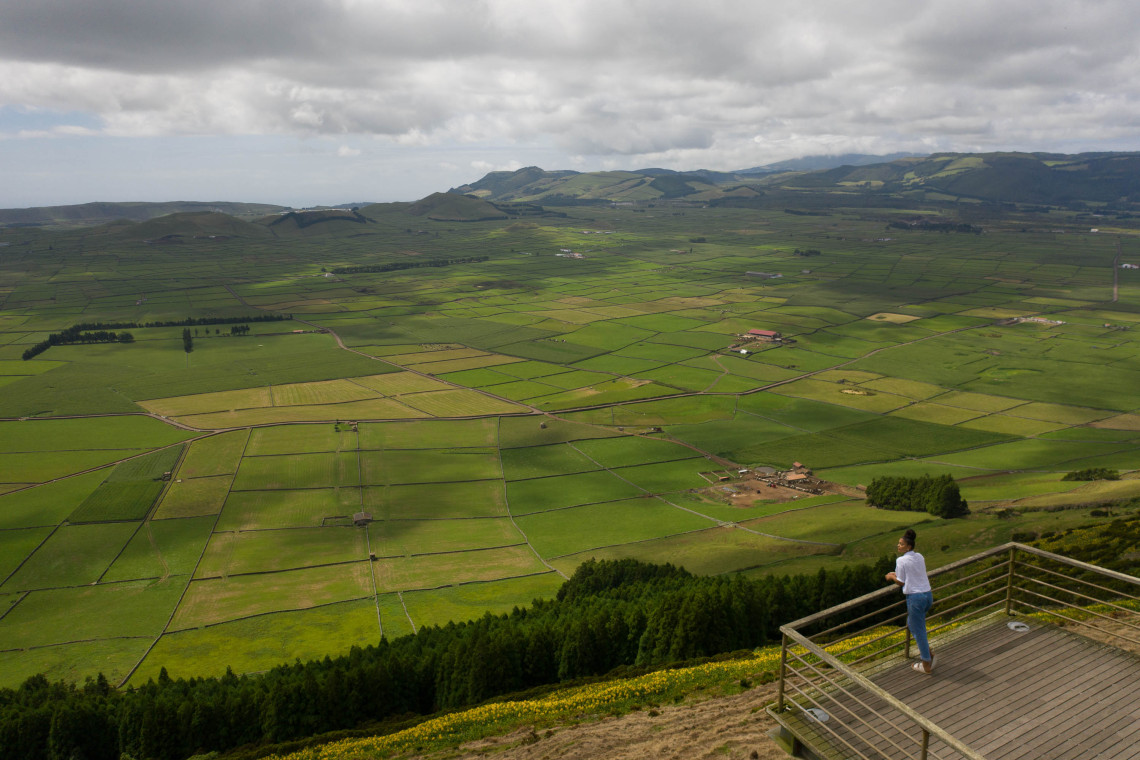
On São Miguel, the lakes of Furnas and Sete Cidades hold wintering ducks, and buzzards are seen everywhere. Graciosa is the seabird island. Pico’s highland lakes attract ducks, São Jorge’s fajã lagoons are small wetlands worth a stop, and Santa Maria’s islets hold terns in summer.
When to go
A car is needed on every island. Bring waterproofs and a telescope for lakes and the quarry, and stay on marked trails in the priolo forest.




