




Azores vs Canary Islands: Which Atlantic Islands for You?
Azores vs Canary Islands compared: climate, landscape, beaches, crowds and flights from the US and Canada, to help you choose.
November 17, 2026 • 5 min read
Azores vs Canary Islands: Which Atlantic Islands for You?
Azores vs Canary Islands at a Glance
Climate: Mild and Green or Dry and Sunny
Latitude explains most of the difference. The Canary Islands sit at about 28° north, level with Florida, and close to the Sahara. Rain is scarce on the coasts, especially in the south of Tenerife and Gran Canaria and on Lanzarote and Fuerteventura, and winter days are warm enough for the beach.
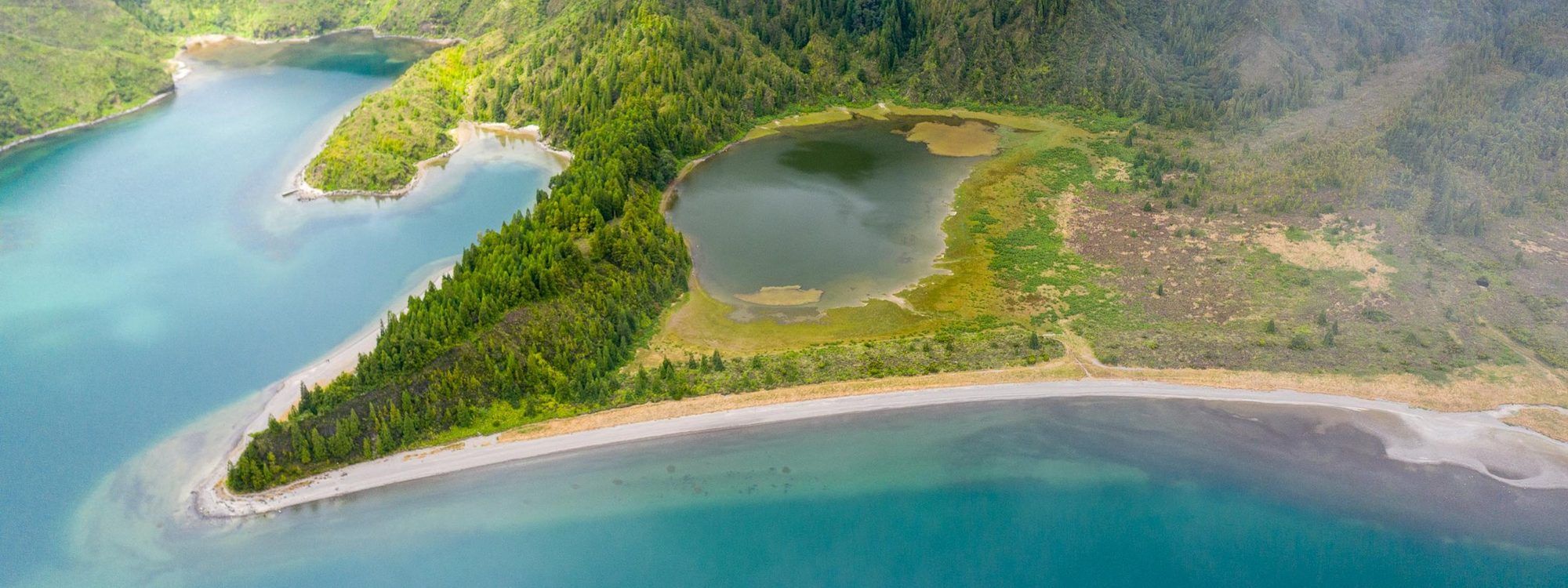
The Azores sit at 37° to 39° north, level with Lisbon and Washington, DC, surrounded by open ocean. Temperatures are mild all year and rarely extreme, but rain can fall in any month and the weather changes several times a day. That rain is the reason the islands are so green. The best time to visit the Azores for dry weather and swimming is June to September.

Landscape and Things to Do
Both archipelagos are volcanic, and both have a mountain that dominates the map. Mount Teide on Tenerife rises to 12,188 ft (3,715 m), the highest point in Spain, above a dry, rust-colored caldera. Mount Pico in the Azores reaches 7,713 ft (2,351 m), the highest point in Portugal, above vineyards and pasture.

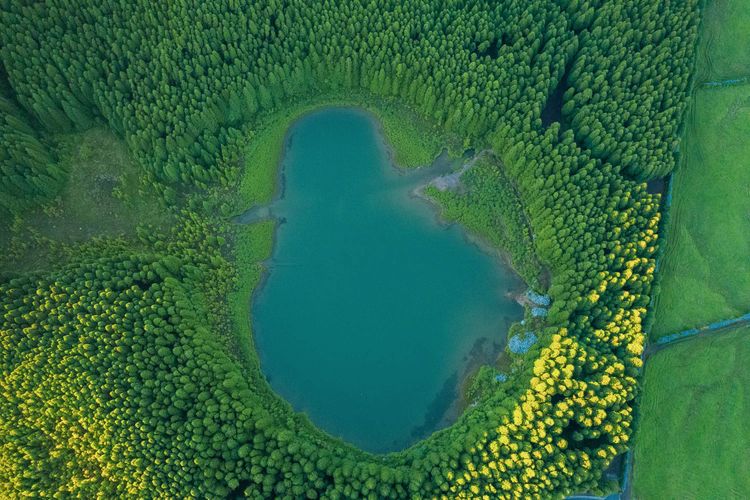
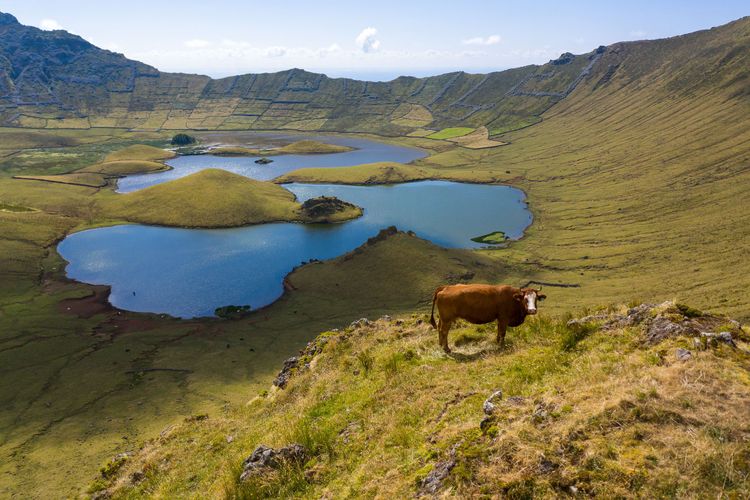
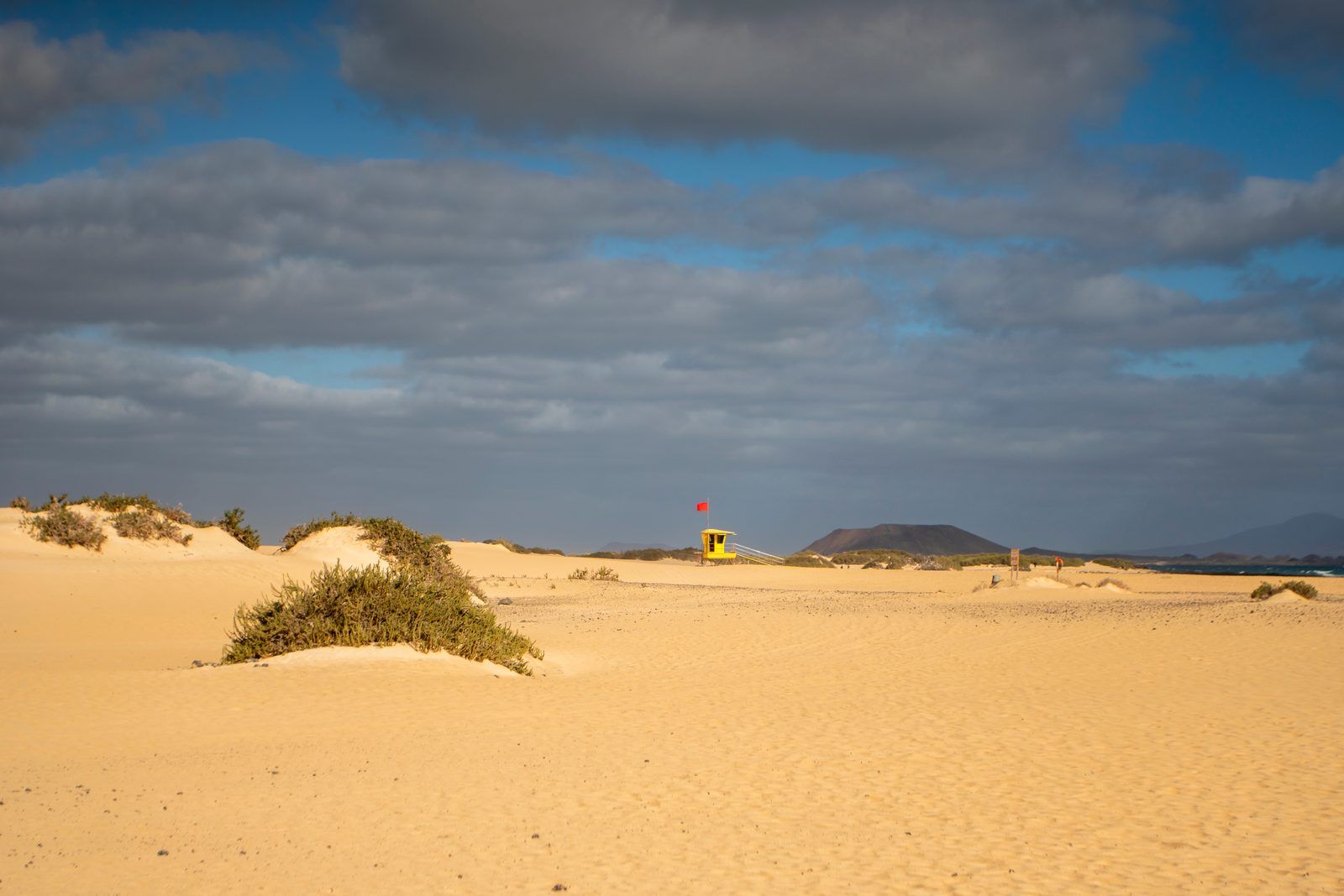
The Canary Islands add sand dunes at Maspalomas and Corralejo, the lava fields of Timanfaya on Lanzarote and laurel forest on La Gomera and La Palma. The Azores add lakes inside craters, natural hot springs you can bathe in, tea plantations and waterfalls. Hiking is good in both. Whale and dolphin watching is also possible in both, with pilot whales living off Tenerife all year and sperm whales resident in the Azores, joined by migrating blue and fin whales in spring.

Beaches and Swimming
For a beach holiday, the Canary Islands are the stronger choice. They have miles of sand, calm resort bays and water that stays swimmable through the winter. Fuerteventura and Gran Canaria are the best known for it.
The Azores have beaches too, mostly of dark volcanic sand, along with natural pools cut into the lava. The sea is comfortable from about June to October. Santa Maria has the lightest sand and the driest weather of the nine islands. See the best beaches in the Azores for the ones worth the drive.
Crowds and Development
The Canary Islands received about 18.6 million visitors in 2025 and have the infrastructure to match: large resorts, water parks, nightlife and motorways. That scale brings choice and low prices, and it also brings busy beaches and built-up coastlines in the main resort areas.
The Azores receive a small fraction of that number. There are no high-rise resort strips, most hotels are small or mid-sized, and outside July and August you will often share a viewpoint with a handful of people. The trade-off is fewer direct flights between islands, fewer large hotels and less to do after dark.
Flights from the US and Canada
The Azores are the closest part of Europe to North America. Nonstop flights link Ponta Delgada with Boston, New York and Toronto, with more routes in summer, and the flight from Boston takes about five hours. Details are in the guide to flights to the Azores.
The Canary Islands are farther south and east. For the winter of 2026 to 2027, Air Canada flies nonstop to Tenerife from Toronto and Montreal, a few times a week, and describes these as the only nonstop services between North America and the Canary Islands. From the US, and from Canada outside that season, travelers connect in Madrid, Lisbon or another European hub, which usually makes the journey twice as long or more. Check current schedules before you compare prices, since routes change from year to year.
Which Should You Choose?
Choose the Canary Islands if you want sun and beach time between November and April, a resort with everything on site, or nightlife.
Choose the Azores if you want green landscapes, hot springs, whale watching and quiet roads, if you would rather avoid a connection, or if you plan to combine the islands with Lisbon. Travelers with three weeks can see every island in one trip.
Still comparing? Read Azores vs Madeira, Azores vs Hawaii and Azores vs Iceland.