September 2026 • 7 min read
Travelling responsibly in the Azores is mostly about where you put your feet, your boat and your money. Stay on the marked trails, keep the legal distance from whales and dolphins, leave the plants and the lava where they are, drive like the road belongs to the cows (it often does), and buy from the people who live here.
This is the practical companion to our guide on why the Azores are a certified sustainable destination. That article explains what the islands do; this one covers what you can do, from packing to the last day.
Before You Leave Home
Three things in the suitcase make most of the difference. A refillable bottle, because tap water is drinkable across the islands and bottled water has to be shipped in. A mineral or reef-safe sunscreen, because you will be swimming in natural rock pools and thermal springs where whatever is on your skin ends up in the water. And closed shoes with grip, because the alternative to a marked trail is usually wet basalt or someone's pasture.
Then book the things that need a licence with operators who have one. Whale watching, canyoning, diving and guided hikes are all regulated in the Azores, and the regulation is what keeps them low impact. A licensed operator has trained guides, insurance and a legal obligation to follow the rules described below; the unlicensed alternative has none of that, whatever the price.

On the Trails
The Azores have more than 80 official trails covering over 800 kilometres, classified by the regional government as easy, medium or hard and marked with the PR (short route) and GR (long route) signs used across Portugal. São Miguel has around 30, Pico 14, Faial 9, Terceira 8, São Jorge 7. Most follow paths that islanders used for centuries to move cattle and goods, which is why they cross private pasture: close every gate behind you and give the cows room.
Stay on the marked path even when a shortcut looks obvious. The archipelago has roughly 80 endemic plant species among about 300 native ones, including the Azores laurel, the Azorean juniper and Europe's rarest orchid, and the ground beside the path is where they survive. Do not pick flowers or take cuttings, and do not carry lava stones or pumice home; the islands are a UNESCO Global Geopark and their geosites are protected, so the rocks stay where they are.
A detail most visitors miss: the hydrangeas that line the roads are introduced ornamentals, not native plants, and some of the prettiest greenery, such as the yellow kahili ginger and the sweet pittosporum, is invasive and crowds out the laurel forest. Clean mud and seeds off your boots between islands so you are not the one moving them around. Take all litter out with you, including fruit peel, and do not smoke on the trails.

GUIDED HIKE, SMALL GROUP
The Salto do Prego trail in Faial da Terra with a local guide who knows the endemic plants from the invaders, and where the waterfall is.
Book the Salto do Prego hike →In the Water: Pools, Springs and the Open Sea
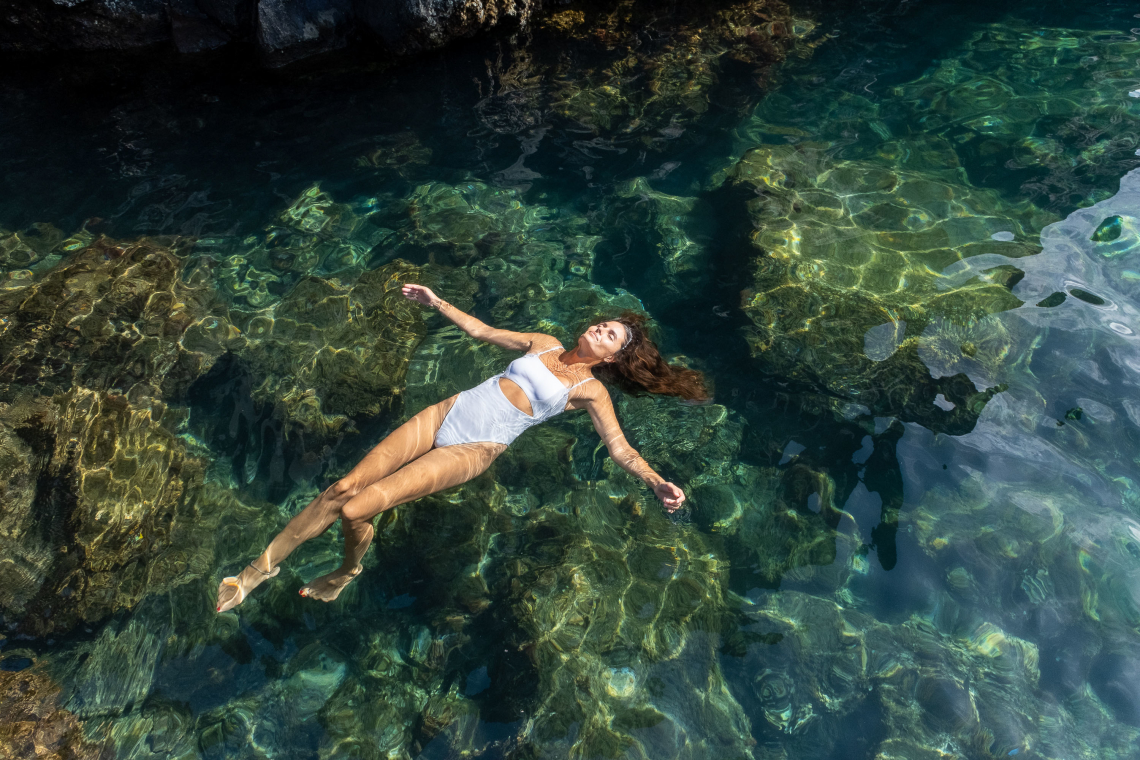
Natural swimming pools are lava formations with a ladder, not managed beaches. Check the flag where there is one, watch the swell for a few minutes before getting in, and stay out on days when waves are washing over the rocks. Rinse off sunscreen before entering thermal pools such as those at Furnas or Caldeira Velha, and never use soap or shampoo in them; the water flows back into the streams. At the Furnas fumaroles and the caldeiras, stay on the paths and boardwalks: the ground is hot enough to burn and unstable enough to give way.
Whale and dolphin watching is governed by regional law dating from 1999. Boats must keep at least 50 metres from the animals, no more than three boats may be within 150 metres of the same group, time with any one group is capped at 30 minutes, and vessels approach slowly from the rear and never cut between a calf and its mother. Swimming with dolphins is allowed only with snorkelling gear and under strict conditions; swimming with large whales is prohibited. If your skipper follows these rules, you are on a responsible boat. If a boat is chasing animals or crowding a group, that is the one to avoid.
Underwater, the rule is simple: look, do not touch. Do not stand on or hold rocks covered in life, do not feed fish, and choose dive centres that brief you on buoyancy and keep groups small.
WHALE WATCHING BY THE RULES
Half-day RIB trip from Ponta Delgada with a licensed operator and a marine biologist on board, following the 50 metre and 30 minute rules.
Book whale watching →On the Road
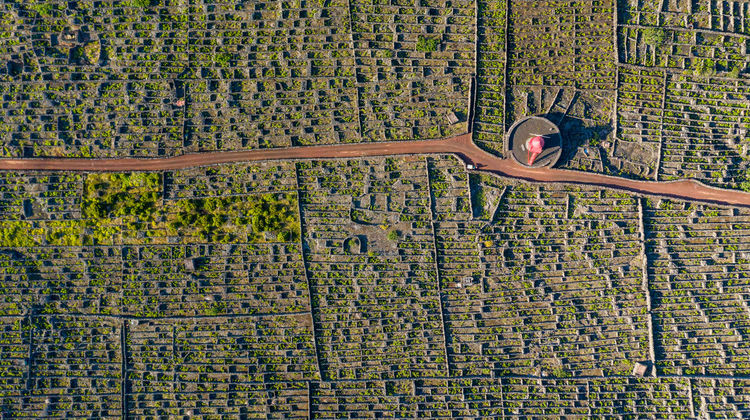
You will probably rent a car, so drive it well. Roads are narrow, often walled with hydrangeas and often shared with cattle being moved between pastures; slow down, wait, and let the farmer wave you through. Do not park on verges or in field entrances at viewpoints, even for a photo; use the marked car parks, and if they are full, come back later. Never take a rental off tarmac or onto a trail, and do not drive up to a waterfall or lake shore that a sign or a chain has closed.
Choose the smallest car that fits your group, ask for a hybrid or electric model if the rental company has one, and plan each day by region so you are not crossing the island twice. In Ponta Delgada, Angra do Heroísmo and Horta the centre is walkable, and between Faial, Pico and São Jorge the ferry does the job of a flight.

Waste, Water and Energy in Your Accommodation
The Azores recover more than half of their municipal waste and seven islands recycle over 80% of it, so the separated bins you see in every village are used. Sort your rubbish the way the household or hotel does, and take packaging back to town from remote spots that have no collection. Do not flush wet wipes or sanitary products; small island treatment systems cannot cope with them.
Water is abundant on most islands but not on Santa Maria and Graciosa, which have dry summers, and hot water and electricity on a small island cost more to produce than on the mainland. Short showers, reused towels and switched-off air conditioning are worth more here than at home.

Drones and Photography
Portugal's civil aviation authority sets the drone rules: 120 metres maximum altitude, line of sight at all times, no flying over people or gatherings, daylight only, and no flights near airports or over nature reserves and protected areas. Most of the viewpoints people want to film, from Sete Cidades to the Pico summit, sit inside natural parks and protected areas where flying is restricted, so check the current rules with the natural park before you pack the drone. On the ground, ask before photographing people, especially at religious festivals and in the fajãs, where you are walking through someone's front yard.

Respecting the Islanders
The Azores have about 240,000 residents spread across nine islands, and the smallest communities feel every visitor. Keep noise down in villages at night, do not walk into private fajã gardens or vineyards without asking, and join festivals as a guest rather than a spectator: the Espírito Santo celebrations feed everyone who turns up, and the right response is to accept, thank and, if there is a collection, contribute.
Money is the last lever. Buy cheese from São Jorge and Pico, tea from Gorreana or Porto Formoso, pineapples from the glasshouses in Fajã de Baixo, wine from the Pico cooperatives and pottery from Lagoa, and eat in the tascas where the menu is written on a board. Book locally owned guesthouses and operators, and tip in cash. That is where a tourist euro does the most good on an island.

TASTE WHAT THE ISLANDS MAKE
A cheese and wine tasting in Ponta Delgada built around Azorean producers, from São Jorge cheese to Pico wines.
Book the cheese and wine tasting →The Checklist
Refillable bottle, reef-safe sunscreen, closed shoes. Licensed operators only. Marked trails, gates closed, nothing picked, nothing taken. Boots cleaned between islands. Rinse before thermal pools, no soap in them, stay on boardwalks at the fumaroles. 50 metres and 30 minutes from whales. No standing on reef. Small car, marked car parks, tarmac only. Sort waste, nothing in the toilet but paper. Short showers. Drone stays packed inside natural parks. Ask before photographing people. Buy local, eat local, tip in cash.
Plan it your way
Custom Your Trip
Tell our local travel advisors which islands, dates and experiences you want and we build the itinerary around you.
Start your custom trip →Limited time
Azores Packages On Sale
Flights, hotels and rental car bundled at reduced prices. See every package currently on sale and book while it lasts.
Book now →Azores Eco Tips: FAQ
Can I drink tap water in the Azores?
Yes. The regional government reports that 99% of supplied water meets the human consumption standard. A refillable bottle saves money and shipping.
Are hydrangeas native to the Azores?
No. They were introduced as ornamentals and spread along roads and field walls. The native and endemic flora, around 80 endemic species, lives mostly in the laurel forest and on the high ground, which is why staying on trails matters.
How close can boats get to whales in the Azores?
Regional law requires a minimum distance of 50 metres, a maximum of three boats within 150 metres of a group and no more than 30 minutes with the same animals. Swimming with whales is prohibited; swimming with dolphins is allowed only with snorkelling gear under strict conditions.
Can I take lava rocks or pumice home?
No. The archipelago is a UNESCO Global Geopark and its geosites are protected. Photograph it and leave it.
Can I fly a drone in the Azores?
Recreational flying is allowed under Portuguese rules (120 metres maximum, line of sight, no flights over people, daylight only), but nature reserves and protected areas are restricted, and the main viewpoints sit inside natural parks. Check the current rules with the park before you travel.
Is it safe to swim in the natural pools?
In calm conditions, yes. Watch the swell before entering, check any flag, and stay out when waves are washing over the rocks. Pools are not managed beaches and lifeguards are only present at some sites in summer.
What should I wear in the thermal pools?
Old swimwear that you do not mind staining (the iron-rich water at Furnas discolours light fabrics), and rinse off sunscreen before entering. No soap, shampoo or oils in the water.
What is the best way to support local communities?
Book locally owned accommodation and operators, eat and shop where islanders do, buy products made on the islands such as cheese, tea, wine and pottery, tip in cash, and take part in festivals as a guest.
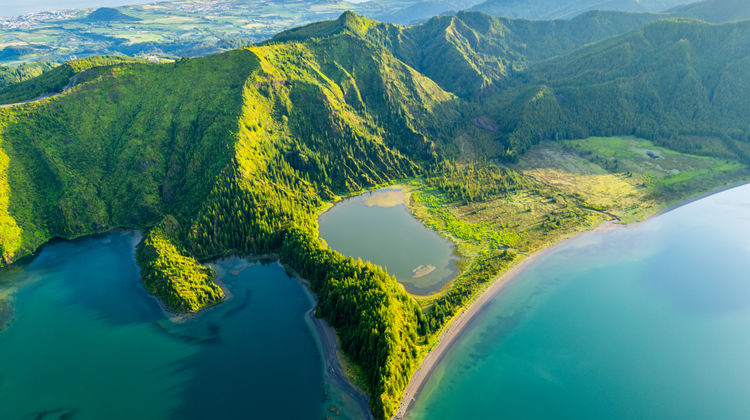
.jpg "Sete Cidades Caldera Lakes in São Miguel Island, Azores")
.jpg "Jeep tour through Cumeeiras, Sete Cidades, São Miguel Island")
.jpg "Scenic View of Tea Plantations in São Miguel, Azores")


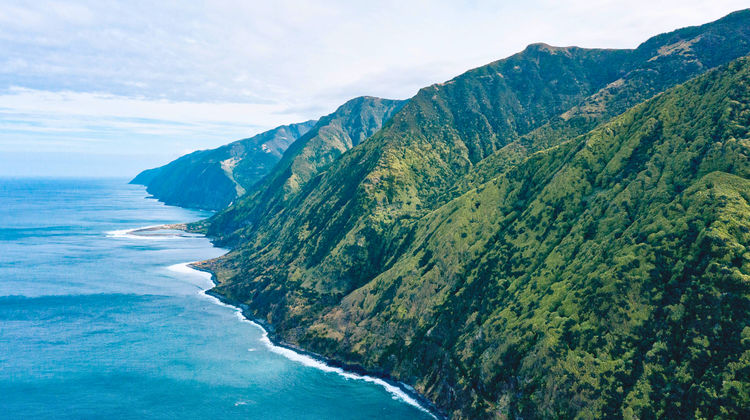
.jpg "Pico Island’s Longitudinal Road (IS1) – Scenic Drive Through the Heart of the Island")