18 September 2026 • 7 min read
The only commercial tea plantations in Europe are on the north coast of São Miguel Island. There are two: Gorreana, which has been in continuous operation since 1883, and Porto Formoso, which reopened in 2001. Both are free to visit and open to the public.
This page covers the history of tea in the Azores, what each plantation offers, and what to expect if you plan a visit during your time on the island.
Tea arrived in the Azores as an economic survival strategy. In the mid-1800s, a blight wiped out the orange plantations that had been the islands' primary export. Facing economic collapse, farmers on São Miguel experimented with alternative crops: tobacco, sweet potato, pineapple, and tea. The island's climate turned out to be exceptionally well-suited to the tea plant, with consistent humidity, mild temperatures, and volcanic-enriched soil. The same conditions that make pests a problem on most tea farms are absent here, which is why both Gorreana and Porto Formoso produce fully organic tea without using any pesticides or fungicides.
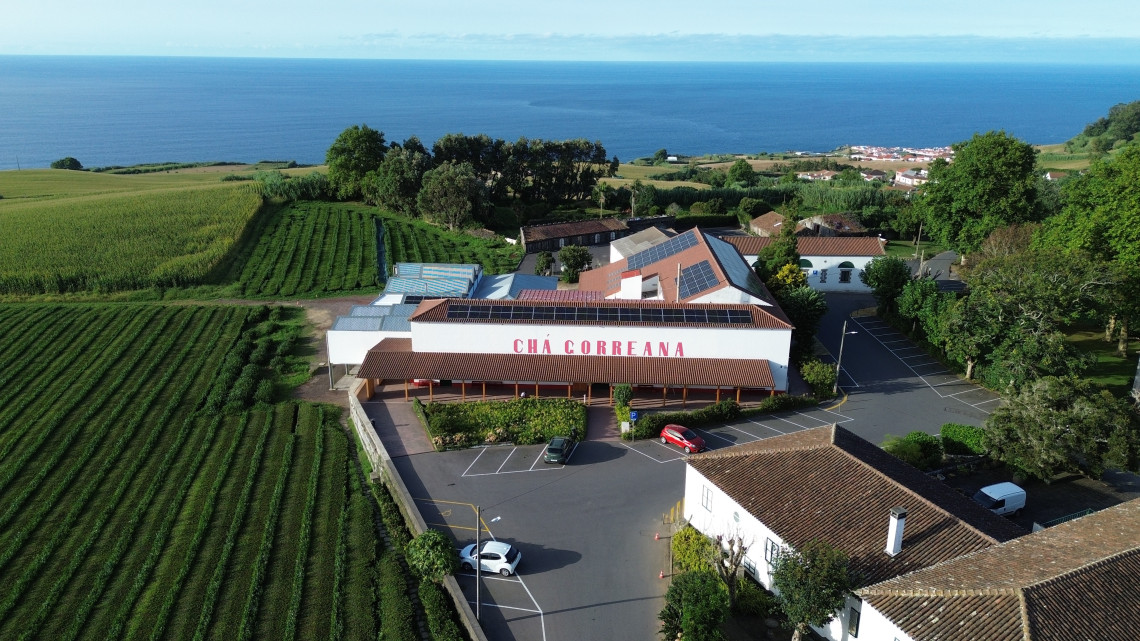
Tea production reached its peak in the 1950s. Fourteen processing factories operated across the island at that point. The combination of post-war economics and new customs protection laws introduced for Mozambican tea made export unviable for most producers. By 1966 only five factories remained, and by the 1980s, just one: Gorreana, which has never closed since it opened.
Gorreana Tea Factory
Founded in 1883 and still run by the same family, Gorreana is Europe's oldest continuously operating tea factory. The plantation covers 32 acres on a ridge above the north coast, with Atlantic views from most of the terraced fields. The factory produces roughly 33 tons of tea per year, exported primarily to mainland Portugal, Germany, the United States, Canada, and Japan.
The varieties produced are Orange Pekoe (black tea) and Hysson (green tea), both grown and processed entirely on-site. The factory uses original machinery from 1840 that is still functional and visible during visits.
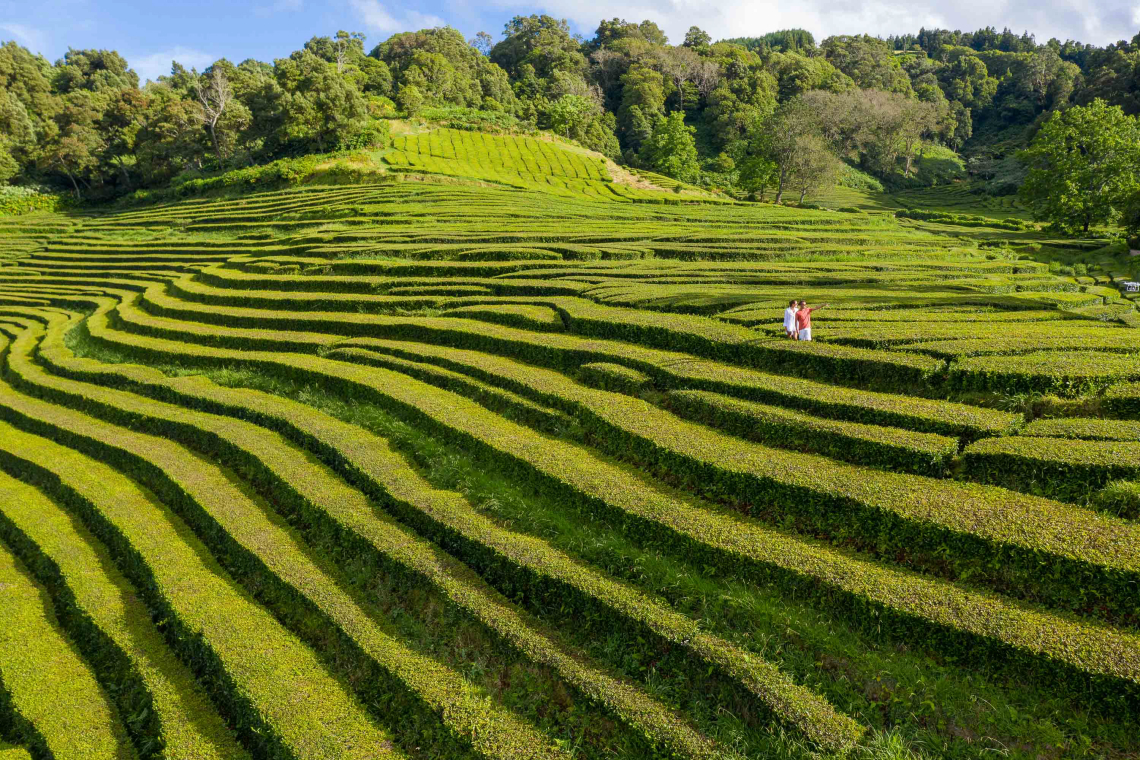
What the visit includes:
You arrive at a working farm. There is no entrance fee. A path runs through the tea terraces with views down to the coast. The factory floor is open during production hours, where you can watch the drying, rolling, and sorting process. A small museum documents the history of tea growing on the island. The visit ends at a tea room where you taste the teas at no charge.
The plantation receives a large number of visitors in peak season, particularly late morning. Arriving early in the day or in the afternoon reduces crowding.
GUIDED HIKE AT GORREANA
Walk the tea terraces and coastal trails around Gorreana with a local guide. The route covers the plantation, the surrounding laurisilva forest, and views down to the north coast.
Book the Gorreana Hike →Porto Formoso Tea Factory
Porto Formoso sits a few kilometres west of Gorreana along the same north coast road. The factory first opened in the 1920s, closed in the 1980s when ownership changed hands, and reopened in 2001 after the new owners invested in renovation. The property remains a private home, with grounds that are open to visitors during factory hours.
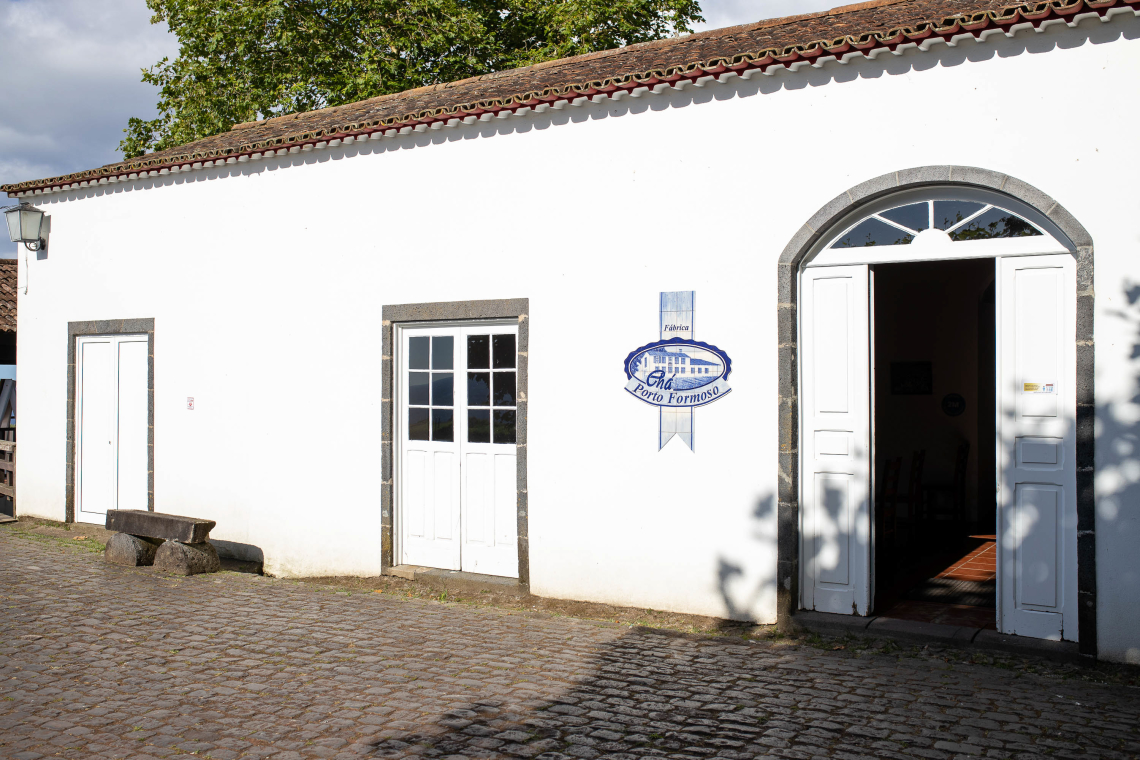
The visit is structured similarly to Gorreana: you walk the tea terraces, see the processing factory and its equipment, and finish with a complimentary cup of tea on a covered veranda overlooking the coast and the village of Porto Formoso below.
Porto Formoso produces 100% organic black tea in four varieties: Broken Leaf, Orange Pekoe, Pekoe, and Azores Home Blend. The scale of the operation is smaller than Gorreana, and the property tends to attract fewer visitors, which makes for a quieter experience.
The annual tea harvest festival: Every year on the first Saturday of May, Porto Formoso recreates a traditional harvest. Over a hundred participants dress in period clothing and pick tea by hand using straw baskets, as it was done in the 19th century. Tourists are welcome to join. If your visit falls anywhere near early May, it is worth checking whether the event is running that year.
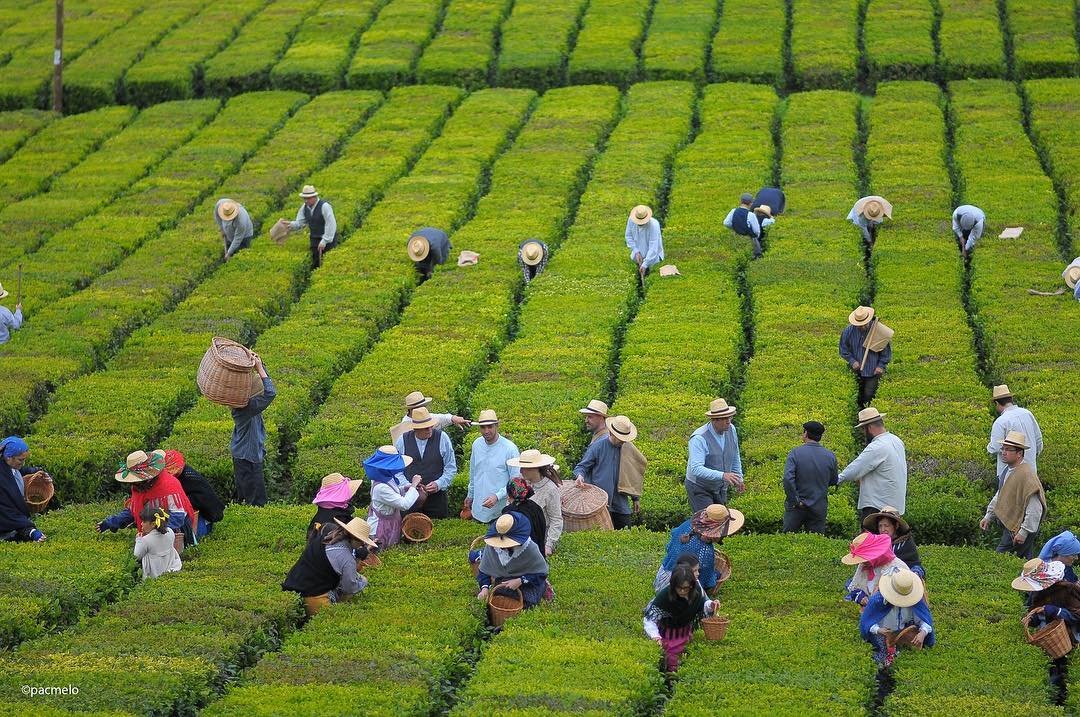
Photo courtesy of @pauloacmelo
SÃO MIGUEL VACATION PACKAGES
Packages with flights, hotel, and rental car built by local Azorean experts. The north coast road between Gorreana and Porto Formoso is easy to drive in a day alongside other island highlights.
See São Miguel Packages →Visiting Both Plantations
Both plantations are on the same north coast road (EN1-1A), roughly 4 kilometres apart. Visiting both in a half-day is straightforward by car. Neither requires advance booking for a self-guided visit.
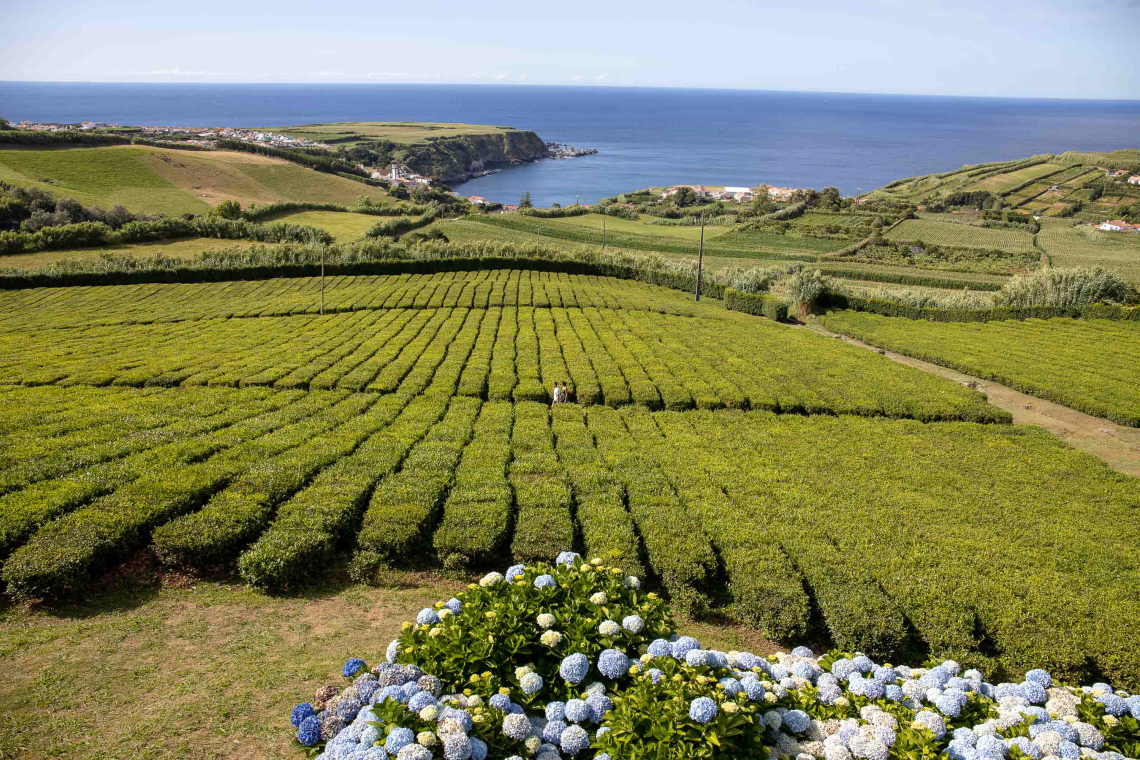
If you are driving from Ponta Delgada, the north coast road passes through Ribeira Grande and continues west. The drive takes approximately 45 minutes without stops. The road itself is scenic and worth doing slowly, with several pull-offs overlooking the coast.
Gorreana and Porto Formoso are worth combining with a stop at Caldeira Velha, a geothermal waterfall and thermal pool on the southern slope of Lagoa do Fogo, about 20 minutes east. The three together make a full north-island day with variety.
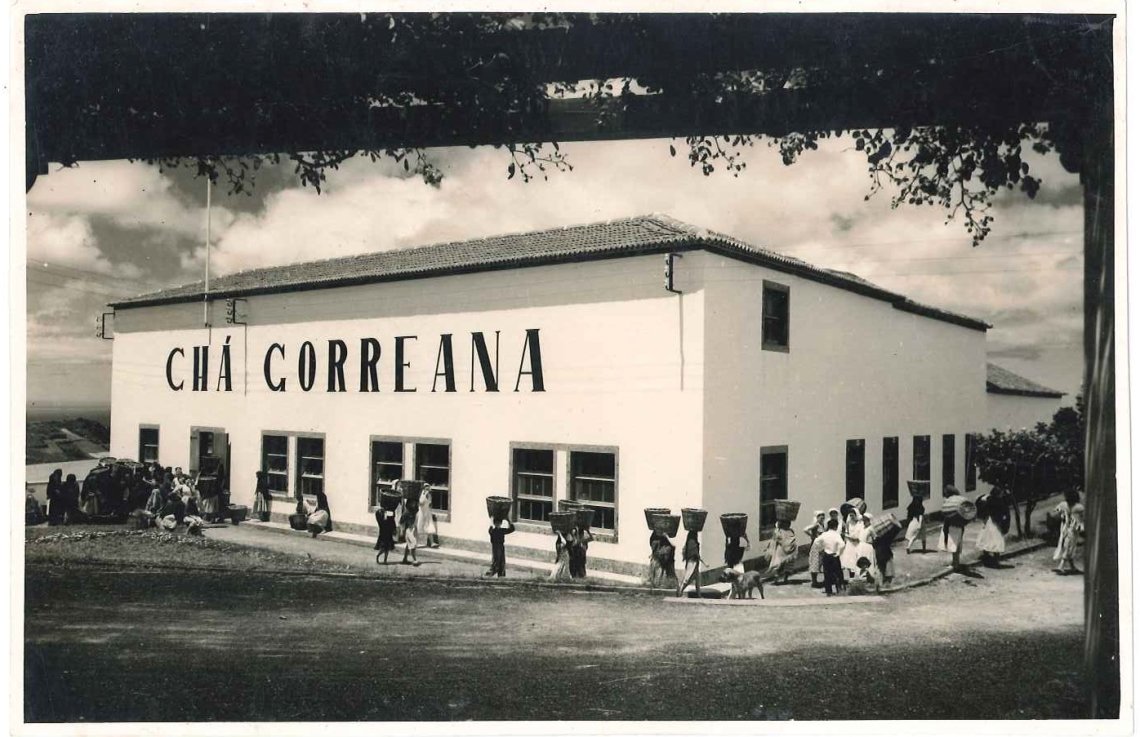
Photo courtesy of Gorreana Tea
PLAN YOUR SÃO MIGUEL ITINERARY
A local advisor can put together a full São Miguel itinerary that fits the tea plantations into a logical day alongside the north coast, Lagoa do Fogo, or Ribeira Grande.
Plan a Custom Trip →Keep Reading
Food
What to Eat in São Miguel Island, Azores
Activities
Best Tours & What to Do in São Miguel Island
Guide
Best Viewpoints in São Miguel Island
FAQ
Is it free to visit the tea plantations in São Miguel?
Yes. Both Gorreana and Porto Formoso are free to enter. The self-guided walk through the terraces, the factory visit, and the tea tasting at the end are all included at no charge. There is no booking required for a self-guided visit.
Do I need to book in advance?
Only if you want to do a guided hike at Gorreana, which requires booking through an operator. For a self-guided visit to either plantation, you simply show up during opening hours. Both are open year-round, though hours can vary in winter.
How long does a visit take?
Roughly one to two hours per plantation at a relaxed pace, including the walk through the terraces, the factory, and a cup of tea. Visiting both in a half-day is straightforward by car.
What is the difference between Gorreana and Porto Formoso?
Gorreana is larger, older (continuously open since 1883), and produces both green and black tea varieties. Porto Formoso is smaller, quieter, and produces only black tea. Both offer the same format: terraces, factory, and complimentary tasting. If you can only visit one, Gorreana has more variety and more history. If you have time for both, the combination is worth it.
Can I buy tea directly at the plantations?
Yes. Both plantations have shops on-site where you can buy their teas. Gorreana tea is also available at most supermarkets on São Miguel and across Portugal. Porto Formoso's teas are less widely distributed and are easiest to find at the plantation itself.
What time of year is best to visit?
The plantations are open year-round and the terraces are green in every season. If you want to see the tea being actively harvested and processed, the main picking season runs from May through September. The annual Porto Formoso harvest festival takes place on the first Saturday of May.