01 September 2026 • 8 min read
São Jorge is the most adventure-oriented island in the central Azores group. Its defining feature is the fajãs (coastal plateaus accessible only by foot or a narrow track), which concentrate surf, snorkeling, hiking, and kayaking in one stretch of coastline. The island also has canyoning, coasteering, volcanic geology tours, and the only coffee plantation in Europe.
Most outdoor activities on São Jorge require either a guided tour or a rental car. The island is narrow but long (55 km), and the terrain is steep enough that driving takes longer than the distances suggest.
1. Full-Day Tours in São Jorge Island
São Jorge is hilly enough that navigating it by car for the first time takes real attention, particularly on the north coast roads down to the fajãs. A full-day guided tour removes that friction entirely and covers more ground than most self-drive visitors manage. Tours typically include the main fajãs, Ponta dos Rosais, a stop for São Jorge cheese, and either Velas or Calheta for lunch.
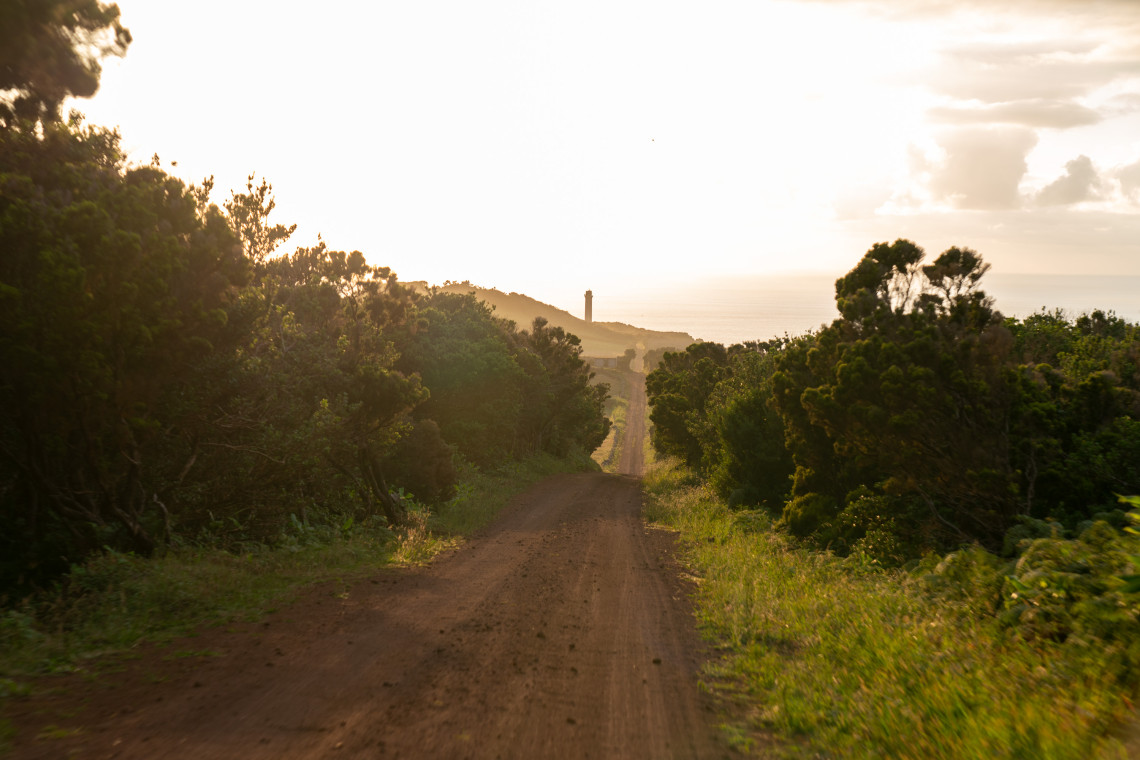
If it is your first time on the island and you have only one or two days, a guided full-day tour is the most efficient way to see the highlights without spending half the day studying maps.
FULL-DAY TOURS
Browse guided full-day tours of São Jorge Island, with local guides and small groups.
See São Jorge Tours →2. Hiking in São Jorge Island
The most famous hike on São Jorge connects Fajã dos Cubres to Fajã da Caldeira de Santo Cristo along the north coast. This trail is accessible only on foot or by motorbike, passes through a narrow coastal path above the ocean, and ends at one of the most isolated and visually striking places in the Azores. The clam lagoon at Santo Cristo, reachable only this way, is the payoff.
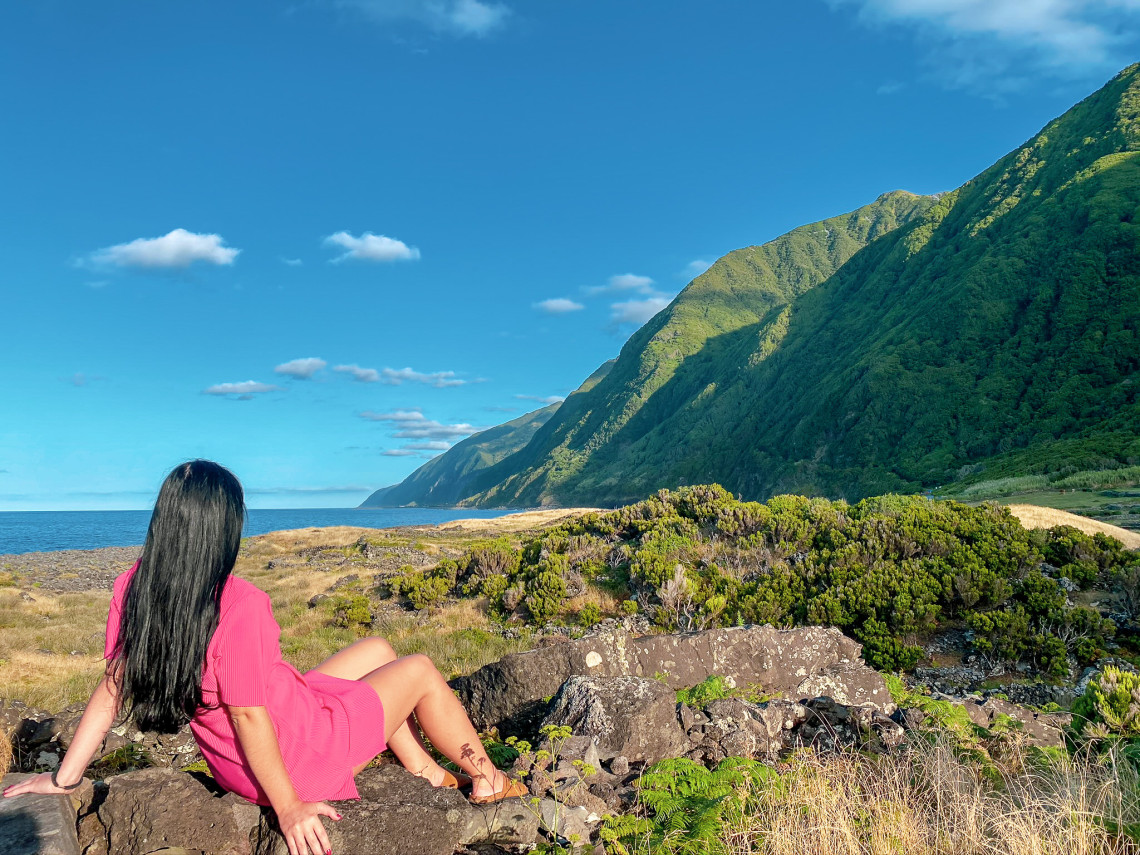
Beyond this signature route, there are trails to Pico da Esperança (the island's highest point at 1,053 m), coastal paths on the south side, and fajã-to-fajã connections on the north coast.
3. Canyoning in São Jorge Island
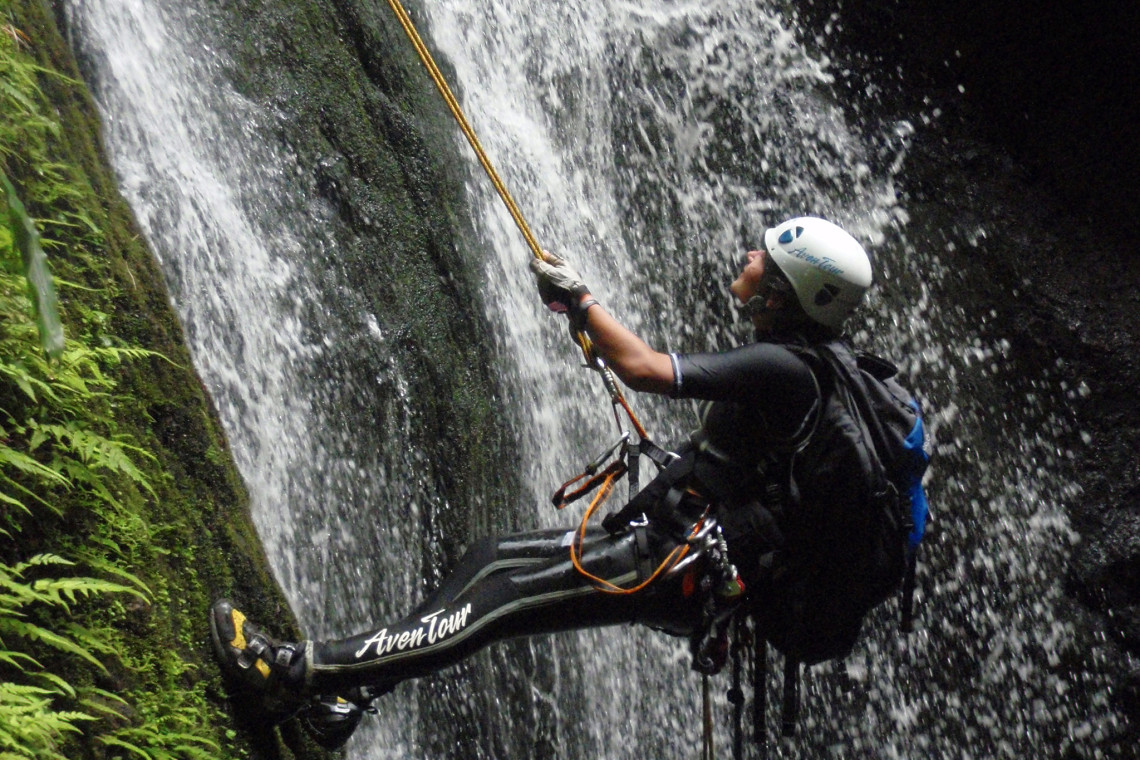
São Jorge's hidden waterfalls and narrow canyon systems make it one of the better canyoning locations in the Azores. The terrain drops fast from the central ridge to the coast, creating the kind of slot canyons and waterfall rappels that canyoning depends on. There are routes adapted for beginners, and for the more experienced, night canyoning is offered by some local operators with full safety equipment.
4. Coasteering in São Jorge Island
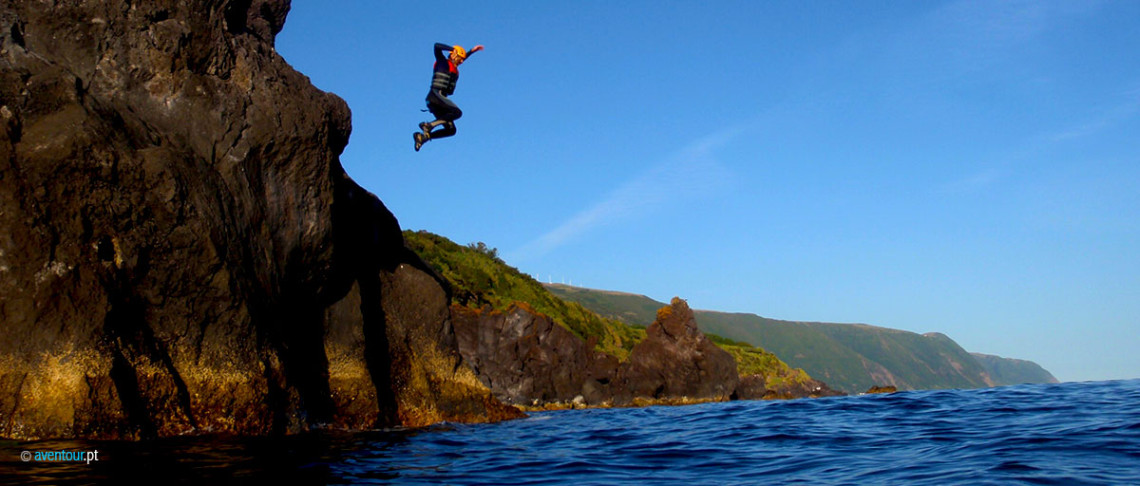
Coasteering involves traversing a rocky coastline at water level: swimming, scrambling over volcanic rock, jumping from ledges, and sometimes ziplining or abseiling in sections. São Jorge's coastline is particularly suited to this, with sea stacks, sea caves, and clear water at the base of the cliffs. Most tours run out of Velas and last a half day.
5. Surfing in São Jorge Island
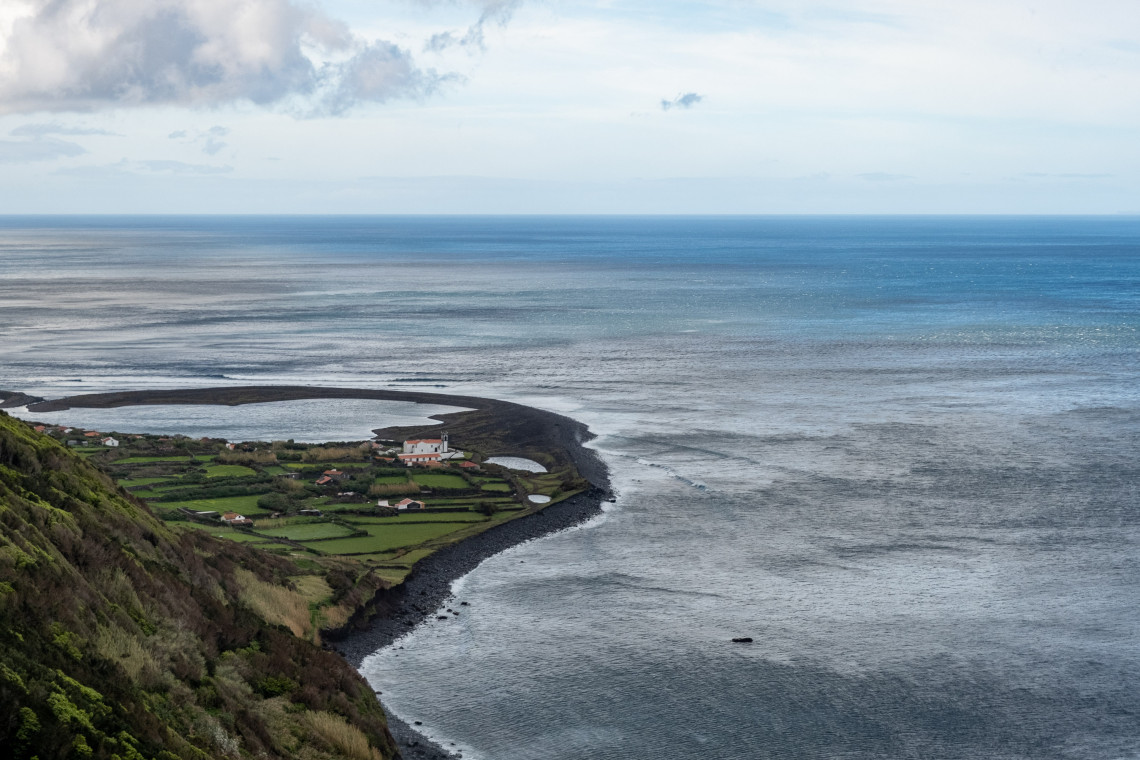
The fajãs on the north coast of São Jorge, particularly Fajã de Santo Cristo, produce consistent waves that have attracted a small but devoted surf community. The beach break at Santo Cristo is unusual for the Azores: it's accessible only on foot or motorbike, which keeps the crowds down, and the waves are reliable enough to have put the fajã on the map among surfers who know the islands well.
6. Kayaking in São Jorge Island
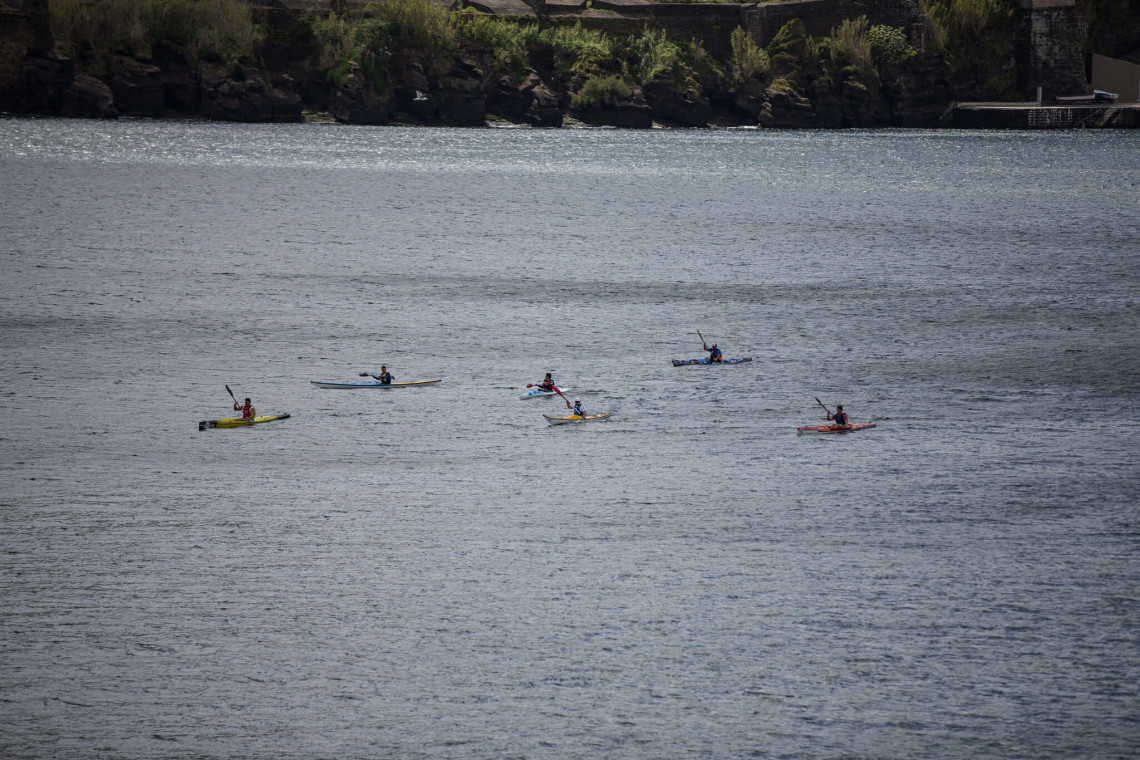
Ribeira Seca and Fajã dos Vimes are the main kayaking areas on the south coast. Both offer calm water close to shore with the backdrop of the island's cliffs and vegetation. For paddlers who want more challenge, the north coast provides a longer and more exposed route between fajãs that experienced guides lead as half-day excursions.
7. Visit the Coffee Plantation at Fajã dos Vimes
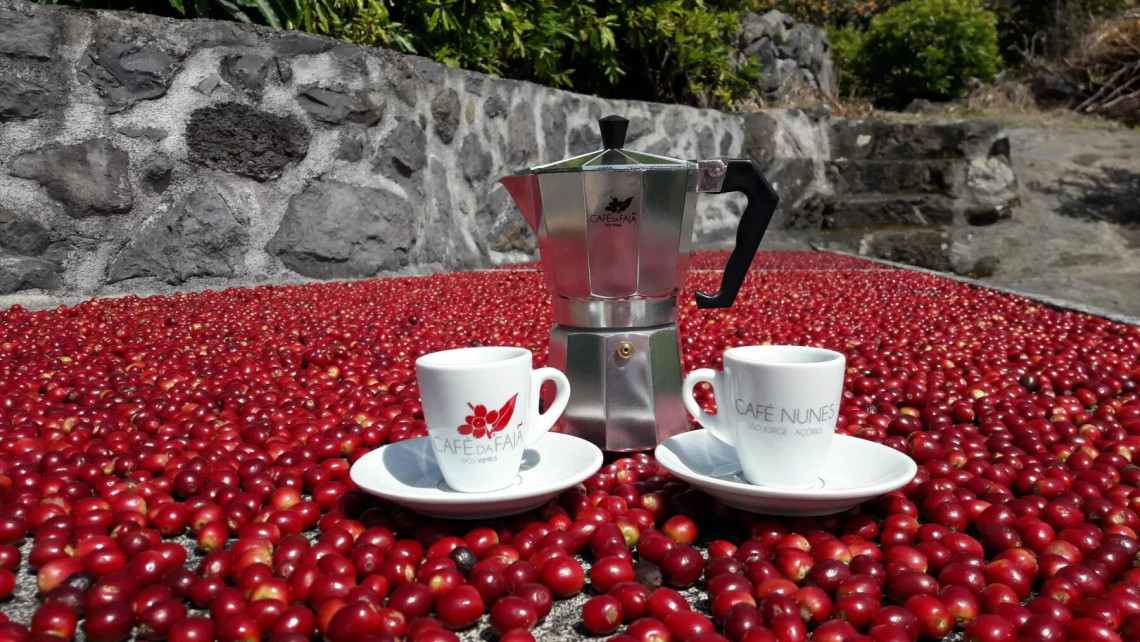
Café Nunes at Fajã dos Vimes is the only commercial coffee plantation in Europe, growing Coffea arabica on a small fajã on São Jorge's south coast. The microclimate in the fajã is warm and sheltered enough to support the plantation, something that would be impossible on the island's main terrain. The café roasts and serves its own coffee on site.
It is a short walk down to the fajã from the road above, and the setting is quiet enough that most visitors make an afternoon of it. The coffee is genuinely good, which is not the point entirely but worth saying.
8. Explore Velas
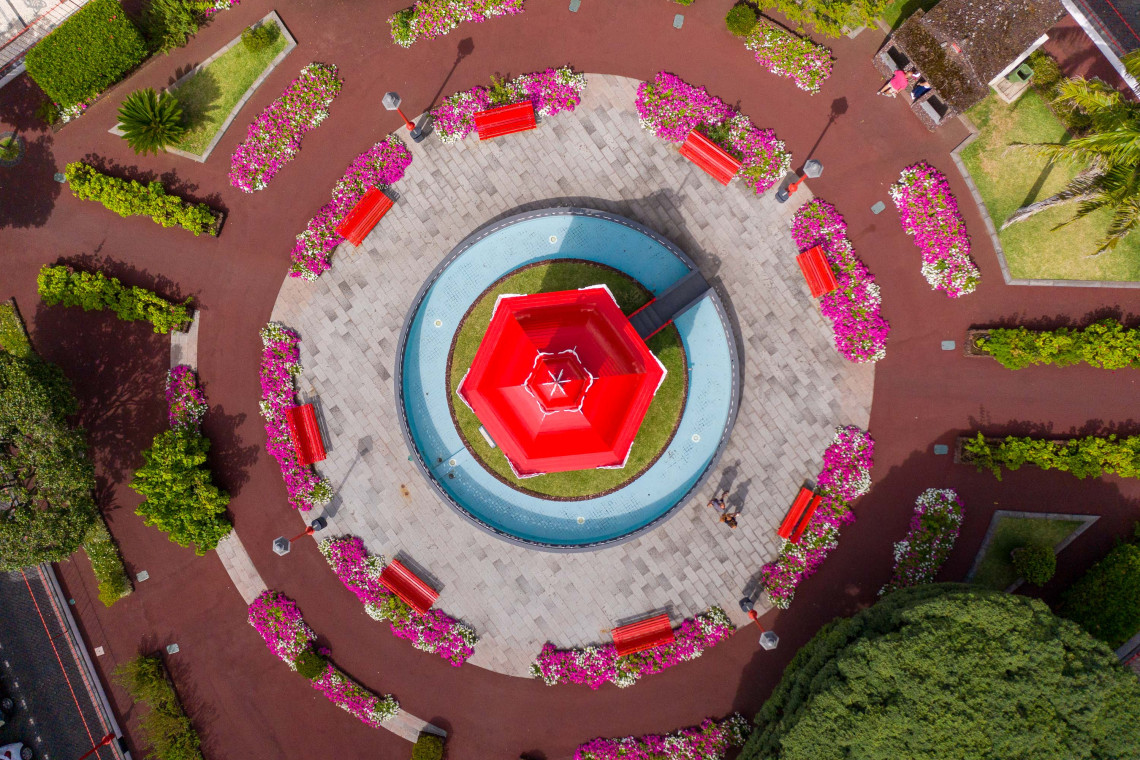
Velas is a small town but a complete one: it has a port, restaurants, cafés, the Jardim da República, and a historic center with the kind of quiet streets that are easy to spend a morning in. The viewpoint from the waterfront puts Mount Pico directly across the channel, and on clear days the view extends to Faial as well.
Most of the island's dining and nightlife is concentrated here. The natural pools just outside town are among the best on the island.
9. Snorkeling in São Jorge Island
The clear water around São Jorge's fajãs and rocky headlands supports a variety of marine life, including moray eels, parrotfish, and octopus visible from the surface in shallow water. The best conditions for snorkeling are on the south coast in calm weather, particularly around the natural pools near Velas and in the sheltered coves below the fajãs.
Local operators offer guided snorkeling sessions that include wetsuit hire, fins, and escort by an underwater guide who knows where the marine life concentrates.
10. Boat Tours in the Urzelina Sea Caves
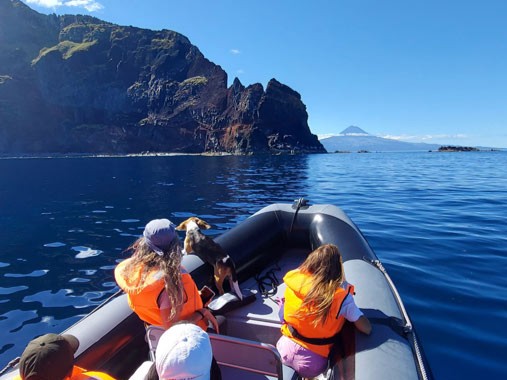
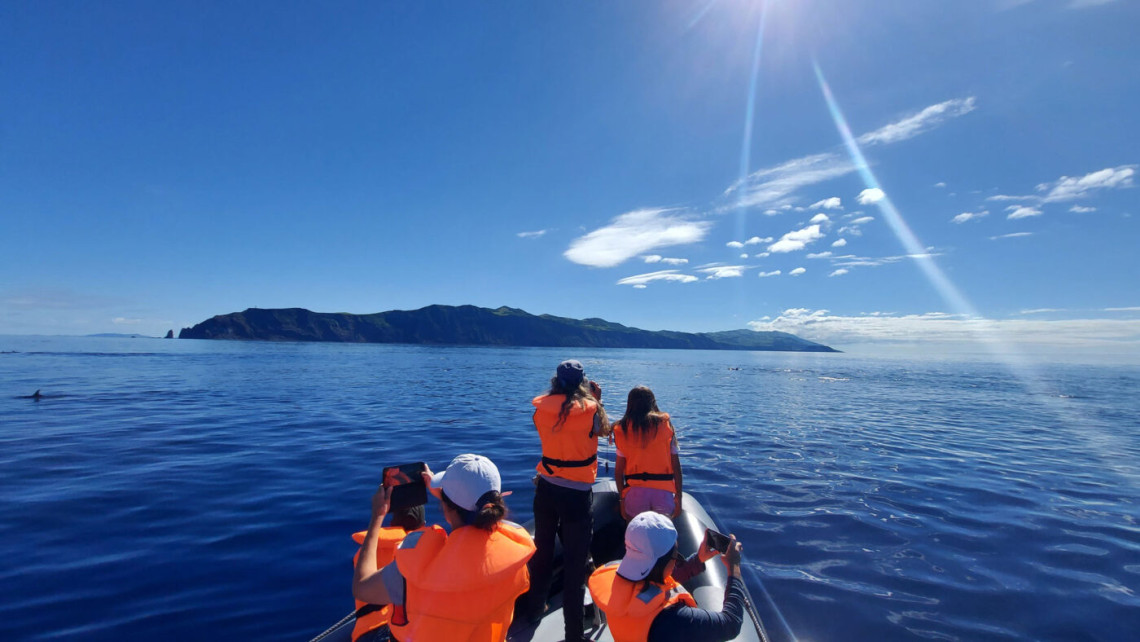
The 1808 volcanic eruption near Urzelina buried the surrounding village and extended lava into the sea, forming coastal formations that include sea caves and submerged arches accessible by boat. Guided boat tours from Urzelina follow the coastline and enter the caves where the water is calm enough, giving access to sections of the coast that are not reachable by land. The geological context is explained during the tour: this part of São Jorge is one of the more recent volcanic landscapes in the Azores.
⛵ BOAT TOURS
Book your boat tour adventure through the coastal caves and volcanic formations of São Jorge.
Book a Boat Tour →11. Volcanic Geology Tour
São Jorge was formed by fissure volcanism, which means its lava flowed from elongated fissures rather than a central cone, producing the ridge-and-fajã landscape that defines the island. A geology tour starts at Ponta dos Rosais on the western tip, where the cliffs expose layered volcanic deposits and the remains of an old lighthouse, then moves through Santo Amaro toward the central volcanic cordillera.
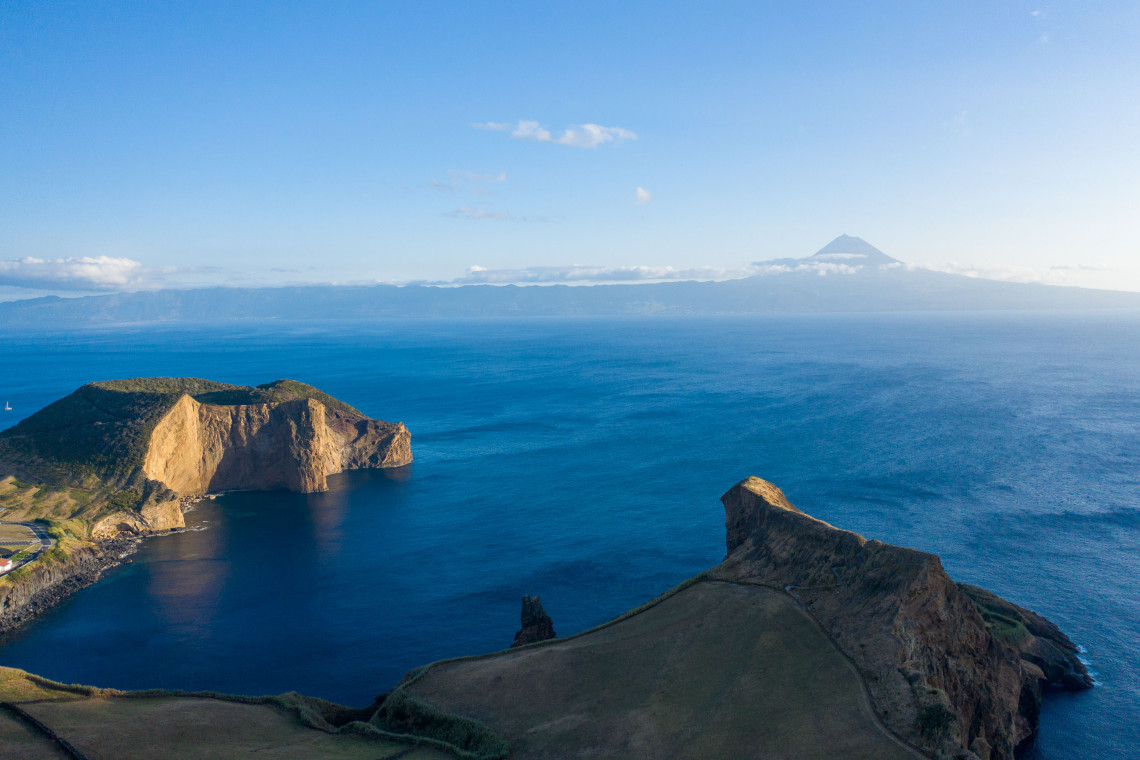
The island is part of the Azores Geopark, and guides on these tours connect the landscape features to the island's formation, the 1808 Urzelina eruption, and the ongoing seismic activity that the Azores still experiences.
São Jorge Island Vacation Packages
Flights, accommodation, and car hire arranged together. São Jorge pairs well with São Miguel for a 6-night trip, or with Faial and Pico for the Triangle Islands circuit.
Keep reading
Frequently Asked Questions
What is the best activity on São Jorge Island?
Hiking to Fajã da Caldeira de Santo Cristo is the most distinctive experience the island offers. The trail is only accessible on foot or by motorbike, the setting is remote and dramatic, and the clam lagoon at the end is unlike anything else in the Azores. After that, the fajã surf and the coffee plantation at Fajã dos Vimes are the most specific-to-São-Jorge activities.
Do you need a guided tour to do activities on São Jorge?
Not for most activities. Hiking, visiting Velas, and driving the island are all manageable independently with a rental car. Canyoning, coasteering, boat tours, and snorkeling tours are best done with a local operator for safety and logistics reasons. Surf lessons also require an instructor for beginners.
Is São Jorge good for beginners or more experienced adventurers?
Both. The fajã hikes are accessible to anyone with reasonable fitness. Surf, canyoning, and coasteering operators offer beginner-level sessions. The more advanced options (multi-hour north coast kayaking, experienced surf at Santo Cristo) are there if you want them, but they are not the default.
When is the best time to visit São Jorge for outdoor activities?
May, June, September, and early October are the best months. The weather is warm and settled, and conditions for hiking, water sports, and boat tours are generally reliable. July and August are the busiest months; the island stays manageable but accommodation books up early.
How do I get from one end of São Jorge to the other?
A rental car is the practical option. The island is 55 km long and has no public transit that connects the full length. The road along the south coast (EN1-1A) is straightforward; the north coast roads down to the fajãs are narrower and require more care.
Is whale watching possible from São Jorge?
Yes. The channel between São Jorge, Pico, and Faial is one of the best whale watching areas in the Azores, with sperm whales resident year-round and several migratory species passing through in spring. Whale watching tours typically depart from Velas and run 2 to 3 hours.