24 August 2026 • 8 min read
Pico Island sits in the mid-Atlantic on the migration routes of more than 20 cetacean species. Sperm whales are resident year-round. Blue whales, fin whales, and sei whales pass through in spring. Dolphins are present in the waters throughout the season. Tours depart from Lajes do Pico and Madalena.
Best season: March to October | Sperm whales: Year-round | Tour duration: 2.5 to 3 hours | Departures: Lajes do Pico, Madalena
Why Pico Island for Whale Watching
Pico Island was one of the last places in Europe to hunt sperm whales. For over a century, whalers based in Lajes do Pico and other coastal towns tracked and harpooned sperm whales from small open boats using techniques brought over from New England. The Azores ended whaling in 1984, one of the last regions in the world to do so.
What the whaling industry left behind turned out to be invaluable for wildlife tourism. The same network of clifftop lookout posts (vigias) that whalers used to spot blows from land are now operated by marine biologists and tour guides. Instead of signaling boats to chase and kill, the vigias radio GPS coordinates to tour vessels so passengers can observe. The conversion from hunting to watching was nearly seamless.
The waters off Pico are deep, cold, and nutrient-rich. The mid-Atlantic ridge runs close to the island, creating upwellings that feed enormous populations of squid, the primary food source for sperm whales. This is why sperm whales have never really left: the food supply that made Pico a whaling capital is the same reason they congregate here today.

What You Might See
Sperm Whales
Sperm whales (Physeter macrocephalus) are the signature species. They are present in the waters around Pico throughout the year, making the Azores one of very few places in the world where year-round encounters with them are realistic. The adult males you're most likely to encounter off Pico are some of the largest animals on the planet; males can reach 18 meters in length.
Tour operators use hydrophones to detect sperm whales before the boat reaches them. Sperm whales echolocate constantly while hunting squid at depth, producing a distinctive series of clicks that travel long distances underwater. When the guide picks up clicks on the hydrophone, they know a whale is nearby and approximately where it will surface.
Large Migratory Whales
Blue whales, fin whales, and sei whales pass through the Azores primarily in spring, between March and June, as they migrate north from tropical Atlantic wintering grounds. Blue whales are the largest animals that have ever lived, and seeing one is a genuinely rare experience that the Azores delivers more reliably than almost anywhere else in the North Atlantic.
These species do not linger: they are typically seen en route and encounters can be brief. March to May is the most reliable window for blue and fin whales specifically.
Dolphins
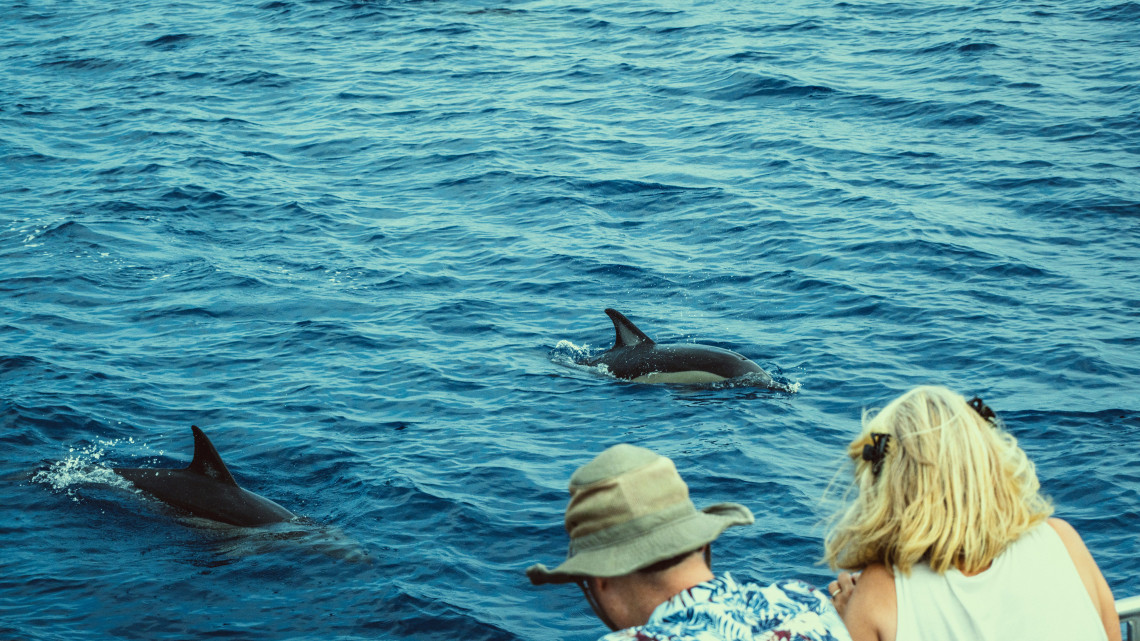
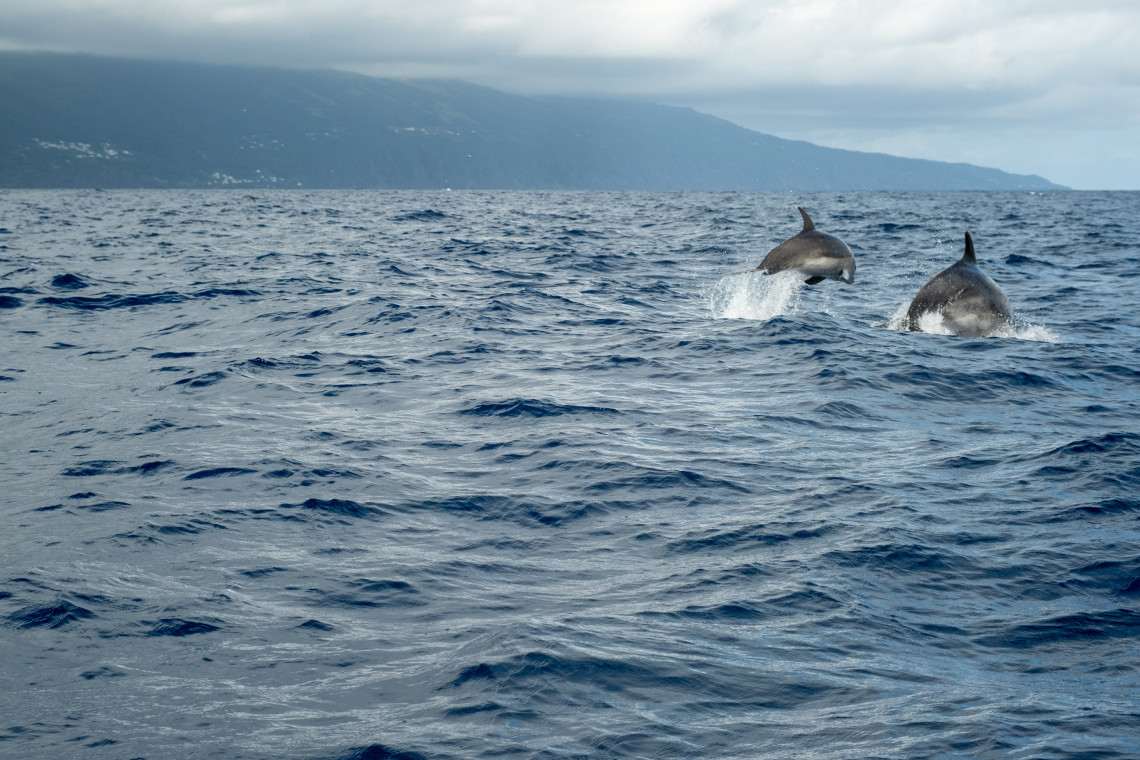
Multiple dolphin species are present around Pico throughout the season. Common dolphins are the most frequently encountered and are often seen in large groups. Striped dolphins and bottlenose dolphins are also regularly spotted. Risso's dolphins appear less frequently but are distinctive for their scarred grey skin.
BOOK A WHALE WATCHING TOUR
Browse certified whale watching tours from Lajes do Pico and Madalena, led by marine biologists and certified guides.
View Whale Watching Tours →Best Time of Year
March to May is the best window if seeing large migratory whales (blue, fin, sei) is a priority. These species pass through on their northward migration. Sperm whales are also present. Sea conditions in spring can be rougher than summer.
June to September is peak season overall. Sperm whales are highly active, dolphin sightings are frequent, and sea conditions are at their most stable. Water temperatures are warmest (22–25°C) and the weather is most reliable. This is the window most visitors plan around.
October remains productive for sperm whales and some dolphin species. As the season closes, boats go out less frequently and some operators wind down.
November to February is the off-season for most tour operators. Some do run winter tours, primarily targeting sperm whales, which are present year-round. Conditions are unpredictable and sightings less reliable outside the main season.
How Tours Work
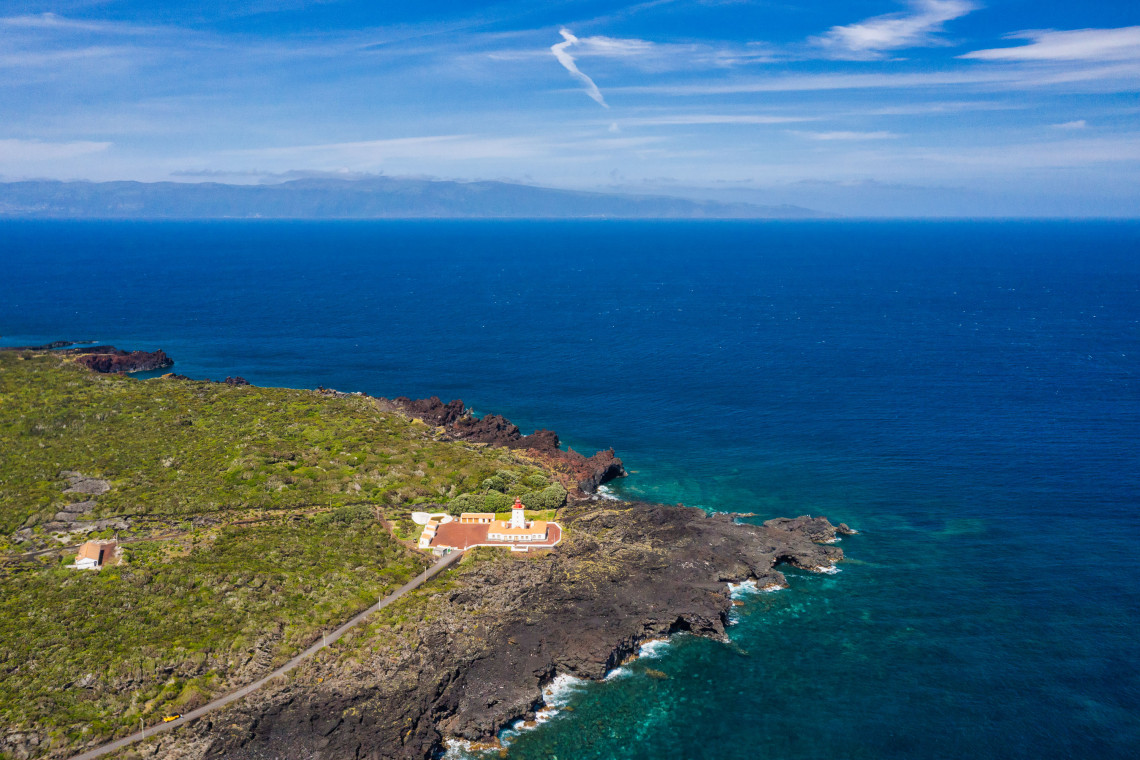
The system that makes Pico whale watching so effective is the vigia network. Before any boat leaves the dock, observers in the clifftop lookout posts scan the horizon for blows. A sperm whale exhales through a single blowhole located on the front-left of its head, producing a distinctive angled spout visible from several kilometers away. When a vigia spots a blow, they radio the GPS position to the tour boat.
Once on the water, the guide lowers a hydrophone to listen for the whale's echolocation clicks. Sperm whales dive to depths of up to 1,000 meters to hunt squid and can stay submerged for 45 to 90 minutes. The guide tracks the whale's position based on the click patterns and positions the boat at the expected surfacing point.
Most tours use rigid inflatable boats (zodiacs), which are faster and allow the captain to position precisely. Some operators offer larger sailboats or catamarans for a more comfortable experience at the cost of some flexibility. Tour operators follow strict regulations: minimum approach distances must be maintained, and the boat is required to slow to idle speed near whales. The rules exist to protect the animals and, in practice, result in quieter, more naturalistic encounters.
A typical tour runs between 2.5 and 3 hours. Most operators run morning and afternoon departures.
Departures: Lajes do Pico and Madalena
Lajes do Pico, on the southern coast, is the island's traditional whale watching hub. This was the center of the old whaling industry, and the town's Museu dos Baleeiros (Whalers' Museum) documents that history in detail. Most of the island's established whale watching operators are based here. The waters off the south coast are deep and close to the mid-Atlantic ridge.
Madalena, on the western coast, is the main port and the entry point for visitors arriving by ferry from Faial. Several operators depart from Madalena, making this a convenient option if you're staying in the western part of the island or doing a day trip from Faial.
Both locations offer comparable quality. The choice usually comes down to where you're based during your stay.
Practical Tips
Book in advance. In July and August, tours fill up several days ahead. If you're visiting in peak season and whale watching is a priority, book before you arrive.
Sea conditions can cancel tours. Trips are occasionally cancelled due to wind or swell. Operators typically offer a rebooking or refund if a trip doesn't go ahead. If you have a fixed departure date, build in a spare day if possible.
Seasickness is real. Open-water conditions in the Atlantic can be unpredictable even in summer. If you're susceptible to motion sickness, take medication before you board. This is worth doing even if you've never had issues on ferries.
Dress in layers. Even in August, the boat moves fast and the Atlantic wind is cold once you're offshore. Bring a windproof layer regardless of how warm it is on land.
Marine biologist guides. The better operators on Pico have marine biologists on board who explain what you're seeing in real time. If the nature context matters to you, look for this when booking.
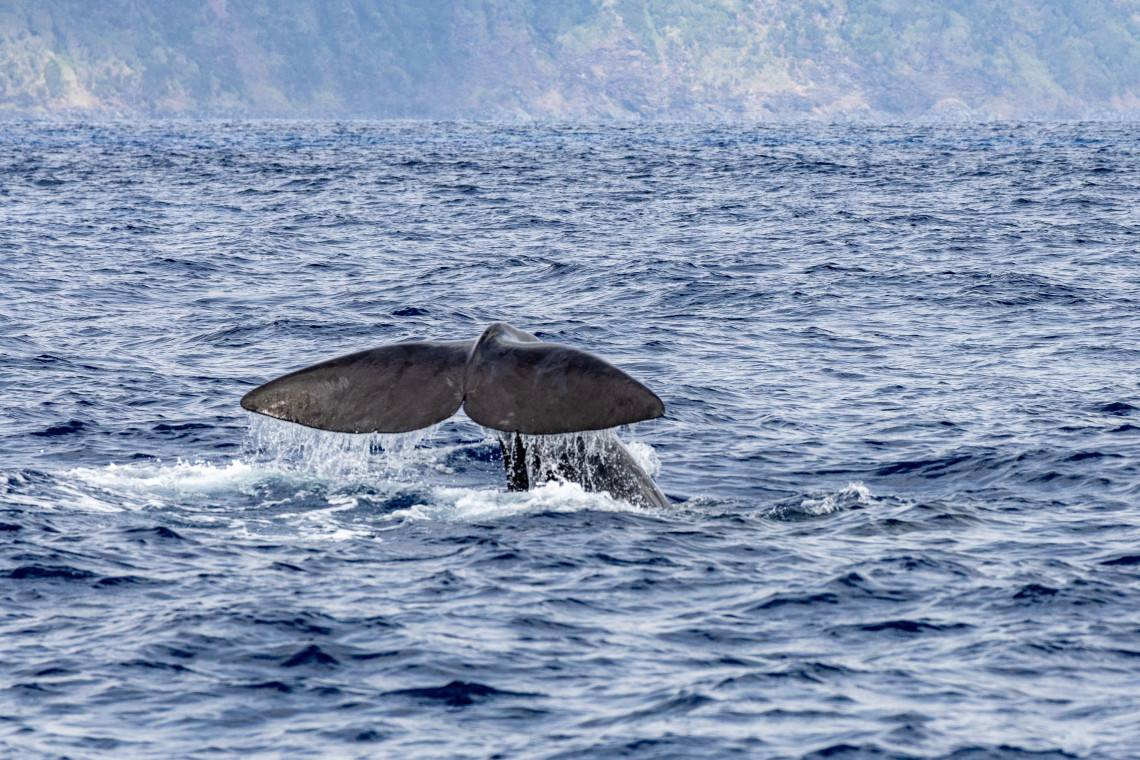
Photography. Sperm whale flukes are visible when the animal begins a deep dive. This is the classic shot. The whale typically raises its tail for a few seconds before descending. Having a camera ready during this window pays off.
Plan Your Pico Island Trip
Combine whale watching with Pico Mountain, the UNESCO vineyard coast, and the lava tube at Gruta das Torres. Our local team can build an itinerary around your dates.
Keep reading
Frequently Asked Questions
Are there whale watching tours on Pico Island year-round?
Most tour operators run from March through October. Some offer winter tours targeting sperm whales, which are resident year-round, but departures are less frequent and conditions less predictable outside the main season. If you're visiting between November and February, check availability with operators directly before planning around it.
What is the best time of year to see whales in Pico Island?
June to September is the most reliable period overall, with stable sea conditions and high sperm whale activity. March to May is the best window for large migratory species, particularly blue whales and fin whales, which pass through on their northward migration. Sperm whales can be seen in any month.
What species can you see on a whale watching tour from Pico Island?
Sperm whales are the most commonly sighted large whale and are present year-round. Blue whales, fin whales, and sei whales pass through during the spring migration. Dolphin species regularly seen include common dolphins, striped dolphins, bottlenose dolphins, and Risso's dolphins. The total number of cetacean species recorded in Azorean waters exceeds 20.
How long does a whale watching tour from Pico Island last?
Most tours last between 2.5 and 3 hours. Some operators offer shorter tours and others offer extended full-day trips. Check the duration when booking, as this varies by operator and departure point.
Where do whale watching tours depart from on Pico Island?
Tours depart from two main locations: Lajes do Pico on the southern coast (the island's traditional whale watching base) and Madalena on the western coast (the main ferry port). Both offer comparable experiences. The choice usually depends on where you are staying.
Can whale watching tours be cancelled?
Yes. Tours can be cancelled due to adverse sea conditions. Reputable operators will offer a rebooking or refund when this happens. If you have a fixed departure date and whale watching is a priority, building a spare day into your itinerary is worth doing, especially outside of peak summer months.
Is Pico Island good for whale watching compared to other Azores islands?
Pico Island is widely considered the best base for whale watching in the Azores, primarily because of the depth and productivity of the waters off the south coast and the long-established infrastructure of the vigia system. São Miguel also has whale watching operators, but Pico's combination of deep water proximity, resident sperm whales, and experienced local operators makes it the stronger choice for serious cetacean sightings.