October 2026 • 9 min read
The Azores offer three things birders cannot find elsewhere: the Priolo, or Azores bullfinch, found only in the laurel forest of eastern São Miguel; some of the Atlantic's most important seabird colonies, including Cory's shearwater, roseate tern and the endemic Monteiro's storm petrel; and, every October, the best place in Europe to see North American vagrants, on the tiny western island of Corvo. More than 400 species have been recorded on nine islands with a resident list of only a few dozen.
Go to São Miguel any time of year for the endemics, Graciosa and the islets from May to September for seabirds, and Corvo or Flores from late September to early November for vagrants. The sites, the species and the logistics are below.
Why the Azores Are a Birding Destination
Nine volcanic islands 1,400 km out in the Atlantic, with no land for 1,900 km to the west, behave like a giant net. Resident species are few, which keeps the local list short and the endemics precious, but anything blown off course by an Atlantic depression ends up here, and the islands sit on the migration routes of both European and North American birds. The result is a recorded list of over 400 species, among the highest for any Atlantic archipelago, and a birding calendar with three distinct seasons.
The Azores have three endemic species. The Azores bullfinch (Priolo, Pyrrhula murina) lives only in about 2,000 hectares of laurel forest on São Miguel. The Azores chaffinch (Fringilla moreletti), recently recognised as a full species, is common on every island. Monteiro's storm petrel (Hydrobates monteiroi), described as a new species only in 2008, breeds on islets off Graciosa and nowhere else on earth. Add a dozen endemic subspecies, from the Azores woodpigeon and buzzard to the local goldcrest, and the islands reward even a casual list.
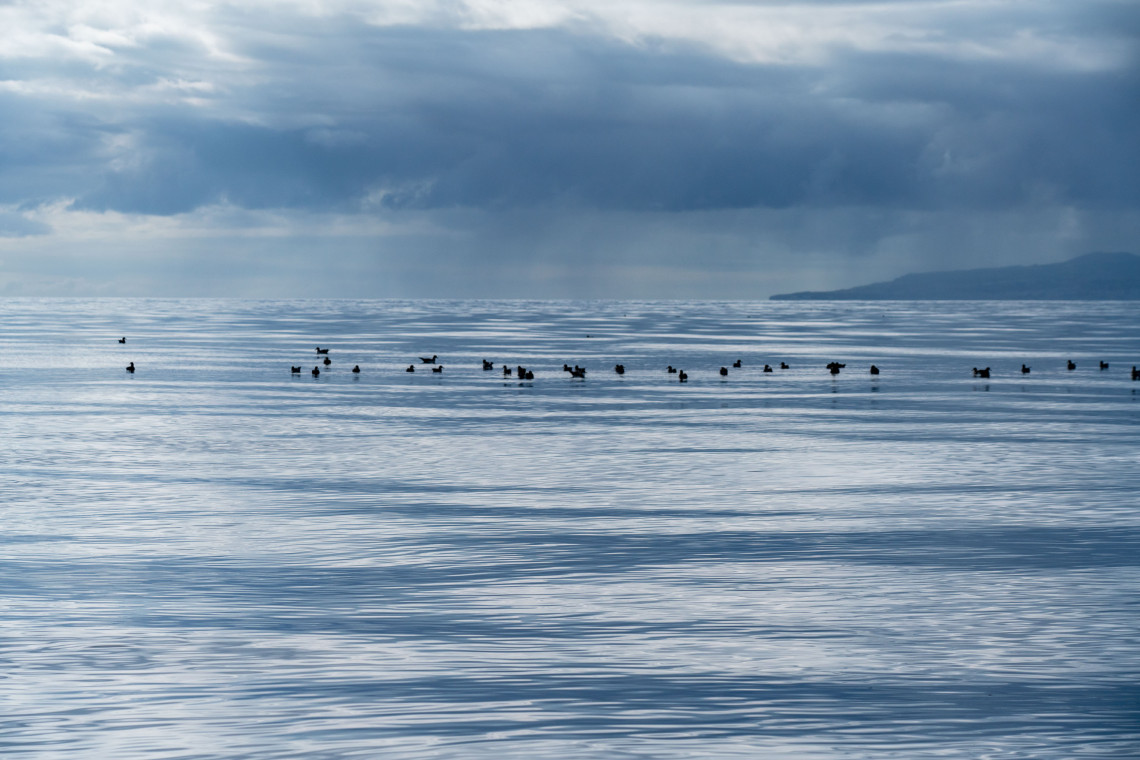
The Priolo: Europe's Rarest Finch, Recovered
The Priolo is the bird people cross the Atlantic for. A grey-brown bullfinch without the red breast of its European cousin, it survives only in the Serra da Tronqueira and Pico da Vara range in the Nordeste of São Miguel, where the native laurel forest holds the fruits and buds it feeds on through the year. In the early 1990s the population had fallen to around 100 pairs and the species was listed as Critically Endangered, the most threatened passerine in Europe. Two decades of habitat restoration by SPEA, the Portuguese bird society, funded by EU LIFE projects, cleared invasive Australian cheesewood and Chilean rhubarb, planted over half a million native trees and brought the population to around 1,300 birds. The IUCN downlisted it to Endangered in 2010 and Vulnerable in 2016.
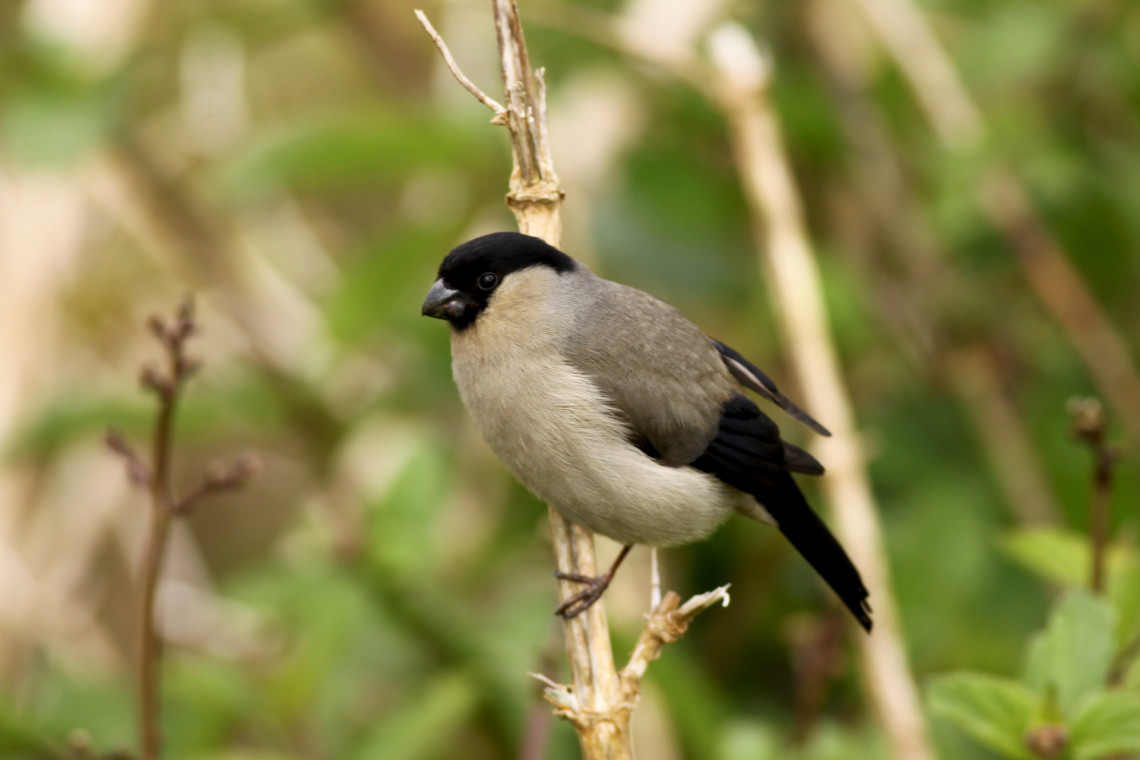
To see it, drive to the Nordeste and walk the Serra da Tronqueira road or the trails around Pico da Vara at first light; the birds move quietly through the canopy and are found by their soft call. The Priolo Environmental Centre at Cancela do Cinzeiro, run by SPEA, has maps, recent sightings and a boardwalk through restored forest, and guided Priolo walks run from Nordeste. Spring and early summer are easiest, but the bird is resident and can be found in any month with patience.
NORDESTE AND THE PRIOLO FOREST
A private full-day tour of Furnas, the tea plantations and the Nordeste, through the Priolo's laurel forest, with time to stop and watch.
Book the Nordeste tour →Seabirds: Shearwaters, Terns and a Storm Petrel of Their Own
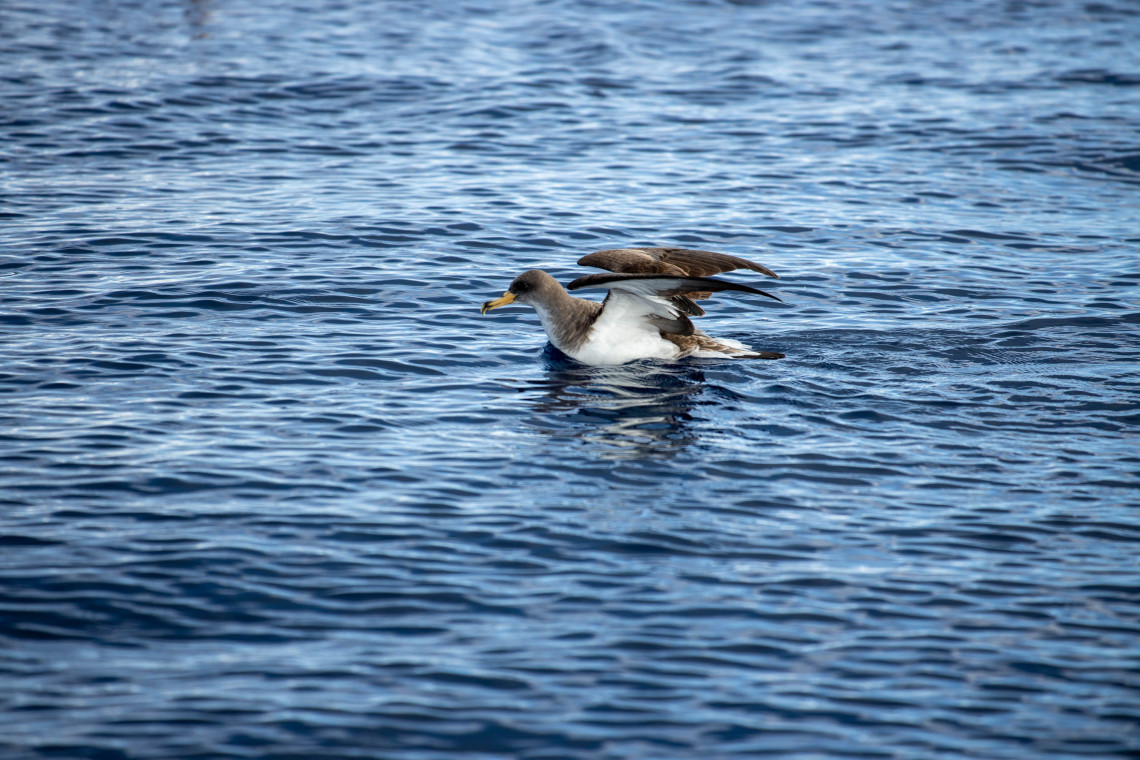
The sound of the Azores at night from April to October is the wailing of Cory's shearwaters coming back to their burrows after dark. The archipelago holds one of the largest breeding populations of the species in the world, on cliffs and islets around every island, and you will hear them from any coastal hotel. Roseate terns, among Europe's rarest breeding seabirds, nest on islets such as the Ilhéu da Praia off Graciosa and the Ilhéu de Vila Franca off São Miguel alongside common terns, and the Azores hold a large share of the European population. Barolo shearwaters, Bulwer's petrels, Madeiran storm petrels and the endemic Monteiro's storm petrel complete the breeding list; Monteiro's nests in summer on the Graciosa islets, while its near-identical cousin uses the same burrows in winter.
The way to see the pelagic species is from a boat. Whale watching trips out of Ponta Delgada, Lajes do Pico and Horta double as seabird trips, with Cory's, sooty and great shearwaters, Wilson's storm petrels and skuas around the boat; dedicated pelagic birding charters run from Graciosa and Pico in late summer. Many islets are protected and landing is prohibited, but boats circle them.
Corvo and Flores in Autumn: America's Birds in Europe
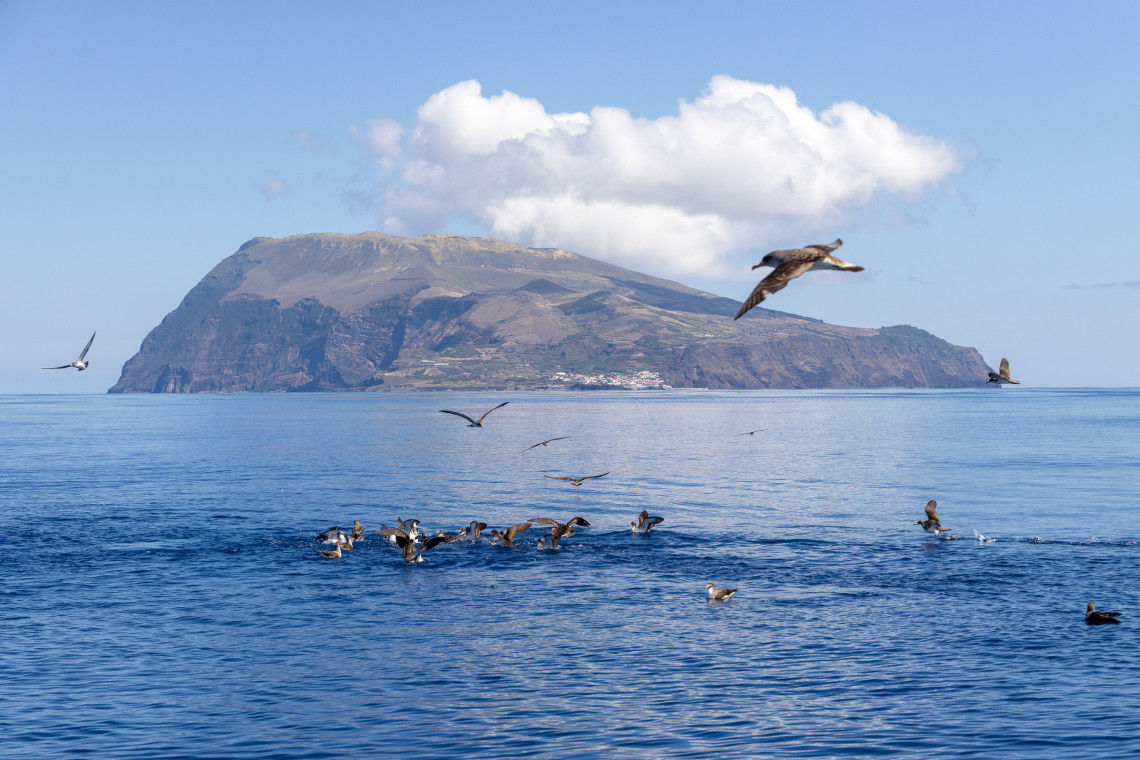
Every October, a few dozen of Europe's most committed birders fly to Corvo, an island of 17 km² with one village and 400 people, to walk its valleys and its caldera for birds that should be in Massachusetts. Corvo has been called the premier vagrant trap of the Western Palearctic since the first systematic coverage in 2005, and the records keep rising: in autumn 2023 the island produced 53 species of American landbird, 214 individual birds, including Europe's first Mourning Warbler and 17 Swainson's thrushes. The classic window is early to mid-October, but arrivals follow the Atlantic depressions and westerly winds rather than the calendar, from early September into November. Flores, 20 km away and far larger, gets the same birds in lower density, plus wintering Nearctic ducks on its crater lakes.
Logistics are the challenge and part of the appeal: flights to Corvo from Flores or Horta are small and fill early, the single guesthouse books out for October a year ahead, and most birders stay in village rentals and walk everywhere. Our Corvo birdwatching guide covers the valleys, the fields and how to get there.
Terceira: Waders and Gulls at Cabo da Praia
If Corvo is for passerines, Terceira is for water birds. The flooded quarry at Cabo da Praia, next to Praia da Vitória, is the most famous single birding site in the Azores: a few hectares of shallow pools and mud where, from August to November, American and European waders feed side by side. Semipalmated plover, white-rumped and pectoral sandpipers, lesser yellowlegs and spotted sandpiper are near-annual; killdeer, Wilson's phalarope and Hudsonian whimbrel turn up. The Paul da Praia marsh in the town itself, the Paul da Pedreira and the harbour of Praia da Vitória add Nearctic ducks (American wigeon, blue-winged teal, ring-necked duck), vagrant gulls (laughing, ring-billed, glaucous) and the occasional belted kingfisher or double-crested cormorant. Winter is as productive as autumn here.
São Miguel Beyond the Priolo
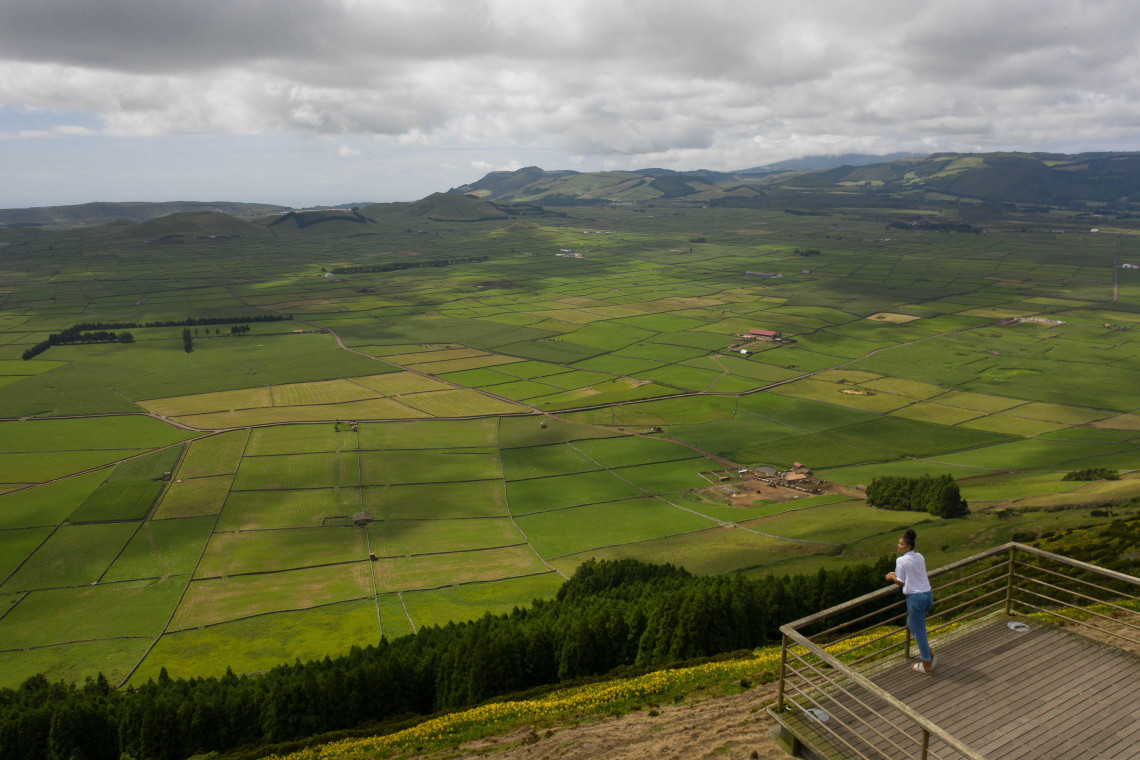
The largest island has the most habitats. Lagoa das Furnas and the Sete Cidades lakes hold wintering ducks, coots and the odd American visitor; the Planalto dos Graminhais bog above Nordeste has common snipe and, in some winters, Wilson's snipe and snow bunting; the Ponta Delgada harbour and the Mosteiros coast are good for gulls, herons and turnstones. The island's buzzards, locally called milhafre, are everywhere, and the Azores subspecies of woodpigeon, blackcap, goldcrest, grey wagtail and chaffinch are in every garden and wood.
BIRDWATCHING TOURS ON SÃO MIGUEL
Guided birding outings with a local specialist, from the Priolo forest to the lakes and the coast.
See birdwatching tours →Graciosa, Pico, Faial and the Rest
Graciosa is the seabird island, with the protected Ilhéu da Praia and Ilhéu de Baixo holding the Monteiro's storm petrels, roseate and common terns and shearwaters, viewable by boat from Santa Cruz; its low coast and the Serra Branca also produce waders and wintering snow bunting. Pico's crater lakes on the high plateau attract ducks and grebes, and Lajes is a seabird port. Faial's Capelinhos headland and Horta harbour are good for gulls and sea-watching, and the Caldeira holds the island's woodland birds. São Jorge's fajã lagoons, especially Fajã dos Cubres and Fajã de Santo Cristo, are small wetlands worth a stop, and Santa Maria's islets hold terns in summer.
When to Go: A Birder's Calendar
April to June: breeding season. Shearwaters calling at night, terns on the islets, the Priolo easiest to find as the forest leafs out, resident subspecies singing.
July to September: pelagic season. Boat trips for shearwaters, petrels and skuas, Monteiro's storm petrel on the Graciosa islets, the first American waders at Cabo da Praia from August.
Late September to early November: vagrant season. Corvo and Flores for American passerines, Terceira for waders, gulls and ducks. The busiest and most exciting weeks for serious birders.
December to March: quiet but underrated. Wintering Nearctic ducks and gulls on Terceira and São Miguel, snow bunting on the high ground, empty trails, and the Priolo still in its forest.

Practical Notes
A car is needed on every island; the sites are not on bus routes. Bring waterproofs and a scope for the quarry and the lakes. Trails through the Priolo reserve are marked and walkers are asked to stay on them, as disturbance is one of the species' remaining threats. Most islets are nature reserves with no landing. For Corvo in October, book flights and accommodation as soon as they open, and expect to walk.
Plan it your way
Custom Your Trip
Tell our local travel advisors which islands, dates and target species you have in mind and we build the trip around them.
Start your custom trip →Limited time
Azores Packages On Sale
Flights, hotels and rental car bundled at reduced prices. See every package currently on sale and book while it lasts.
Book now →Birdwatching in the Azores: FAQ
What birds are endemic to the Azores?
Three species: the Azores bullfinch or Priolo (eastern São Miguel only), the Azores chaffinch (all islands) and Monteiro's storm petrel (breeding only on islets off Graciosa). There are also around a dozen endemic subspecies, including the Azores woodpigeon, buzzard, goldcrest and blackcap.
Where can I see the Priolo (Azores bullfinch)?
Only in the laurel forest of the Serra da Tronqueira and Pico da Vara, in the Nordeste of São Miguel. The Priolo Environmental Centre at Cancela do Cinzeiro has trails and recent sightings. The population is around 1,300 birds, up from about 100 pairs in the early 1990s.
When is the best time for birdwatching in the Azores?
It depends on the target. April to June for breeding seabirds and the Priolo; July to September for pelagic trips; late September to early November for American vagrants on Corvo, Flores and Terceira; winter for Nearctic ducks and gulls.
Why is Corvo famous for birding?
Its position as the westernmost land in Europe makes it the first landfall for North American birds blown across the Atlantic. In autumn 2023 it recorded 53 American landbird species. The season peaks in October.
What is Cabo da Praia?
A flooded quarry beside Praia da Vitória on Terceira, the best wader site in the Azores, where American and European shorebirds feed together from August to November.
How many bird species are there in the Azores?
Over 400 species have been recorded, most of them migrants and vagrants. The resident breeding list is a few dozen species, which is why the endemics and the vagrants draw birders.
Can I see Cory's shearwaters in the Azores?
Yes, from April to October. The Azores hold one of the world's largest breeding populations; you will hear them at night from the coast and see them from any boat trip.
Are there birdwatching tours in the Azores?
Yes, on São Miguel (Priolo and island birding with local guides), pelagic charters from Graciosa and Pico in late summer, and whale watching trips that double as seabird trips. Corvo in October is mostly self-guided.