14 September 2026 • 9 min read
São Miguel's food scene is shaped by the island's geography: grass-fed beef from cows that graze year-round, fish pulled from cold Atlantic waters the same day, and one dish, Cozido das Furnas, that is literally cooked underground by volcanic heat. You eat differently here than anywhere else in Portugal.
Don't miss: Cozido das Furnas (Furnas) | Bife à Regional (Ponta Delgada) | Limpets & fresh tuna (anywhere coastal) | Queijadas da Vila (Vila Franca do Campo) | Azorean tea (Gorreana, Porto Formoso)
Dining in São Miguel is straightforward: most restaurants are small, reservation-only in peak season, and closed on Mondays or Tuesdays. The island divides naturally into four dining areas, each with its own logic.
Ponta Delgada: City Restaurants
Ponta Delgada has the widest choice on the island, from traditional tascas to more contemporary options near the marina. If you are staying in the city, these are the restaurants to know.
Alcides
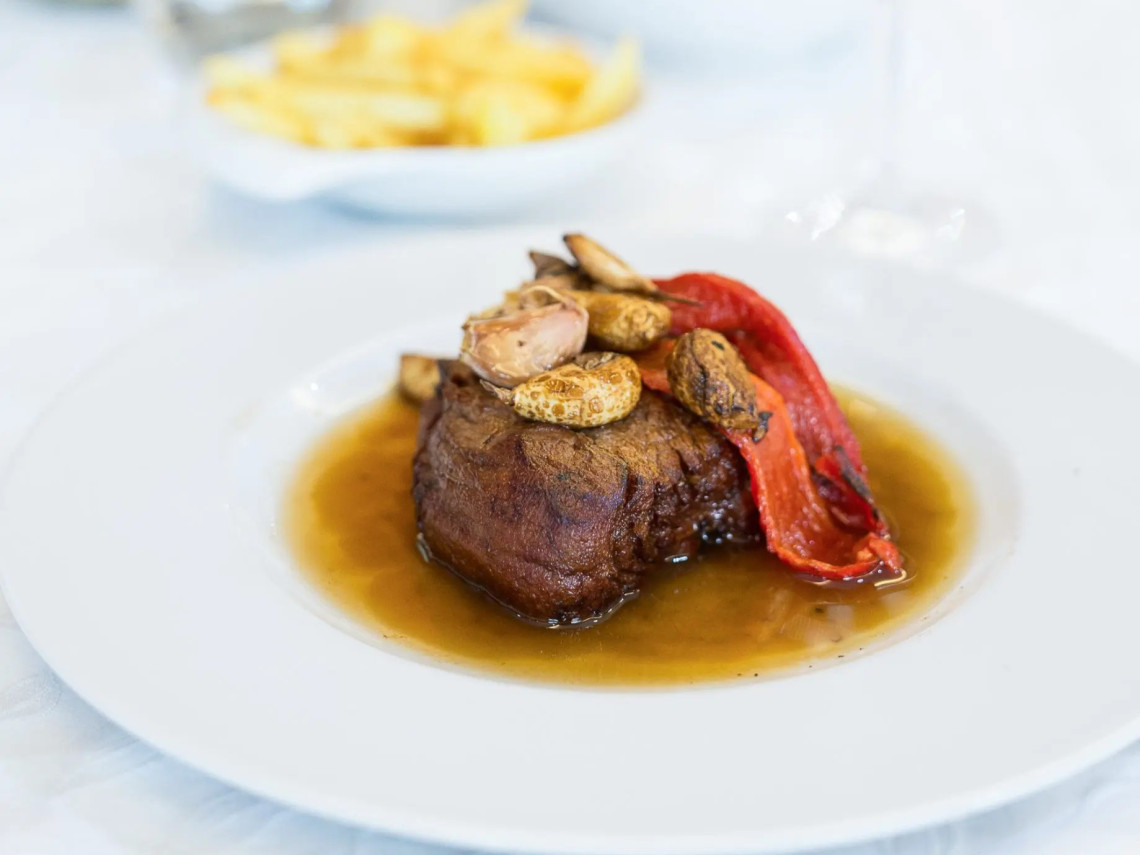
Alcides is the original home of Bife à Regional, the Azorean beef steak served with roasted garlic, sautéed red peppers, and fried potatoes. The dish as it exists across the island traces its lineage to this restaurant. It is in downtown Ponta Delgada and gets busy at lunch and dinner on weekends. Book ahead.
The beef comes from Azorean cattle that graze year-round on the island's pastures. The flavor difference from grain-fed beef is noticeable: the meat is leaner and more mineral.
Cais 20
Cais 20 is near the marina and runs later than most restaurants on the island, which makes it useful if you arrive by ferry or flight in the evening. The menu focuses on fish and seafood. Their tuna steak and grilled fish change with what is available, and the kitchen handles both well.
A Tasca and O Galego
Both are reliable local tascas offering traditional Azorean food at lower prices than the more tourist-facing restaurants near the port. Good for a casual lunch without committing to a full sit-down meal. O Galego in particular has a loyal local following.
Restaurante da Associação Agrícola
Attached to the agricultural association, this is another option for Azorean beef in the city. Less well known to visitors than Alcides, which usually means shorter waits.
FOOD & WINE PACKAGES
Our Food & Wine packages include curated Azorean tastings, cheese and wine experiences, and visits to the island's pineapple plantations and tea factories, alongside accommodation and a rental car.
Browse Food & Wine Packages →Furnas: The Volcano-Cooked Meal
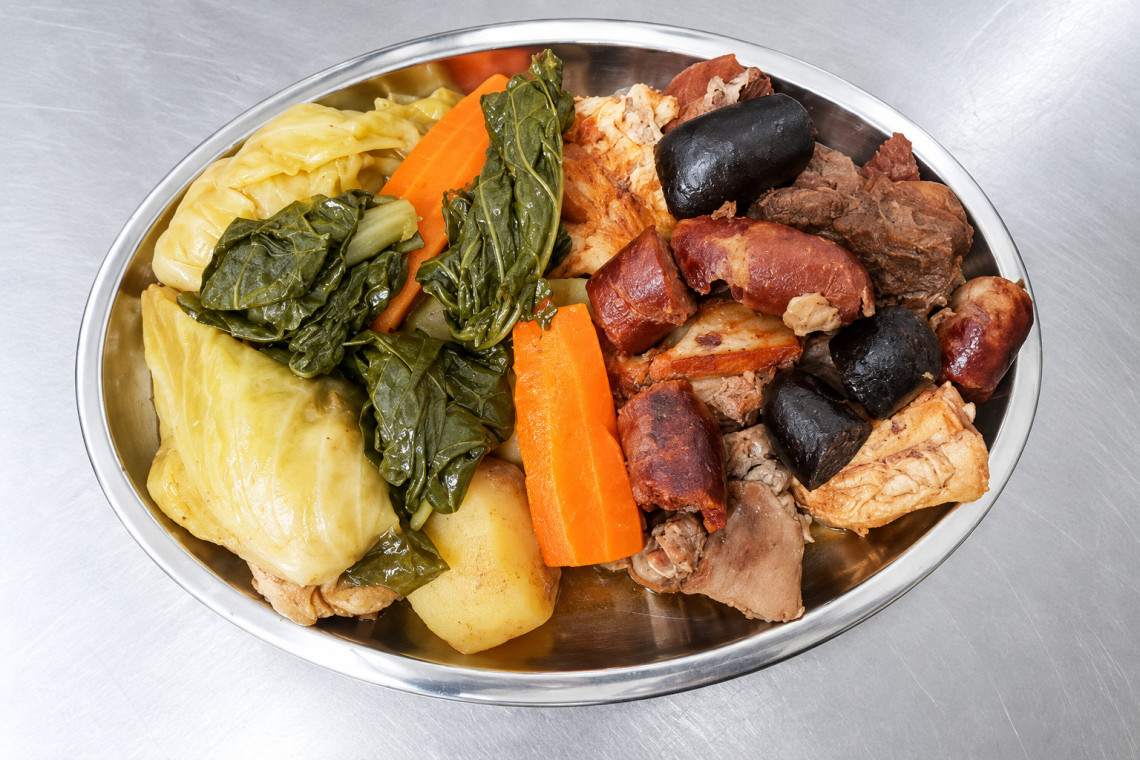
Furnas is the one dining experience on São Miguel that has no equivalent anywhere else. Every restaurant in the village serves a version of Cozido das Furnas, a Portuguese stew cooked underground in pots buried in the volcanic fumaroles for six hours. The stew contains pork, beef, chicken, chouriço, blood sausage, potatoes, cabbage, and kale. The slow volcanic heat produces a texture and depth of flavor that cannot be replicated in a conventional oven.
You need to book 24 hours in advance at all Furnas restaurants, since the pots go in the ground the evening before service.
Hotel Terra Nostra Restaurant
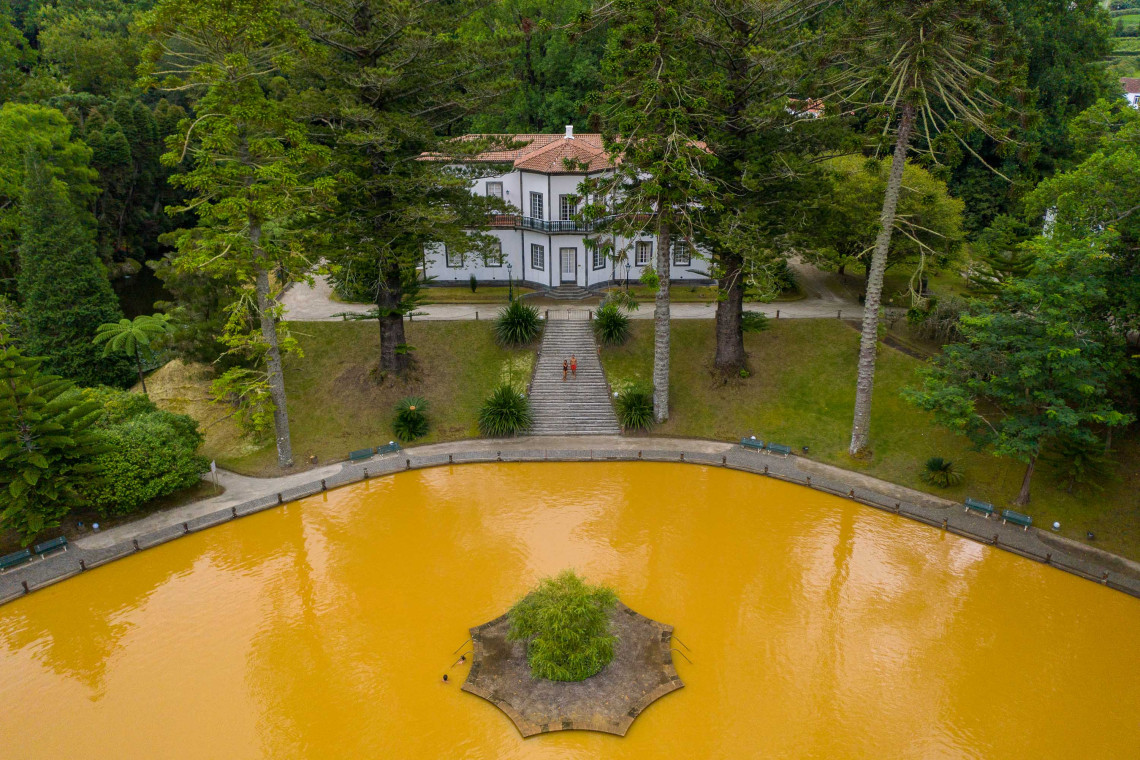
Terra Nostra serves Cozido das Furnas in the hotel restaurant, with views of the Terra Nostra Garden. It is the most formal setting for the dish and draws visitors specifically because of the combination: the garden, the thermal pool, and the lunch. Prices are higher than the village alternatives. Worth it for the full experience. Book well ahead in summer.
Restaurant Tony's
Tony's is the most well-known local option in the village. It has been serving the dish for years and has a loyal following among both locals and visitors. A simpler setting than Terra Nostra, and the food is the focus. The portions are substantial.
Vale das Furnas Restaurant
Inside the Furnas Camping Park, Vale das Furnas has a more rustic atmosphere. It is a good option if Tony's is fully booked, and some visitors prefer its quieter setting. The cozido here is similarly traditional.
North Coast: Beach and Tea Country
The north coast has fewer restaurants but some of the most memorable settings. Most are associated with beach areas or the tea plantations.
TukáTulá (Santa Bárbara Beach, Ribeira Grande)
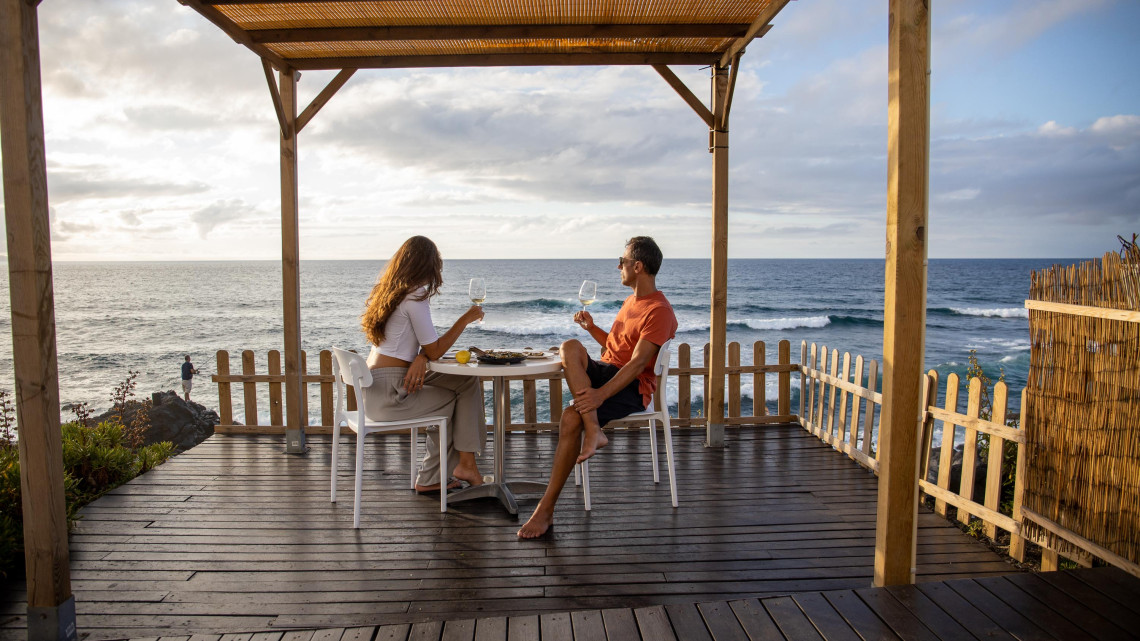
TukáTulá sits above Praia de Santa Bárbara, the island's main surf beach. The seafood and fish menu changes with what comes off the boats, and the location directly above the beach means the views match the food. Popular on summer weekends. Arrive early or book ahead.
Gorreana Tea Factory (Porto Formoso)
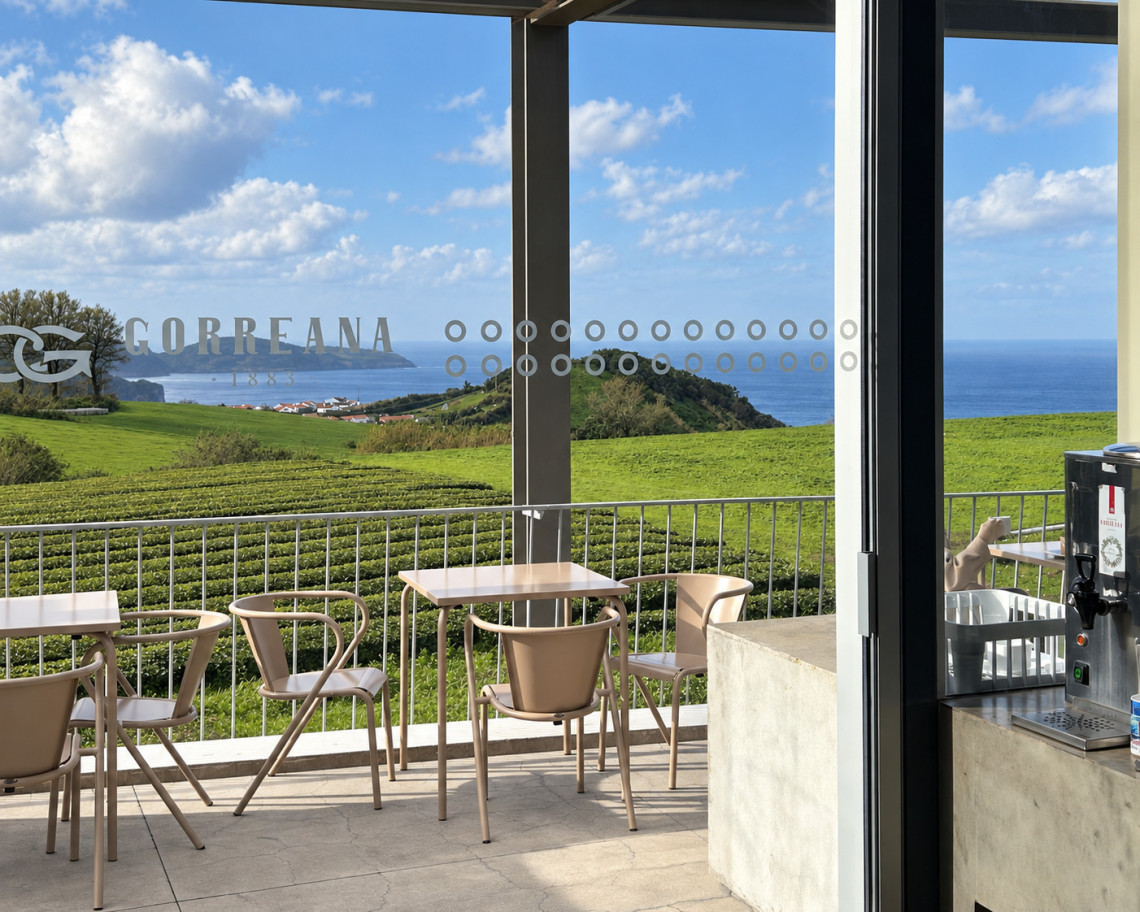
Gorreana is not a restaurant but deserves a place in any eating itinerary. The factory has been producing tea continuously since 1883, making it Europe's oldest surviving commercial tea operation. The factory shop offers free tastings of all varieties, and the walk through the plantations before or after is short but worth the stop. The tea is organic and sold only at the factory and a handful of Azorean shops.
Porto Formoso Tea Factory
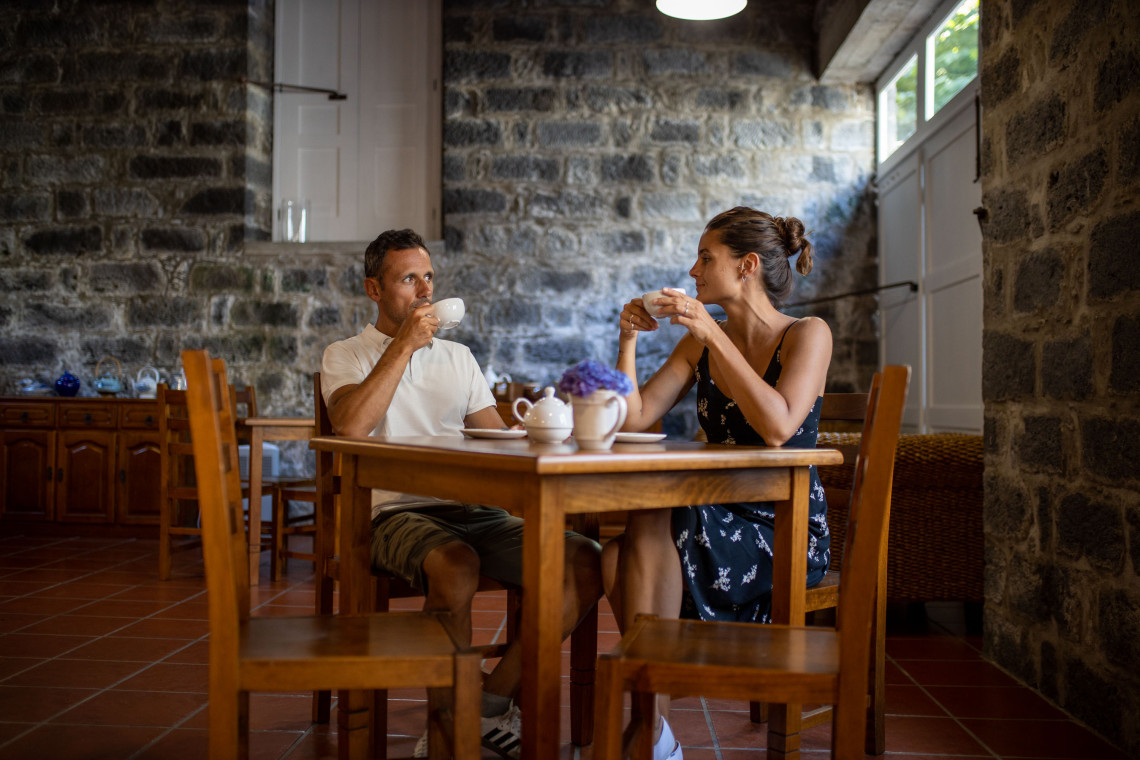
The second of the island's two tea factories, also on the north coast. Smaller than Gorreana and open to visitors for tastings. Both factories are within a few kilometers of each other, so visiting both on the same morning is straightforward.
South Coast and Around the Island
Caloura Bar (Caloura)
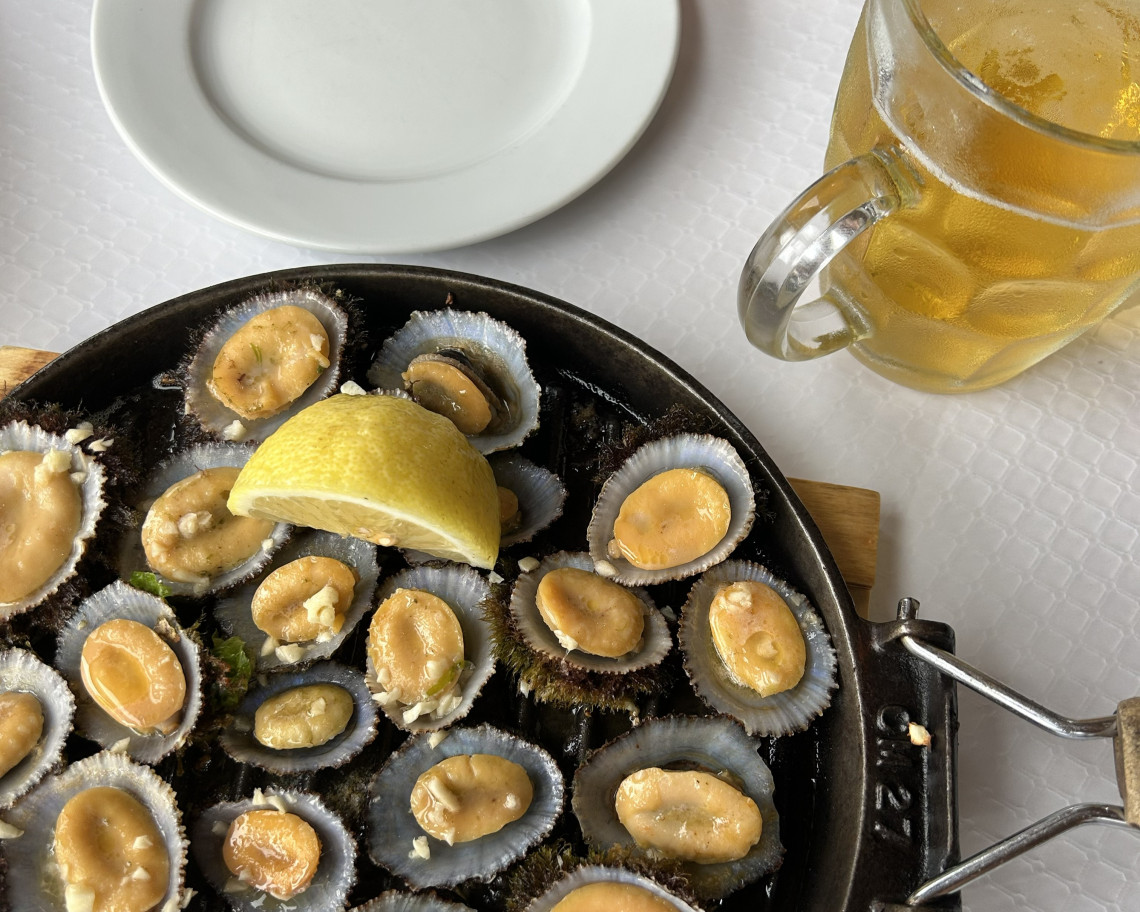
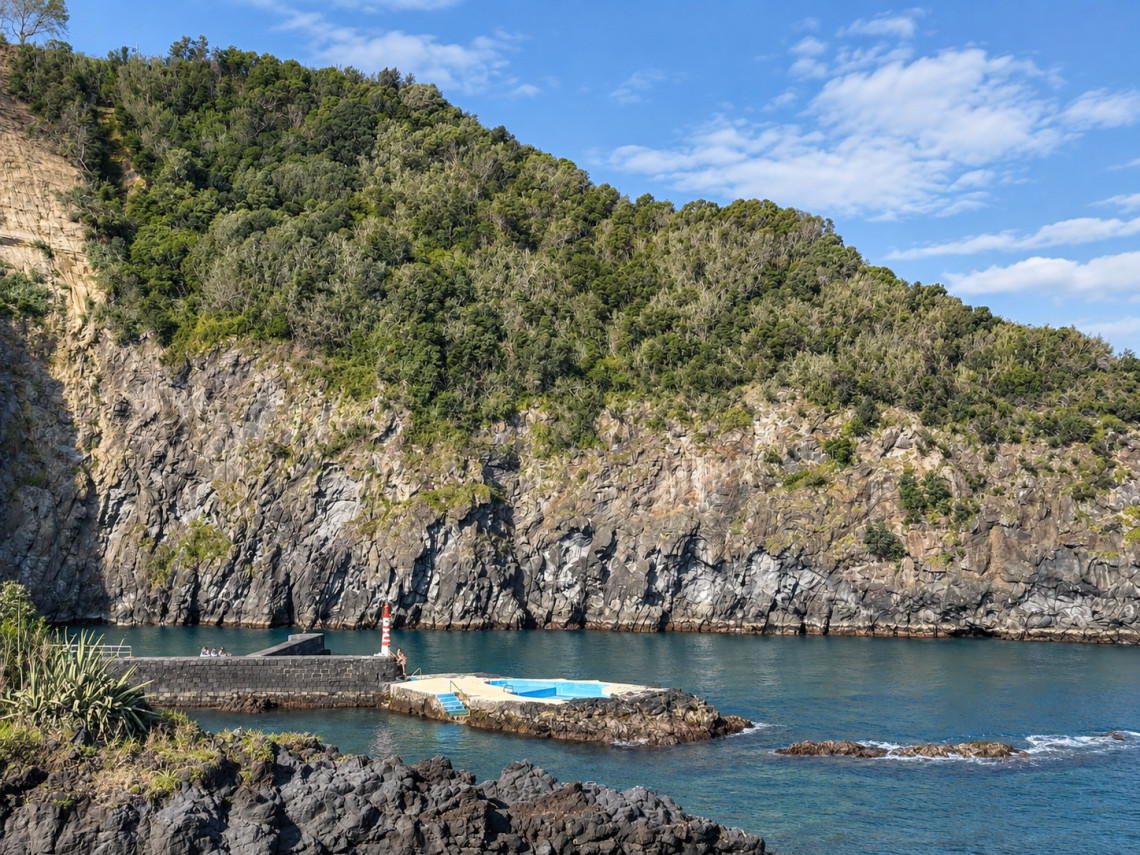
Caloura Bar sits directly above the sea in one of the most scenically positioned spots on the island, near the sheltered bay at Caloura. Fresh fish and seafood are the focus: tuna steaks, limpets grilled in butter and garlic, barnacles (cracas), and the local lobster variety, cavaco. The location is reason enough to go, and the food follows through. Book for dinner if you want the sunset view.
Limpets are worth understanding before you order: they are served grilled on the shell with butter, garlic, and sometimes red pepper. Raw with lemon is also traditional. Cracas (barnacles) look like rock chunks and are boiled in seawater, served cold. Both are deeply local.
Queijaria Furnense (Furnas)
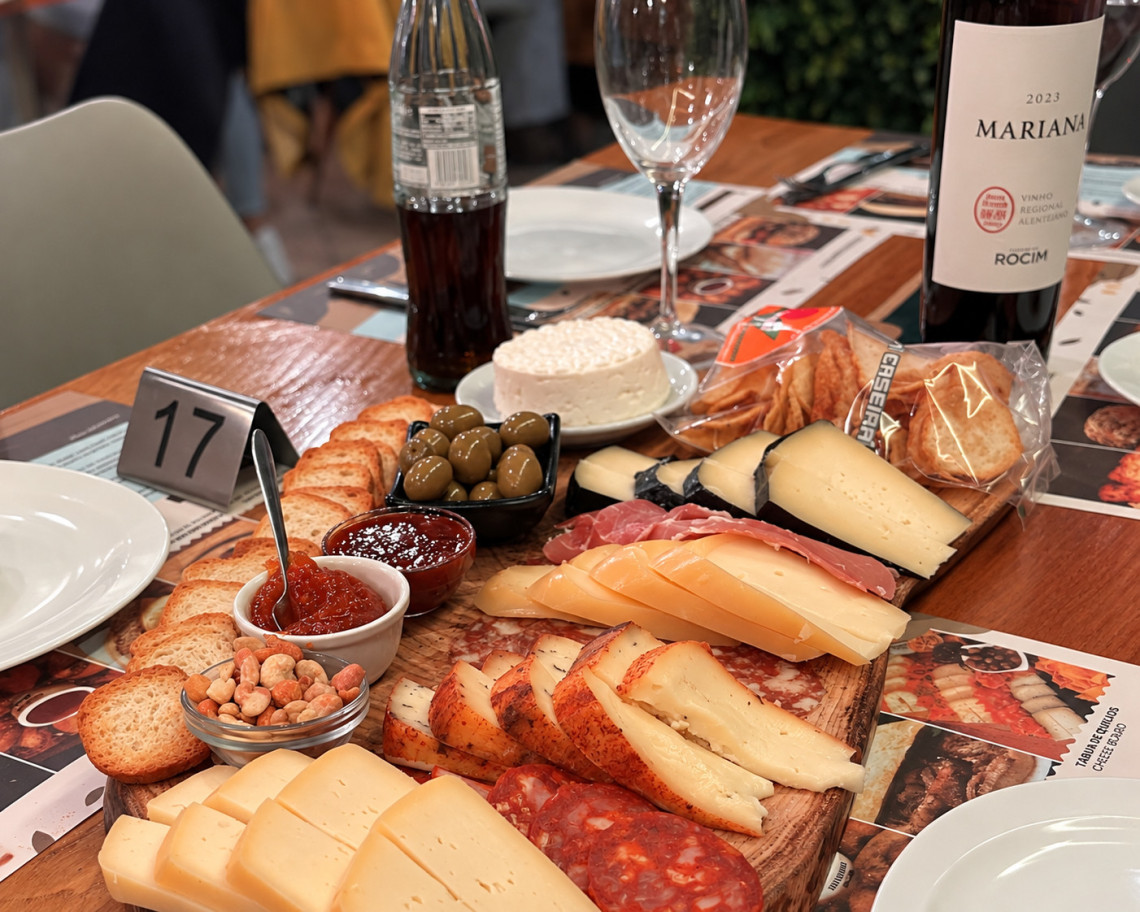
A small family-run cheese shop and production facility in Furnas. The specialty is Queijo do Vale, a fresh cheese made with milk from the family's own herd and brined in the local sour waters from the area's hydrothermal springs. The brine gives the cheese a distinct minerality. Worth a stop in Furnas alongside the cozido lunch. The shop also sells the cheese to take away.
Pineapple Plantations (Ponta Delgada area)
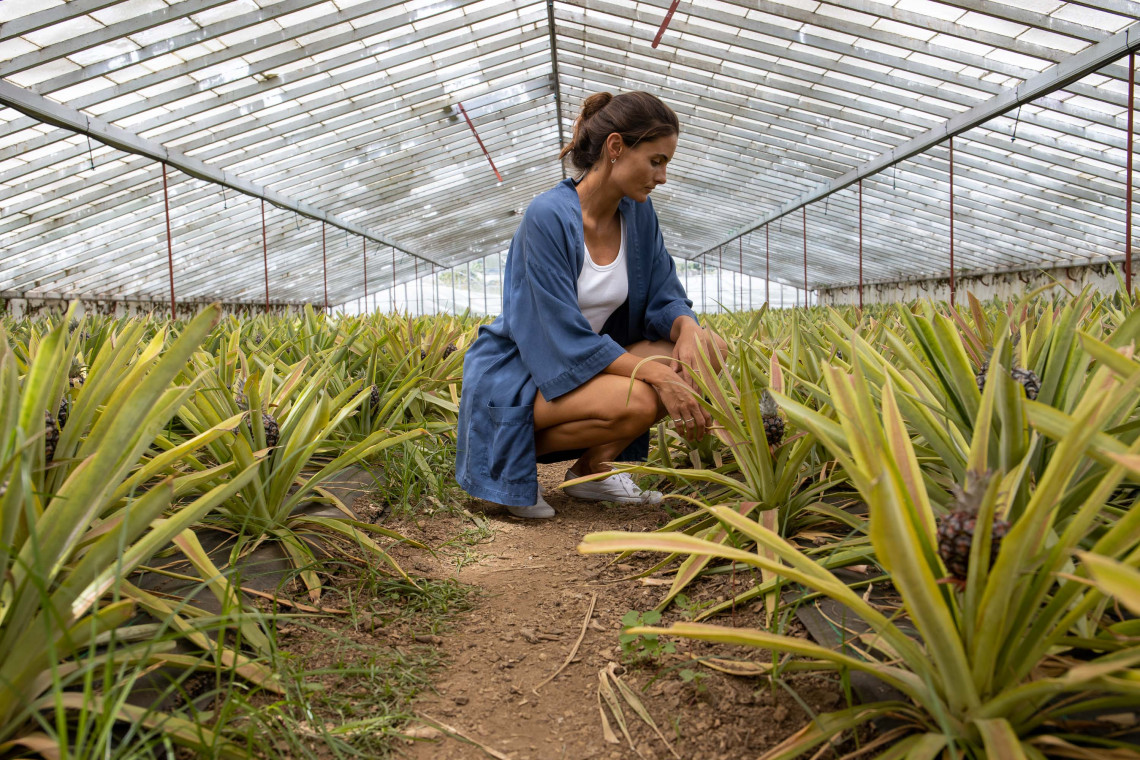
The Azores pineapple is unlike the tropical varieties available elsewhere: grown in greenhouses, it takes two to three years to produce a single fruit, and it is sweeter and more aromatic. Three plantations are open to visitors: Ananás Arruda, Plantação de Ananás dos Açores, and Ananás de Santo António. All offer tasting and sale of fresh pineapple and pineapple-derived products (jam, liqueur, juice). A worthwhile half-hour stop within Ponta Delgada.
Sunset Steve's Bar (Mosteiros)
On the west coast, Sunset Steve's is primarily known as the sunset-watching spot at Praia dos Mosteiros. The food is simple: the bifana (a Portuguese pork sandwich) is what people come for, and it is very good. A late-afternoon or early-evening option rather than a main dining destination, but genuinely worth the drive out to the west coast if you are combining it with the sunset.
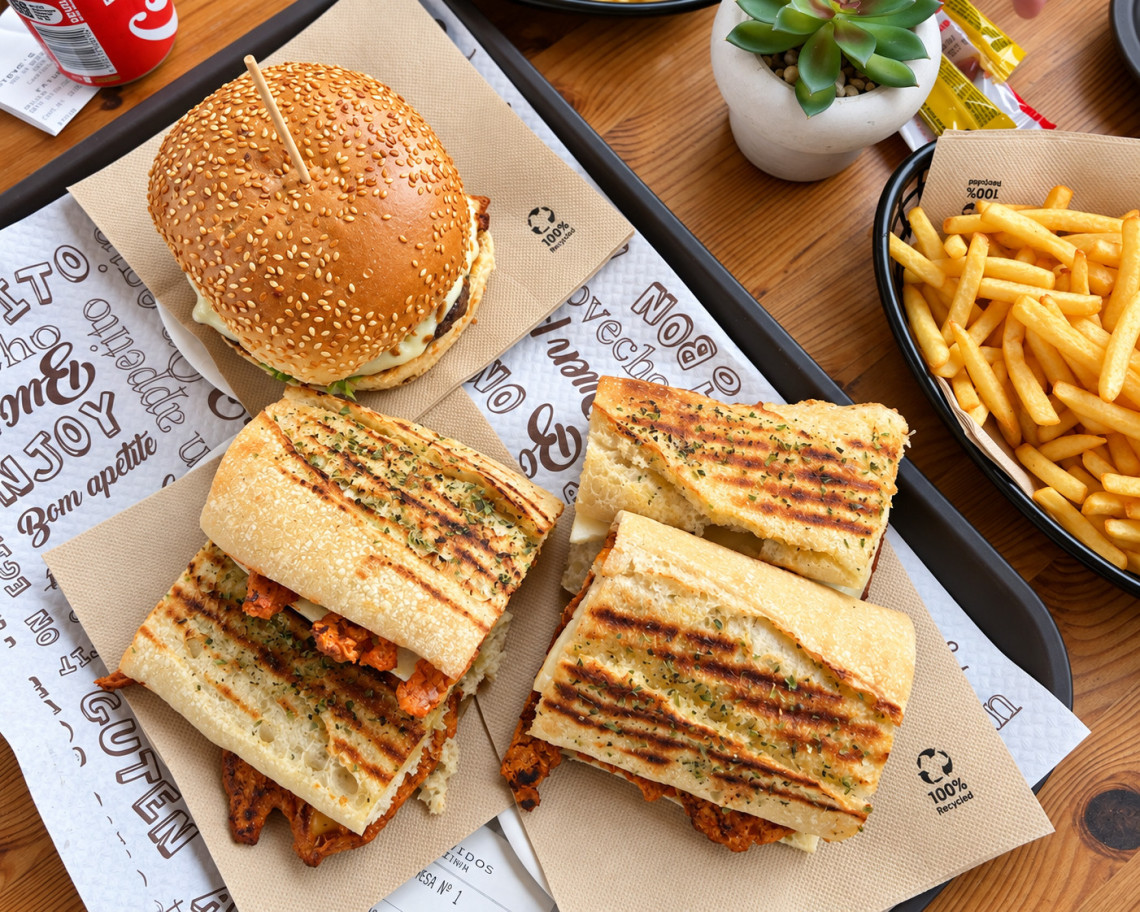
Sunset Steve's Bar (Mosteiros), São Miguel Island, Portugal
Practical Tips
Reservations: Essential for Cozido das Furnas (24 hours minimum; pots go underground the night before). Recommended for Alcides, Caloura Bar, and TukáTulá on weekends in summer. Most places in Ponta Delgada can take walk-ins on weekdays.
Hours: Lunch runs 12:30 to 15:00, dinner from 19:30. Most restaurants close one day per week, typically Monday or Tuesday. Hours outside June through September are shorter. Always confirm before visiting remote locations.
Prices: A full lunch or dinner with wine at a mid-range restaurant runs roughly €20 to €35 per person. Terra Nostra runs higher (€40 to €60 depending on order). Tascas and beach bars are lower (€12 to €20). Tipping is not obligatory in Portugal but rounding up or leaving 5 to 10% for good service is normal.
Local drinks: Cerveja Especial is the island's main beer, produced locally. For spirits, Licor de Maracujá (passion fruit liqueur) and Licor de Ananás (pineapple liqueur) are both made on São Miguel. Pico Island wine, produced from volcanic basalt soil, is available at most restaurants. The local soft drink to know is Kima Maracujá, a passion-fruit flavored drink that has been produced in the Azores since the 1950s.
BROWSE SÃO MIGUEL PACKAGES
Most of our packages include a rental car, which is the practical way to reach Furnas for lunch, TukáTulá for dinner, and Caloura Bar for seafood by the sea, all in the same trip.
Browse São Miguel Packages →BUILD YOUR OWN ITINERARY
Want to plan your days around specific meals — Furnas for lunch, Sete Cidades in the afternoon, seafood at Caloura for dinner? Our advisors build itineraries around exactly this kind of logic.
Start Planning →Keep Reading
Food
What to Eat in São Miguel: The Island's Best Dishes
Experiences
Furnas Village: Hot Springs, Fumaroles & Cozido
Culture
Azores Tea Plantations: Europe's Only Tea Island
FAQ
Where should I eat Cozido das Furnas?
Any of the three main restaurants in Furnas works: Hotel Terra Nostra Restaurant (most formal, elegant setting), Restaurant Tony's (local favorite, unpretentious), or Vale das Furnas Restaurant (rustic, quieter). All require booking at least 24 hours in advance because the pots go underground the night before service. The dish itself does not differ dramatically between restaurants; the setting does.
What is Bife à Regional and where can I try it?
Bife à Regional is São Miguel's signature beef steak, served with roasted whole garlic cloves, sautéed red peppers, and fried potatoes. The original is at Alcides in Ponta Delgada. Other good options in the city include Restaurante da Associação Agrícola, A Tasca, and O Galego. The beef comes from Azorean cattle that graze year-round, giving it a flavor that is noticeably different from grain-finished beef.
Do restaurants in São Miguel take reservations?
Yes, and for many you should. Cozido das Furnas requires 24-hour advance booking at all restaurants. Alcides, Caloura Bar, and TukáTulá fill up on weekends in summer. Most Ponta Delgada restaurants take walk-ins on weekdays. Calling ahead (or asking your hotel to call on your behalf) is the safe approach at any restaurant outside the city.
What are limpets and should I try them?
Lapas (limpets) are shellfish that live on the rocky Atlantic coastline. They are served grilled on the shell with butter, garlic, and sometimes chili. Raw with a squeeze of lemon is also traditional. The flavor is briny and oceanic. They are one of the most distinctly Azorean things you can eat and are available at virtually every seafood restaurant on the island. Yes, try them.
Where can I visit a pineapple plantation?
Three plantations near Ponta Delgada are open to visitors: Ananás Arruda, Plantação de Ananás dos Açores, and Ananás de Santo António. The Azorean pineapple grows in greenhouses (not fields) and takes two to three years to produce a single fruit. The flavor is sweeter and more aromatic than tropical varieties. Visits typically include a short tour of the greenhouse and a tasting.
Is it easy to eat well outside Ponta Delgada?
Yes, though you need a car. The island's best dining experiences are deliberately spread around: Furnas for the volcanic stew, Caloura for seafood with a sea view, Santa Bárbara Beach for TukáTulá, and Mosteiros for the bifana sunset. None of these are reachable easily without a car. Most São Miguel packages include one.
What should I drink in São Miguel?
Tea from Gorreana or Porto Formoso is the culturally significant answer. For beer, Cerveja Especial is the local brand. The island produces several fruit liqueurs: Licor de Maracujá (passion fruit) and Licor de Ananás (pineapple) are both worth trying. Pico Island wine, made from vines grown in volcanic basalt, appears on menus across São Miguel and is worth ordering. Kima Maracujá is the island's own passion-fruit soft drink.
When should I book a table at Alcides?
If you are going on a weekday for lunch, same-day is often fine. Weekends, evenings, and the peak summer months (July to September) require a reservation. Alcides is downtown and popular with both locals and visitors, so the dining room fills up. A call or email the day before is the safe approach regardless of season.