14 September 2026 • 8 min read
The Azores pineapple is grown in whitewashed greenhouses on São Miguel, takes up to three years to produce a single fruit, requires a week of smoke to trigger flowering, and never leaves the island in significant quantity. If you eat it here, you are eating something that exists almost nowhere else in the world.
Plantations open to visitors: Ananás Arruda, Plantação de Ananás dos Açores, Ananás de Santo António | Location: Ponta Delgada area | Visit time: 30 to 60 min | Unique experience: Pineapple bath (soaking in warm water inside a greenhouse)
São Miguel grows pineapples indoors. The island sits at the same latitude as Lisbon, which is not pineapple country, so every plant that produces fruit here does so in a controlled greenhouse environment maintained by hand, generation after generation. Around 230 producers operate approximately 1,500 greenhouses across the island. Almost all the fruit stays in the Azores.
A Fruit That Doesn't Belong Here
Pineapples arrived in the Azores in the mid-19th century, originally as a decorative plant. Wealthy residents grew them in private hothouses with no intention of eating them. The shift came from economic necessity: São Miguel's orange trade, which had been the island's primary export, collapsed under competition and disease in the 1800s. Farmers needed a new crop, and pineapple, already proven in the greenhouses, moved from ornament to industry.
The first commercial greenhouses were in Ponta Delgada, but by the early 20th century the plantations had spread across the island to Vila Franca do Campo, Ribeira das Tainhas, Ponta Garça, Lagoa, and Ribeira Grande. The industry reached its peak in the early 1900s, when Azorean pineapples were exported to mainland Europe and the fruit commanded premium prices in Lisbon and London markets.
Two world wars disrupted the trade route and the export economy never fully recovered. Tourism gradually replaced pineapple as the island's main economic driver. The plantations that remain today are smaller operations producing for local consumption, restaurants, and the visitors who come specifically to see them.
In 1919, Augusto Arruda converted his family's orange orchard into a pineapple plantation. That operation, now called Plantação de Ananases A. Arruda, is still running and is the oldest surviving pineapple greenhouse on the island.
How the Greenhouses Work
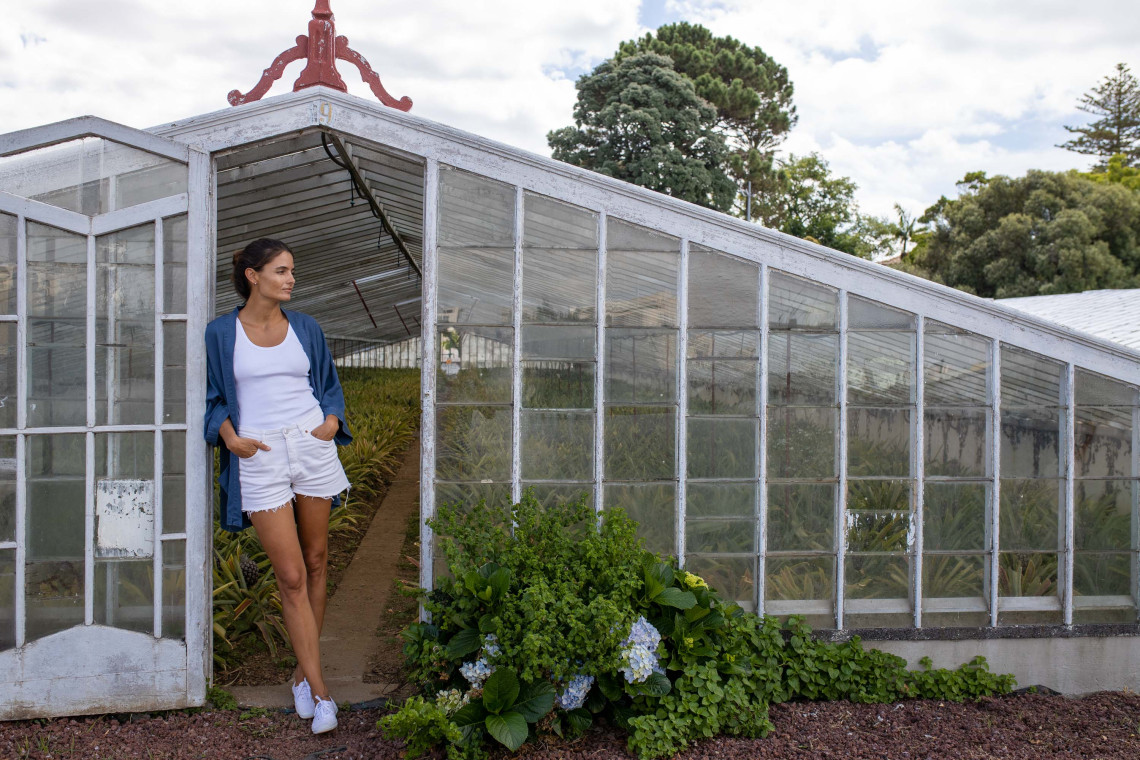
The greenhouses are whitewashed structures designed to trap heat and humidity. Inside, the plants grow in pots sunk into volcanic soil, arranged in dense rows under glass that diffuses the island's Atlantic light. The temperature inside during summer can exceed 40°C when the smoke operation is running.
That smoke operation is the most distinctive part of the process. At four to six months of age, each plant is ready to be induced into flowering, but it won't do so on its own schedule reliably. The solution, discovered apparently by accident when a greenhouse fire caused an unexpected bloom, is fumigation. The greenhouse is sealed and filled with smoke for a week. The smoke triggers a hormonal response in the plant, causing it to flower uniformly, which means the entire crop can be harvested on a predictable timetable.
After flowering, the fruit takes another 12 to 18 months to develop fully. The complete cycle from planting to harvest runs 18 to 24 months at minimum, and some plants take longer. Each plant produces one fruit per cycle. When the grower determines the fruit is ready, judging by color, aroma, and feel, it is harvested by hand. Only the fruit that meets the quality standard for sweetness and appearance goes to direct sale. The rest is processed into liqueurs, jams, and juices.
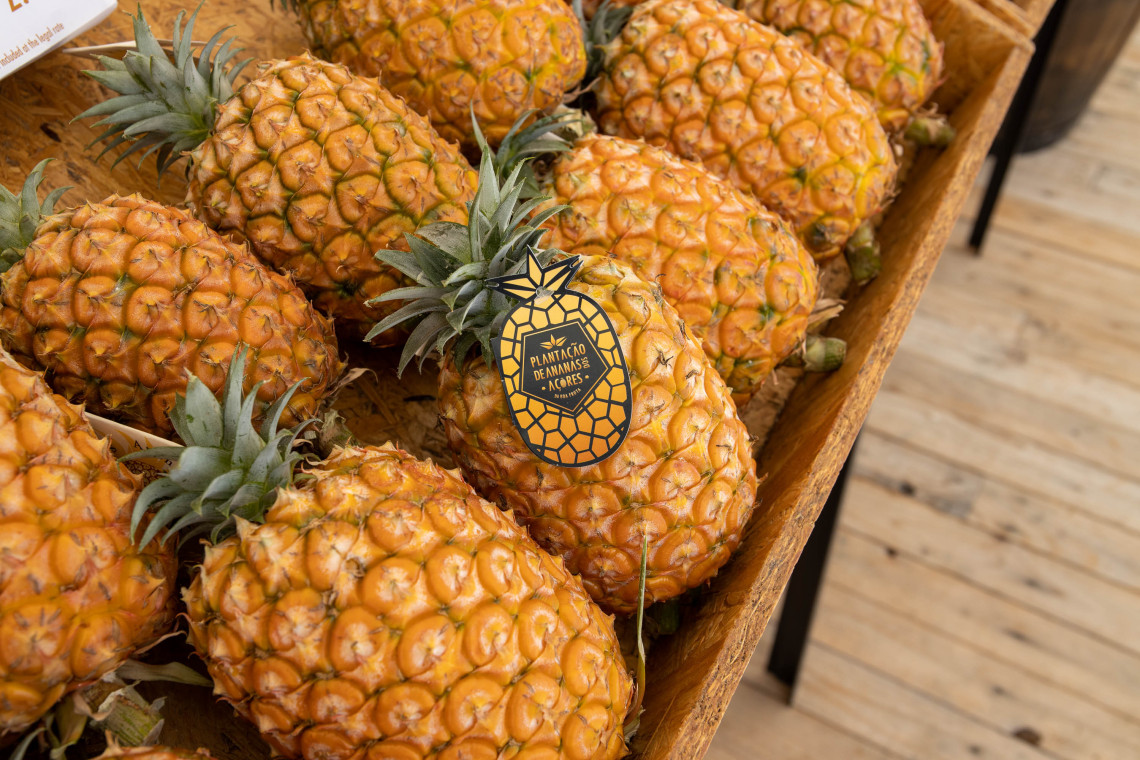
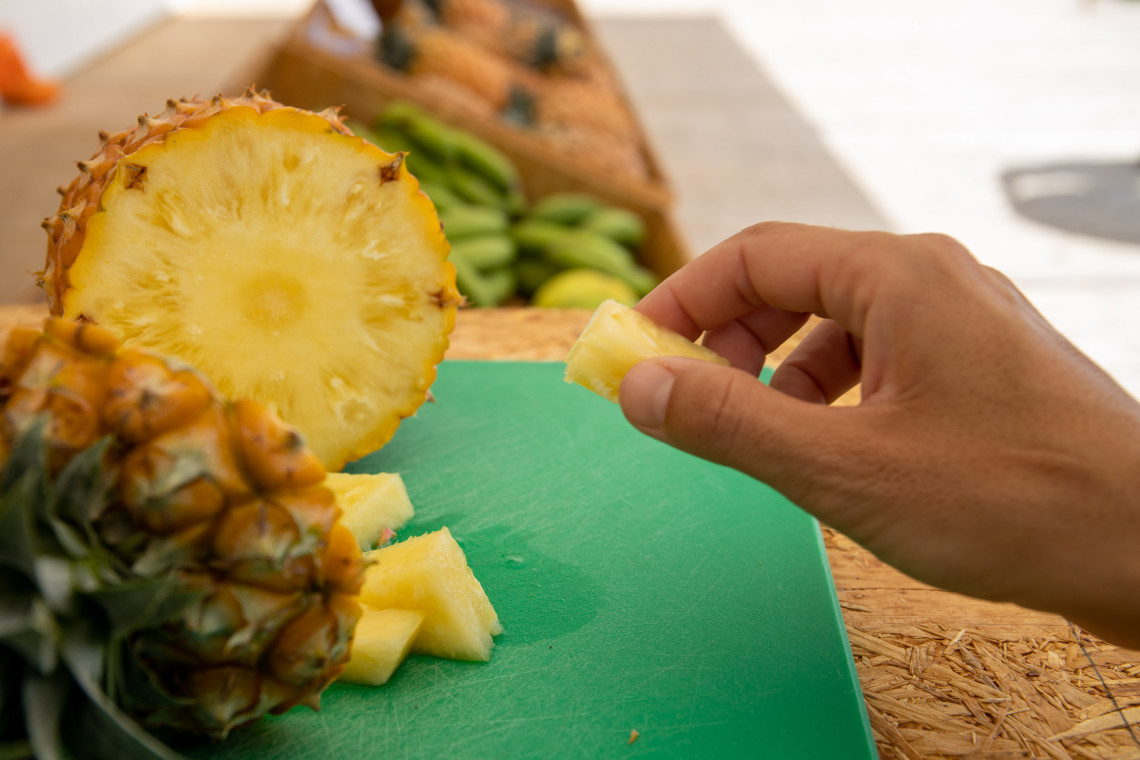
The result of this slow, labour-intensive process is a pineapple noticeably different from the variety available in supermarkets. The skin turns orange rather than the standard yellow-green. The flesh is denser and sweeter, with more pronounced acidity. The aroma is more intense. People who taste it for the first time often note that it doesn't taste like what they think of as pineapple.
Visiting the Plantations
Three plantations near Ponta Delgada currently welcome visitors.
Plantação de Ananases A. Arruda
The oldest pineapple greenhouse on the island, established in 1919. This is the most historically significant of the three and the one most likely to have guides who can walk you through the full production process. The plantation operates tours and sells fresh pineapple, pineapple liqueur, jam, and juice directly on site. It is small and family-run; the experience is accordingly personal.
Plantação de Ananás dos Açores
A larger operation also open to visitors, with tours of the greenhouses and a shop selling pineapple products. The growing conditions and process are the same across all three plantations; the differences are mainly scale and atmosphere.
Ananás de Santo António
A third option also within Ponta Delgada's orbit. Worth visiting if you want to compare operations or if one of the others is closed. Availability and hours can vary seasonally, so confirming before visiting is worth the effort.
All three plantations are in or near Ponta Delgada, making them easy to combine with a morning or afternoon in the city. A visit to any of them takes roughly 30 to 60 minutes. You do not need to book in advance for most visits, but calling ahead is sensible during peak summer months.
♨️ HOT POOL IN A PINEAPPLE GREENHOUSE
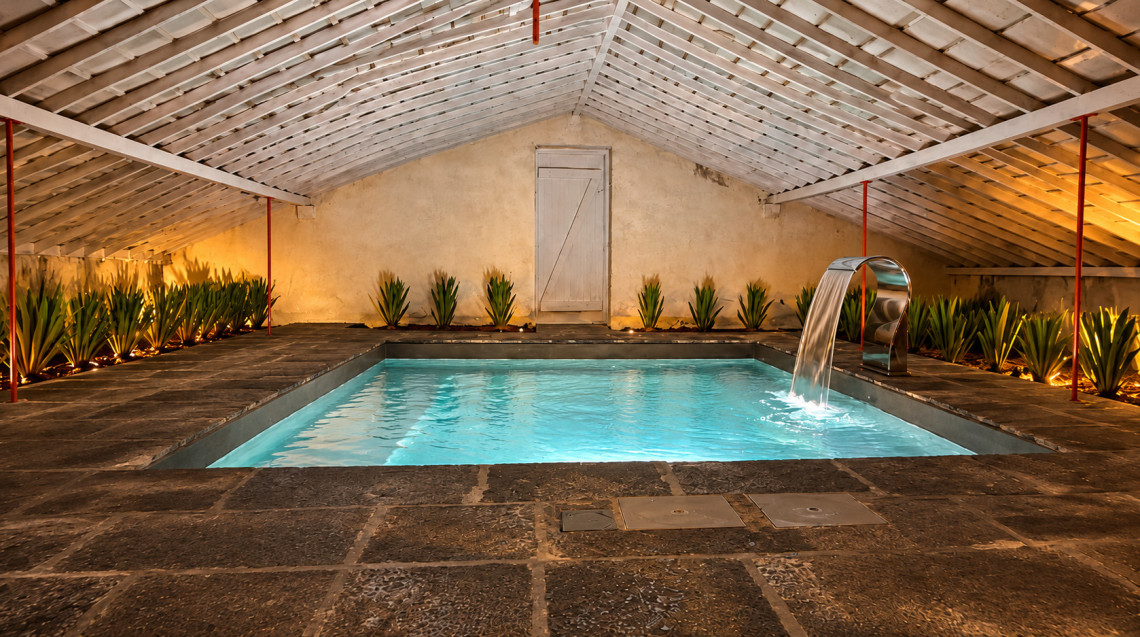
Soak in a 12 m² pool at 36°C inside a working greenhouse at Herdade do Ananás, followed by a guided pineapple tour with an expert. Towels and robes included.
Book Hot Pool + Tour →PINEAPPLE WINE TASTING + TOUR
A guided walk through Herdade do Ananás's glass greenhouses, followed by a tasting of the only pineapple wine made in Europe, served with local Azorean cheese in the estate garden.
Book Wine Tasting + Tour →The Pineapple Bath
One of the more unusual visitor experiences on São Miguel involves climbing into a bath inside a working greenhouse. The pineapple bath experience is offered at select plantations and involves soaking in warm thermal water while surrounded by the pineapple plants. The water is naturally heated, the atmosphere is humid and fragrant, and the whole thing lasts roughly 30 to 60 minutes depending on the format.
It sounds eccentric because it is, and that is part of its appeal. São Miguel does not lack for thermal bathing options (Caldeira Velha, Ferraria, and the pools at Furnas are all well-established), but the greenhouse setting is something else entirely. It works as a standalone activity or as an extension of a standard plantation tour.
What to Buy
Fresh Azores pineapple bought at the plantation is the obvious purchase. Eat it the same day or the day after; it doesn't travel well and doesn't need to. The flavor is at its peak when the fruit is at room temperature rather than chilled.
Beyond the fresh fruit, most plantations sell a range of products made from pineapple that didn't reach the quality standard for direct sale:
Licor de Ananás (pineapple liqueur) is the most widely available. It is sweet and aromatic, closer to a dessert drink than a digestif. Most visitors buy at least one bottle.
Pineapple jam is made from the same fruit and tends to be more intensely flavored than jam made from tropical-grown pineapple. It pairs well with local cheese.
Pineapple juice, sold fresh at the plantations, is worth trying while you are there.
All of these products are also available at supermarkets and souvenir shops across São Miguel, but the plantation prices are generally lower and the quality more reliable.
Practical Information
Location: All three main plantations are within or just outside Ponta Delgada. No car required if you are staying in the city; a short taxi or rideshare ride from the center reaches them easily.
Hours: Generally open mornings and early afternoons, typically 9:00 to 17:00, with possible lunch closures. Hours vary by season. Confirm before visiting, especially outside July through September.
Cost: Plantation tours are typically free or low cost (under €5). The pineapple bath is a bookable activity with a separate price; check current availability at the link above.
Best time to visit: The greenhouses operate year-round, but visiting in the morning before the midday heat makes the indoor greenhouse environment more comfortable.
What to expect: A working farm, not a museum. The greenhouses are functional production spaces. Some tours are informal walkthroughs with a family member explaining the process; others are more structured. Smell is part of the experience: ripe pineapple in an enclosed warm space is noticeable from a distance.
STAY AT HERDADE DO ANANÁS
Base yourself at the plantation estate near Ponta Delgada. The Herdade do Ananás package combines accommodation with pineapple greenhouse access and the activities above as part of a full São Miguel itinerary.
View This Package →BROWSE SÃO MIGUEL PACKAGES
Most travelers combine a plantation visit with Sete Cidades and Furnas in the same trip. Our São Miguel packages include rental car access so you can move between the greenhouses, the crater lakes, and the thermal village at your own pace.
Browse São Miguel Packages →BUILD YOUR OWN ITINERARY
Want to include the pineapple bath, a plantation tour, and Furnas in the same day? Our advisors build itineraries around exactly this kind of day-by-day logic, at no extra cost.
Start Planning →Keep Reading
Culture
Azores Tea Plantations: Europe's Only Tea Island
Experiences
Furnas Village: Hot Springs, Fumaroles & Cozido
Food
Where to Eat in São Miguel: Best Restaurants by Area
FAQ
What is the Azores pineapple and why is it different from regular pineapple?
The Azores pineapple is a variety grown exclusively in heated greenhouses on São Miguel Island. Unlike commercially grown pineapples from tropical countries, each plant here produces one fruit per cycle over 18 to 24 months, is hand-tended throughout, and must be triggered into flowering through a smoke fumigation process. The result is a denser, sweeter fruit with more pronounced aroma and a bright orange skin at peak ripeness. It is not exported in meaningful quantities, which means tasting it in São Miguel is effectively the only way to try it.
Where can I visit a pineapple plantation on São Miguel?
Three plantations near Ponta Delgada welcome visitors: Plantação de Ananases A. Arruda (the oldest, established in 1919), Plantação de Ananás dos Açores, and Ananás de Santo António. All three offer greenhouse tours and sell fresh pineapple and pineapple-derived products. No car is required from central Ponta Delgada; a taxi or short rideshare covers the distance.
How long does an Azores pineapple take to grow?
Each plant takes 18 to 24 months from planting to harvest, and some cycles run longer. The plant produces one fruit per cycle. This is two to four times longer than commercially grown tropical pineapple. The slow cycle is one reason the fruit remains expensive relative to imported varieties, and why production has stayed small-scale.
What is the smoke operation and why is it necessary?
At four to six months of age, pineapple plants on São Miguel are induced into flowering artificially through fumigation. The greenhouse is sealed and filled with smoke for approximately one week, with internal temperatures reaching around 40°C. The smoke triggers a hormonal response in the plant that causes it to flower, ensuring a uniform bloom across the entire crop and a predictable harvest date. This technique was reportedly discovered by accident following a greenhouse fire that unexpectedly triggered early blooming.
Can I buy Azores pineapple outside São Miguel?
Rarely, and not reliably. The fruit doesn't travel well and is produced in quantities too small for consistent export. Within the Azores, it is available at markets, restaurants, and shops throughout the islands. Outside the Azores, it is effectively impossible to find fresh. Shelf-stable products made from Azores pineapple (liqueur, jam, dried fruit) occasionally appear in specialty Portuguese food shops in Lisbon and Porto, but fresh pineapple stays on the island.
What is the pineapple bath experience?
The pineapple bath is an activity offered at select São Miguel plantations that involves soaking in naturally warm water inside a working greenhouse, surrounded by pineapple plants. It lasts 30 to 60 minutes. The combination of the warm thermal water, the greenhouse humidity, and the pineapple fragrance makes it one of the more unusual wellness experiences on an island already known for geothermal bathing. It can be booked as a standalone activity.
What products are made from Azores pineapples?
Pineapples that don't meet the quality standard for direct sale are processed into Licor de Ananás (pineapple liqueur), pineapple jam, and pineapple juice. All three are sold at the plantations and widely available at supermarkets and shops across São Miguel. The liqueur is the most popular souvenir purchase. Fresh pineapple juice is available to taste at the plantation and is notably more aromatic than anything made from tropical-grown fruit.
How does an Azores pineapple taste compared to supermarket pineapple?
Sweeter, more aromatic, and with more pronounced acidity. The skin is orange rather than yellow-green when fully ripe, which is the visual cue the growers use to assess readiness. People who taste it for the first time often note it doesn't match their mental model of what pineapple tastes like. The density of the flesh is also different: firmer and less watery. It is better eaten at room temperature than cold, which suppresses the aroma.