07 September 2026 • 5 min read
Graciosa is one of the sunniest islands in the central Azores. The climate is temperate and oceanic: winters are mild and wet, summers are warm and dry, and the shoulder months of May, June, and September offer the most reliable combination of good weather, full site access, and manageable visitor numbers. July and August are peak season: Furna do Enxofre requires advance booking, the windmill accommodations fill early, and the island is busier than it is the rest of the year, though it is never as crowded as São Miguel or Terceira.
Best months: May, June, September | Peak season: July to August | Avoid for Caldeira views: November to February
Spring: May and June
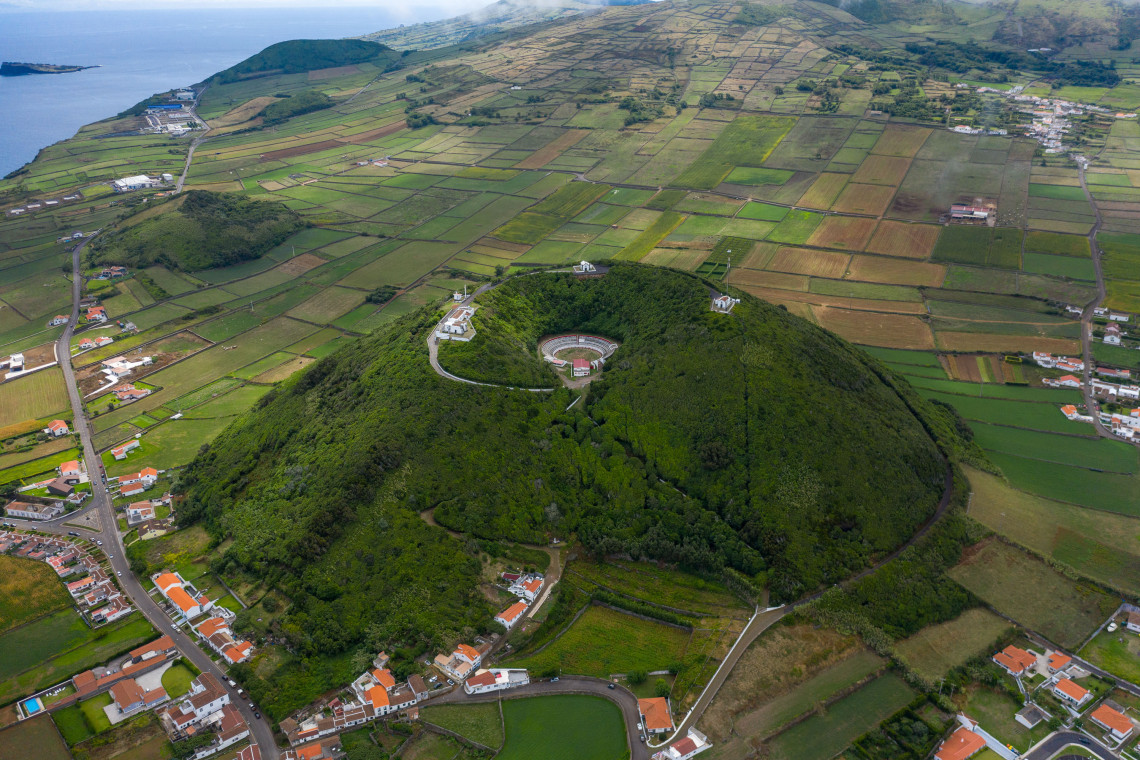
May and June are the best months to visit Graciosa for most travelers. Temperatures are comfortable, typically 18 to 22°C (64 to 72°F) during the day, and rainfall is moderate but not persistent. The island is green from the winter rains and the flowers that characterize the Azores spring are visible across the hillsides and roadsides.
Furna do Enxofre is open and accessible without advance booking. The Caldeira rim trail is walkable with good visibility on most days. Accommodation is available at reasonable prices, and the windmill properties still have open nights.
May is cooler than June but both months give more reliable clear days than April. June is consistently the better of the two: warmer, drier, and with longer evening light. If you can choose between the two, June edges ahead for outdoor activities.
Summer: July and August
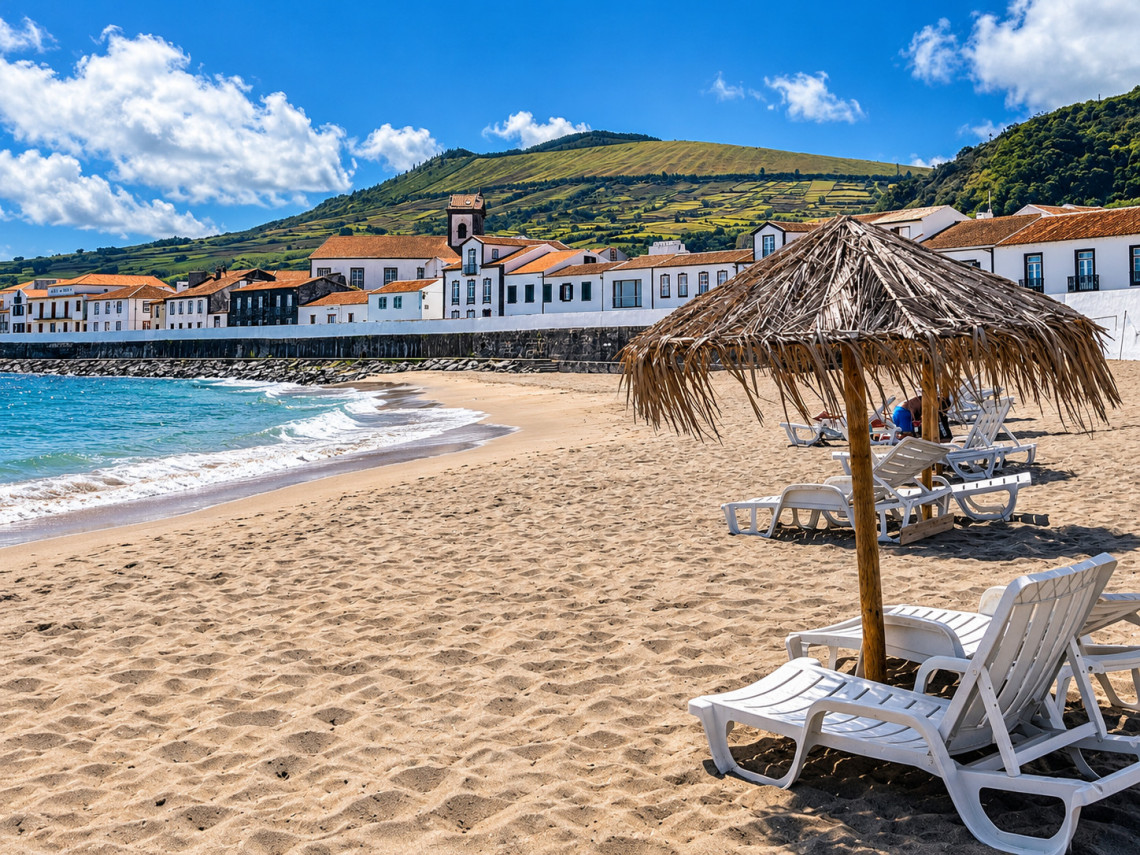
July and August are the warmest months, with temperatures regularly reaching 24 to 26°C (75 to 79°F). Sea temperatures rise to 22 to 24°C (72 to 75°F) by late August, making the beaches at Vila da Praia and the swimming pools at the Termas do Carapacho genuinely warm.
The trade-off is visitor numbers. Graciosa is never crowded by continental European standards, but by Azorean island standards it is at its busiest in these months. Furna do Enxofre requires advance booking, particularly in August. The Inatel Graciosa Resort and the windmill accommodations fill 4 to 6 weeks ahead. Restaurants in Santa Cruz are busy at dinner.
For families with school-age children, or visitors for whom beach swimming is a priority, July and August are the right choice despite the higher prices and the need to plan ahead.
Autumn: September and October
September is arguably the single best month to visit Graciosa. The sea is at its warmest (22 to 24°C), the weather is still reliably good, prices drop from peak season levels, and visitor numbers fall. Furna do Enxofre and all other sites are fully open. The accommodation pressure eases significantly compared to August.
October is transitional. Early October still offers summer-quality weather on many days; by the end of the month, Atlantic weather systems become more frequent. Hiking is still good in October but less reliable than September. The Termas do Carapacho is a particular pleasure in October, when the sea air is cooler and the hot pools are more inviting by contrast.
✈️ PLAN YOUR GRACIOSA TRIP
Vacation packages to Graciosa include flights, accommodation, and a rental car arranged before you travel. Booking for shoulder season (May, June, or September) gives the best combination of availability and value.
View Graciosa Packages →Winter: November to February
Winter on Graciosa brings more rain, more Atlantic cloud, and shorter days. Temperatures rarely drop below 12°C (54°F) even in January, so the island is not cold by northern European standards, but the Caldeira rim is frequently in cloud during this period and the panoramic views that are the main reward of the hike are often obscured.
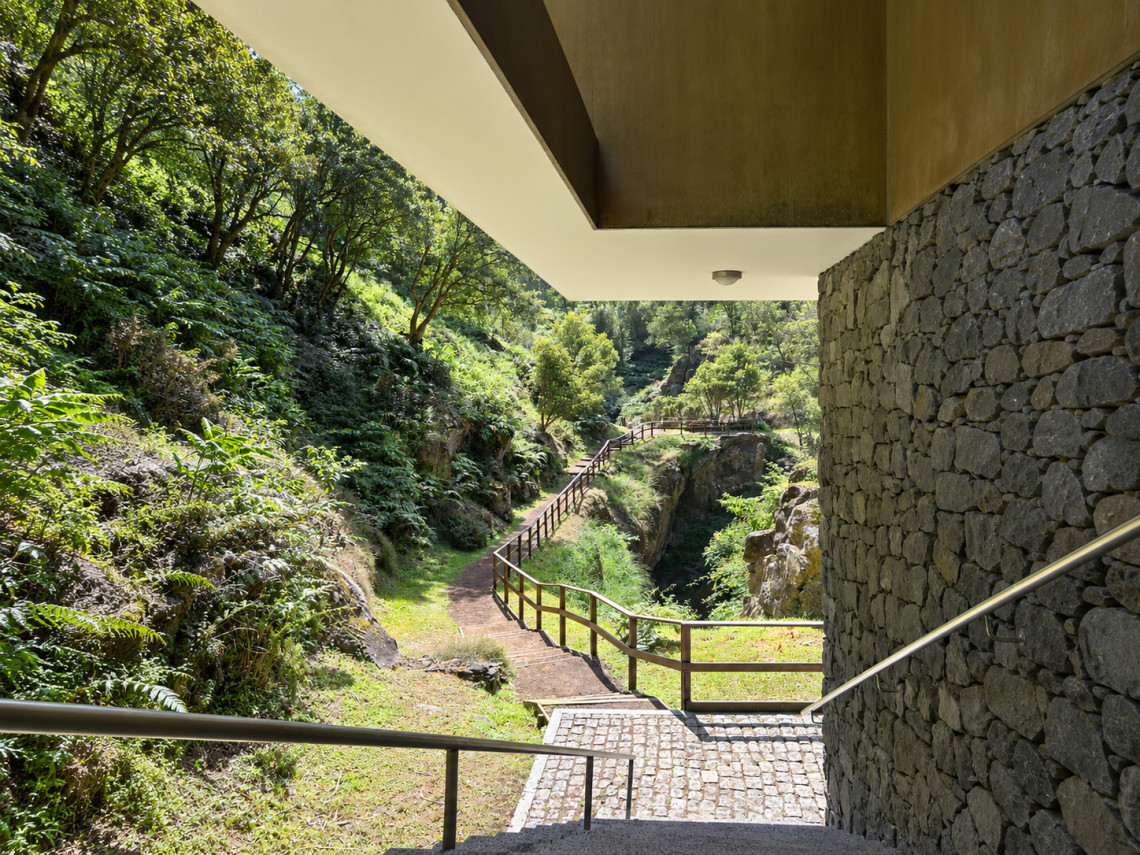
Furna do Enxofre has reduced opening hours and is closed on more days in winter; check current schedules with the tourist office before planning a visit specifically for the cave. Some rural accommodation and restaurants in Vila da Praia operate on limited hours or close for the season.
Winter is a realistic option for visitors who want to see Graciosa without other tourists, are flexible about weather, and are not prioritizing the Caldeira views or beach activities. It is also cheaper than any other time of year.
March and April
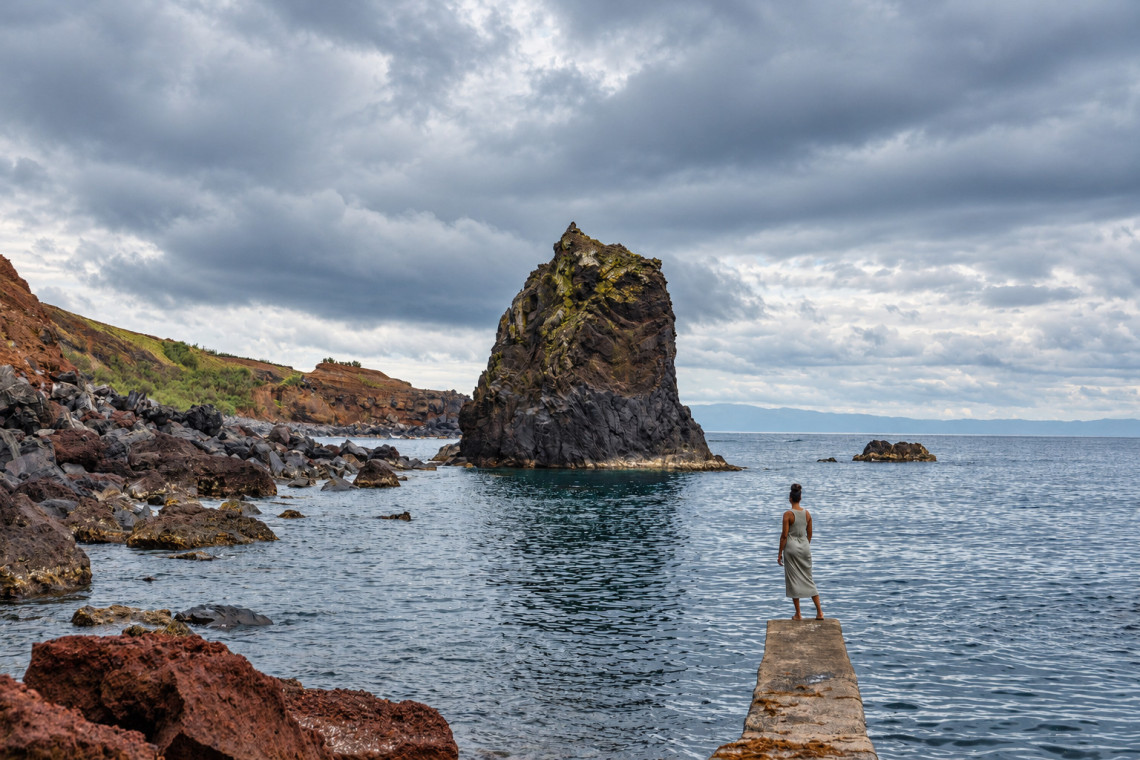
March and April are in the transition from winter to spring. Rainfall is higher than in May and the weather is less settled, but the island is beginning to green up and flowers appear earlier on Graciosa than on some of the higher-altitude western islands. Temperatures are around 14 to 18°C (57 to 64°F).
Furna do Enxofre is open in spring but check hours, as the shoulder season schedule is shorter than summer. Hiking conditions on the Caldeira are acceptable in April on clear days. For visitors who want to avoid summer pricing and enjoy the green landscape at its peak, April is a reasonable choice with the understanding that weather is less predictable than in May.
What to Book in Advance by Season
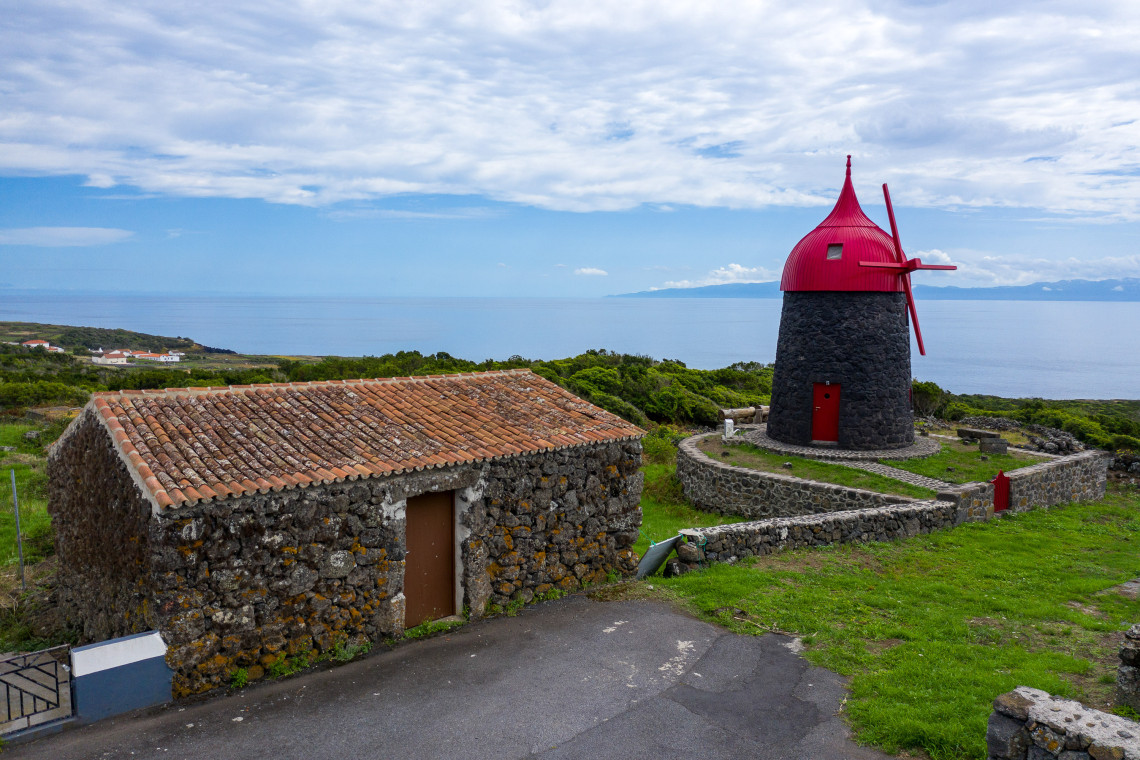
In July and August, book the following before arriving: Furna do Enxofre guided visit slots, the Inatel Graciosa Resort, windmill accommodation (Mó da Praia and Boina de Vento), and a rental car. In May, June, and September, the windmill accommodations should still be booked 2 to 3 weeks ahead as they have limited units. The Inatel can usually be booked a week or two in advance in shoulder season.
Graciosa Island Vacation Packages
Flights, accommodation, and rental car arranged together. Graciosa pairs naturally with São Miguel, or as part of the central islands circuit with São Miguel and Terceira.
Keep reading
Frequently Asked Questions
What is the best month to visit Graciosa Island?
June and September are the best months for most visitors. June gives warm, dry weather with full site access and lower visitor numbers than July and August. September combines the warmest sea temperatures of the year with post-peak conditions: prices are lower, accommodation is available at shorter notice, and Furna do Enxofre does not require booking weeks ahead.
Is Graciosa good to visit in winter?
Winter is viable but limited. Temperatures are mild (rarely below 12°C), but the Caldeira rim is often in cloud, Furna do Enxofre has reduced hours, and some accommodation and restaurants operate on reduced schedules or close. It is the cheapest time to visit and the island is empty. Best for visitors who are flexible about weather and not focused on the Caldeira panorama.
Does it rain a lot on Graciosa?
Graciosa receives less rainfall than the western Azores islands and is one of the drier islands in the central group. Rain is most frequent from October through March. July and August are the driest months, with June and September also generally dry. Rain on the Azores tends to come in quick Atlantic showers rather than sustained periods; consecutive rainy days are less common in summer.
Can you swim in the sea on Graciosa?
Yes, from around June onwards. Sea temperatures reach 18 to 20°C (64 to 68°F) in June, 22 to 24°C (72 to 75°F) in August and September. The beaches at Praia de São Mateus and Praia do Barro Vermelho near Vila da Praia are the main swimming spots. The natural rock pools at Porto Afonso are used for swimming in summer. The Termas do Carapacho has both thermal indoor pools and outdoor seawater pools accessible year-round.
Is Graciosa busy in August?
By Azorean standards, yes. By broader tourist destination standards, no. Graciosa in August is busier than at any other point in the year, with Furna do Enxofre at capacity on many days and accommodation filling up weeks in advance. It is still quieter than São Miguel or Terceira in August. The island never feels overrun; it just requires more advance planning than shoulder season.
When is Furna do Enxofre open?
Furna do Enxofre is typically open Tuesday to Sunday during peak season, with reduced hours and more closures in winter. Hours change annually; confirm with the Graciosa tourist office or the Regional Government of the Azores before planning a visit. In July and August, book your visit slot in advance as guided group numbers are capped.