by Azores Getaways Team
10 August 2026 • 6 min read
Corvo is the most remote island in the European Union. Getting there requires a connecting flight through another Azorean island, or a ferry from Flores that runs seasonally and is subject to weather. Getting around the island itself is mostly on foot, bicycle, or by arranging a local van transfer.
This guide covers every leg of the journey: from mainland Portugal to Corvo, and from the harbor to the caldera.
Corvo Island, the smallest and northernmost island in the Azores archipelago, is a destination like no other. With its dramatic landscapes, rich culture, and unique wildlife, Corvo offers an unforgettable experience for the intrepid traveler. In this guide, we'll walk you through everything you need to know about traveling to Corvo Island and how to get around once you're there, ensuring a smooth and memorable adventure in one of Portugal's most enchanting destinations.
Upon arriving in Corvo, be aware that there are no buses or taxis on the island. However, a few small vans are available to take visitors to key spots, including the renowned Caldeirão, a large volcanic crater. Plan ahead to accommodate the limited transportation options and ensure a smooth visit.
Getting to Corvo Island
By Air
There are no direct flights to Corvo from mainland Portugal. All flights to Corvo connect through another island in the Azores.
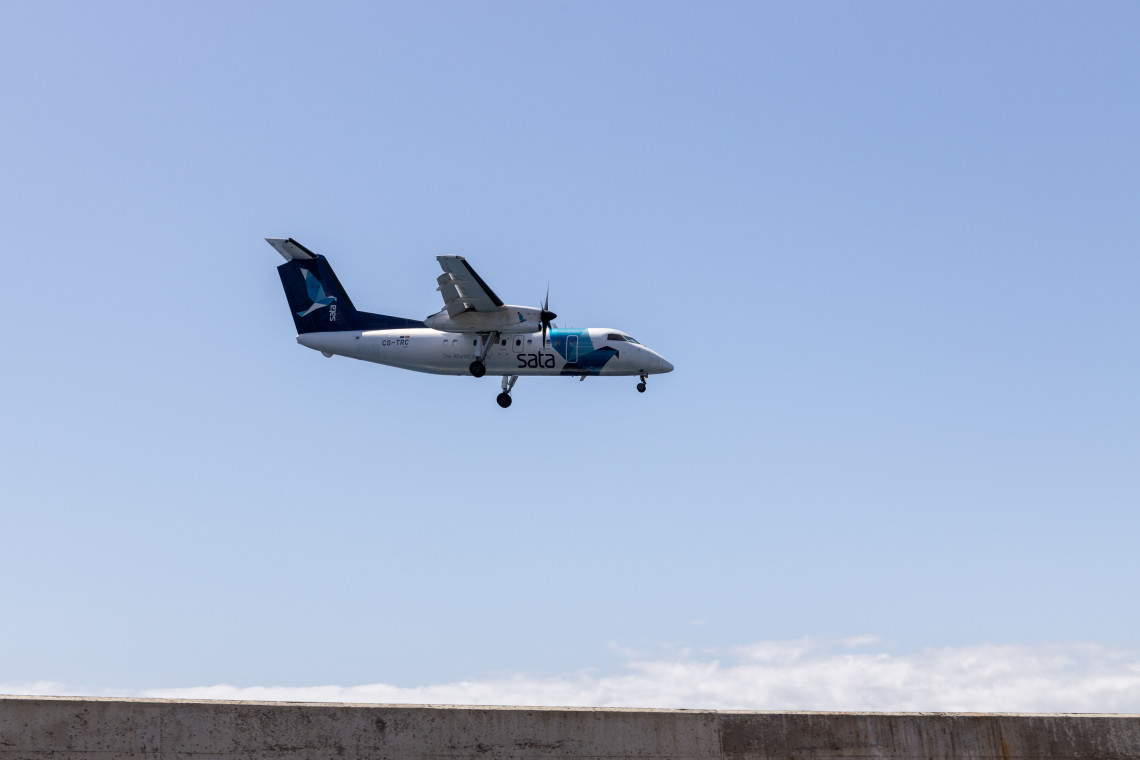
From Flores (FLW): The most common connection. The flight takes around 20 minutes. Azores Airlines (SATA) operates this route, though frequency is limited and the schedule changes seasonally. This is the same route that day-trippers from Flores use when sea conditions prevent ferry crossings.
From Ponta Delgada, São Miguel (PDL): The main international gateway for the Azores. Flights from PDL to Corvo are less frequent and typically involve a stopover on another island. Expect a total journey time of 2 to 3 hours depending on the connection.
From Horta, Faial (HOR): Another connection option for travelers already in the central group of islands.
The practical consideration with all Corvo flights is weather. The island's small runway and Atlantic exposure mean cancellations are common, particularly in autumn and winter. Build buffer days into your itinerary if you are flying in or out of Corvo, and always have a plan for a night on Flores if your flight is grounded.
By Sea
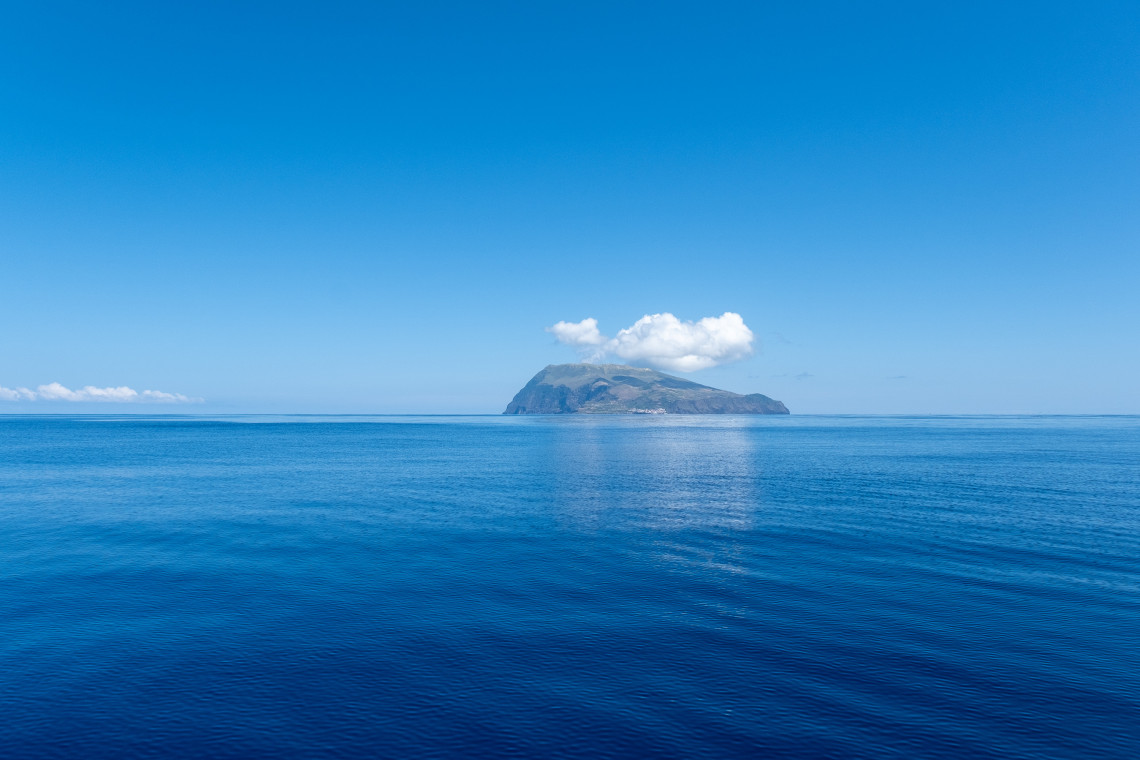
The ferry from Santa Cruz das Flores to Corvo runs seasonally, typically from May through October. It is operated by Atlanticoline and takes roughly 40 to 60 minutes depending on sea conditions.
For most travelers, the ferry is the preferred way to get to Corvo. It connects directly from Flores harbor, the crossing gives you views of both islands, and dolphins are a common sighting on the route. During summer months there is usually at least one daily crossing in each direction.
Book in advance. In July and August, the ferry fills up. If you are planning to cross in peak season, reserve your tickets as soon as your dates are confirmed.
Weather cancellations happen. The western Atlantic can produce swells that make the crossing unsafe even in summer. If your trip to Corvo is time-sensitive, fly and use the ferry as a backup, not the other way around.
⛵ BOOK A BOAT TRIP FROM FLORES TO CORVO
A guided boat trip from Flores includes transfers on Corvo and a visit to the Caldeirão, removing the need to plan van logistics yourself.
Book the Boat Trip →Getting Around Corvo Island
Corvo is 17 square kilometers. There is one road that loops around part of the island, a main road from the harbor to the caldera, and a network of footpaths between them. You do not need a car to see everything worth seeing.
On Foot
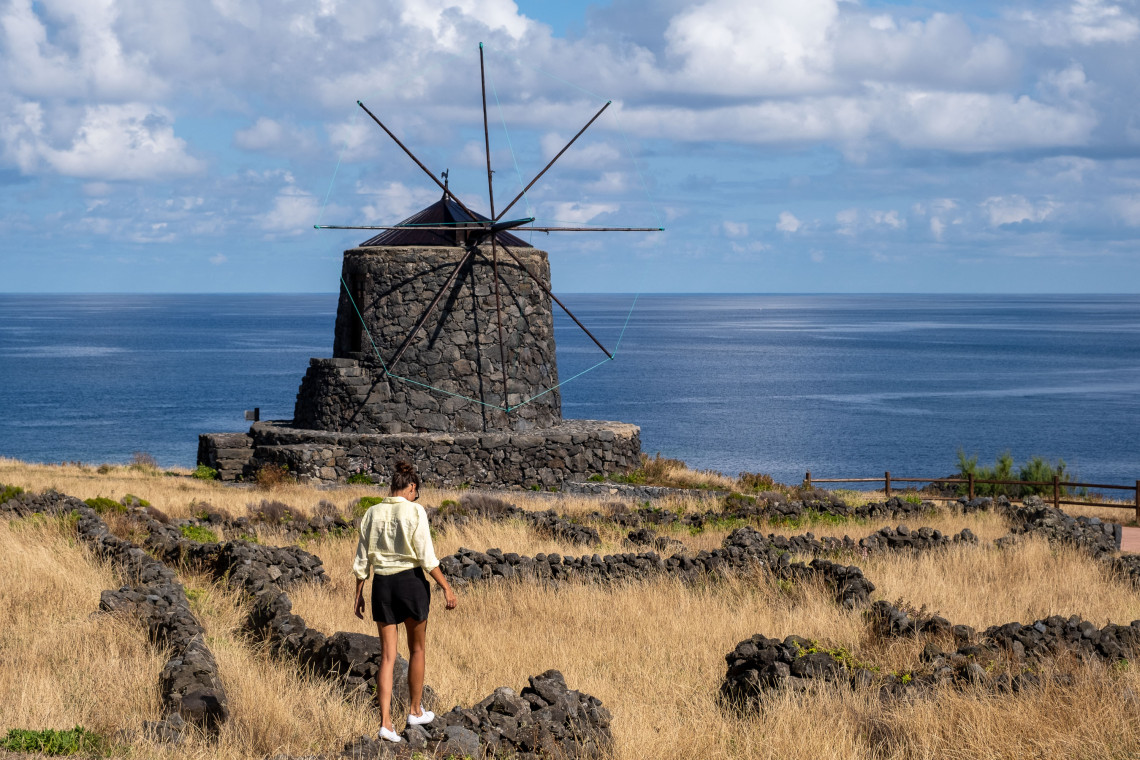
Vila do Corvo is small enough to walk end to end in ten minutes. The harbor, the village church, the Ecomuseum, and the Wild Birds Interpretation Centre are all within easy walking distance of each other. The road from the village to the Caldeirão viewpoint is a steady uphill walk of around 4 to 5 kilometers, manageable in under two hours at a relaxed pace.
By Bicycle
Bicycles are available to rent locally in the village. The main road from the harbor to the caldera is the obvious route. Expect a significant climb; the caldera rim sits around 700 meters above sea level.
By Van (Local Transfers)
There are no formal taxis or bus services on Corvo. However, local drivers offer informal van transfers from the village to the Caldeirão and other points around the island. The going rate to the caldera is around €5 per person, and drivers can usually be arranged through your accommodation or at the harbor. This is the quickest way to reach the caldera if you have limited time or want to start from the rim rather than hike up.
When the ferry brings day-trippers from Flores, the local vans are the standard way to get from the harbor to the caldera and back before the return crossing.
By Car
Car rental on Corvo is possible but very limited. There are no international rental agencies on the island. If you want a car, ask your accommodation well in advance. Given the island's size, a car is rarely necessary for a short visit.
Practical Logistics
- No ATM on Corvo. Withdraw cash on Flores or another island before you leave. The village has restaurants and a small shop, and most transactions are cash-only.
- Ferry is seasonal. The Flores–Corvo crossing typically runs May through October. Outside that window, access is by air only.
- Confirm return timings. Check the ferry schedule before leaving Flores and note your return crossing time. If you miss it, you are spending the night on Corvo.
- Build buffer time. Weather delays affect both the ferry and the small aircraft. A one-night stay on Corvo removes the time pressure entirely.
- Mobile signal is variable. Coverage exists in the village but drops outside it. Download offline maps before you arrive.
Plan Your Corvo Trip with Local Experts
The ferry schedules, flight connections, and accommodation on Corvo all require planning around each other. Our local team handles the logistics so your itinerary actually works.
Keep reading