September 2026 • 10 min read
The Azores has a mild oceanic climate year-round. Temperatures stay between 13°C and 26°C across all months, which means there is no bad time to visit in absolute terms. What changes is the balance between sun, rain, and crowds — and that balance matters depending on what you plan to do.
June and September are the sweet spot for most visitors: warm enough for the coast, green enough for the landscape, and quieter than July and August. This guide covers what to expect each month and which conditions suit which activities.
Spring: March to June
Spring is the most visually dramatic season in the Azores. The hydrangeas that line the roadsides of São Miguel, Faial, and Flores come into full bloom from May through June, and the landscape turns a shade of green that seems implausible at first glance. Whale watching reaches its peak species variety in April and May, when fin and blue whales join the resident sperm whale population on their northward spring migration.
Average temperatures sit between 14°C (57°F) and 18°C (64°F) across the season, warming steadily toward June. Rain is still present in March and April, particularly in the mornings, but showers pass quickly and the light between them is exceptional for photography.
May and early June are the sweet spot of the whole year. The hydrangeas are out, the crowds of July and August have not yet arrived, whale watching is at its best, and the temperatures are comfortable for hiking without the heat of peak summer. If you can travel in this window, it is the best overall month combination the Azores offers.
Best for in spring: whale watching (April and May for blue and fin whales), hiking, photography, festivals (Santo Cristo Festivities in Ponta Delgada on the fifth Sunday after Easter).
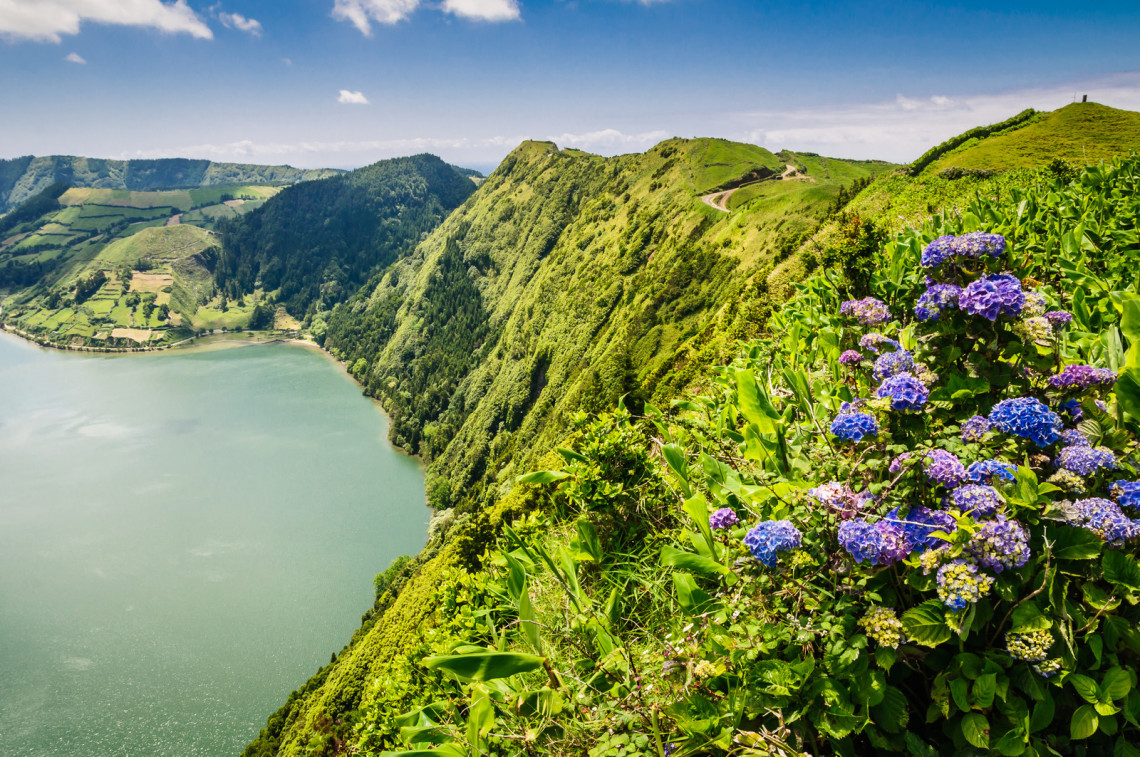
Summer: June to September
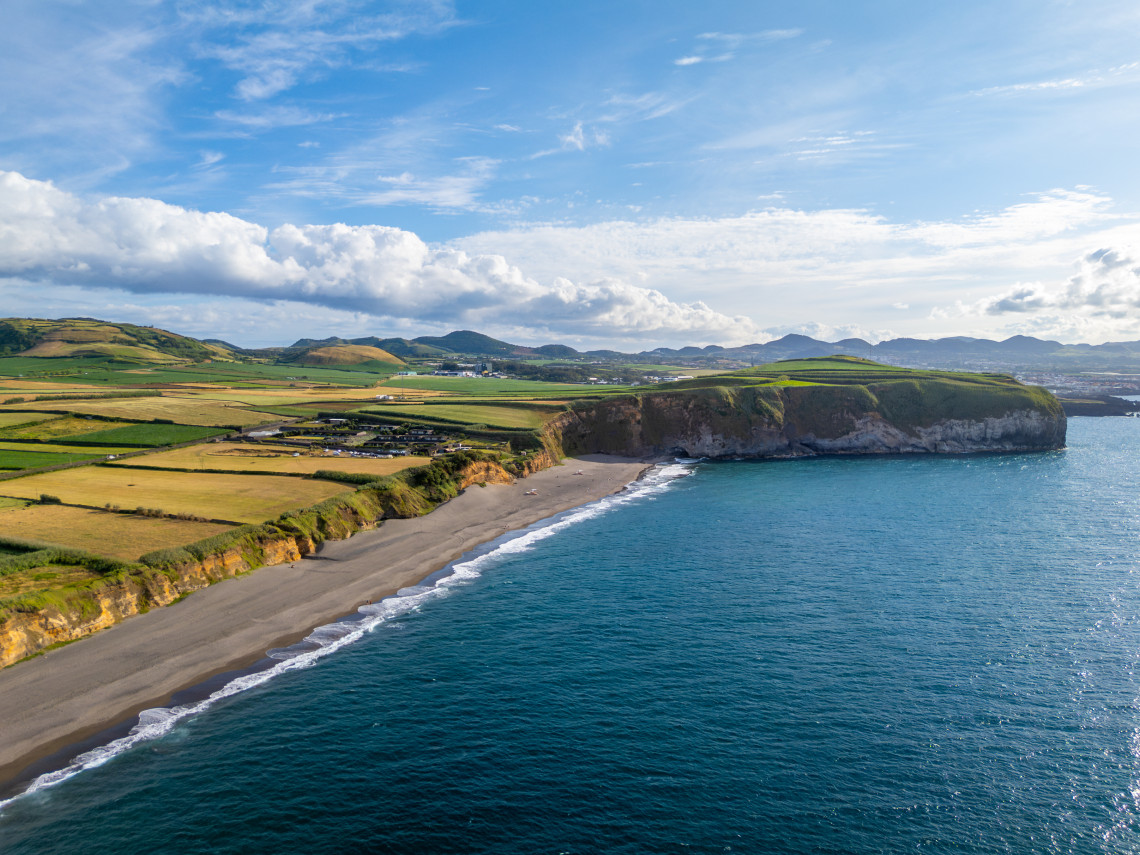
Summer is the most popular period, and for straightforward reasons: more sun, less rain, warmer sea, and more activities operating at full capacity. July and August are the driest months, with July averaging only 26 mm of rainfall and around five rainy days. Sea temperatures reach 23 to 24°C in late summer, making swimming and water activities genuinely comfortable.
Average temperatures run between 19°C and 25°C across the season, with August highs reaching 26°C. The islands get busy in July and August — whale watching tours, popular hiking trails, and accommodation on smaller islands fill up weeks in advance. If you are visiting in peak summer, book everything at least two months ahead.
September occupies its own category: the crowds thin out after mid-August, the sea is still warm from summer, and the landscape remains green. It is widely considered the best single month to visit the Azores by experienced visitors who know the island well.
Best for in summer: swimming and water sports, beach days, all outdoor activities, island-hopping, festivals (Sanjoaninas on Terceira in June, Maré de Agosto on Santa Maria in August).
AZORES VACATION PACKAGES
Packages built by local Azorean experts — flights, hotel, and rental car included. Our team can recommend the best timing based on your preferred activities and islands.
Browse Azores Packages →Autumn: September to December
Early autumn (September and October) is one of the most underrated windows to visit. The post-peak-season calm means fewer visitors, lower prices, and the landscape still carrying the warmth of summer. September remains beach-viable. October starts to introduce more Atlantic weather variability.
Average temperatures across autumn range from 15°C to 21°C. November sees a clear shift toward wetter, windier conditions. The sea stays warmer than air temperatures suggest — a wetsuit extends the swimming season into late October on most islands.
Migratory birds pass through the archipelago in autumn, making September and October the best period for birdwatching. The western islands (Flores, Corvo) attract birders specifically for the rare American vagrants blown across the Atlantic by westerly storms.
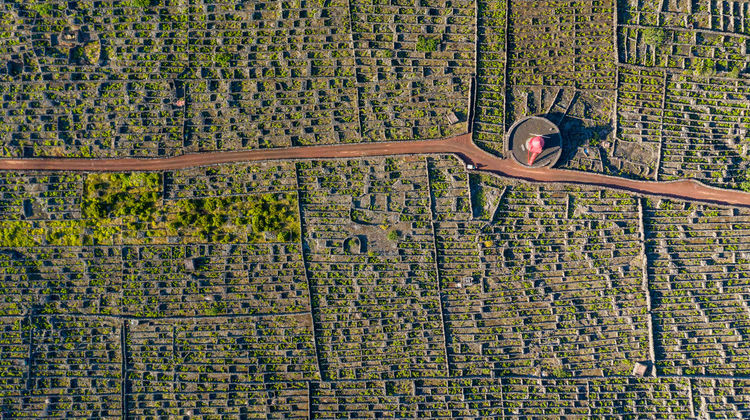
Best for in autumn: birdwatching, value travel, quieter hiking trails, wine harvest on Pico.
Winter: December to March
Winter in the Azores is mild but genuinely wet. December averages 153 mm of rainfall and around 15 rainy days. January and February have average highs of 17°C — comfortable by Atlantic island standards, cold enough that beach days are not realistic. The interior highlands of São Miguel and the higher elevations can see frost on unusual cold snaps, but snow is rare and temporary.
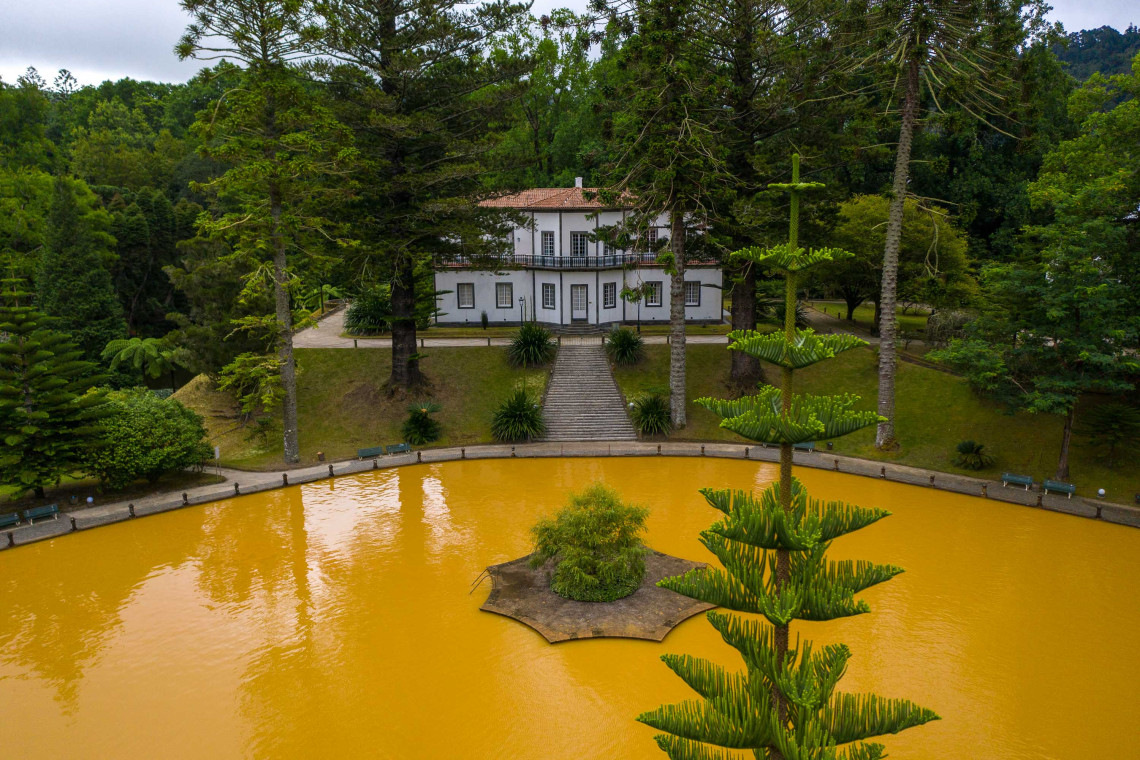
The main practical advantage of winter is cost. Accommodation and package prices drop significantly from October onward, and the islands lose the tourist density that compresses the best spots in summer. The thermal pools in Furnas and Caldeira Velha are actually more pleasant in cold weather than in summer heat, and many visitors find the moody Atlantic winter light on the caldera landscapes worth the occasional wet day.
Whale watching continues year-round — sperm whales are resident in every month. Blue and fin whales are absent in winter, but common dolphins and bottlenose dolphins remain.
Best for in winter: thermal pools, whale watching (sperm whales), off-season travel savings, the Gorreana tea plantation when misty and atmospheric.

BUILD A CUSTOM AZORES TRIP
Not sure which season or island combination works best for what you want to do? A local advisor can match your travel dates to the right itinerary. No cost, no commitment.
Plan a Custom Trip →Does Weather Vary Between Islands?
Yes, significantly — and this catches a lot of visitors off guard. The nine islands are spread across 600 kilometres of Atlantic Ocean, and each has its own microclimate.
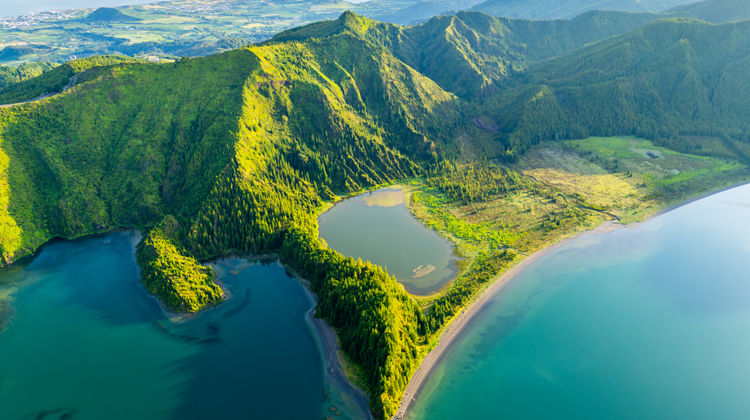
São Miguel has internal weather variation even within a single island. The west coast (Sete Cidades) is frequently clouded over when Ponta Delgada on the south coast is sunny. The central ridge and the Lagoa do Fogo crater cloud over quickly after mid-morning on most days in summer. Checking forecasts per location rather than per island makes a meaningful difference here.
Santa Maria, the southernmost island, receives significantly more sunshine than any other island in the archipelago. It is noticeably drier and sunnier, particularly in summer, which is why it hosts the Maré de Agosto beach music festival with confidence.
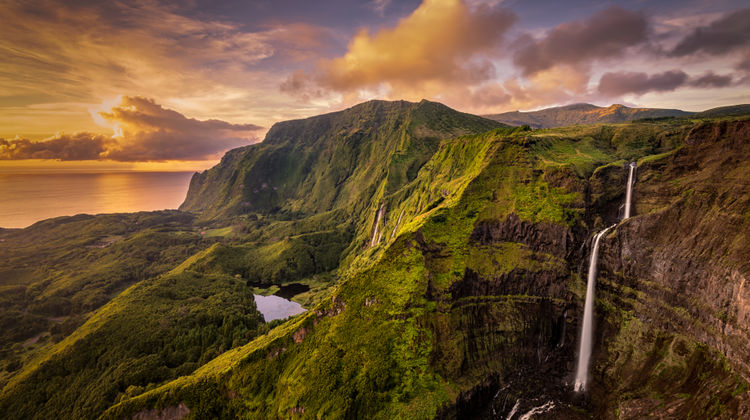
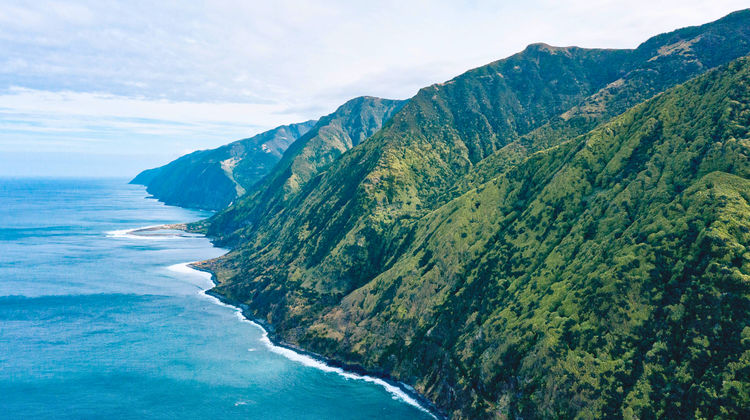
Flores and Corvo, the westernmost islands, are the wettest and most dramatic. They sit exposed to full Atlantic weather systems with no land buffer to the west. The landscape is consequently lush in a way that even São Miguel does not match, but rain is a more constant companion.
Terceira, Faial, and São Jorge sit between the two extremes in terms of rainfall, with weather patterns more variable than São Miguel's south coast but more manageable than the western group.
The general rule across all islands: weather can change within hours. A clear morning with cloud by early afternoon is the norm rather than the exception, particularly on elevated terrain and caldera viewpoints. Check local forecasts before heading to the highland areas.
What to Pack
A waterproof jacket is the single most important item for any Azores trip, in any month. Even in July, a fast-moving Atlantic shower can drench an unprepared hiker in minutes. A lightweight packable rain jacket takes up almost no space and solves the problem completely.
Layers are more useful than heavy clothing. The temperature difference between a coastal town in the afternoon and a caldera rim at 800 metres in the same morning can be 10°C. The solution is not a heavy coat — it is three thin layers that can be added or removed.
Comfortable waterproof hiking boots or trail shoes matter if you plan to hike. Many of the best trails are uneven, wet underfoot even in summer, and involve volcanic rock that gets slippery in rain. Flat-soled shoes and sandals are inadequate for anything beyond a paved viewpoint.
Sunscreen and sunglasses from April through October. The Atlantic light is intense, particularly at altitude, and the relief of cloud cover can lull visitors into skipping sun protection on partly cloudy days.
FAQ
What is the best time of year to visit the Azores?
June and September are the best months for most travellers. June offers excellent weather, the hydrangeas at peak bloom, and whale watching still active. September has the warmest sea temperatures of the year, fewer crowds than July and August, and comfortable conditions for both hiking and the coast. May is a close third — exceptional whale watching and the green landscape before the tourist season peaks.
Does it rain a lot in the Azores?
More than most Mediterranean destinations, but rain in the Azores rarely lasts all day. Atlantic showers pass quickly, and a morning of cloud can give way to clear afternoons. The wettest months (December and January) average around 15 rainy days, but even these are rarely full days of rain. A packable waterproof jacket handles most situations without requiring a change of plans.
What is the weather like in the Azores in summer?
July and August are the driest and sunniest months, with average highs reaching 26°C in August. Sea temperatures peak at 23 to 24°C in late summer, making swimming comfortable. July averages only around 26 mm of rainfall and five rainy days. The trade-off is that the islands are at their busiest and most expensive in these months.
What is the weather like in the Azores in winter?
Mild but wet. Temperatures average 13 to 16°C from December through February — cold by Mediterranean standards, but warmer than most of northern Europe. December is the rainiest month. The thermal pools, volcanic landscapes, and dramatic Atlantic conditions are all still accessible, and accommodation prices drop significantly from October onward.
Is the weather the same on all Azores islands?
No. Santa Maria is the sunniest and driest island. Flores and Corvo (the western group) are the wettest and most exposed to Atlantic weather. São Miguel has significant internal variation between its west coast and south coast. Even on a single island, weather at caldera viewpoints can be completely different from weather at sea level an hour later. Always check forecasts per location, not per island.
What is the coldest month in the Azores?
January and February are the coolest months, with average highs around 17°C (63°F) and lows near 12°C (54°F). The ocean never drops below around 16°C even in the coldest months, which keeps the overall climate mild relative to the same latitude on mainland Europe.
When should you not visit the Azores?
There is no truly bad month, but October through February is the wettest period. December specifically averages 153 mm of rainfall and 15 rainy days — perfectly manageable with the right expectations and gear, but not suitable for a trip centred on beach days or guaranteed blue skies. For hiking and landscape photography, the moody winter light and dramatic conditions can be a positive.
What should I pack for the Azores?
A lightweight waterproof jacket is the most important item in any season. Beyond that: layers (a temperature difference of 10°C between the coast and elevated terrain is common), waterproof trail shoes or hiking boots if you plan to hike, sunscreen and sunglasses from April through October, and a small daypack for viewpoints and hikes. Heavy winter coats are unnecessary; smart layering handles everything the Azores climate requires.
Keep Reading
São Miguel
Best Time to Visit São Miguel Island
Planning
São Miguel Itinerary: 5 Days in the Azores
Planning
Azores Inter-Island Flights: Routes & Booking Tips
Ready to Experience the Azores?
Azores Getaways offers vacation packages built by local experts — hand-picked hotels, rental car included, travel protection, and all-in pricing with no surprises.
Browse Azores Packages Build a Custom Trip.jpg "Jeep tour through Cumeeiras, Sete Cidades, São Miguel Island")
.jpg "Sete Cidades Caldera Lakes in São Miguel Island, Azores")