October 2026 • 11 min read
The best time to visit the Azores is from May to early October. June and September are the sweet spot: warm (highs of 22 to 24°C), relatively dry, sea warm enough to swim, hydrangeas or late-summer light, and far fewer people than July and August. Go in April or May for the big migrating whales, in July for peak hydrangeas and the warmest, driest weather, in September for the warmest sea, and in winter for hot springs, low prices and green, empty islands if you can live with rain.
Below: every month with real temperature, rain and sea figures for Ponta Delgada, what is happening (whales, flowers, festivals), the crowds and prices to expect, and the best month for each kind of trip.
How the Azores Year Works
The Azores sit in the middle of the North Atlantic at the latitude of Lisbon, and the ocean runs the climate. Winters are mild and wet, never cold; summers are warm and much drier, never hot. The annual range in Ponta Delgada is small, from an average high of about 17°C in January and February to 25°C in August, and the sea follows a few weeks behind, coldest in March at around 16°C and warmest in August and September at about 23°C. What changes most through the year is not temperature but rain and cloud: roughly 110 to 120 mm a month from October to January against 25 to 50 mm in July and August, with sunshine doubling from three hours a day in midwinter to seven in August.

Two things make the Azores different from a Mediterranean island. First, the weather is local and changeable: the islands have their own microclimates, the north coast can be in cloud while the south is in sun, and a rainy morning rarely means a rainy day, which is why locals check the SpotAzores webcams before deciding where to go. Second, the islands are green because it rains, so the trade-off is real: the lush hydrangea-lined roads and full waterfalls of early summer are paid for by the wet months before them.
| Month | High / Low | Rain | Sun / day | Sea | Crowds | Our rating |
|---|---|---|---|---|---|---|
| January | 17 / 13°C | 110 mm, 13 days | 3 h | 17°C | Very low | Hot springs and bargains |
| February | 17 / 12°C | 80 mm, 12 days | 3.5 h | 16°C | Very low | Driest winter month, Carnival |
| March | 17 / 12°C | 85 mm, 11 days | 4 h | 16°C | Low | Whale season begins |
| April | 18 / 13°C | 65 mm, 10 days | 4.5 h | 17°C | Low | Blue whales, spring flowers |
| May | 19 / 14°C | 65 mm, 9 days | 5.5 h | 18°C | Medium | Excellent: whales, Santo Cristo, green |
| June | 22 / 16°C | 40 mm, 6 days | 5.5 h | 20°C | Medium | Best all-round month |
| July | 24 / 18°C | 25 mm, 6 days | 6.5 h | 22°C | High | Driest month, peak hydrangeas |
| August | 26 / 20°C | 50 mm, 6 days | 7 h | 23°C | Very high | Warmest, busiest, priciest |
| September | 24 / 19°C | 95 mm, 10 days | 6 h | 23°C | Medium | Excellent: warmest sea, fewer people |
| October | 22 / 17°C | 110 mm, 11 days | 4.5 h | 21°C | Low | Good early, wetter late |
| November | 19 / 15°C | 120 mm, 13 days | 3.5 h | 19°C | Very low | Wettest, quietest |
| December | 18 / 14°C | 120 mm, 14 days | 3 h | 18°C | Low | Christmas lights, hot springs |
Climate averages for Ponta Delgada, São Miguel, at sea level. The western islands (Flores, Corvo) are wetter, the eastern (Santa Maria) drier and sunnier, and the high ground on every island is cooler, wetter and cloudier than the coast.
The Best Time to Visit, by What You Want
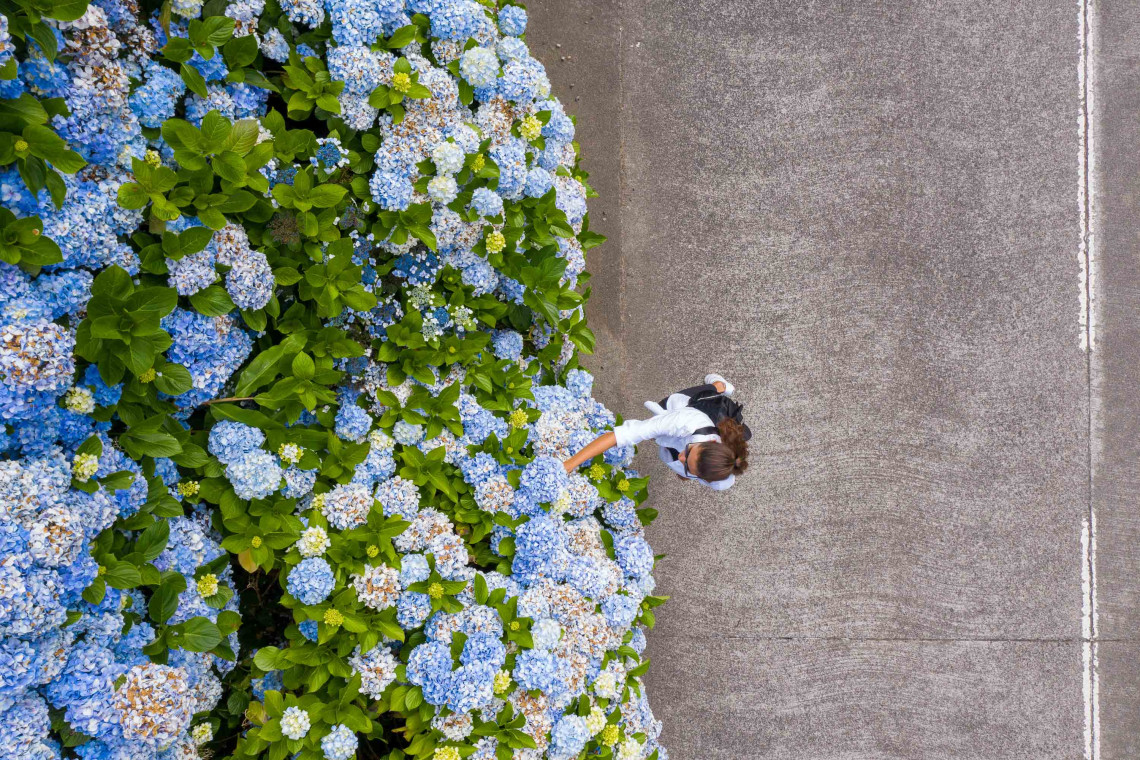
For the best overall weather with manageable crowds, go in June or September. June has the hydrangeas starting, long days, a sea you can swim in and rain down to 40 mm; September has the warmest sea of the year, the summer light and a drop in visitors once European schools go back, with the trade-off of more rain in the second half. For the warmest and driest weather regardless of cost or crowds, July. For whales, April and May, when blue, fin and sei whales migrate past on top of the resident sperm whales and dolphins. For hydrangeas, mid-July on the coast of São Miguel and Faial, early August on the high ground of Flores. For hiking, May, June, September and October, when trails are dry enough and temperatures stay below 25°C. For the lowest prices and empty islands, November to March, accepting rain. For festivals, May for Santo Cristo in Ponta Delgada, June for the Sanjoaninas in Angra, and August for the island summer festivals everywhere.
Month by Month
January and February
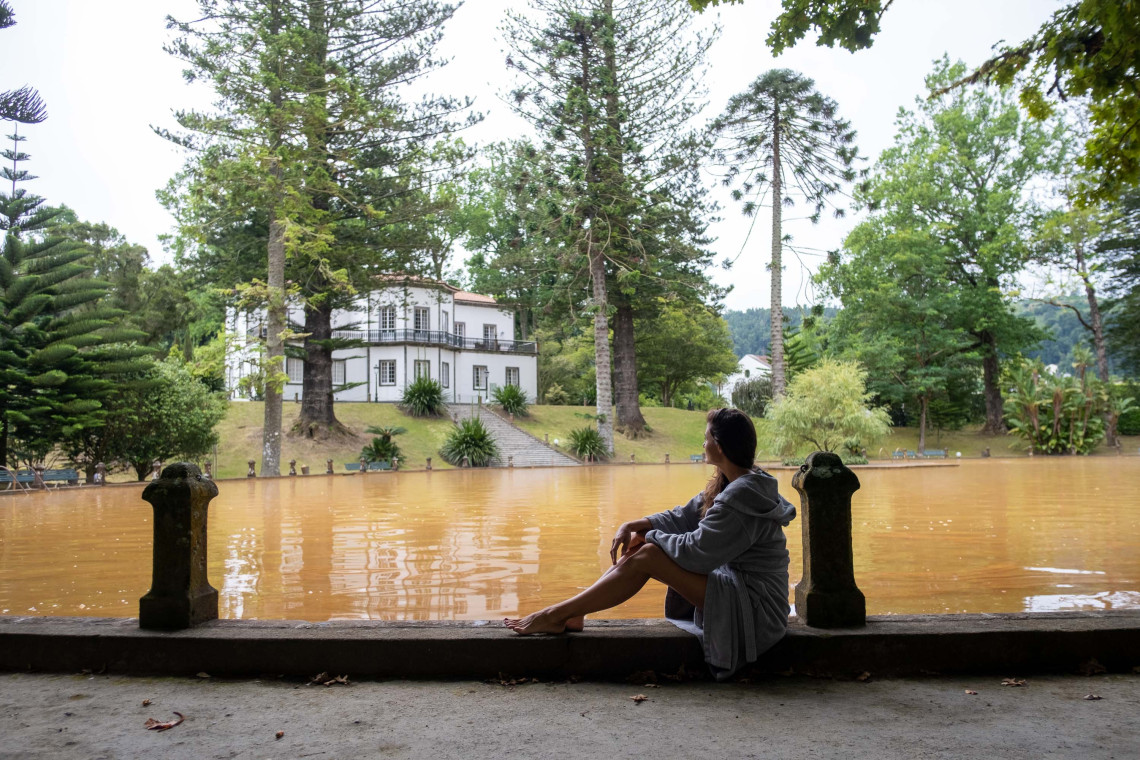
The quietest months. Highs around 17°C, lows around 12 to 13°C, frequent showers and Atlantic fronts, three hours of sun a day. Flights and hotels are at their cheapest, many rural restaurants and some boat operators close, and trails can be closed after storms. The compensation is the hot springs of Furnas, Caldeira Velha and Ferraria at their best in cool air, waterfalls at full flow, and a green, empty landscape. February is drier than January and brings Carnival, which Terceira in particular celebrates with the danças de Carnaval, a week of amateur theatre performances in village halls that is one of the most distinctive traditions in the islands. Whale watching runs on calm days, with sperm whales resident and the chance of orcas in late winter.
March
Still changeable, with 85 mm of rain and highs of 17°C, but the days lengthen and the whale season opens: the first baleen whales appear off the islands in March and the operators in Ponta Delgada and Pico step up their schedules. Camellias and the first azaleas are out in the Terra Nostra and José do Canto gardens. Prices remain low until Easter, which can fall in late March or April and brings the first busy week.
April
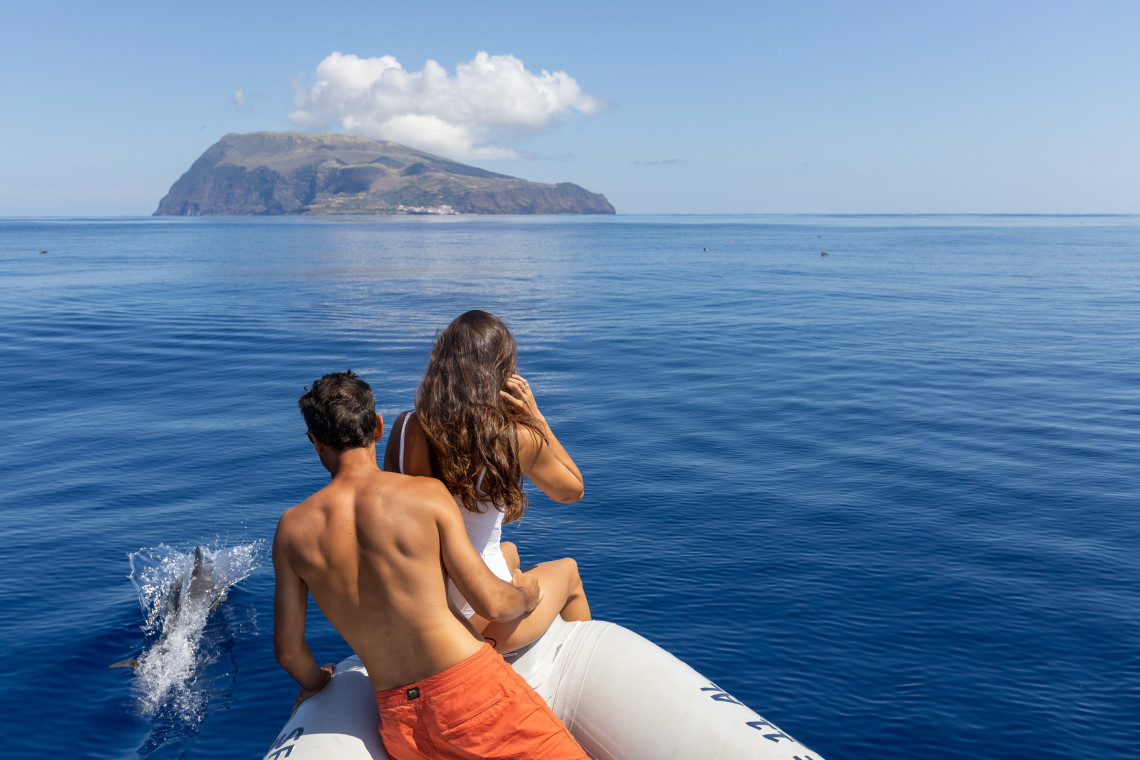
The start of the real season for many visitors. Rain drops to 65 mm, highs reach 18°C, the countryside is at its greenest and the migration of blue whales, the largest animals on earth, peaks in April and May as they pass the islands heading north. Sightings are not guaranteed, but April and May are the best months of the year to try. The sea is still cold at 17°C; the hot springs do the swimming instead. Easter and the Holy Spirit festivals begin, with the colourful impérios (small chapels) decorated and sopas do Espírito Santo served free to everyone in the villages on the Sundays after Easter.
May
One of the two or three best months. Highs of 19°C, nine rainy days, five and a half hours of sun, the countryside still spring-green and the whale season at its peak with blue, fin and sei whales plus the resident sperm whales. Ponta Delgada holds the Festas do Senhor Santo Cristo dos Milagres on the fifth Sunday after Easter (8 to 14 May in 2026), the largest religious festival in the Azores, with the city centre carpeted in flowers and a procession that draws emigrants back from across the world. Prices step up from the winter lows but remain below summer, and hotels are not yet full.
WHALE WATCHING FROM PONTA DELGADA
Half-day trip by catamaran with marine biologists on board. Book it for April or May to catch the blue whale migration on top of the resident sperm whales and dolphins.
Book whale watching →June
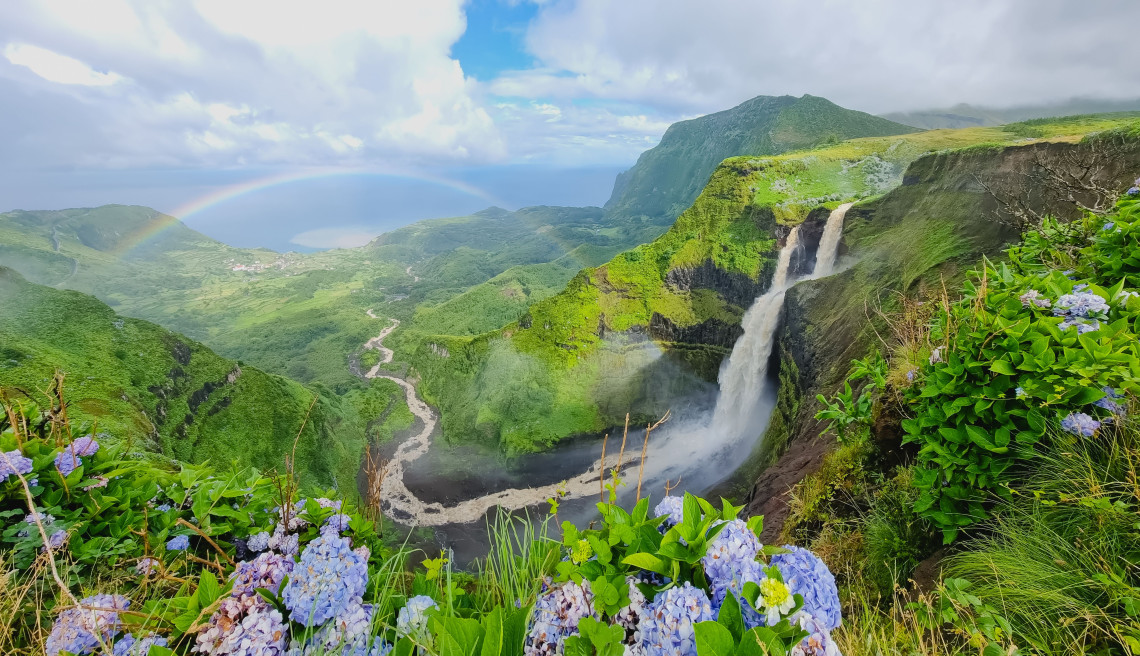
If we had to name one month, this is it. Highs of 22°C, lows of 16°C, rain down to 40 mm over six days, a sea at 20°C that is comfortable for a swim by the end of the month, days that stay light until after 9 pm, and the hydrangeas beginning to line the roads of São Miguel and Faial. Visitor numbers are moderate until the last week, when European school holidays start. Angra do Heroísmo holds the Sanjoaninas (19 to 28 June in 2026), ten days of parades, concerts, bullfights and street food that are the biggest secular festival in the islands, and the Holy Spirit festivals continue across the villages.
July
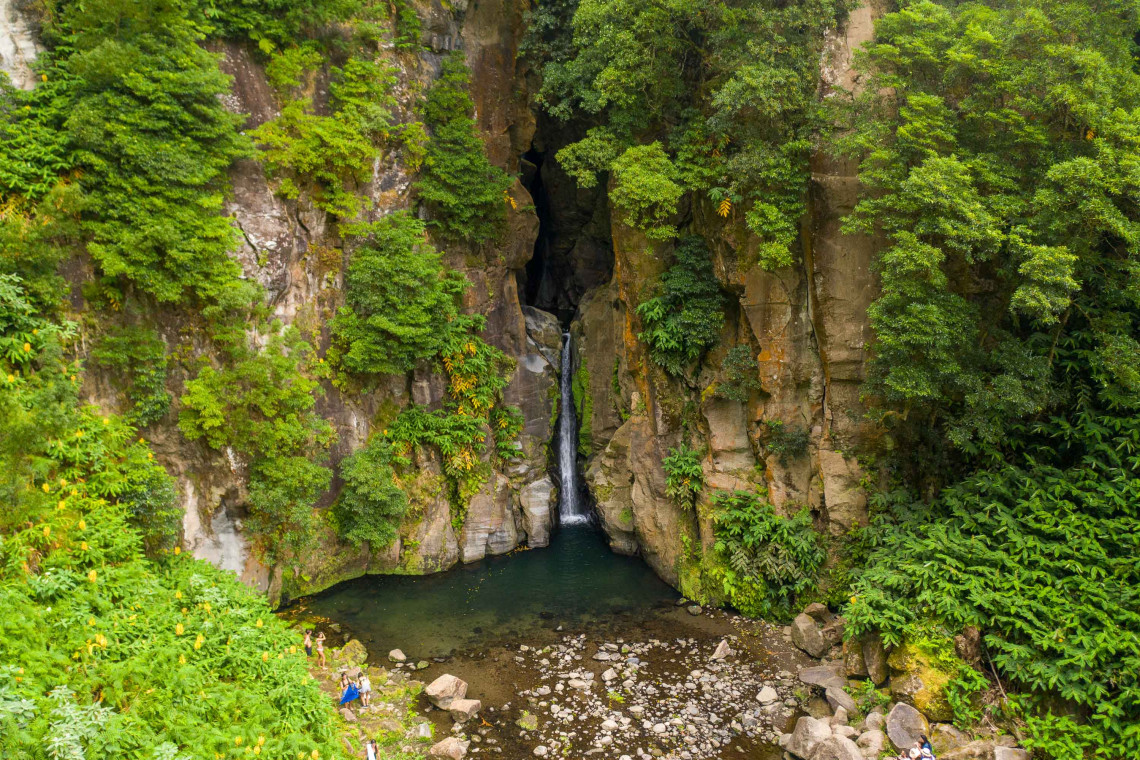
The driest month of the year with 25 mm of rain, highs of 24°C and the hydrangeas at their peak in the middle of the month, turning the roadside hedges and crater rims blue. The sea reaches 22°C and the natural pools fill up. It is also the first month of real crowds: flights and hotels are expensive, rental cars sell out, Furnas is busy and the Sete Cidades viewpoint has queues. Book everything months ahead. In the second half of July the summer festivals start in earnest, with the Semana do Mar in Horta beginning at the end of the month.
August
The warmest, sunniest and busiest month: highs of 25 to 26°C, seven hours of sun a day, a sea at 23°C, and Portuguese and emigrant families filling the islands for the festival season. Every island has its big summer festa: the Semana do Mar in Horta (31 July to 9 August in 2026), the Festas da Praia in Praia da Vitória, the Semana dos Baleeiros in Lajes do Pico (24 to 30 August in 2026), the Santo Cristo on Graciosa, Maré de Agosto on Santa Maria. Rain picks up slightly to 50 mm, sometimes as short sharp showers, and the hydrangeas are fading on the coast but still full on Flores. Prices peak. If August is your only option, choose the smaller islands or stay outside Ponta Delgada and book in winter.
September
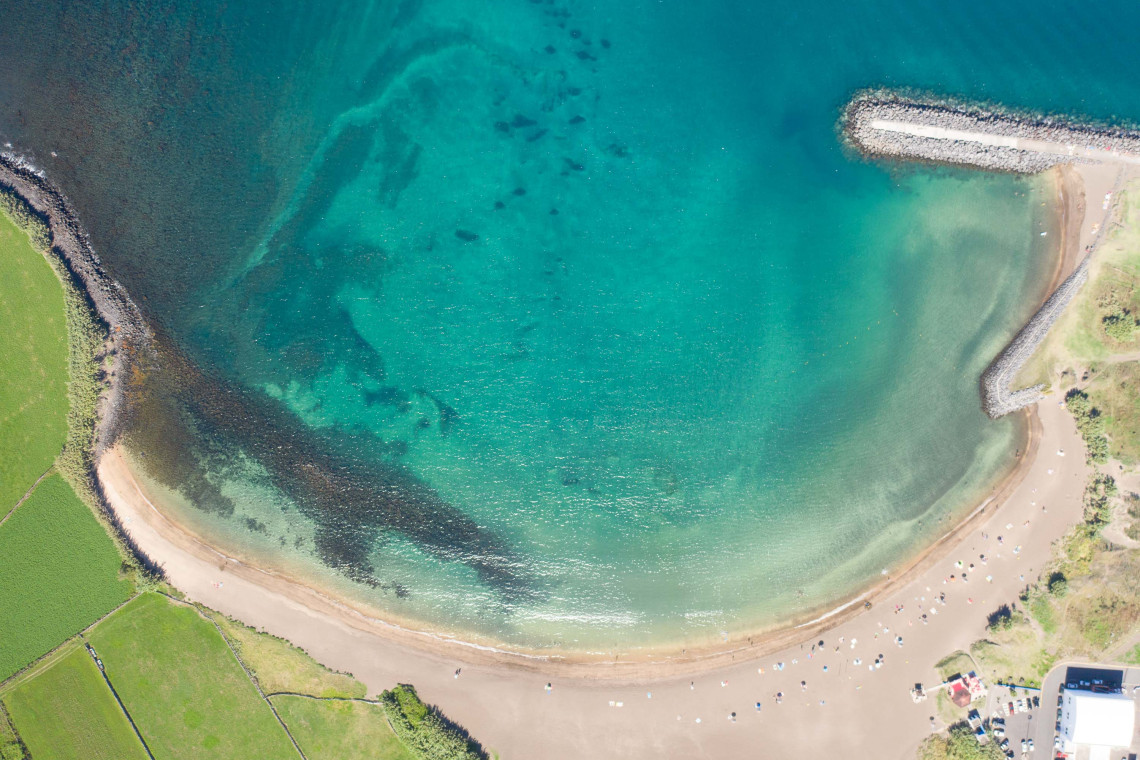
Our other favourite. The sea is at its warmest (23°C), highs stay at 24°C, there are six hours of sun a day and the crowds thin sharply after the first week when schools reopen. Rain rises to 95 mm, concentrated in the second half, so early September is close to perfect and late September is still very good. Diving and snorkelling are at their best, with the warm water bringing mobula rays to Santa Maria and whale sharks in some years. Hiking is pleasant again as temperatures ease.
October
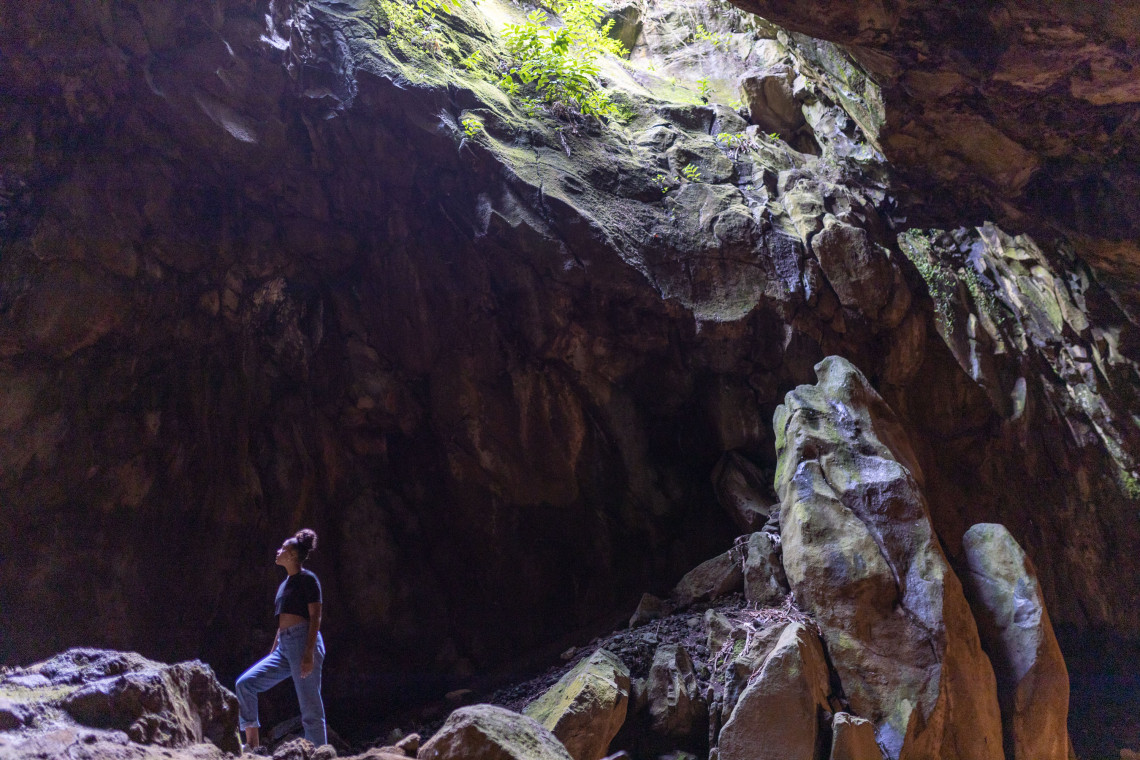
A good month for value, especially the first half. Highs of 22°C, sea still 21°C, 110 mm of rain over 11 days, and visitor numbers low. The landscape starts to green up again after the dry summer, the festivals are over and prices fall. It is the best month for a mix of hiking, hot springs and a few swims without summer costs. Whale watching continues with sperm whales and the chance of humpbacks passing on their southward migration.
November and December
The wettest months, each with about 120 mm of rain over 13 to 14 days, highs of 18 to 19°C and three to three and a half hours of sun. November is the quietest month of the year on the islands; December brings the Christmas lights of Ponta Delgada and Angra, the nativity scenes and a short busy spell around Christmas and New Year. Both months suit a hot-springs and food trip more than a hiking or beach one, and both have the year's lowest hotel prices outside the holiday week. Our Christmas in the Azores guide covers the festive season in detail.
Crowds and Prices Through the Year
The Azores have two peaks: the main one from mid-July to the end of August, when Portuguese holidays, emigrant visits and the summer festivals coincide, and a short one over Christmas and New Year. In August a rental car, an automatic in particular, can be impossible to find at short notice and the best hotels in Furnas and Ponta Delgada fill months ahead. The shoulder months of May, June, September and early October offer most of the summer's weather at noticeably lower prices and with room to be spontaneous. From November to March flights and hotels are at their cheapest, and the trade-off is weather risk and reduced opening of rural restaurants and some tours. Whatever the month, the islands are not a mass-tourism destination: even in August the crowds are modest by Mediterranean standards, concentrated at a dozen famous viewpoints, and a ten-minute drive away from them you are alone.
PACKAGES FOR EVERY SEASON
Flights, hotel and rental car bundled, with prices that follow the season: shoulder-month packages are often a third cheaper than the same trip in August.
See all packages →Does the Best Time Change by Island?
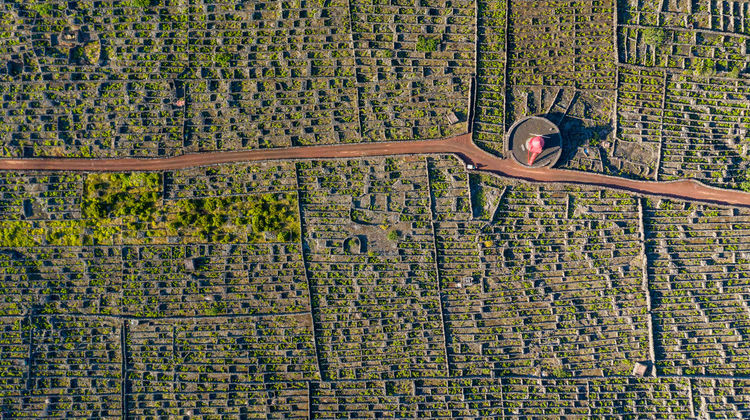
Slightly. Santa Maria, the easternmost island, is the driest and sunniest and extends the good season by a few weeks at each end; it is the island to pick for an April or October beach trip. Flores and Corvo in the far west are the wettest and the most exposed to Atlantic fronts, so their season is shorter, from June to September, and the inter-island flights and ferries that reach them are more often disrupted outside it. Pico's mountain is climbable all year but is clearest and safest from June to September, and its vineyards are at their best around the harvest in late August and September. Terceira and São Miguel sit in between and are the islands that work in any month. The central group (Faial, Pico, São Jorge) depends on ferries, which run all year within the triangle but connect to the other islands only from spring to autumn.
Is There a Worst Time to Visit the Azores?
If you want sun and warm sea, November to February are the months to avoid: the rain is heaviest, the sun shortest and the sea coldest, and some tours stop. If you want quiet, avoid the first three weeks of August. If you want whales, the summer months have the fewest large whales, although dolphins and sperm whales are seen year round. There is no month in which the islands are not worth visiting for someone, which is the honest answer to the question; the trick is matching the month to the trip.
Plan it your way
Custom Your Trip
Tell our local travel advisors which islands, dates and experiences you want and we build the itinerary around you.
Start your custom trip →Limited time
Azores Packages On Sale
Flights, hotels and rental car bundled at reduced prices. See every package currently on sale and book while it lasts.
Book now →
Best Time to Visit the Azores: FAQ
What is the best month to visit the Azores?
June, with September a close second. Both combine warm weather (highs of 22 to 24°C), low rainfall, a sea warm enough for swimming and far fewer visitors than July and August. June adds the start of the hydrangea bloom; September adds the warmest sea of the year.
What is the rainy season in the Azores?
October to March, with November and December the wettest months at around 120 mm each. Rain in the Azores comes as passing showers more often than as all-day downpours, and sunny spells are common even in winter. July is the driest month at about 25 mm.
When is the best time for whale watching in the Azores?
April and May, when blue, fin and sei whales migrate past the islands and join the resident sperm whales and dolphins. Whale watching runs all year in Ponta Delgada and on Pico, with the fewest cancellations from May to September.
When do the hydrangeas bloom in the Azores?
From June to August, peaking in mid-July on the coasts of São Miguel and Faial and in early August on the high ground of Flores. They are not native; they arrived in the nineteenth century and now line roads and field boundaries across the islands.
Is August a good time to visit the Azores?
For weather, yes: it is the warmest and sunniest month with a 23°C sea. For everything else it is the hardest: the highest prices, full hotels, no rental cars at short notice and crowds at the main viewpoints. If you can shift to June or September you get most of the weather with far less of the pressure.
Can you swim in the sea in the Azores?
Yes, from June to October, when the sea is between 20 and 23°C. Natural volcanic pools and the few sandy beaches are busiest in July and August. From December to April the sea is 16 to 17°C and most people swim in the hot springs instead.
What is the cheapest time to visit the Azores?
November to March, outside the Christmas and New Year week. Flights and hotels are at their lowest, and packages for those months can cost a third less than the same trip in summer. The trade-off is rain and reduced opening of some rural restaurants and tours.
Is the Azores good to visit in winter?
Good for hot springs, food, hiking on dry days and empty landscapes, with the year's lowest prices. Expect highs around 17 to 18°C, frequent showers and some trail closures after storms. Whale watching still runs on calm days.
When are the main festivals in the Azores?
Santo Cristo in Ponta Delgada on the fifth Sunday after Easter (mid-May), the Holy Spirit festivals in villages from Easter to September, Sanjoaninas in Angra in the second half of June, and the island summer festivals in August, including Semana do Mar in Horta and Semana dos Baleeiros in Lajes do Pico.
Does the best time differ between the islands?
A little. Santa Maria is the driest and sunniest and suits April and October trips; Flores and Corvo are the wettest and best from June to September; São Miguel and Terceira work in any month. Ferries between the central islands run all year, but connections to the other groups are seasonal.
.jpg "Jeep tour through Cumeeiras, Sete Cidades, São Miguel Island")
.jpg "Sete Cidades Caldera Lakes in São Miguel Island, Azores")