24 August 2026 • 7 min read
The Landscape of the Pico Island Vineyard Culture was inscribed as a UNESCO World Heritage Site in 2004. The site covers 987 hectares of western Pico, where vines have been grown inside black basalt enclosures for over 500 years.
Location: Western Pico, Madalena municipality | UNESCO Reference: 1117 | Interpretation Centre: Lajido de Santa Luzia
What the Site Actually Is
The Landscape of the Pico Island Vineyard Culture is not a single vineyard or a wine estate. It is an entire coastal landscape, covering 987 hectares of the western, northwestern, and southwestern coasts of Pico, primarily in the municipality of Madalena and parts of São Roque do Pico, at the foothills of Mount Pico.
What makes it remarkable from UNESCO's perspective is the combination of an extreme growing environment and an unbroken 500-year continuity of practice. The landscape has been shaped and tended using the same techniques since the late 15th century. UNESCO granted it World Heritage status under criteria (iii) and (v): for its exceptional testimony to a cultural tradition, and as an outstanding example of a traditional human settlement that illustrates a culture's interaction with its environment.
The site also includes a 1,924-hectare buffer zone.
The Landscape: Currais, Biscoitos, and Basalt Walls
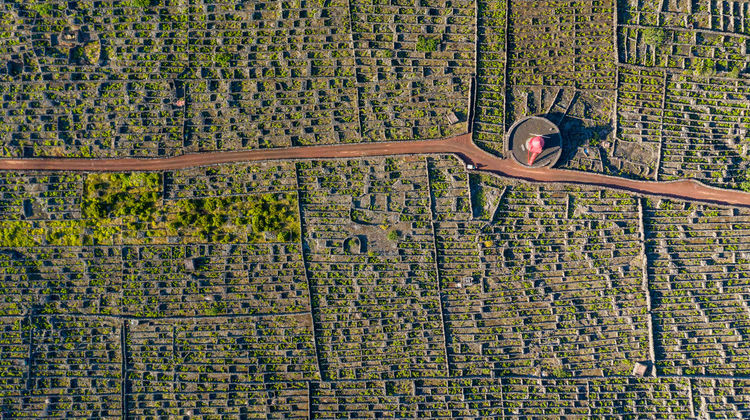
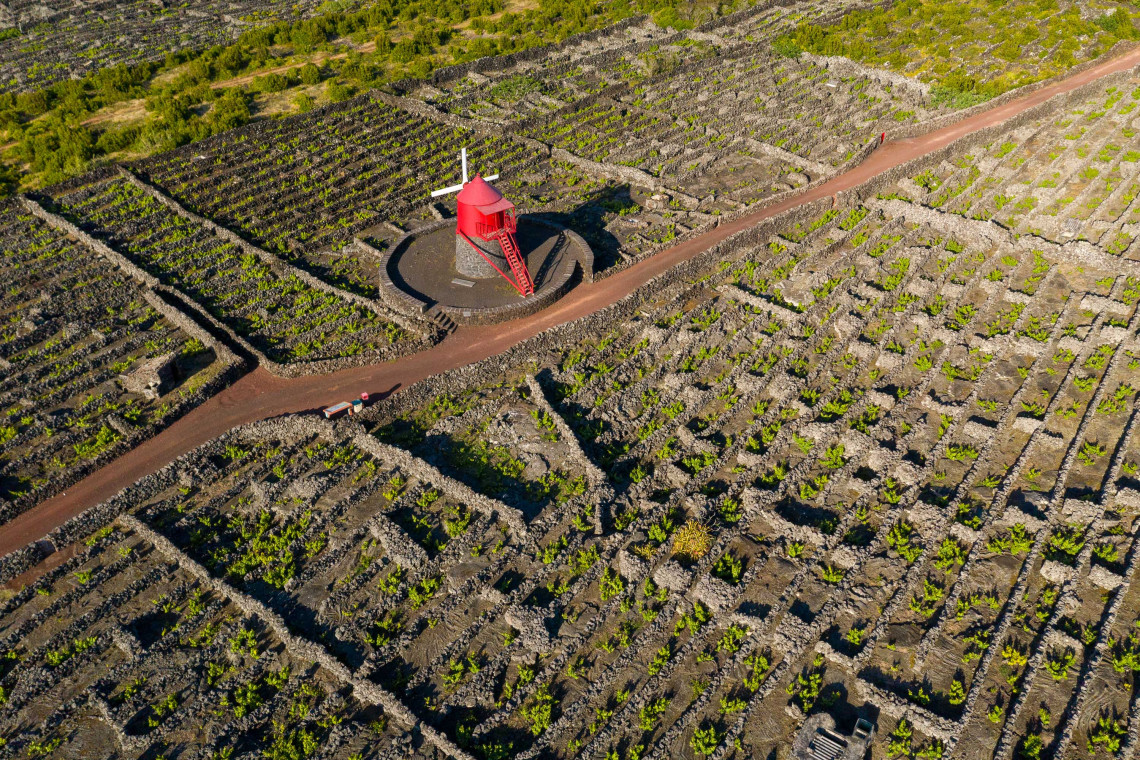
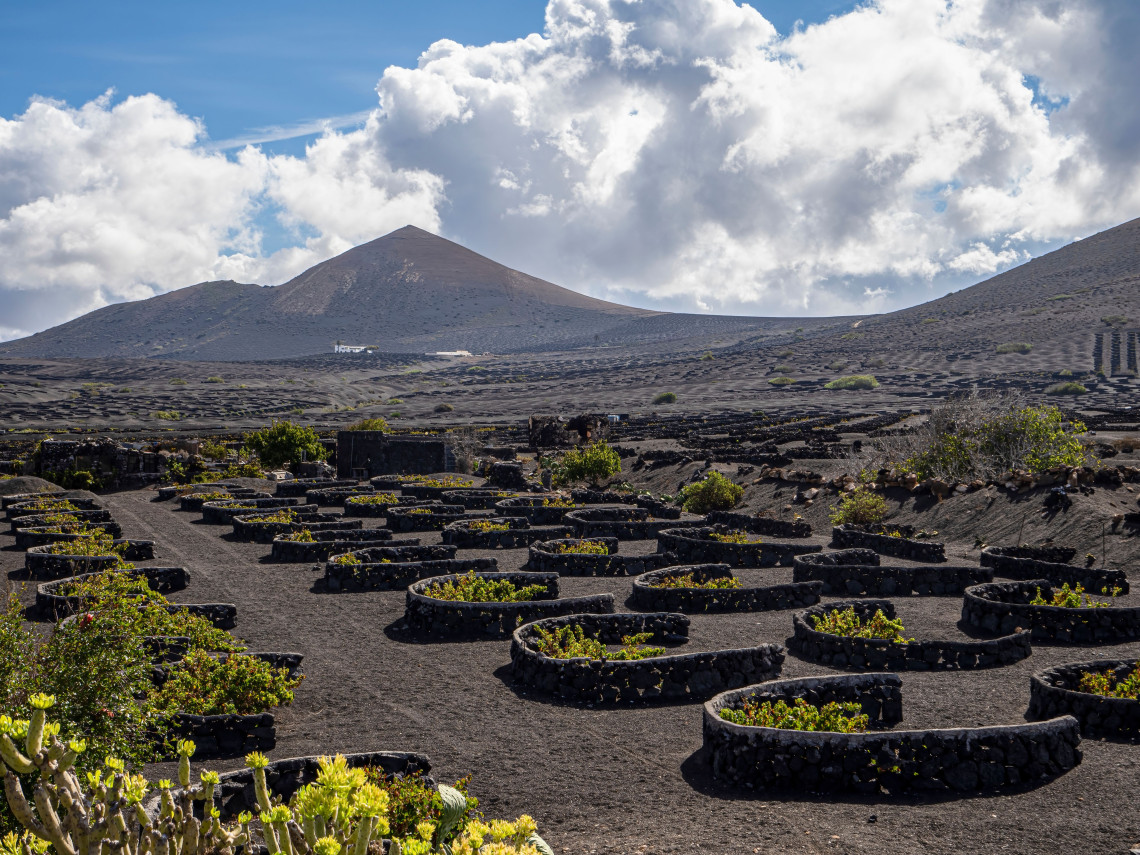
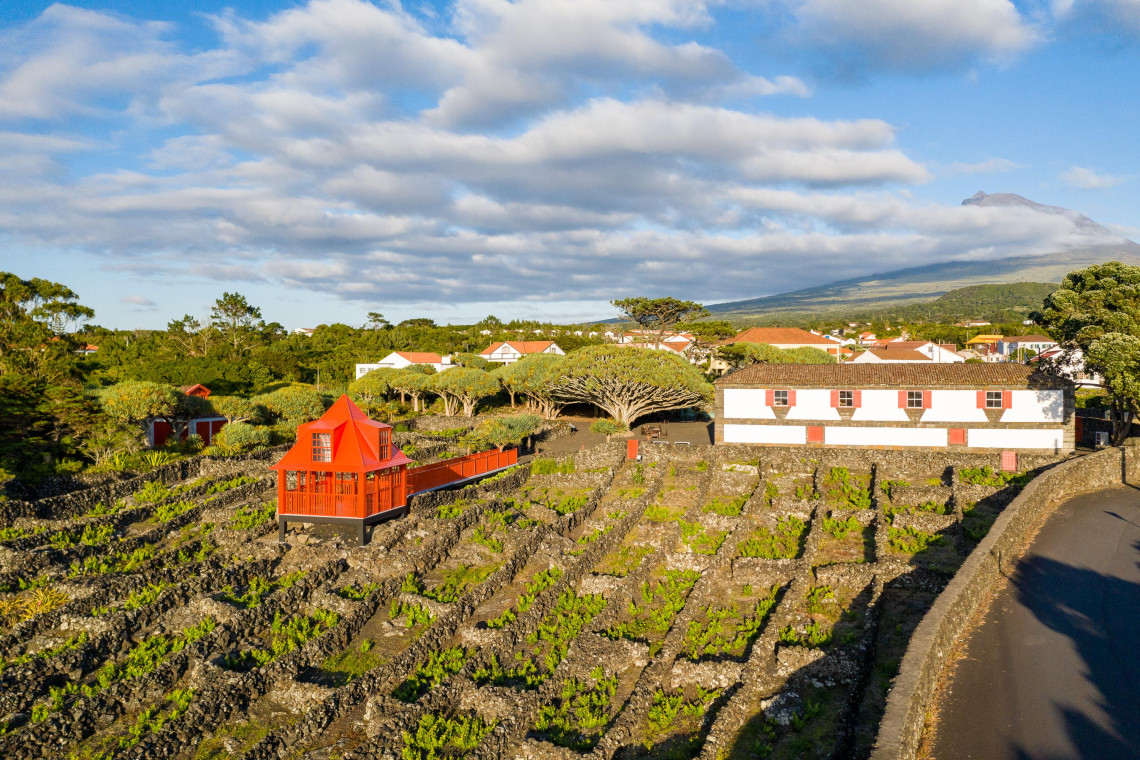
The visual signature of this landscape is the network of black basalt stone walls running parallel to the coast and pushing inland. These walls divide the ground into thousands of small rectangular enclosures called currais. Each curral shelters a small number of vines from the Atlantic wind and the salt spray that would otherwise damage or kill them.
The vines grow directly on the volcanic rock, known locally as biscoitos, rather than on any significant depth of soil. This is the same dense black lava that covers much of Pico's coast. The challenge of cultivating anything on this surface is exactly why the landscape is considered extraordinary. The settlers who arrived in the 15th century had no agricultural precedent for volcanic rock viticulture and developed the curral system as a direct adaptation.
Other features embedded in the landscape include the relheiras: grooves worn into the lava rock by the wheels of ox carts that transported wine barrels to the coast. In some sections, these grooves are still clearly visible. There are also rola-pipas, carved stone ramps used to slide wine barrels down to the water's edge for loading onto boats, as well as tide wells that collected brackish water for domestic and irrigation use. Wine cellars, manor houses, and small churches complete the picture of a community built entirely around viticulture.
Five Hundred Years of Wine on Pico
Viticulture on Pico began in the late 15th century, brought to the island by Portuguese settlers, including Franciscan and Carmelite monks. These early arrivals found a climate with mild temperatures and high humidity, comparable in some ways to Mediterranean wine regions, and adapted Verdelho, a grape variety likely imported from southern Europe, to the island's volcanic terrain.
The wine produced grew in reputation over the following centuries. By the 19th century, Pico's wines, particularly Verdelho, had reached European markets and became known as the preferred wine of Russian aristocracy. The wine traveled well because of its naturally high alcohol content and the fortification techniques used in its production.
The decline came in the mid-19th century when powdery mildew (oidium) devastated European and Atlantic viticulture. Pico was not spared. The vineyards contracted significantly and never fully recovered to their 19th-century scale. The landscape that remains today is a fraction of what it once was, but it is intact and continuous in the areas that survived.
The Wines
The Pico wine region carries the IPR classification (Indicação de Proveniência Regulamentada), Portugal's second-tier designation. The main grape varieties grown are Verdelho, Arinto, and Terrantez. Production is dominated by white wines, including both dry whites and fortified wines.
Verdelho from Pico is distinct from mainland Portuguese Verdelho. The volcanic soil, ocean proximity, and the micro-climate created by the basalt walls produce a wine with high minerality, pronounced acidity, and a salinity that reflects the growing environment. Fortified styles tend toward oxidative, nutty profiles similar to a dry Madeira.
Production volumes are small. The total cultivated area within the IPR is approximately 50 hectares, spread across many small growers. A significant portion of production goes through the Cooperativa Vitivinícola da Ilha do Pico, the island's main wine cooperative, based in Madalena.
What to See and Do
Lajido de Santa Luzia is the best starting point. The village sits within the UNESCO zone and is home to the Landscape of the Pico Island Vineyard Culture Interpretation Centre. The centre documents the history of the vineyard culture, explains the construction and purpose of the curral system, and provides context for the landscape you are about to walk through. Entry is worth the time before exploring the area on foot.
PR5PIC Vinhas da Criação Velha is the official hiking trail that runs directly through the UNESCO site, connecting Candelária to Areia Larga over 7 km at sea level. The trail passes through dense curral territory, along sections of relheiras, past rola-pipas and tide wells, and through the Laja das Rosas bathing area. It is classified as easy and takes approximately two hours. See the full Pico Island Hiking Guide for all route details.
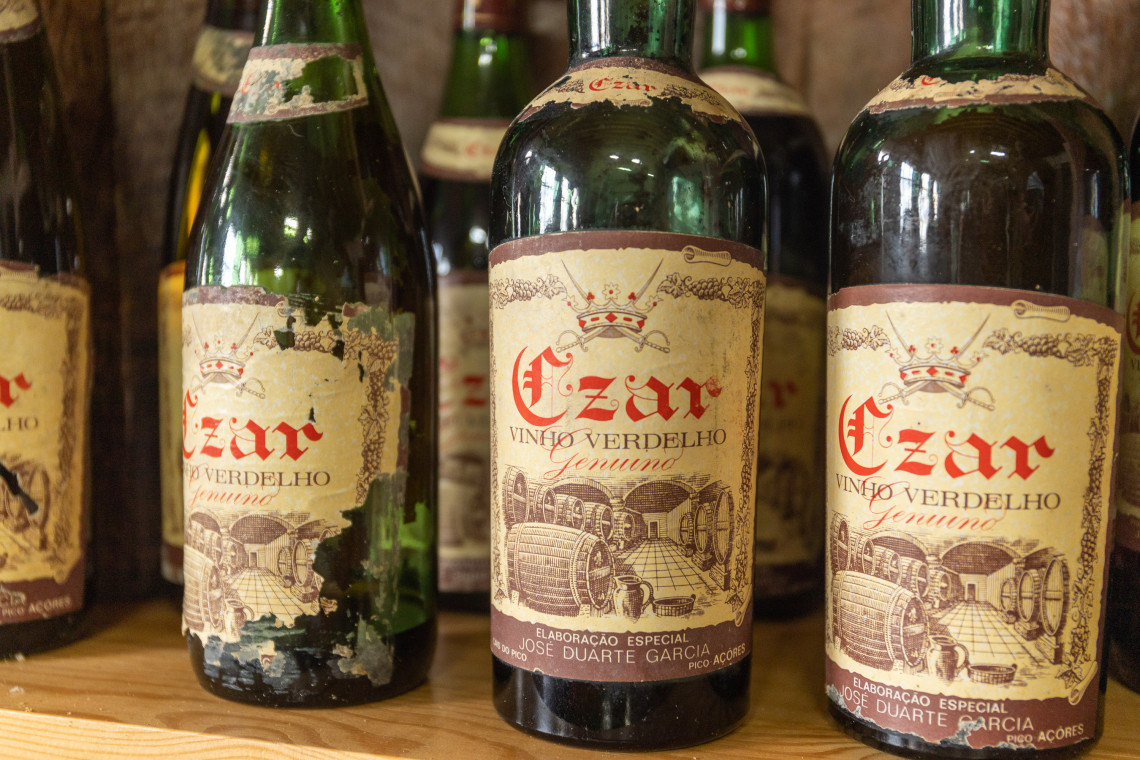
Wine tasting at a local adega completes the visit. Several small wineries in the Madalena area and along the São Roque coast offer tastings, including Adegas do Pico in Prainha and Adega A Rodilha in Candelária. Most are small-scale operations where the producer is present. Call ahead or arrange through your accommodation, as hours are not always fixed.
Criação Velha is the village that sits at the heart of the UNESCO zone. The curral network here is particularly dense, and the combination of black stone walls, low-growing vines, the sea, and Faial Island in the distance on clear days is the view most associated with this landscape.
EXPLORE PICO'S WINE LANDSCAPE
Browse guided wine tours and experiences on Pico Island, including tastings at local adegas and walks through the UNESCO vineyard landscape.
View Pico Activities →When to Visit
The best time to visit the vineyard landscape is late August to early October, when the harvest takes place. The grapes ripen in late summer and picking happens in September. During this period, the adegas are active, tastings are easier to arrange, and the landscape is at its most alive.
The UNESCO site is visible year-round and the hiking trail through Criação Velha can be walked in any season. In spring, the basalt walls are covered in wildflowers growing between the stones.
Summer (June to August) is the most stable period for walking the coast. The trail is exposed to sun for most of its length, so early morning starts are worthwhile in July and August.
Winter is quiet. Most adegas reduce their visiting hours significantly between November and March. The landscape is still accessible, but fewer facilities are open.
Practical Information
Getting there. The Criação Velha area is 10 km east of Madalena along the coastal road (EN1-1A). The trail trailhead for PR5PIC is at Porto do Calhau in Candelária. A hire car is the most practical way to access the site, as bus connections along this stretch of coast are limited.
The Interpretation Centre at Lajido de Santa Luzia is signposted from the main road. Opening hours vary seasonally; check with local tourism offices or your accommodation before making a specific trip.
Parking. There is parking near the trailhead at Candelária and at the Lajido interpretation centre.
Photography. The light on the black basalt walls is best in early morning and late afternoon. The view looking west toward Faial Island, with the curral network in the foreground, is the classic composition.
Plan Your Pico Island Trip
Combine the UNESCO vineyard coast with Pico Mountain, whale watching from Lajes do Pico, and the Gruta das Torres lava tube. Our local team can build an itinerary around your interests.
Keep reading
Frequently Asked Questions
When was Pico Island's vineyard landscape designated a UNESCO World Heritage Site?
The Landscape of the Pico Island Vineyard Culture was inscribed in 2004 at the 28th Session of the UNESCO World Heritage Committee. It carries reference number 1117 and was designated under cultural criteria (iii) and (v).
What is a curral on Pico Island?
A curral (plural currais) is a small rectangular enclosure formed by low black basalt stone walls. Each curral shelters a small number of vines from the Atlantic wind and salt spray. Thousands of these enclosures make up the UNESCO vineyard landscape on the western coast of Pico.
What wine is Pico Island famous for?
Pico is best known for wines made from Verdelho, Arinto, and Terrantez grapes. The island's whites are known for high minerality and acidity influenced by the volcanic basalt soil. Historically, Pico's fortified Verdelho wines were exported to northern Europe and Russia and were a preferred wine of the Russian aristocracy in the 19th century.
Where is the UNESCO vineyard landscape on Pico Island?
The site covers the western, northwestern, and southwestern coasts of Pico, primarily in the municipality of Madalena and parts of São Roque do Pico. The village of Criação Velha sits at the heart of the protected area. The Interpretation Centre is in Lajido de Santa Luzia.
Can you walk through the UNESCO vineyard landscape?
Yes. The PR5PIC Vinhas da Criação Velha trail (7 km, Easy, 2 hours) runs directly through the UNESCO site from Candelária to Areia Larga. It passes the curral network, rola-pipas, relheiras, and the Laja das Rosas bathing area. It is one of the most distinctive walks on the island.
Is there a visitor centre for the Pico UNESCO vineyard site?
Yes. The Landscape of the Pico Island Vineyard Culture Interpretation Centre is located in the village of Lajido de Santa Luzia, within the protected area. It explains the history of viticulture on Pico and the significance of the landscape features. Hours vary seasonally.
How does Pico Island wine taste?
The volcanic basalt soil and ocean microclimate produce whites with pronounced minerality, fresh acidity, and a faint salinity. The Verdelho-based dry whites are lean and aromatic. Fortified styles are more oxidative with nutty, dried-fruit notes. The style is unlike mainland Portuguese Verdelho and quite different from other Azorean wines.
.jpg "Jeep tour through Cumeeiras, Sete Cidades, São Miguel Island")
.jpg "Sete Cidades Caldera Lakes in São Miguel Island, Azores")