Visitor Guide
Trail: PR1 PIC | Altitude: 2,351m | Difficulty: Very Demanding | Duration: 7 to 9 hours return | Registration: Mandatory
At 2,351 meters, Pico Mountain is the highest point in Portugal and one of the most rewarding climbs in the Atlantic. The ascent follows trail PR1 PIC, starting at the Centro de Montanha on the western side of Pico Island, and finishes at the Piquinho, the volcanic cone inside the main caldera that marks the true summit.
This is not a casual hike. The trail gains more than 1,200 meters of elevation over roughly 8 kilometers (round trip), crosses open volcanic terrain with no shade, and requires proper gear regardless of the season. That said, thousands of people complete it every year, many of them first-time climbers who arrive well prepared.
This guide covers everything you need to know before you go.
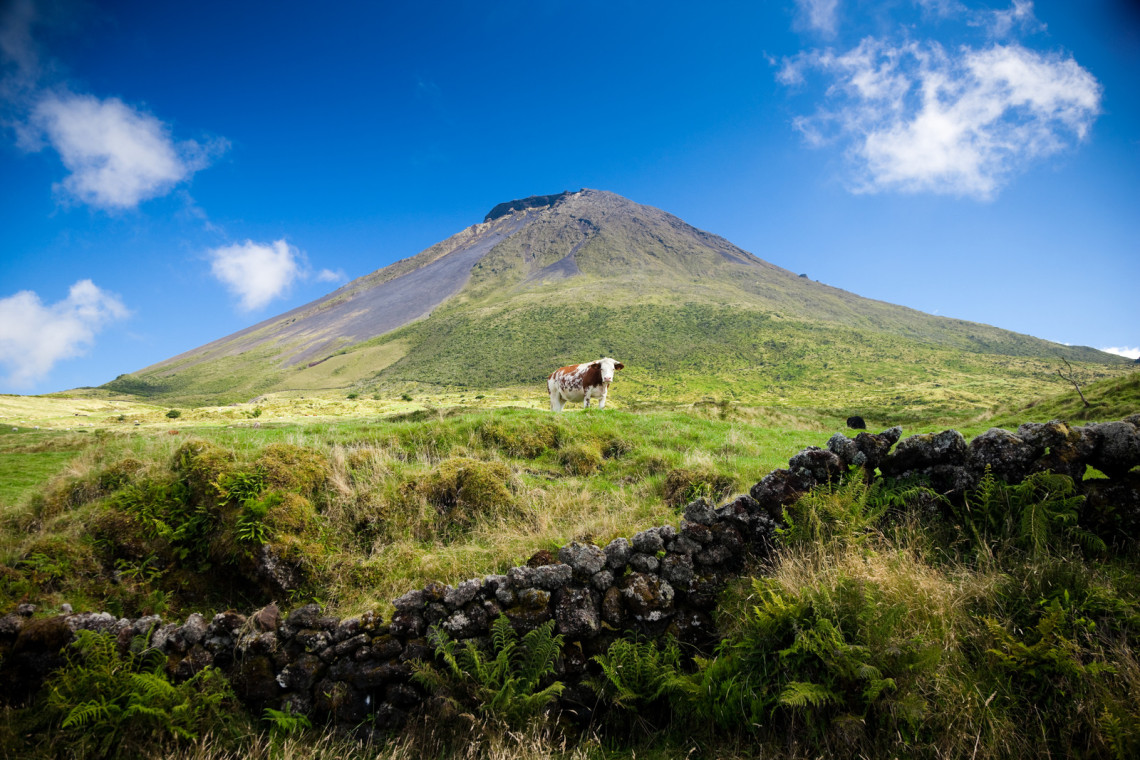
The Mountain and the Trail
Pico Mountain (Montanha do Pico) is a stratovolcano that last erupted around 1,000 years ago. The summit plateau is wide and flat, but the actual highest point is the Piquinho, a steep secondary cone rising from the center of the crater. Reaching the Piquinho adds roughly 20 to 30 minutes to the ascent but is what most climbers consider the true finish.
The official trail is PR1 PIC. It starts at the Centro de Montanha visitor center, located on the EN3 road on the western flank of the island, about 20 kilometers east of Madalena. From the trailhead, the path climbs steadily through old lava fields and low volcanic scrub before opening onto the bare upper slopes. The terrain is loose in places and requires solid footing throughout.
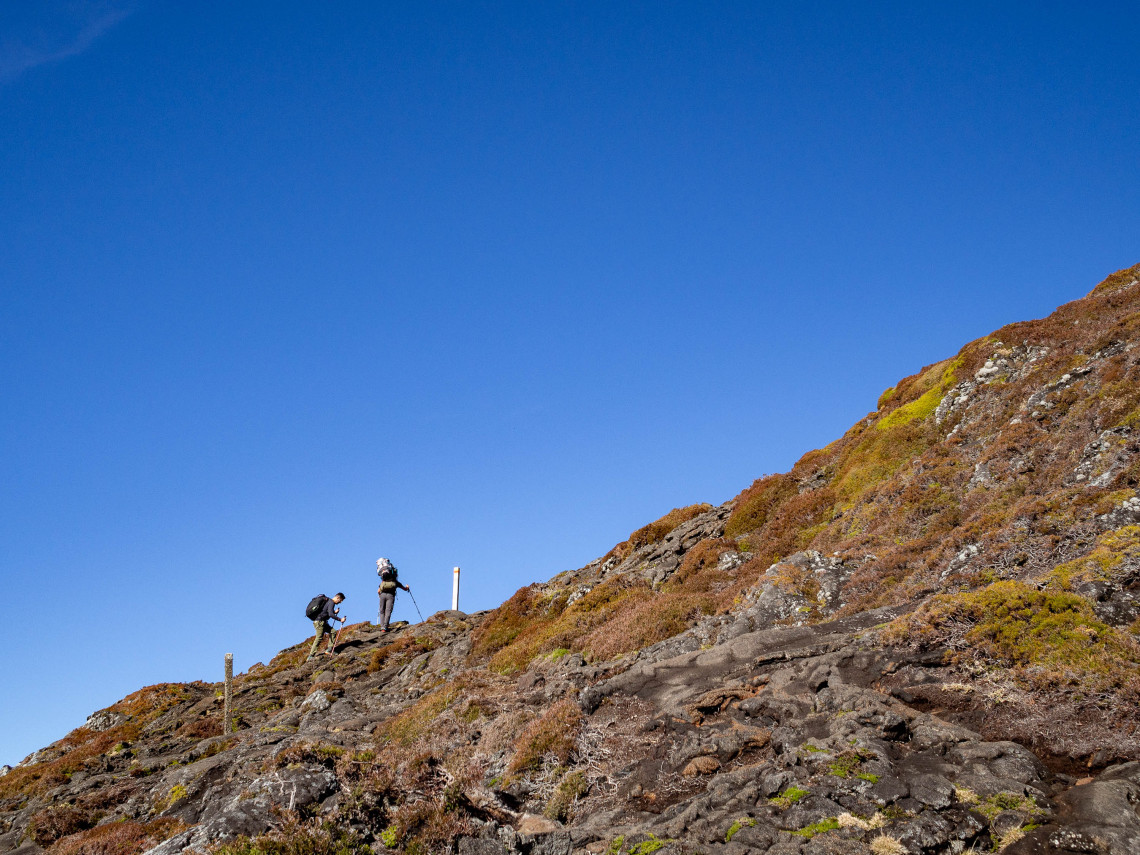
There is no clear waymarked path on the upper mountain. Navigation uses a series of painted yellow and red markers on the rocks. Visibility conditions change quickly, and it is common for the upper third of the mountain to be in cloud even when the coast is clear.
Registration Is Mandatory
Before climbing Pico Mountain, you must register through the official booking system managed by the Azores nature reserve authority (ICNF). Registration is done online at reservas.natural.pt. Slots are limited per day to protect the trail and the mountain environment.
Book as early as possible. During peak season (July and August) available slots fill up several days or weeks in advance.
At the trailhead, rangers check registrations before allowing climbers to start. Starting without a confirmed booking is not permitted and you will be turned back.
A registration fee applies. Check reservas.natural.pt for current pricing, as fees are updated periodically.
Guide Requirements
Solo climbing is permitted at Pico Mountain. However, a certified local guide is mandatory when weather conditions are poor or when visibility at altitude is below acceptable limits. Rangers assess conditions at the trailhead and make the call on the day.
Even when conditions are good, a guide is strongly recommended for:
- First-time climbers unfamiliar with volcanic terrain
- Groups without experience navigating in cloud or fog
- Anyone planning a night ascent to catch the sunrise
Guides can be booked through licensed operators on the island. Your accommodation or the Centro de Montanha visitor center can refer you to certified guides.
Weather Warning
Mountain weather on Pico changes fast. Even on clear mornings, the summit can be in thick cloud by 10am. Check the forecast the night before and again at the trailhead. If rangers advise against climbing, respect the decision. Conditions that look manageable from the coast can be genuinely dangerous at 2,000+ meters.
When to Climb
Best months: July, August, and September offer the most stable weather and the highest chance of a clear summit. June and early October are also viable but more variable.
Worst months: November through April, when the upper mountain regularly sees ice, strong winds, and poor visibility. Winter climbing is possible but only for experienced mountaineers with appropriate equipment.
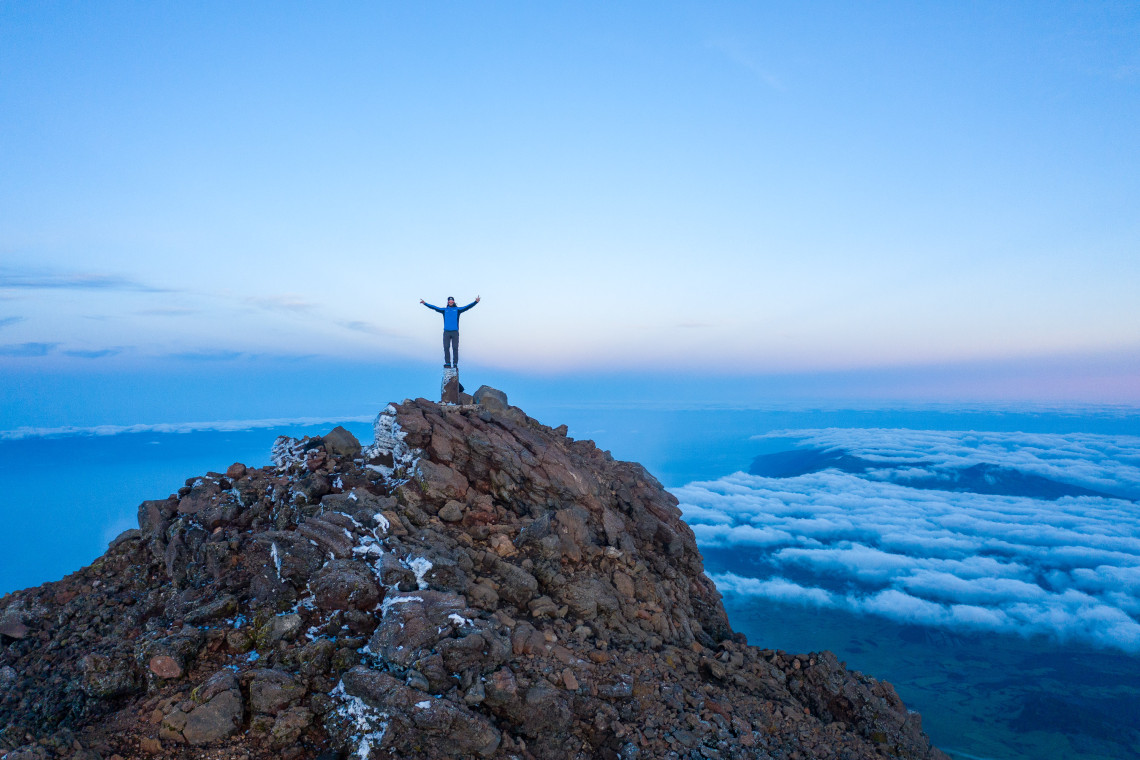
Time of day: Many climbers start between midnight and 2am to arrive at the summit for sunrise. This is a popular and genuinely spectacular option, but it requires a headlamp, warm layers, and ideally a guide who knows the route in the dark.
For a daytime ascent, aim to start no later than 7am. The open upper slopes have no shelter and afternoon heat can be significant in summer.
What to Bring
The Centro de Montanha posts a mandatory equipment checklist. Arriving without it can result in being turned back at the trailhead.
Required:
- Waterproof jacket and trousers
- Warm mid-layer (fleece or equivalent)
- Sturdy ankle-support hiking boots
- Headlamp with spare batteries
- At least 2 liters of water per person
- Food for the day (no facilities on the mountain)
- Sunscreen and a hat
Strongly recommended:
- Trekking poles (the descent on loose lava is hard on the knees)
- Gloves (temperatures drop significantly at altitude, even in summer)
- Extra dry socks
Do not attempt the climb in trail runners or sneakers. The lava field terrain is uneven and abrasive.
Want to climb with a certified guide? Browse guided Pico Mountain tours on Azores Getaways.
View Guided Pico Mountain ToursGetting to the Trailhead
The Centro de Montanha is located on the EN3 road on the western slopes of the mountain. From Madalena, drive east for approximately 20 kilometers. The visitor center has a car park, toilets, and a small information desk where rangers check registrations.
There is no reliable public transport to the trailhead. Most climbers either rent a car or arrange a taxi pickup. Some guided tour operators include trailhead transfers in their packages.
If you are doing a night ascent, confirm in advance that you can access the car park before the visitor center opens in the morning.
Pico Island Beyond the Mountain
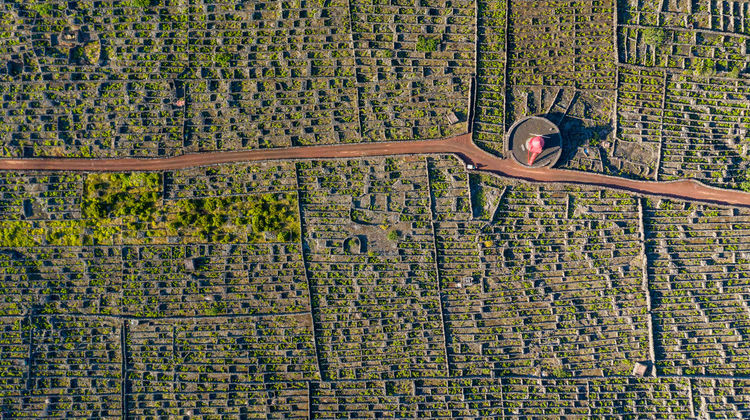
Pico Mountain is the main draw, but the island has more. The UNESCO-listed Pico Island Vineyard Culture landscape along the coast is worth an afternoon, and the island has several whale watching operators based in Lajes do Pico and Madalena.
Plan Your Pico Island Trip
Combine Pico Mountain with the island's vineyard landscapes, whale watching, and the lava tube at Gruta das Torres. Our team can build an itinerary around your dates.
.jpg "Jeep tour through Cumeeiras, Sete Cidades, São Miguel Island")
.jpg "Sete Cidades Caldera Lakes in São Miguel Island, Azores")