09 September 2026 • 8 min read
Terceira has a distinct food identity within the Azores. The island produces its own beef, cheese, and wine, and has two dishes, alcatra and queijadas da Dona Amélia, that exist nowhere else in Portugal. This guide covers what to order, where to find it, and which restaurants are worth going to.
Key dishes: Alcatra, limpets, queijadas da Dona Amélia | Key drink: Biscoitos Verdelho wine | Best area to eat: Angra do Heroísmo
Alcatra
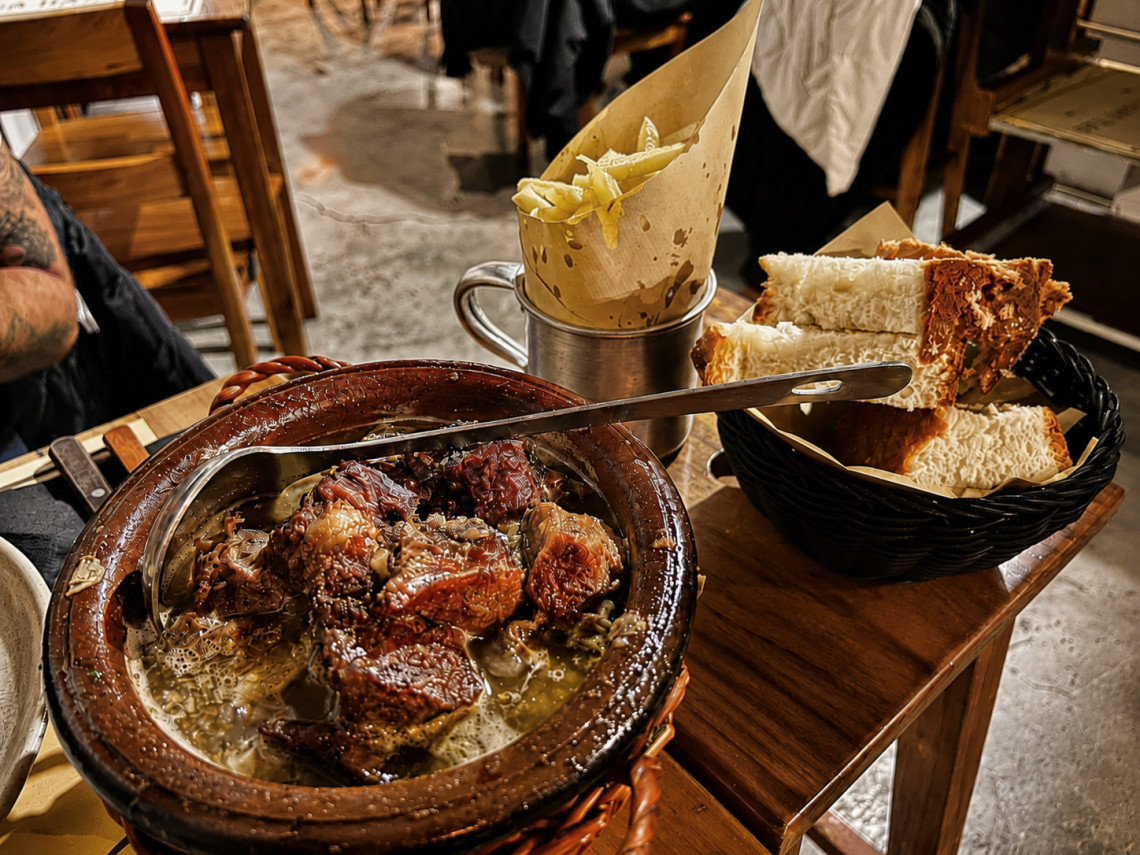
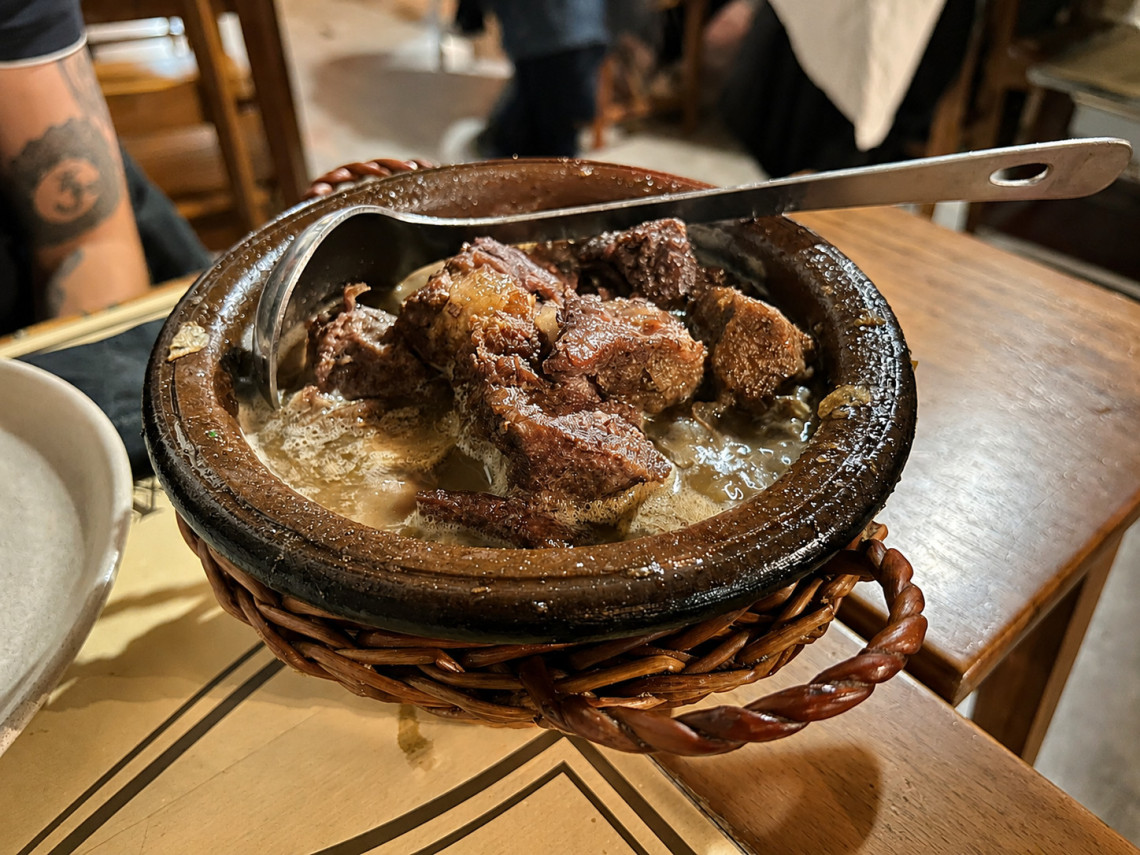
Alcatra is the defining dish of Terceira and the one most worth going out of your way to find. Beef rump is slow-cooked in a clay pot with red wine, onions, garlic, cloves, and black peppercorns for several hours until the meat breaks apart. It is served at the table in the clay pot, usually with massa sovada, a lightly sweet local bread that soaks up the cooking liquid well. The flavor is deeply savory with a faint sweetness from the wine reduction.
Most traditional restaurants serve it on weekends only. Tasca das Tias in Angra is one of the few places open every day of the week; the menu says alcatra is only served for two, but you can ask for a half portion if you are alone. Ti Choa is another reliable option in Angra, with a tasting plate of pork rinds, black pudding, chorizo, and stewed rump meat for around €12.50 per person. For a more remote but excellent version, Caneta in the north of the island is run by a family that also raises cattle; the alcatra, Black Angus skewer, grilled black pudding, and beef marrow are all worth ordering.
Fish Alcatra
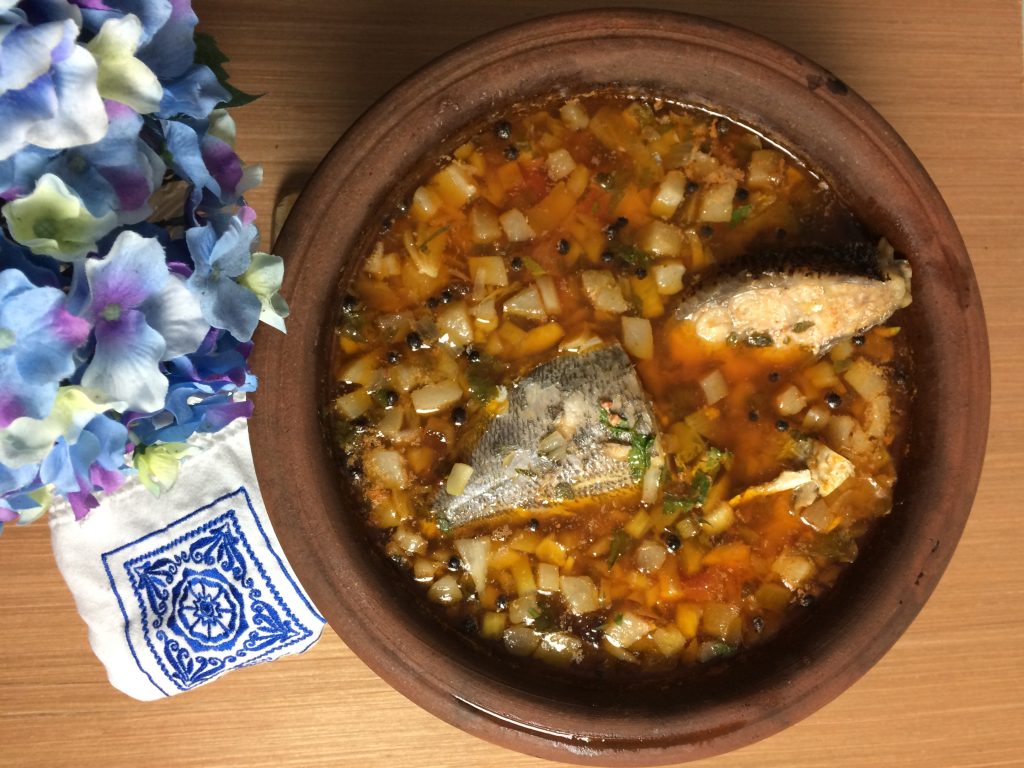
The same preparation exists with fish, most commonly grouper or rockfish, cooked with the same aromatics but in a lighter broth. Boca Negra in Porto Judeu, on the east side of the island, does the fish version exceptionally well; it is served for a minimum of two people and is worth the drive to Porto Judeu on its own. The fish alcatra has nothing in common with a cataplana and is specific to this coastal village.
Limpets and Seafood
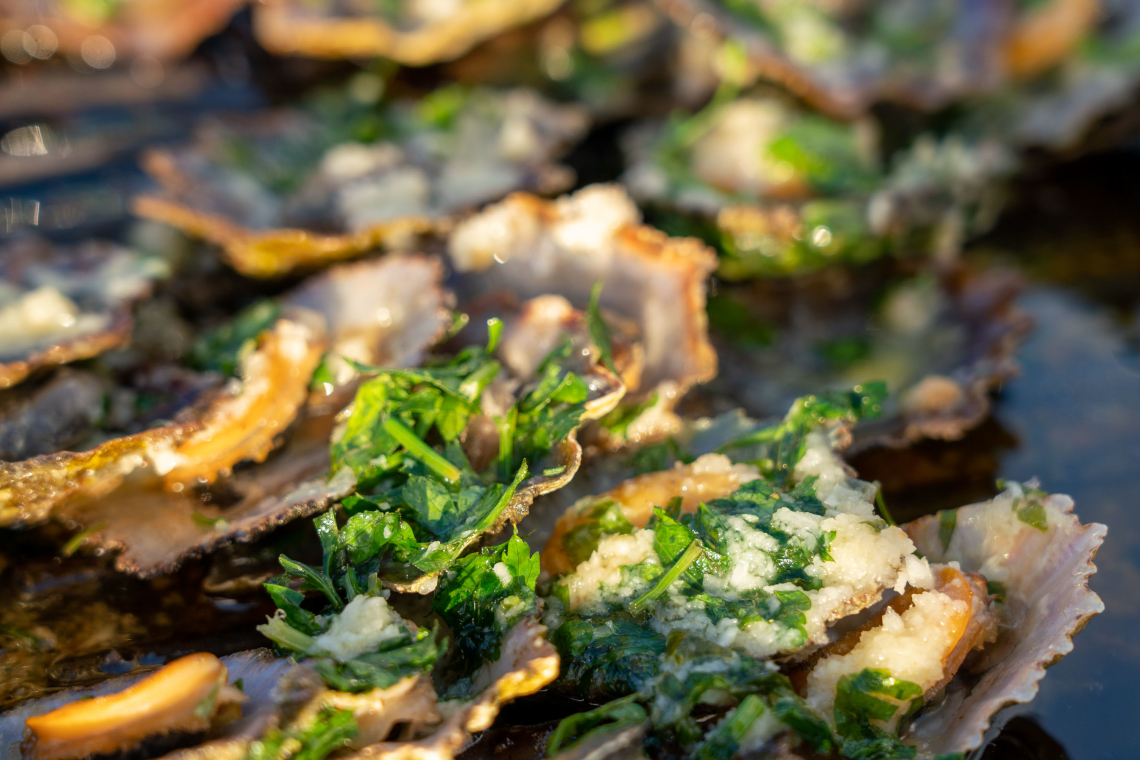
Grilled limpets (lapas grelhadas) are the most common starter across all the Azores, but Terceira's limpets, coming from cold Atlantic water, are particularly good. They are cooked on the half-shell with garlic and butter and eaten hot immediately after grilling. Order them as a starter at most restaurants in Angra; Taberna Roberto and Adega São Mateus in São Mateus are both consistently good for limpets and broader seafood.
Adega São Mateus, a small family restaurant in the fishing village of São Mateus, is one of the better options on the island for seafood: barnacles, crab, lobster, and fresh fish from the local boats. Beira Mar, also in São Mateus, is specifically known for grilled fish dishes and fish skewers, with all windows facing the sea. For lunch or an early dinner there, the light over the water in the afternoon is particularly good.
For a more substantial fish dish, O Pescador near Praia da Vitória (close to the airport) does a codfish cataplana with a Portuguese tomato-based sauce, grandmother's soup with red beans, fennel and pork meat, and an extensive wine list. The service there is notably quick and attentive.
Queijadas da Dona Amélia
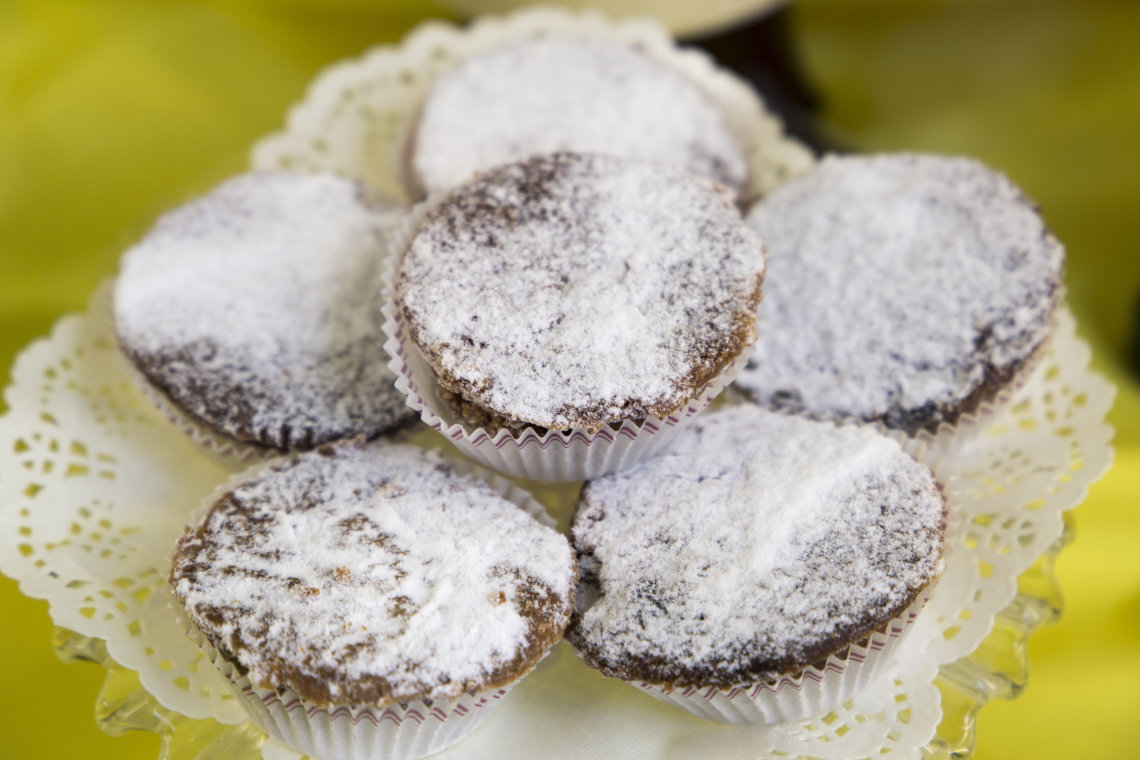
The most famous pastry on the island. Queijadas da Dona Amélia are small, dense cakes made with eggs, honey, cinnamon, and cornflour, dusted with icing sugar, with molasses and raisins added for depth. They were first made in Angra do Heroísmo in the 19th century and named in honor of Queen Amélia, who received them during a royal visit in 1901. The flavor is close to gingerbread but denser and less sweet.
The originals are sold at O Forno, a pastry shop in the center of Angra. They are best eaten the same day and are sold freshly baked throughout the afternoon and evening. Most hotels and restaurants near the main square also sell them, but O Forno is the reference.
Prepare to be tantalized as we guide you through the culinary wonders of Terceira Island during your Azorean getaway. This remarkable gem, hidden within the Azores archipelago, is celebrated not only for its verdant landscapes but also for its mouthwatering cuisine and warm-hearted residents. Terceira boasts a culinary tradition steeped in history, serving up a diverse range of dishes that capture the essence of its volcanic origins and deep-rooted connection to the sea. As you navigate the charms of Terceira, allow the island's distinctive flavors and authentic specialties to lead you on an unforgettable gastronomic adventure.
BROWSE TERCEIRA PACKAGES
Vacation packages to Terceira with flights, rental car, and hotel in UNESCO Angra. Multi-island combinations also available.
Browse Terceira Packages →Cheese
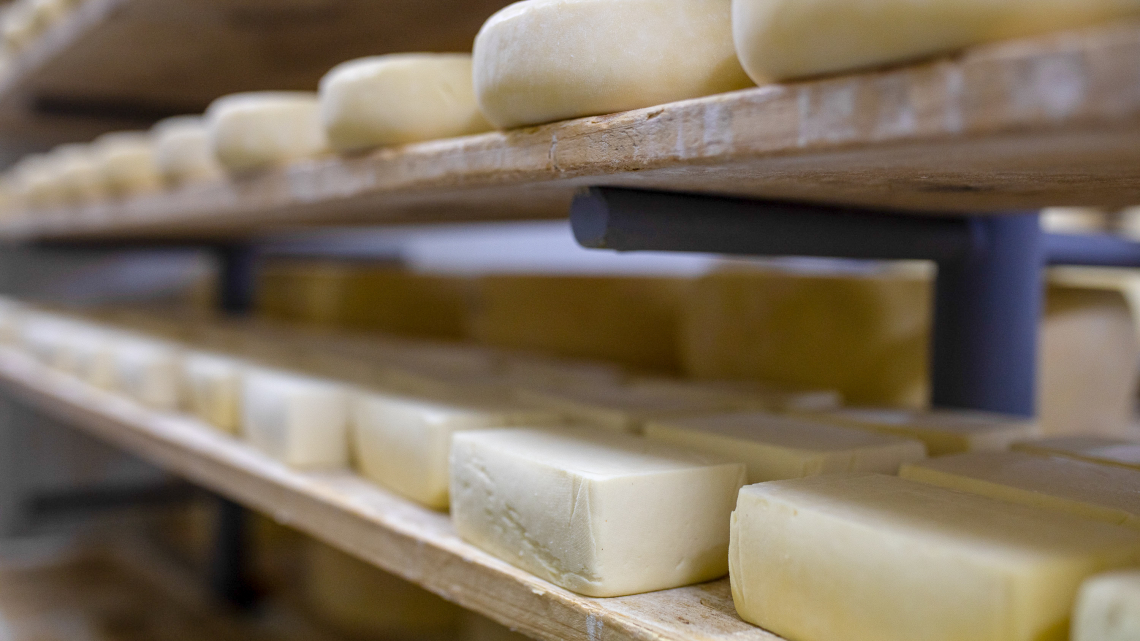
Terceira produces queijo da ilha, a semi-hard cow's milk cheese with a yellow-orange rind and a buttery, slightly tangy flavor. The Terceira version tends to be more intensely flavored than versions from other islands. You will find it at most restaurants as part of a starter or sold whole at the Angra municipal market near Jardim Duque de Bragança. Queijaria Vaquinha is a local dairy where you can taste and buy directly; they also offer a dairy farm visit that includes feeding calves and seeing the production process.
Biscoitos Wine
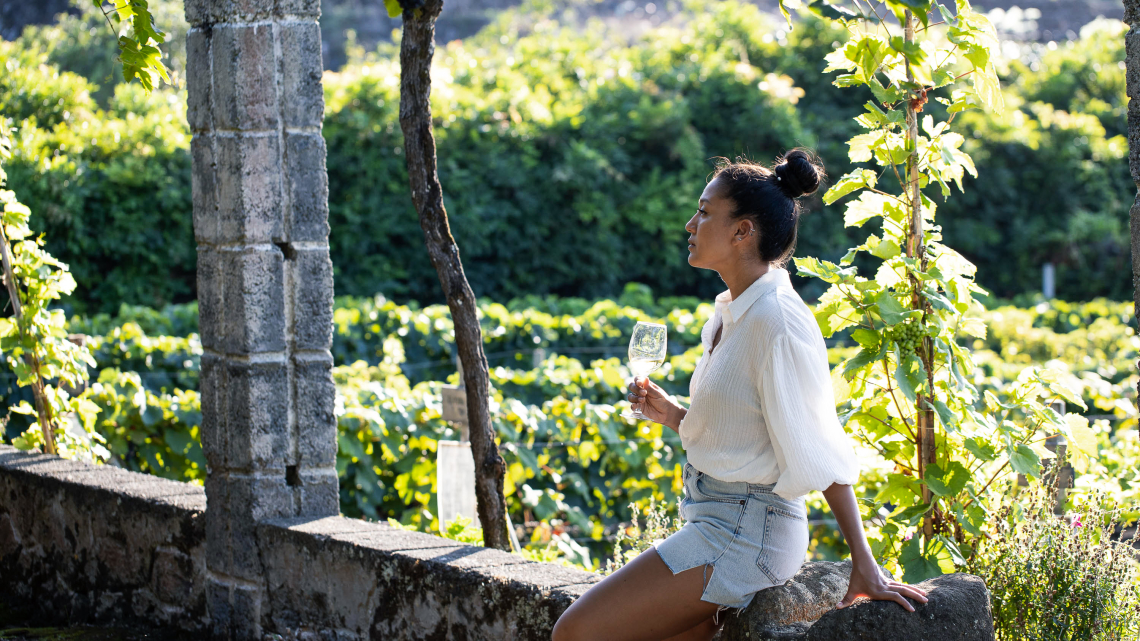
The village of Biscoitos on the north coast is Terceira's wine-producing area. Verdelho grapes grow in small plots enclosed by low basalt walls called currais, which protect the vines from Atlantic wind. The resulting wine is dry with a mineral quality from the volcanic soil. You can order it at most restaurants on the island; Taberna Roberto has one of the better wine selections on the island if you want to explore beyond the house wine. The Wine Museum (Museu do Vinho, Casa Brum) in Biscoitos covers the production history and includes a tasting. It is a short walk from the natural pools and a natural afternoon stop.
Massa Sovada and Charcutaria
Massa sovada, the traditional Azorean sweet bread, is baked in a round or braided loaf with a lightly enriched dough and a subtle sweetness. It is the standard accompaniment to alcatra and is also eaten at breakfast. Local bakeries in Angra sell it fresh every morning. Terceira also produces chouriço and morcela (blood sausage), made with local pork and seasoned with paprika and garlic; the best versions come from smaller producers at the Angra market.
Desserts Worth Ordering
Beyond queijadas da Dona Amélia, a few desserts are specific to the island. Vinegar cake (bolo de vinagre) appears on menus at Ti Choa and Caneta; the name is off-putting but the result is a moist, lightly acidic sponge that works well after a heavy alcatra meal. Cinnamon pudding (pudim de canela) at Caneta is one of the better versions on the island. Boca Negra finishes their fish alcatra meal with a pumpkin cheesecake. Taberna Roberto's cinnamon ice cream is also regularly cited.
Where to Eat on Terceira
In Angra do Heroísmo
Tasca das Tias is the most practical option: open every day, reliable alcatra, and a good wine list. A Canadinha is a smaller, cheaper local favorite near the center, consistently busy and worth booking in advance. Taberna Roberto, run by the owner and his wife, is the best option for a proper dinner; duck escabeche, grilled octopus, and braised tuna are the dishes to order. Cash preferred.
In the Villages
Beira Mar and Adega São Mateus, both in São Mateus on the west coast, cover fish and seafood. Boca Negra in Porto Judeu is a separate trip specifically for fish alcatra. Caneta in the north of the island is the best for meat outside Angra, with a terrace on sunny days and desserts worth staying for. O Pescador near Praia da Vitória is good for a quick stop near the airport, with solid fish dishes and fast service.
Food Experience at Q.B.
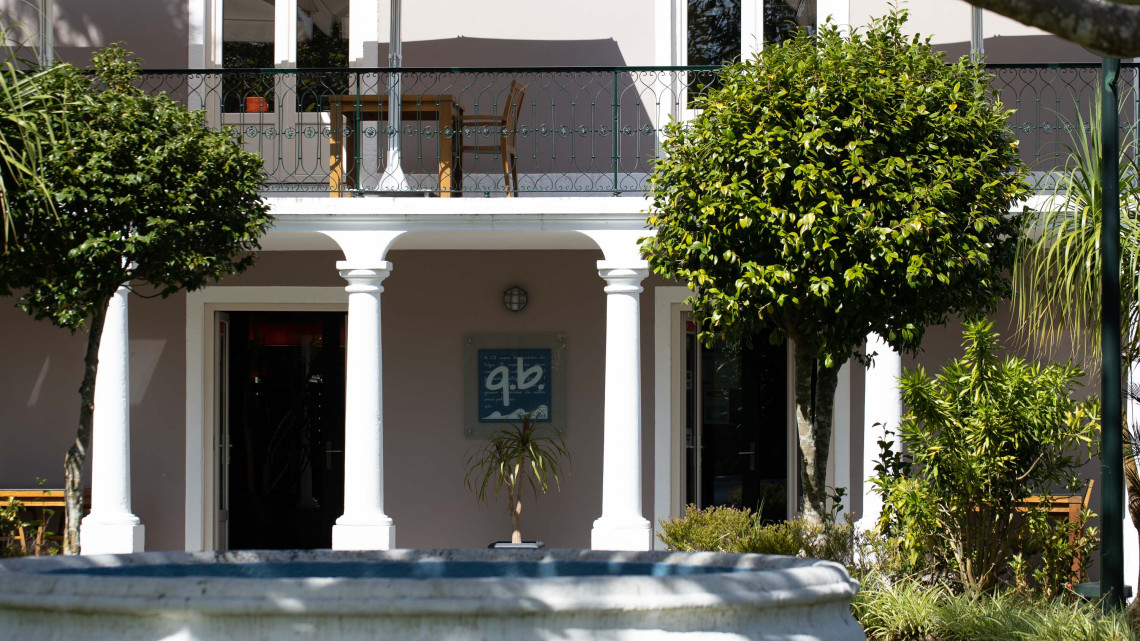
Q.B. Food Court, set in an old estate outside the center of Angra, offers a more contemporary take on local ingredients and runs structured tasting menus. The Taste of the Azores dinner covers the main flavors of the island in a single sitting, with local wine pairings. A practical choice if you only have two nights and want to try several things without choosing between restaurants.
✨ PREFER A CUSTOM TRIP?
Our travel advisors can include food experiences, restaurant bookings, and dairy farm visits in your Terceira itinerary.
Plan a Tailor Made Trip →Keep reading
Frequently Asked Questions
What is the most famous food on Terceira Island?
Alcatra. It is a beef dish slow-cooked in a clay pot with red wine, onions, garlic, cloves, and black peppercorns, and it is specific to Terceira: you will not find it in this form anywhere else in the Azores or in mainland Portugal. Most traditional restaurants serve it on weekends; Tasca das Tias in Angra is one of the few that serves it every day.
What is a queijada da Dona Amélia?
A small dense pastry made with eggs, honey, cinnamon, cornflour, molasses, and raisins, dusted with icing sugar. It was created in Angra do Heroísmo in the 19th century and named after Queen Amélia following a royal visit in 1901. The originals are sold at O Forno pastry shop near the center of Angra. They are best eaten the same day they are baked.
What wine is Terceira known for?
Verdelho, grown in the village of Biscoitos on the north coast. The grapes grow behind low basalt walls called currais that protect them from Atlantic wind. The Wine Museum in Biscoitos (Museu do Vinho) covers the production history and includes tastings.
What seafood should I try on Terceira Island?
Grilled limpets (lapas grelhadas) are the most typical: cooked on the half-shell with garlic and butter, eaten hot. Fish alcatra at Boca Negra in Porto Judeu is specific to Terceira and worth a dedicated trip. Barnacles (percebes), crab, and fresh fish are best at Adega São Mateus or Beira Mar in the village of São Mateus.
Where is the best place to eat in Angra do Heroísmo?
Tasca das Tias for alcatra (open daily, can request a half portion). Taberna Roberto for a proper sit-down dinner with duck escabeche, octopus, and an excellent wine list; bring cash. A Canadinha is the best budget option and popular with locals; book in advance as it fills up quickly.