16 September 2026 • 9 min read
São Miguel packs more activity variety into a single island than most destinations manage across an entire country. The list below covers what the island actually does well: from whale watching off the coast to cooking stew in volcanic ground in Furnas.
Activities can be booked directly through Azores Getaways. All operators listed are local and vetted. Most tours run year-round, though whale species and conditions vary by season.
São Miguel is the most activity-rich island in the Azores. The geological variety alone, from the thermal valleys of Furnas to the crater lakes of Sete Cidades to the north coast surf, creates a range that keeps most travelers busy for a full week without repeating anything.
1. Whale Watching
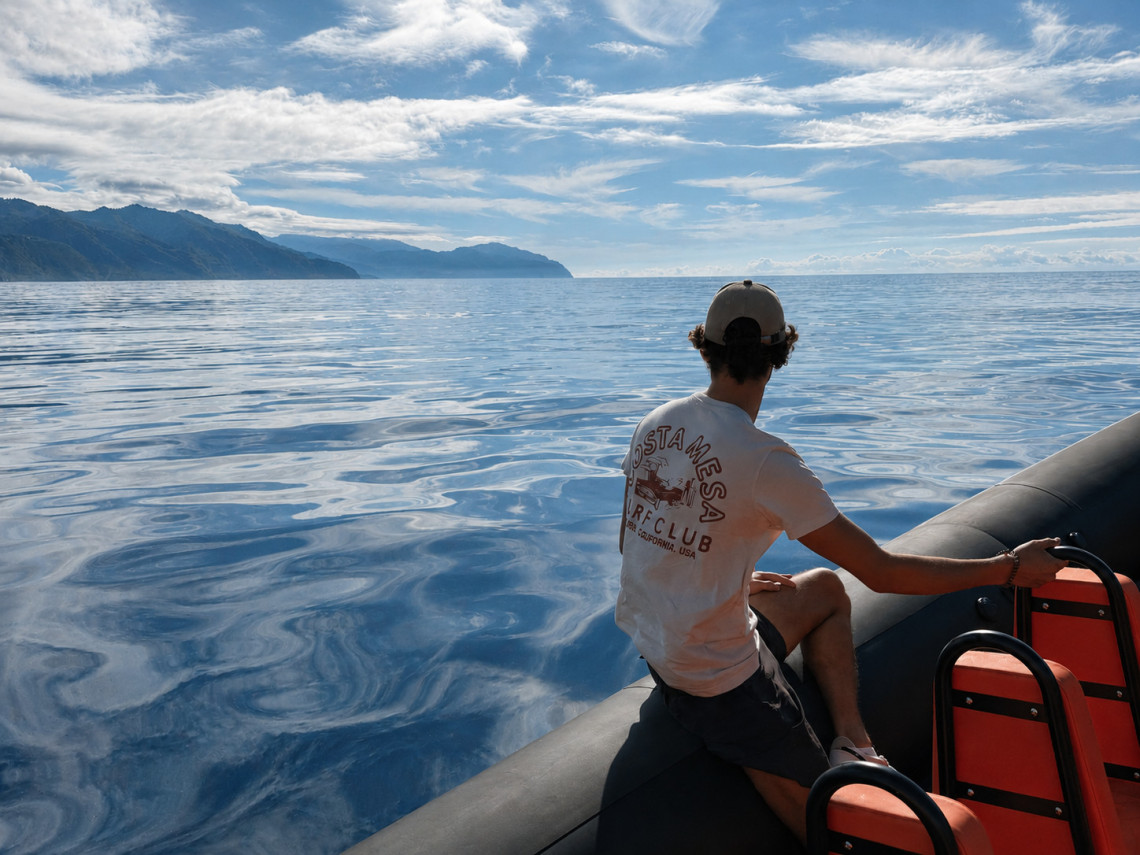
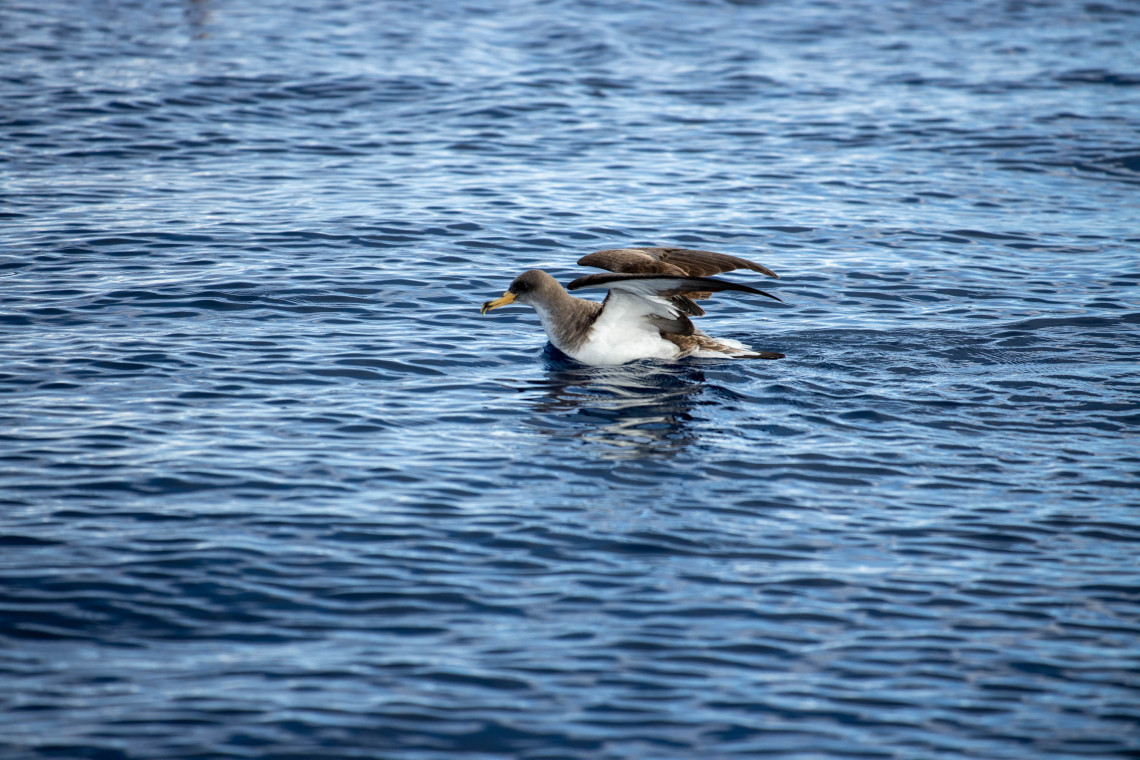
Whale watching in the Azores is among the best in the Atlantic. The deep water off São Miguel means sperm whales, fin whales, and blue whales are resident or migratory visitors throughout the year. Bottlenose and common dolphins are almost guaranteed on any trip. The experience here is observation from small rigid inflatable boats, often very close, rather than the distant sightings common in less productive waters.
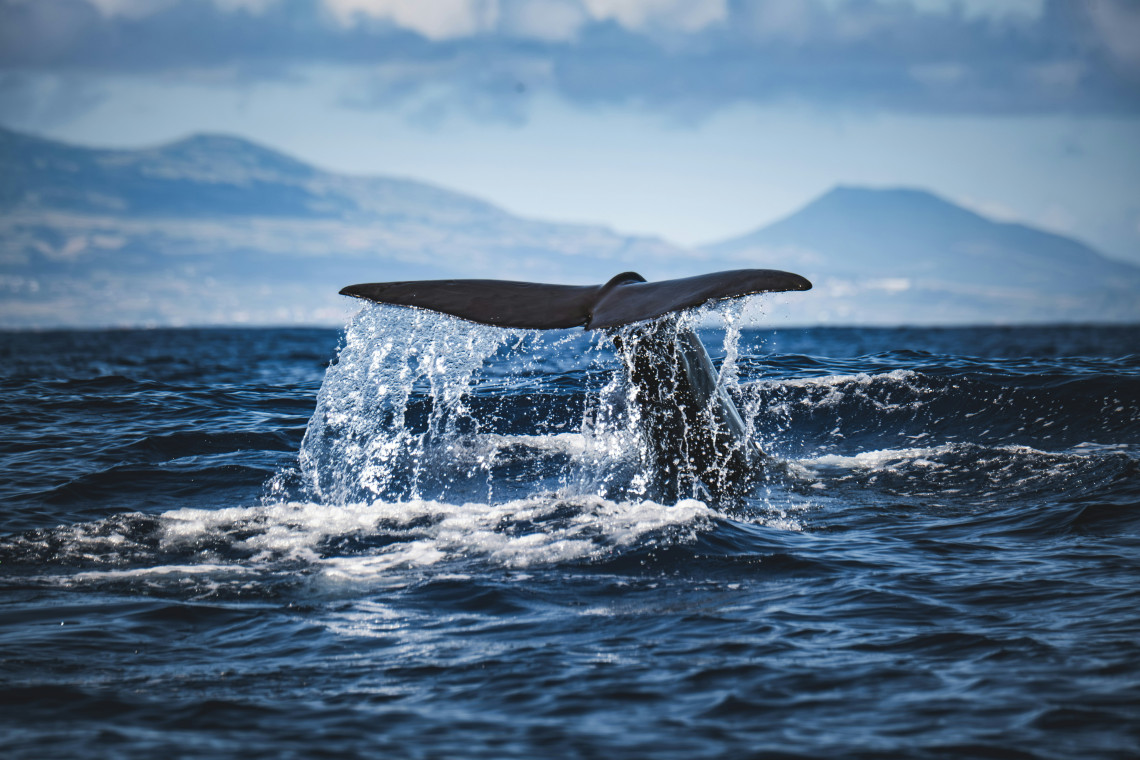
Departures are from Ponta Delgada marina. Most tours run half-day (morning or afternoon). A catamaran option is available for those who prefer more stability.
ALL SÃO MIGUEL ACTIVITIES
Browse the full list of bookable tours and experiences in São Miguel, from whale watching and hiking to food tours and thermal pools.
Browse All Activities →2. Cook Your Own Cozido das Furnas
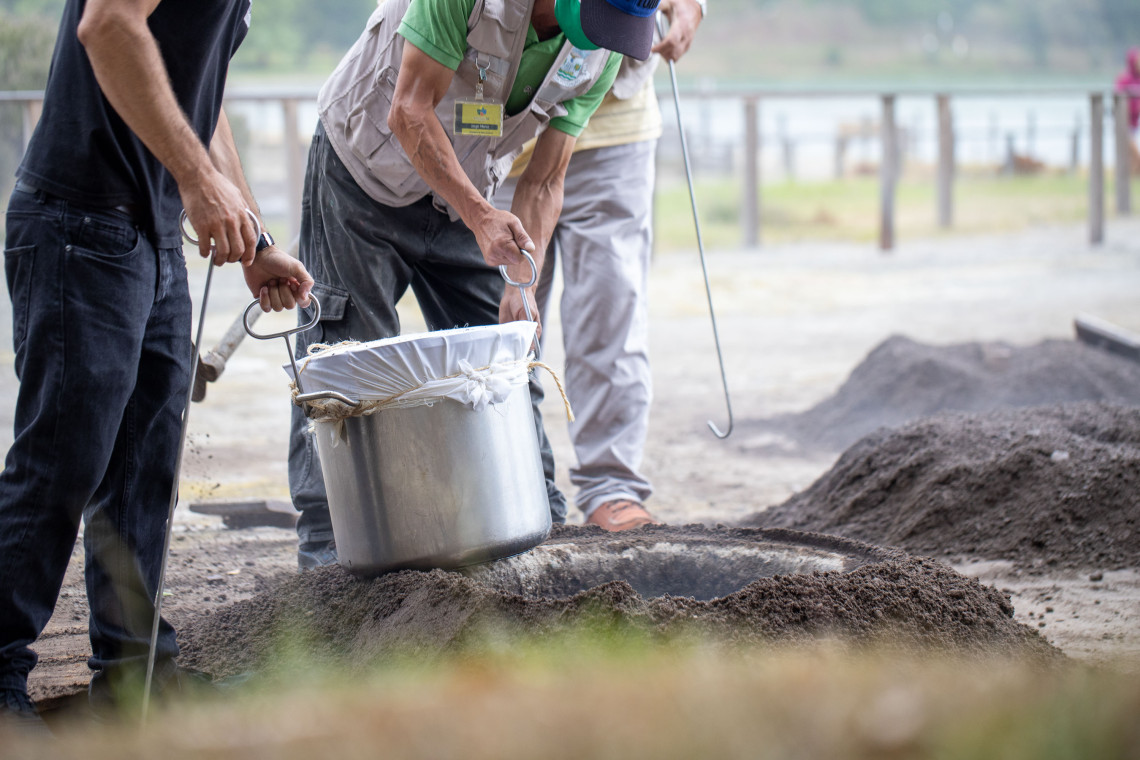
Cozido das Furnas is a meat and vegetable stew cooked underground using geothermal heat from the volcanic ground near Furnas Lake. The dish takes several hours to cook and has been prepared this way in Furnas for generations. There are a few ways to experience it: attending a tasting, or cooking your own pot in the caldeiras.
The cooking experience means lowering a pot into the volcanic vents yourself in the morning, then returning later to eat what the earth cooked for you. It is one of the more genuinely unusual things you can do anywhere in Portugal.
3. Thermal Pools
São Miguel has more thermal pool options than any other Azores island. The pools vary by mineral content, temperature, setting, and access. Some are within hotel grounds; others are public or ticketed sites in the Furnas valley.
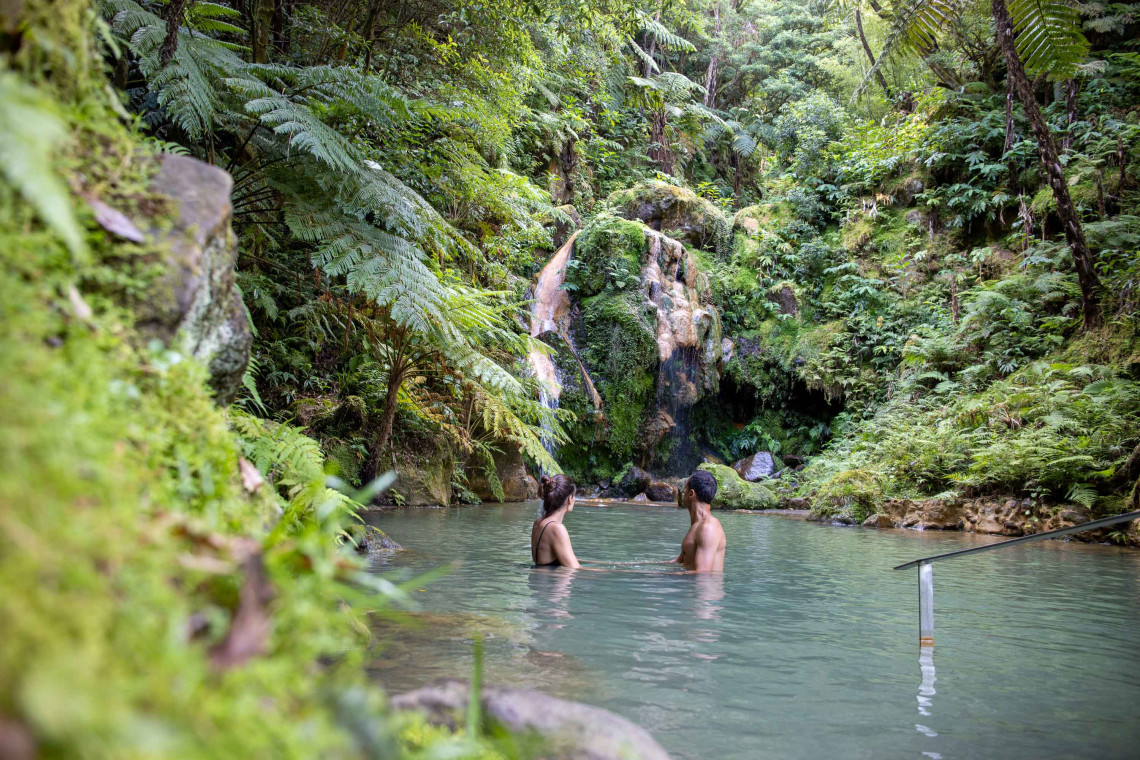
Caldeira Velha on the north slope of Lagoa do Fogo is the most visually striking: iron-rich amber water feeding a natural cascade into a small pool surrounded by tree ferns and moss. It fills early in peak season.
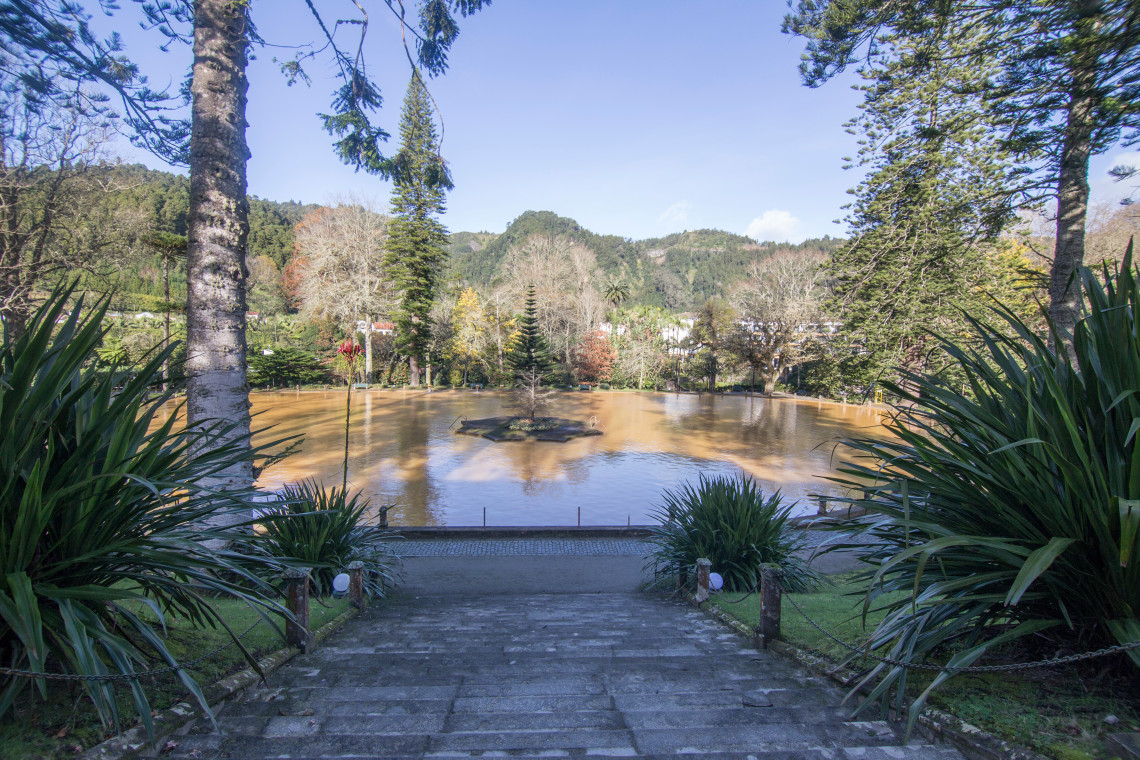
Terra Nostra Garden Hotel has the largest and most famous thermal pool on the island, iron-rich and dark-brown, set inside one of the finest botanical gardens in Portugal. Non-guests can purchase entry.
Poça da Dona Beija in Furnas is a historic thermal site with multiple pools at different temperatures, open to the public. It tends to be busier than Caldeira Velha but easier to reach.
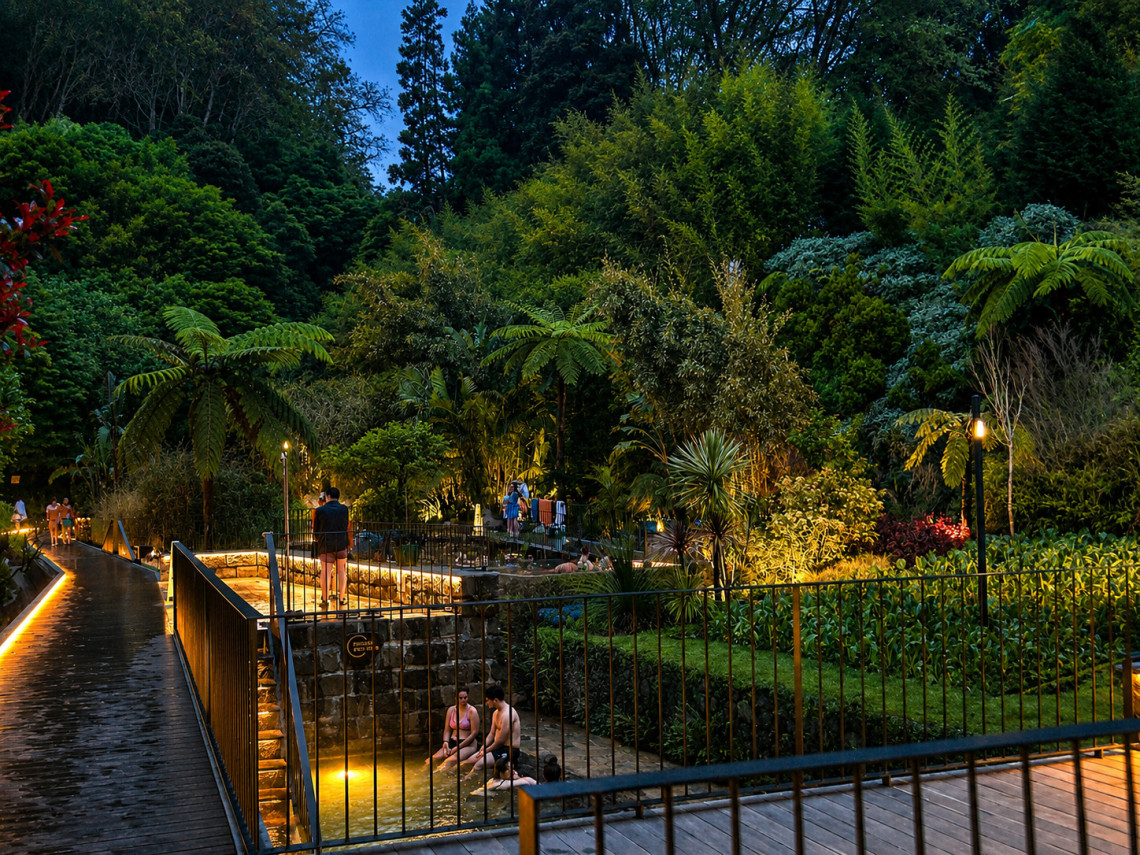
Termas da Ferraria on the west coast is unusual: the hot spring meets the cold ocean at a natural cove, and swimmers can position themselves along the temperature gradient. Timing depends on the tide.
4. Jeep Tours and Van Tours
The best-value way to see Sete Cidades and Furnas in a single day is a full-island jeep or van tour. The guide handles the driving, the logistics, and the commentary; you get access to viewpoints and sites that are difficult to navigate without local knowledge. Most tours cover the crater lakes, the caldeiras at Furnas, and the key viewpoints along the north coast road.
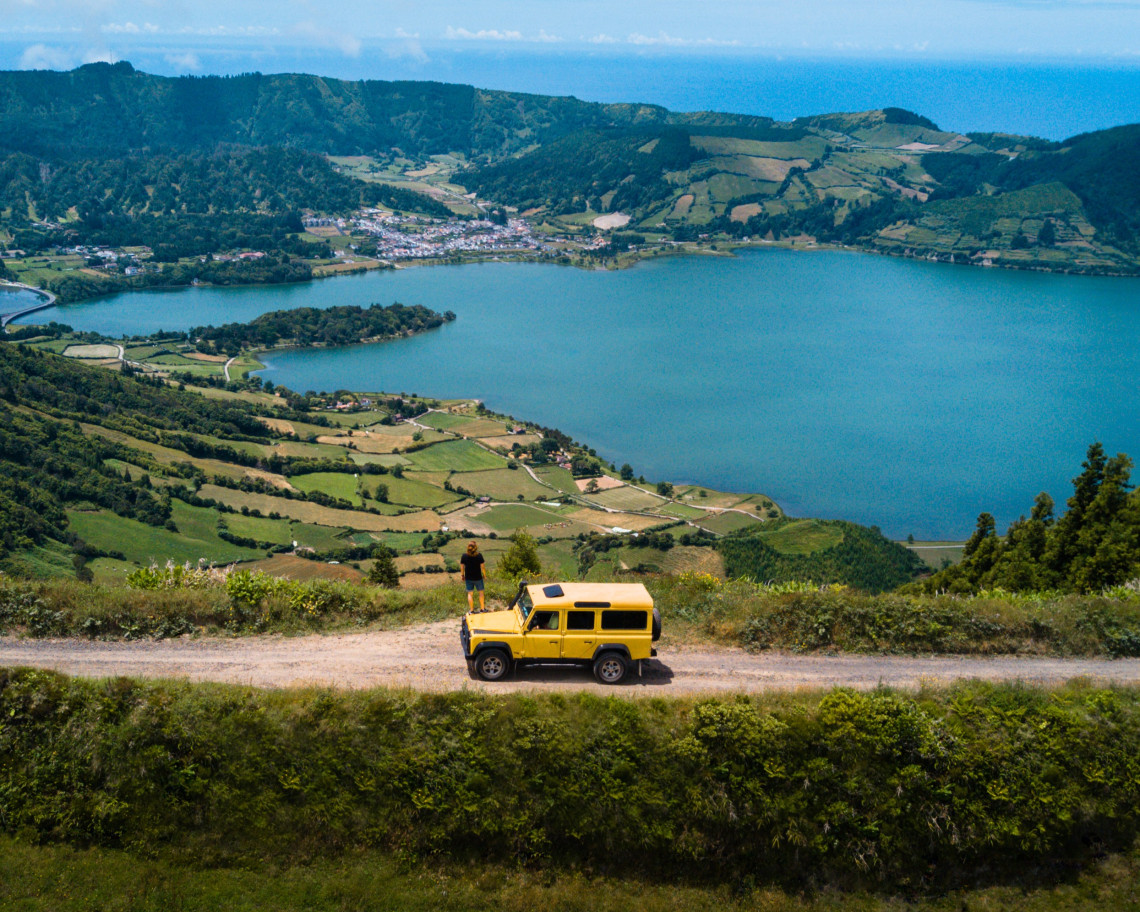
Self-driving is an alternative, but jeep tours reach some secondary tracks and pull-offs that a standard rental car cannot access.
5. Hiking
São Miguel has a range of signed and guided hiking trails from short walks to full-day ridge routes. A few that are worth planning time around:
Lagoa do Fogo is the most rewarding hike on the island: a 2-3 hour round trip descending into the caldera to reach the lake. The crater rim offers wide views on clear days; cloud often obscures it by midday, so early starts pay off.
Salto do Prego in the northeast runs through a ribeira (river valley) to a waterfall through dense laurisilva forest. It requires a shuttle or a car left at both trailheads. It is a local favorite for the forest quality.
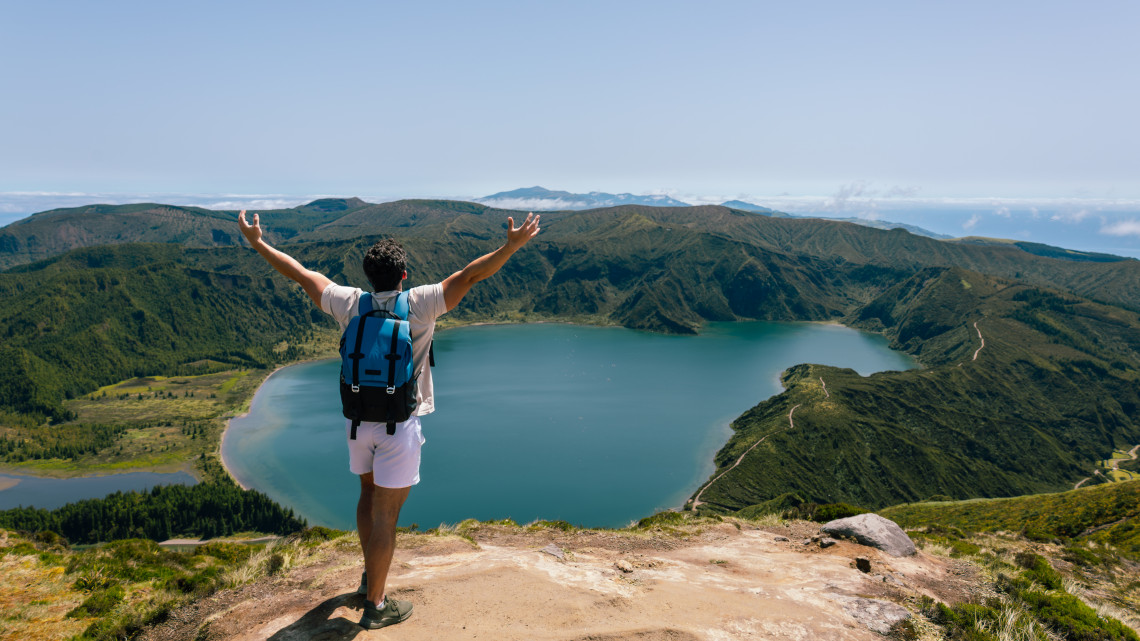
Boca do Inferno above Sete Cidades gives one of the best caldera rim views on the island. The trail connects several viewpoints and is manageable for most fitness levels.
Salto do Cabrito is a shorter trail in the northeast ending at a waterfall above the coast. Good option if time or fitness is a constraint.
SÃO MIGUEL VACATION PACKAGES
Packages with flights, hotel, and rental car, built by local Azorean experts. Activities can be added on top of any package.
See São Miguel Packages →6. Boat Tours
Boat tours on São Miguel cover the south coast from Ponta Delgada, offering access to sea caves, volcanic cliffs, and the Vila Franca do Campo islet, a flooded volcanic crater with a natural lagoon that functions as a protected swimming area. The islet has limited daily access; booking in advance is necessary in summer.
7. Kayaking, SUP, and Canoeing
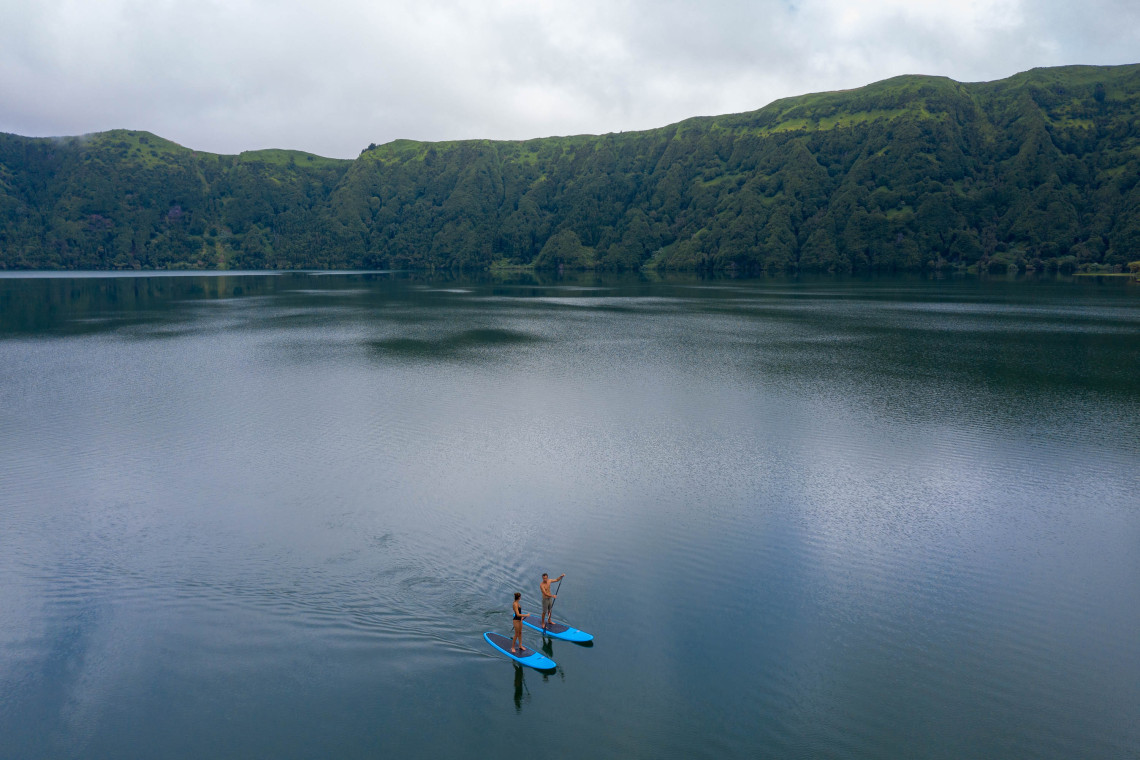
Lagoa das Sete Cidades is the most scenic water for paddling on the island: two connected lakes in a volcanic caldera, surrounded by forested crater walls. The water is calm and the backdrop changes as you paddle across the divide between the blue and green lakes. Guided tours launch from the lakeshore; equipment can also be rented independently.
8. Ponta Delgada Food Tour
A food tour in Ponta Delgada is one of the more useful ways to spend a half-day if you want to understand what São Miguel actually eats, beyond the dishes that appear on restaurant menus for tourists. The tours tend to cover the Mercado da Graça, queijadas, alcatra, chouriço, and regional cheeses, with stops at producers and vendors that are not visible from the main streets.

9. Ponta Delgada Walking Tour
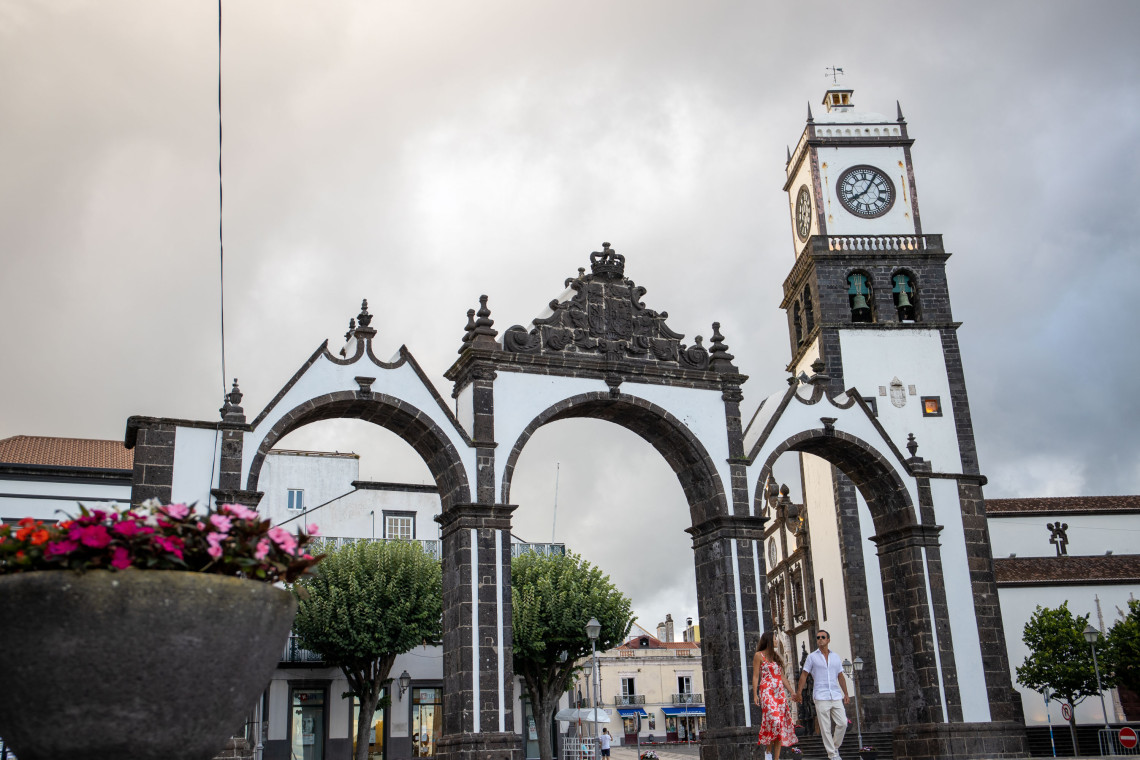
Ponta Delgada is more compact than it feels. A guided walking tour covers São Sebastião Church, the Portas da Cidade (the city gates), the waterfront at Portas do Mar, and the historic streets around the Convento de Nossa Senhora da Esperança. The black and white basalt paving pattern that runs through the city center is typical of the Azores and easiest to appreciate on foot.
10. Gorreana Tea Plantation
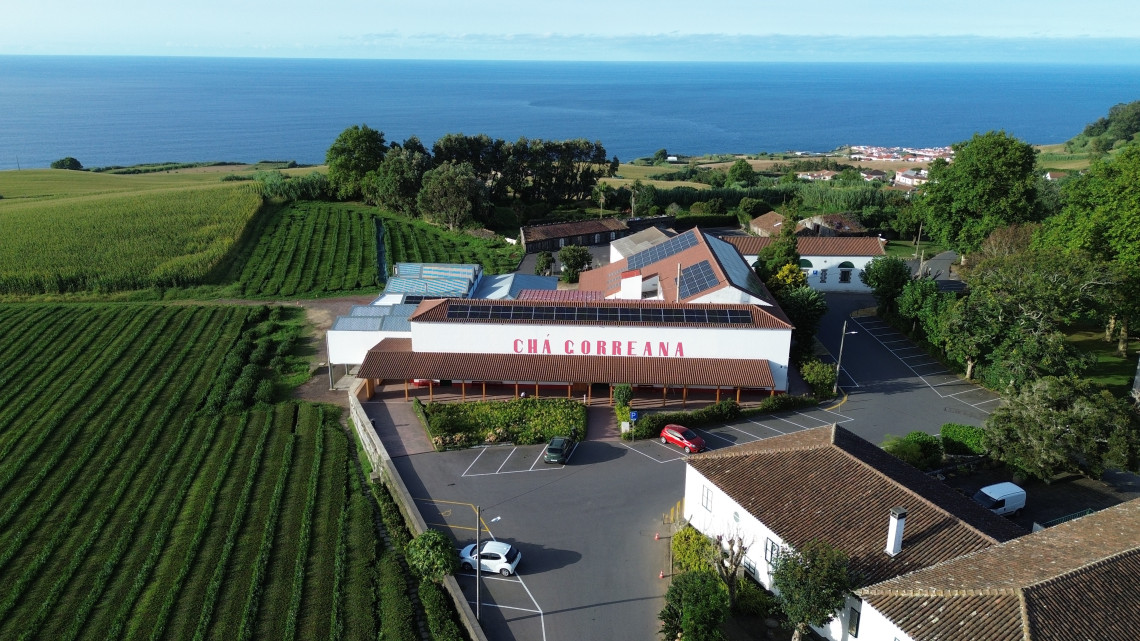
Gorreana is the oldest working tea plantation in Europe, established in 1883 on the north coast of São Miguel. It is still producing Orange Pekoe and Hysson green tea using century-old equipment in a factory that visitors can walk through for free. The plantation terraces run down toward the coast with Atlantic views behind them. There is no tour group required: you arrive, walk the trails, see the factory, and taste the teas at the shop. It takes two to three hours at a relaxed pace.
11. Gin Library
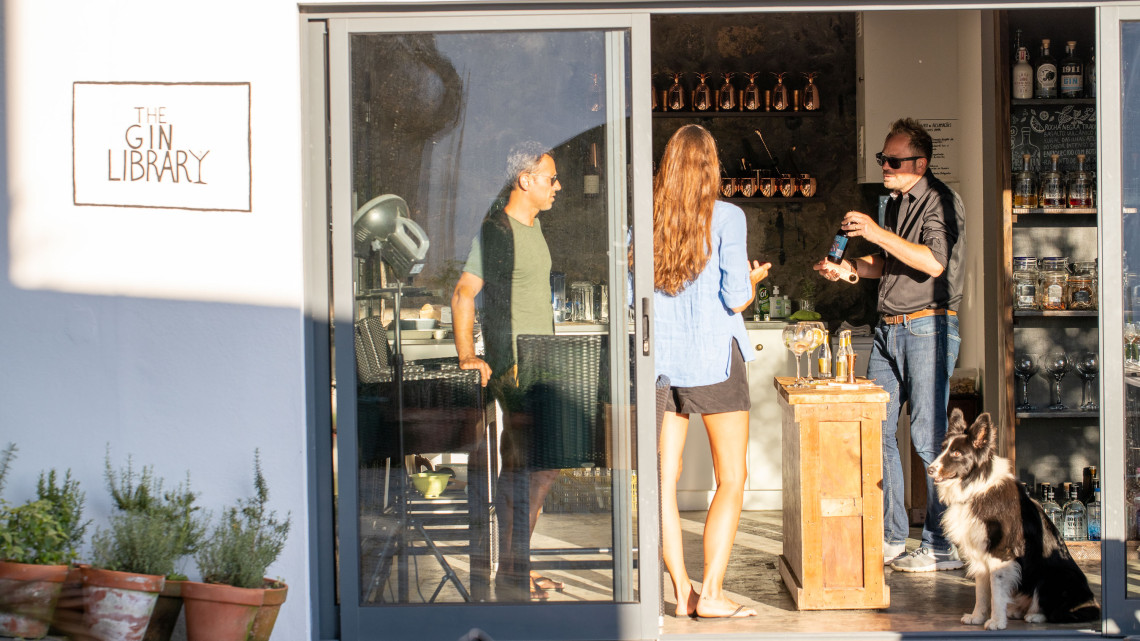
Solar Branco in Ponta Delgada holds what is claimed to be Europe's largest gin collection: over 600 bottles from 43 countries. The experience options range from a self-guided visit to the collection to a gin and tonic masterclass to a hands-on distillation class. If the Azores' position as a mid-Atlantic crossroads in the age of trade appeals to you, the gin provenance map inside is genuinely interesting.
12. Wine Tasting
Wine production in São Miguel is smaller-scale than in the Western Azores, but the island has several producers working with local varieties. Tastings tend to be informal and paired with regional cheeses and charcuterie. If you visited Pico Island's UNESCO-listed vineyards on the same trip, the São Miguel version gives useful context for comparison.
13. Pineapple Greenhouse Experience
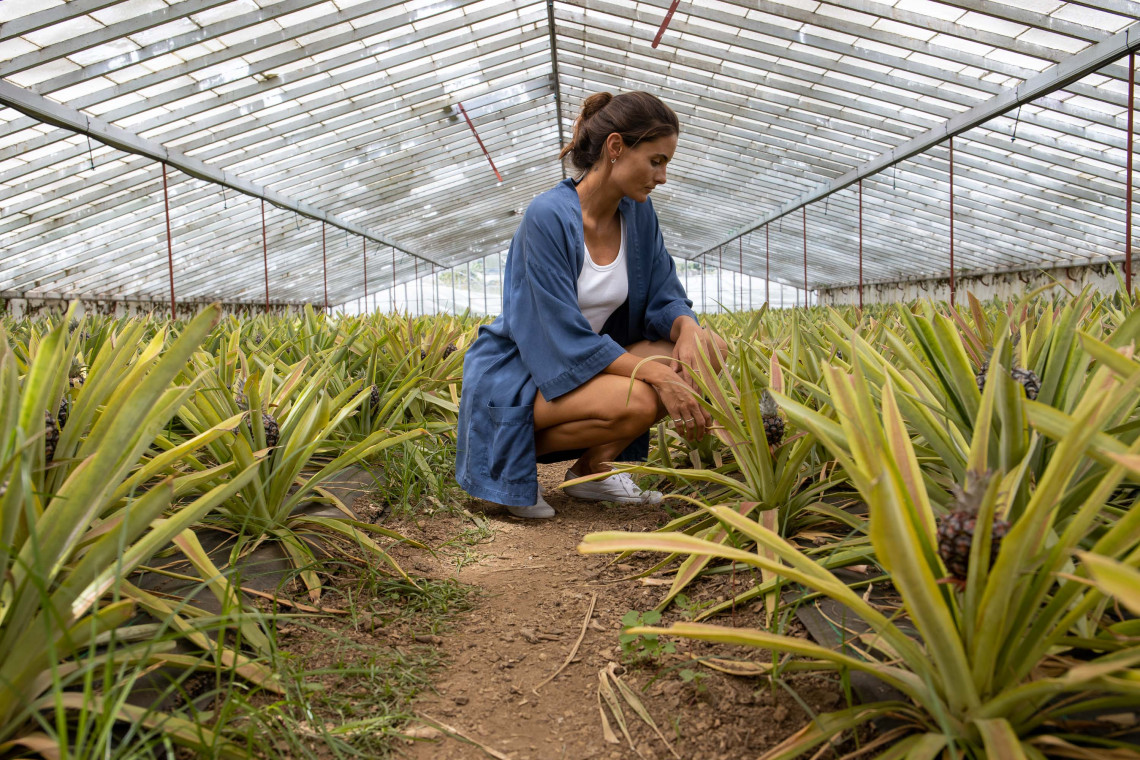
São Miguel grows the only greenhouse-cultivated pineapples in Europe. The cultivation process takes 18 months and requires specific temperature control, which is why the pineapples are grown in glass houses rather than fields. Herdade do Ananás near Ponta Delgada offers a thermal pool inside one of the active greenhouses: an unusual setting that is hard to describe and easy to remember.
14. Scuba Diving and Snorkeling
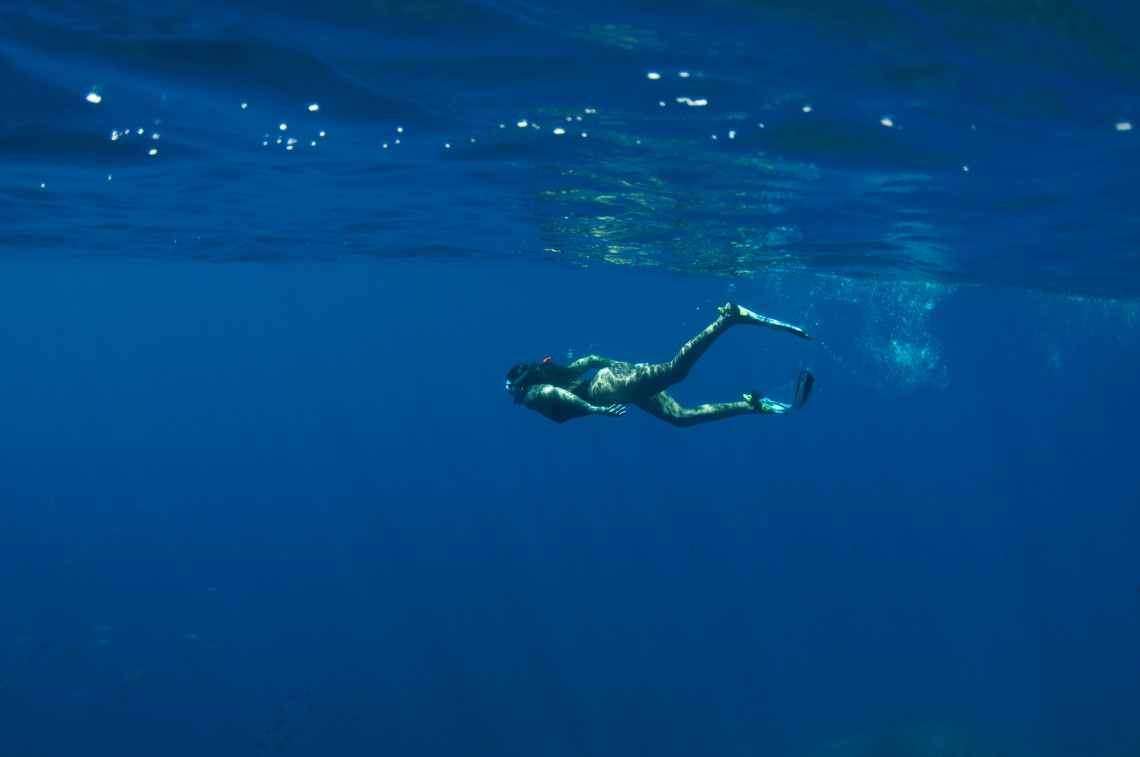
The waters around São Miguel have a mix of volcanic reef formations, marine life, and visibility that varies by depth and season. Snorkeling is accessible from some south coast spots without a guide. Scuba diving requires booking with a local operator, who will assess conditions and take you to the most productive sites. Princess Alice Bank, farther offshore, is one of the notable pelagic dive sites in the Azores archipelago.
15. Canyoning
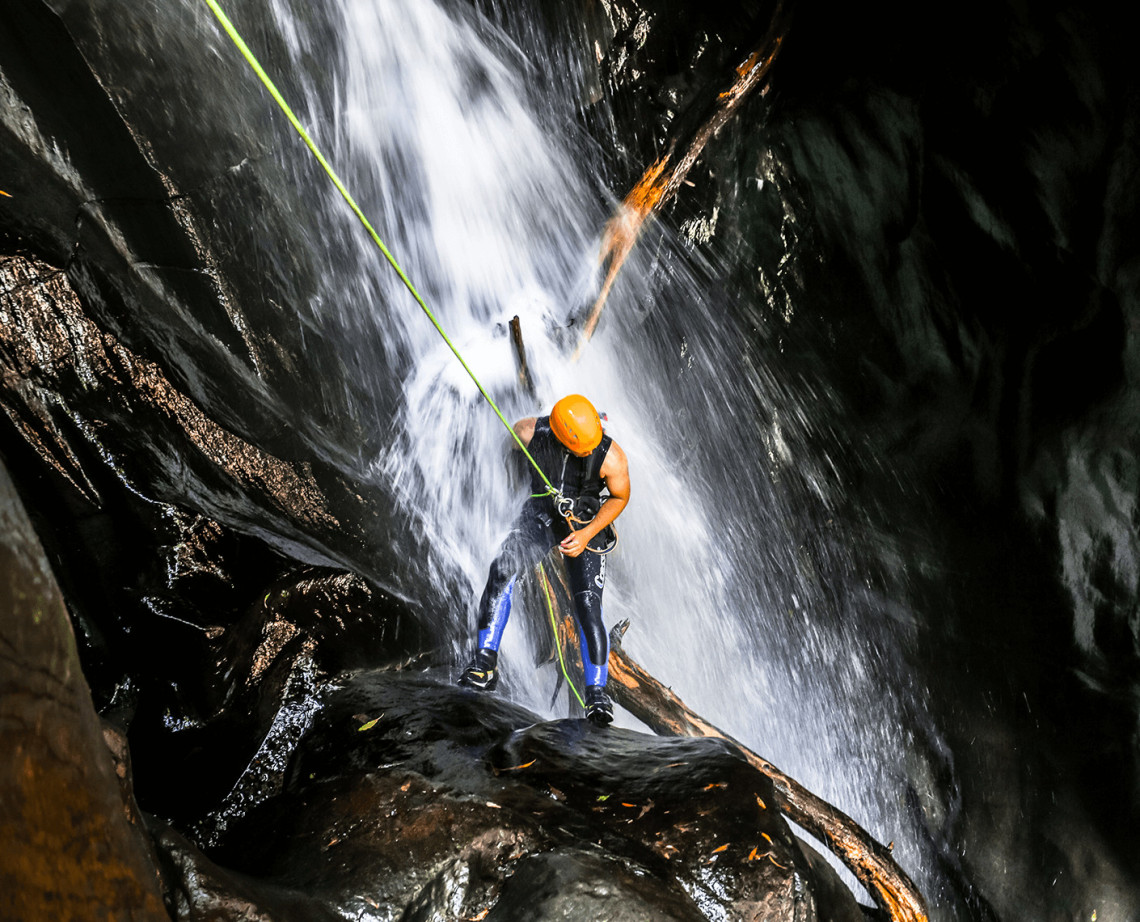
São Miguel's volcanic ravines and waterfalls are the raw material for canyoning routes that range from half-day introductory descents to full-day technical routes. The northeast of the island, around Achada and the Ribeira do Guilherme valley, has the most developed network. The activity is operator-led and suitable for participants without prior experience on the introductory routes.
16. Coasteering
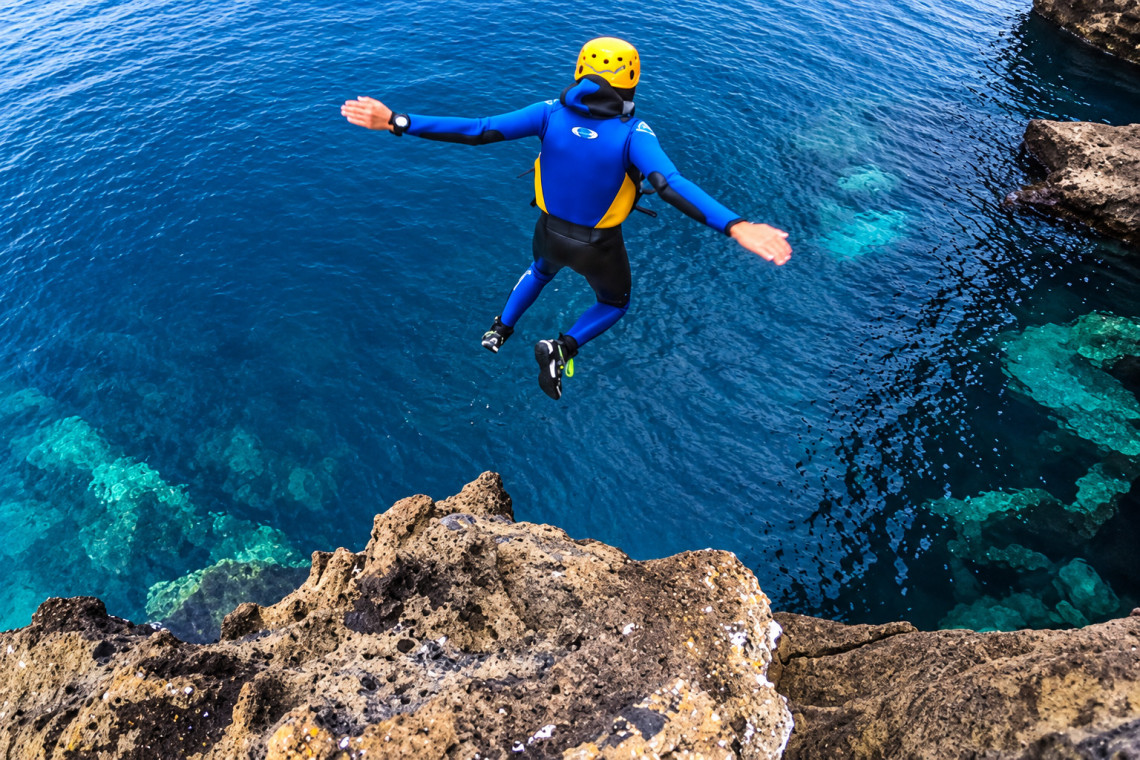
Coasteering on São Miguel's south and west coast involves scrambling, swimming, and cliff-jumping along sections of volcanic shoreline that are inaccessible by land. The routes change depending on swell and conditions. It is better suited to confident swimmers and travelers who do not need the activity explained to them from the start.
17. E-Bike Tours
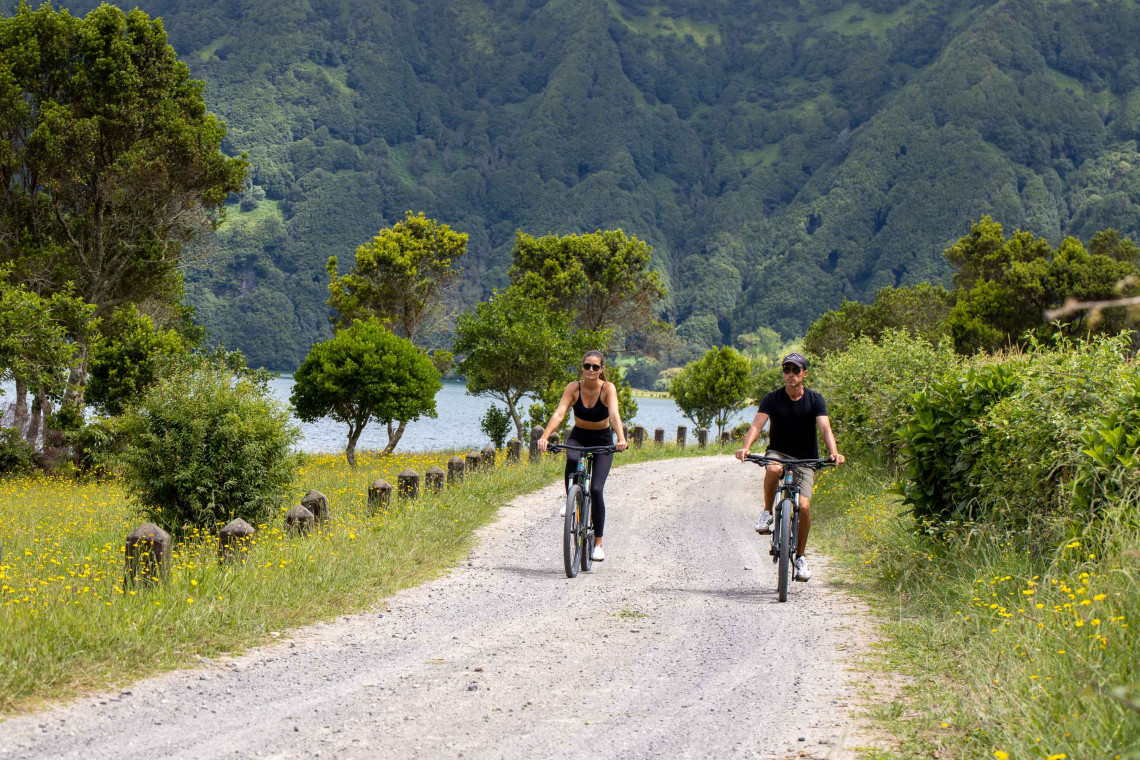
Electric bike tours on São Miguel work well for the Sete Cidades crater area, where the terrain is varied but the distances between viewpoints are manageable with motor assistance. The combination of altitude gain and lake views makes it a better experience on an e-bike than on a standard rental bike for most fitness levels. Guided and self-guided options are available.
18. Horseback Riding
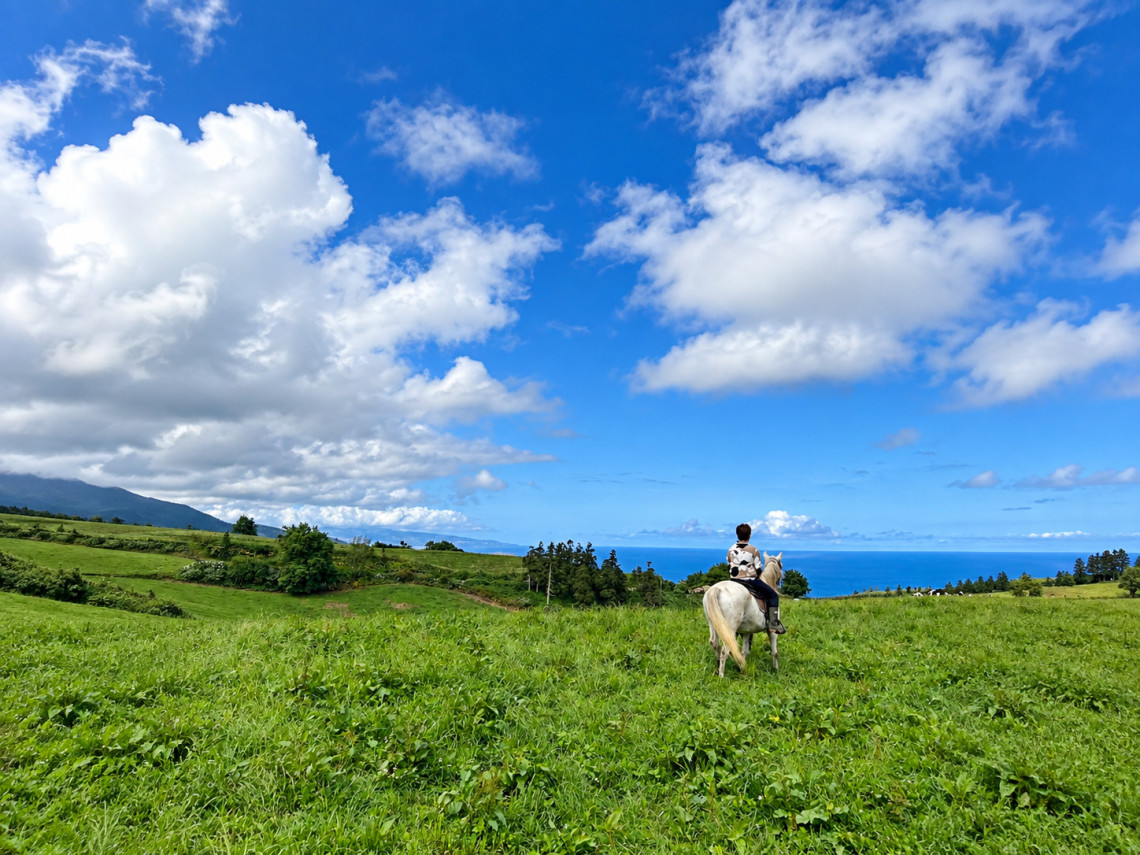
Horseback riding in São Miguel gives access to routes through farmland and forest that are not walkable or drivable. The northeast of the island, less visited than the west and east ends, has several operators offering coastal and inland trails. Suitable for beginners.
19. Golf
São Miguel has two golf courses. Batalha Golf Club is 10 minutes from Ponta Delgada with Atlantic views from several fairways. Furnas Golf Club is on the eastern edge of the island near the village, set inside a landscape of hydrangeas and volcanic terrain that makes it genuinely unusual by European standards. Both courses are 18 holes.

20. Bird Watching
São Miguel is the only habitat of the Azores Bullfinch, known in Portuguese as the Priolo, a critically endangered finch found nowhere else in the world. Its range is restricted to the laurisilva forest above Nordeste in the island's northeast corner. Guided bird watching tours take you into that habitat and improve the odds of finding it significantly compared to an independent walk. The forest also has other endemic and migratory species.
BUILD YOUR SÃO MIGUEL ITINERARY
Talk to a local advisor about which activities fit your dates and travel style. They will put together a complete São Miguel itinerary, including tours, hotels, and transport. No cost, no commitment.
Plan a Custom Trip →Keep Reading
Destination
Furnas Village: The Thermal Hot Spot of São Miguel
Guide
What to Visit in São Miguel Island
Hotels
Where to Stay in São Miguel: Hotels by Area
FAQ
What is the single best thing to do in São Miguel?
Whale watching is the experience that most travelers cite as the standout. The Azores has some of the best whale watching in the Atlantic, and the trip off São Miguel almost always includes multiple species. That said, cooking your own Cozido in the volcanic ground at Furnas is the activity that is most specific to the island and impossible to replicate elsewhere.
Do I need to book activities in advance?
For whale watching, yes, especially May through September when boats fill quickly. For canyoning, cozido cooking, and food tours, booking at least a few days ahead is recommended. Hiking trails are free and open; no booking required. Guided hikes do require advance booking.
What activities can I do without a car?
Whale watching and boat tours depart from Ponta Delgada marina, a short walk from most city hotels. Food tours, walking tours, the gin library, and wine tastings are also accessible without a car. For Furnas, Sete Cidades, and most hiking trails, a car or a guided tour is necessary.
Is whale watching good year-round in São Miguel?
Year-round, but species vary. Sperm whales are resident throughout the year. Baleen whales, including fin and blue whales, pass through in spring on their migration routes. Summer months have the highest activity and most reliable sea conditions. Autumn and winter have fewer visitors and better odds of emptier boats, but rougher seas.
Are there free things to do in São Miguel?
Several. Gorreana Tea Plantation is free to visit, including the factory tour and tea tasting. Most hiking trails are free and well-signed. Viewpoints including Vista do Rei above Sete Cidades and Miradouro do Pico do Ferro above Furnas cost nothing. The Ponta Delgada waterfront and historic center are free to walk.
What is the most unique experience you can only do in São Miguel?
Cooking your own Cozido das Furnas in the volcanic ground is specific to one place in the world: the caldeiras near Furnas Lake. The pineapple greenhouse thermal pool at Herdade do Ananás is another experience that does not exist elsewhere. Both are worth booking if you have the time.