21 September 2026 • 7 min read
São Miguel is open year-round and has something to offer in every season. That said, May through October is when the weather is most reliable, the sea is warmest, and all activities are running. June and September stand out as the best months: full summer conditions with substantially fewer visitors than July and August.
One thing holds true regardless of month: pack a waterproof jacket. São Miguel is a volcanic island in the middle of the Atlantic and rain can arrive at any time, including in peak summer.
Month by Month
January and February are the wettest months of the year. Temperatures average 13 to 15°C. The island is quiet, prices are lower, and most tourist infrastructure operates on reduced hours or closes entirely. The landscape is vivid green from the rain. Worth considering if you want solitude and don't mind variable weather, but not the time to plan outdoor-heavy itineraries.
March and April see conditions beginning to improve, though rain remains common. Temperatures climb toward 16 to 18°C. April is one of the better months for whale watching — sperm whales are resident year-round, but April and May bring fin and blue whales through on their migration north. If whale watching is a priority, spring delivers the widest variety of species.
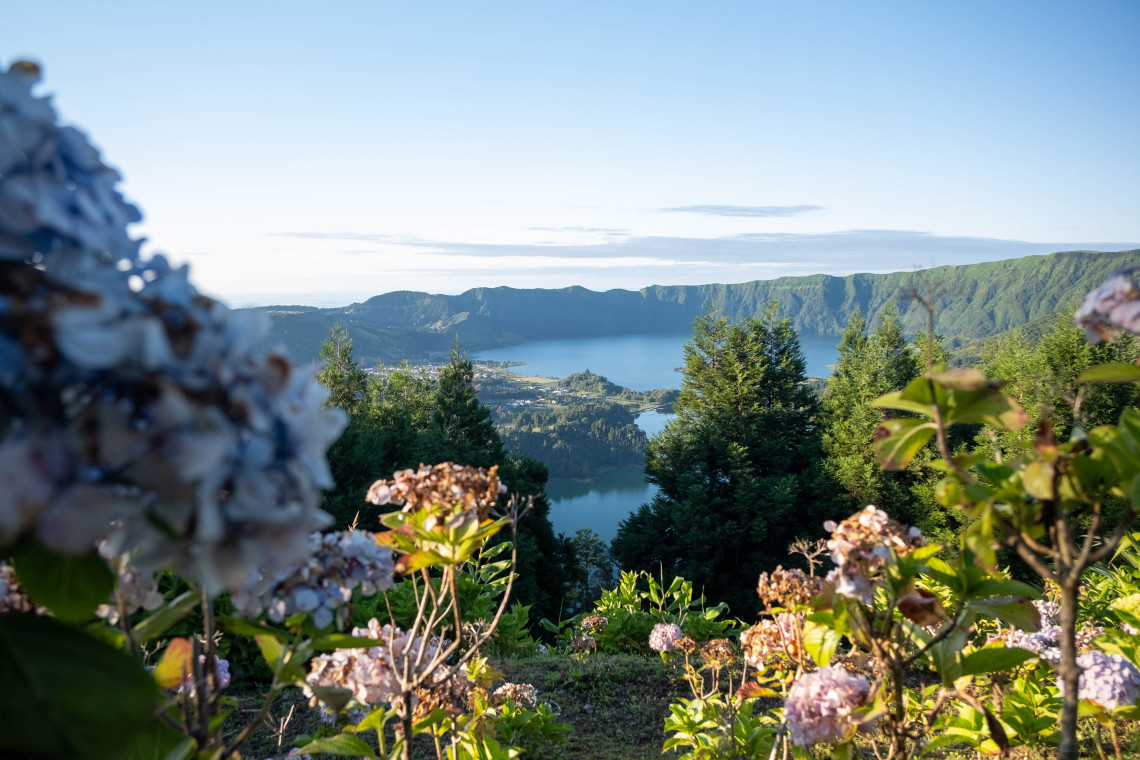
May is when the island starts to feel like summer. Temperatures are comfortable (17 to 20°C), the hydrangeas that line the roads begin to bloom, and the tourist season picks up without yet reaching peak-season volume. It is one of the best months overall: good weather, competitive prices, and whales still passing through.
June is the beginning of the best window on the island. Temperatures reach 20 to 22°C, rain drops significantly, and the days are long. Visitor numbers are meaningfully lower than July and August, which means shorter waits at viewpoints, easier restaurant bookings, and less competition for popular trails.
July and August are the peak months. Temperatures peak at 22 to 25°C, the sea reaches its warmest point (around 22°C), and the island is at its busiest. The main viewpoints — Vista do Rei, Boca do Inferno — will have tour groups by 10 a.m. Restaurants in Furnas need more advance notice for cozido bookings. That said, the weather is at its most consistent and flight connections from North America and northern Europe are most frequent.
September is the best single month to visit. Summer temperatures persist (21 to 23°C), the sea remains warm enough to swim, and the island noticeably quiets down after the August peak. Most activities and experiences are still running at full capacity. If you have flexibility, September is the answer.
October is still reasonable, particularly early in the month. Temperatures sit around 20°C, rain starts to increase, and the days shorten. The island is peaceful and prices drop. Later October can bring unsettled weather and some trail closures.
November and December are quieter and wetter. The island remains open and the volcanic landscapes are atmospheric in the low light, but outdoor activities are less reliable and some operators close for the season.
SÃO MIGUEL VACATION PACKAGES
Packages with flights, hotel, and rental car built by local Azorean experts. Available across the season — the team can advise on the best window for your travel dates.
See São Miguel Packages →Best Time by Activity
Whale Watching
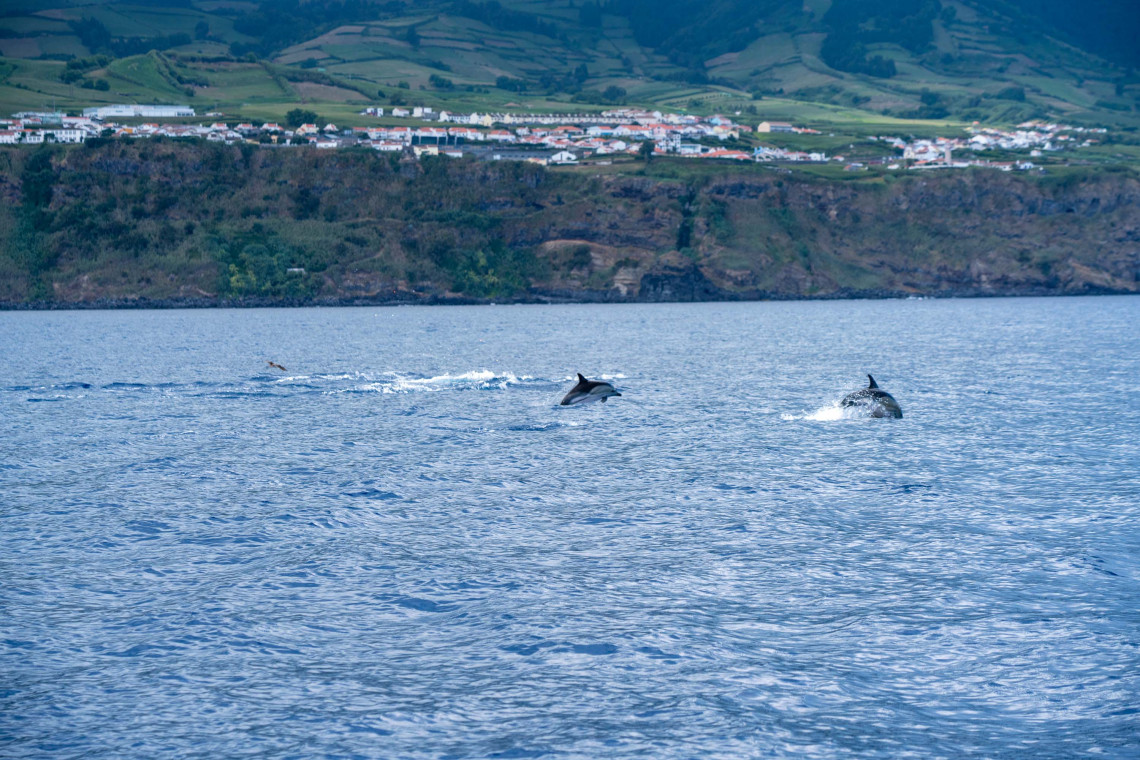
Sperm whales live in Azorean waters year-round, so a sighting is possible in any month. The best window for species variety is April through June, when fin and blue whales pass through on their migration north. These are the largest animals on earth; seeing one from a small boat is a different experience from a sperm whale sighting. By July, the migratory species have moved on, though sperm whales remain reliable through the summer.
Book whale watching from Ponta Delgada
Hiking
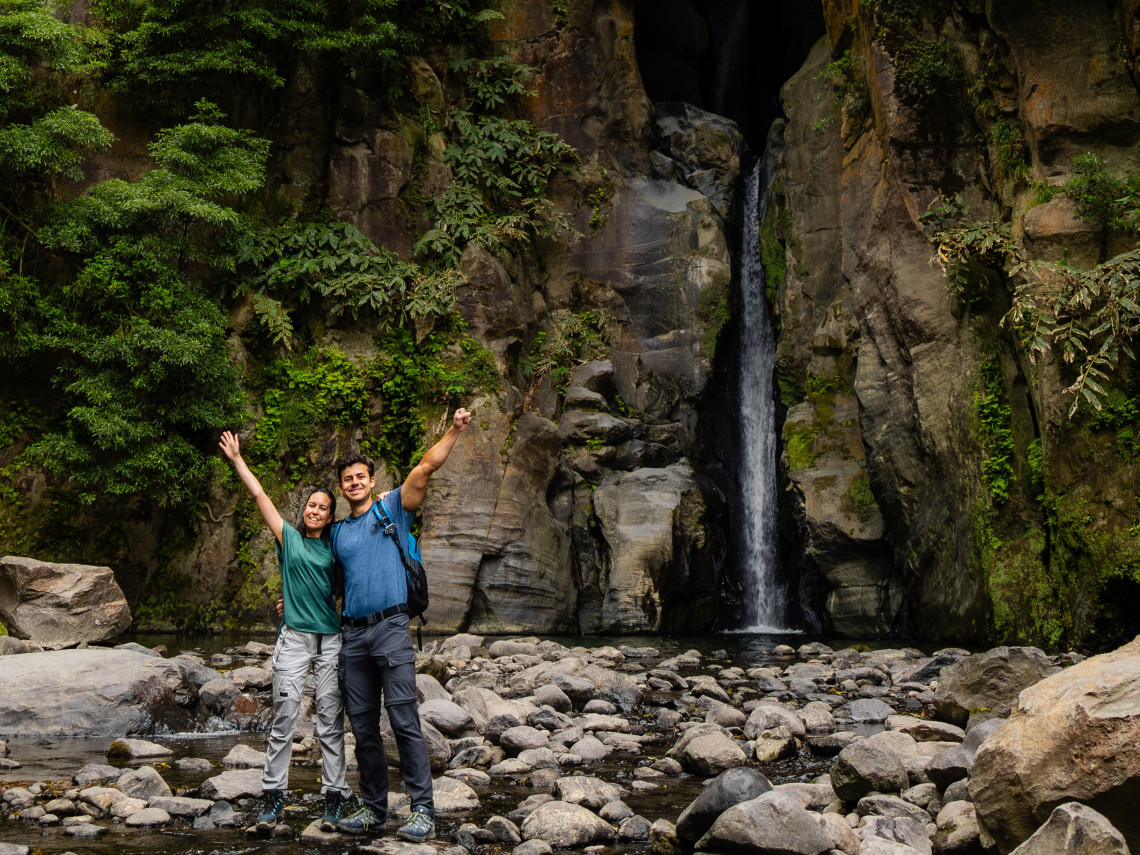
The main trails are accessible from May through October. Lagoa do Fogo is the most weather-dependent — the crater view disappears entirely in cloud, which is common outside summer. The shuttle restriction (private cars excluded June to September, 9 a.m. to 7 p.m.) is worth planning around if you want to drive to the trailhead. Salto do Prego and the Sete Cidades trails are more forgiving in mixed weather because the forest canopy reduces the impact of rain.
Outside the May to October window, trails can be muddy and some routes are slippery after prolonged rain. Not impossible, but plan for it.
Full guide to São Miguel hiking trails
Beaches and Swimming
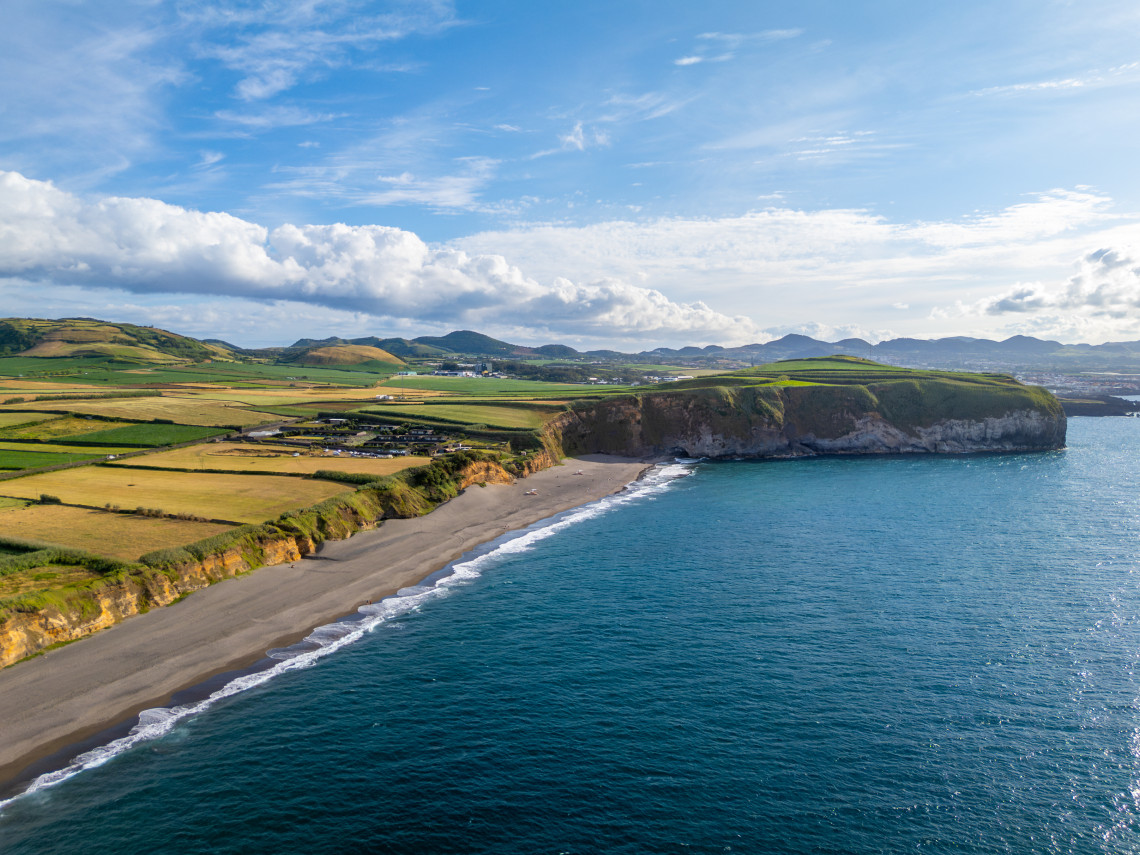
The sea around São Miguel reaches its warmest point in August and September, peaking around 22°C. Comfortable for swimming from June through October; cool but doable in May and October for those who don't mind brisk water. The north coast beaches (Santa Bárbara, Maia) face Atlantic swell and are better for surfing than calm swimming. The south coast and the natural pools at Mosteiros and Ferraria are more sheltered.
Viewpoints and the Caldera
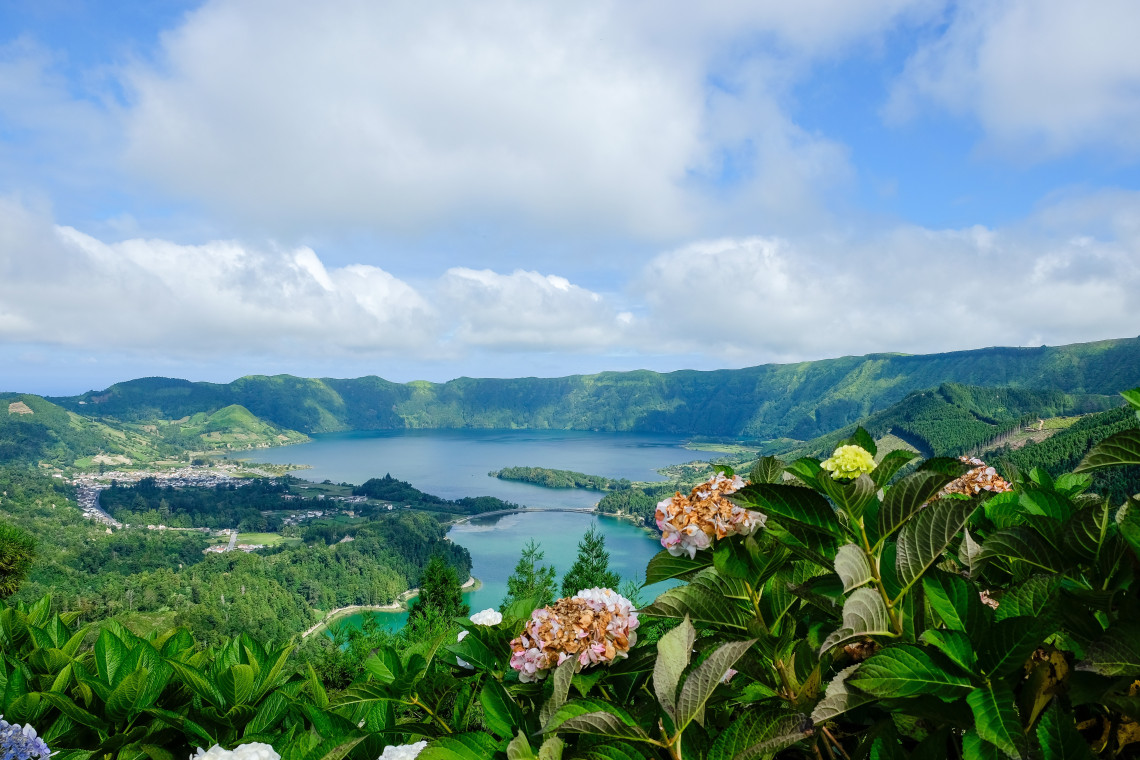
The Sete Cidades caldera clouds over frequently, and this happens faster than most visitors expect. In any month, the window before 9 a.m. is the most reliable for clear views. In summer, cloud often builds on the rim by 11 a.m. In autumn and winter, the caldera can be in cloud for full days. Arriving at Boca do Inferno or Vista do Rei at first light is the single most reliable tactic for good photographs, regardless of season.
Top 10 viewpoints in São Miguel
Tea Plantations
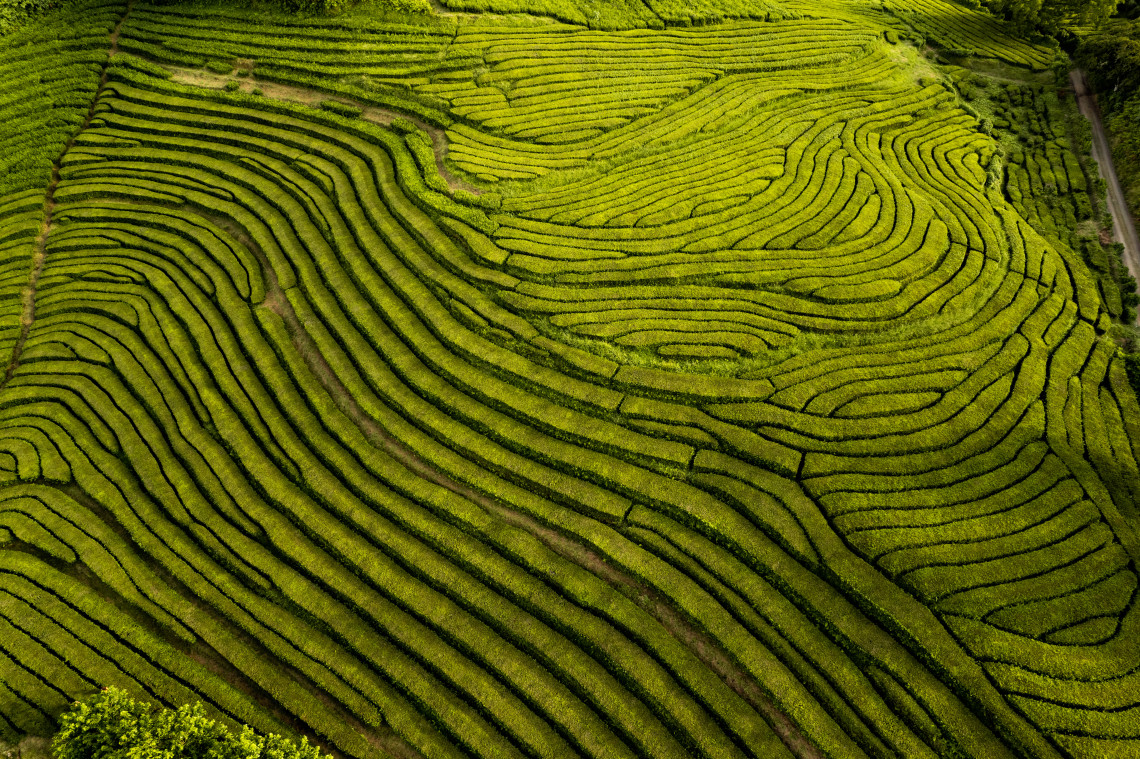
Both Gorreana and Porto Formoso are open year-round. The picking season runs from May through September, which is when you can watch the harvest in progress. Outside this window the terraces are still green and the factory still runs, but at a lower production level. The Porto Formoso harvest festival takes place on the first Saturday of May and is worth timing a visit around if you are travelling in spring.
Guide to the Azores tea plantations
Practical Notes
What to pack: A packable waterproof jacket is essential in every month, including July and August. The interior highlands (Sete Cidades, Lagoa do Fogo) can be 8 to 10°C cooler than the coast — bring a layer even on warm days.
Crowds: July and August see the highest visitor volumes, with noticeable queues at Vista do Rei, difficulty booking Furnas restaurants without 48-hour notice, and full car parks at Lagoa do Fogo by 9 a.m. June and September have the same weather quality with half the people.
Prices: Peak prices run from mid-June through August. Spring (April to May) and autumn (September to October) offer better rates on hotels and packages while the weather remains viable.
Flights: Direct connections from North America (Boston, New York) and northern Europe are most frequent from May through October. Winter connections typically route through Lisbon.
NOT SURE WHEN TO GO?
A local advisor can match your dates and priorities to the right package. No cost, no commitment.
Plan a Custom Trip →FAQ
What is the best month to visit São Miguel?
June and September are the best months. Both have reliable summer-level weather (20 to 23°C), all activities running, and significantly fewer visitors than July and August. If whale watching is a priority, April and May are better for species variety — fin and blue whales pass through on migration.
Is São Miguel worth visiting in winter?
Yes, with adjusted expectations. The island is green, quiet, and cheaper. Most outdoor activities run but with reduced schedules. Some operators close November through March. The caldera viewpoints cloud over more frequently and the rain is persistent. Worth it for travellers who prefer solitude over sunshine.
How hot does São Miguel get in summer?
Average highs reach 24 to 25°C in July and August, occasionally nudging 28°C in a warm year. The heat is moderate by southern European standards. The island is rarely uncomfortably hot because the Atlantic breeze keeps temperatures in check.
Does it rain a lot in the Azores?
More than most of southern Europe, yes. São Miguel averages 1,600 mm of rain per year, most of it falling between October and March. July and August have the fewest rainy days — roughly 5 to 7 days with measurable rainfall — but short showers can appear even in peak summer. The interior is wetter than the coast, and the south coast tends to be drier than the north.
Is São Miguel crowded in summer?
July and August bring noticeable crowds at the main viewpoints and popular restaurants. Vista do Rei and Boca do Inferno are busy by mid-morning. Furnas restaurants can be fully booked 48 hours ahead. The island is not overwhelmed the way some Mediterranean destinations are, but you will encounter tour groups. June and September have the same weather at a fraction of the crowds.
What should I pack for São Miguel?
A packable waterproof jacket is the single most important item, in any month. Light layers for the interior (the caldera areas run 8 to 10°C cooler than the coast). Sunscreen for summer. Dark-coloured swimwear if you plan to use Terra Nostra's thermal pool — the iron content stains light-coloured fabric permanently.