by Azores Getaways Team
August 2026 • 10 min read
Pico Island is one of the most geologically raw places in the Atlantic. It holds Portugal's highest mountain, a UNESCO-listed vineyard coast built entirely on black lava, 17 recognized lava caves, and year-round whale watching in some of the deepest waters in the Azores.
Island size: 444 km² | Main town: Madalena | Best for: Hiking, diving, whale watching, wine
Pico is the second-largest island in the Azores and the least developed of the central group. It does not have the resort infrastructure of some other islands, which is part of what makes it worth visiting. What it has instead is a mountain that dominates the whole island, a coastline that has been shaped by centuries of volcanic activity, and a wine culture recognized by UNESCO as outstanding universal value.
These are the 17 highlights that define the island, from its biggest natural draw to a bar that is one of the best-designed buildings in the Azores.
1. Climb Pico Mountain
At 2,351 meters, Pico Mountain (Montanha do Pico) is the highest point in Portugal and the highest volcano in the Macaronesian region. On clear days the summit rises above the clouds, with the cone visible from every other island in the central group.
The ascent starts at the Casa da Montanha trail center (1,225m), reducing the total elevation gain to around 1,100m. The trail takes most hikers 3 to 5 hours to the top and 2 to 3 hours to descend. The final section involves a scramble up loose volcanic scree to the crater rim, then down into the caldera to reach the true summit, the Piquinho vent (2,351m). This last section is optional and adds roughly 30 minutes.
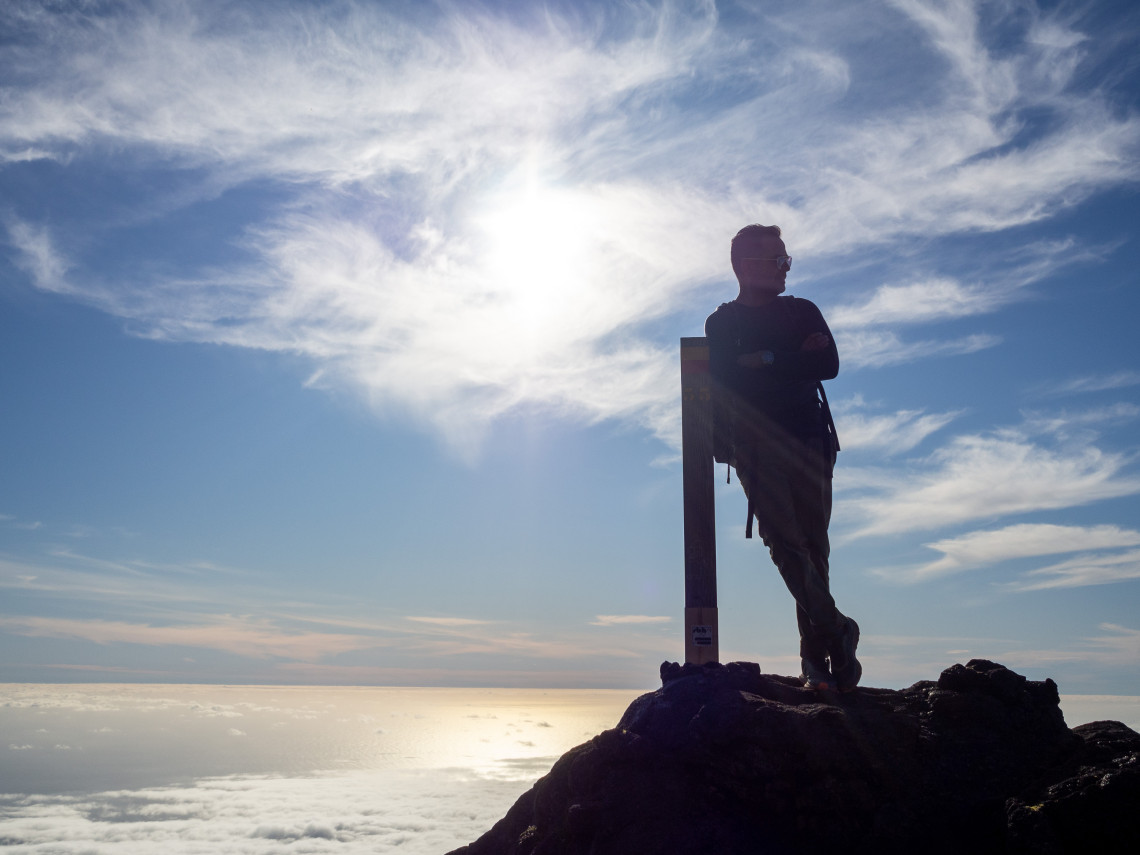
Conditions change fast. Cloud, wind, and fog can arrive at summit level even when the lower mountain is clear. Mountain guides are not required but strongly recommended for first-time climbers, particularly for the upper section. The trail is closed from October 1 to June 30 each year, and all climbers must register with the Mountain House before departure regardless of season.
GUIDED MOUNTAIN TOURS
Browse guided ascents of Pico Mountain and multi-day hiking experiences on the island, including options for all fitness levels.
View Pico Activities →2. Whale Watching Between Pico and Faial
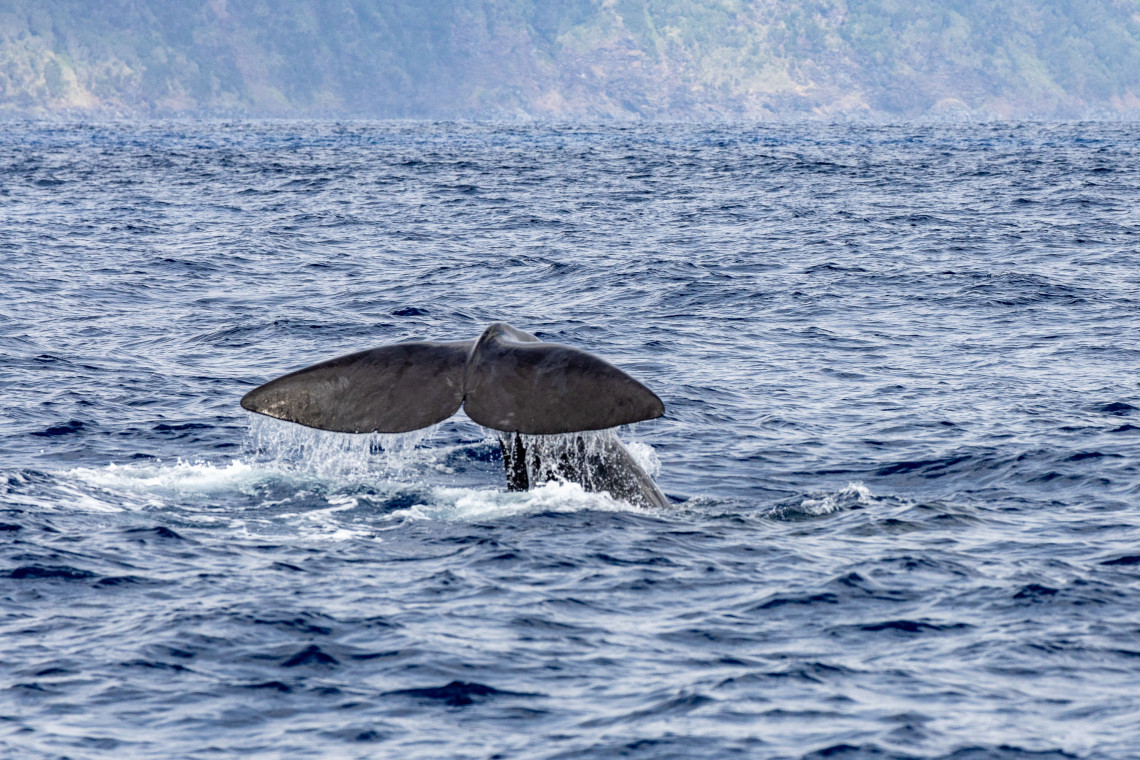
The channel between Pico and Faial sits over deep Atlantic water where sperm whales feed year-round. Sperm whales are the resident species, present in every month, though summer brings higher encounter rates and more variety: blue, fin, sei, and common dolphins can also be seen, and humpback and beaked whales are occasional sightings depending on the season.
Whale watching boats depart from Lajes do Pico, on the south coast, and from Madalena in the west. Most tours run 3 to 4 hours. The industry descends directly from the island's whaling history, which ran until 1984, and several operators use traditional vigia (clifftop watch points) staffed by lookouts to spot whales by their blows before guiding boats to the location. This method means encounter rates are high relative to many other destinations.
See the dedicated Whale Watching guide for full details on operators, timing, and what to expect.
3. Gruta das Torres
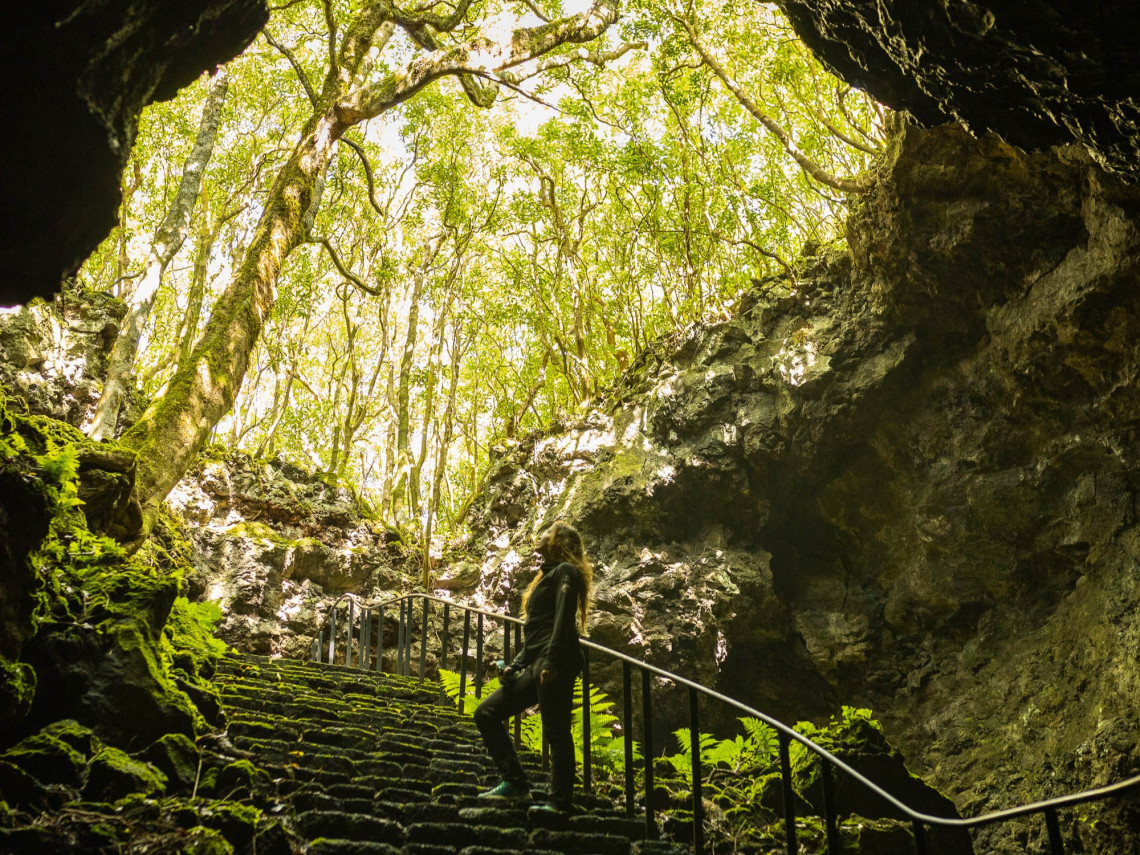
Gruta das Torres is the longest accessible lava tube in the Azores, with a total mapped length of approximately 5.1 km, formed when lava flows from Pico Mountain cooled on the outside while molten rock continued flowing inside, leaving a hollow tube beneath the surface.
The visiting section open to the public is 1.5 km. The cave has multiple tunnels at different levels, evidence of successive lava flows, and walls showing layers, lateral benches, and cornices formed by different drainage events. The cave is located near Criação Velha in the Madalena municipality. Pico Island has 17 recognized lava caves; Torres is the most significant and the only one with organized public access.
Visits are guided and run on a schedule. Groups are limited in size, temperatures inside the cave are around 14°C year-round, and the route involves some crouching in lower sections. Bring a warm layer regardless of outside temperature.
4. Lagoa do Capitão
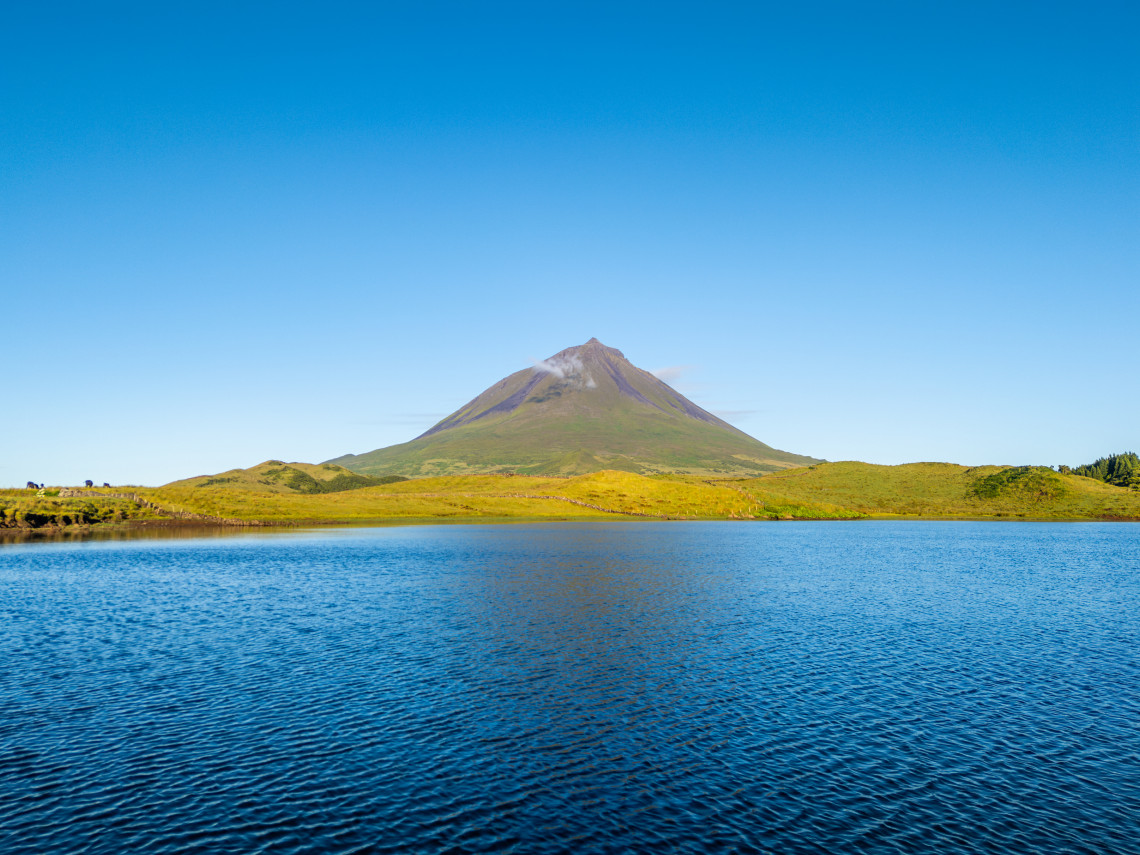
Lagoa do Capitão is the largest lake on Pico, sitting in a volcanic depression in the island's highland interior at around 1,020 meters elevation. The lake is surrounded by Azorean juniper woodland (Juniperus brevifolia), one of the few places on the island where this endemic species still grows in significant numbers.
The main access route is trail PR13PIC (9.3 km, Medium, approximately 3 hours), which starts at the Estrada Transversal and descends to Cais do Pico on the north coast. The lake is roughly midway through the trail. On clear days, the highland plateau around the lake gives open views toward Pico Mountain.
The area is part of the Pico Island Natural Park. No facilities at the lake itself.
5. Fajã Lávica das Ribeiras
The Fajã Lávica das Ribeiras is a coastal lava platform on the southern coast of Pico, formed approximately 3,500 years ago by lava flows reaching the sea. A fajã is a coastal ledge created by either lava flows or cliff collapse, and this one is among the most dramatic on the island.
The 12.5 km trail that crosses it is called Quintas e Ribeiras, running through protected forest, past traditional quinta (estate) farmhouses, and along the lava coast. The terrain is uneven on the lava sections, and the route requires a moderate fitness level. The fajã itself has rock pools at the coast. There is no permanent swimming infrastructure here.
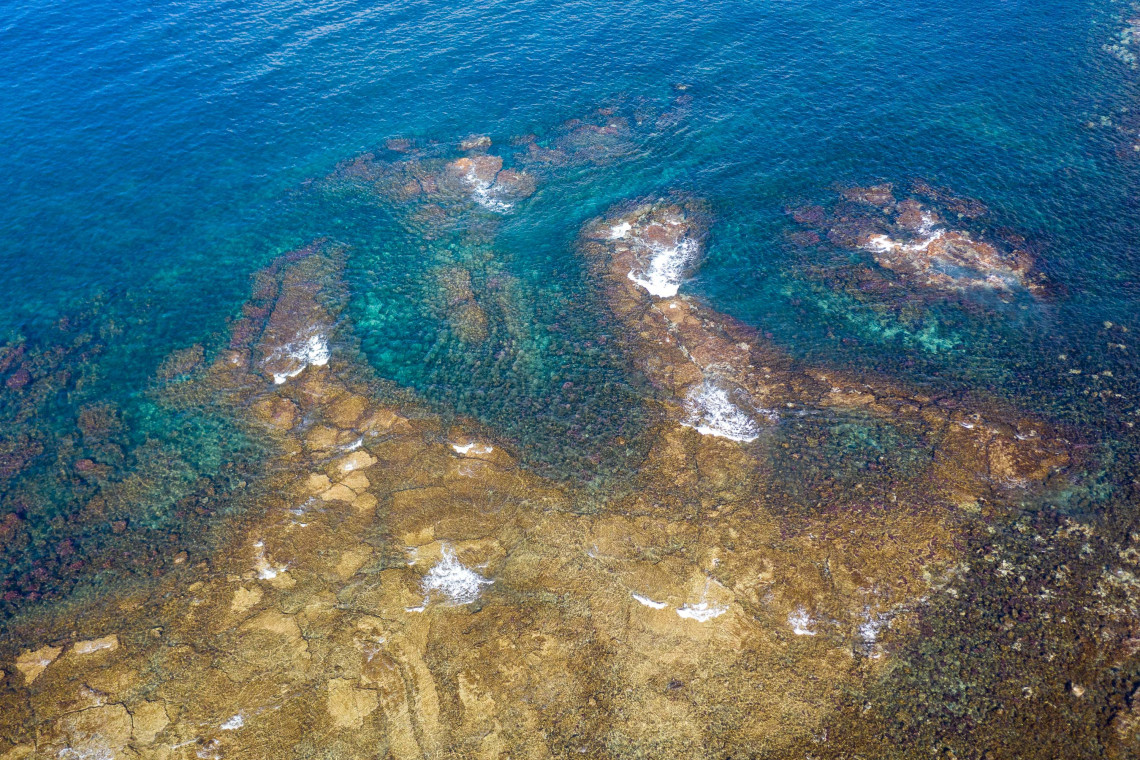
6. Natural Pools of São Roque do Pico
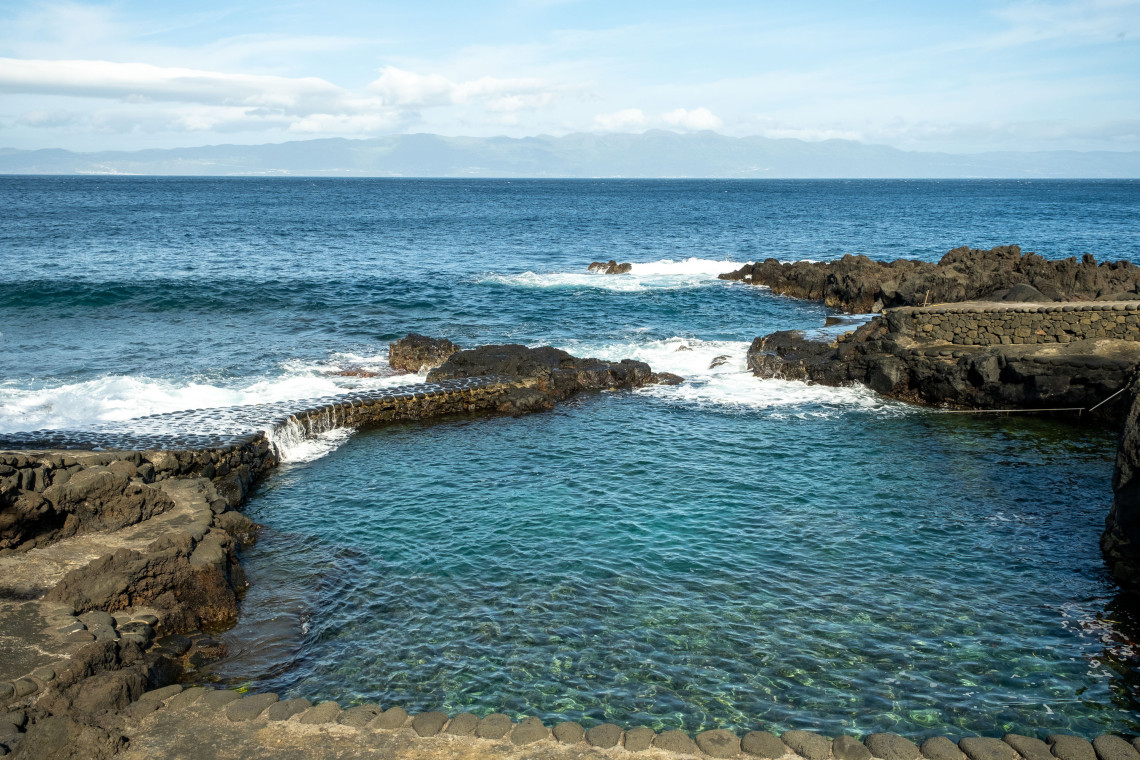
São Roque do Pico is a town on the north coast with a well-developed set of natural lava pools. The pools are formed in volcanic rock platforms directly at sea level, and the town has invested in access steps, changing facilities, and a small harbor front to make them one of the more comfortable natural bathing areas on the island.
The pools are calmer than open ocean swimming and safe for most conditions, though like all Pico's coastal swimming areas they are subject to Atlantic swell and should be checked before entering during rough weather.
For the full list of Pico's swimming spots, see the Best Natural Swimming Pools on Pico Island guide.
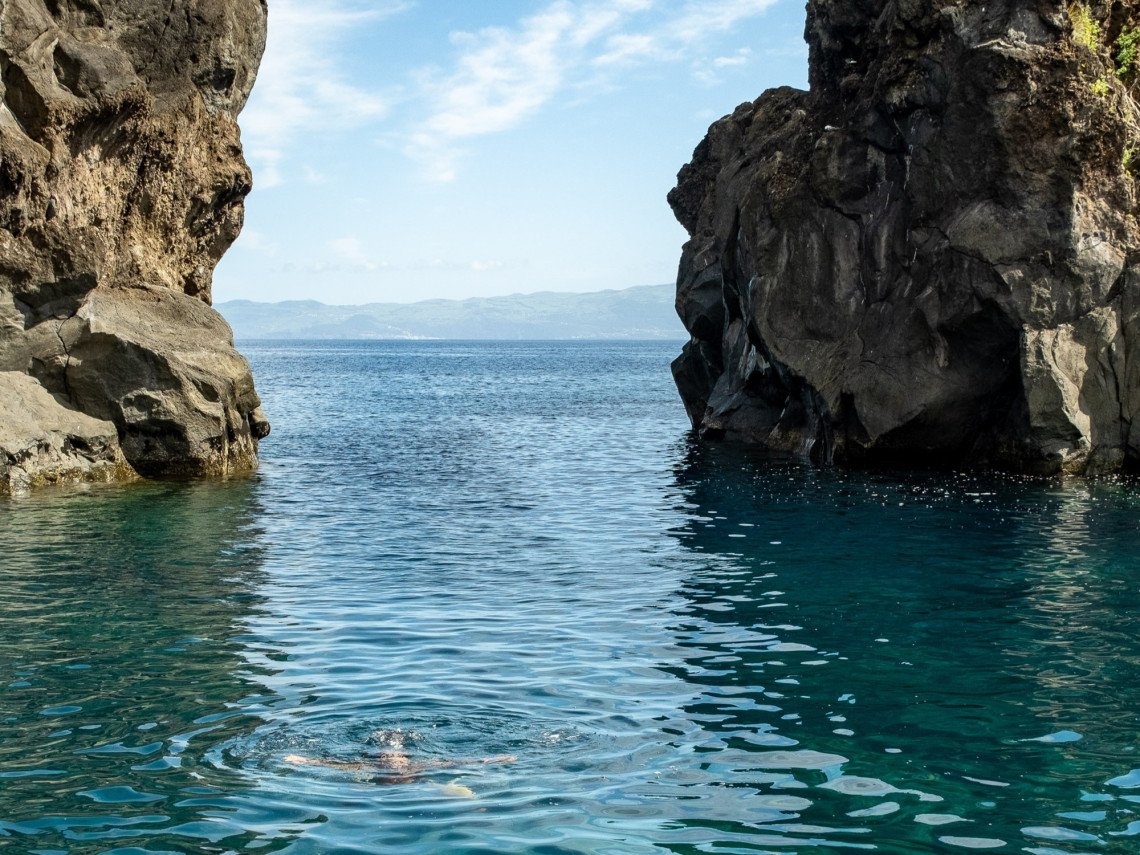
7. Cais do Mourato
Cais do Mourato is a former fishing harbor in the Bandeiras parish, within the Madalena municipality, that has been repurposed as a recreational swimming area. The old stone jetty and harbor infrastructure remain, and the enclosed water creates calmer conditions than open coastline swimming.
It sits in a quieter part of the northwest coast and sees fewer visitors than São Roque, making it a good option for those who want to avoid busy spots in high summer.
8. Ponta da Ilha Lighthouse
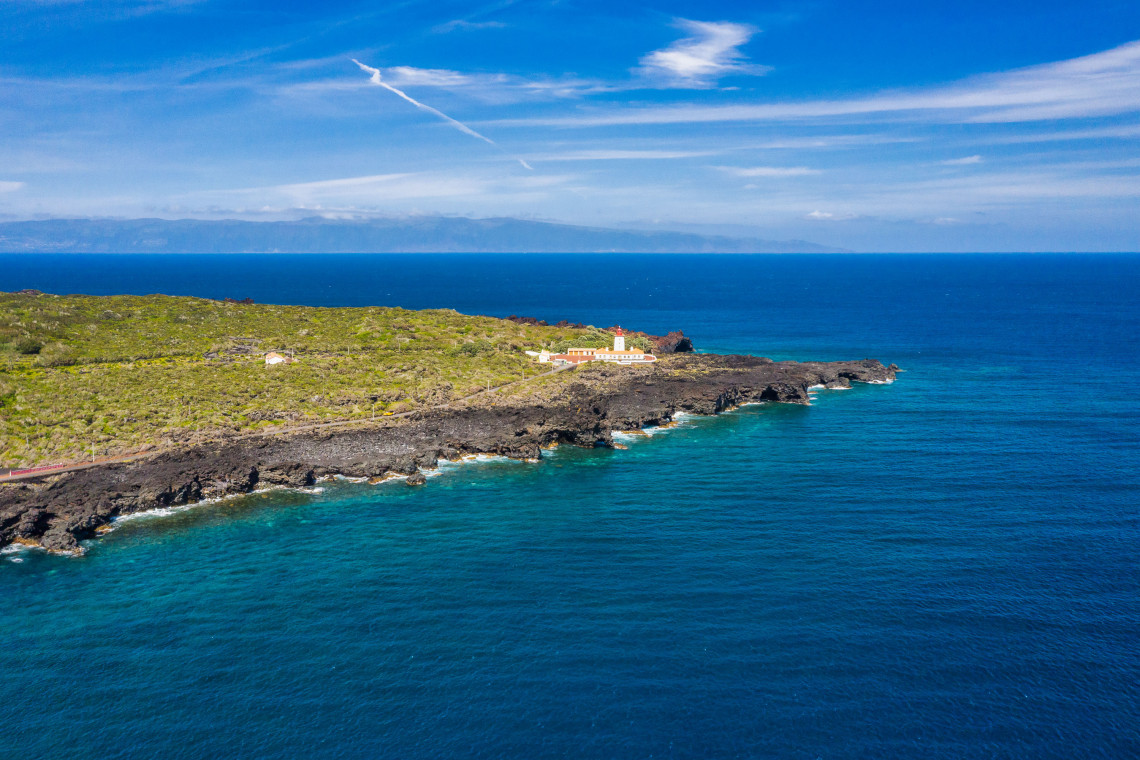
The Farol da Ponta da Ilha, also known as the Farol da Manhenha, stands at the easternmost tip of Pico Island in the Piedade district, Lajes do Pico municipality. It was built in 1946 and marks the eastern point of the island's landmass from the sea.
The lighthouse sits within Pico's protected landscape area. Getting there requires driving the full length of the island on the southern coastal road, roughly 43 km from Madalena. The eastern tip is the least-visited part of Pico, and the drive itself is one of the more scenic on the island, following the coast past the whaling town of Lajes and through a succession of small villages.
The trail PR3PIC Ponta da Ilha (6.1 km, Hard, 3 hours) runs along this stretch of coast and ends near the lighthouse. See the Pico Hiking Guide for the full route details.
9. Terra Alta Viewpoint
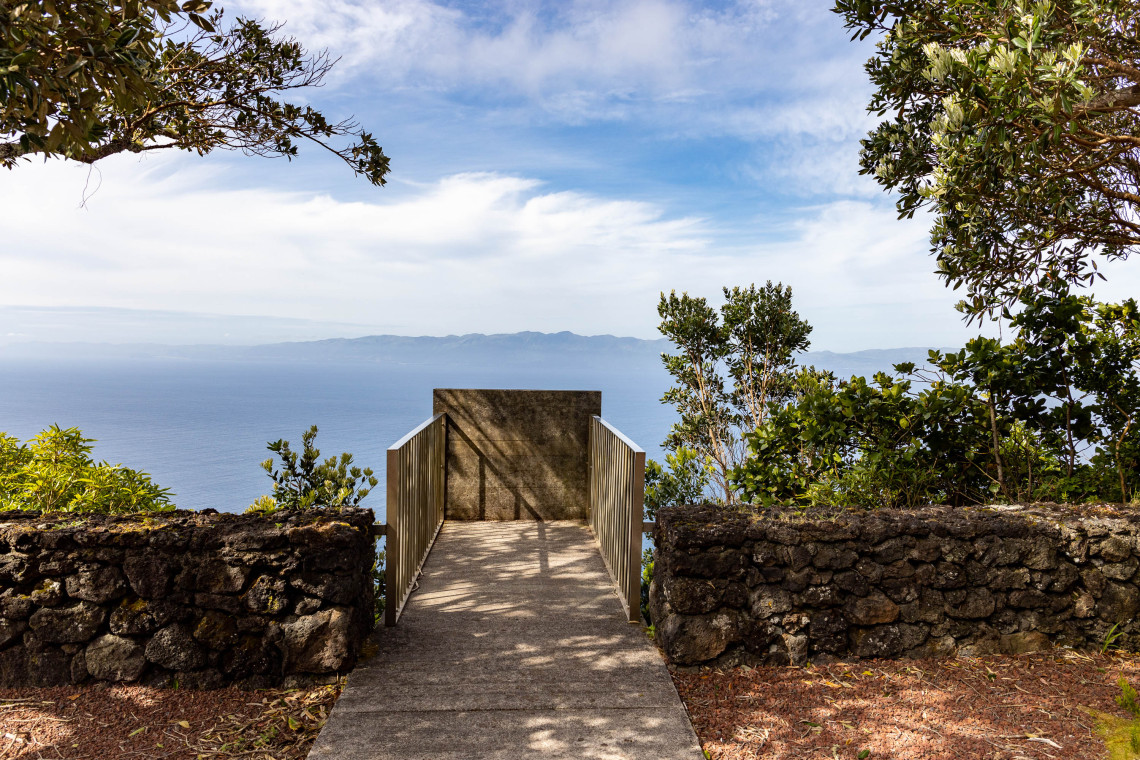
Terra Alta is an elevated viewpoint in the interior of Pico, accessible by road. From here, the view opens across the patchwork of lava fields, pasture, and vineyard walls that covers the island's middle ground, with Pico Mountain filling the western horizon on clear days.
The viewpoint is a useful orientation point early in a visit, giving context for the scale of the island and the relationship between the mountain, the coast, and the UNESCO vineyard zone below.
10. The Lajes do Pico Vineyards and UNESCO Landscape
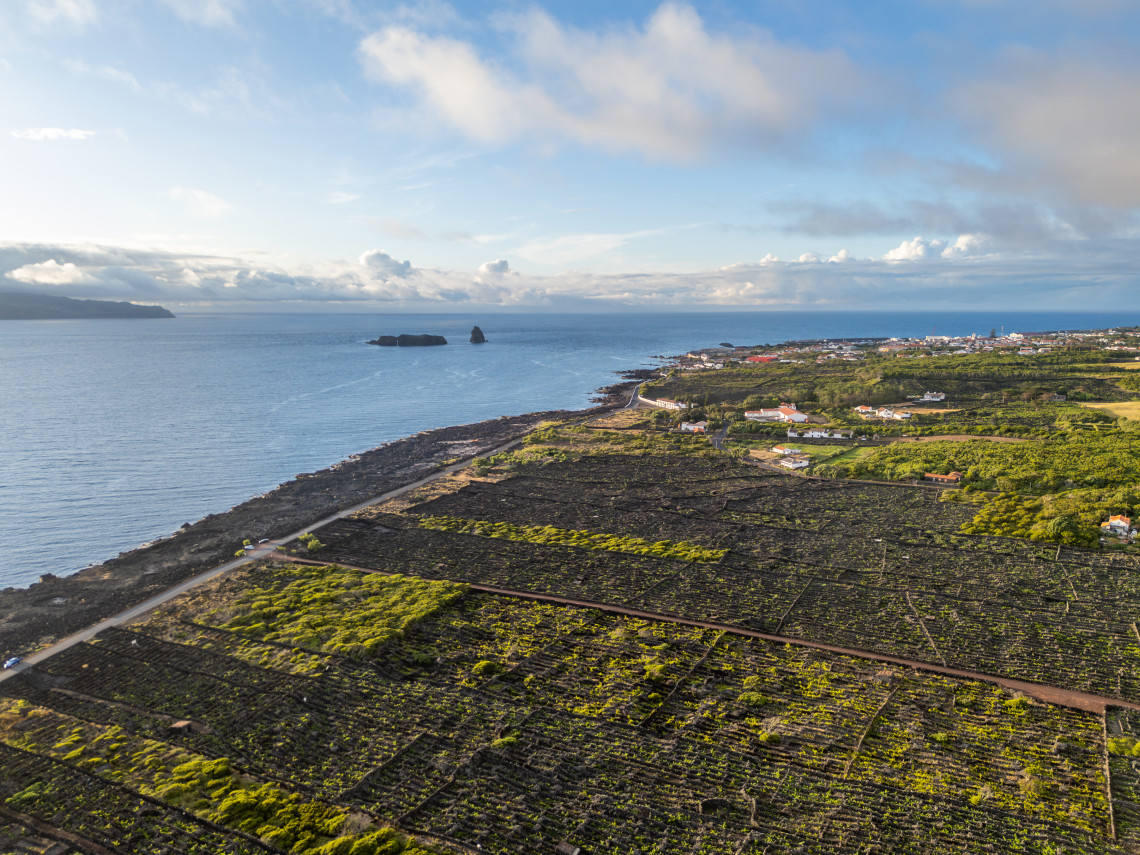
The western and northwestern coasts of Pico are covered by the Landscape of the Pico Island Vineyard Culture, inscribed as a UNESCO World Heritage Site in 2004 (Reference 1117). The site covers 987 hectares of coastal land where vines have been grown inside thousands of small black basalt enclosures called currais since the late 15th century.
The vineyards in the Lajes do Pico area and along the Criação Velha coast are the heart of this landscape. The grapes grown are Verdelho, Arinto, and Terrantez. The Interpretation Centre at Lajido de Santa Luzia provides the best introduction to what you are looking at. The trail PR5PIC Vinhas da Criação Velha (7 km, Easy) runs directly through the UNESCO zone.
For the full guide to the vineyard landscape, history, and visiting details, see the Pico UNESCO Vineyard guide.
11. Museu do Vinho (Wine Museum)
The Museu do Vinho on Pico Island is dedicated to the island's wine history, from the early viticulture established by Franciscan and Carmelite monks in the 15th century through the 19th-century trade in Verdelho to the Russian market. It documents the tools, techniques, and social history of wine production on volcanic rock, and places the UNESCO vineyard landscape in historical context.
The museum complements a visit to the Interpretation Centre at Lajido and to the adegas (wine cellars) where tastings can be arranged. Pico wine is worth buying locally, as the island's small production volumes mean it is not widely exported.
12. Adega Czar
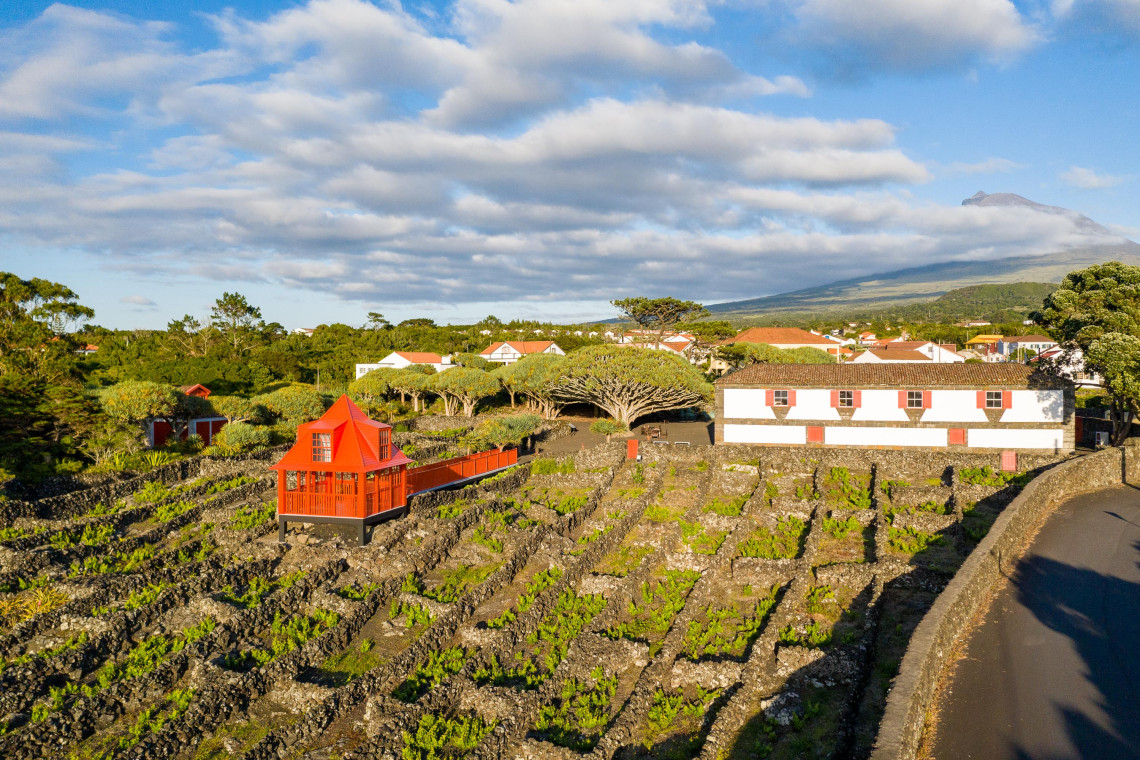
Adega Czar is one of Pico's notable wine producers, named in reference to the island's 19th-century trade relationship with the Russian aristocracy, who imported large quantities of Pico's Verdelho. The adega produces wines from the island's main varieties on volcanic basalt soil. A visit pairs naturally with exploring the UNESCO vineyard zone nearby.
Call ahead or arrange through your accommodation, as hours at Pico's small adegas are not always fixed.
WINE TOURS ON PICO
Browse guided wine experiences on Pico Island, including tastings at local adegas and walks through the UNESCO vineyard coast.
View Pico Activities →13. Museu dos Baleeiros (Whalers' Museum)
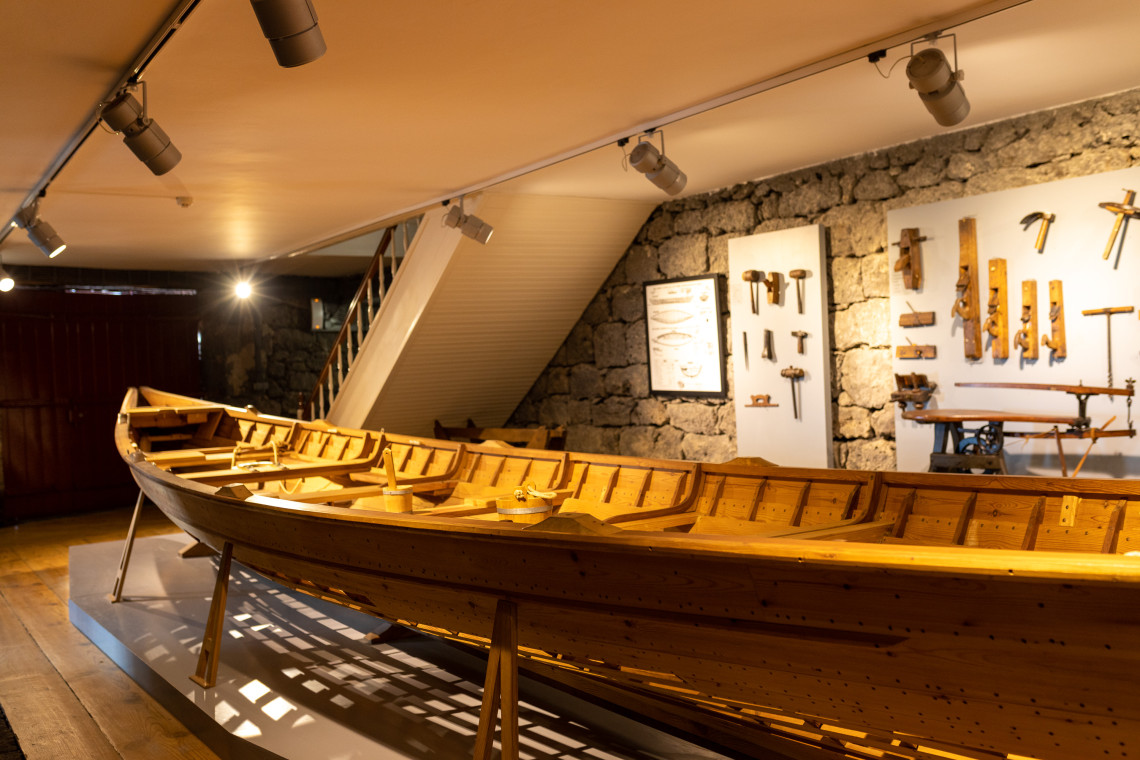
The Museu dos Baleeiros in Lajes do Pico is the best record of the island's whaling history. Pico was one of the main whaling centers in the Azores, and the industry ran here from the 18th century until 1984. The museum is housed in the former whale boat warehouses (armazéns de botes) on the seafront, and the building itself is part of what makes the visit worth making.
The collection covers the full arc of the industry: the boats, the equipment, the vigia system of coastal watch points, the processing techniques, and the community life built around whaling. Given that the same island now runs whale watching tours, the museum provides useful context for understanding the shift from hunting to conservation that happened over the second half of the 20th century.
14. Igreja de São Mateus
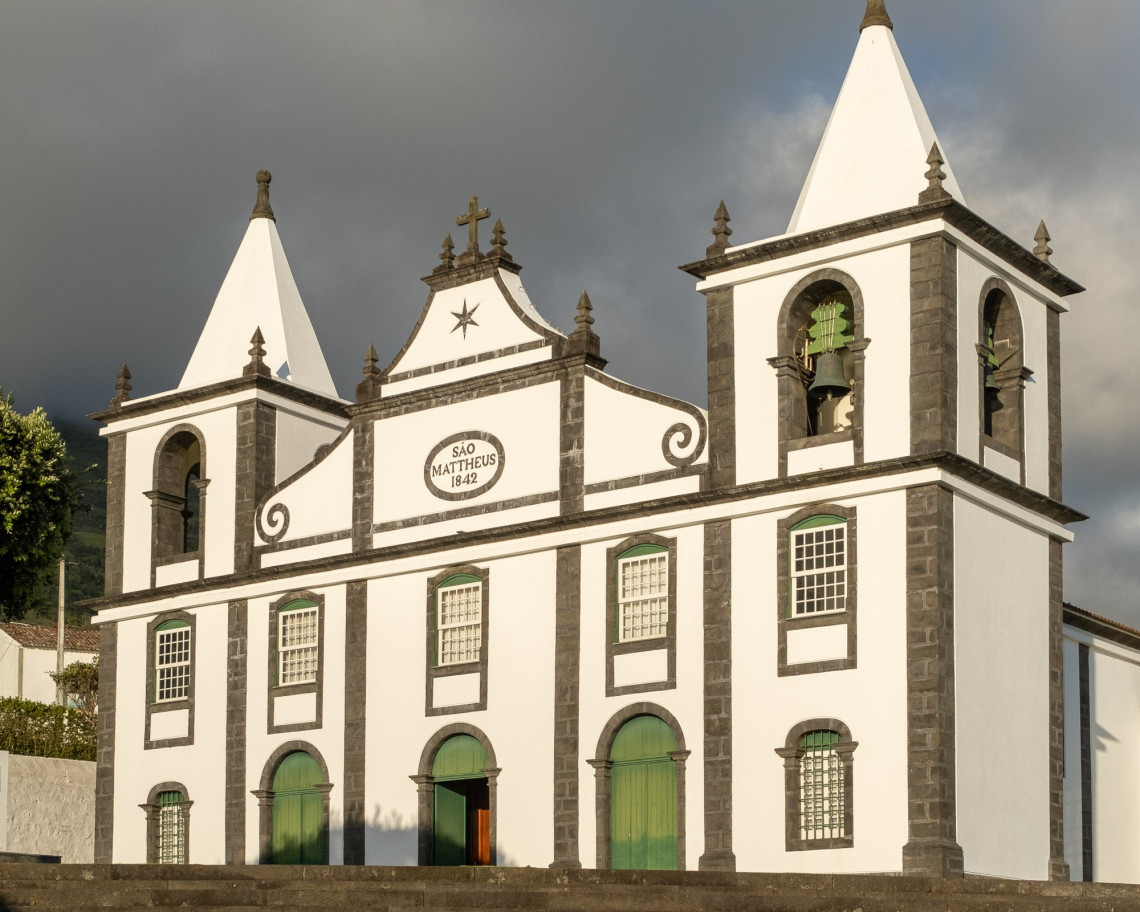
The Igreja de São Mateus, in the parish of São Mateus in the Madalena municipality, dates as a church to 1542, though the current structure was built between 1838 and 1842. It is one of the larger churches in the Azores, at 33 meters long and three naves supported by heavy pillars. Each pillar carries an oil painting of an apostle. The main chapel ceiling has a fresco of the Ecce Homo scene. The church was declared a Diocesan Sanctuary in 1962.
It is a working parish church. The main festivals are the feast of the patron saint on September 21 and the festival of the Ecce Homo image on August 6.
15. Moinho Iluminado (The Illuminated Mill)
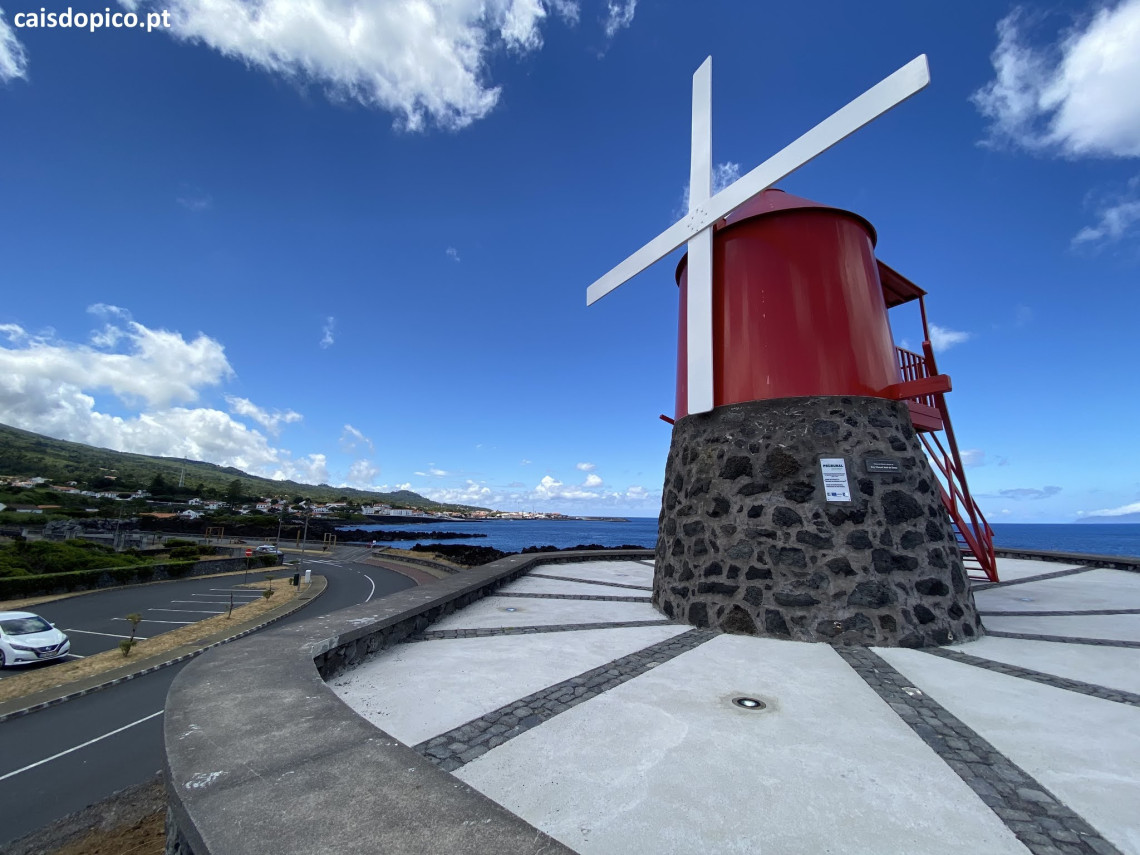
The Moinho Iluminado is a traditional windmill near Lajes do Pico that has been restored and is illuminated at night, making it a recognizable landmark on the south coast. Traditional windmills were once common across the Azores for grinding grain, and this restored example gives a sense of the island's agricultural past alongside its volcanic geography.
It is primarily a visual landmark and a photographic stop rather than an operating attraction.
16. Cella Bar
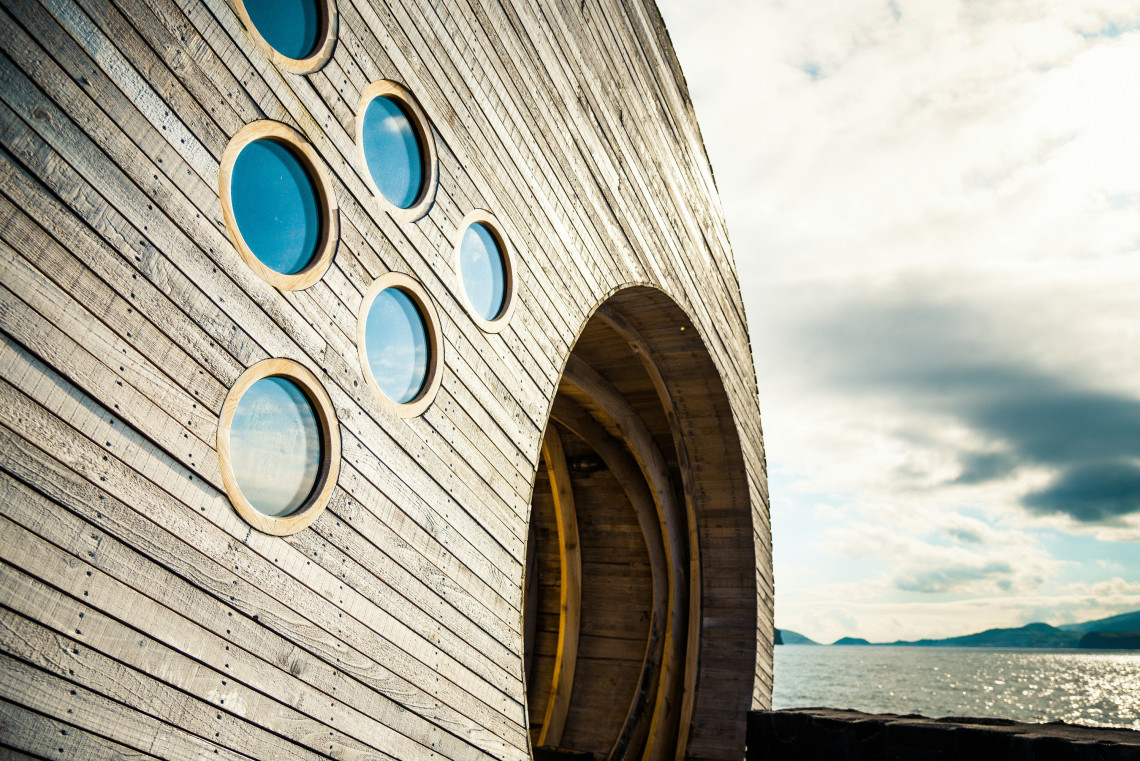
Cella Bar is a bar and restaurant in Lugar da Barca, Madalena, known as much for its architecture as its food and drink. The building was designed to integrate with the coastal landscape, using materials and forms that reference the volcanic basalt of the surrounding environment. It sits directly on the coast on the western tip of the island, with views across to Faial.
Sunset from Cella Bar, with Faial Island in the distance, is one of the more memorable experiences available on Pico without any hiking involved.
Plan Your Pico Island Trip
Pico works well as a 3 to 5 day base, combining the mountain, whale watching, and the western coast. Our team can build an itinerary around your interests and travel dates.
Keep reading
Frequently Asked Questions
What is Pico Island best known for?
Pico Island is best known for Pico Mountain, Portugal's highest peak at 2,351m, and for whale watching in the deep-water channel between Pico and Faial. The island also holds a UNESCO World Heritage Site for its volcanic vineyard landscape, where vines have been grown inside black basalt enclosures since the 15th century.
How many days do you need on Pico Island?
Three to five days covers the main highlights. One day for the mountain (if you are climbing it), one day for whale watching and the south coast, one day for the UNESCO vineyard zone and the Gruta das Torres, and one additional day for the east coast or the north coast trails. Five days gives time for hiking and slower exploration.
Is Pico Island good for hiking?
Pico has 14 official hiking trails ranging from easy coastal walks to the hard ascent of the mountain. The best are the PR5PIC through the UNESCO vineyard coast (Easy, 7 km), the PR13PIC to Lagoa do Capitão (Medium, 9.3 km), and the PR3PIC along the eastern tip to the Ponta da Ilha Lighthouse (Hard, 6.1 km). See the full Pico Island Hiking Guide for all 14 trails.
When is the best time to visit Pico Island?
July to September is the most stable period. The mountain is open for climbing from July 1 to September 30, whale watching rates are highest in summer, and the harvest in the UNESCO vineyards runs late August through September. Outside this window, the island is quieter and most attractions remain open, but weather is less predictable and the mountain is closed to climbers.
Can you swim on Pico Island?
Pico has several natural lava rock pool areas along its coast. The best-developed are at São Roque do Pico on the north coast and Cais do Mourato in the northwest. Most swimming areas are carved directly from volcanic rock rather than sandy beaches. For a full list with descriptions, see the Natural Swimming Pools on Pico Island guide.
Is Pico Island easy to get around?
A hire car is almost essential. The main road runs the full length of the island along the south coast (about 43 km from Madalena to Ponta da Ilha), with a secondary road along the north and the Estrada Transversal cutting across the interior. Bus connections are limited and do not cover most of the hiking trail access points. Madalena has the most accommodation and the ferry connection to Faial, which can be visited as a day trip.