by Azores Getaways Team
August 2026 • 6 min read
Corvo has two distinct high seasons that attract completely different visitors. July and August bring hikers and general travelers looking for reliable weather and caldera views. October brings birders from across Europe chasing North American vagrant species blown off course by Atlantic storms. These two windows have almost nothing in common.
There is also a hard constraint that shapes every decision: the ferry from Flores runs roughly from May to October. Outside that window, the only way onto the island is by air.
Quick Reference
| Month | Weather | Ferry | Best for |
|---|---|---|---|
| May – Jun | Mild, some rain | Yes | Hiking, quiet travel |
| Jul – Aug | Warmest, most stable | Yes | General tourism, families |
| September | Warm, calming down | Yes | Best shoulder season |
| October | Changeable, rain likely | Yes (end of season) | Birdwatching only |
| Nov – Apr | Wet, windy, cold | No | Not recommended |
May and June: Quiet Start to the Season
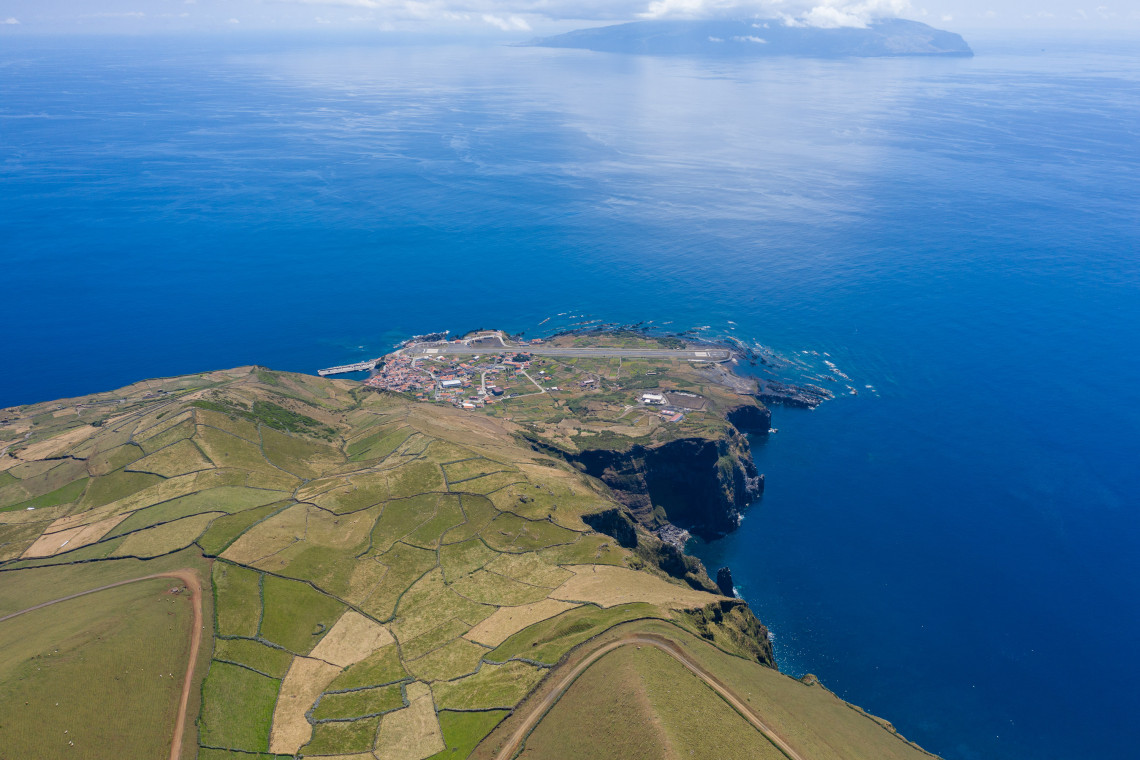
The ferry resumes in May, which reopens the most comfortable way to reach Corvo from Flores. At this point the island is still quiet; summer tourism has not yet arrived and October's birding groups are months away.
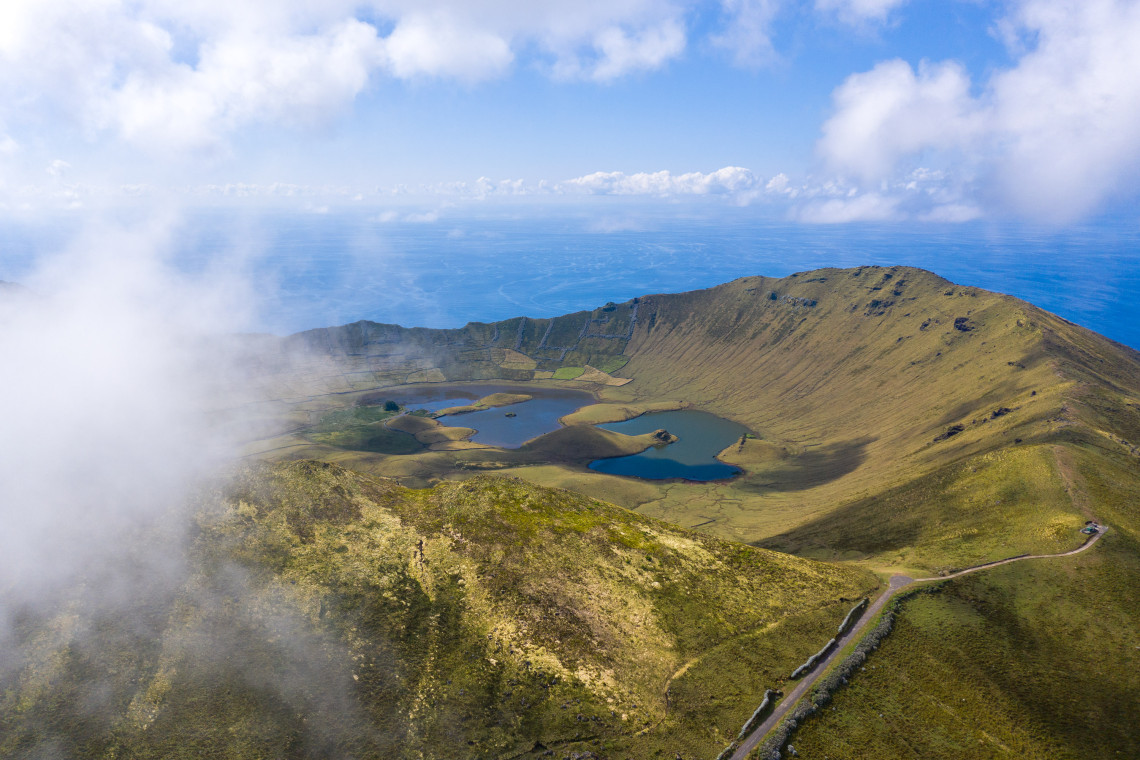
Weather in May and June is mild but variable. Expect temperatures in the mid-teens to low twenties Celsius, occasional rain, and the green that defines the Azores in spring. The Caldeirão is worth visiting on a clear day, and the trails are passable without summer heat. The main advantage is that you essentially have the island to yourself.
The downside is that a few businesses may still be warming up to the season, and some accommodation may not yet be fully operational. Confirm your bookings before you travel.
July and August: Peak Season
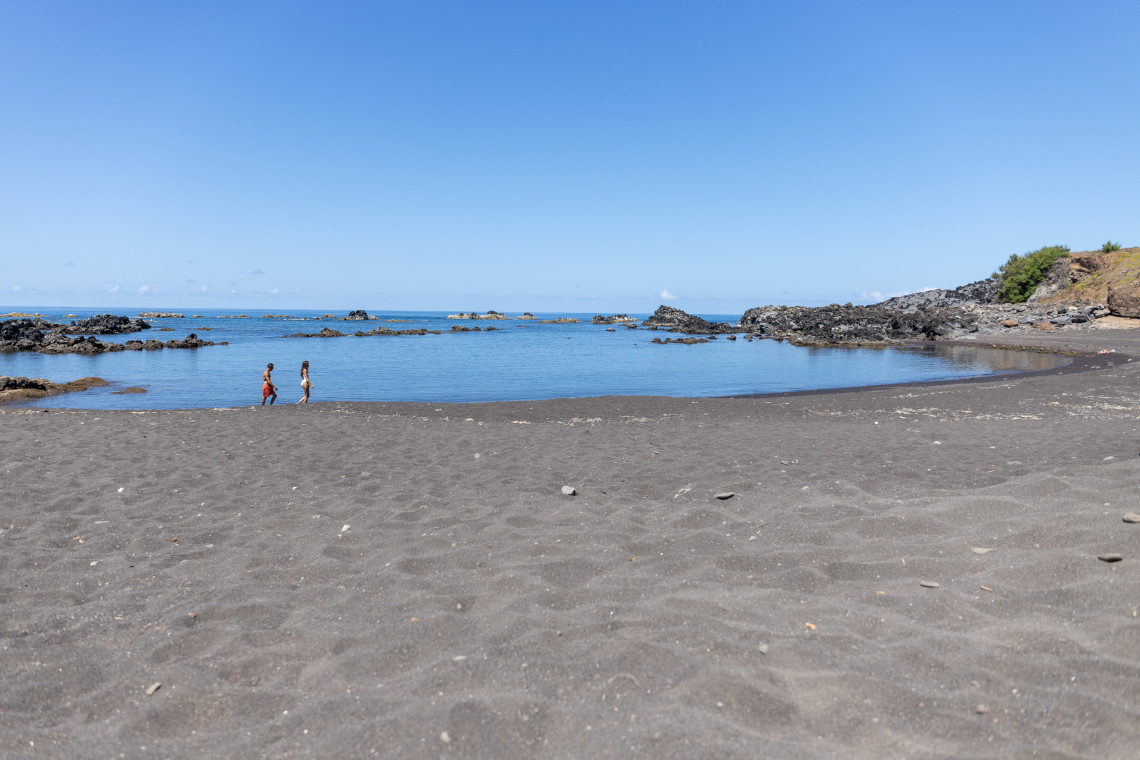
July and August are the most reliable months for weather, the warmest, and the busiest relative to the island's tiny capacity. Sea conditions for the ferry crossing are at their most stable. The caldera road is accessible, the hiking trails are at their best, and the bathing area at Areia is at its most inviting.
This is the window for general travelers: families, hikers, people visiting the Azores for the first time, and anyone combining Corvo with a longer Flores trip. The accommodation fills up faster in these months than at any other time except October birding season.
Book well in advance. The island has one hotel, a handful of rental units, and a campsite that requires authorization. There is no overflow option on Corvo itself if everything is taken. Book as soon as your dates are confirmed.
September: The Best Shoulder Month
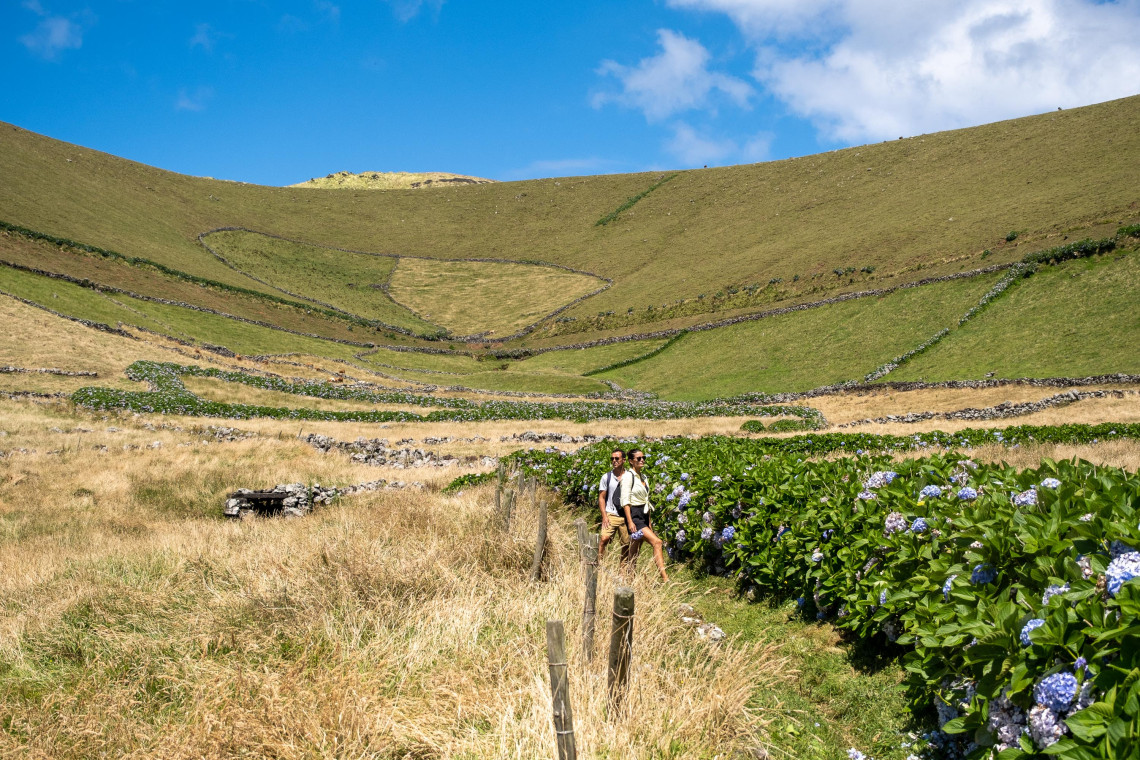
September is the strongest argument against traveling in July and August. The weather remains warm and relatively stable, the summer crowds have thinned, and the sea is still calm enough for comfortable ferry crossings. The caldera trails are dry, the seabirds are still active on the cliffs, and the island returns to something closer to its usual quietness.
For travelers combining Corvo with Flores, September allows more flexibility. Accommodation is easier to secure, and you have a better chance of finding the island without competition for viewpoints or van transfers to the caldera.
The birding season has not yet started in September, so the island has not yet received the groups that arrive in October. If you have no interest in vagrant species, September offers the scenery without the specialist crowd.
October: Birding Season
October is the most distinctive month on Corvo's calendar. The island becomes a destination for experienced birders from the UK, the Netherlands, Germany, and Scandinavia, all traveling to watch North American vagrant species that arrive after being blown east across the Atlantic by storm systems.
The peak window is the first two weeks of October. In a good year, a birder staying for a week might encounter ten or more Nearctic species: New World warblers, sparrows, vireos, and shorebirds that rarely appear anywhere else in Europe. The Caldeirão slopes and agricultural fields between the village and the caldera are the main areas to work.
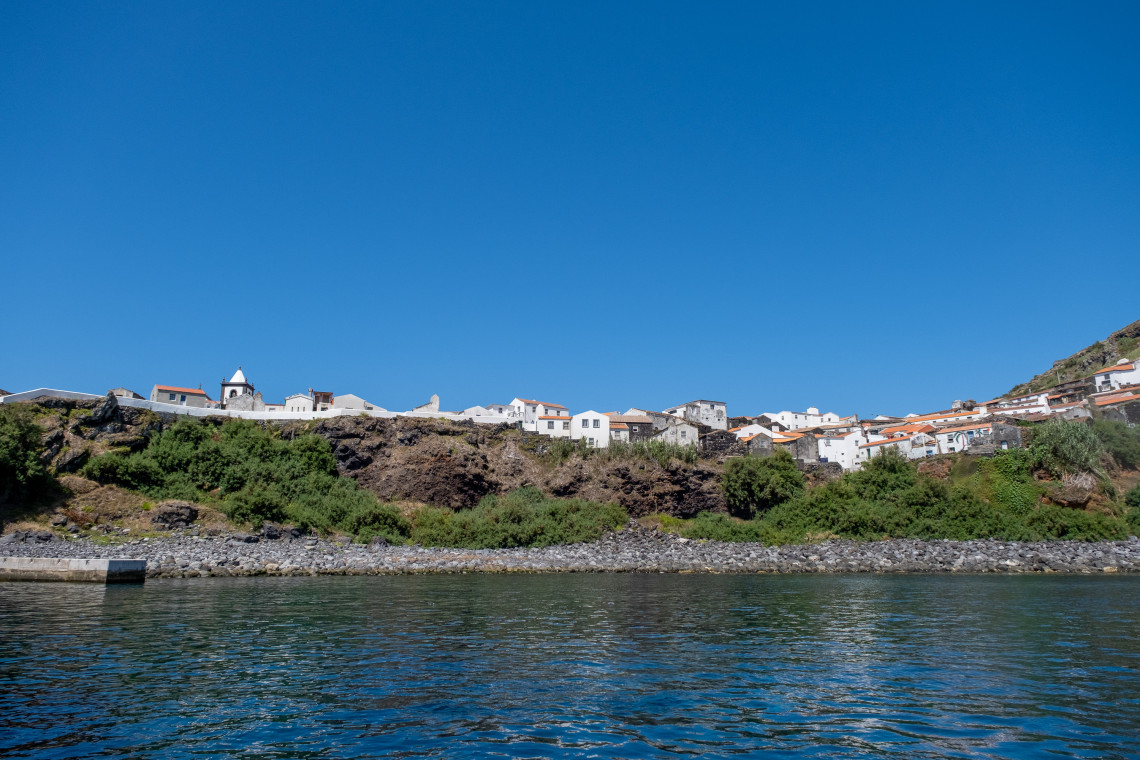
The trade-off is the weather. October brings low cloud, rain, and wind. Conditions change quickly. The ferry is still running but cancellations happen. The island's accommodation fills up weeks in advance.
If you are not visiting for birdwatching, October is not the right month. You will find the island crowded by its own standards, the weather less cooperative, and the lodging competition significantly higher than any other time of year.
Serious birders typically stay five to seven days. Weather drives everything; build flexibility into your travel dates. The accommodation books up fast, and ferry cancellations due to sea conditions are common. A multi-night stay removes the time pressure of trying to day-trip from Flores. Read our full Corvo birdwatching guide before you plan.
November to April: Off-Season
The ferry stops running at the end of October. From November through April, Corvo is accessible by air only, through limited connections from Flores or the other Azorean islands. Weather is Atlantic winter: persistent rain, wind, and sea swells that regularly ground small aircraft.
There is no tourist infrastructure operating in this period to speak of. Most accommodation is closed or not taking bookings. The restaurant and cafés keep irregular hours. The caldera road can be foggy and cold.
Visiting in winter is possible but requires real planning and a tolerance for conditions that make outdoor activity difficult. It is not a period we would recommend for first-time visitors to the island.
The Ferry Window Shapes Everything
The Atlanticoline ferry from Santa Cruz das Flores to Corvo runs seasonally, roughly May through October. The crossing takes 40 to 60 minutes and is weather-dependent. Outside the ferry season, access is by air only, which is more expensive, less frequent, and still subject to weather cancellations on the small runway.
For most travelers, the practical answer is: visit between June and September. You get the best combination of good weather, a working ferry, and an island that is open but not overwhelmed.
Plan Your Corvo Trip Around the Right Window
Getting to Corvo requires aligning ferry schedules, flight connections, and limited accommodation. Our local team can build an itinerary that fits your travel window and pairs Corvo with the best of Flores.