

Azores Eco Tips: How to Travel Responsibly
Practical tips for responsible travel in the Azores: trails, natural pools, whale watching, driving, waste and supporting local communities.
May 4, 2021 • 3 min read
Azores Eco Tips: How to Travel Responsibly
Before you leave home
Pack a refillable bottle, a mineral or reef-safe sunscreen for swimming in natural pools and hot springs, and closed shoes with grip. Book whale watching, canyoning, diving and guided hikes with licensed operators, who have trained guides, insurance and a duty to follow the regulations.
On the trails
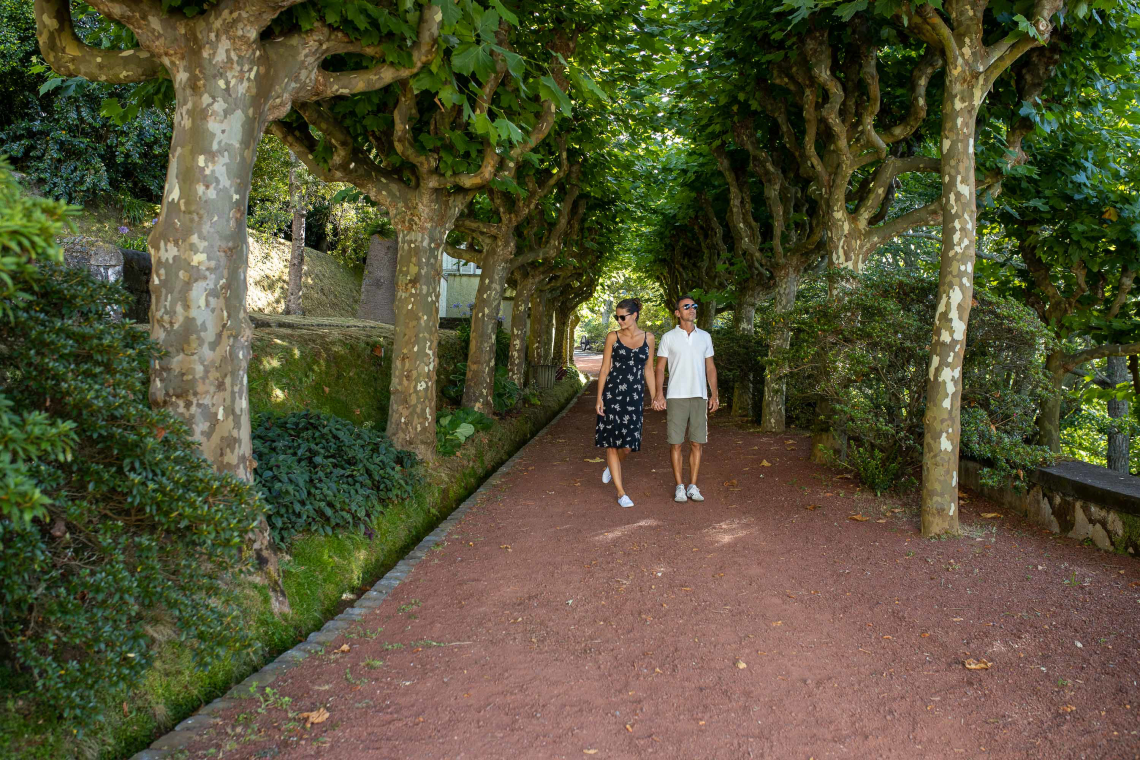
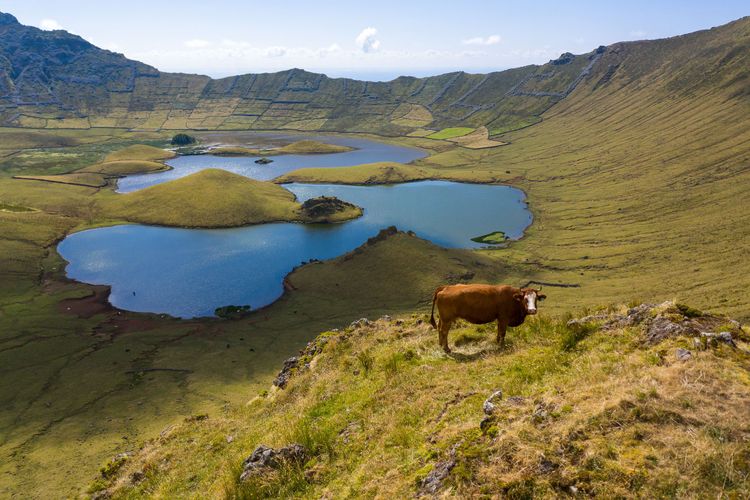
The Azores have dozens of official trails, waymarked and classified by difficulty. Many cross private pasture, so close gates behind you and give cows room. Stay on the marked path to protect native plants, do not pick flowers and do not take lava stones or pumice: the islands are a UNESCO Global Geopark, and their geosites are protected.
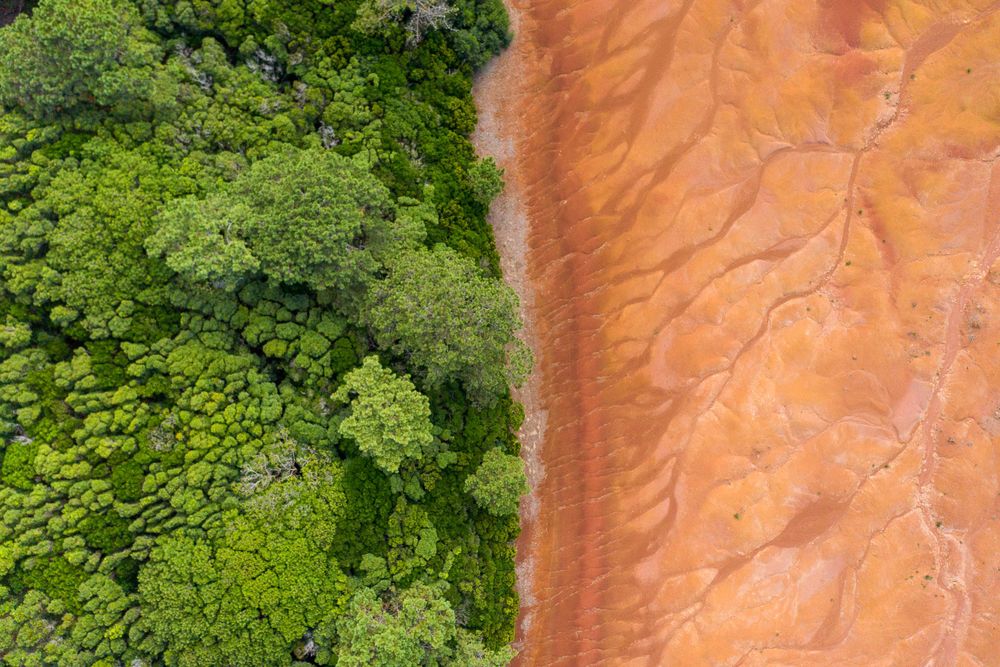
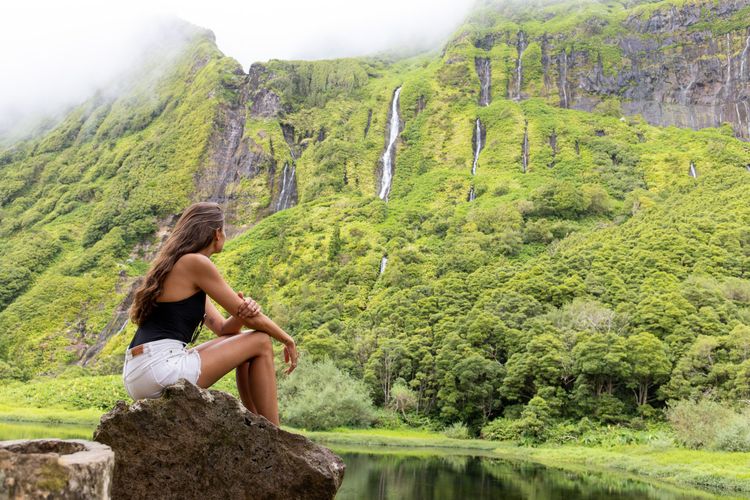
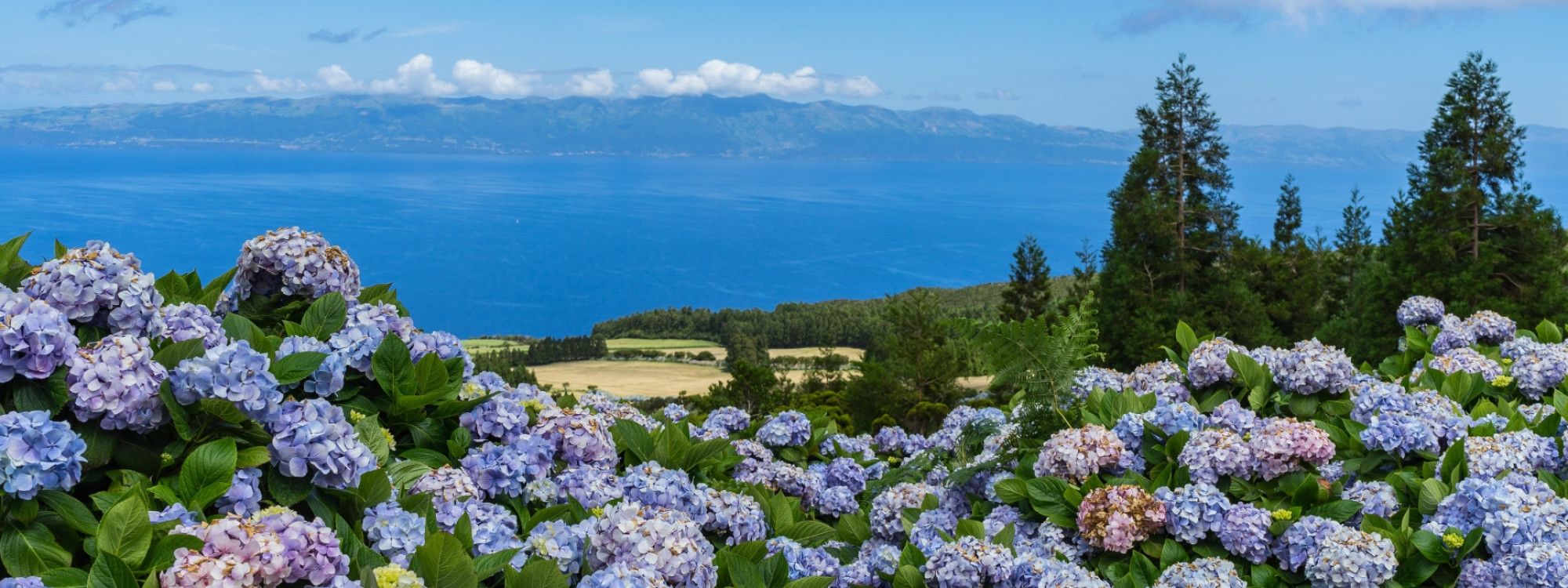
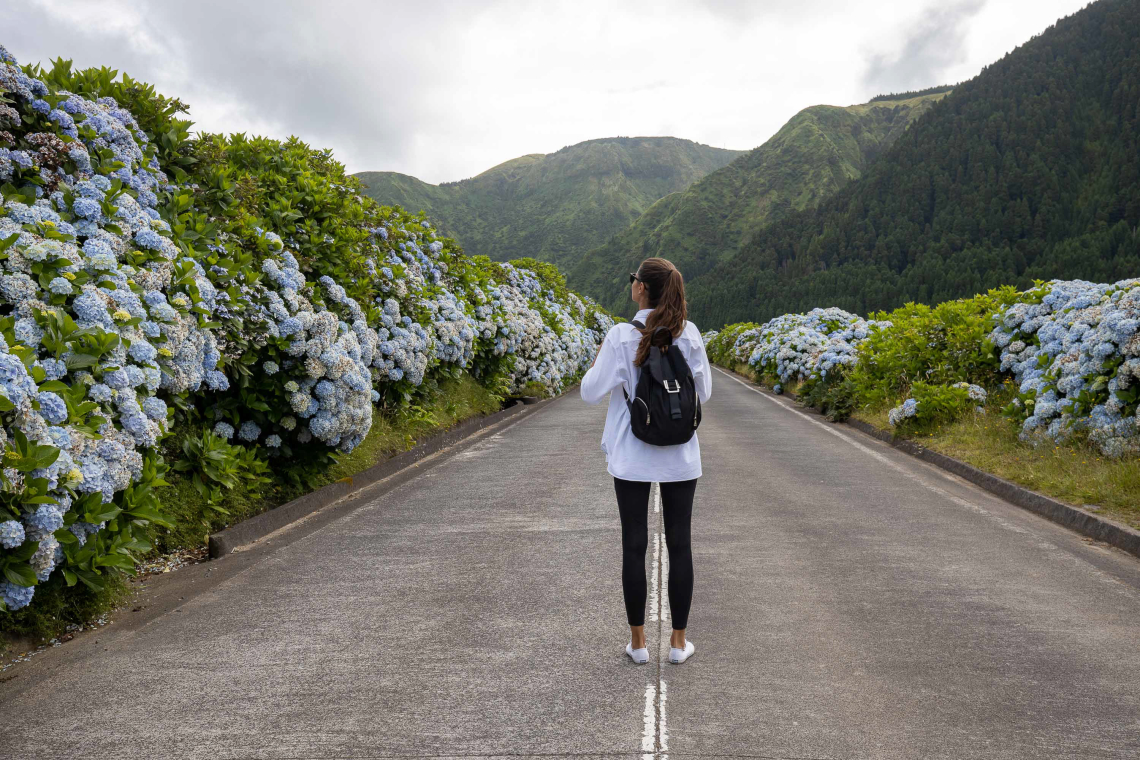
Some of the greenery you see, including the hydrangeas along the roads, was introduced, and some plants, such as kahili ginger, are invasive and crowd out native forest. Clean mud and seeds off your boots between islands, take all litter with you and do not smoke on trails.

In the water
Natural pools are lava formations, not managed beaches. Check the flag where there is one, watch the swell before getting in and stay out when waves wash over the rocks. Rinse off sunscreen before entering thermal pools and never use soap in them. At the fumaroles of Furnas, stay on the paths: the ground is hot and can be unstable.
Whale and dolphin watching is regulated in the Azores, with rules on minimum distance, the number of boats near a group and time spent with the animals. A responsible boat approaches slowly and never chases or crowds animals. Underwater, look but do not touch.

On the road
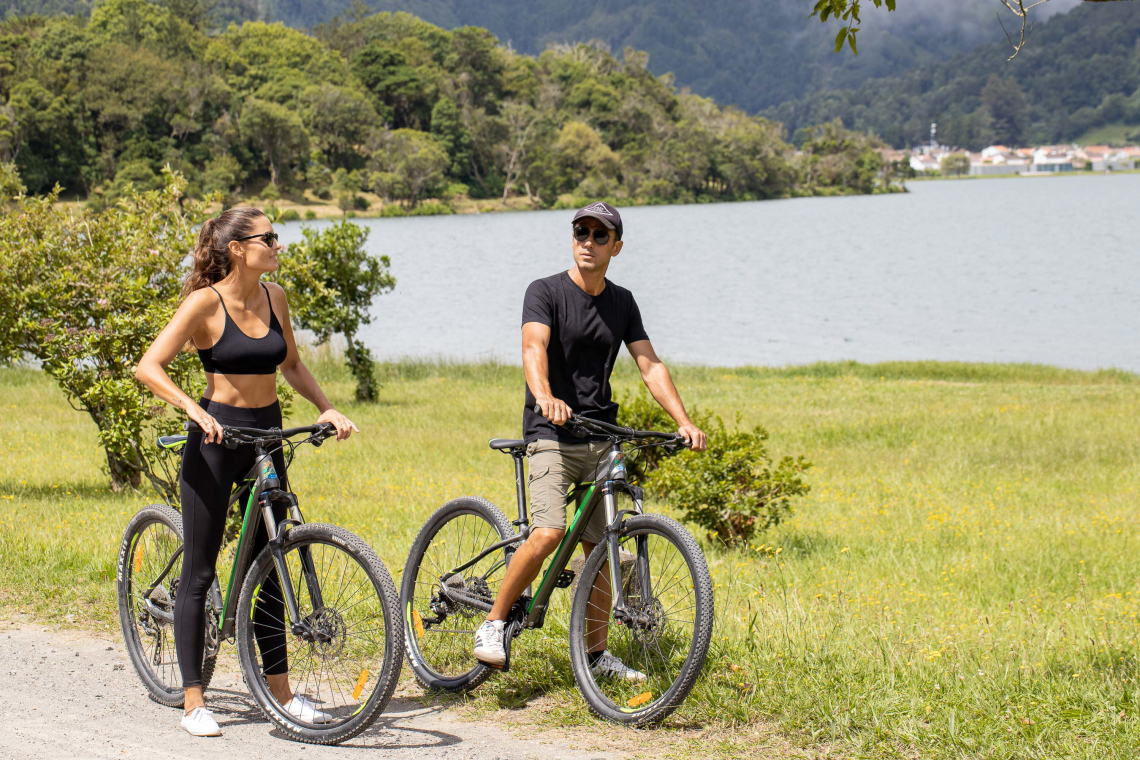
Roads are narrow and often shared with cattle. Slow down and wait for farmers to wave you through. Park only in marked car parks at viewpoints, never on verges or in field entrances, and keep rental cars on tarmac. Choose a small car, a hybrid or electric model if available, and plan each day by region.
Waste, water and energy
Sort your waste as your hotel or host does, and take packaging back to town from remote spots. Do not flush wet wipes. Water is scarcer on Santa Maria and Graciosa in summer, and energy costs more to produce on small islands, so short showers and reusing towels help.
Drones and photography
Portugal’s aviation authority sets drone rules, and flying is restricted over many protected areas, including popular viewpoints. Check current rules before you pack a drone. Ask before photographing people, especially at religious festivals.
Respecting island communities
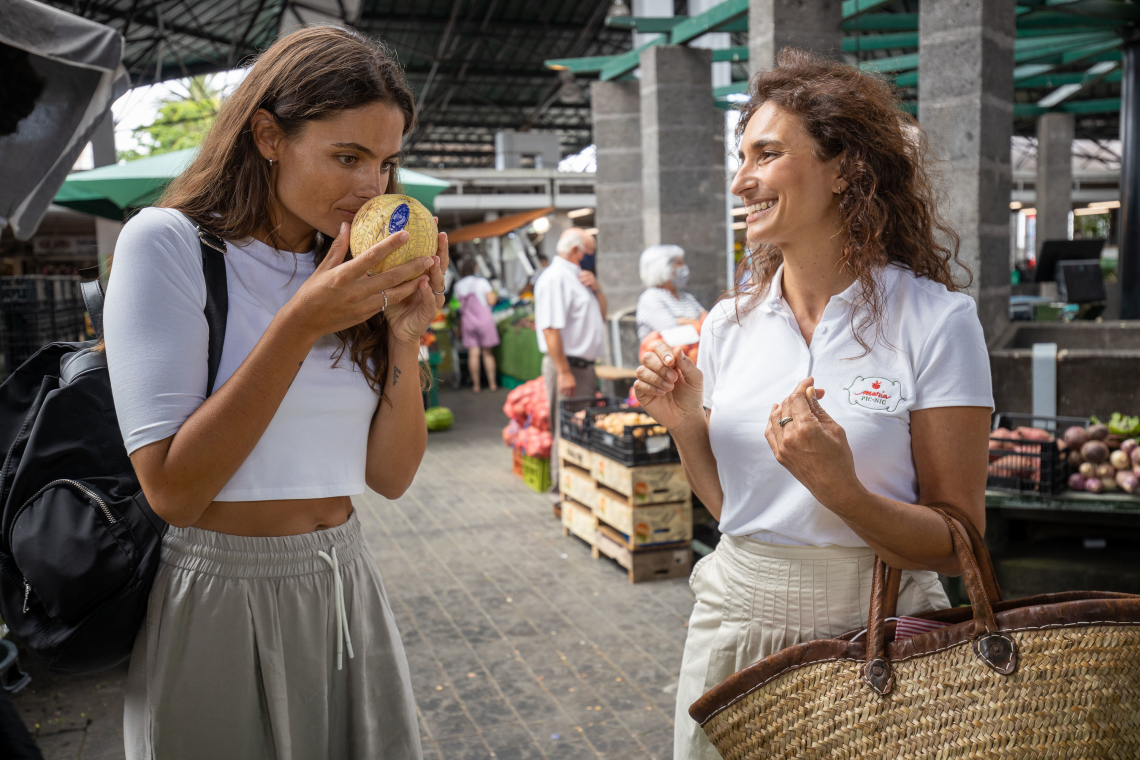
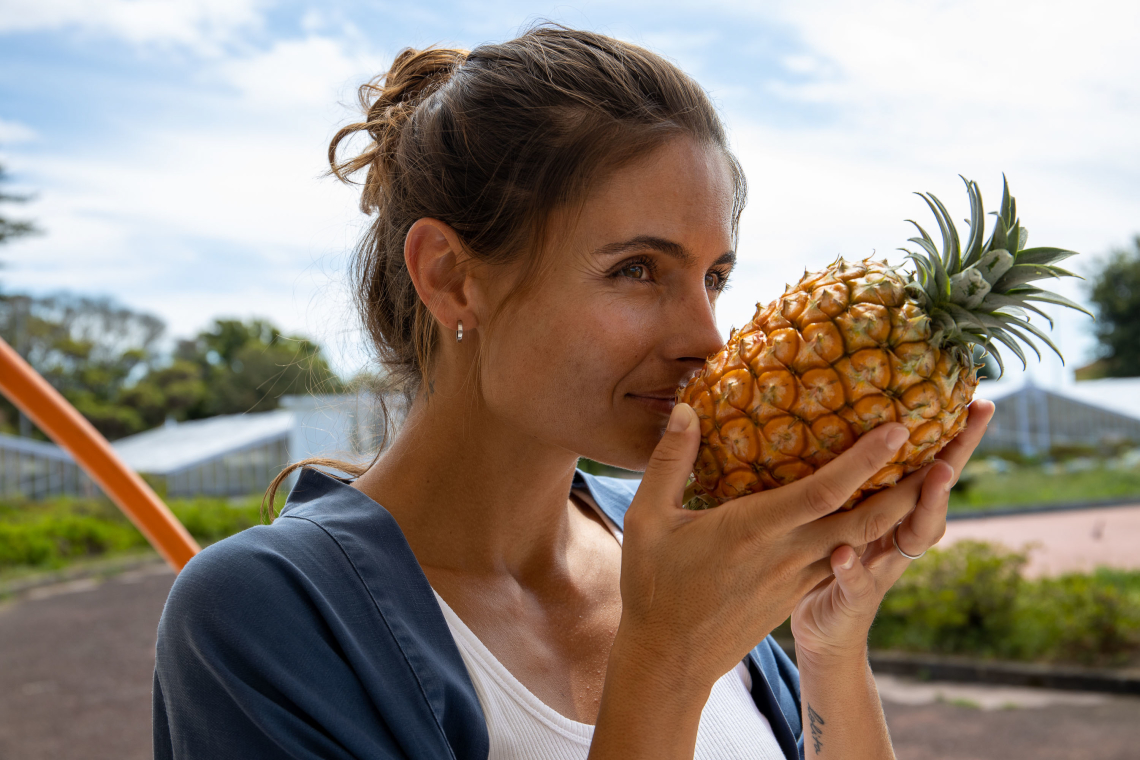
Keep noise down in villages at night, ask before entering private gardens or vineyards, and join festivals as a guest. Buy local: São Jorge and Pico cheese, Gorreana or Porto Formoso tea, Azores pineapples, Pico wine and Lagoa pottery. Choose locally owned guesthouses and operators.