

Azores Culture: Festivals, Traditions and Heritage
Azorean culture up close: religious festivals, the tourada à corda, crafts, impérios, food and farming, and two UNESCO World Heritage sites.
October 31, 2019 • 4 min read
Azores Culture: Festivals, Traditions and Heritage
A brief history
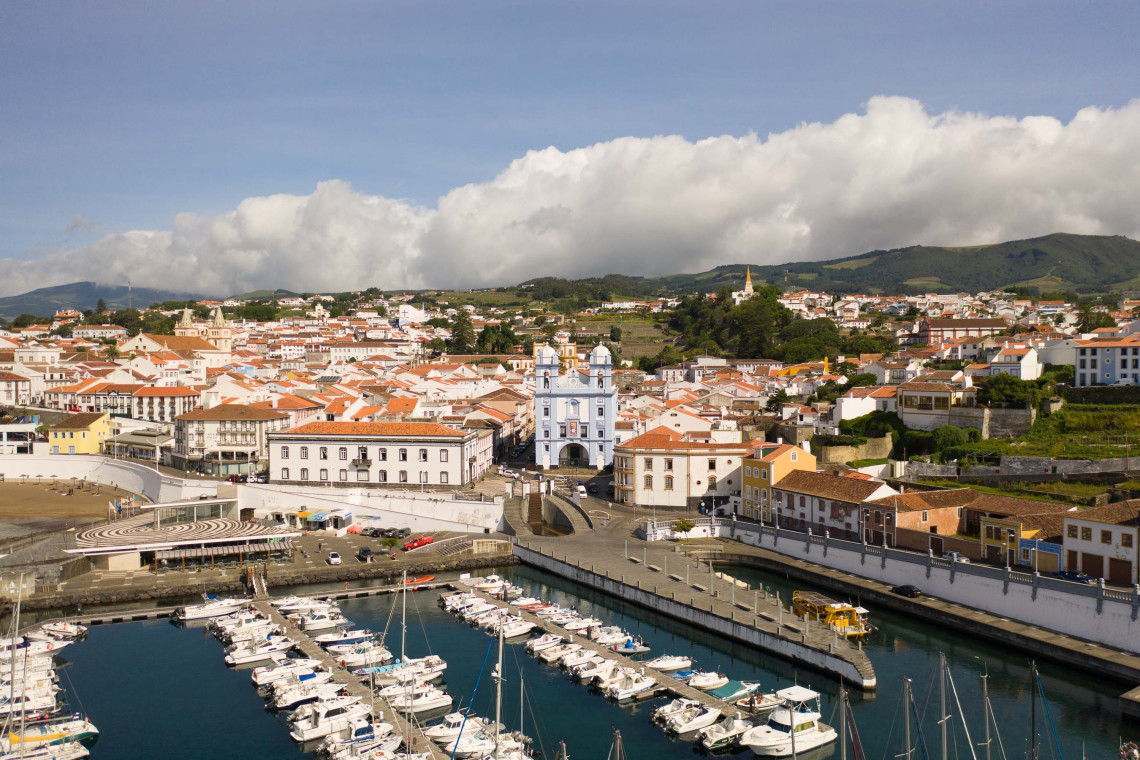
Portuguese navigators reached the Azores in the 15th century, and settlement began on Santa Maria and São Miguel around the 1430s and 1440s. Settlers came mainly from mainland Portugal, with some Flemish families. From the 16th century, the islands became a stopping point for ships crossing the Atlantic, and Angra do Heroísmo on Terceira grew into an important port. Distance from the mainland let each island develop its own variations of shared traditions.
Festivals
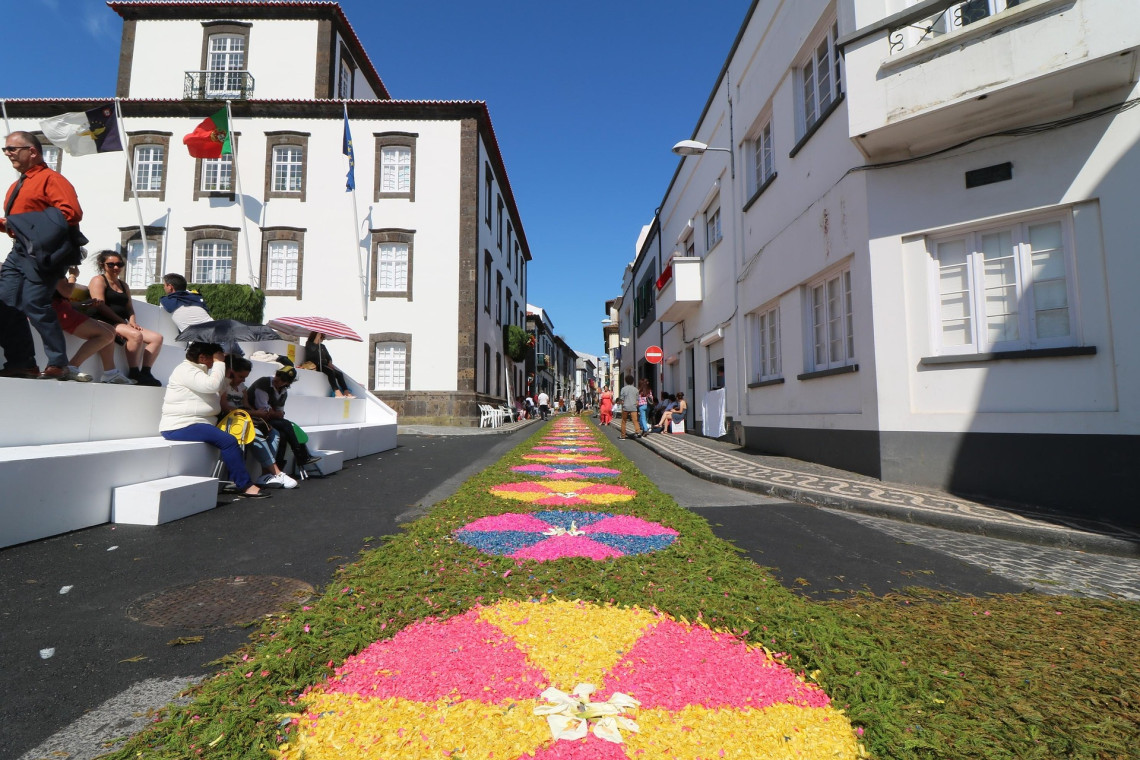
Senhor Santo Cristo dos Milagres, São Miguel: the largest religious festival in the Azores, held in Ponta Delgada on the fifth Sunday after Easter, with flower carpets and a procession that brings emigrants back from North America and elsewhere.
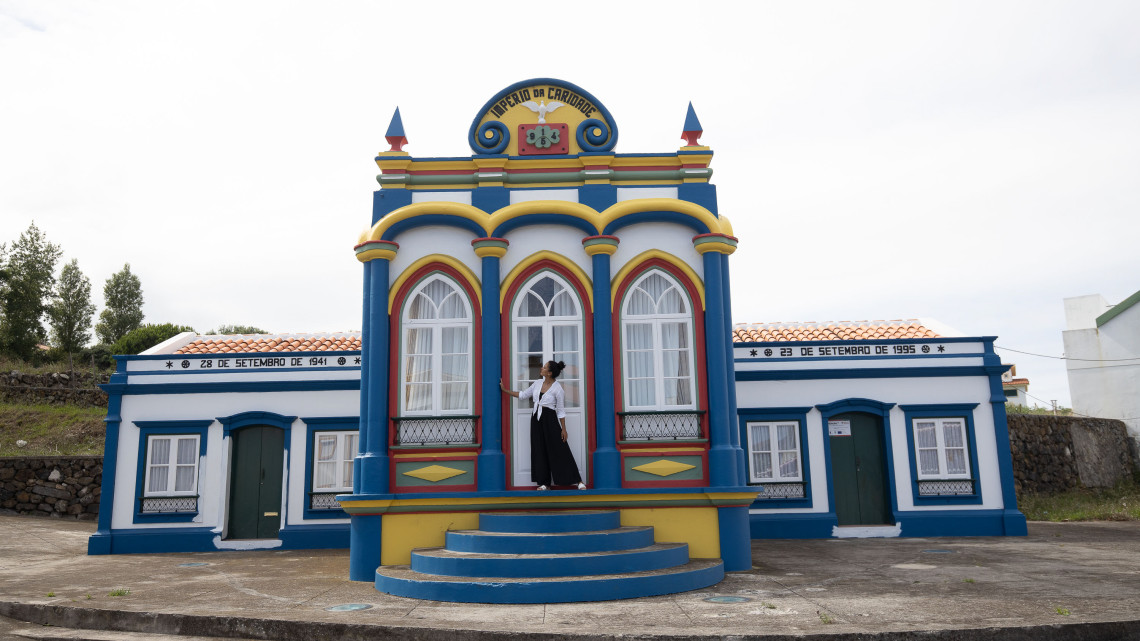
Festas do Espírito Santo, all islands: celebrations of the Holy Spirit from Easter through the summer, centred on impérios, small decorated chapels, with free meals of soup and bread offered to everyone. They are most elaborate on Terceira.
Sanjoaninas, Terceira: Angra do Heroísmo’s biggest festival, around the feast of St John in late June, with parades, concerts and touradas.
Maré de Agosto, Santa Maria: a summer music festival by Praia Formosa.
Nossa Senhora das Angústias, Faial: the main religious festival in Horta.
Tourada à corda
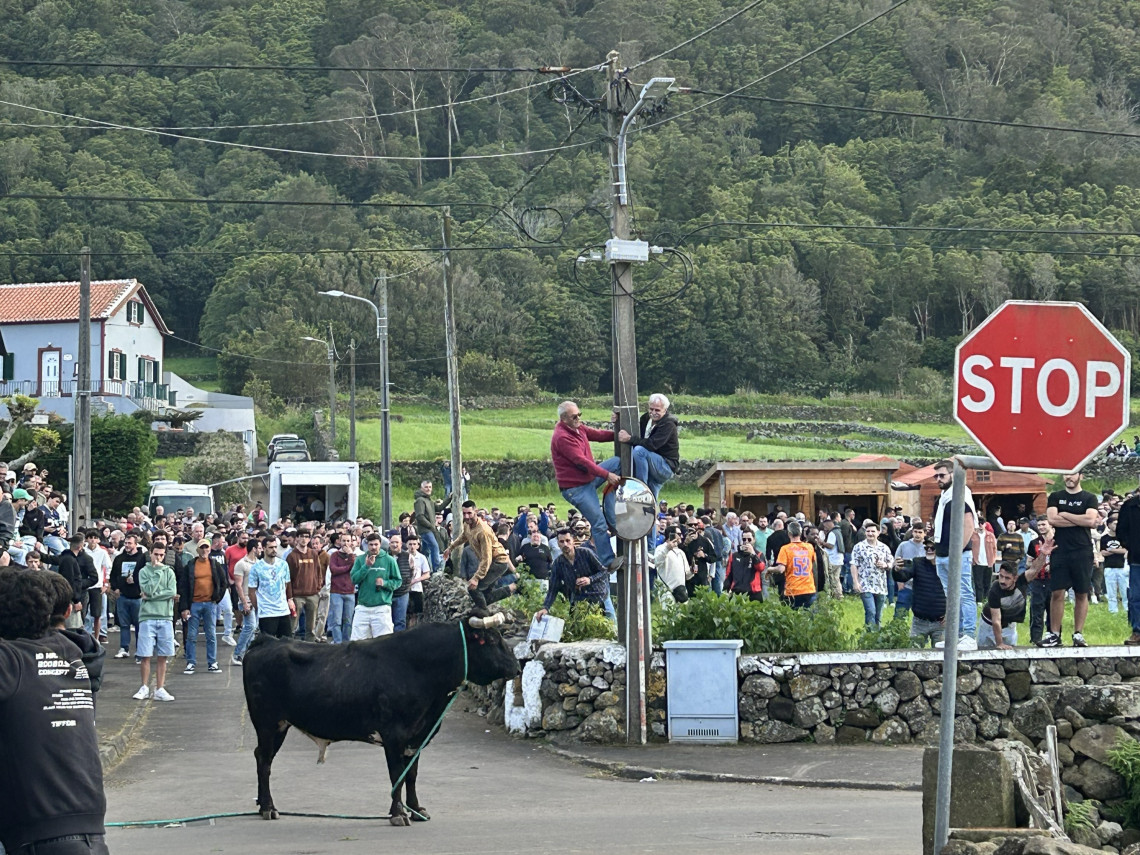
On Terceira, from May to mid-October, bulls are let into village streets on long ropes held by teams of herders, the pastores, in white shirts and black hats, while local people test their nerve in front of the bull. The bull is not killed. Watch from behind a wall or from a balcony and follow local advice.
Crafts
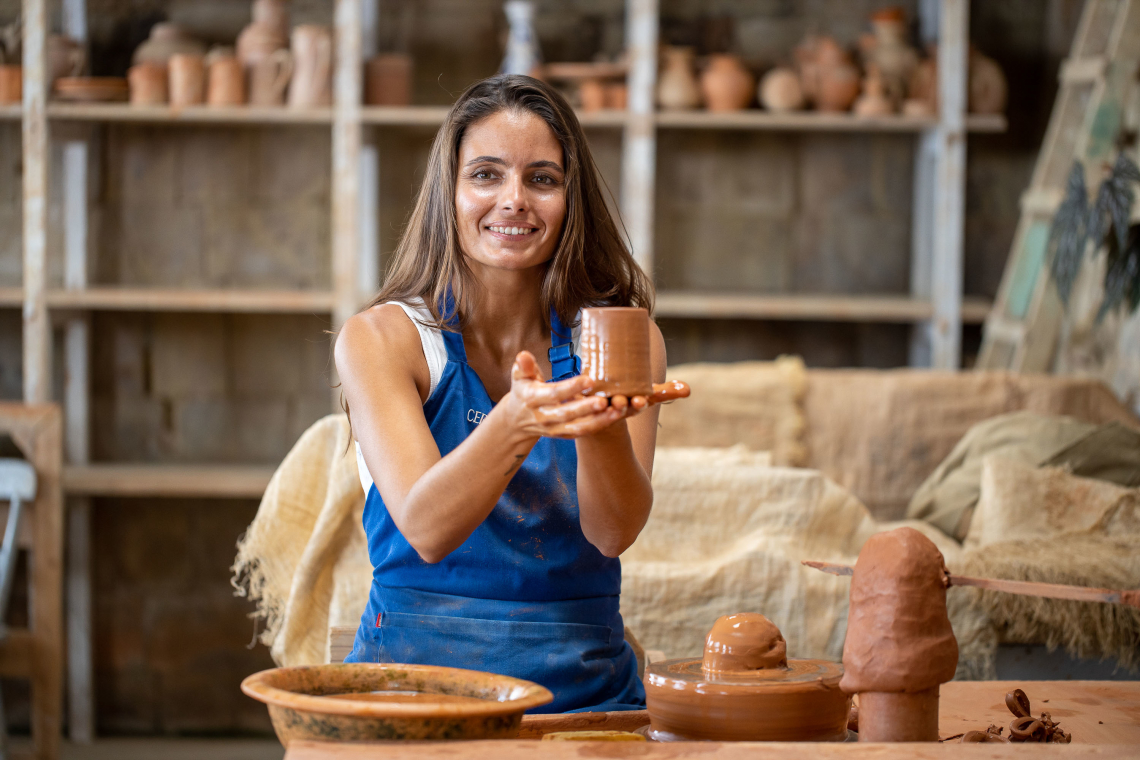
Pottery: Lagoa, on São Miguel, has a long pottery tradition. Cerâmica Vieira, a family workshop, makes hand-painted pieces and has a shop where you can see the work.
Embroidery: each island has its own styles, from floral designs on São Miguel to Terceira’s traditions. Embroidered pieces make a genuinely local souvenir.

Stone pavements: black and white stone mosaics cover the pavements and squares of most towns.
Impérios
Impérios are small, brightly painted chapels used for the Espírito Santo festivals, where food is shared on feast days. Terceira has dozens of them, maintained by local brotherhoods and repainted before the festivities.
Food and farming
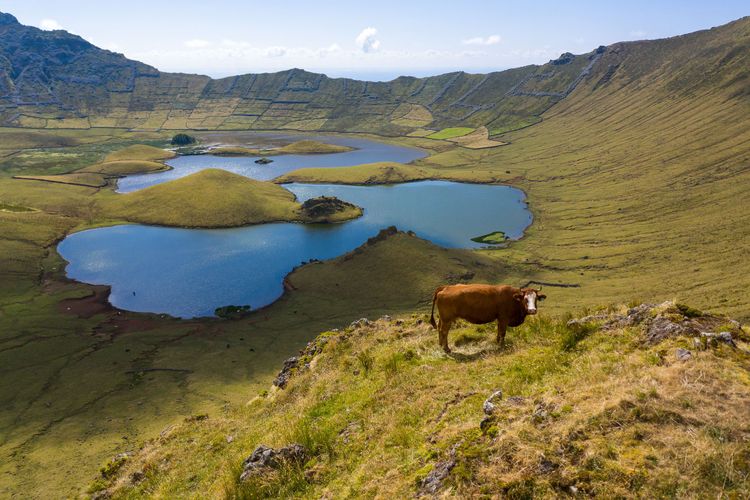
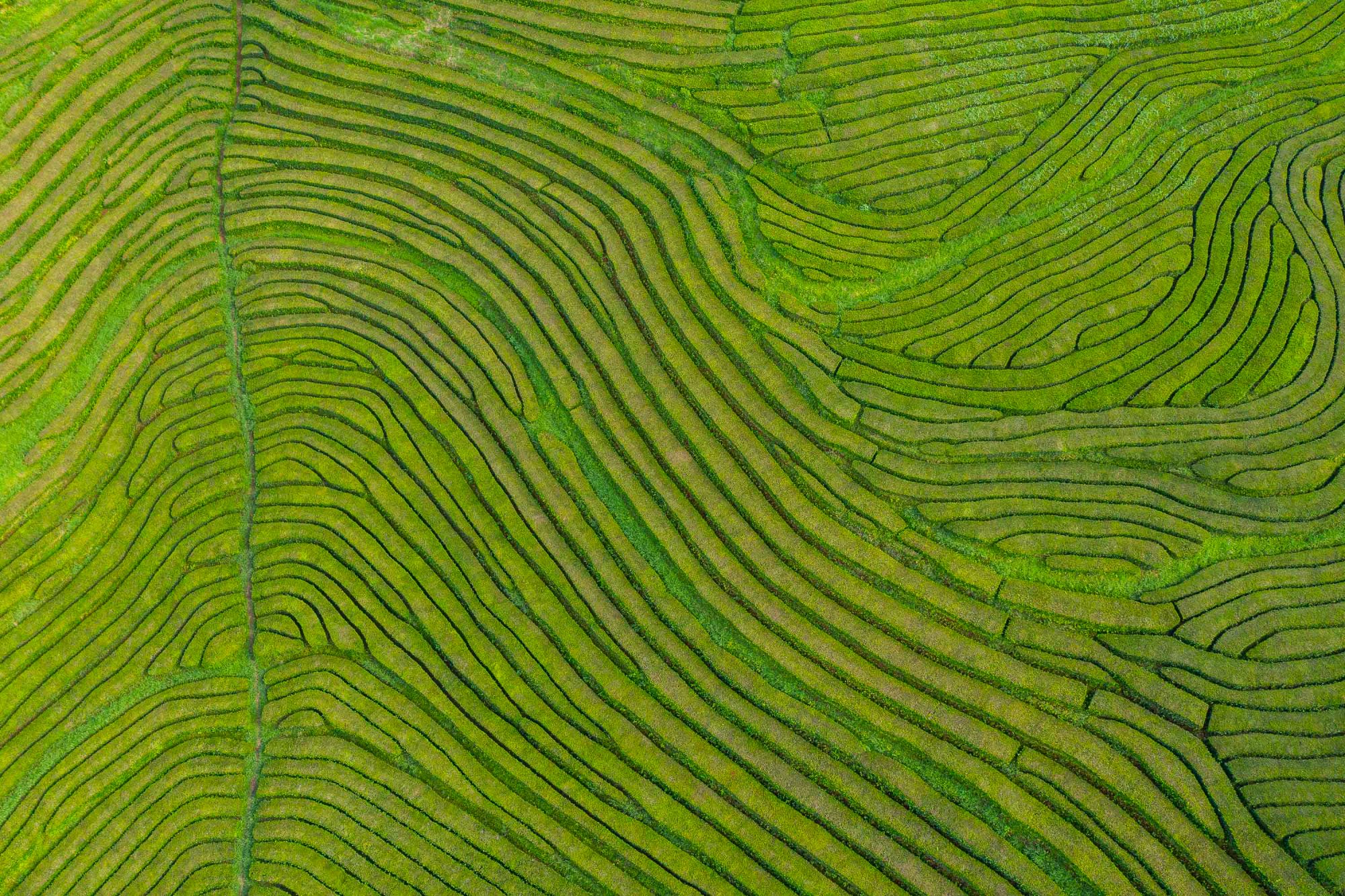
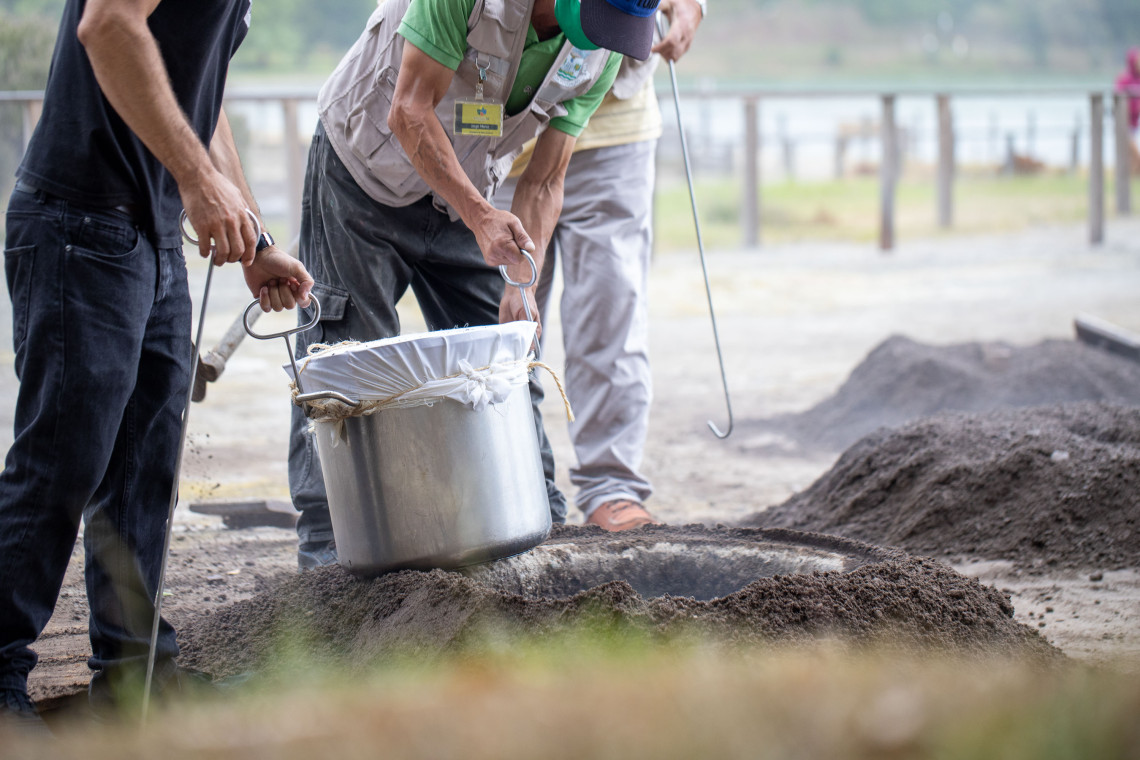
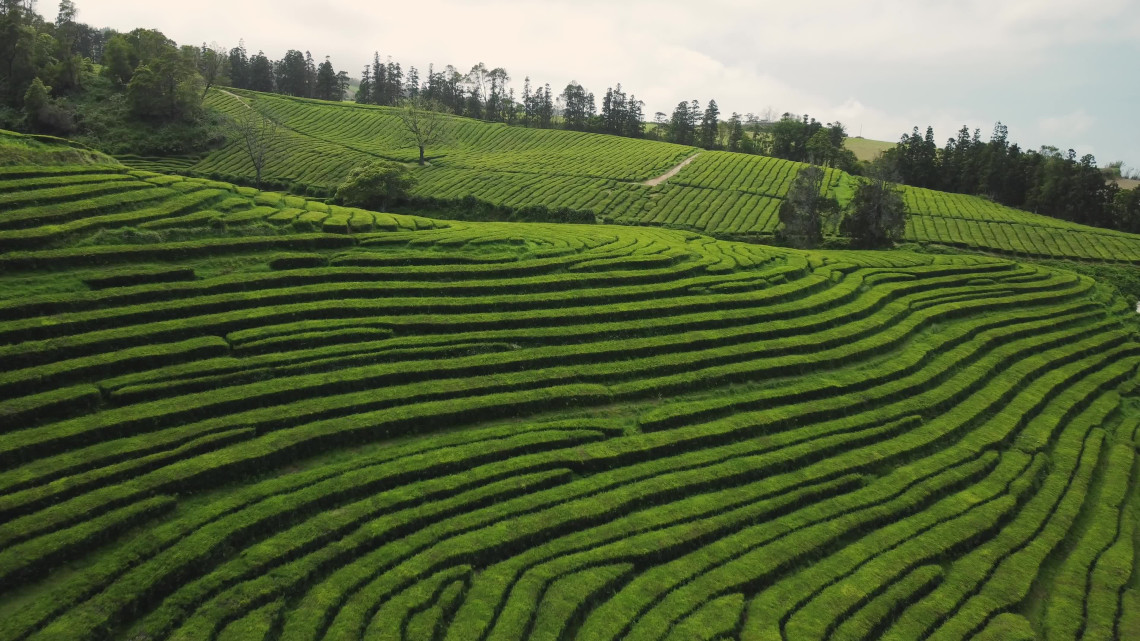
Azorean food is dairy-rich and seafood-driven: São Jorge cheese, butter, grilled limpets, fresh fish and cozido das Furnas, cooked in pots buried in the hot ground by Lagoa das Furnas. Pico wines are made from local grapes such as Verdelho, Arinto dos Açores and Terrantez do Pico. Cows graze outdoors for most of the year, and the islands produce a large share of Portugal’s milk. São Miguel also grows tea at Gorreana and Porto Formoso and pineapples in glass greenhouses.
UNESCO World Heritage sites
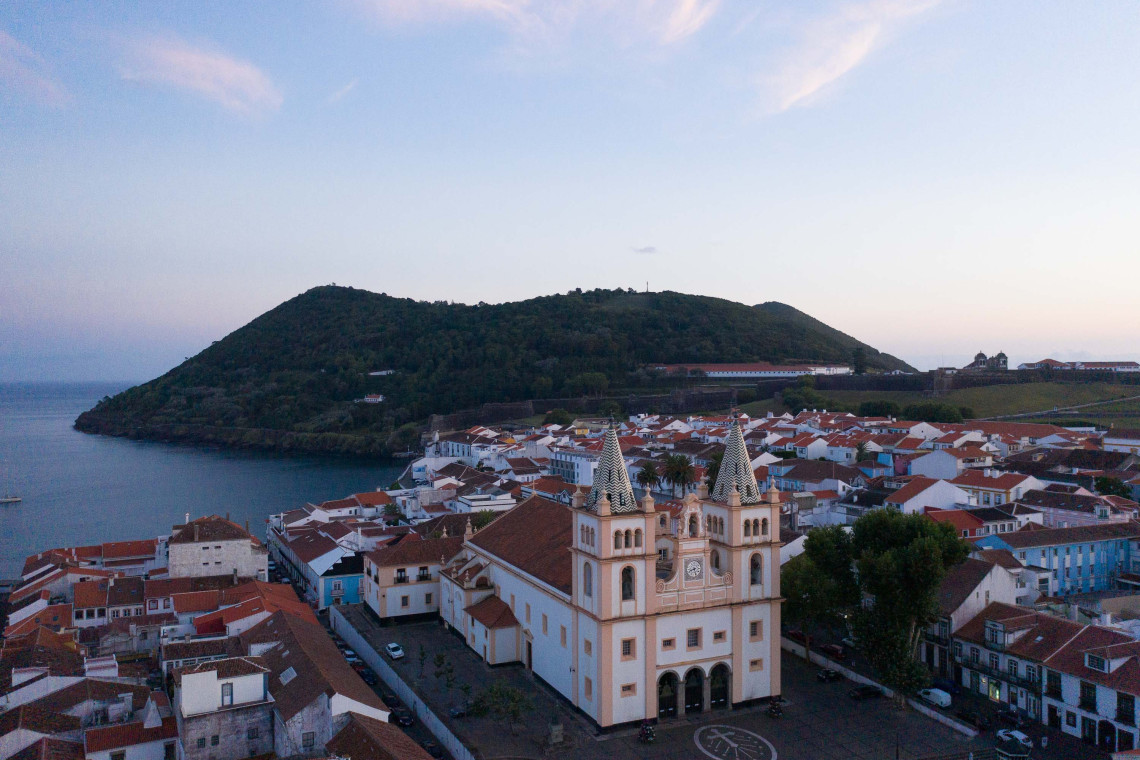
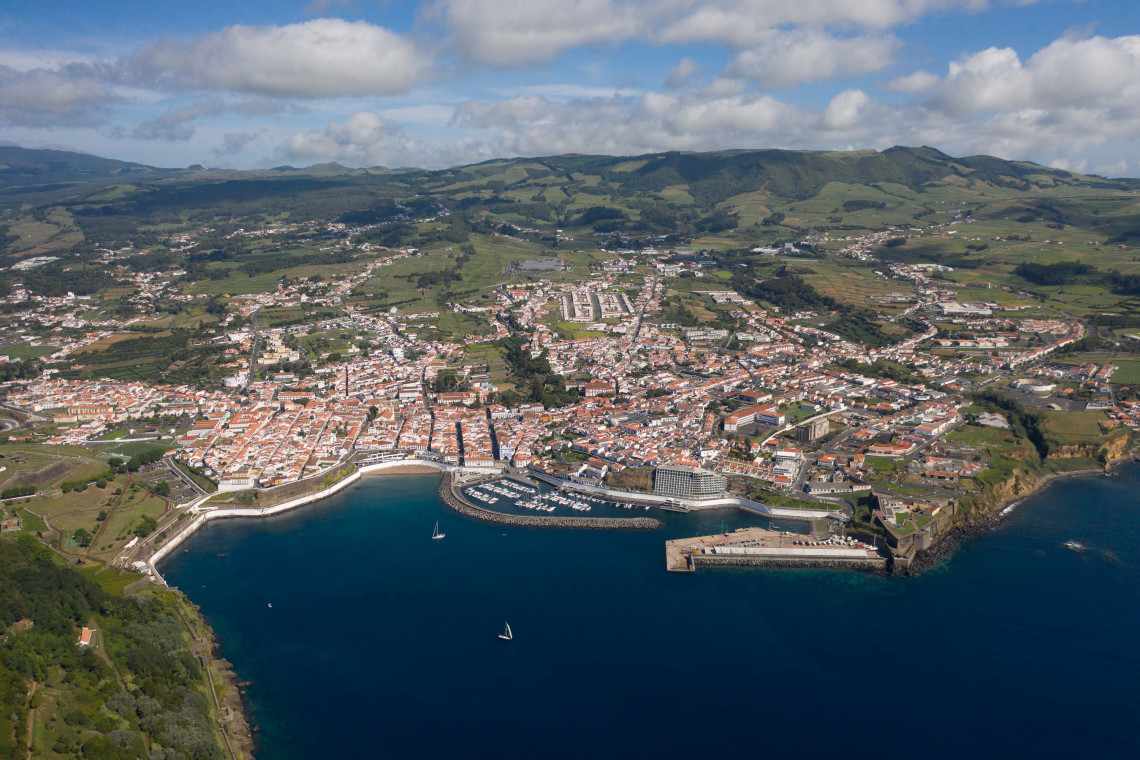
Angra do Heroísmo, Terceira (1983): a historic port city with a 16th-century street plan, the Sé Cathedral and the fortresses of São Sebastião and São João Baptista. It served as the seat of the Liberal government during the Portuguese Liberal Wars.
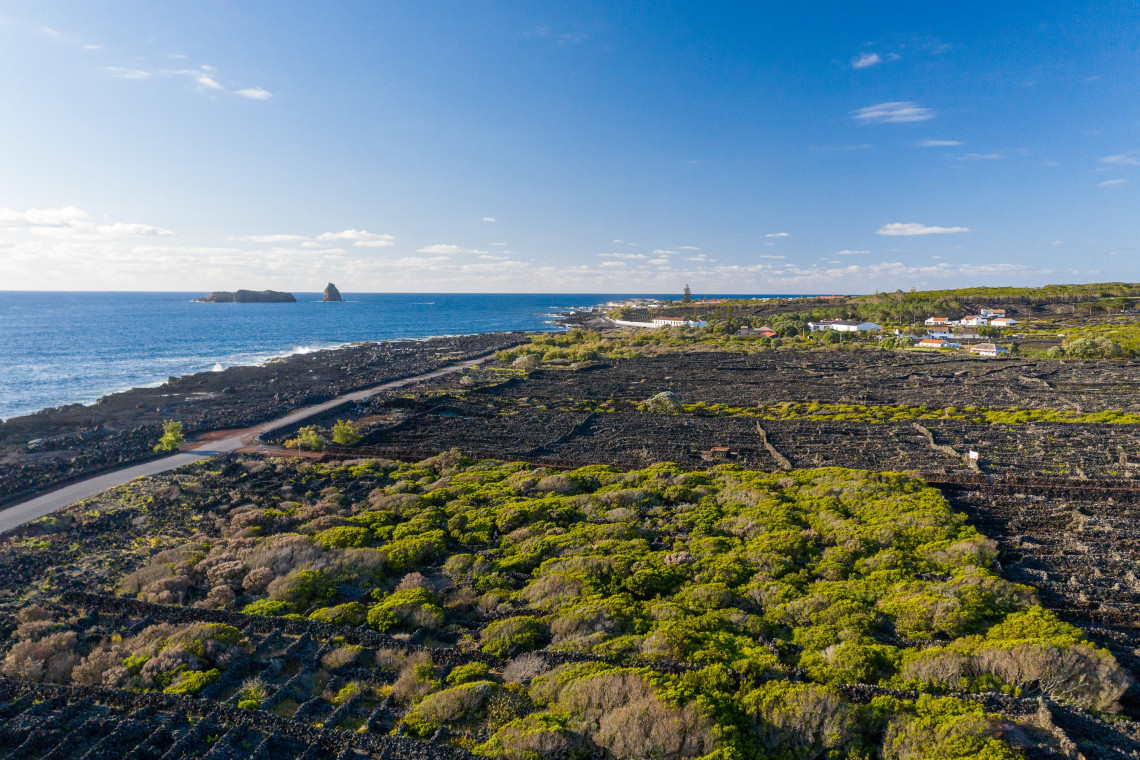
Pico vineyard landscape (2004): vines grown inside small enclosures of black lava walls, called currais, near Madalena and Criação Velha.