

Surfing in the Azores: Best Spots, Seasons and Tips
Where to surf in the Azores, the best months for beginners and experienced surfers, water temperatures and what to know about São Miguel, Terceira and São Jorge.
February 10, 2022 • 5 min read
Surfing in the Azores: Best Spots, Seasons and Tips
Is the Azores Good for Surfing?
The nine islands sit in the open North Atlantic, about 875 miles (1,400 km) west of mainland Portugal, so swell reaches them from several directions. Most breaks are reef and point breaks over volcanic rock, with a smaller number of sand beaches, and the coast changes quickly from one bay to the next.
The Azores suit two kinds of surfer. Experienced surfers come in autumn and winter for powerful waves and few people in the water. Beginners do better in summer, when the north coast of São Miguel is smaller and the surf schools run lessons every day. The trade-off is the weather: the islands are green because it rains, and a surf trip needs a few spare days for wind and storms.
Best Time to Surf in the Azores
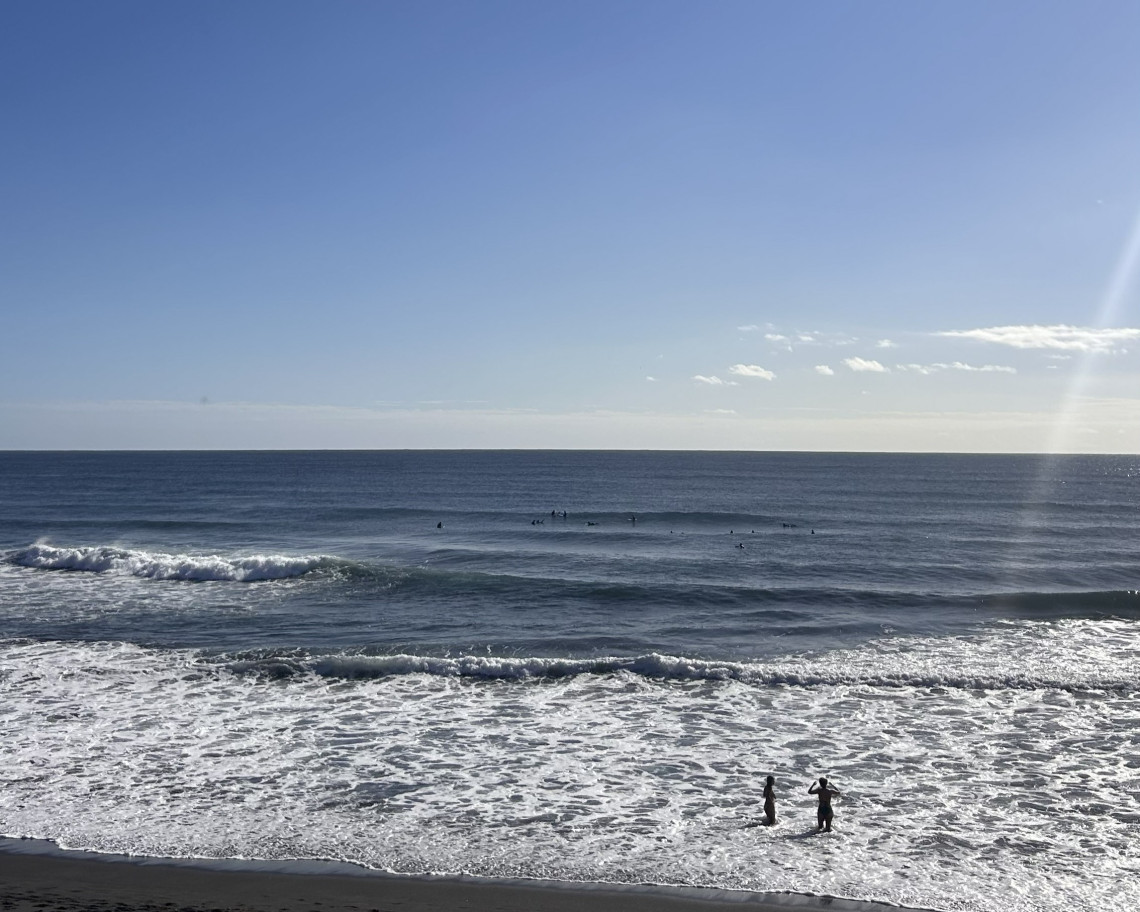
A 4/3 mm wetsuit is the usual choice from autumn to spring, and a 3/2 mm suit is enough for most people in summer. Wind matters as much as swell on islands this exposed, so check a forecast every morning and be ready to drive to the other coast.
Where to Surf on São Miguel
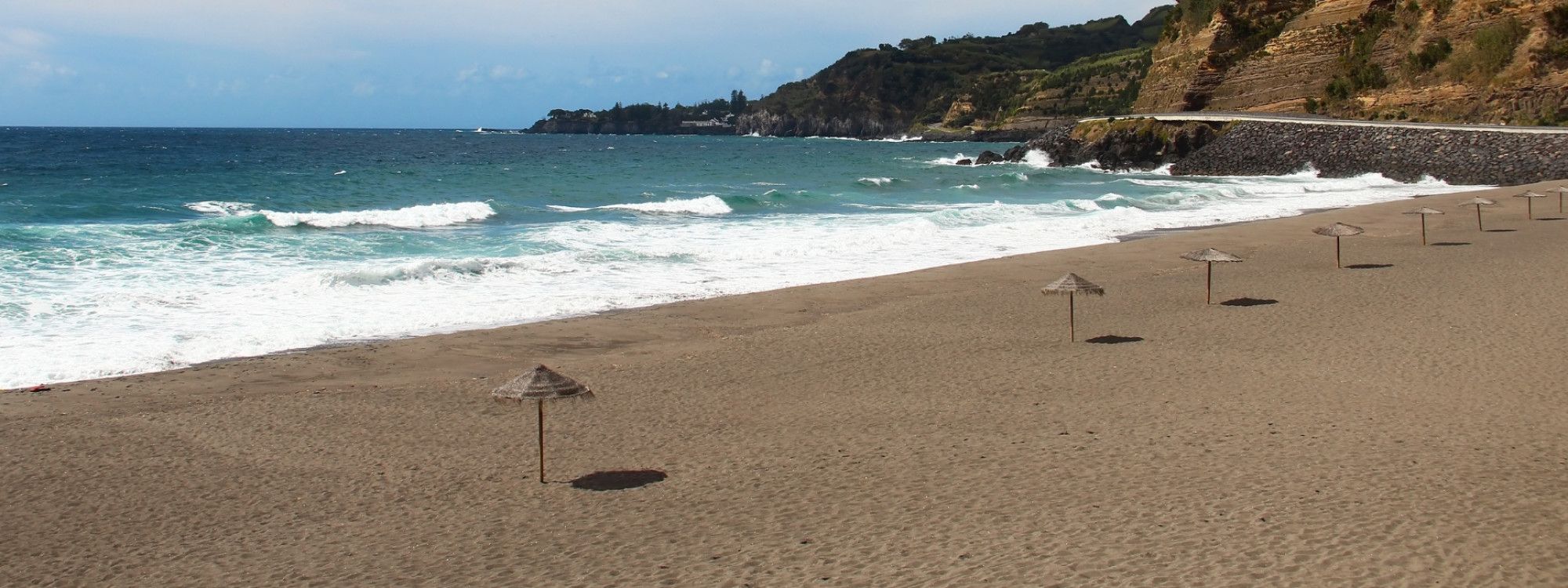
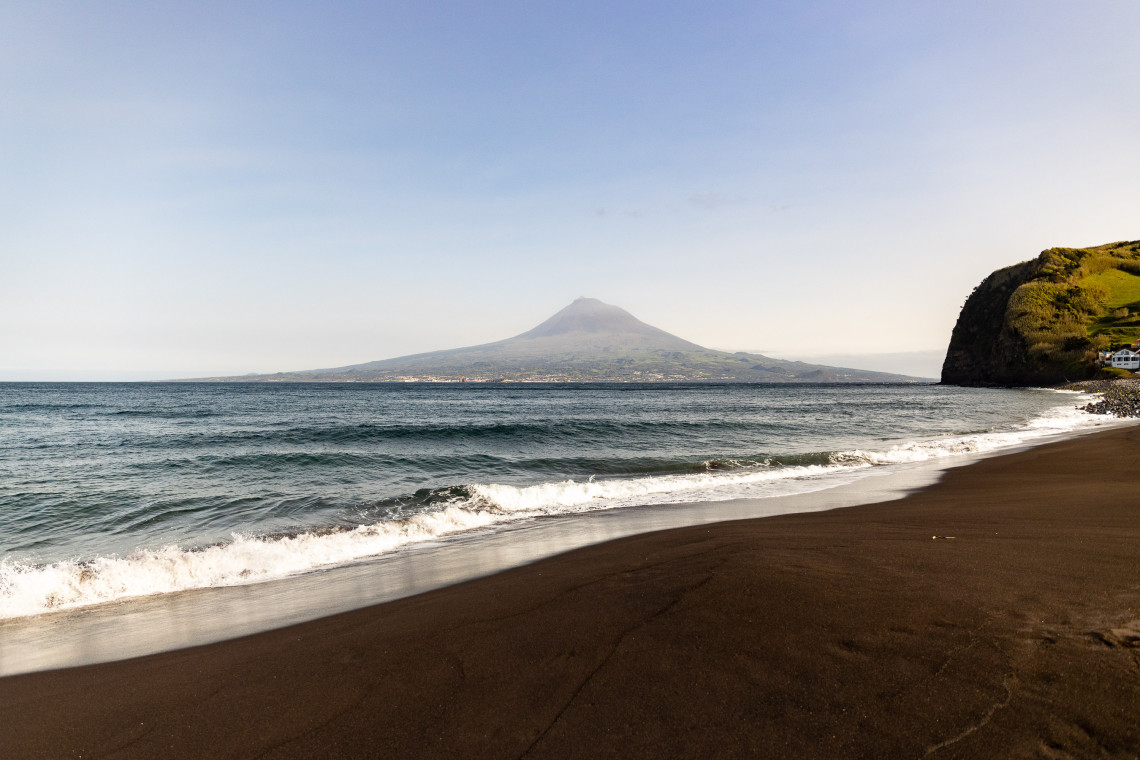
Santa Bárbara. A long black sand beach on the north coast near Ribeira Grande, about 20 minutes by car from Ponta Delgada. It is the main surf beach of the Azores, with surf schools, board rental and a beach bar, and it is where the World Surf League has held its Azores events.
Monte Verde. The town beach of Ribeira Grande, a short drive from Santa Bárbara. It picks up similar swell and is a good second option when Santa Bárbara is crowded.
Mosteiros. A black sand bay on the west tip of the island, below the Sete Cidades caldera. The setting is one of the most photographed on São Miguel, but currents and rocks make it a spot for experienced surfers only.
The south coast. The beaches near Ponta Delgada, such as Pópulo and Milícias, work when the swell comes from the south. They are the usual alternative when the north coast is too big or the wind is onshore.
Terceira and São Jorge
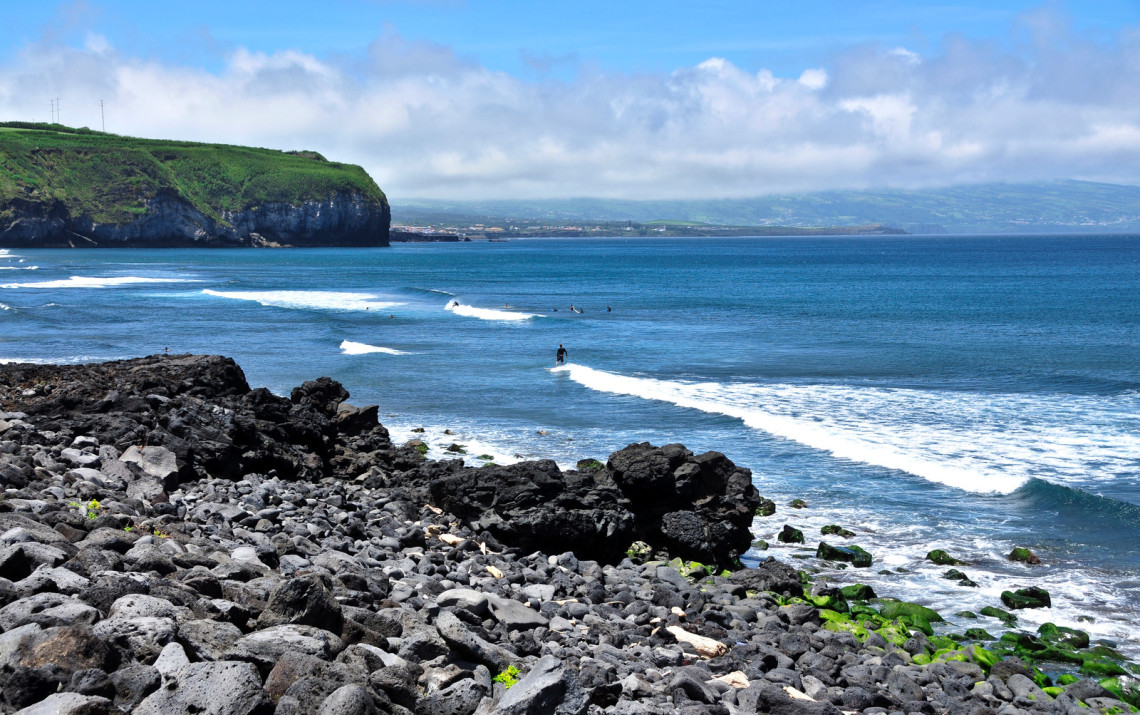
Terceira has fewer surf businesses than São Miguel, but its coast has reef breaks that work in autumn and winter swell, and the long beach at Praia da Vitória is a calmer place to start. Ask at your hotel or a local surf shop before paddling out at an unfamiliar reef.
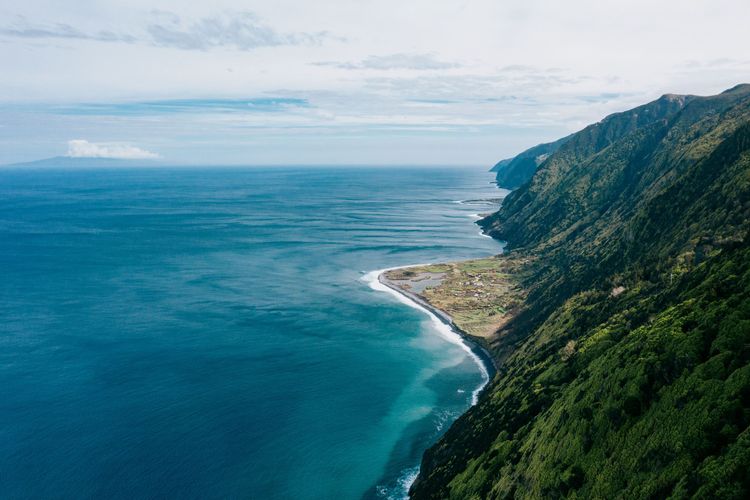
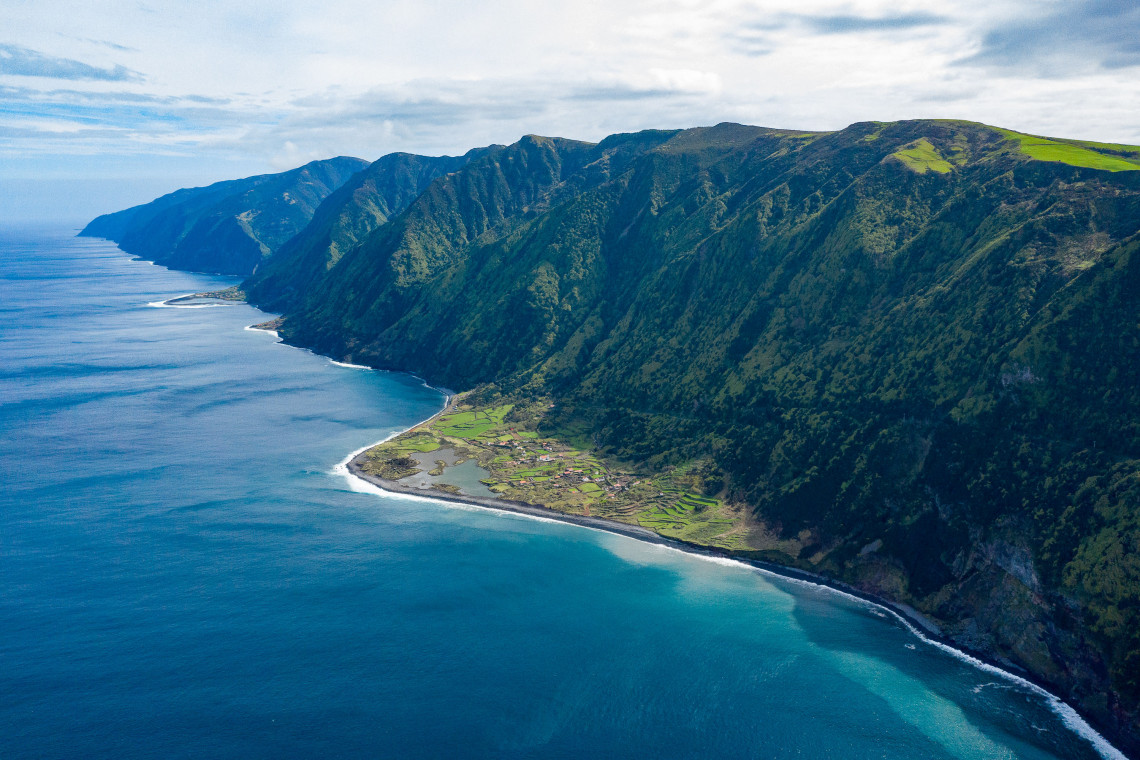
São Jorge is known among surfers for the Fajã da Caldeira de Santo Cristo, a flat strip of land at the foot of the cliffs with a lagoon and a wave that breaks over the rocks in front of it. There is no road: you walk down a trail or take a local quad bike taxi from Fajã dos Cubres. It is a wave for experienced surfers on a good winter swell, and the trip is part of the appeal.
The other islands, including Santa Maria, Faial, Pico and Flores, have breaks too, but almost no surf schools or rental. If you want to surf there, bring your own board and ask locals about access and currents.
Surfing in the Azores as a Beginner
Book lessons with a surf school on Santa Bárbara or Monte Verde. Schools choose the beach and the time of day for the conditions, provide the board and wetsuit, and teach you how to deal with currents, which is the main risk on these coasts.
Avoid reef breaks until you can read the water, and do not surf alone. Lifeguards work at the main bathing beaches only during the summer bathing season, so outside those months you are on your own.
Practical Notes
Boards. Renting from a surf school on São Miguel is simpler than flying with your own board, which most airlines charge for. Check the fee before you book.
Car. Rent one. The best break changes with the wind and swell, and the north and south coasts of São Miguel are about 30 minutes apart.
Forecast. Check the swell and the wind each morning. A strong wind can ruin a good swell on one coast and make the other coast clean.
Other days. Flat or stormy days are a good moment for the hot springs at Furnas, a whale watching trip from Ponta Delgada or a hike around Sete Cidades.



